A stainless steel bracelet is considered to be an embodiment of durability, class, and utility in the horological universe. Whether you are an ardent watch lover, a collector, or someone simply trying to enhance their watch, getting acquainted with the finer details of stainless steel bracelets is imperative. This guide intends to delineate every conceivable part of these bracelets while also discussing their design and construction, and the contribution each part makes towards the look and function of a watch. We shall dissect everything there is to know about links, clasps, pins, and finishing, thereby enabling you to appreciate the elegance that goes behind these crucial timepiece accessories. Get ready to walk through the finer details that have turned stainless steel bracelets into a time-honored definition of class and trust.
Understanding Watch Straps
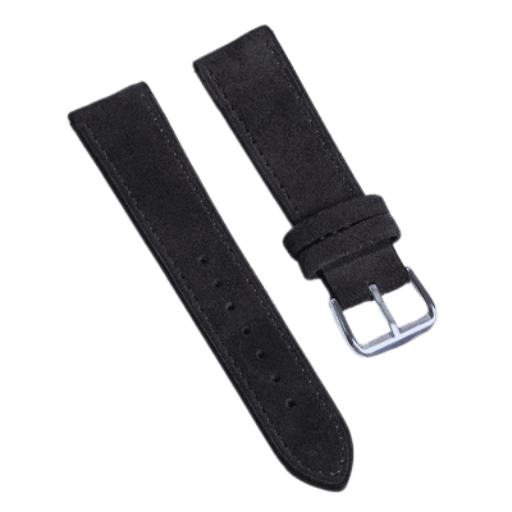
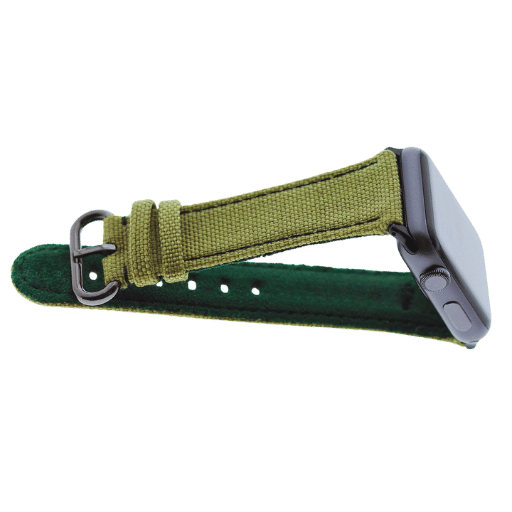
Watch straps are very important in a timepiece to provide security on the wrist, and for the blend of aesthetics and functionality. These are generally made of leather, metal, rubber, or fabric, with each possessing its own merits. Leather straps serve the purpose of providing a timeless elegance and billet comfort, whereas the metal bracelets guarantee durability and attractive finishes. Water resistance keeps rubber straps in demand for sports and outdoor uses, and fabric alternatives, such as NATO straps, stand for weightless agility. The strap, in essence, contributes to making the watch suitable for wear and enhancing its tunnel design for a particular occasion or preference.
Types of Watch Straps
When deciding on a watch strap for oneself, one should consider functional and stylistic considerations. According to some recent search trends on Google, very most searched types of watch straps are leather and silicone, with users looking for comfort, Durability, and special activities. Leather straps rank high in search queries due to their flexibility and timeless charm, particularly for formal occasions. Silicone bands attract considerable searches from sports buffs or those who give weight to water resistance and flexibility. Metal bracelets, often associated with luxury watches for their stylish looks, are thus widely searched, whereas fabric NATO straps are increasingly sought after for their on-casual, military-style looks. The stated data gives an insight into varied tastes among users and hence stresses the need for strap choice based on utility and style.
Choosing the Right Size: 20mm vs 22mm
Some key factors I consider when choosing between 20mm and 22mm watch straps are the following. First, I check whether the strap size matches the lug width of my watch; a pen fit should be perfect for functionality or striking looks. The 20-mm strap looks more elegant and thus suits slightly smaller or mildly refined watches, whereas the 22-mm strap system produces a broader and robust look, which generally pairs well with a larger watch case. Finally, I go with the one that suits a particular watch better and fits my taste.
Stainless Steel vs Leather Straps
Straps made of stainless steel are durable, water-resistant, and require practically no maintenance, while leather straps are classy, comfortable, and versatile but require greater maintenance and are less durable.
|
Parameter |
Stainless Steel |
Leather |
|---|---|---|
|
Durability |
High |
Moderate |
|
Waterproof |
Yes |
No |
|
Comfort |
Moderate |
High |
|
Style |
Modern |
Classic |
|
Maintenance |
Low |
High |
|
Weight |
Heavy |
Light |
|
Adjustable |
Tools needed |
Easy |
|
Occasions |
Casual/Formal |
Versatile |
|
Cost |
Higher |
Moderate |
|
Breathable |
No |
Yes |
Components of a Stainless Steel Watch Bracelet

Links: The Building Blocks of the Band
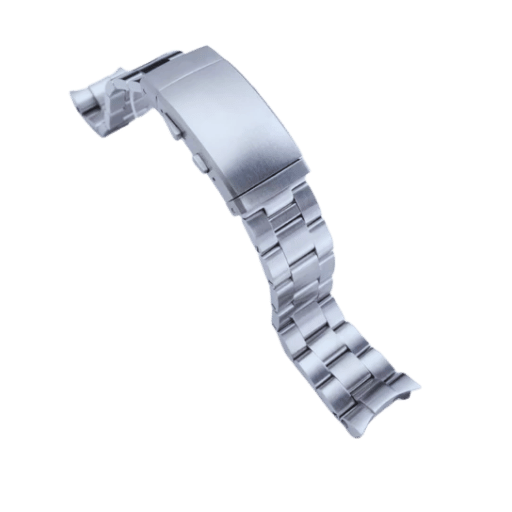
The links are the individual segments that comprise the bracelet of an all-stainless steel wristwatch. Each link is chain-linked, having some degree of flexibility so it can comfortably flex across the wrist. They are stainless steel to ensure durability and resistance to wear. Links can be resized by either adding or removing segments, generally with the use of special tools. Because they are adjustable, the band can be sized perfectly for the wearer; thus, comfort and functionality are enhanced.
Clasp and Buckle Mechanisms
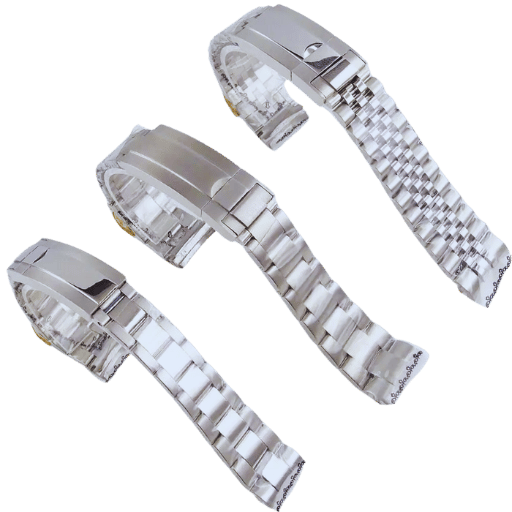
Clasp and buckle systems of steel watch bracelets are instrumental in securely fastening watches with comfort on wrists. There are different kinds of clasps used in modern watches, including deployant clasps, butterfly clasps, and fold-over clasps. Deployant clasps, for example, are well known for easy operation and are beneficial for the longevity of the bracelet since the wear might be less given during removal. Butterfly clasps are more symmetrical in appearance, folding underneath the bracelet from sight. Fold-over clasps are usually paired with a safety mechanism, such as a push-button release, for added security during physically active wear.
Adjusting Size with Loops and Pins
The sizing of a bracelet or watch strap with loops and pins demands exact handling to yield a proper fit. Identify the links to remove. These are usually indicated by arrows on the underside. Using a pin removal tool or some similar thin object, push the pin in the direction of the arrow. After it is partially pushed out, pull it out the rest of the way with a pair of pliers. Detach a link. Continue until it is the proper size. To put into one piece together, align the remaining links and reinstate the pins, giving a little push to ensure they are secure. Work everywhere on a flat and sturdy surface, lest a little mishap occur to the strap or anything nearby.
Repairing and Maintaining Your Watch Band

Identifying Common Issues
- Loose or Worn Pinceaux: A Pinceau over time loses shape and becomes loose, or even worn; this causes instability in the band.
- Scratches on the Materials: Some scratching occurs with daily use in the metal or leather watch band, and this scratches away its beauty.
- Charming Clasp: Either it is an accidental jam, or it broke, affecting the fastening ability of the watch or its holding function.
- Stretching of Link: Long use of metal bands with flexible links can result in stretching or weakening, and therefore improper fitting.
- Cracking or Fraying: Exposure to moisture, sweat, or wear makes melter or fabric bands crack, tear, or fray.
- Discoloration: Sunlight, water, or sweat may all cause discoloration and stains, particularly on lighter-colored bands.
- Accumulated Dirt and Debris: Dirt and oil fill the crevices of the band, which reduces its comfort and appearance over time.
- Misalignment: It means that the links shift from their set of places and so become productions of asymmetric expression, making it uncomfortable to wear on the hands.
DIY Repair Techniques
Certainly. Watch bands are notorious for pieces falling off, necessitating a repair job, but fixing something like that should not be very demanding. That being said, here are repair ideas for a few common problems:
| Repair Type | Key Steps | Tools/Materials | Cost Range | Tips |
|---|---|---|---|---|
|
Fix Scratches |
Buff, polish, and clean |
Polishing cloth, metal polish |
$5-$20 |
Follow the metal grain |
|
Replace Links |
Remove, replace links |
Spring bar tool, link kit |
$10-$30 |
Match measurements |
|
Remove Discoloration |
Clean, apply the solution |
Soap, vinegar, and baking soda |
$5-$15 |
Avoid harsh abrasives |
|
Correct Misalignment |
Realign, reassemble |
Pin removal tool |
$5-$20 |
Use minimal force |
|
Replace Buckles |
Attach a new buckle |
Spring bar tool, buckle |
$5-$20 |
Match size/material |
|
General Maintenance |
Clean, lubricate |
Microfiber cloth, lubricant |
$5-$25 |
Regular upkeep |
Such procedures keep the costs down while preserving the functionality and appearance of the band. If advanced repairs or attempts do not work, professional services for watch bands should be sought for further assistance.
When to Seek Professional Help
Some issues with watch bands demand the attention of a professional, despite routine maintenance and minor repairs. Trends show popular searches such as “how to fix a broken watch band” and “watch band repair near me,” implying common preoccupations like heavy damage or specialized material repair. When the watch band has been heavily frayed to cracking or damaged to such an extent that it cannot be solved with home tools, a professional ought to be seen. In addition, high-end or vintage watches with advanced or irreplaceable bands should be entrusted to experts to avoid accidental damage. They have the means and expertise required to stitch, replace proprietary components, or perform advanced repairs and ensure the watch band is properly restored to a state of good working order while maintaining its value.
High-Quality Materials in Watch Bands
Understanding 316L Stainless Steel
Because of its durability and corrosion resistance, 316-grade stainless steel is renowned as the best material choice for use in watch bands. The steel has a low carbon content to maximize its rust and tarnish resistance, and hence make it a good choice for constant wear and exposure to moisture. It is hypoallergenic, so people with hypersensitive skin can wear it; a polished finish makes the high-quality watches even more aesthetic. Strength and ability to retain its looks for a long time are among the attributes that add to the fame of 316-L grade stainless steel in both luxury and everyday watches.
Comparing Stainless Steel and Titanium
|
Parameter |
Titanium |
Stainless Steel |
|---|---|---|
|
Weight |
40% lighter |
Heavier |
|
Strength |
Stronger |
Durable |
|
Corrosion |
Highly resistant |
Moderate |
|
Hypoallergenic |
Yes |
No |
|
Scratch Resistance |
Lower |
Higher |
|
Polish |
Matte finish |
High shine |
|
Price |
Higher |
Lower |
|
Thermal Stability |
High |
Moderate |
Elegant Finishes: Rose Gold and Other Options
Rose gold is warmly luxurious and is manufactured by fine gold put through a blend with copper alloys. It’s an eternally modern color that any eye could be attracted to based on evolving tastes. Yellow gold is another choice, which is eternally glamorous and fluffy. Conversely, white gold is aspirational to go for in terms of contemporary colors. The choices go to taste and occasion, thus attesting to the interactivity between style and function. This would have the highest balance between daily wear and occasional usage.
Customizing Your Watch Bracelet
Making Chain Links and Adjustments
In the watch accessory world, bracelet fitting is a critical operation to ensure comfort and fit. Chain link adjustments involve either the addition or removal of links to suit the wrist size of the wearer. Typically, depending on the type of bracelet, precise tools such as link pin pushers or small screwdrivers are required to carry out the task. More recent data from Google’s search engine suggests that queries about “how to adjust watch links” have seen an increase, reflecting more interest in personalizing wrist accessories without help from professionals. Most modern watches are very convenient in this matter: quick-release pins or built-in adjustment mechanisms cut down on the needed skills. However, professional know-how is the safer option for complicated or vintage types to prevent damage to the bracelet or watch parts. Custom modifications create immense comfort and ensure high hitting moment of the timepiece.
Accessorizing with Different Components
When considering watch components for dressing up, we discover a smorgasbord of materials and designs to complement fashion or utility. Today, wristwatches quite dispense with versatile hardware: leather, stainless steel, titanium, ceramic, or silicon- all for strap or bracelet possibilities. Depending on its intended purpose, the timepiece will find advantage in any given attribute of these materials.
|
Component |
Key Feature |
Popular Use |
Trend/Stat |
|---|---|---|---|
|
Leather Straps |
Timeless |
Formal |
Eco-friendly rise |
|
Metal Bracelets |
Durable |
Everyday |
60% market share |
|
Silicone/Rubber |
Waterproof |
Sports |
25% market share |
|
Ceramic |
Scratch-free |
Luxury |
15% demand rise |
|
Hybrid Materials |
Multifunction |
Versatile |
Growing trend |
By choosing the right element according to their whims, mood, activity, and occasion, users customize the watch. The use of premium materials not only guarantees durability but also creates a sense of beauty and identification for the craft as a hand-made piece. Guided consultation can improve the making of decisions concerning such articles based on market trends and material innovations.
Choosing the Right Fastening Solutions
The application of fastening solutions demands the factored consideration of material compatibility, load requirements, weather conditions, and other pertinent parameters. Search seem to affirm that the most sought-after fastening systems included the mechanical fastening system comprising screws, bolts, and rivets and a set of adhesives with hybrid advanced systems. Users perennially look up solutions that afford bonding capability, ease of installation, and versatility.
Frequently Asked Questions (FAQs)
Q: What makes stainless steel a popular material for bracelet parts?
A: Stainless steel is widely used for bracelet components due to its durability, corrosion resistance, and sleek appearance. It is less prone to tarnishing or rusting compared to other metals, making it ideal for everyday wear.
Q: Are stainless steel bracelet parts hypoallergenic?
A: Many stainless steel alloys are hypoallergenic, which reduces the risk of skin irritation. However, some grades may contain trace amounts of nickel. If you have sensitive skin, opt for parts made from surgical-grade stainless steel or explicitly marked as nickel-free.
Q: How durable are stainless steel bracelet parts?
A: Stainless steel is highly durable and resistant to scratches and dents. It can withstand daily wear and tear, making it a reliable choice for both casual and formal accessories.
Q: How do I maintain stainless steel bracelet parts?
A: To keep stainless steel components in good condition, clean them regularly using warm water, mild soap, and a soft cloth. Polish the surface with a microfiber cloth to restore shine. Avoid exposing the bracelet to harsh chemicals or abrasive materials.
Q: Can stainless steel rust over time?
A: Although stainless steel is corrosion-resistant, prolonged exposure to saltwater, chlorine, or acidic substances may affect its surface. Rinse and dry the bracelet thoroughly after contact with these elements to maintain its luster.
Q: Are stainless steel bracelet parts customizable?
A: Yes, many manufacturers offer customization options for stainless steel bracelet parts, including engraving, different finishes (such as matte, polished, or brushed), and various colors through techniques like ion plating.
Q: Can stainless steel parts be combined with other materials?
A: Stainless steel pairs well with other materials like leather, silicone, or gemstones to create unique designs. When combining materials, ensure they are securely attached and compatible to avoid wear and damage over time.
Q: Are stainless steel parts interchangeable between different bracelet brands?
A: Interchangeability depends on the part’s dimensions (e.g., strap width, clasp size) and the brand’s design specifications. Always confirm compatibility before purchasing replacement components or additional parts.
Q:. Why does my stainless steel bracelet appear dull?
A: A dull appearance may result from the accumulation of dirt, oil, or minor surface scratches. Regular cleaning and polishing can restore its original shine. For deeper scratches, consider professional refinishing services.
Reference Sources
1. The core cause analysis for dimensional and geometrical aberrations of stainless steel parts in 316L and 17-4PH manufactured by metal binder jetting.
- Authors: M. Zago, Nora Lecis, M. Mariani, Ilaria Cristofolini
- Published: March 16, 2024
- Summary: The study investigated the dimensional and geometrical accuracy of stainless steel parts by metal binder jetting. The authors produced parallelepiped samples with hole diameters and positions that varied. Dimensions and geometrical characteristics were measured in green and sintered states by means of a coordinate measuring machine. Key observations were:
- Anisotropic linear shrinkage, with shrinkage being more pronounced in the building direction (Z) than in the building plane (X and Y).
- The relative density of the sintered parts changes with their position in the printing chamber by as much as 3%.
Shape distortion due to layer shifting and inhomogeneous green density during printing is emphasized as a key issue affecting hole accuracy(Zago et al., 2024).
2. Influence of aging treatments on 17-4 PH stainless steel parts made by material extrusion-based manufacturing techniques
- Authors: A. Pellegrini, F. Lavecchia, M. G. Guerra, L. Galantucci
- Published: February 23, 2023
- Summary: The investigation focuses on the mechanical properties of 17-4 PH stainless steel parts produced by material extrusion additive manufacturing. It observes the effect of aging treatments H900 and H1150 on hardness and porosity. Below are some key results:
- H900 aging considerably increased hardness (up to 52%) and reduced porosity (34.3 is the number).
H1150 aging resulted in a drop of hardness by 18% but also reduced porosity by 32.2%. - The study offers an overview of much greater microstructural variations in terms of grain size and δ-ferrite content (Pellegrini et al., 2023, pp. 163–178).
3. Comparative study on the properties of 17-4 PH stainless steel parts made by metal fused filament fabrication process and atomic diffusion additive manufacturing
- Authors: F. Lavecchia, A. Pellegrini, L. Galantucci
- Published: August 22, 2022
- Summary: The mechanical properties and microstructure of 17-4 PH stainless steel were studied following processing by two different technologies, namely ADAM and MFFF. The important conclusions were:
- Parts produced by ADAM had lower surface roughness when compared with those produced by MFFF.
- The difference in sintering parameters and debinding methods affected properties concerning porosity and microstructure that, in turn, affected tensile strength and hardness (Lavecchia et al., 2022).
4. Watch strap
5. Buckle