


Stainless steel rosary components are sought after by artisans, collectors, and worshippers because of their superb durability, their timeless aesthetic, and the fact that they do not tarnish. Whether you want to create a classic family heirloom, craft rosaries for consideration, or explore a new material, you must understand the value and versatility of stainless steel pieces. This is where the guide of stainless steel rosary parts comes in, giving you an overview of their benefits, types, and side-by-side comparisons with other materials such as 925 sterling silver. After reading, you will be armed with the knowledge necessary for making informed decisions on whichever project you undertake about rosaries and with an appreciation for the many small details that have placed stainless steel among the top choices for the modern-day designer.
What Are the Essential Rosary Parts?
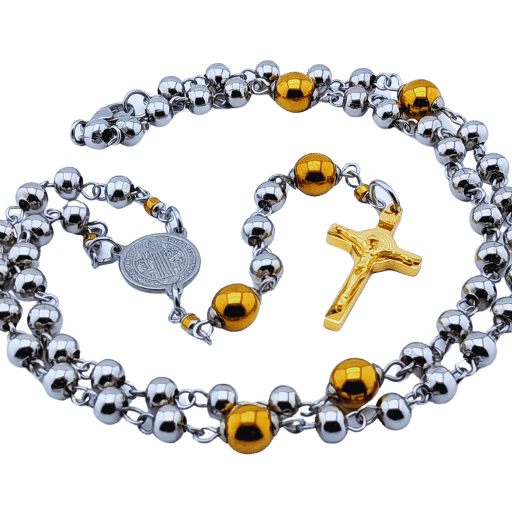
The fundamental parts to be included in the rosary are the crucifix, centerpiece, beads, and chain or cord, all of which go toward the design of a decade rosary. The crucifix acts as a point of focus and an emblem of faith. The centerpiece connects the rosary strands, usually with some religious emblems on it. The beads are for counting prayers and are usually divided into five decades. Finally, the chain or cord links the entire structure together, rendering it durable and usable. Each element is vital for the use and spiritual intent of the rosary.
Understanding the Rosary Bead
Rosary beads are used for devotion, particularly in Catholic prayers. This system of praying allows for meditation and spiritual reflection.
The Role of the Centerpiece in a Rosary
The centerpiece connects the chain from the loop of beads to the pendant or crucifix. It usually has some image or design of the Virgin Mary, a saint, or some other devotional symbol with spiritual significance. The centerpiece adds symbolism to the rosary and holds it together structurally, making it functional and deeply meaningful as a focus for prayer.
Choosing the Right Crucifix for Your Rosary
The selection of a crucifix would have everything to do with design, material, and personal significance. Consider how it would look spiritually to you- the forms and images it adopts resonate with your faith. The usual choices of crucifix material are wood, metal, or resin; these materials will vary for durability and appearance. The size of the crucifix should be in proportion to that of the beads to have a balanced view and ease of usage. Ultimately, one’s choice as to which crucifix will spur their prayer experience, which resonates with the rest of the rosary.
Why Choose a Stainless Steel Rosary?
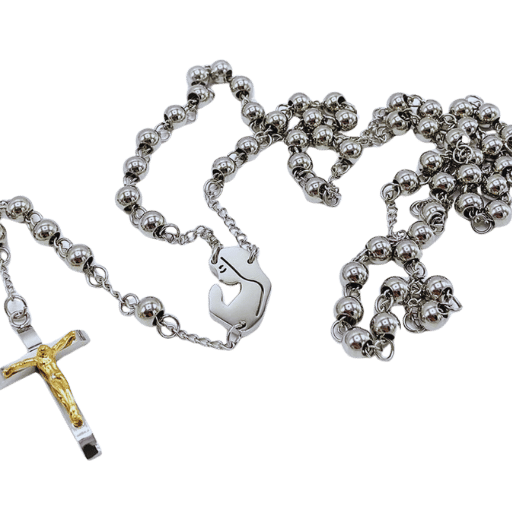
Benefits of Stainless Steel Beads
- Durability: Stainless steel is corrosion-resistant and does not tarnish or wear off, so the rosary retains its look and strength over time.
- Low Maintenance: Unlike other materials, stainless steel does not require much cleaning or maintenance, and it is perhaps a handy material for everyday use.
- Hypoallergenic Properties: Stainless steel will not react with a person; thus, it is inappropriate for those with sensitive skin or metal allergies.
- Modern Aesthetic: The raw appearance suggests sleekness, making stainless steel a contemporary showpiece while maintaining a traditional aura.
- Affordability: The target is to be cheap yet cost-effective in providing value for rosary beads.
Durability of 304 Stainless Steel
304 stainless steel is almost synonymous with durability in many uses. The corrosion resistance it shows is explained by chromium in the composition, which forms a passive oxide layer on the surface that protects the environment from such things as moisture, chemicals, or oxidation. With tensile strength ranging from 515-720 MPa (megapascals), 304 stainless steel is highly mechanically competent to withstand extreme stress levels without acting plastically, so it can be used in sturdy rosary crucifixes.
This stainless steel grade is well resistant to rusting when it is moderately exposed to moisture and other corrosive agents. Moreover, given its melting point, over 1,400 °F (760 °C), the material can maintain structural stability even when subjected to higher temperatures. Hence, these properties make stainless steel grade 304 favorable in various industrial sectors: construction, architecture, medical, and consumer products, with a promise of working for a long time with minimal maintenance.
How to Assemble a Rosary?
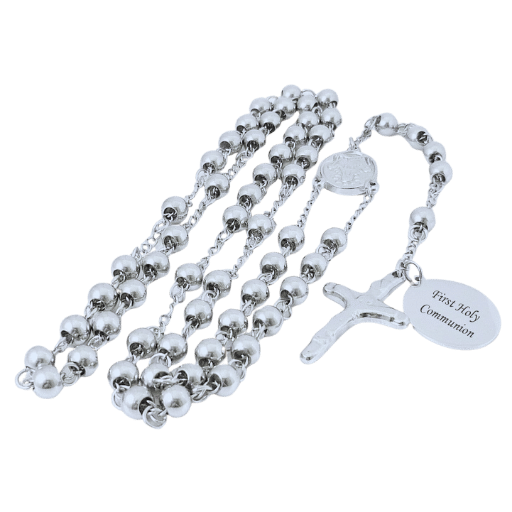
Step-by-Step Guide to Using Jewelry-Making Supplies
- Gather Your Materials: Obtain your beads, wire, jump rings, clasps, and jewelry-making tools, including pliers and cutters.
- Plan Your Design: Lay out the beads and components in the desired order on a flat surface or design board to represent the end piece visually.
- Cut the Wire: Measure the jewelry wire or string to the appropriate length. Typically, leave some extra length for securing the ends.
- String the Beads: Place the beads on the wire according to the layout, spacing them evenly or arranging them according to your plan.
- Secure the Ends: Crimp beads or tie knots into the ends of the wire so the beads will not slip off.
- Attach Clasps or Connectors: Using jump rings to link the clasp or other connectors to finish the piece.
- Inspect and Test: Cross-check assembly durability and consistency. Ensure that everything is secure and no sharp edges are exposed.
Common Mistakes in Rosary Making Parts
In making parts for rosaries, inevitable mistakes will affect functionality and aesthetics. The most common of these is cutting the wire the wrong way. If one uses either a non-specialized cutter or one that is dull, uneven cutting is likely, and such defects may cause the beads to be loose or inadequately connected. Another overlooked issue is the choice of bead sizes for the intended design. For example, beads that are too small may cause a visual imbalance, whereas huge beads may undoubtedly make the rosary heavy and challenging.
Another standard error is the lack of proper knotting or crimping of beads in critical locations. One is likely to experience looseness or even disassembly while in use. Also, misalignments in bead spacing are of considerable note, for inconsistent spacing creates a lopsided appearance, contrasting with the symmetry necessary for a polished look. The wire or thread can be taken beyond its limit by over-tightening, which imposes strain and results in breakage as time goes by. Last but not least, the clasp or connector must not be tested after assembly, as doing so may render the finished piece unusable if such weaknesses are discovered after brief wear.
Reasonable quality control and attention to detail in assembly will surely mitigate against these mistakes. Applying proper tools, double-checking measurements, and using suitable materials will ensure that the rosary is durable and pleasing to the eye.
Importance of a Secure Stainless Steel Chain
A secure stainless steel chain makes for a long-lasting and durable rosary. Going with stainless steel is especially favored for its high tensile strength, corrosion-resistant properties, and resistance to general wear-and-tear during daily use. Unlike with a softer metal, stainless steel does not usually bend, break, or tarnish, thereby keeping the chain intact and beautiful over long periods, especially in the case of a gold rosary. Engineering standards of materials elucidate the corrosion resistance of stainless steel through the presence of chromium in it, which causes the formation of an invisible but excellent layer of passive oxide on the surface of stainless steel, thereby protecting it from environmental factors such as moisture and oxidation.
Another benefit of stainless steel chains is their low maintenance requirements compared to other metals. Because of its hygienic properties serve well for objects that users put their hands on and take through several conditions. Industry-wise data have detailed that stainless steel has a tensile strength of about 515 MPa, thereby enabling it to hold the weight of the beads, resist the movement of the beads, and maintain its structural integrity while being frequently handled. For all who want to trust, keep low maintenance, and retain an established life, using a secure stainless steel chain is the most practical and professional option for any rosary design.
What Are the Variations of Rosary Necklace?
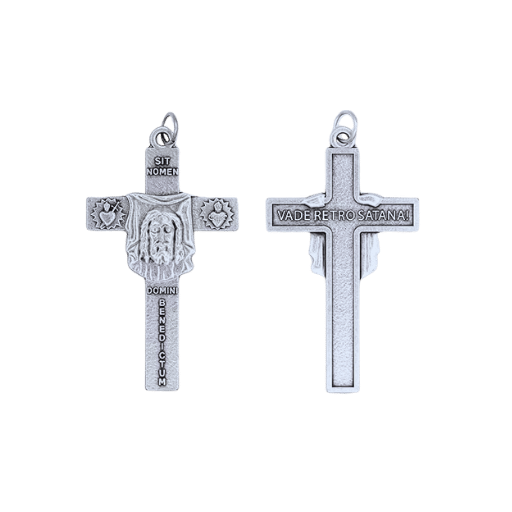
Features of a Gold-Plated Rosary Necklace
- Elegant Appearance: The gold plating offers an opulent and polished aesthetic to the rosary necklace, making it conducive for formal occasions or as a treasured accessory.
- Corrosion Resistance: Being the protective layer, gold keeps the base material susceptible to corrosion through tarnish or oxidation, assuring durability and beauty.
- Lightweight Design: The downside of their attractiveness is that gold-plated rosary necklaces are often made with comfort in mind, ensuring they can even be worn for long hours.
- Affordability: Less solid gold, gold-plated necklaces share the looks of their expensive counterparts, thereby suddenly becoming affordable to the public.
- Symbolic Significance: This finish lends the rosaries reverence and sacredness, thus increasing their spiritual significance for one’s devotion or against gifting.
Differences between a Rosary Bracelet and a Necklace
|
Parameter |
Bracelet |
Necklace |
|---|---|---|
|
Size |
Compact |
Larger |
|
Beads |
Single-decade |
Full-length |
|
Portability |
Highly portable |
Less portable |
|
Usage |
Quick prayers |
Complete prayers |
|
Style |
Jewelry-like |
Devotional |
|
Convenience |
Easy to carry |
Bulky |
Where to Buy High-Quality Rosary Components?

Finding Reliable Suppliers for Handmade Rosaries
To source premium rosary parts, focus on well-known suppliers for their expression of craftsmanship and material quality. One must consider specialty religious goods stores, both online and locally; they generally carry many beads, crucifixes, and other rosary-making parts. Established online marketplaces such as Etsy and Amazon may also tempt one toward a trusted seller with good reviews and ratings for such items as pocket rosaries. One might also consider craft supply stores since they stock tough materials made for handcrafting rosaries. It is always advisable to ensure the supplier is reputable by looking at online consumer feedback and reviewing their return policies for defective or unsatisfactory items.
How to Choose Between Sterling Silver and Stainless Steel
When choosing between sterling silver and stainless steel for your rosary, you must consider the material’s durability, care, and beauty, especially regarding the Jesus cross. Traditionally regarded as elegant and classic, sterling silver contains 92.5% pure silver while the remaining 7.5% consists of other metals like copper. However, being a relatively soft metal, it tarnishes easily with time. Remember that an occasional polish and proper storage would keep this metal shining. In contrast, stainless steel comprises an iron alloy with chromium, nickel, and other metals, thus resisting corrosion, tarnishing, and scratches. It is a sturdy, low-maintenance alternative with a modern and industrial appearance.
If cost comes into consideration, stainless steel is usually cheaper than sterling silver and can outlast the latter. However, those with metal allergies may opt for sterling silver since stainless steel alloys can contain nickel, a prevalent allergen. Since it is softer, sterling silver is typically used for intricate designs where custom work is needed; stainless steel, with its hardness, is better suited for designs that demand durability and clean lines. Ultimately, aesthetics versus maintenance versus function are key parameters that will provide a perspective on which to decide.
Frequently Asked Questions (FAQs)
Q: What are the benefits of stainless steel for catholic rosary parts?
A: Stainless steel is durable, tarnish-resistant, and clean and well-shaped, making it ideally suited for Catholic rosary parts, including the cross pendant.
Q: How can I select a suitable rosary centerpiece for my rosary?
A: For your custom rosary, pick a centerpiece that resonates with your spiritual focus, such as a miraculous medal or a Virgin Mary type.
Q: What is the significance of a miraculous medal inside a rosary?
A: Miraculous medals are considered symbols of protection and faith; they are sometimes added to rosaries as a blessing.
Q: Are there any large rosary patterns for religious necklaces?
A: Large rosary designs make bold statements and can be worn as necklaces or used for traditional praying.
Q: Can I use gold-plated stainless steel as cross rosary necklaces?
A: It is true. Gold-plated stainless steel can make beautiful, durable cross rosary necklaces.
Q: What are alloy rosary kits, and who can use them?
A: These kits contain all the materials needed to assemble a rosary and are suitable for novice and experienced DIY jewelry makers.
Q: How does one distinguish between a crucifix cross and a Saint Benedict crucifix?
A: A crucifix cross ordinarily has an image of Jesus, while a Saint Benedict crucifix will have the Saint Benedict medal. Both are meant for protection and devotion.
Q: Where are jewelry supplies found for making a custom rosary?
A: Online stores for Catholic rosary parts generally have all jewelry supplies, including stainless steel rosary beads and centerpieces.
Q: How does a miraculous-medal-rosary center enhance a rosary?
A: The miraculous medal rosary center can enhance its spiritual meanings, binding them into devotion and grace.
Q: What does the connector do in a rosary parts set?
A: The connector joins the rosary sections for their structural integrity and aesthetic appeal.
Reference Sources
University of Dayton – Marian Studies: Looks at Marian devotional items, which are rosaries that might shed light on their historical and cultural significance.
Leading Stainless Steel CNC Machining Services Provider in China


