


The manufacturing method of extrusion is quite fascinating and widely used for molding materials in a variety of industries. From the extrusion of metal parts, sturdy and robust, to intricate plastic articles, the extrusion is of utmost importance in providing products that are essentials in our daily lives. But what is the concept of extrusion, and how exactly does the technique operate? This blog post will bring to you a deep insight into the fundamental working principles of this widely applicable procedure. The article will explain the working mechanism of extrusion, its importance, and varied applications for all: the curious learner, the professional, and the layman interested in how commercial products are made. By the time you finish reading, extrusion will no longer seem a mere manufacturing concept but an important technique in present-day manufacturing.
It’s All About Understanding Extrusion
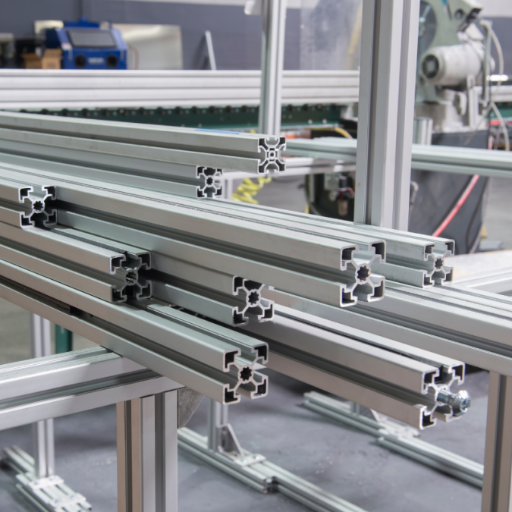
Extrusion is a shaping operation in manufacturing, wherein materials are forced into and through a die with the cavity of a particular shape, thus producing objects of fixed cross-sectional profile. The technique is generally applied to metals, plastics, and ceramics so as to realize pipes, tubing, and structural shapes. It is renowned for its ability to impart intricate geometric detail on objects while simultaneously producing long continuous lengths efficiently.
Definition of Extrusion
Extrusion is a mechanical process in which the material is forced to pass through a suitably designed die that imparts to the object a fixed cross-sectional shape. This method is widely employed for the fabrication of various industrial components of constant dimension and intricate profiles. The versatility of extrusion is such that it is applied in making metals, plastics, and ceramics into pipes, sheets, and framing sections with very high precision.
Grundlagen des Extrusionsverfahrens
The extrusion starts with feeding the raw material into a barrel, which warms up the product to a suitable temperature, making it pliable for the shaping activity. Depending upon the nature of material, it could be melting metals or softening plastics. Once the material is brought to the desired state, it is pressed under heavy pressure through the die, which forms the shape of the end product. The extruded material is then cooled down either by air or water to retain the shape and cut to desired lengths. This process, therefore, not only makes precise lengthy shaped products but also is very rapid, hence very much used in industrial manufacturing.
Key Principles of Extrusion
There are some of the key principles that govern the effective functioning and precision of the extrusion process. First of all, the selection of materials is important, considering that the material would be required to soften or melt under determined conditions but without degradation. Next is temperature control; if successfully held, the material can be expected to flow evenly through the die. Die design is another very important factor that has to be taken into consideration; the design of the die defines the shape and dimensions of the extruded product and must, therefore, be very precise. Consistency of pressure is imposed on the material inside the extrusion barrel; it is, therefore, ensured that it will be forced evenly through the die and does not suffer from defects in the finishing. Lastly, there should be a proper cooling scheme for the extrusion product while solidifying from the molten state of perfection that does not impart any internal stress or warpage to the product. Following all these principles, extrusion can quickly and reliably produce high-quality custom components.
Types of Extrusion

- Direct Extrusion- Here the material is pushed through a stationary die in the same direction in which force is applied. It is the common and easiest method.
- Indirect Extrusion- Here the die is moving towards the stationary material, reducing the frictional force and resultant force needed in the process.
- Hot Extrusion- Extrusion at high temperature decreases the resistance of the material and, thus, is used for metals and alloys.
- Cold Extrusion- The process takes place at room temperature, thereby enhancing the strength and finish of the end product.
Thermal Extrusion
Thermal extrusion involves heating the material to increase plasticity for easy shaping and forming during extrusion. This technique is especially suitable for a material that offers a high level of resistance under normal conditions. Usually, thermal extrusion processes operate at temperatures between 316°C and 650°C (600°F to 1,200°F) for metals like aluminum and can rise as high as 1,315°C (2,400°F) for high-strength materials such as steel or titanium.
With the recent developments in extrusion technology, it has become possible to accurately control temperature and pressure, consequently ensuring greater efficiency and the quality of the product. For example, modern extrusion machines are equipped with sensors and monitoring systems operating in real-time to guarantee consistent outcomes and minimal wastage.
The global thermal extrusion market is growing rapidly due to its application in automotive, aerospace, and construction industries. According to some recent reports, the extrusion market is expected to reach $85.1 billion by the year 2027, owing to the growing demand for lightweight yet durable materials of manufacture. Besides, 3D printing of extrusion dies has changed how complex shapes are made, slashing lead times heavily when compared to traditional processes.
Cold Extrusion
Cold extrusion is a metal forming technique performed either at or near room temperature, which is completely considered to be more cost-efficient and energy-efficient as compared to hot extrusion. Besides that, it offers several benefits, including improvement of characteristics of materials like strength enhancement due to strain hardening, better surface finish, and tolerances to the extent that secondary machining is hardly required.
The ever-rising demand for lightweight parts from the automotive sector has had a tremendous influence on growth within the global market for cold extrusion. Owing to this, an analysis of the marketness suggests the cold extrusion market will prosper at a CAGR of 6.2% between 2023 and 2030. This growth is predominantly attributed to higher inclinations toward green manufacturing methods and better investments in modern machinery, including servo presses and automated systems, which improve processing efficiency while limiting material wastage.
With such a boom of advancements being made with AI and IoT integrated into production lines-a revamp of cold extrusion processes being presented. Such technologies allow for real-time monitoring, predictive maintenance, and better control over production parameters, much to the aid of fabricating quality products with less downtime and costs.arriving for cold extrusion processes and industries aluminum, steel, and copper used in production processes as well as realize benefits for recycling and applications across several industries such as automotive, electronics, and construction.
Hot Extrusion
Hot extrusion is a method for shaping materials by forcing them through a die while under high temperature above their recrystallization temperature. This is beneficial when used to produce complicated shapes and to improve the mechanical properties of the final product. Aluminum, magnesium, copper, and other alloys are primary candidates for hot extrusion.
Recent advancements have focused on increased efficiency of energy utilization and accuracy in hot extrusion. Industry reports now claim these innovations allow manufacturers to reduce waste by 15% through integrated heating and improved die design. There exists a very lucrative growth opportunity for the market of hot extrusion with an expected CAGR of 4.6% for 2023-2030, mainly driven by applications in aerospace, automotive, and construction industries.
Moreover, extrusion technology plays a significant role in manufacturing lightweight materials, especially for the automotive industry, which is heavily focused on minimizing vehicle weight as a metric to improve fuel economy. For instance, it is estimated that aluminum extrusion aids in the reduction of vehicle weight by up to 50%, which, in turn, ensures energy savings related to the operational phase of a vehicle and reduces carbon footprint. Very advanced developments stand testimony to the proper existence of hot extrusion in current-day industrial activities.
Extrusion Machines

Extrusion equipment is built for the processing of materials by forcing them through a die to obtain desired shapes and profiles. Extrusion equipment comprises the feeding system, heating devices, extrusion presses, and the die assembly. Great acclaim goes to these extrusion machines for their ability to handle a broad variety of materials ranging from aluminum, plastics, and composites, with utmost precision and efficiency. Additional amenities and controls embedded into these machines are automated so that temperature can be regulated, thus improving the productivity and quality of industrial processes.
Extruder Components
An extruder has a number of key components, all of which are important to properly processing the materials. Below is a detailed description of the major components:
- Feeding System: In the first step, the process begins at the feeding system where raw materials are added to the extruder. Usually, materials are fed through hoppers or volumetric feeders to maintain a steady flow of the material into the process. Advancement has been seen in this area with the introduction of gravimetric feeders, which provide batch weighing for absolute precision during output.
- Screw and Barrel: The extruder’s primary function rests in the screw and barrel system. The screw rotates in the barrel so that the material is transported forward, subjected to shear, and heated to melt or otherwise transform it. The construction of the screw can
- Heating and Cooling Systems: To achieve the required material properties, the barrel is equipped with heating elements to increase temperatures and cooling systems to maintain precise thermal control. For instance, polymer extrusion typically operates in temperature ranges of 200°C to 400°C, depending on the polymer type. Modern extruders often feature advanced temperature sensors and control systems for unparalleled accuracy.
- Heating and Cooling Systems: Heating elements are fitted inside the barrel where temperatures are raised, while the cooling system is used for the precise maintenance of temperature. In polymer extrusion, for example, the normal operating temperature ranges from 200°C to 400°C, and the variation in this range depends on the kind of polymer. Advanced temperature sensors and control systems are incorporated into modern extruders to provide fine and precise temperature plus control.
- Die System: The die is one of the most important components of the extruder, as it sets the final shape and profile of the material coming out from the extrusion process. Dies are custom-machined for each product, such as sheets, films, tubes, or special custom profiles. Innovations brought by the 3D-printed die technologies provide a faster prototyping process for dies and increased accuracy in die shaping.
- Motor and Gearbox: The extruder is provided power from a motor, hydraulic or electric, connected to a gear box that alters torque and speed according to processing needs. However, servo motor types see greater production as their acceptance has risen: they save a great deal of energy while ensuring high performance in operation.
- Automation and Control Systems: In most cases, the modern extruder is integrated with automated controls and monitoring systems. These systems apply sensors, PLC (Programmable Logic Controllers), and IoT (Internet of Things) technology to monitor and control the screw speed, pressure, temperature, and output rate in real time. Automation helps to increase production, decrease waste, and assure product quality.
Types of Extruders
There are several types of extruders, including single-screw, twin-screw, ram, and co-rotating or counter-rotating extruders.
| Type | Key Feature | Material | Application | Output Rate |
|---|---|---|---|---|
| Single-Screw | Simple design | Polymers | General use | Moderate |
| Twin-Screw | High mixing | Composites | Complex mix | High |
| Ram | No screws | Metals | Precise work | Low |
| Co-Rotating | Same screw dir | Compounds | Shear-focused | High |
| Counter-Rot. | Opp. screw dir | Fragile mats | Low-shear ops | Moderate |
Maintenance of Extrusion Equipment
Proper maintenance of extrusion equipment will ensure its optimal functioning while also extending its life and limiting downtime. Foremost are the extrusion equipment maintenance practices:
- Cleaning – The screws, barrels, dies, etc., should be cleaned regularly to prevent material buildup that could translate into defects in the final product.
- Lubricating – Moving parts should be lubricated with the appropriate lubricants recommended by manufacturers to keep away from friction and wear.
- Inspection – Regular inspection of screws, dies, and heaters should be undertaken to keep track of wear and tear or damages, if any.
- Calibration – Calibration of temperature, speed, pressure, etc., should always be maintained for precise working and quality output.
- Replacement of Worn Parts – Replacement of worn out or damaged parts like seals or bearings should be done immediately to prevent operational disturbances.
- Preventive Maintenance Programme – A preventive maintenance programme should be prepared and followed in order to resolve possible problems in advance before they become severe.
This procedure ensures that all operators accomplish consistent quality, improved efficiency, and long durability for their extrusion equipment.
Applications of Extrusion
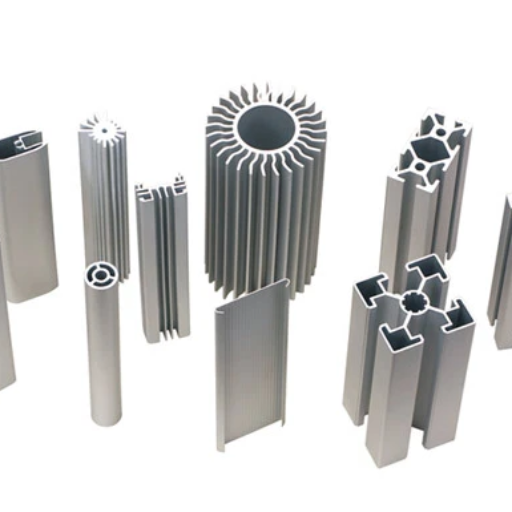
Extrusion finds myriad uses in various industries, from small and medium-scale industries to enormous ones owing to the popularity of the method for its versatility and efficiency. The method is used in the manufacture of plastic articles, such as pipes, sheets, films, etc. In addition to this, extrusion is also applied in the food processing industries for the manufacture of pasta, snacks, and pet foods. In metal extrusion, it is applied to develop aluminum profiles for construction and automotive purposes. Because this method ensures consistency and gives good-quality output for various applications, it finds use in almost all applications.
Extrusion in Polymer Manufacturing
Extrusion plays a vital role in polymer manufacturing as it allows making different plastic products with great accuracy and efficiency. Resin of polymer is fed into the extruder, where it is melted and quickly homogenized under comfortability of heat and pressure. The molten polymer is then forced through a die of the desired shape and is extracted in profiles, such as sheet, pipe, and film.
Of recent, significant improvements in polymer extrusion technology have further enhanced the ability of the industry. For instance, twin-screw extruders, providing better mixing and higher throughput, are now favored over single-screw extruders for many applications, such as compounding and specialty material production. Industry reports highlight that the global extruded plastics market is expected to reach USD 314 billion by 2027, registering a CAGR of 4.7% during the period 2020-2027. Growth in this market is driven by major industrial sectors such as packaging, automotive, and construction, and all use polymer extrusion heavily.
The polymer extrusion process is used to produce high-performance materials such as multi-layer films for food packaging and reinforced composites for lightweight automotive components. Also, new-age extrusion techniques such as 3D extrusion design push the envelope in modern design, allowing for custom shapes and outright tolerances. These advances reiterate the very importance of extrusion in today’s polymer manufacturing, which in turn guarantees steady quality and scalability to meet the needs of many different industrial applications.
Extrusion for Forming Metals
Extruding metals is a crucial industrial process that forces a metal billet through a steel die that imparts the desired cross-sectional shape. Because it makes for complex profiles with great precision and little waste, metal extrusion finds applications extensively across houses from automotive, aerospace, construction to electronics.
Recent developments in metal extrusion have been focusing on energy efficiency, productivity enhancements, and betterment of material properties. For instance, through advanced computer simulation and process control, optimum parameters for extrusion can be set accurately, hence minimizing the number of defects and ensuring uniformity of the final product. A market analysis in 2023 forecasts the global metal extrusion market to grow at a CAGR of 4.7% in between 2023 and 2030, fostered by the demand for lightweight and sustainable material in modern manufacturing.
Materials that are commonly used in extrusion include aluminum, copper, steel, and magnesium. Aluminum extrusion tops the list of metal extrusion owing to the lightweight nature of the metal, resistance to corrosion, and easy recycling. In the recent times, aluminum extrusion technology has actively gone through a boom, wherein energy consumption has been recommended for reduction by about 25% as compared to the older methods. There are other alterations to the process as well, whereby hot extrusion and cold extrusion can be fitted depending on the actual needs for the application area, whether it is something structural or something more decorative and intricate.
With its versatility being maintained even today due to cutting-edge technologies such as 3D extrusion in metals and improved die technology, metal extrusion holds the key to today’s industrial landscape. These new developments, therefore, not only optimize performance but also address the rising focus worldwide on sustainability and resource efficiency in production.
Production of Pipes through Extrusion
Extruding pipes is a highly efficient and versatile manufacturing method applied widely in various industries such as construction, oil and gas, water supply, and others. The process presses metal or polymer material through a die that provides a hollow cylindrical shape with varying outer diameter and wall thickness, depending on the need. With modernization, extrusion technology progresses to yield pipes with better dimensional accuracy, superior mechanical properties, and customized design catered to specific industrial requirements.
It has been reported lately that there is a continuous growth in demand for extruded pipes around the world, fueled by increasing infrastructure developments and the growing need for sustainable materials. As an example: only the market for extruded plastic pipes was valued at about $23.9 billion in 2022 and is forecasted to grow at a compound average growth rate (CAGR) of 4.5% from 2023-2030. In addition, lightweight piping systems using aluminum extrusion are becoming a trend in energy-efficient and recyclable industries.
Important elements of pipe extrusion include choosing the materials, which range from thermoplastics such as PVC, HDPE, and PEX to metals such as aluminum and steel, depending on the application. Co-extrusion technology is also used to produce multilayered pipes combining different material properties for the best chemical resistance, durability, and flexibility. This versatility allows extrusion to continue to be the option for manufacturers attempting to balance performance with cost and environmental factors.
The Extrusion Advantages in Manufacturing
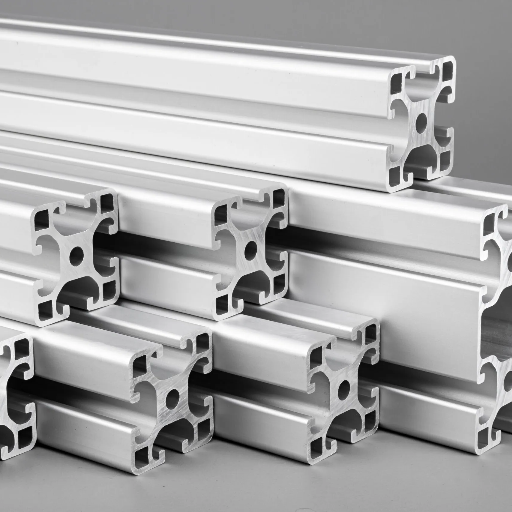
- Economics: It is an approach to be able to mass-produce with minimal waste of materials and hence reduce their price.
- Versatility: It adapts well to a wide array of materials and thus serves various industries and applications.
- Customization: The extrusion-nozzle allows defining the exact shapes, sizes, and profiles according to specific requirements.
- Efficiency: Since it comprises the continuous operation, extrusion guarantees fast production and consistent quality.
- Durability: The designs obtained through extrusion give a product that, when properly designed, is far more durable and stronger through the application of better materials and technology.
Cost Efficiency
Extrusion, besides allowing for customization and being a very efficient process, is cost-effective, which makes it the preferred process in many industries. Recent studies show extrusion processes could reduce manufacturing costs by 30 percent compared to conventional manufacturing processes due to lower material wastage and energy consumption. Continuous production cycles in the extrusion optimize raw material usage so that overhead costs can be minimized, thereby making it easier to scale the production. Furthermore, with the advancement of automation and incorporation of technology, the efficiency of extrusion plants has increased even further, reducing labor costs and downtime.
For example, research shows that 20% productivity gains are achieved in extrusion-based industries that use a high level of automation and that such gains can be translated to actual savings in costs. This makes extrusion an economically attractive, green alternative for the manufacturers that strive to keep cost low and maintain quality of output.
Material Versatility
Extrusion is famed for handling a plethora of materials, according to which it ranks as perhaps the most versatile manufacturing process in existence. It stands quite well to form metals, plastics, ceramics, and composites into very precise shapes. For instance, extruding aluminum is widely popular since aluminum is regarded as a light, corrosion-resistant, and strong material; worldwide sales of aluminum extrusion are forecasted to reach $115.3 billion by 2030, as per recent market analysis.
Plastic extrusion is another main application that offers cost-efficient production of items such as pipes, sheets, and films. PE and PVC are among the commonly used materials in this process, covering a wide range of industries from construction to packaging. Also, modern composites, which combine two or more dissimilar constituents to achieve enhanced mechanical properties, are increasingly gaining acceptance due to their customizability and strength-to-weight ratios.
More than material compatibility extends the extrusion process to the ability to produce simple and complex geometries to exacting tolerances. From regular round tube to exotic multi-chambered profiles, extrusion services meet the demands of a wide array of industries, including aerospace, automotive, and construction.
With emerging technologies and advanced research, processes can now be fine-tuned to allow the use of recycled plastics and biodegradable composites as well. This advancement is very much in line with the current sustainability initiatives and thus presents how material versatility in extrusion can be used for both innovation and environmental stewardship.
Enhanced Product Quality
In my opinion, enhanced product quality in extrusion processes comes about by a synergistic effort between precise engineering and continuous innovation. Through further refinement of their techniques and using more advanced equipment, materials are shaped with increased consistency and accuracy. This ensures that the end products conform to their relevant industrial standards and at the same time surpass the expectations of their customers in terms of functionality and durability.
Reference sources
- Optimizing extrusion processes and understanding conformational changes in itraconazole amorphous solid dispersions using in-line UV–Vis spectroscopy and QbD principles(Triboandas et al., 2024)
- Publication Date: 2024-11-01
- Methodology: This study used in-line UV-Vis spectroscopy to monitor and optimize the extrusion process of itraconazole amorphous solid dispersions. Quality by Design (QbD) principles guided the optimization.
- Key Findings: The research demonstrated that in-line UV–Vis spectroscopy is a powerful tool for real-time process monitoring and control in hot melt extrusion (HME). It provided novel insights into the production and monitoring of the specific amorphous solid dispersions.
- Principles and Guidelines for In-Line Viscometry in Cereal Extrusion(Fratte et al., 2022)
- Publication Date: 2022-06-01
- Methodology: This review article discusses the principles and methodologies of in-line viscometry in cereal extrusion. It addresses the challenges of measuring viscosity in biopolymers (like starch) which are sensitive to heat and mechanical degradation.
- Key Findings: The review highlights the importance of rheology (viscous and elastic properties) in optimizing cereal extrusion processes. It emphasizes the need for in-line viscometers to accurately reflect the thermomechanical history of the material during extrusion, unlike conventional off-line methods.
- PLA Feedstock Filled with Spent Coffee Grounds for New Product Applications with Large-Format Material Extrusion Additive Manufacturing(Paramatti et al., 2024, pp. 6423–6431)
- Publication Date: 2024-02-01
- Methodology: This study investigated the use of spent coffee grounds as a filler in polylactic acid (PLA) for large-format 3D printing using material extrusion. The researchers analyzed the thermal, rheological, and mechanical properties of the resulting composites.
- Key Findings: The addition of spent coffee grounds improved the printability and layer adhesion of the PLA, leading to higher tensile strength and elongation at break compared to pure PLA. This demonstrates the potential for using waste materials in additive manufacturing.
Frequently Asked Questions (FAQs)
What extrusion mechanisms are there to make different shapes?
The extrusion mechanism is a pathological set of processes that allow for the formation of different shapes by forcing materials through a die. The process can be either hot or cold, depending on the material and the properties required. The raw material is generally heated up just to the melt temperature to banks on the malleability of the material during the plastic extrusion. The extruder screw, therefore, through the screw geometry, transports and pressurizes the material in its flow from the die. Apart from the flow through the die, complex cross-sections can be created, such as pipes and steel rods, which is why extrusion is one of the forefront processes in advanced manufacturing.
How do barrel temperatures affect an extrusion process?
It is the barrel temperature that plays a key role in extrusion, especially going by its direct influence on the melt temperature of the material that is being extruded. The barrel temperature should remain at an optimum level so that the material absorbs the right viscosity during its flow through a die. Too low temperature can cause sticking of the material to the barrel, while too high temperature may allow for heat degradation of the material. Thus, heaters are drowned in the barrel to maintain this temperature and exert control on the plastic deformation so as to be guided toward extrusion. Effective control of temperature will enable the material to develop good properties toward extrusion.
What is the function of the extruder screw?
The extruder screw is vital to an extrusion process as it is also the means through which the material is moved from the feed zone and through the die. The design aspects of the screw, such as its flight and pitch, are critical as to how the material is conveyed and pressurized within. As she rotates, this screw establishes shear rates and drag flow within it. These are forces that generate the melt of the plastic or metal that is being extruded. Single screw extrusion characterizes itself in the pushing of material forward, while two screws in the twin extrusion work in partnership for enhanced mixing and processing ability. This effectiveness of design constructs the foundation for uniform material properties and high-quality extrudates.
How does high pressure interfere with extruding?
The pressure during extrusion is responsible for forcing the material through the dies and eliminating voids in the extrudate. The extruder screw literally presses the material into a flow that is smooth and uniform in behavior. If pressure is not maintained, there will be poor surface finish and generally irregular cross sections. The extrusion ratio which relates to die and feed zone is however also governed by pressure applied during extrusion. Management of pressure thereby assures that the material is extruded without compromising its integrity.
Why is residence time significant in extrusion?
Residence time describes the time interval during which the material in the extruder flows through to the die. Extreme effects can be on the extrudate if there happens to be lesser or too much resignation for the whole melting or mixing scenario to be completed: less residence time-enduring or inadequate melting and mixing; more residence time-thermal degradation of the material. Optimal residence times are achieved through the control of factors such as screw speed, feed rate, and material viscosity. A study of residence time balance is an important way to guarantee that the extruded material reaches the desired melt temperature and has the needed property level prior to it being forced out through the die.


