


Once custom parts began to be designed and manufactured through aluminum CNC machining, industries could never be satisfied with the last inch of precision, efficiency, or adaptation available. Whether you want aluminum CNC machining to create extremely lightweight aerospace parts, somewhat robust automobile parts, or intricate prototypes, this unique property will make aluminum a game-changer in CNC machining. Far and away, this complete guide will help translate all you need to know—from the powers of aluminum, the CNC machining process itself, to tips on designing custom parts to your exact specifications. By the end of this article, you’d have unequivocally underpinned how aluminum CNC machining works and what makes it the default choice for many industries that prize best-in-class results.
What is Aluminum CNC Machining?
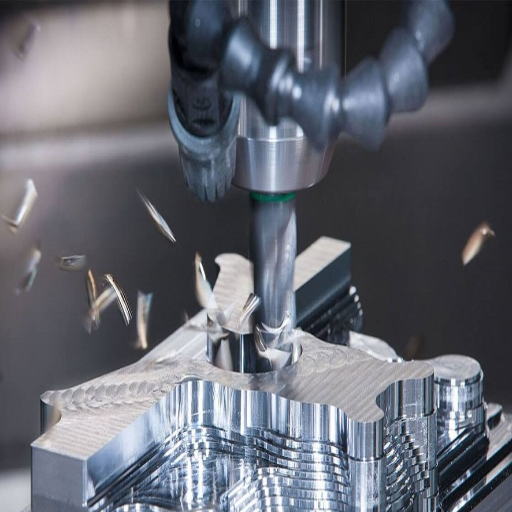
Aluminum CNC machining is the manufacturing of custom aluminum components by computer-controlled machines that precisely manipulate aluminum surfaces. This process combines aluminum’s lightweight, durable, and corrosion-resistant qualities with the virtues of CNC capability- the elevation in precision and speed. Due to its high accuracy, consistency, creativity, and cheapness in issuing its products, this method is used in many areas.
Types of Aluminum Used in CNC Machining
The aluminum grades used in CNC machining are 6061, 7075, 2024, 5052, 5083, 6082, MIC-6, and 1100, each selected for its particular attribute, such as strength, corrosion resistance, or machinability.
|
Alloy |
Key Property |
Applications |
|---|---|---|
|
6061 |
Versatile |
Automotive, Electronics |
|
7075 |
High strength |
Aerospace, Gears |
|
2024 |
Fatigue resistant |
Aircraft, Vehicles |
|
5052 |
Corrosion resistant |
Marine, Appliances |
|
5083 |
Saltwater resistant |
Marine, Offshore |
|
6082 |
High strength |
Construction, Bridges |
|
MIC-6 |
Dimensional stability |
Tooling, Fixtures |
|
1100 |
High conductivity |
Electronics, Housings |
Common Applications for Aluminum Parts
- The Aerospace Industry
Aluminum parts are used in airplanes in this industry, where the temperature is kept below and weight is kept to a minimum; this aids in fuel efficiency. Aircraft frames, wing panels, and fuselage parts all get machined from aluminum for the durability and finishing of performance.
- Automobile Industry
Aluminum is a weight-saving material in the automotive sector. It is fabricated into engine components, transmission housings, and body panels. It also reduces vehicle weight to enhance fuel consumption and maintain strength.
- Consumer Electronics
Aluminum parts are used in consumer electronics due to their high thermal conductivity and aesthetics. These properties benefit heat sinks, smartphone bodies, and laptop casings.
- Medical Instruments
Aluminum is used to manufacture medical devices and equipment, such as surgical instruments, parts of MRI machines, and prosthetics. Since safety is a top concern, this material is chosen in applications that require corrosion resistance and lightweight.
- Robotics and Automation
Aluminum is chosen for robotic arms, gears, and structural frames for automation systems. This application demands capabilities, and its strength-to-weight ratio, together with precision machining, ensures the realization of such capabilities.
How to Choose the Right Aluminum Material for CNC Machining?
- Application Requirements
Determine what a project particularly demands, such as strength, corrosion resistance, and thermal conductivity, to help you establish the best aluminum alloy to be employed. For example, 6061 is a widely used general-purpose alloy, whereas 7075 finds more use in high-strength applications.
- Machining
Specific aluminum grades like 6061 are easier to machine owing to their excellent work characteristics with tools. The choice should consider how well the alloy responds to cutting, drilling, and finishing operations to ensure maximum ability and precision in the work.
- Surface Finish Requirements
For the final product’s requirement of a polished or anodized surface, use alloys best suited to those finishes, such as 5052 or 6063.
- Budget
Of course, some better-grade alloys may perform better but cost more. You have to weigh the value of the material versus the cost in the project budget.
- Environmental Conditions
Next, consider the final product’s operating environment. Iron should be faced against alloys that include 5052 corrosion-resistant in marine or outdoor applications.
Careful consideration of these points enables one to shortlist one aluminum alloy that meets requirements and is durable for CNC machining.
Popular Aluminum Grades: 6061 vs 7075
6061 is a versatile, reasonably priced, and corrosion-resistant option, while 7075 offers the best strength and is chosen for applications with intense stresses.
|
Aspect |
6061 |
7075 |
|---|---|---|
|
Strength |
Moderate |
High |
|
Corrosion |
High resistance |
Moderate |
|
Machinability |
Easy |
Challenging |
|
Cost |
Lower |
Higher |
|
Applications |
General-purpose |
Aerospace, Gears |
|
Weight Ratio |
Balanced |
Superior |
Factors to Consider When Selecting Aluminum Alloys
The right aluminum alloy for CNC machining must be chosen after analyzing all the factors to provide maximum performance, functionality, and cost-effectiveness.
- Strength Requirements
Depending on your application, one alloy may require a greater tensile strength than another. Consider 7075 aluminum, which is famous for its utmost strength and is used in the aerospace and automotive industries.
- Corrosion Resistance
Alloys like 5052 will stand corrosion in marine or outdoor applications, thus ensuring durability under harsh environmental conditions.
- Machinability
Ease of machining is essential, with alloys like 6061 being known to be easy to machine, thereby saving production time and cost.
- Thermal and Electrical Conductivity
If heat or electricity transfer at the site is the required function, you might consider alloys like 1050, which have high conductivity compared with other grades.
- Surface Finish and Appearance
6063 aluminum alloys shall be preferred for products requiring an attractive or particular surface finish because they have better anodizing.
These considerations shall help find an alloy best suited to your project’s specific needs and constraints.
Differences Between Pure Aluminum and Alloys
Pure aluminum is soft, corrosion-resistant, and an excellent conductor of electricity, whereas alloyed aluminum can be more sturdy and durable, designed for the specific purpose intended.
|
Aspect |
Pure Aluminum |
Aluminum Alloys |
|---|---|---|
|
Strength |
Low |
High |
|
Corrosion |
High resistance |
Varies |
|
Conductivity |
High |
Lower |
|
Durability |
Low |
High |
|
Applications |
Electrical, Chemical |
Aerospace, Automotive |
|
Cost |
Lower |
Higher |
What is the CNC Machining Process for Aluminum?
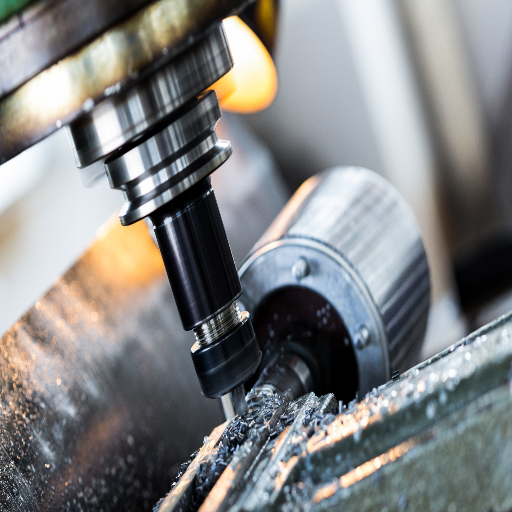
The CNC machining process for aluminum typically uses computer-controlled tools to cut, shape, and finish aluminum components with very close tolerances. It usually starts with designing the part with CAD (Computer-Aided Design) software. Then, this design is converted into machine instructions using CAM (Computer-Aided Manufacturing) software.
During machining, the aluminum workpiece is firmly clamped in place, and tooling is used to cut along specified paths to realize the shape and dimensions desired. Aluminum is one of the most common materials for CNC machining because it is lightweight, strong, and easy to machine, allowing for high cutting speeds and superior finishing. Other processes such as milling, turning, drilling, and tapping are also used to create components for aerospace, automotive, and electronics industries.
Tools Used in Machining Aluminum Parts
Various tools are used for aluminum machining depending on the requirement, and they need precision and efficiency. The HSS and carbide tools are used, given the durability and high cutting speeds this material requires. End mills, face mills, and drill bits are used for shaping and drilling aluminum, while specialist tools such as reamers and tapping drills are used for finishing and threading. Multi-axis CNC machines combined with sophisticated cutting tools allow the machining of complex geometries accurately. Coolants and lubricants assist in machining by dissipating heat and thus permit better surface finishes to be obtained, making machining easier and extending the life of the tools.
Standard Techniques in Aluminum Machining
Milling is the most widely used method for machining aluminum, with rotary cutters removing material from the workpiece to form the required shape. Turning is another equally popular method of making cylindrical parts, where the workpiece is rotated about a fixed axis against a cutting tool. As mentioned before, drilling is essential for hole-making, whereas boring enlarges and refines the hole diameter for accuracy. Engraving is yet another method generously used for decoration or functional marking.
Advanced machining is sometimes considered whenever intricate components are to be produced and cannot be made through conventional machining. Surface treatment, such as anodizing, might come after machining to modify the look and durability of the aluminum parts and enhance their corrosion resistance. Once these operations are combined, aluminum machining should be efficient, precise, and high-quality.
How to Find a Reliable Aluminum Machining Service?

Finding a reputable aluminum machining service begins with assessing the company’s background and reputation in industrial circles. The service provider should specifically have experience in aluminum machining with proven high-quality results. Review all available repositories for comments, testimonials, and even case studies on their reliability. The service should advertise the most up-to-date machinery and techniques suitable for your application. Also, be sure to check for certificates and standards followed by the firm, such as ISO certifications, to ensure they consistently meet performance standards. Getting quotations and comparing prices would be the best option, considering the services are delivered well within your project timelines and quality expectations.
What to Look for in a CNC Machine Shop
When selecting a CNC machine shop, evaluating their expertise and experience with custom projects is best. A worthy shop should be able to provide precision machining services, working with various materials such as aluminum, steel, brass, or plastics. Check if they can accommodate higher-volume jobs if needed and the kind and array of equipment they operate (multi-axis CNC machine, for example) for complicated designs. Next, you want to inquire about lead times: can they meet your deadlines without compromising quality? In the end, keep communication and customer service in mind because working with a shop that constantly keeps you informed will make the whole experience a lot more pleasant.
Reference Sources
- Authors: A. A. Malik, D. Vinodh
- Publication Year: 2023
- Key Findings:
- The study compares the surface roughness achieved using high-speed steel (HSS) tools versus novel chromium nitride (CrN) coated tools in the CNC machining of aluminum alloy AA5052.
- The results indicate that the CrN-coated tools provide a better surface finish than HSS tools, highlighting the advantages of advanced coatings in machining applications.
- Methodology:
- The authors conducted experiments using both tool types under controlled machining conditions, measuring surface roughness using standard techniques.
- Statistical analysis was performed to evaluate the significance of the results.
2. “Novel Methods for Optimizing CNC Aluminum Alloy Machining Parameters in Polymer Mold Cavities”
- Authors: Ibrahim I. Ikhries, A. Al-Shawabkeh
- Publication Date: 2024-03-01
- Key Findings:
- This paper presents innovative methods for optimizing machining parameters for aluminum alloys used in polymer mold cavities.
- The study emphasizes the importance of parameter optimization to enhance machining efficiency and product quality.
- Methodology:
- The authors employed experimental designs and optimization techniques to identify the best machining parameters, focusing on factors such as cutting speed, feed rate, and depth of cut.
- Authors: Rifky M. Yusron et al.
- Publication Date: 2023-09-26
- Key Findings:
- This study focuses on optimizing the surface integrity of aluminum 6061 during dry-running CNC milling operations.
- The research identifies optimal machining parameters that enhance surface quality and reduce tool wear.
- Methodology:
- The authors used Taguchi methods to design experiments and analyze the effects of various machining parameters on surface integrity metrics.
4. Top Aluminum CNC Machining Parts Manufacturer And Supplier In China
Frequently Asked Questions (FAQs)
Q: What is aluminum CNC machining service?
A: Aluminum CNC machining involves computer-controlled machines cutting and shaping aluminum metal into precise components. This process is widely used for producing machined parts with tight tolerances and complex geometries.
Q: Why should I choose aluminum for CNC machining?
A: Choosing aluminum for CNC machining offers several benefits, including its excellent strength-to-weight ratio, corrosion resistance, and ease of machining. These properties make aluminum popular for various applications, including automotive parts and custom CNC aluminum parts.
Q: What are the standard aluminum alloys used in CNC machining?
A: Common aluminum alloys used in CNC machining include aluminum 6061, aluminum 7075, aluminum 2024, aluminum 5052, and aluminum 6063. Each alloy has unique properties that suit different machining operations and end-use applications.
Q: What is the difference between 5-axis CNC milling and traditional CNC machining?
A: 5-axis CNC milling allows for greater flexibility and precision than traditional CNC machining. It enables the machining of complex geometries and intricate designs by controlling the tool on five axes simultaneously, making it ideal for aluminum CNC machining.
Q: What are the benefits of using aluminum in machining operations?
A: Aluminum’s benefits in machining operations include its lightweight nature, which reduces production costs and enhances efficiency. Additionally, aluminum’s excellent strength-to-weight ratio and machinability allow for the creation of high-quality CNC parts with tight tolerances.
Q: How does milling aluminum differ from other machining processes?
A: Milling aluminum involves using rotary cutters to remove material from a workpiece, which is different from processes like CNC turning. Milling is particularly suitable for creating flat surfaces, slots, and complex shapes in aluminum, making it an ordinary aluminum CNC machining method.
Q: Can aluminum prototypes or custom aluminum parts be produced using CNC machining?
A: Aluminum prototypes and custom aluminum parts can be efficiently produced using CNC machining. This service allows for quick iterations and modifications, ensuring the final product meets specific design requirements and tolerances.
Q: What is the significance of tight tolerances in aluminum CNC machining?
A: Tight tolerances in aluminum CNC machining ensure that machined parts fit and function correctly in their intended applications. This precision is crucial in industries such as aerospace and automotive, where even minor deviations can lead to significant issues.
Q: How does high-speed machining benefit aluminum CNC machining?
A: High-speed machining enhances the efficiency of aluminum CNC machining by reducing cycle times and improving surface finishes. This technique allows for faster aluminum parts processing while maintaining quality, making it ideal for high-volume production.


