


China’s marveluous economic story of recent times is one of the transformation of a nation into a global manufacturing superpower. Considered once merely as the world’s factory for low-priced goods, China is today a full-fledged industrial power with leadership in innovation, technology, and high-value production. So how has this transformation occurred, and what does it do to the world’s economy? In the article, the causes behind China’s rise are investigated, including some major shifts in manufacturing strategies, technology investment, and growing influence on international supply chains. Come along with us as we analyze the factors that propelled China to the front rank of global manufacturing and look into the implications of this phenomenal rise.
Introduction to China’s Manufacturing Success
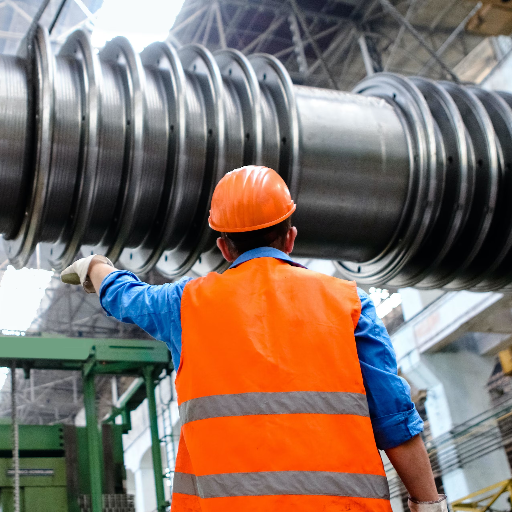
China’s manufacturing success arose through strategic government policies, investment in infrastructure, and attention given to advancing technology. Some important considerations are how the country, with its vast labor force, uses competitive production costs and well-developed supply chain networks. Moving upward along the value chain has ensued from the country’s culture of innovation and shift toward high-tech industries; thus, it has established itself as a global manufacturing force. Mutually, these factors have changed the geopolitical-economic environment and re-established the dynamics of intracontinental trade.
Understanding the Manufacturing Hub
Several reasons explain why China is considered the World’s Manufacturing Hub. To begin with, its huge labor force provides the two eminent factors of abundance and cost efficiency. Secondly, China has developed a vast system of supply chains which allow the production and delivery of goods around the world. Furthermore, policies set forth by the governmental bodies aimed at supporting industrial growth and massive investment in infrastructure create an amenable condition for manufacturing enterprises. In conclusion, China’s strategic focus on high-tech industries and innovation reflects its earnestness in furthering its status as a leader in global manufacturing.
Historical Context of Manufacturing in China
The greater dominance of manufacturing enjoyed by the country can be traced all the way to the late 20th century, when it began its economic reforms and opening-up policies of 1978. Since then, with its cheaper labor costs, better infrastructure, and profitable business conditions, China soon got cemented as the “world’s factory.” By the early 2000s, the country stood at the top of the list of most manufacturing outputs accepted worldwide. Nowadays, China is still a global leader, providing 30% of the world’s manufacturing GDP, as recently reported in 2023.
Emphasizing the need for innovation and advanced manufacturing on restructuring the industrial landscape, the government, by means of the “Made in China 2025” policy, intends to move away from low-cost products to sectors of high value, namely robotics, aerospace, and green energy. Towards that end, exports of electronics, machinery, and automotive products underpin the shift to high-tech industries. According to the latest statistics, China’s exports surpassed $3 trillion in value in 2022, clearly demonstrating its extraordinary capacity; it also highlights its efficiency as a manufacturer.
Furthermore, emerging technologies such as AI, Big Data, and automation have played important roles in advancing manufacturing processes. Smart factories supporting the technologies see waste decrease, output optimization, and increased competitiveness on the global stage. Reflecting China’s foresight on being the peloton of manufacturing innovation, its spending on R&D was over $400B in 2022. These efforts continue, thereby cementing China’s position as a manufacturing powerhouse on the world stage.
Overview of Global Manufacturing Trends
Global manufacturing is coming under a wave of transformational changes due to the advent of technology and changes in market demands. The implementation of Industry 4.0-based technologies such as IoT, robotics, and machine learning is making smart and interconnected factories around the globe. Sustainability is another trend under discussion as manufacturers are focusing more on green practices like energy efficiency production, recycling, etc. Another new priority has become supply chain strength in view of recent global disruptions, with many companies implementing diversification of sourcing strategies and investments in localized production. These trends portray the dynamic shifting of the manufacturing landscape emphasizing innovation, flexibility, and sustainability.
Historical and Economic Factors Impinging on Manufacturing
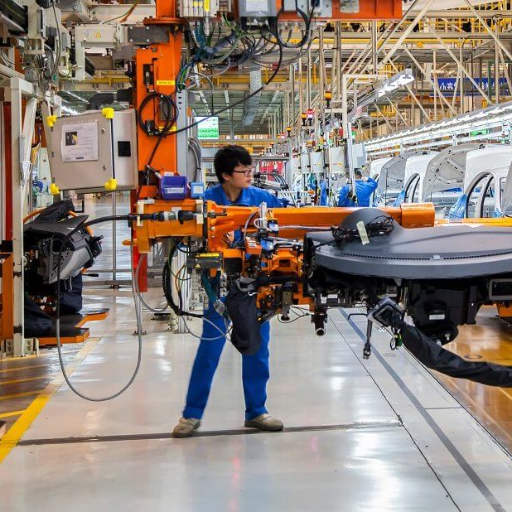
Manufacturing has been or continues to be affected by specific historical and economic factors. After the Industrial Revolution, mechanization and mass production gained prominence, increasing productivity exponentially. Coming into the 20th century, economic globalization changed the manufacturing schemes by providing access to the larger markets and cheap labor. Technological enhancements, such as automation and AI, rather recently, have brought changes in the manufacturing processes with greater precision and at lesser cost. The economic policies, the availability of labor, and even the accessibility of raw materials have continuously contributed to the evolution and location of manufacturing centers throughout the world.
The Evolution of the Chinese Economy
India’s economy, during the last few decades, has undergone a marvelous transformation from a largely agrarian society to being the second-largest economy in the world. This growth has been spurred by a mix of deliberate government policy, a large labor supply, and emphasis on manufacturing and export processes. China’s GDP had reached roughly $17.9 trillion in 2022 while accounting for 18% of the world economy.
The Belt and Road Initiative launched in 2013 has further projected Chinese power onto another level by constructing trade and infrastructure links across many nations. This initiative is another firm indication of growing Chinese involvement in global economic affairs. The country is also putting big money behind green technologies and renewables to promote the transition to a low-carbon economy. For example, China was responsible for over 40% of all global investments in renewable energy in 2022 alone, arguably making it the world leader in sustainable development.
Yet, despite the country having achieved so much, it still faces many economic challenges such as an aging population, increasing labor costs, and the need for further diversification. According to recent reports, since 2010, the number of persons within working age in China has decreased by more than 40 million; thus, there is concern over long-term productivity and growth. However, given China’s adaptability and strategic focus on high-tech industries such as AI and semiconductors, it ought to be a very resilient player in an ever-changing global economic landscape.
Effects of Economic Reforms on Manufacturing
China’s economic reforms have shaped the manufacturing scene in China much, altering it from labor-intensive industries to technology-driven and high-value-added manufacturing. In the past one decade or so, China has promoted its “Made in China 2025” agenda, with the objective of becoming a world-class player in industries like robotics, aerospace, and renewable energy. Recent data indicate that China accounted for about 29 percent of global manufacturing output in 2022, thereby cementing its reputation as “the world’s factory.”
Nonetheless, with the increase of labor cost and tensions over geopolitics, companies have begun to diversify their supply chains. For instance, according to a report of 2023 by Deloitte, 28% of the world’s largest manufacturers have contemplated moving part of their operations to Southeast Asia as a mitigation measure. Investment continues to be attracted by China’s infrastructure, skills, and industrial bases in new areas such as electric vehicles and semiconductor manufacturing, though.
China’s Role in the Global Supply Chain
China plays a vital role in the global supply chain as a manufacturing hub, an exporter, a source of key materials, and a hub for advanced industries.
| Key Aspect | Role |
|---|---|
| Manufacturing Hub | High production |
| Export Powerhouse | Largest exporter |
| Key Materials | Supplies rare earths |
| Advanced Industries | Electric vehicles, semiconductors |
| Infrastructure | Strong logistics |
| Skilled Workforce | High labor expertise |
The Advantages of China’s Labor Force
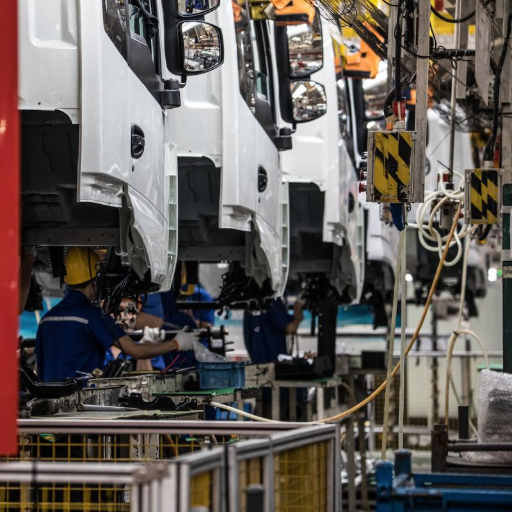
The size, skill level, and flexibility of China’s labor force offer immense advantages. With a large and diversified workforce, China presents businesses with a broad talent pool capable of dealing with assignments in all sorts of sectors. Continuous investment in education and vocational training has enhanced the expertise and efficiency of workers in China. Competitive labor costs and the ability to scale operations rapidly further add to the global interests with respect to manufacturing operations and industries.
Workforce Demographics
China’s labor force ranks among the largest, with the latest data showing it to be about 885 million strong as of 2023. Of this population, the working-age group, 16 to 59 years, will number about 875 million according to official Chinese statistics. This large workforce helps establish China as a world hub for manufacturing and services.
There is a very slight difference when it comes to female and male representation in the labor force. Males take up about 55% and females 45% of the whole labor force. Urbanization has also contributed to the changes in the workforce demographics so now about 65% of the population lives in urban areas, and this has led to a demographic shift away from agriculture into industry and services. Construction, technology, healthcare, and retail have been the main beneficiaries of this transformation.
Educational attainment also matters greatly in this regard. More than 60% of China’s labor force have at least secondary education, while roughly 15% have higher education, evidence of the continuous effort to boost the nation’s skills and competencies. Vocational training programs and policies that support upgrading technical skills have also been able to increase worker competence in specific fields. These include electronics, car manufacturing, and pharmaceuticals; thus, the forces combined to keep China’s labor force ample in number and versatile enough to meet the undeniably growing demand of a fast-modernizing, highly competitive economy.
Cost Advantage and Skills Development
China’s workforce derives benefits from its large numbers and diversity, being comparatively cost-efficient among many developed countries. Recent statistics show that labor costs in China are still much lower than that of countries like the United States or Germany, thus attracting investors with an interest to maximize manufacturing costs without compromising on quality. For instance, manufacturing labor costs averaged at $6.50 per hour in China in 2023, against US$27.60 in the US. This attention to cost will surely help manufacturing firms pay for innovation and infrastructure while keeping their products competitively priced.
On the other side of the coin, skill development has seriously ramped up to strengthen productivity. The Chinese government has really increased investments in vocational training and reskilling programs. To cite an example: since its establishment, almost 50 million workers have been trained to improve their skills as part of the national “Skilled Talent Training Plan.” This in turn has most strongly affected areas such as green energy, artificial intelligence, and advanced manufacturing, allowing the workforce to be in step with rapid industrial and technological change. This combination of cost efficiency and skilled labor enables China’s workforce to sustain in long-term economic growth.
Labor Laws, Impacting Manufacturing
Labor laws have increasingly been used by the Chinese government to support its initiatives in encouraging innovation and driving productivity in manufacturing. In the year 2023 alone, China heavily invested in vocational training: over $15 billion were spent on various programs aimed at making upskilling in modern manufacturing techniques and technologies available to very large numbers of workers. On the 6.4% annual growth rate in manufacturing output, these efforts are said to have had, according to research by the ILO, a considerable influence.
Meanwhile, smart manufacturing and automation policies have given rise to large numbers of highly automated factories employing advanced robotics and AI. By 2023, for example, the number of industrial robots per 10,000 workers in China reached 322, well above global averages, thereby cementing China’s top spot in automation. This development assists in cutting the costs of production while simultaneously tackling some of the challenges associated with an aging workforce.
With these policies in place to create a workforce development environment, Chinese manufacturing is developing as a leading example in terms of industrial efficiency and growth under consideration of sustainable manufacturing practices that allow Chinese manufacturers to compete on the world stage.
Technological Advancements in Manufacturing
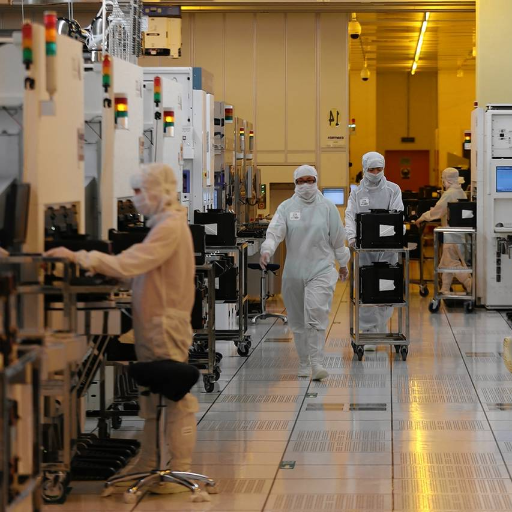
China is fast-tracking her journey in reinvigorating her manufacturing sector with high-tech tools through automation and the implementation of AI and smart manufacturing systems. These technologies promote efficiency and reduce production costs, along with enhancing the quality of the products. With the adoption of such cutting-edge innovations, China is able to position itself very well in the manufacturing arena worldwide, combating the challenges from a fast-changing industrial trend.
Innovation in the Manufacturing Process
The notion of innovation in manufacturing is concretely supported by some facts and strategic considerations in China. Recent reports suggest that China leads the world in the integration of robotics, having more than 1.5 million industrial robots deployed in 2023, representing approximately 44% of all robots in the world, signifying a heavy investment in automation. Moreover, the Made in China 2025 program heavily invests in cutting-edge technologies like artificial intelligence (AI) and 5G in smart manufacturing. Going into further detail, AI in predictive maintenance and in quality control reduction in downtimes by almost 20% within particular manufacturing sectors.
Moreover, investment in green technologies has increased while energy-efficient machinery and renewable energy systems have become a core factor in the operation of modern factories. The International Energy Agency (IEA) has stated that China is now the biggest solar-panel manufacturer and uses it to power major industrial hubs. Thus, the modernization of the factories alongside the use of state-of-the-art technologies places China on a global forefront in manufacturing while moving toward sustainability and technological development.
Machine Installation of Automation and Robotics
Installing machines has changed manufacturing in China and has brought with it a new emphasis on efficiency and productivity. According to data available, the country’s robotics market accounted for over 50% of industrial robot installations worldwide in 2022, approximately installing 290,000 units. The nation has emerged as a leader in automation, fueled by government initiatives such as the “Made in China 2025” strategy that aims to promote high-tech industries and smart manufacturing.
Industrial robots are now widely used in manufacturing, auto, electronics, and logistics sectors with precision and speed. They lower costs, improve safety, and protect the human factor. For example, companies such as Huawei and Xiaomi integrate robotic systems into their production lines for greater throughput and improved quality control. Complementing robotics with investments in artificial intelligence (AI) has fostered the development of predictive maintenance, supply chain optimization, and autonomous systems in China. It is reported that the robotics market in China is expected to be worth over $75 billion by 2025, cementing its global position as a leader in the field of automation technologies.
Investments in Research and Development
Certainly, China has invested heavily in research and development, and I believe that such investments offer the major reasons for China’s advances in robotics. By investing large sums of money in cutting-edge technologies, including AI and machine learning, China has constituted a fertile ground for innovation. This development on R&D has enhanced automation capabilities and nurtured partnerships between academic institutions, technology companies, and government-led initiatives. These joint efforts guarantee continued advancement and provide a prime competitive advantage to China in the global market.
Government Policies Supporting Manufacturing Growth
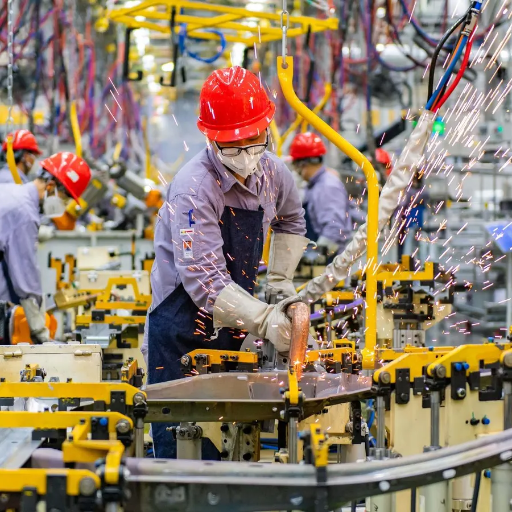
The government policy umbrella designed to encourage manufacturing expansion for greater economic sustenance includes tax incentives for manufacturing industries, exemptions from stifling regulation, and infrastructural development schemes to streamline interstate transport and logistics. Skill development and workforce enhancement are other initiatives worthy of their priority so that they maintain a steady flow of skilled experts. Public-private partnerships and grants, either directly or indirectly, encourage innovation that promotes competitiveness and nurtures a strong manufacturing industry.
Incentives for Manufacturers
Different incentives are employed worldwide by governments to support the manufacturing sector. They provide impetus to growth, innovation, and competitiveness. Some tax incentives like deductions, credits, and exemptions would generally induce enterprises to set up and expand production facilities. Based on the latest data, the fairly lucrative U.S. R&D tax credit afforded manufacturers in saving almost $18 billion in 2022 alone. Likewise, initiatives such as Production Linked Incentive (PLI) schemes have been provided in India, with allocations of more than $26 billion in numerous sectors to encourage localized manufacturing.
Grants and concessional loans serve as additional major programs for attracting both indigenous and foreign investment. The European Union, through its Horizon Europe funding program, commits billions of euros toward innovative industrial development. Training of the workforce and the adoption of technology are also vital factors as grants to upskill workers and deploy advanced technologies such as AI, robotics, and IoT become more prominent.
Investments in infrastructure still remain a priority, with China committing nearly $1.8 trillion in national infrastructure upgrades between 2021 and 2025 with a view to enhancing transport and manufacturing efficiencies. Together with subsidies for renewable energy-based adoption, these experiences speak loudly about the efforts to flesh out and future-proof the manufacturing arena.
Impact of Tariffs and Trade Wars
Tariffs and trade wars continue being crucial in the dynamics of international manufacturing spheres. Data shows that the US-China trade tensions have resulted in imposition of $550 billion worth of tariffs on goods traded between the two countries till date. Such tariffs are making companies reconsider supply routes, thus the relocation of manufacturing operations to alternative venues such as Vietnam, Mexico, and India so as to avoid incurring unjustified expenses.
According to the World Economic Forum, since trade disputes began in 2018, US imports from China shrunk by 10%. In the same timeframe, exports from Vietnam to the US surged by 26%, indicating a transformation of global trade routes. Moreover, the augmented cost of imported raw materials is incentivizing manufacturers to find greener or local alternatives, hence fueling innovation while imposing higher short-term costs on production.
Despite challenges like these, some sectors have been able to strengthen their position by concluding trade agreements and expanding supply bases; for example, the extended trade relations of the European Union with countries in Asia and South America enable manufacturers to access markets that are competitive vis-à-vis diminished tariff pressure. In this manner, global manufacturers are forced to become more agile and responsive to geopolitical shifts.
Regulatory Framework for Manufacturing
The regulatory framework on manufacturing is continuously deforming, adapted to tackle every new global challenge or advance in technology. The latest numbers suggest governments across the world paying more attention to sustainable and carbon-neutral manufacturing paths and ways. While the EU has taken that further with its Green Deal, where the target for carbon-free is set by 2050, the Industrial Strategy goes forward with support for sustainable modes of production and standardization of regulations for low-emission technologies.
The U.S., on the other hand, is coming from the way of the Inflation Reduction Act of 2022 that pours funds heavily into clean energy manufacturing, including tax credits for the manufacture of electric vehicles and components for renewables. Asian economies, China, and India have gone on to tighten the environmental rules and regulations that have an effect on manufacturing; China has aggressive targets on pollution reduction via its updated Five-Year Plan.
These regulatory changes are backed up further by IAMs that promote environmentally friendly manufacturing standards. Hence, manufacturers worldwide invest in digital technologies, such as automation and AI, to abide by these complex regulations in parallel with their own production processes. This interplay between regulatory changes and what industries are doing in response demonstrates that this issue of compliance must be proactively managed.
Reference sources
- Financial Ecological Environment, Debt Heterogeneity and Technology Innovation Investment
- Author: Wang Zhen-ji
- Publication Year: 2013
- Citation Token: (Zhen-ji, 2013)
- Summary: This paper investigates the relationship between the financial ecological environment and technology innovation investment in Chinese manufacturing companies. It emphasizes how different types of debt can influence innovation investments, which are crucial for maintaining competitive manufacturing capabilities.
- Methodology: The study employs empirical research methods, analyzing data from listed manufacturing companies in China to assess the impact of financial conditions on innovation investments.
- Covid-19 ‘Enhanced China’s Position in the World Order’
- Author: Kishore Mahbubani
- Publication Year: 2022
- Citation Token: (Mahbubani, 2022)
- Summary: This article discusses how China’s effective management of the COVID-19 pandemic has enhanced its global standing, particularly in manufacturing and supply chain management. The author argues that China’s swift response and recovery have positioned it favorably compared to Western nations.
- Methodology: The article is based on qualitative analysis, including interviews and commentary on China’s pandemic response and its implications for global economic dynamics.
- On the Training Mechanism of Innovative Talents in China
- Author: Haitao Wei
- Publication Year: 2020
- Citation Token: (Wei, 2020)
- Summary: This paper examines the training mechanisms for innovative talents in China, which are essential for sustaining the country’s manufacturing prowess. It highlights the importance of education and skill development in fostering innovation within the manufacturing sector.
- Methodology: The research is based on a review of existing literature and policies related to talent training in China, providing insights into the effectiveness of these mechanisms.
Frequently Asked Questions (FAQs)
Why is Chinese Manufacturing Considered a Global Leader?
Chinese manufacturing is regarded as an all-supreme leader in global trade by way of its basic ecosystem of business and efficient production structure. Given low production costs and an abundant labor force, many companies have favored China in which to set up operations. The manufacturing base of the country enjoys good infrastructure, which facilitates the smooth movement of goods and raw materials. Along with strong investments in technological and innovative developments that have greatly improved China’s manufacturing capacity to even produce very fine manufactured goods, China has become a hub of very large scale manufacture for meeting the requirements of the domestic as well as foreign markets.
How Do American Companies Benefit from Outsourcing to Chinese Factories?
American companies benefit from outsourcing to Chinese factories because they save greatly on operational expenditures. Since labor in China is cheap, businesses in the U.S. can put high margins and yet be able to price the Chinese products very competitively. Additionally, Chinese manufacturing capacity allows for the quickest response to market demands, thus allowing American companies to respond promptly to such demands. By accessing Chinese manufacturing services, industries such as electronics and textiles have catalyzed their growth and development. The partnership itself enriches the U.S. economy through cost savings and establishes a mutually beneficial manufacturing supply chain.
What Makes China’s Manufacturing Sector Resilient During Economic Challenges?
China’s manufacturing sector has witnessed a remarkable rise in resilient force in times of economic challenges such as caused by the COVID-19 pandemic due to diversified production capabilities and strong government support. The World Bank states that China’s ability to react in a short time to very changed global circumstances is a big forceful factor. Secondly, the large number of manufacturing factories are widely spread within the country; production can be scaled up or down fast on demand. With strong logistics and export infrastructure delays notwithstanding, China remains at the forefront as the largest manufacturing place. This mode of operation keeps China relevant in the world manufacturing map.
How Do Chinese Products Compete in the Global Market?
Chinese products compete with the world market through low price coupled with good quality. China’s manufacturing resurgence has brought about advances in production methods and techniques so that value-added products can be supplied to international standards. Many international companies also trust Chinese manufacturing for their finished goods because they can rely on Chinese manufacturing to supply on time. The competitive advantage of Chinese products is on the rise as China can manufacture almost every consumer product from electronics to textiles. The established manufacturing base of China puts it in a better position than her counterparts as they continue to grow.


