


Any stainless steels under the sun do not belong to a single set. Among many options, the 420 stainless steel-grade, often known by its UNS designation, S42000, stands apart due to its unique blend of strength, corrosion resistance, and flexibility. What then gives 420 stainless steel its special touch? Knowledge of this steel’s properties will help guide your decision in the context of industrial applications, cookware, or surgical instruments. This guide covers everything related to Grade 420 stainless steel-interior details, mechanical properties, common applications, and advantages. You will then be able to appreciate why this type has grown to become a globally recognized industrial name after going through all of it.
What are the properties of 420 stainless steel?
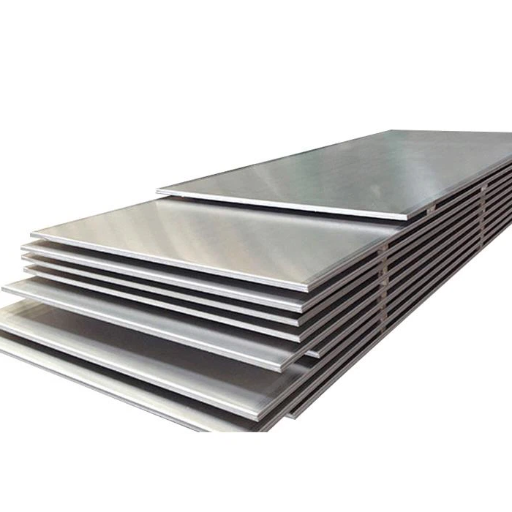
- Composition: For corrosion resistance, it contains about 12-14% chromium; in addition, carbon is present to provide hardness.
- Hardness: It can be heat-treated to extremely high levels of hardness and is hence wanted by cutting tools and wear-resistant applications.
- Magnetism: It is magnetic in all conditions.
- Tensile Strength: The tensile strength usually ranges from 517 to 860 MPa, depending on the heat treatment.
Mechanical Properties of 420 Stainless Steel
420 stainless steel has a variety of mechanical properties, depending on heat treatment condition. Some of the important mechanical properties are:
- Tensile Strength: Upon proper heat treatment, it can achieve tensile strengths ranging from 517 MPa (75,000 psi) to 860 MPa (125,000 psi), making it a strong and durable material.
- Yield Strength: The value varies from 275 MPa (40,000 psi) to 690 MPa (100,000 psi) depending on the tempering process.
- Hardness: This steel can gain very high hardness level up to 50 HRC after quenching and tempering.
- Elongation: Usually, the elongation at break is around 12%, showing moderate ductility.
- Impact Resistance: The annealed condition offers good toughness, but with an increase in hardness, it becomes less resistant.
The properties ensure the use of 420 stainless steel in situations that require durability, wear resistance, and moderate levels of corrosion resistance, such as surgical instruments, blades, and automotive components.
Physical Properties of Grade 420 Stainless Steel
Grade 420 stainless steel observes an assortment of physical properties making it versatile for many applications. Detailed physical properties of this grade are:
- Density: Grade 420 stainless steel has a density of about 7.74 g/cm³ (0.280 lb/in³), typical for martensitic stainless steels. This gives it a reasonably high strength-to-weight ratio.
- Melting Point: The melting point ranges from 1450°C to 1510°C (2642°F to 2750°F), supporting strength retention at higher temperatures.
- Thermal Conductivity: Thermal conductivity of the material is approximately 24.9 W/m-K at 100°C, considering it’s moderate in heat conduction relative to other steels.
- Electrical Resistivity: Electrical resistivity of Grade 420, at 20°C, is about 0.52 x 10^-6 Ω·m; it implies moderate conductivity suitable for some specialized applications.
- Modulus of Elasticity: Concerning stiffness, this property for Grade 420 stands at around 200 GPa (29,000 ksi), indicating rigidity during structural applications.
- Coefficient of Thermal Expansion: From 20°C to 200°C, the coefficient is about 10.2 µm/m-°C, meaning it exhibits controlled expansion with temperature variations.
These properties, along with the mechanical and corrosion-resistant characteristics of Grade 420, make it well-known in industries where strong and durable materials are required, such as aerospace, medical devices, and consumer goods.
Comparing 420 with Other Martensitic Stainless Steels
Martensitic stainless steels comparable to Grade 420 include Grades 410, 416, 431, and 440, each offering varying mechanical properties, corrosion resistance, and application suitability.
| Grade | Hardness | Corrosion | Machining | Toughness | Uses |
|---|---|---|---|---|---|
| 410 | Medium | Moderate | Good | High | General use |
| 416 | Medium | Moderate | Excellent | Moderate | Machined parts |
| 420 | High | Moderate | Moderate | Good | Tools, blades |
| 431 | High | High | Moderate | High | Aerospace, bolts |
| 440 | Very High | Moderate | Low | Low | Cutlery, wear |
How Does 420 Stainless Steel Obtain High Hardness?

420 stainless steel obtains hardness through hardening, which is a heat treatment technique. It consists of heating the steel to a high temperature and subsequently cooling it quickly, generally in air or oil, so as to keep the hard structure. Due to the high carbon content, hard martensite forms during the cooling, which is the very property behind the steel’s high hardness. This attribute lends itself to uses where hardness and growth resistances are desired, such as in tools and blades.
Role of Carbon Content in 420 Stainless Steel
Carbon content is very important for 420 stainless steel because it greatly influences the mechanical properties and overall performance of this steel. 420 stainless steel usually contains about 0.15 to 0.40 carbon content, allowing the formation of martensite during the hardening process. So, martensitic stainless steels like the 420 achieve their high hardness and strength through this controlled carbon content. Carbon atoms greatly enhance the ability of the steel to attain the hardened state, which can reach a hardness of about 50 HRC (Rockwell Hardness) if heat-treated properly.
This carbon content also affects the steel in edge retention and wear so that it is performance-wise ideal for such applications as surgical instruments, cutlery, and industrial blades. The higher the carbon level, the less corrosion-resistant it is in contrast to the lower-carbon stainless steels as some of the chromium is tied into chromium carbides rather than aiding corrosion resistance. Hence, the carbon content is carefully balanced to maximize hardness and moderate corrosion resistance, depending on application. This makes the 420 stainless steel a material with a distinct set of properties.
Heat Treatment of 420 Steel
The heat treatment of 420 stainless steel now leads to achieving its hardness and strength through the following process recommendations specific to its nature:
- Annealing-Heat the steel to 840–900°C (1544–1652°F) for uniformity and stress relief through slow cooling.
- Hardening-Heat to 980–1035°C (1796–1895°F), then quench rapidly in air or oil to achieve maximum hardness.
- Tempering-Reheat to 150–370°C (302–698°F), depending upon the balancing required between hardness and toughness; air-cool.
Tempering Temperature and Hardness Relationship
The tempering treatment plays an important role in the resulting properties of 420 steel, mainly hardness and toughness. High tempering temperature generally reduces hardness while increasing toughness.
For 420 steels, tempering at a certain temperature range yields a good balance between hardness and ductility for most applications. The following data show the trend between tempering temperatures and Rockwell hardness (HRC):
- 150°C (302°F): Highest hardness of about 54-56 HRC with very low impact toughness. Used where high wear resistance is important like cutting tools.
- 200°C (392°F): Hardness of about 52-54 HRC with slight increase in toughness. For blades and surgical instruments.
- 300°C (572°F): Hardness of about 48-50 HRC with moderate wear resistance and impact toughness. General-purpose tools.
- 370°C (698°F): Hardness down to about 42-44 HRC, with maximum toughness for highly stressed components.
All these figures are approximate because they can vary based on the alloy composition, quenching methods, and exact heat treatment procedures. With this link-based information on how temperature affects hardness, engineers can relatively select 420 steel properties to best suit their particular needs.
What Is the Corrosion Resistance of 420 Stainless Steel?

Raised chromium content builds a passive oxide protective layer capable of imparting a protective corrosion resistance to grade 420 stainless steel. However, the corrosion resistance of this steel is inferior to those of higher-grade steels, especially in higher humidity, saltwater, or acidic environments. Proper maintenance and polishing will heighten resistance to rust and stains and, hence, suitability for applications in cutlery and surgical instruments.
Factors Affecting the Corrosion Resistance of Grade 420
Corrosion resistance is affected by several factors on 420 stainless steel, including exposure to aggressive environments, improper maintenance, or damage to the surface. Long-time exposure to saltwater, acidic substances, or areas of high humidity would weaken the oxide protective layer leading to rusting and staining. Also, scratches and abrasion exposing the surface become another set of corrosion cases. Cleaning and good storage will keep its corrosion resistance intact and prolong the working life.
Comparing 420’s Corrosion Resistance with Other Grades
420 stainless steel offers moderate corrosion resistance compared to grades like 304, 316, and 440C, with notable trade-offs in strength and cost.
| Grade | Corrosion | Strength | Cost | Key Use |
|---|---|---|---|---|
| 420 | Moderate | High | Low | Cutlery |
| 304 | High | Moderate | Medium | Kitchen |
| 316 | Very High | Moderate | High | Marine |
| 440C | Moderate | Very High | Medium | Tools |
Applications Requiring Good Corrosion Resistance
Applications that demand good corrosion resistance tend to favor more chromium-rich alloys with high stability in harsh environments. Stainless steels including 304 and 316 are best suited for this purpose. For example:
- 304 Stainless Steel is widely used in kitchen equipment, utensils, and food processing applications because of its corrosion resistance and cheap cost.
- 316 Stainless Steel is preferred for marine environment and chemical processing due to its excellent resistance to saltwater corrosion and harsh chemical attacks.
Selection of these grades is done mainly because of their ability to resist rusting and keep their structural integrity over time in environments where frequent exposure to moisture and corrosive substances occurs.
Applications and Uses of 420 Stainless Steel

Applications requiring imparting hardness and corrosion resistance are typically considered with the material of 420 stainless steel. Production of cutlery, surgical instruments, and precision blades finds its rigorous usage. Additionally, industrial uses for some kind of water valves, gears, and pumps need moderate corrosion resistance and greater durability.
Common Uses in Cutting Instruments and Surgical Instruments
By virtue of a unique blend of hardness, corrosion resistance, and durability, 420 stainless steel is widely employed in the manufacture of cutlery and surgical instruments. Cutlery deserves to be hardened to a Rockwell hardness of about 50-55 HRC so that knives and blades can keep a sharp edge for a long time. In addition, 420 stainless steel has a chromium concentration of about 12-14%, giving it resistance to staining and rusting, thereby making it suitable for table knives, kitchen utensils, and high-end professional-grade cutting tools.
In surgical instruments, the steel meets stringent medical standards because of compatibility with sterilization and resistance to bodily fluids and repeated exposure to disinfectants. Instruments such as scalpels, forceps, scissors, and clamps are often made from this grade of steel. Industry reports indicate that about 60-70% of surgical instruments are made from martensitic stainless steel such as grade 420 because of its mechanical properties and outstanding performance when used repeatedly. It is an all-around steel because of its prevailing capabilities that continue to find the primary use in precision manufacturing in situations where hygiene and durability cannot be compromised.
Industrial Uses: Shafts and Valves
Martensitic stainless steel, especially grades such as 410 and 420, is highly preferred for manufacturing shafts and valves owing to their outstanding strength, wear resistance, and ability to perform under adverse operating conditions. Shafts made of martensitic stainless steel find application in pump systems and motor drives where these are subjected to high torques and rotational stresses. The steel offers high tensile strength of about 515 to 1035 MPa (75,000–150,000 psi), thus guaranteeing serviceability under the strenuous operating environment.
Valves made from martensitic stainless steel are predominant in oil and gas, chemical process, and power generation industries. These valves need to perform under conditions of high pressure, corrosive media, and temperature fluctuations, wherein the corrosion resistance and toughness offered by the material assume significance. According to recent industry data, the global production of valves by martensitic stainless steel constitutes nearly 25-30%, underlining its importance as a material of choice for heavy-duty and precision-engineered components.
Apart from providing shafts and valves with hardening to improve the surface hardness and wear resistance through heat treatment, martensitic stainless steel is also easy to machine, making production cost-effective and attractive to the concerned industries.
Examples of Specialty Steel Uses
From experience, specialty steels, such as martensitic stainless steels, have key roles in industries where endurance and precision are required. For instance, in the automotive industry, they are applied to engine components and transmission parts due to their very high strength and wear resistance. The oil and gas industries, in turn, esteem these steels for valves and shafts that operate under heavy stresses and corrosive conditions. Their amenability to heat treatment and machinability ensure consistently reliable performance in critical applications.
How to Machine and Work with 420 Stainless Steel?

- Meaning and Nature of the Tools: Speed-type tools such as high-speed steel or carbide tools should be utilized to get proper cutting results because this material is tough but machinable.
- Speeds and Feeds: Use slower cutting speed and feeding rate to reduce the heat scenario vis-a-vis tool life.
- Lubrication: Keep the cutting liquids handy to minimize friction and overheating.
- Heat Treatment: Before the machined operation, heat-treat any pre-hardened steel when necessary for the application so that final hardening can be done thereafter and will not destroy the tools involved.
- After Machining: Assure post-machining cleaning of all residuals of cutting fluids or debris.
Machinability of 420 Stainless Related to Other Steels
420 stainless steel is a different class of martensitic stainless steels and offers good corrosion resistance, high strength, and hardness levels after heat treatment. However, its machinability is somewhat unique compared to other types of steel depending on its heat-treated state.
It is more difficult to machine than a carbon steel such as AISI 1018 or a low-alloy type of steel such as 4140 due to the hardness and work-hardening capabilities of 420 stainless. Just as a standard, 420 stainless is rated to be about 50% in machinability with reference to free-machining AISI 1212 steel, rated as 100%. This rating may diminish as the hardness of the 420 stainless is increased upon heat treatment.
For comparison:
- 420 Stainless Steel (Annealed): Machinability fair, about 50%.
- 420 Stainless Steel (Hardened, e.g., 50 HRC): Machinability is very poor and requires slow cutting speeds, rigid setups, and premium cutting tools for acceptable machining results.
- 304 Stainless Steel (austenitic): Being non-magnetic-and-great-corrosion-resistant, it has slight edge over annealed 420 stainless regarding machinability (about 55%).
- 303 Stainless Steel (austenitic): Made for better machinability, 303 has a machinability rating of about 78%, way more than 420.
- 1018 Carbon Steel (low-carbon): Has nearly 100% machinability, giving a whole lot easier machining operation compared to 420 stainless.
Machinability of 420 stainless can be highly dependent on the exact heat treatment configuration, the material condition, and the cutting tools being used. Ideally, crisp carbide or HSS tools with adequate tooling lubrication should be enforced to counteract any tool wear due to cutting heat caused by the poor machinability situation.
Best Practices in Machining for 420 Grade
Cut this tough material with sharp carbide or HSS tools, with plenty of lubrication and about medium cutting speed with steady feed rates to minimize tool wear and avoid overheating of the material. Of course, always trade-off the heat treatment and material condition parameters first for machining.
Understanding the Heat Resistance of 420 Stainless Steel
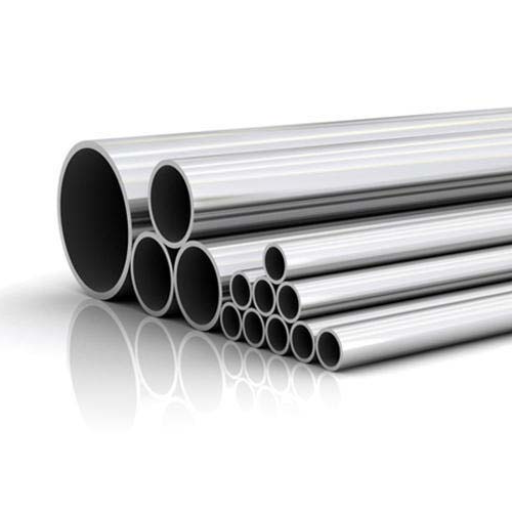
420 stainless steel has heat resistance in both tempering and hardening conditions. It can decrease mechanical properties when being exposed to heat approximately up to 700°F (370°C). However, in due course, scaling develops and causes a decrease in hardness and corrosion resistance at higher temperatures. Hence, for best working results, continuous exposure to high heat would not be considered for any application.
How temperature compromise the performance of 420
At a certain degree, if the stainless steel 420 possesses heating properties, its performance will suffer under different applications. It would provide the mechanical properties required in toughness, stability to demanding environments below 700°F (370°C). However, sustained higher temperatures above 800°F (427°C) will cause the material to become softened along with a decrease in corrosion resistance and strength with tempering and other microstructural changes within the alloy.
Recent studies prove that 420 stainless steel suffers from scaling problems above 1,200°F (650°C), thus, limiting its use in applications that require high-temperature machinery. Research indicates a greater than 30% decrease in hardness at 1,300°F (704°C), severely impacting the proper wear resistance of the said material. This further emphasizes the need to maintain strict temperature parameters whilst trying to benefit from the industrial use of this steel.
Precision and reliability of components under temperature variations in aerospace and manufacturing industries dictate that 420 stainless steel be restricted below its threshold temperature. Protective coatings and controlled environments might be implemented to avert hot degradation effects along with the enhancement of the working life of stainless steel.
Comparing Heat Resistance with Other Stainless Steels
Compared to other stainless steels, 420 steel has lower heat resistance but performs well under moderate heat conditions, whereas grades like 304, 316, and 430 have enhanced resistance.
| Grade | Heat Res. | Chromium | Nickel | Carbon | Key Use |
|---|---|---|---|---|---|
| 420 | Low | 12-14% | None | <0.4% | Cutting tools |
| 304 | High | 18-20% | 8-10% | <0.08% | Food equip. |
| 316 | Very High | 16-18% | 10-14% | <0.08% | Chemical gear |
| 430 | Moderate | 16-18% | None | <0.12% | Appliances |
Reference sources
- Photopolymerization of Stainless Steel 420 Metal Suspension: Printing System and Process Development of Additive Manufacturing Technology toward High-Volume Production (Nguyen et al., 2024)
- Publication Date: 2024-09-01
- Methodology: Developed a scalable and expeditious additive manufacturing (SEAM) process, hybridizing binder jet printing and stereolithography. Optimized processing conditions (printing, debinding, sintering) for stainless steel 420 (SS420).
- Key Findings: Successfully fabricated an SS420 turbine with 99.7% relative density, demonstrating the SEAM process’s suitability for high-volume production with excellent accuracy and resolution. This process aims to bridge the productivity gap between metal additive manufacturing and traditional manufacturing.
- Microstructure and electrochemical behaviour of laser clad stainless steel 410 substrate with stainless steel 420 particles (Natarajan et al., 2023, pp. 1029–1042)
- Publication Date: 2023-10-01
- Methodology: Used laser cladding to deposit SS420 particles onto an SS410 substrate. Analyzed the microstructure and hardness (nano-indentation) and performed electrochemical studies (polarization curves, EIS) on specimens with varying cladding durations (0 h, 8 h, 14 h, 36 h).
- Key Findings: Laser cladding created a closely packed acicular structure, improving nanohardness. The 14-hour cladding duration specimen showed the best corrosion resistance, attributed to oxide formation on the corroded surface.
- Effect of arc current on the microstructure, tribological and corrosion performances of AISI 420 martensitic stainless steel treated by arc discharge plasma nitriding (Li et al., 2023, pp. 2294–2309)
- Publication Date: 2023-01-17
- Methodology: Investigated the effect of arc current on the microstructure, tribological, and corrosion properties of AISI 420 stainless steel treated with arc discharge plasma nitriding.
- Key Findings: The study explored the relationship between arc current and the resulting material properties, likely showing how different arc currents affect the nitriding process and consequently the material’s performance. Specific findings on microstructure, tribology, and corrosion would need to be examined in the full paper.
- Top custom stainless steel parts Manufacturer and Supplier in China
Frequently Asked Questions (FAQs)
Q: Understanding the term Stainless Steel 420?
A: Stainless Steel 420 is a martensitic stainless steel with a relatively high carbon content and good corrosion resistance. Heat treatments can enhance the strength and hardness of these steels.
Q: How does Stainless Steel 420 distinguish itself from the austenitic grades?
A: It is rather unlike austenitic types in that Stainless Steel 420 is a martensitic alloy and so can be hardened by heat treatment, giving it better wear resistance, higher strength, and hardness than the softer and more ductile austenitic grades.
Q: What is the typical nature of Stainless Steel 420 workings?
A: Stainless Steel 420 is frequently found in settings requiring high strength with good corrosion resistance, such as cutlery, surgical instruments, and round bars. It is hardenable and used for tools that need a hard edge and durability.
Q: What about the corrosion resistance of Stainless Steel 420?
A: In almost all mild environments, Stainless Steel 420 has oh-so-good corrosion resistance. Another upside of having higher carbon content in this steel is that it can also be heat treated to increase hardness and wear resistance.
Q: How is the heat treatment of Stainless Steel 420 done?
A: Heat treatment of Stainless Steel 420 consists of heating the steel to a temperature range where it is austenitic, followed by quenching for the martensitic transformation. This increases the hardness and strength of the steel.
Q: ASTM A276 with respect to Stainless Steel 420?
A: ASTM A276 is the standard specification of stainless steel bars and shapes, among which there is Stainless Steel 420. It defines the requirements for various grades of steel in order to maintain uniform mechanical properties and composition.
Q: Do variances of Stainless Steel 420 exist?
A: Yes, there exist various forms of Stainless Steel 420, together with some having slightly different compositions or additional alloying elements to improve a property like corrosion resistance or ductility.
Q: How does the hardness of Stainless Steel 420 compare with other steels?
A: Being heat treated properly, Stainless Steel 420 reaches the highest hardness of all the martensitic stainless steels and stands as a good compromise between hardness and wear resistance compared to low carbon stainless steels.
Q: Can Stainless Steel 420 be used at high temperature applications?
A: While Stainless Steel 420 can handle moderate temperatures, extended exposure to high temperature will most probably bring about the decline in mechanical properties. Hence, it is typically not selected for high-temperature application, where austenitic grades will be better-shaped.


