


Due to their incredible strength-to-weight ratio and exceptional durability, carbon fibres have been revolutionizing industries since their inception. However, their machining brings its own very specific challenges and opportunities. This blog will plunge very deeply into the machinations of machining carbon fiber, showing how the very distinct properties present opportunities for new fronts, while equally demanding new machining techniques and tools. Suppose you are a manufacturing professional, engineer, or just curious about the forefront technologies. In that case, this article will guide you through the latest advancements, practical insights, and current best practices about the machining of carbon fiber. So, stay tuned and discover how the industry experts push the envelope of innovation with this material.
What is Carbon Fiber Machining?

The term Carbon Fiber Machining Pour Up refers to the fabrication technique necessary in converting and shaping carbon fibers to a particular contour or specification. Carbon fibers are integrated in industries such as aerospace, car, and sports due to their exceptional quality, high strength-to-weight ratio, and resistant properties. Specific tools and methods are essential for working with this material because it quickly becomes dull and is very sensitive to thermal changes. This results in precise work performed while minimizing the risk of mechanical damage to the fibres. Ensuring that the proper machine is used is essential since the material’s performance is at stake.
Key Characteristics of Carbon Fiber Material
- High Strength to Weight Difference
Carbon Fiber is a high-strength, lightweight material appropriate for weight reduction applications that require maintaining structural integrity.
- High Tensile Strength
It shows remarkable resistance to tensile strength, enabling it to withstand universal forces and stress fields without deformation and rupture.
- Corrosion Resistance
The material will not corrode when in contact with liquids or harsh media because it does not weather like metal alloys. Thus, it has a high corrosion resistance tendency and is not easily prone to such conditions.
- Thermal Stability
In addition, carbon fiber’s properties are not greatly affected by temperature; data acceptable for various applications range from indoor use with high temperatures to outdoor use with freezing temperatures.
- Low Thermal Expansion
Carbon Fibers inherently possess a near-isotropic thermal expansion,, providing dimensional stability for any thermally challenged component.
Types of CNC Machines Used
The different CNC machines include milling machines and lathes, routers and plasma cutters, laser cutters, EDMs, waterjet cutters, 3D printers, multi-axis, automatic tool changer, grinding or drilling machines.
|
Type |
Function |
Material |
Axes |
Key Use |
|---|---|---|---|---|
|
Milling |
Cutting |
Various |
3-6 |
Shaping |
|
Lathe |
Rotating |
Various |
2-4 |
Symmetry |
|
Router |
Routing |
Soft/Hard |
3-6 |
Prototypes |
|
Plasma Cutter |
Cutting |
Metals |
2-3 |
Heavy Cuts |
|
Laser Cutter |
Cutting |
Metals/Non |
2-3 |
Precision |
|
EDM |
Shaping |
Conductive |
2-3 |
Complex Cuts |
|
Waterjet Cutter |
Cutting |
Any |
2-3 |
Cold Cuts |
|
3D Printer |
Printing |
Plastic/Metal |
3 |
Prototyping |
|
Multi-Axis |
Complex |
Various |
4-12 |
Precision |
|
Tool Changer |
Switching |
Various |
N/A |
Efficiency |
|
Grinding |
Finishing |
Metals |
2-3 |
Polishing |
|
Drilling |
Hole Making |
Various |
2-3 |
Assembly |
What are the Benefits of Machining Carbon Fiber?
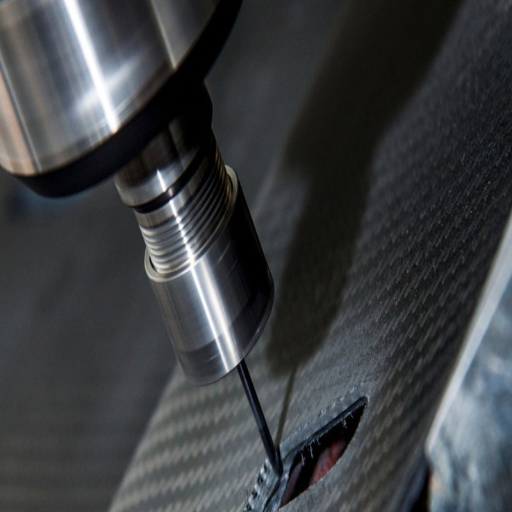
- High Precision and Accuracy
The process of CNC machining makes it possible to design and produce detailed, sophisticated products that will satisfy even the most critical and demanding applications.
- Light products with strong properties
Owing to the mechanical properties of the material, carbon fiber parts obtained after machining retain their high strength and yet reduce much of the weight, making them an ideal alternative in places where minimizing the effect on strength is important.
- Versatility
Machining allows carbon fiber to undergo several operations, and therefore, different carbon fiber components can be manufactured according to need.
Advantages over Traditional Composite Materials
- Improved Strength Weight Ratio. As a result, the composite is extremely useful in the Field.
In comparison, carbon fiber possesses a much higher strength-to-weight ratio, on average being three to five times to fifteen times stronger than steel while only a fraction of the latter’s weight.
- Effective Rigidity
Moreover, the fiber reinforced material can be shaped in the desired form faster, and much less effort is required to stabilise the reinforced section. This makes this kind of material most suitable for very precise applications and other components not subject to movement.
- High Degree of Stability to Temperature Variation
Some common composites are not suitable for other common problems, such as large or abrupt temperature variations, and it is very difficult for them to retain their initial properties. The month, which contains the whole event of Technology, specializes in the aerospace and automotive industries.
- Resistances
Both of these decades after their existence, some applications can virtually withstand several exterior factors that might be detrimental, including ambient UV and/or moisture, among other factors. This eternity of the material confirms disturbance avoidance failure after, of course, effects over the assembly, more so than other downtime-resistant materials.
- Operational Efficiency
The fact that the carbon fiber is light contributes to the savings on fuel and energy in areas of industry such as aviation and transport, where a reduction in the tonnage translates to an impact on work performance and operating costs.**
Applications of Carbon Fiber Parts
Aerospace and Aviation Carbon fiber is extensively used in the aerospace and aviation industries for constructing aircraft components such as fuselages, wings, and tail structures. By significantly reducing the aircraft’s overall weight, carbon fiber enhances fuel efficiency and reduces emissions. For instance, modern aircraft incorporate up to 50% carbon fiber by weight in their structural components.
- Automotive Industry
High-performance vehicles and sports cars often utilize carbon fiber for parts such as body panels, hoods, and chassis. Its lightweight nature improves acceleration, handling, and fuel efficiency while maintaining superior strength. The growing demand for electric vehicles (EVs) has also boosted the need for lightweight carbon fiber materials to extend battery range.
- Engineers And Scientists
Notably, the application of carbon fiber-reinforced polymers is not limited to the construction and energy industry: engineers and scientists find innovative applications for advanced materials in many other sectors.
- Equipment And Supplies – Other Equipment Issues
Unlike steel, copper, or other metals, some electrical components have to be enclosed in a non-metallic housing for electromagnetic compatibility (e.g., MRI sensors), and this issue affects the waveforms and signal performance.
- Media
These cushioning materials are made of conductive particles coated with conductive rubber. They provide the controlled flow of static discharge, which is very important in media and preservation electronic equipment. The conductive rubber material is used both as a pressure-sensitive adhesive applied to the back of RSMss foam dielectric and in contact with its top conductive surface to provide an interface.
- WordPress Development Legal Disclaimer(enable it for internal use only)
WordPress Development Terms, Conditions, Policies, and Disclaimers will be printed for the use of the client that scripts allow. No disclaimer scripts are permitted other than in line with the job scope or as sample excerpts.
Impact on Performance and Durability
As one of the strongest materials about its weight, carbon fiber has undergone quantum advances in multiple areas of technology within the industry. This particular material especially, has been so much appreciated by the sectors of aerospace and especially, automotive, as it helps improve fuel consumption and maintains the vehicle’s framework. A further indication that speaks in favour of this material is the immunity to harsh environments, and products can withstand such conditions without a drop in their performance. This durability, along with the escalating technologies in the production, means that the prominent use of carbon fibre is visible, in these application areas that need a lot of strength and are weight sensitive.
What Challenges are Associated with the Machining of Carbon Fiber?
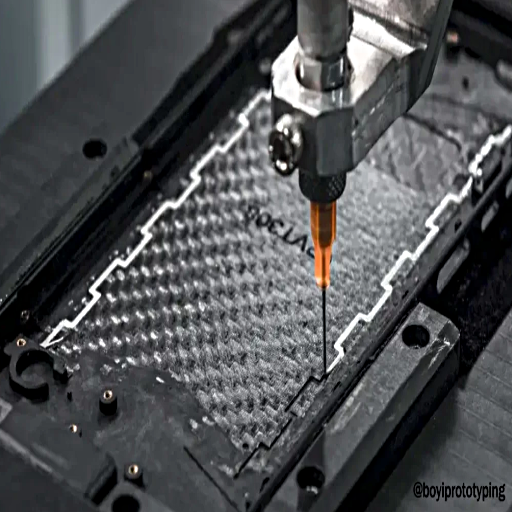
Machining of carbon fiber poses numerous challenges, primarily due to specific characteristics of the material. First and foremost, carbon fiber consists of extremely abrasive particles, which quickly wear out the tools, leading to low efficiency and cost increases. Secondly, the grade of carbon fiber is such that it comprises several layers. When this kind of structure is machined, there may be breaks and little pockets formed within, which is a kind of material rarely used for the targeted nature in the commercial sense. Moreover, as part of other safety concerns, some commonly produced dust may present distinct portions that could damage the machine. And finally, these goals will also be challenging to accomplish in the presence of additional challenges- cutting the material to an exact shape or without causing any frustration to the back layer of the carbon fiber in the inner layers necessitates the use of intricate tools and methods.”
Choosing the Right Cutting Tool
When working with carbon fibre, the machinist must consider several key points to achieve expected results. In the milling of carbon fibre, diamond-coated or PCD tools are preferred because of their extraordinary toughness and wear resistance, which contribute to the effective service of the tool in cutting the abrasive carbon fibre structure. The tool’s shape is one more critical factor: for example, the rake angle for acute tools can assist in reducing cutting force and effectively reducing the probability of delamination within the materials. Moreover, to avoid locating blades inside a dust guard or a vacuum attachment, process at high speeds with machining tools that were per se designed to minimize the generation of carbon fibre dust since such dust is a health hazard. Manufacturers can use proper materials and machining skills in cutting tools to improve machine efficiency.
Managing Cutting Speed and Machining Parameters
One of the key processes in the use of materials like carbon fiber is cutting. The cutting speed must be optimum, as must the machining parameters, to preserve the level of sharpness of cutting tools, prevent chips, deter cutting tools from chips, and extend the lifetime of tools. This specific cutting speed range usually is maintained around 100-500 meters per minute (m/min) for most materials with specific drawbacks including but not limited to tool type and the tendency of the tool to vibrate in the installed position going much higher than that which can be considered relevant to the level of the operation concerned. At such maximum cutting speeds, the resultant heat, wear and even thermal degradation are known to be excessive.
An additional constraint placed on feed during CAM is the need for a minimum feed between approximately 0.01 mm/ tooth and 0.05 mm/ tooth. This tends to be due to the high risk of delamination and fibre pullout. It is advised that a lower cut per tooth be used. The depth of cut is usually preferred to be the minimum, between 1 and 2 mm at most, when machining, since this facilitates better control of the work and reduces tool strain at the same time.
CNC (Computer Numerical Control) machines, which are high-performance systems with accurate controllers, can also be used to achieve an adaptive adjustment of parameters like cutting speed and feed rate from time to time. It has been established that the implementation of adaptive machining has the potential to decrease defects and poor surface finish with up to 30% improvement. For example, when PCD tip tools are used, the service life of the tools improves 50% at the highest cutting rates compared to the service life of cutters using carbide tips.
Moreover, it is possible to use a tool that generates internal cooling air when drilling, which can significantly cool a 100 °C drilled part, leading to much 20 – 30% tighter controlled machining temperatures.
Adjusting the cutting speeds and machining environments, coupled with subsequent modifications and constant monitoring, can ensure that the carbon fiber is compatible with the method and, therefore, the final product.
How is CNC Machining Used in Carbon Fiber Processing?

The main reason for using CNC machining for carbon fiber products is that it is suited to this high precision manufacturing environment, and has been built for the Section target material. You do it to cut, form, and bore the high-accuracy carbon fiber parts, and excessive waste and variations in the material are avoided due to the process. The concepts of CNC machines are based on the use of predetermined designs, ensuring that intricate and precise moldings are easily acquired. In addition, their self-operating characteristic eliminates the fear of any flaw since no deliberative actions are involved. Hence, they are the top selection of consumers in the workplace, such as aerospace, automotive, or sports equipment manufacturing.
Overview of CNC Carbon Fiber Techniques
Advancements in recent years in CNC machining have brought about a total transformation in the machining of carbon fiber and have enhanced the quality and precision of the product even further in the process. One such innovation is the use of 5-axis CNC technology, which makes possible the design and manufacture of components with complex shapes and contours that were previously impossible through its increased range of motion. Such machines are particularly effective in producing aircraft wings, curved complex parts in the car service model, and generally, in producing enormously shaped structural components.
According to the 2023 market report, the demand for CNC carbon fiber production has grown by 15 percent per year owing to its use in industries such as aerospace, automotive, and alternative energy. For example, aerospace-grade carbon composite used in structures such as fuselage sections or rotating element cases requires very closely controlled dimensions, which are easily met by CNC machining practices.
The next creative project is the introduction of tools such as automated tool path optimization tools, which can reduce the machining time by thirty percent. This minor modification guarantees better utilization of the resources and economizes the process, especially when considering the present challenging market conditions. Equally, the vacuum systems have recently been included in the CNC machines. This allows for the effective evacuation of carbon fiber dust during processing, avoiding dangerous working conditions and the wearing of such equipment that might restrict productivity.
There are also plans underway to make improvements to CNC milling equipment concerning the handling of carbon fiber. Issues under development entail wear problems and replacement intervals of different parts. To illustrate, the utilization of machining tools coated with, for instance, diamond is expected to address these issues, increasing the wearing life by around fifty per cent; hence, the frequent changes will be made. This enables the recycling of more and more raw materials than ever, and the cost implication of how carbons are taking over, however, in an approach that ensures CNC carbon machining is not affected, but rather enhanced in terms of its sustainability and adaptability to the new demands that are becoming more advanced in industry.
Standard CNC Machining Services for Carbon Fiber
Carbon fiber is robust, and machining carbon fiber differs entirely from other materials. When we say machining, we automatically imagine mills, cutting, drilling, and breaking. Although the terms are traditionally associated, carbon fiber machining differs significantly from other machining processes. And some fine grinding techniques, which are used to even the edges that have been split by cutting, can also be used if necessary. Additionally, the surface is more flexible, allowing for rolling straighter. All these practices require less material and consume less power. Steeper cuts require much narrower paths that vibrate significantly more. As such, machining processes are problematic, and gas cutting as an alternative method must be used. They consist of abrasive water jet cutting and traditional machining operations.
Comparison of CNC Machines for Carbon Fiber
Fiberglass Cutting machines primarily use routers, but they can also use milling, vacuum cutting, water or laser cutting, chemical CNC Oxygen cutting, or percussion drilling.
| Type | Feature | Material | Speed | Precision |
|---|---|---|---|---|
|
Milling |
Rotating |
Carbon Fiber |
Moderate |
High |
|
Router |
Routing |
Carbon Fiber |
Moderate |
Moderate |
|
Laser Cutter |
Non-contact |
Carbon Fiber |
High |
Very High |
|
Waterjet Cutter |
Cold cutting |
Carbon Fiber |
Low |
High |
|
Drilling |
Hole making |
Carbon Fiber |
Moderate |
High |
Reference Sources
- Authors: Gyuho Kim et al.
- Journal: International Journal of Precision Engineering and Manufacturing
- Publication Date: September 2, 2023
- Citation Token: (Kim et al., 2023, pp. 1989–2008)
- Summary: This study investigates the impact of cutting angles on tool wear during the machining of carbon fiber reinforced plastics (CFRP). The authors employed directional milling techniques to optimize cutting conditions, aiming to reduce tool wear and improve machining efficiency. The findings suggest adjusting the cutting angle can significantly influence tool longevity and machining performance.
2. Dynamic Performance of Industrial Robots in the Secondary Carbon Fiber-Reinforced Plastics Machining
- Authors: Dong Chan Kim et al.
- Journal: Journal of Manufacturing Processes
- Publication Date: October 1, 2023
- Citation Token: (Kim et al., 2023)
- Summary: This paper explores the dynamic performance of industrial robots used in the secondary machining of CFRP. The authors conducted experiments to assess the robots’ capabilities in handling the unique challenges posed by CFRP materials, such as their anisotropic properties. The results indicate that industrial robots can effectively manage the machining processes, enhancing productivity and precision.
3. Cutting Force Modeling of Machining Carbon Fiber Reinforced Polymer (CFRP) Composites: A Review
- Authors: Yang Song et al.
- Journal: Composite Structures
- Publication Date: August 1, 2022
- Citation Token: (Song et al., 2022)
- Summary: This review paper compiles various models and methodologies for predicting cutting forces during the machining of CFRP composites. The authors analyze existing literature to identify key factors influencing cutting forces, such as tool geometry and material properties. The review highlights the need for more accurate predictive models to improve machining efficiency and reduce tool wear.
4. Top Carbon Fiber Cnc Machining Parts Manufacturer And Supplier In China
Frequently Asked Questions (FAQs)
Q: What is a CNC machine for carbon fiber, and how does it work?
A: A CNC machine for carbon fiber is a computer-controlled machine that automates the machining process for carbon fiber composites. It uses precise cutting tools to shape carbon fiber sheets and parts, allowing for intricate designs and high accuracy in machining carbon fiber sheets.
Q: What are the advantages of using carbon fiber in manufacturing?
A: Carbon fiber’s advantages include its high strength-to-weight ratio, resistance to corrosion, and improved durability compared to traditional materials. Carbon fiber reinforced polymer (CFRP) is also known for its stiffness and ability to withstand extreme temperatures, making it ideal for various applications.
Q: What is the machining process for carbon fiber composites?
A: The machining process for carbon fiber composites typically involves cutting, drilling, and milling the material using specialized tools designed to handle the unique properties of carbon fiber sheets. This process minimizes delamination and ensures the integrity of the carbon fiber composite during machining.
Q: How does fiber orientation affect the machining of carbon fiber sheets?
A: Fiber orientation plays a crucial role in machining carbon fiber sheets. Proper alignment of the carbon atoms in the fiber can enhance the strength and performance of the machined carbon fiber parts. Incorrect fiber orientation can lead to weaknesses and challenges during the cutting process.
Q: What types of tools are used for machining carbon fiber composites?
A: Tools used for machining carbon fiber composites include diamond-coated milling tools, carbide drills, and specialized cutting tools designed for fiber cutting. These tools help reduce wear and prevent damage to the carbon fiber sheet during machining.
Q: What is the significance of delamination in carbon fiber machining?
A: Delamination refers to separating layers in a carbon fiber composite, which can occur during the machining process. It is crucial to manage delamination to ensure the structural integrity of the machined carbon fiber parts. Techniques like using the right feed rates and cutting speeds can help minimize this issue.
Q: Can carbon fiber CNC machining services handle complex designs?
A: Carbon fiber CNC machining services can handle complex designs with high precision. CNC machines can execute intricate patterns and shapes, making them ideal for creating detailed carbon fiber CNC parts that meet specific engineering requirements.
Q: What are the typical applications for machined carbon fiber parts?
A: Machined carbon fiber parts are commonly used in aerospace, automotive, and sporting goods industries. Their lightweight and durable nature makes them suitable for applications requiring high-performance materials, such as aircraft components, automotive body panels, and specialized sporting equipment.
Q: How does one ensure quality when machining carbon fiber composites?
A: Ensuring quality in machining carbon fiber composites involves using high-quality materials, maintaining precise machine settings, and regularly inspecting the machined carbon fiber parts for defects. Employing skilled operators and advanced CNC technology also contributes to achieving superior carbon fiber sheet machining results.


