


For a metal alloy that can be highly functional in any commercial or industrial setting, C31400 Leaded Commercial Bronze leads the race. It possesses a high level of ease in processing, high corrosion resistance, as well as a fine balance of mechanical and ductile properties making it a top rated metal in many industries. Be it a structural engineer looking for longevity, a manufacturer looking for effective processing, or even a fashion designer looking for both function and innovation in one fabric, C31400 bronze has proved to deliver beyond one’s expectations. Be sure to read this article, and learn of some of the key properties of C31400 bronze as, applications, and why it is a sought after option if one is looking to achieve optimum performance and still remain within the bounds of expectation. You will soon find out why a not so widely used material outside of a very niche industry has to be the first resort when in need of solutions, which shall be both of low-weight, and of advanced quality and this is the alloy we will be looking at.
What consists brass C314 and Why is it Considered Unique?
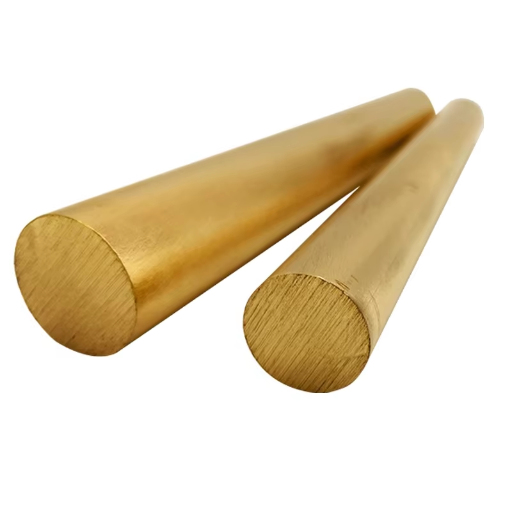
C314 brass, commonly known as commercial bronze, succeeds from combining of primary materials which include Copper, Aluminum and Zinc alloys. This alloy is selected for the reason that it is very easy to machine the product, very corrosion resistant and not to forget very strong to averts appreciable recommendation. These properties of the alloy makes it to be used in products that have to be precise, strong without any breakage and lastly reliable such as pipes and fittings, valves and fasteners.
What are the Characteristics of C31400 Leaded Commercial Bronze?
C31400 leaded commercial bronze has C314 hardness in addition to specific chemical composition and mechanical properties. It has a rough figure of 86% copper, 9-11% zinc, and 1.0-2.5% of encouraged lead. The addition of lead makes the material more easily machinable and thereby makes it easier to produce intricate components. Additionally, it possesses properties such as high resistance to corrosion and strength within industrial levels, making it suitable for fitting, valves and fasteners placement in equipment.
Use of this Alloy, C31400, and Its Key Properties
The properties involving the use of C31400 leaded commercial bronze alloy are numerous. They medium and there are many parts which are stationary, which can only be understood as capital. The following are the main properties in that category.
- Easy Machinability: With the presence of lead as an additional alloying component, the machinability of the alloy is considerably increased, enabling the bottom line production of parts accurately and quickly.
- Corrosion Resistance: This is synthesis because the alloy is not easily affected by high saline conditions marine present in the ocean as it is used in the provision of parts in the automotive building especially wagons. This allows the business to enjoy a higher blend of these products for a longer period than expected.
- Moderate Strength: The alloy materializes a balance of good strength and workability. It can be used for various applications that have thermal heating and shaping.
- Conductivity of Heat and Electricity: The high thermal and electrical conductivity of the alloy is advantageous for any applications that require these resources to be effective.
- Resistance to Wear: The composition of the alloy is rich in copper, therefore the alloy is highly resistive to wear and tear, and is the best solution in environments that require a lot of movement rubbing against each other.
Integrated together, they shape the design and manufacturing imagine of C31400referred to as Commercial Bronze for components such as bushings, bearings, and fasteners.
Why use C31400 Grade Bronze and in what forms can it be made?
C31400 Leaded Commercial Bronze is a very versatile material that has got varying properties due to high alloy corrosion resistant mechanical properties. The machinability rating of this particular brass ranges from 99-100% for free machinability brass, an indication that it is very ideal for intricate components’ fabrication. With an average of about 89-91% copper, about 1.5% of lead plus additives of other elements such as zinc and iron which enhances most properties has proven to be much better than standard grades because aside from all that, it is much tougher and more wear resistant in use.
The higher grade bronze, room temperature thermal conductivity of approximately 159 BTU/ft²/ft/hr/°F facilitates effective heat exchange processes in mechanisms like heat exchangers and conservatism in hot pipeline fastening due to its excellent vice and covers stress near and in joints. Also, its electrical conductivity is around 28% IACS level which is very good for electrical applications where the impacted heat or temperature is high providing current safety.
C31400 allow variant shows characteristics against corrosion well-suited for water exposure and rampant aggressive infrastructures through oxidation. Best is for applications where water is involved such as marine and plumbing designs. This allows components such as bushings and bearings. The occurrence of lead inserted also enhances its propensity for lubrication and avoidance of galling which is optimal for high stress running as well as moving parts such as bushings.
Its strength also allows it to be used under high pressures and high degrees of forceful tensile stress, hence making it very versatile. With tensile strength coming in at about 50 KSI, and decent elongation figures, it is more than adequate for industrial equipment like fasteners and valve stems. These and other properties make C31400 leaded commercial bronze ideal for any sector from the ocean to space technology.
In what ways is C31400 Brass Superior to All Other Alloys?
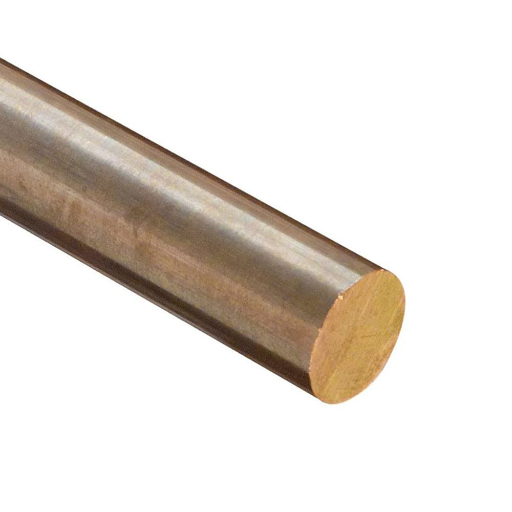
Considering the fact that C31400 brass provides the right combination of tensile strength, ease of machining and corrosion resistance, it can be stated that this material has an edge over other similar compositions. The first includes such property as a higher content of lead as compared to normative brasses for this ratio. These properties facilitate machinability and decrease tool wear when cutting this alloy as against many other natively machinable brass alloys. Furthermore, the non-tarnishing nature of this alloy results in higher loadability in aggressive working environments surpassing that of many other commercially available brass materials. These factors corner C31400 in preference for such applications as fasteners and bearings that require high levels of confidence and dependability.
Comparing C314 Brass with Other Leaded Brasses
C314 brass can be compared with other leaded brasses such as C360, C377, and C385, each offering unique properties suited for specific applications.
| Parameter | C314 | C360 | C377 | C385 |
|---|---|---|---|---|
| Lead Content | High | Moderate | Moderate | Low |
| Machinability | Excellent | Excellent | Good | Fair |
| Corrosion Res. | High | Moderate | Moderate | Moderate |
| Strength | High | Moderate | High | Moderate |
| Applications | Bearings, | Screws, | Forgings, | Plumbing |
| Fasteners | Gears | Valves | Fixtures |
The significance of the zinc content in C31400
The presence of Zinc in the C31400 brass alloy has big implications to its mechanical and chemical features. Ordinarily, C31400 contains about 30% to 35% zinc by mass, along with copper and other minor constituents like lead. The particular percentage of zinc found in this alloy aids in improving its general structural integrity and ability to resist reactions while making it easy to machine.
Zinc counteracts with copper in an interacted manner forcing the two metals to form a ductile but strong alloy; making C31400 useful even for extreme custom engineering applications such as numerous bearing and screws. Also, the above quantity of zinc enhances the alloys capability to withstanding abrasion and hence increasing the life of the component machined from section C31400, for example. There are instances where the dosage of zinc can be slightly reduced to improve the resistance to dezincification which is one of the forms of corrosion meets by the brass materials in some cases.
The precise percentage of the metal C31400 gives manufacturers a wrinkle-free material characterized by endurance, ease of machining, and less resources implication thus remaining attractive across industries.
Benefits of Resistance of C31400 Toward Different Corrosive Environments
One of the most outstanding comparative advantages of C31400 in addition to high machinability is that of corrosion resistance, and its ideal for operations which are prohibitive. The favorable chemical resistance is equalized to the fact that the constituent of are distributed in the major three above Cu and Zn ranges lies lead in the amount of 2 5-3.7%. Such compound of the metals ensures that the resulting alloy structure has the capacity to resist different depreciating agents particularly pitting and dezincification.
The provision of C31400’s resistance to corrosion—about what it looks like especially in water regions—is a big deal for this grade. Water systems which use such types of brass components suffer less of uniform and localized water corrosion, Fresh waters and seawaters, therefore, show a lesser prominence of more resistance on the causes of stress corrosion than the-d-chromes and Lugano valves. For instance, while bulk C31400 has a corrosion rate at below 0.015 mm / year in normal media have applicability in over the why would not such as securing piping and fittings.
Additionally, the lack of protection by the control of corrosion products facilitates the use of the alloy in the outdoors, in particular where the presence of moisture and temperature extremes prevail. This property dramatically increases the service life of components used in such service conditions as valves, marine metalwares, and heat exchangers thereby decreasing the rate of replacements and costs of maintenance on moving parts such as and producing and thermostatic elements deployed in portable plants.
On the whole, the ability of C31400 to resist corrosion eff…mentions as to whether one of its pints is a charming construction of environmental durability at the expense of added protection methods.
What Are The Advantages In Terms of Machining Of C31400?

Its machinability rate being as high as 80%, C31400 has a vast number of other advantages in terms of machining. This makes it easy to cut without much wear to the cutting tool, and thus enhancing its shapeability. Its homogeneous nature ensures consistency which is necessary for achieving precision fit and finish of the machined parts. Moreover, courtesy of the alloy’s good thermal conductivity, processes of overdrying of the cuts maybe left to minimal, heat dissipates effectively and tools’ service life enhances considerably. This feature makes C31400 user-friendly and reasonably priced machinable material for use in a range of applications with machining requirements.
What is So Special about C31400 the Easy Cutting Brass
What is normally known as Easy Cutting Brass Free Machining Brass does carry the appelation for major reasons such as exceptional performance in machining and high manufacturiilng efficiency. With a preferred rating of 80% for machinability of the alloy (as against 100% for free cutting steel), its design is such as to enable improved tool feed, reduced energy, less tool worn. Free Cutting leaded brass, which normally contains between 2.5 and 3.7% lead, ares in favor of cutting with minimum friction, and thus with minimal problems.
Another thing that qualifies C31400 as free-machining brass is its high thermal conductivity for which it has an approximate value of 120 W/(m·K) which is favorable during application of high-speed machining. It is appreciable to know that machining does not only result in tool wear out, but acknowledged mitigation measures are taken and the performance is not compromised when the intensities are high. In plumbing, electronics and automobile manufacture, this alloy’s resistance to strain and corrosion does come in handy with the design of parts such as components that are intended to function like Fusible plugs and other such parts requiring stability and perfect functioning.
As for C31400, it forms the most desirable chips to work with, which reduces the need for stopping for cleaning the machine and maintenance works. On the other hand, considering the material’s form, from my experience, it has allowed me to go up to higher machining orders (up to 8,000-10,000 RPM with certain rotational tools, etc.), which is an efficient machining material for volume production. The properties in Section 2 determine why high precision parts, for example fitings, valves and fastening elements, can be easily produced included in the cost saving measures which this material presents to industries of precision, robustness and efficiency.
Tuning up Machinability With C31400
Also referred as the leaded brass, C31400 is the alloy that ensures machining features very well. Adding lead in this alloy boosts the characteristics of free machining by achieving higher cutting speeds, finer finishes and lower cutting tool wear compared to other materials. It should be noted that machining of C31400 at 8,000 to 10,000 rpm has been found to reduce cycle times considerably hence it is best suited for high volume type of operations.
The rate of machinability of this alloy is around 90% unlike other similar brasses which makes c31400 one of the most effective materials for making precision parts as compared to other brasses that exist. At the same time, its thermal conductance estimated to be around 121wm·K plays a crucial role in heat management during cutting while aiding high speed operations by preventing distortions. Most importantly, such attributes are essential in sectors like plumbing, aerospace and automotive where manufacturing specifications are confined to profiles.
However, even more than any of the factors explained above, recent tools and cutting technology and advanced CNC systems have significantly improved the machinability of C31400. The use of suitable carbide edged tooling and effective coolant delivery methods in machining set-ups helps to increase efficiency and also protects and increases the life of tools. This brings around economies of scale through a reduced per unit production as well as faster completion of the part to avoid unnecessary overalls and is thus able to backup the functional skills of the machined items whether small fittings or large blocky valves, C31400 has an established application in most modern manufacturing applications.
The Use of the Processing Characteristics of C31400 for the Manufacture
C31400, known also as leaded commercial bronze, is especially appreciated for its excellent machining properties that make industrial designers and engineers select this material for the majority of their designs and prototypes. Its relatively high pure quality called machinability in the range of 90 fairly compared to free-cutting brass ensures quick and efficient production without losing any of the expectations of precision. Such scenarios are commonplace in areas where complex machining is used in combination with high throughputs and in such instances C31400 is common to contain solutions that are wallet friendly.
Typical applications include the production of fittings, couplings, bushings and other related accessories where the plumbing and valve industries are the main focus. Thanks to the great workability with this material and its resistance to most forms of corrosion, it tends to last long in water based as well as in chemical environments so no frequent maintenance is needed. In addition, this metal is broadly used within automotive industry for manufacturing various parts such as fuel system parts and connectors where high precision and dependability play a significant role.
C31400’s attributes are particularly in demand in the field of electrical engineering, where they are predominantly used in contact points and connectors. The alloy’s favorable properties as far as conduction and workability are concerned mean that components even as tiny as those in electrical systems can be produced. On the other hand, fasteners and aerospace parts in critical applications where material consistency and lack of production time are important, benefit from the use of C31400.
According to industry reports, the use of C31400 can result in up to 30% savings in cutting costs when compared to materials that are less favourable for cutting. This reduced time consumption, which in turn lowers expences, and the satisfactory metals engineering aspects while still adhering to environmental codes makes C31400 a metallic terminal of numerous fields. As the era of advanced technology in respect to tools wearing is advancing, there are very good chances of C31400 alloys playing a greater role in the manufacturing industry.
What Are the Technical Features and Properties of C31400 Alloy Brass?
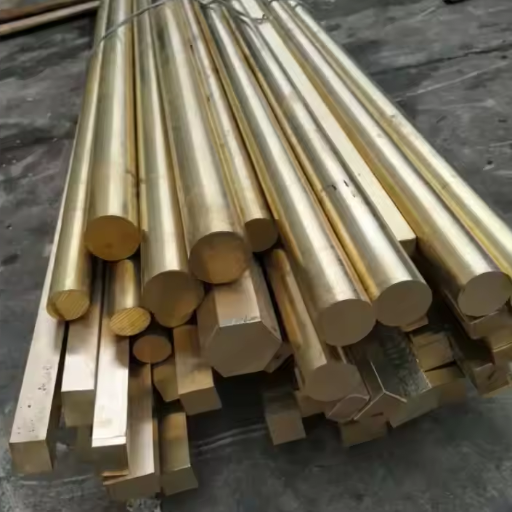
C31400 falls under the generic classification of machinable brass. It offers remarkable machining characteristics, fair corrosion resistance and strength. C31400 is mainly a copper-based alloy though lead and tin are added for less wearing properties and high machinability. C31400 is common in the applications suitable in tight tolerance fits or intricate detailed applications.
C31400 Coloring and Appearance Analysis
C31400 has internal colour which varies with the compositional transition. In case of C31400 this primary component is about 89%-91% copper. This colour once obtained so warm and pretty always creates an appreciation and this is why such finishes are requested so often in certain applications. The presence of 1.0-2.5% lead does not have a visible effect on the color of commercial bronze, but it significantly influences the outcome of its machinability; moreover, the presence of 0.05-1.2% Zn causes an increase in strength and lightens the shade slightly. In addition, C31400 may develop a natural colored copper patina over time due to oxidation when exposed to air and moisture in the form of protective layers of green and brown colored corrosion products on top of the specimen that have destroyed the underlying alloy.
The existence of wear, development of color and preservation of color, and wear characteristics make C31400 a useful metal and a good choice for applications that call for dependability and beauty.
C31400’s Electrical and Thermal Conductivity
Also known as leaded commercial bronze, C31400 is particularly admired not just for its striking mechanical properties but more for its noteworthy electrical and thermal conductivities. The alloy has a thermal conductivity ranging nearly 100 W/m·K, hence facilitating the conduction of heat. This property is of importance in applications where controlled release of thermal energy is vital, for example, in warmers, radiators or heat exchanger modules.
Electrically, the conductivity of C31400 is anticipated to be about 28% IACS (International Annealed Copper Standard). Even though this figure falls short of that for pure copper, it is reasonable for a number of electrical engineering applications that demand moderate electrical conductance in addition to the ability to machines well and resist surface wear. Hence, C31400 is preferred for the making of electrical connections, female connectors and certain switch components where the issue of endurance and reliability is a question.
Metallurgical principles of C31400 are such that it continues to come out on top where the precision and performance are desired in the designs where thermo electric or electric conductivity is required. This renders it more attractive especially if expression of cost and machinability is a major concern.
Characteristics and Properties of C31400 Metal
C31400 composed of 89 -91%copper, contains 1% lead and (iron, zinc) very small amounts of other metals has quite high strength of materials. Inclusions of lead allow for better machinability of C31400, and this material is used in applications where a lot of wear takes place.
When exploring the resistance of C31400 to tensile forces, it is evident that its value during tensile tests how to obtain the range of 310 to 380 MPa stresses and gives it the status of a non-stretching element. In most cases, its yield strength is as high as over 125 to 190 MPa depending on the condition and temper of the material indicating that the material can resist normal loads without plastic deformation. Also its elongation percentage, particularly in the range 20-30% shows that the material can be stretched out before failure depending on the level of stress, a trait which is essential for use in comparative analysis applications.
C31400 is also safe and does not fail under different temperatures which also helps in durability. Its excellent tribological behavior ensures that the bearings and bushings, electrical parts and components manufactured in C31400 can have extended life spans despite exposure to severe environments. Of key significance is the fact that such strengths also place this alloy in a good stead when considering strength and toughness for other domestic and personal gains.
Is C31400 Brass Appropriate for the Application?
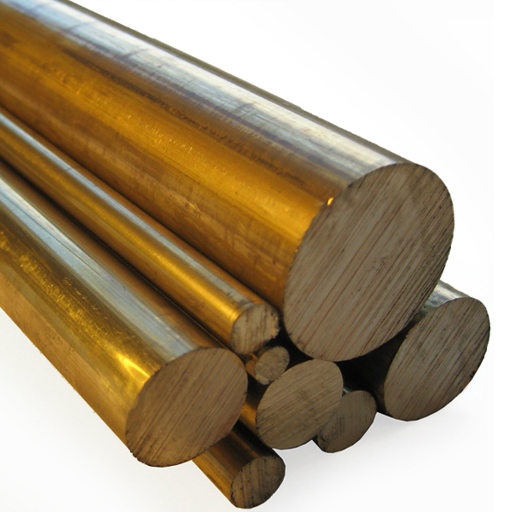
C31400 brass alloy is a good choice when high strength, durability and corrosion resistance are necessary aspects for the component. Working well under harsh conditions and in challenging duties make it suitable as bushes, bearings and electrical components. In case of these characteristics matching to the purpose of the order, C31400 brass need be considered.
In Which Industries Can One Find C31400 Lead Commercial Bronze?
Like every other metal, C31400 bronze is extensively used in many different sectors of the economy and particularly for one reason or another. The automotive industry, for example, finds its strengths in such brilliance such as its induration and resistance to wear, and therefore makes use of it in making its cryogenic cycled or cryogenic components like bushings and or bearings. In making these devoces, manufacturers in the electonics industry on the other hand would consider the outstandingly poor resistivity and durability when trying to make any kind of connector and or terminal. Furthermore, for the manufacturers from the aerospace industry, C31400 brass is highly appreciated because it is equally proven over and over again to be either very tough or very resistant to harsh conditions; can be used in the manufacturering of the very core components. The order of many shower industries is also upto its corrosion resistance, particularly in wet or industrial regions. The specifics of these industries indicate the likeliness of the application of C31400 brass in the inside regions of the given industry cluster.
How to Select the Appropriate Brass Grade for the Purpose
When I’m selecting brass alloys that I’ll specifically require, I’ll start by examining what the application actually entails. Parameters such as strength machinability, corrosion resistance and conductivity often define which metal alloy would be the best choice. For instance, in the world of shipbuilding, where these features are very important, I would prefer C31400 brass matching category of a higher corrosion resistance. Other nickel alloys, best known for their ease of machining and high level of electrical conductivity can be mainly used for precision machining or in electrical engineering applications. In addition, I look at the environment in which the system or component will be used, i.e. temperature, pressure, and chemicals used in the process. The most sound approach is to make sure that the material being utilized answers the performance criteria demanded by the loading conditions.
Typical Specifications of C314 Brass
C314 brass , otherwise called leaded commercial bronze, is valued for its ability to be machined easily as well as the strength it possesses. These requiring very tight engineering tolerances and little surface finishing are preferred for out every other application. C314 also has poor corrosion and high conductivity properties making it ideal for several mechanical and electrical applications. Elemental composition of C314 brass comprises approximately 89% copper, 9% zinc, and 2% lead.
Reference sources
- Anticorrosion Study for Brass Alloys in Heat Exchangers during Acid Cleaning Using Novel Gemini Surfactants Based on Benzalkonium Tetrafluoroborate
- Authors: A. Ashmawy et al.
- Journal: ACS Omega
- Publication Date: May 20, 2022
- Citation Token: (Ashmawy et al., 2022, pp. 17849–17860)
- Key Findings:
- The study investigates the corrosion behavior of brass alloys during acid cleaning processes, which is critical for maintaining heat exchangers.
- Two novel gemini surfactants were synthesized and tested for their effectiveness in inhibiting corrosion in 1 M HCl.
- The maximum inhibition efficiency reached 96.42% at an inhibitor concentration of 100 ppm.
- Methodology:
- The researchers employed electrochemical techniques, including potentiodynamic polarization, electrochemical impedance spectroscopy, and electrochemical frequency modulation, to evaluate the corrosion inhibition performance of the surfactants.
- Investigation of tensile properties of PLA–brass composite using FDM
- Authors: S. K. Selvamani et al.
- Journal: Progress in Additive Manufacturing
- Publication Date: February 12, 2022
- Citation Token: (Selvamani et al., 2022, pp. 839–851)
- Key Findings:
- This study explores the tensile properties of composites made from polylactic acid (PLA) and brass, focusing on their potential applications in additive manufacturing.
- The results indicate that the addition of brass significantly affects the mechanical properties of the PLA composite.
- Methodology:
- The authors utilized Fused Deposition Modeling (FDM) to fabricate the composites and conducted tensile tests to assess their mechanical performance.
- On the function of lead (Pb) in machining brass alloys
- Authors: J. Johansson et al.
- Journal: The International Journal of Advanced Manufacturing Technology
- Publication Date: February 16, 2022
- Citation Token: (Johansson et al., 2022, pp. 7263–7275)
- Key Findings:
- The paper discusses the role of lead in enhancing the machinability of brass alloys, particularly focusing on the mechanisms that facilitate chip formation during machining.
- The study suggests that lead contributes to discontinuous chip formation, which reduces cutting forces and improves machining efficiency.
- Methodology:
- The researchers employed various techniques, including infrared temperature measurement, electron microscopy, and secondary ion mass spectroscopy, to analyze the effects of lead on machining characteristics.
Frequently Asked Questions (FAQs)
Q: What is C314 Brass?
A: C314 Brass, also known as C314 leaded commercial bronze, is a free machining brass with excellent machining characteristics, combining the natural corrosion resistance typical of leaded brasses.
Q: Is C314 Brass resistant to corrosion?
A: Yes, C314 is resistant to corrosion and exhibits very good corrosion resistance in potable water, which makes it appropriate for a number of industrial applications.
Q: What are the key properties of C314 Brass?
A: C314 Brass is characterized by its excellent electrical and thermal conductivity, machinability typical of leaded brasses and the pleasing golden color that it has which matches other brass parts.
Q: Can C314 Brass be used outdoor?
A: Yes, C314 Brass can be used outdoors since it has magnificent corrosion resistance which prevents its deterioration in varied environmental conditions.
Q: How does C314 Brass compare to other brasses in terms of machinability?
A: C314 Brass exhibits the machinability typical of leaded brasses, which means that it is not only easy to machine but also is ideal for delicate and intricate machining operations, making it suitable for use in the manufacture of these parts.
Q: Is C314 Brass a good choice for electrical applications?
A: Yes, C314 exhibits high electrical conductivity, which makes it ideal for a plethora of electrical applications that demand good transmission of energy.
Q: What are the aesthetic characteristics of C314 Brass?
A: C314 Brass bears an alluring golden color which harmonizes well with intricacies of other brass fittings hence an option that is most suitable on paying decorations especially on edifices.
Q: How is C314 Brass resistant to pressure or stress?
A: C314 Brass is strong by also ought to be within the set limits so as the cracks will not form in a strong pressure and stress environment.
Q. C314 Brass from where i can obtain?
- C314 Brass can be purchased online from various metal suppliers and distributors who maintain different sizes and forms in stock suitable for various applications.


