


Material choices are considered decisive for safety and reliability considerations in food-grade applications. One standout option that draws interest from various industries is **pom-c, an FDA-compliant acetal copolymer. By possessing incredible mechanical properties, chemical resistance, and complying with strict food safety criteria, pom-c has become a favored solution for manufacturers while addressing stringent regulations without sacrificing performance. This article presents a detailed insight into what makes Pom-C stand out among other polymers, along with critical features and reasons for its trustworthiness in food-grade applications. Whether you manufacture products, design items, or are just curious about high-performance materials, this guide will give you insights into this distinctive polymer’s benefits and application areas.**
What is pom-c, and what is its significance in the food industry?
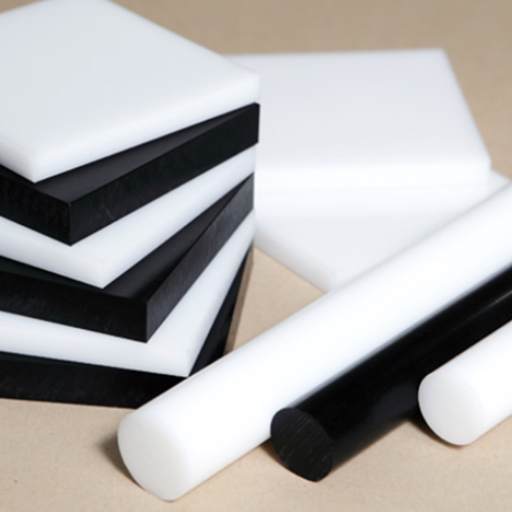
POM-C stands for polyoxymethylene copolymer and is a high-performance engineering plastic. POM-C is known for its superior strength, high durability, and frictional properties. It is highly regarded in the food industry because it fulfills all set hygiene and safety standards. It is FDA approved and resistant to chemicals unless contacted directly with foods. Amongst its uses are conveyor belts, food processing, and equipment that requires accurate and high wear resistance. It resists deformation when high loads or varying temperatures are exerted, making it very efficient in food production processes and guaranteeing safety.
Definition and Properties of pom-c
POM-C, or Polyoxymethylene Copolymer, is an engineered thermoplastic known for its superior mechanical properties and dimensional stability. It is a highly crystalline polymer, offering all the requirements of strength, rigidity, and hardness with low friction and resistance to wear. It also absorbs little moisture, resists chemicals exceptionally well, and can be processed with precision machining methods for sophisticated parts and demanding applications.
Adaptive POM-C, with enhanced thermal stability and higher toughness, becomes more functional than other POM grades when use is warranted in dynamic stress and variable condition environments. This versatility has found its uses across food processing, automotive, medical devices, and electronics, wherever the need for reliability and safety is critically assumed.
Why Choose Pom-C for Food Contact Applications?
Due to its excellent material properties and compliance with the most rigorous safety standards, POM-C remains at the top of the list for food contact applications. The key advantage of POM-C is its compliance with FDA, EU 10/2011, and other food safety regulations that certify it for direct use with food products. Its ability to absorb very little moisture also helps to keep bacteria from growing in food processing environments, retaining the hygiene of the process.
Moreover, it has marked resistance to all sorts of cleaning and disinfectants, which is crucial for food production establishments to meet stringent sanitation guidelines. It possesses a very high mechanical strength and is dimensionally relatively stable; parts such as conveyor pieces, gears, and cutting guides made from POM-C can undergo repeated operation without losing structural integrity to dynamic loads and temperature variations. Laboratory tests have demonstrated that POM-C can be used for food applications between temperatures of -40° and 100° C; hence, it can be used in hot and cold food handling procedures.
The material also offers a low coefficient of friction, which minimizes wear and maximizes the lifespan of components running at high speeds and enduring significant friction in food packaging machinery. Apart from the technical advantages, POM-C grades for food applications come in different colors that help identify contamination or wear, enhancing safety visually. It is well suited for applications where biocompatibility and non-toxicity are paramount.
Comparison with Other Engineering Plastics
POM has higher strength, stiffness, and wear resistance than other engineering plastics such as nylon, ABS, and PET, whose impact resistance, chemical resistance, or thermal properties may dominate depending on the application.
|
Parameter |
POM |
Nylon |
ABS |
PET |
|---|---|---|---|---|
|
Strength |
High |
High |
Moderate |
High |
|
Stiffness |
High |
Moderate |
Moderate |
High |
|
Wear Res. |
High |
Moderate |
Fair |
Poor |
|
Impact Res. |
Moderate |
High |
High |
Moderate |
|
Chem. Res. |
Good |
Fair |
Poor |
Good |
|
Temp. Res. |
Moderate |
Moderate |
Low |
High |
|
Moisture Abs. |
Low |
High |
Low |
Low |
|
Applications |
Precision parts |
Auto, gears |
Consumer goods |
Food, medical |
Is Pom-C FDA compliant for food processing?

Yes, POM-C is FDA acceptable for use in food processing applications. It is available in food-safe grades that are hygienic and safe by FDA standards. These grades ensure they can safely come into contact with food without endangering human health, making POM-C a trustworthy choice of components for the food processing industry.
Understanding FDA Food Approval for pom-c
FDA food approval ensures that materials such as POM-C can be considered for application in food processing environments by meeting rigorous safety and hygiene standards. For POM-C to be considered FDA-compliant, it must not contain harmful substances to human health. It must hold together, structurally, even when subjected to prolonged contact with food or cleaning agents. Testing is done to determine if the material can withstand changes in temperature, exposure to moisture, and so forth, all of which are common factors encountered within food processing industries. Further rigorous testing ensures that POM-C compliant grades do not release chemicals or contaminants into food products. Having gained such FDA approval, POM-C is an assurance to manufacturers that they can prepare safe and reliable food-grade components.
Benefits of Using FDA Compliant Materials
- Food Contact Safety Assurance
These materials are tested thoroughly to ensure no harmful substances leach into the food. This helps manufacturers meet health and safety standards while protecting the consumer.
- Durability and Long Life
Materials tend to be highly durable and suitable for long-term use in food equipment because they resist harsh conditions such as high temperatures or chemical exposure and repeated cleaning processes.
- Regulatory Restrictions
The use of FDA-compliant materials allows manufacturers to adhere to government regulations and industry standards, thus reducing legal risks and promoting consumer confidence.
- Reduced Contamination Potential
Materials that comply with FDA standards are non-porous and easy to sanitize, thus increasing the chances of bacterial formation and food contamination during production.
- Application Diversity
Because they are FDA-approved, materials such as POM-C can be used in diverse food and beverage applications—from conveyor systems to sealing components—giving manufacturers flexibility and lower costs.
Typical Applications in Food Processing Environments
- Conveyor Systems
Generally, conveyor belts and systems employ FDA-classified materials to ensure food products are transported smoothly and hygienically. Their non-porous and rugged characteristics make them dependable for continuous operation and maintaining food safety standards.
- Sealing & Gasket Components
Food-grade seals and gaskets are vital to ensuring that processing equipment does not leak or become contaminated. They are resistant to temperature and chemical exposures and perform reliably and consistently.
- Cutting and Chopping Boards
Polyethylene, a plastic approved by the FDA, is used to make cutting boards because it can withstand constant cleaning without harboring bacteria.
- Food Packaging Equipment
Material compliant with FDA regulations is used for packaging equipment to ensure that food is not contaminated in packaging operations. They are fast enough to operate on high-speed packaging lines.
- Mixing and Storage Tanks
Mixing and storage tanks with food-grade plastics and coatings help maintain the integrity of food products from chemical leaching and bacterial growth while undergoing constant cleaning cycles.
What are the mechanical properties of pom-c?

POM-C or Acetal Copolymer is well known for some extraordinary mechanical properties:
- High Strength and Stiffness: POM-C has an extraordinary degree of stiffness and is best suited for applications where strong structural support is needed.
- Low Friction and Wear Resistance: Its low coefficients of friction and high resistance to wear make it best suited for moving parts.
- Dimensional Stability: POM-C resists all deformations when subjected to mechanical stresses or variations in temperature.
- Impact Resistance: It resists impacts under normal temperatures.
- Fatigue Resistance: This material can sustain repeated stress applications for many cycles without losing its quality.
Because of these characteristics, POM-C becomes the primary choice for components needing demanding engineering applications.
Dimensional Stability and Low Moisture Absorption
Dimensional stability in POM-C ensures that the material retains its precise measurements and tolerances under varying operating conditions, making it a very dependable material for precision engineering components. This property is essential in environments involving temperature changes or mechanical stresses. Also, POM-C’s extreme resistance against moisture absorption further enhances product performance in moist conditions. Most polymers swell or degrade under water exposure, but POM-C does not lose its internal structure and guarantees consistent functionality with time. Such features make it highly suitable for demanding applications like gears, bearings, and conveyor systems, where reliability and durability stand first.
Machinability and Low Friction Characteristics
Because of its extraordinary machinability, POM-C finds vast applicability in the industry that requires precision-engineered parts. Its homogeneous structure facilitates machining through milling, drilling, or turning, with minimal risk of cracking or chipping. From industry data, it concludes that compared with metals like aluminum or stainless steel, POM-C commands lower machining costs; thus, time for production is reduced, and manufacturing efficiencies are aided.
In addition, a defining property of POM-C is a low coefficient of friction, which promotes smooth action and dimensionally efficient operation in dynamic applications. The coefficient of friction of the material concerning steel is in the range of about 0.20-0.35, depending on the surface finish and lubrication used. POM-C, being inherently self-lubricating, minimizes the wear of the mechanical systems it comes in contact with and considerably improves the life expectancy of these systems. In applications such as conveyor systems, where the low friction results in energy savings and silent operation, these properties make POM-C highly suitable for high-performance gears, bushings, and slider elements for the automotive industry, food processing, and medical devices.
Besides, POM-C’s fame for providing reliable service even under highly demanding conditions is cemented through its ability to retain dimensional stability even after being subjected to fairly long mechanical stress. The combination of these machining and frictional features explains why POM-C remains one of the most essential materials in engineering and manufacturing.
Comparison of Pom-C and Other Acetal Copolymers
Compared with other acetal copolymers, POM-C features high chemical resistance, dimensional stability, and lower porosity while preserving its mechanical properties and reasonable prices.
|
Parameter |
POM-C |
Other Copolymers |
|---|---|---|
|
Strength |
High |
Moderate |
|
Stiffness |
High |
Moderate |
|
Chem. Res. |
Superior |
Good |
|
Dim. Stability |
Excellent |
Moderate |
|
Porosity |
Low |
Higher |
|
Cost |
Affordable |
Varies |
|
Applications |
Precision, wet uses |
General-purpose |
How does Pom-C perform in food Pom-C applications?
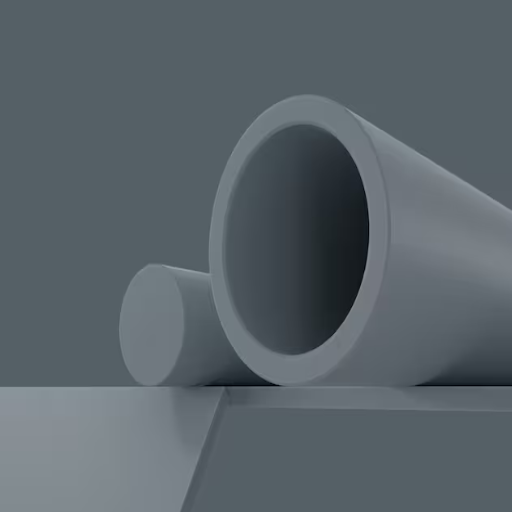
From a food application perspective, the resin acknowledges superb chemical resistance and very low moisture-absorption properties. It has undergone qualifying tests laid down by the FDA and other food-safety standards prevalent in the EU. The ability to withstand food-cleaning agents and sterilization processes adjoins hygienic measures and ensures longevity in food-transformation environments. It also lowers friction coefficients and has a high wear rate. These specifications qualify for food production machinery components, conveyor belts, gears, and bearings. Hence, such materials represent a dependable choice to keep food operations running smoothly and safely.
Food Grade Standards for Acetal Materials
Acetal materials, such as Polyoxymethylene (Pom-C), comply with food-grade standards prescribed by global regulatory agencies, including the FDA (Food and Drug Administration) in the U.S. and EC No. 1935/2004 in Europe. Such regulations ensure that acetal materials are non-toxic, contamination-resistant, and do not produce harmful leachates in food applications. Acetal takes the place of food processing machinery partly because of its low moisture absorption, thereby preventing adverse effects on the material, which can be critical in wet or humid environments. Manufacturers usually seek compliance certifications or testing compliance documentation to prove the material is safe for direct and indirect contact with food products.
Common Uses in the Food Industry
Acetal, resistant to wear, water, and food-safe, enjoys many applications in different food industry segments. It is used in conveyor belt manufacture and in producing gears and bearings in food processing machines, which require high precision and resistance to wear. On the other hand, it fabricates cutting boards, paddles, and tools for actual food contact. Its coefficient of friction is very low, and it withstands cleaning over and over again by detergents, thus meeting the food industry’s stringent health and safety standards.
Safety and Regulatory Considerations
Safety and regulatory guidelines must be followed when applying acetal in various industries, especially for food or high-precision machinery-related applications. According to the situation, five key considerations are as follows:
- FDA Compliance: Acetal materials intended for food-contact applications must comply with Food and Drug Administration (FDA) food safety regulations, so as not to leach any harmful substances into a consumable product.
- EU Food Contact Regulation (EC 1935/2004): For European applications, acetal materials must adhere to existing EU standards for food contact materials to ensure safety and quality.
- Temperature Tolerance: Manufacturers must ensure that acetal components are operated only within their allowable temperature ranges to prevent product deformation or the release of harmful substances during the process.
- Flammability Standards: Acetal registers a relatively low resistance to burning compared to other engineering plastics, so it must be contained within regulations on flammability, such as UL 94.
- Cleaning and Sanitization Practices: Testing must verify acetal’s compatibility with standard cleaning agents and sanitizing cycles to guarantee longevity and safety under repeated cleaning in regulated environments such as the food and beverage industry.
Reference Sources.
1. Wear Performance of Commercial Polyoxymethylene Copolymer and Homopolymer Injection Moulded Gears
- Authors: X. Xu, F. Gao, K. Vallé, K. Makenji, C. Nedolisa, Y. Zhao, V. Goodship, K. Mao
- Journal: Tribology in Industry
- Publication Date: December 15, 2021
- Key Findings:
- The study compared the wear performance of POM-C and POM-H (homopolymer) gears.
- POM-H gears exhibited a 35% better service life than POM-C gears under similar conditions.
- Differences in thermal and mechanical characteristics were identified, influencing performance predictions.
- Methodology:
- Gears were injection molded from POM-C and POM-H and subjected to wear testing to evaluate their performance.
- Authors: Alirıza Altinsoy, Y. Arslan
- Journal: Proceedings of the Institution of Mechanical Engineers, Part E: Journal of Process Mechanical Engineering
- Publication Date: November 17, 2022
- Key Findings:
- Deep cryogenic treatment at -175°C improved hardness and impact strength but did not enhance tensile strength.
- Structural changes were analyzed using XRD, SEM, and FTIR.
- Methodology:
- Samples were treated at various durations, followed by mechanical testing and structural analysis.
- Authors: M. Trifunović, M. Madić, Dragan Marinković, V. Marinković
- Journal: Metals
- Publication Date: February 10, 2023
- Key Findings:
- Developed a model for estimating total operation time in turning POM-C using a PCD cutting tool.
- The optimization led to a 44% reduction in machining time compared to standard parameters.
- Methodology:
- The study utilized a face-centered composite design and Box-Cox transformation for optimization.
4. Top POM CNC Machining Parts Manufacturer and Supplier in China
Frequently Asked Questions (FAQs)
Q: What is FDA-compliant food-grade acetal copolymer plastic POM-C?
A: FDA-compliant food-grade acetal Copolymer Plastic POM-C, commonly known as food-grade POM-C, is a high-performance plastic known for its excellent dimensional stability, mechanical strength, and resistance to solvents. It is specifically designed to meet FDA standards for use in food-related applications.
Q: What are the physical properties of food-grade acetal?
A: The physical properties of food-grade acetal include high dimensional stability, semi-crystalline structure, and the ability to withstand a wide range of temperatures. Its properties make it suitable for precision machining and applications in food processing environments.
Q: How does acetal POM-C compare to other types of plastics?
A: Acetal POM-C offers superior mechanical properties to many other plastics, including excellent dimensional stability, low friction, and high resistance to wear and chemicals. These characteristics make it an ideal choice for applications requiring precision and durability.
Q: Can food-grade acetal be used in CNC machining?
A: Yes, food-grade acetal is highly suitable for CNC machining. Its excellent machinability allows for the production of precise components, such as POM-C polyacetal rods and acetal sheets, which are often used in various engineering and food processing applications.
Q: What is the significance of the term “natural grade” about acetal?
A: The term “natural grade” refers to the uncolored version of acetal copolymer, which maintains the original properties of the POM-C resin. This grade is often preferred for applications where color and additives are unnecessary, ensuring compliance with FDA standards for food safety.
Q: Are there color options available for food-grade acetal sheets?
A: Food-grade acetal sheets are available in various colors, including blue (RAL 5002) and other custom colors. These options allow for easy identification and aesthetic considerations in multiple applications.
Q: What applications are suitable for FDA-compliant copolymer acetal?
A: FDA-compliant copolymer acetal is widely used in food processing equipment, conveyor systems, and components that require contact with food. Its high-dimensional stability and solvent resistance make it ideal for applications in harsh environments.
Q: How do the properties of the original POM-C influence its applications?
A: The properties of the original POM-C, such as its low moisture absorption, high strength, and stiffness, contribute to its versatility in various applications, including automotive, aerospace, and food processing industries. Its excellent dimensional stability also ensures precision in manufactured parts.
Q: What does it mean for a material to meet FDA standards?
A: For a material to meet FDA standards, it must comply with regulations set forth by the U.S. Food and Drug Administration regarding safety and suitability for food contact. This ensures that materials like food-grade acetal do not leach harmful substances into food products.


