


Brass has been an ever-present, enduring, and adaptable metal: it has been assisting many industries and applications for centuries. Among all the different types of brass that exist, C260 brass is valued for the rare balance of strength, formability, and corrosion resistance it offers. The question then becomes: what exactly lends such uniqueness to C260 brass? And why are engineering and manufacturing fields so keen on utilizing this specific brass alloy? This article analyzes the chemical and physical properties of C260 brass, bringing to light those attributes that seem to give this material its worth. If you are accustomed to metalworking or just wish to learn a bit about the science of metals, this guide will certainly enlighten you on what C260 brass is capable of doing.
What Is C260 Brass and What Are Its Uses?
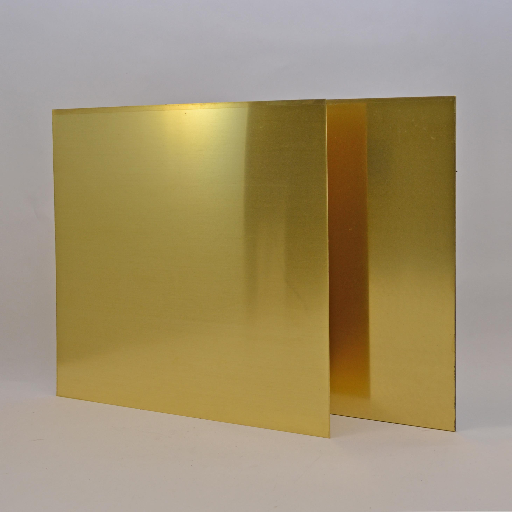
C260 brass, or cartridge brass, is an alloy with its main ingredients being 70% copper and 30% zinc. This balanced composition gives it good strength, corrosion resistance, and ductility; hence, it may be used for ammunition casings, decorative articles, plumbing fittings, and electrical connectors. Its ease of manufacturing and beautiful appearance add to the attractiveness of the metal, being used for both industrial and decorative applications.
Understanding the Composition of C260 Brass
The composition and properties of C260 brass, commonly referred to as cartridge brass, make it serve so many uses. It consists of about 70% copper and 30% zinc which balances and provides almost equal amounts of strength, ductility, and corrosion resistance. Having that much copper makes the alloy an almost perfect conductor and very attractive, while zinc imparts another desirable property, hardness or durability.
Very rarely, depending on the technological recipe or application, one might find a trace of elements added; such additions (usually lead) might improve machinability but are nowadays rarely used due to environmental and regulatory concerns.
The density of C260 brass is typically around 8.47 g/cm³, and it melts at about 920°C to 950°C (1688°F to 1742°F). C260 grades are outstandingly suited for cold forming processes such as drawing and stamping: tensile strength ranges from 285 to 365 MPa, depending on temper.
From a corrosion resistance point of view, C260 Brass can hold up well in many environments, particularly where water or mild chemical exposure is a factor. Hence, the brass is preferred for making plumbing parts and marine hardware, along with a lot of other applications where durability counts. The above-discussed composition and properties are strong reasons behind the use of C260 brass wherever performance and appearance are required.
Uses of Cartridge Brass
Due to its superior strength, corrosion resistance, and ease of fabrication, C260 is employed for the production of casings for ammunition. Besides ammunition, the alloy further finds use in plumbing fixtures, marine hardware, electrical connectors, and decorative items. The range of applications speaks to the versatility and dependability of C260 for both aesthetic and utility purposes.
C260 Brass- The Backbone of the Brass Sheet Industry
Due to its superior properties and versatility, C260 or cartridge brass commands a great degree of prestige in the brass sheet industry. Having around 70% copper and 30% zinc makes the C260 brass balanced in strength, malleability, and corrosion resistance, which is why it is one of the most popular alloys used for brass sheet production. Its excellent ductility allows it to be fabricated into thin sheets of uniform thickness that are demanded by various industries for precision and consistency.
One of the prominent usages is architectural design. The sheets are preferred for their golden color and durability and hence useful for decorative panels, claddings, and interior finishes. The electrical and electronics industries widely use C260 brass sheets to fabricate electrical components, such as terminal connectors, battery caps, and electrical leads, where conductivity and reliability are a must. Additionally, C260 brass sheets are used in the manufacture of HVAC systems to fabricate components because of their good thermal conductivity and corrosion resistance to moisture exposure.
There is some data to support the fact that C260 brass sheets are being accepted on a wider scale in various sectors. According to market studies, the global market for brass sheets is expected to witness a robust growth with construction, electrical, and automotive sectors showing increased demand for these sheets. The recyclable aspect of this material has further provided an added advantage in recent years with the push for greener manufacturing. The figures suggest that there is a yearly increase of 5% in the use of brass sheets, of which C260 composition is among the commonly used ones, depicting the importance of C260 brass sheets in any modern-day industry.
Listing ones of C260 brass have evolved in time and have shown itself worthy of fulfilling the practical and aesthetic needs placed upon it by a multitude of uses, and hence the force of the brass sheet industry.
What Are the Key Fabrication Properties of Brass 260?
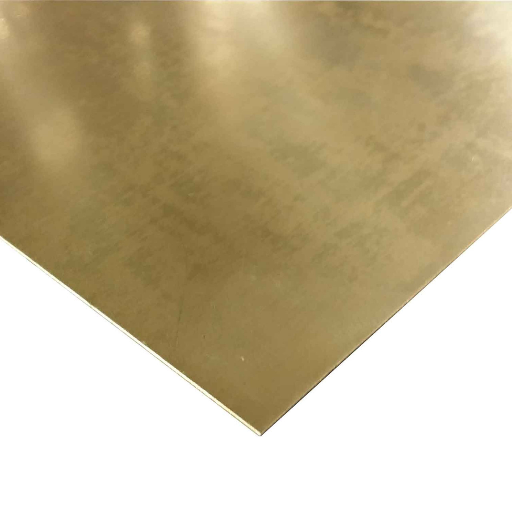
- Formability: It has superior cold-working abilities and can be formed into intricate shapes without cracking.
- Machinability: Brass 260 has good machinability in terms of making precise cuts and intricate designs.
- Ductility: This property enables the alloy to be drawn or stretched into thin sheets or wires.
- Weldability: Brazing and soldering methods can be used, giving it a choice of welding techniques.
- Corrosion Resistance: Brass 260 resists tarnishing and corrosion, thereby increasing the life span of the fabricating products.
The Machinability of Brass
Renowned for its excellent machinability, Brass260 is often chosen by industries requiring both precision and speed. Its machinability is considered at 100, using a standard scale that measures to 100 the machinability of free-cutting brass (C36000). Such a rating allows Brass260 to be easily cut, drilled, or milled and, therefore, is suitable for manufacture into complex components like fasteners, gears, and fittings.
Brass 260 gives less wear to tools during machining due to its self-lubricating property, reducing maintenance and enhancing tool life. It also allows and promotes high-speed work, thus increasing productivity in manufacturing processes. Recent trends cite manufacturers minimizing energy consumption while machining Brass 260 against harder metals like steel, thereby furthering cost-effectiveness.
Studies depict that mostly Carbide and High-Speed Steel tools give an optimum machining performance with Brass 260 with spindle speeds ranging between 300 and 1,000 surface feet per minute (SFM). The tool will normally be used with some sort of coolant to aid in heat dissipation and help with surface finishes. All these features make Brass 260 a central contender for applications demanding precision, reliability, and sustainability.
How Copper and Zinc Influence Fabrication
The properties of Brass 260 are mainly conferred by its composition-roughly 70% copper and 30% zinc. Copper provides the base-level flexibility as well as high thermal and electrical conductivity, needed when application calls for durability and resilience. This adaptation ensures a workable kind of machinability able to endure an extensive fabrication process involving bending, punching, and stamping. Zinc, on the other hand, provides much of the alloy’s strength and hardness, thus bettering its wear and corrosion resistance. Zinc also helps reduce material costs as compared to alloys with a higher copper content.
Recent data reveal an average tensile ranging between 58,000 and 73,000 psi on alloys such as Brass 260 because of its deliberately balanced copper-zinc composition. By adding zinc, it becomes a better machinable alloy, frequently rated at 100 percent on machinability scales, and thus easier to machine than most metals. This composition reduces tool wear during machining, studies show, and thus is an excellent option for high-volume manufacturing without sacrificing the directiveness and efficiency.
The distinctive blend of copper and zinc makes Brass 260 the adaptable and cost-effective one in the array of industrial applications, including automotive, electrical, and architectural, wherein the fabrication state and functional quality are of prime importance.
How Does c260 Brass Compare to Other Copper Alloys?
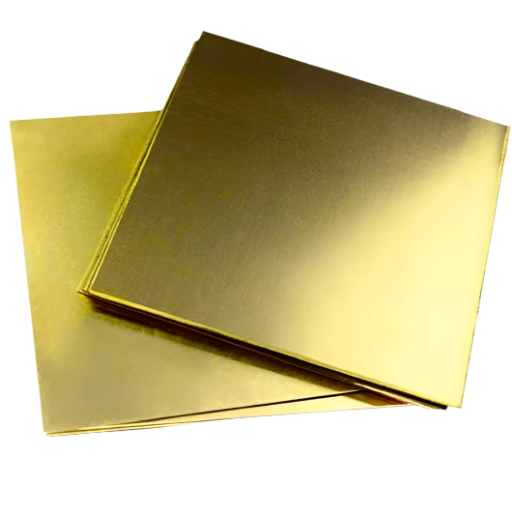
Among copper alloys, C260 brass offers an excellent compromise between strength, corrosion resistance, and ease of fabrication. Another great feature of this metallurgy is workability in relation to other copper alloys, as this becomes more prominent in high-volume make-and-machining applications. C260 brass is yet another cheaper alternative cost-wise; it does provide good durability and conductivity, making it ideal for industries that require a performance-based alloy at fair rates.
Corrosion Resistance in Various Environments
C260 brass environment corrosion resistance is excellent and more versatile for the construction, automotive, and marine industries.
- Atmospheric Corrosion: The alloy withstands tarnishing even in dry indoor conditions. It also undergoes very slow oxidation when exposed to outdoor environments with fluctuating temperature and humidity, guaranteeing a longer life span on architectural elements. It has been reported that the corrosion rate is less than 0.01 mm/year in temperate climates.
- Marine Environments: The brasses generally have a moderately corrosive effect in seawater. Prolonged immersion can cause dezincification, eg., dissolution of zinc from the alloy in the brine application; hence, one should use paint or apply surface coating or carry on regular maintenance to extend service life if used in brine or saltwater.
- Chemical Exposure: The alloy is resistant to most neutral or mildly acidic solutions. It will give good service in oils, fuels, and mild detergents but should be avoided where strong acid or alkali solutions are present, and the corrosion rate is markedly increased.
- Industrial Application: In an industrial polluted environment (sulfurous compounds), C260 brass performs better than other copper-zinc alloys in retaining its structural integrity. Extended duration of tests shows negligible material loss, even in moderately polluted air.
Suited to the key properties above, C260 brass finds application more commonly where a truly reliable and durable alloy is required.
C260 brass differs from naval brass in composition, corrosion resistance, and applications.
| Parameter | C260 Brass | Naval Brass |
|---|---|---|
| Composition | ~70% Cu, 30% Zn | ~60% Cu, 40% Zn+Sn |
| Corrosion | Moderate resistance | High resistance |
| Strength | Moderate | Higher |
| Uses | General, industrial | Marine, seawater |
| Durability | Standard | Very high |
| Cost | Cost-effective | Higher |
Comparison of the Physical Properties of Brass 260 and Other Alloys
When considering and witnessing physical properties of Brass 260 (C260) with those of other brass alloys, some slight differences in ductility, machinability, and thermal conductivity begin to stand out. Otherwise called cartridge brass, Brass 260 has high ductility and very good cold working properties, which making it an excellent choice for anything needing forming or bending. Machinability is rated as medium, but it’s good enough for use for generally all applications, and it possesses good thermal and electrical conductivity compared to some higher-strength brass alloys.
Some other brass alloys sometimes lose ductility to gain strength or corrosion resistance. For example, tin is added into naval brass to enhance its performance in a saltwater environment, and yet, it tends to decrease formability compared to Brass 260. The properties of each alloy make it suitable for very specific uses, such as marine, industrial, or electrical components.
Industrial Uses of Brass Plate
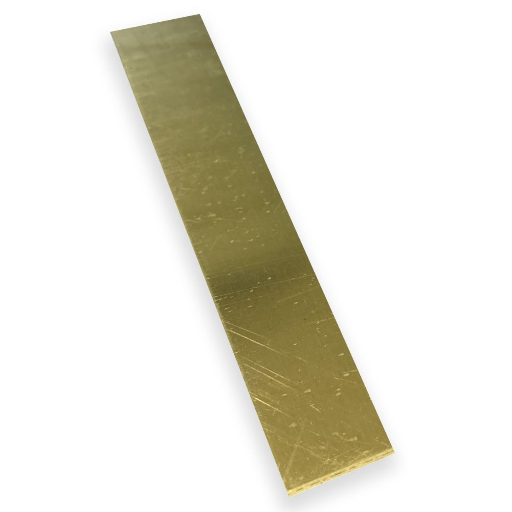
Brass is used in a wide array of industrial possibilities due to its strength, corrosion resistance, and workability. They are prominently used in the manufacture of automotive parts, musical instruments, marine hardware, and decorative items. Another strong point of application for brass plates would be electrical components and some heat exchangers, whereby the excellent conductivity is also accompanied by good thermal properties. Hence, given their versatile application, brass is a very critical material for almost all industries.
Importance of Precision in Industrial Realms
Precision is one corner element in industrial operation that has a definite bearing on product quality, operations, efficiency of work, and other associated factors. With the industrial scenarios becoming highly developed, the demand for precision engineering and manufacturing has gone to new heights. A Deloitte study suggests that companies which adopted precision manufacturing technologies have reduced production costs by 20% and increased product reliability by up to 30%.
In sectors where the possibility of mistaken fabrication can lead to dire consequences-now take aerospace, automotive, medical devices, and electronics for instance-exactness must be there to ensure appropriate fabrication.
Extreme precision was called for because in the aerospace field, errors even down to the slightest fraction in component level could lead to fatal consequences. That is why it is so important to incorporate new technologies such as CNC machining or laser-cutting processes that provide such tolerances as ± 0.001 inches.
The use of materials that can turn into waste would go against sustainability efforts. Highly precise industrial processes incorporate the latest computer software and automation systems, such as CAD and CAM. These systems help maximize efficiency throughout the process without compromising in consistency and accuracy.
The integration further boosts precision within the industrial setup by embracing the principles of Industry 4.0, which include IoT and AI. These technologies are an enabler toward zero-defect manufacturing processes-interactive real-time quality control and predictive maintenance. Investing in precision-enhanced solutions brings about competitiveness on a global scale and also enhances compliance with highly stringent global standards, sustaining product integrity and consumer trust.
Uses in the Manufacturing of Hardware and Components
In my point of view, precision is a prerequisite for manufacturing hardware and components. By utilizing technologies such as IoT and AI, manufacturers are able to execute production with a precision that is incomparable. It, therefore, limits defects in the manufacturing process and ensures that the components being produced meet their specifications to the letter. This, by far, is most essential in the water-technical industries, such as aerospace, automotive, and electronics, where slight deviations can have serious consequences. Real-time monitoring and predictive analytics maintain high standards of quality and improve efficiency whilst offering opportunities for waste reduction.
Why Is C260 Brass Used for Marine and Instrument Applications?
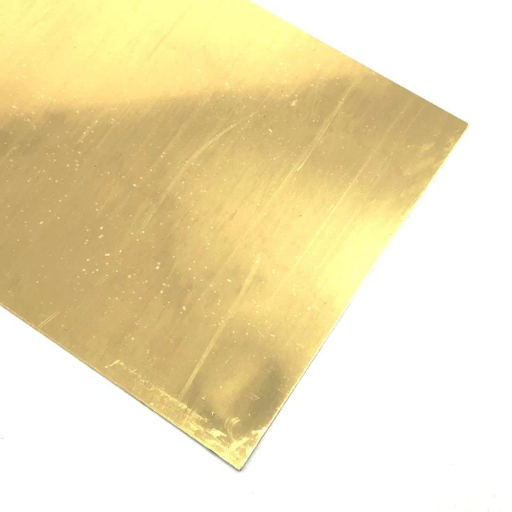
C260 brass or cartridge brass is most suitable for marine and instrument applications given its inherent strength, corrosion resistance, and high ductility. This combination of properties enables it to withstand the hostile environment of the sea and the making of precise and durable component parts of various instruments. Its ease of fabrication increases its aptitude for use in many complicated applications.
Material Properties of C260 Brass in a Marine Environment
A mixture of almost 70% copper and 30% zinc C260 brass offers distinctive properties that make it an ideal pick for marine applications. One of its important properties is corrosion resistance from saltwater environments. Beside this corrosion-resisting property of brass, the copper content forms a thin oxide film on its surface that acts as a corrosion inhibitor from further deterioration.
Mechanically, tensile strength ranges from about 310-450 MPa, depending upon temper, plus a very good ductility so that it can stand the continuous mechanical stress and vibration present in marine operation without fatigue and failure.
Its high thermal and electrical conductivity is what one might say make brass C260 so prized in maritime applications, besides its ability to resist dezincification, an affliction affecting some zinc-aluminum alloys in a coastal environment. These properties make it an ideal candidate for crucial components such as propeller housings, connectors, and marine instrument casings, which must stand up to severe operating conditions.
It also exhibits excellent workability, allowing it to be manipulated into complex components through bending, rolling, and stamping. When considering its affordability and versatility, the material holds strong as an indispensable option for marine applications that require performance and durability across a wide spectrum of arduous conditions.
Brass C260 Usage for Instrument Applications
Brass C260, commonly called cartridge brass, has become the preferred material for precision-instrument design due to its excellent mix of mechanical and aesthetic qualities. This particular grouping of metals, with a composition of roughly 70% copper and 30% zinc, creates the perfect balance of strength, workability, and corrosion resistance for applications that require finer craftsmanship, such as gauges, musical instruments, and precise tools.
One of the notable qualities of Brass C260 is the tensile strength, which generally varies from 310 to 420 MPa, making it useful for instruments that undergo repeated stress or use. Moreover, its excellent thermal and electrical conductivity renders it suitable for electrical components and precision devices that need a stable operating performance over a wide temperature range.
Its high malleability allows for deep drawing and stamping with almost no risk of cracking or deformation in the creation of intricate shapes. It maintains integrity during fabrication, and retaining structural and dimensional integrity is a core ingredient to accuracy involved in instrument production, which itself is pivotal in aerospace, healthcare, and marine-related applications.
With protective coatings becoming more and more advanced, Brass C260 has seen gains in durability in harsh environments of recent years, for example, Brass C260 combined with chromium or nickel plating can enjoy greatly enhanced resistance to wear and tarnish. Such benefits, plus its value for money relative to other metals, have all contributed to its recent rise in high-performance instrument design.
Give or take, the growing demand for Brass C260 in the precision device market boasts a 6% yearly increase according to a recent report, exemplifying expanding usage. Designers and manufacturers in search of a dependable and flexible material to formulate new instrument designs have constantly leaned on Brass C260 due to its exceptional performance and versatility.
Reference sources
- Hybrid Experimental-Numerical Investigation on Plastic Deformation and Ductile Failure of Anisotropic Sheet Metals (Wang, 2022)
- Key Findings:
- The plastic deformation and ductile failure behaviors of anisotropic AISI 1018 low carbon steel and C260 Cu-Zn brass under uniaxial tensile loading were investigated.
- The full-field surface deformation of U-notched sheet metal was measured by digital image correlation technique.
- Three-dimensional finite element modeling using the Hill model and calibrated post-necking strain hardening curve was performed to obtain the force and strain history till the crack initiation.
- The crack propagation was numerically simulated employing a strain-to-failure model.
- The results from computations as global force-displacement relation, local strain distribution, and failure process are found in good agreement with experimental observations.
- Methodology:
- Experimental testing using digital image correlation
- Finite element modeling with Hill model and strain-to-failure simulation
- Key Findings:
- Predict the Plastic Deformation of Perforated Sheet Metals using Image-based Finite Element Modeling (Wang, 2021)
- Key Findings:
- Numerical prediction of the plastic deformation behaviors of perforated sheet metals, specifically AISI 1018 low carbon steel and C260 Cu-Zn brass, under uniaxial tension was carried out.
- An image-based mesh generation technique was applied to better represent and discretize the perforated geometry of sheet metal specimens.
- Digital image correlation measured displacement boundary conditions were also implemented into the finite element modeling.
- The predicted results of perforated sheet metal under tension as nominal stress-strain curves and localized plastic strain distribution agree well with the experimental observations.
- Methodology:
- Image-based finite element modeling
- Digital image correlation for boundary conditions
- Key Findings:
- Investigation of tensile properties of PLA–brass composite using FDM (Selvamani et al., 2022, pp. 839–851)
- Key Findings:
- A PLA-brass composite material was created using the fused deposition modeling (FDM) technique.
- The tensile properties of the PLA-brass composite were investigated, and it was found to have higher surface membrane strength and rather homogeneous dispersed pore structures compared to pure PLA.
- The pore distribution was quite dispersed, and the average pore diameter was suitable for articular cartilage cells.
- Methodology:
- Fabrication of PLA-brass composite using FDM
- Characterization of tensile properties and microstructure using field emission scanning electron microscopy
- Key Findings:
- Top Brass CNC Machining Parts Manufacturer and Supplier in China
Frequently Asked Questions (FAQs)
Q: What is 260 brass?
A: 260 brass, or cartridge brass, is an alloy made by combining copper and zinc. It is a variety of yellow brass, known for its excellent ductility and strength.
Q: What are the properties of 260 brass?
A: 260 brass offers good corrosion resistance, good ductility, and a yellow brass finish. It is used where the material needs to be tough and aesthetically pleasing.
Q: What are the typical uses of 260 brass?
A: In general, 260 brass is used in many applications because of its high ductility and strength. It is perhaps more widely applied in the fabrication of sheets and plates for decorative and industrial purposes.
Q: What is the difference between 260 brass and bronze?
A: Both 260 brass and bronze are copper alloys, but 260 brass is a copper-zinc alloy, whereas bronze is mainly copper-tin. 260 brass is known for its ductility and yellow finish, while bronze is known to be hard and darker in color.
Q: Who are some leading suppliers of 260 brass?
A: Farmers Copper Ltd. and Metal Supermarkets are among the leading suppliers of copper and bronze alloys giving 260 brass in all forms, such as sheet and plate, to meet the industry’s requirements.
Q: What thicknesses are available for 260 brass sheet and plate?
A: Various thicknesses of 260 brass sheet and plate are available depending on your required application. Suppliers such as Farmers Copper Ltd provide many thickness options so your project is well taken care of.
Q: What makes 260 brass ductile?
A: Being the most ductile of brasses, 260 brass owes its ductility to its high copper content, where the specific combination of copper and zinc interferes the least with 260 brass’ ductility being the highest in the yellow brass series, and thus makes it readily formable and bendable.
Q: Can 260 brass be cut with precision tools?
A: Yes, 260 brass may be cut with precision tools such as bar saws and precision plate saws, producing highly accurate, clean cuts.
Q: Is 260 brass suitable for outdoor applications?
A: 260 brass is well-suited for outdoor applications because it offers good corrosion resistance in situations where exposure to the elements is a concern.


