


Engineering thermoplastics have completely changed modern manufacturing, and one of the examples of such plastics is Polyoxymethylene (POM), which outshines many other kinds because of its high level of functionality. POM exhibits high strength, is resistant to wear, and provides high dimensional stability, so it is one of the best materials in the automotive and electronic industries. However, there are a lot of varieties of POM plastics for various applications, and choosing the most suitable one can be frustrating. This complex analysis discusses core information on POM materials selection, teaches how to evaluate its distinctive features, and uncovers why it is a popular choice for both engineering and the making of products. Suppose you are a beginner in using engineering plastics or want to advance your digital literacy. In that case, this article will inform you about everything you need to know to make the most effective decisions and utilize this unique plant to the fullest extent.
Understanding POM Plastic
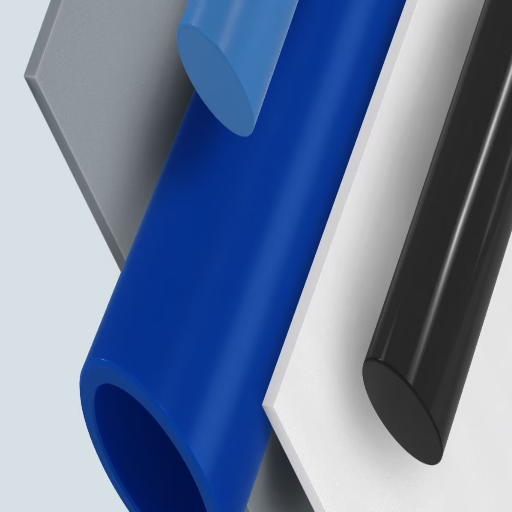
POM plastic, known as polyoxymethylene and more commonly called acetal, is amongst the high-performance engineering thermoplastics admired for their strength, durability, and minimal friction. Its ubiquitous use occurs in industries with fantastic tight fits, like gears, bearings, and auto parts. POM is highly resistant to abrasion, water, and most substances, thus making it fit for harsh conditions. Because of the diverse properties, it can be used in some of the applications wherein metals are currently used, offering an alternative that is lighter or more cost-effective without compromising efficiency.
What is POM Plastic?
Thermoplastic materials such as polyoxymethylene (POM), which is also known as acetal or polyacetal, are used in construction, automobile, and consumer appliances. Its not commonly discussed properties include high strength, high modulus, exceptional resistance to wear, and high temperatures. Due to its type as a crystalline polymer, it works well for precision applications due to its level of reliability and its low friction level. Trying to build puzzle play as designed from this polymer is indeed a great advantage. The POM plastic is an excellent advantage to the toy industry since it helps produce toys with outstanding physical characteristics that were previously very difficult to achieve using other polymers. All set to disassemble yet another gear on the transmission. POM ranks among the top engineering polymers, usually employed in gears, nuts, bolts, housings, and other parts of machinery with moving parts. Other advantages of POM in transmission applications are that POM is very resistant to embrittlement and attacks from highly electromagnetic signals.
Types of POM: Acetal Plastic and Beyond
Two such types are homopolymers (POM-H) and copolymers (POM-C). One of the modifications of these types is glass-filled as well as PTFE-filled and FDA-compliant grades.
|
Type |
Strength |
Stiffness |
Chemical Res. |
Porosity |
Temp. Range |
Applications |
|---|---|---|---|---|---|---|
|
POM-H |
High |
High |
Moderate |
Higher |
-40°C to 82°C |
Gears, Bearings |
|
POM-C |
Moderate |
Moderate |
High |
Lower |
-40°C to 82°C |
Food, Medical |
|
Glass-Filled |
Very High |
Very High |
Moderate |
Low |
-40°C to 82°C |
High-Stress Parts |
|
PTFE-Filled |
Moderate |
Moderate |
High |
Low |
-40°C to 82°C |
Low-Friction Uses |
|
FDA-Compliant |
Moderate |
Moderate |
High |
Low |
-40°C to 82°C |
Food Contact |
Comparing POM Plastic to Other Materials
POM plastic is compared to nylon, polycarbonate, polypropylene, polyethylene, ABS, and delrin, exhibiting superior wear characteristics, stability, resistance to dimensional change, and anti-friction properties.
|
Material |
Strength |
Wear Res. |
Dim. Stability |
Cost |
Applications |
|---|---|---|---|---|---|
|
POM |
High |
Excellent |
High |
Medium |
Gears, Bearings |
|
Nylon |
Moderate |
Good |
Moderate |
Low |
Flexible Parts |
|
PC |
Moderate |
Moderate |
High |
High |
Safety Panels |
|
PP |
Low |
Moderate |
Low |
Very Low |
Packaging |
|
PE |
Low |
Moderate |
Low |
Low |
Containers |
|
ABS |
Moderate |
Low |
Moderate |
Low |
Casings |
|
Delrin |
High |
Excellent |
High |
High |
Precision Parts |
Properties of POM Plastic
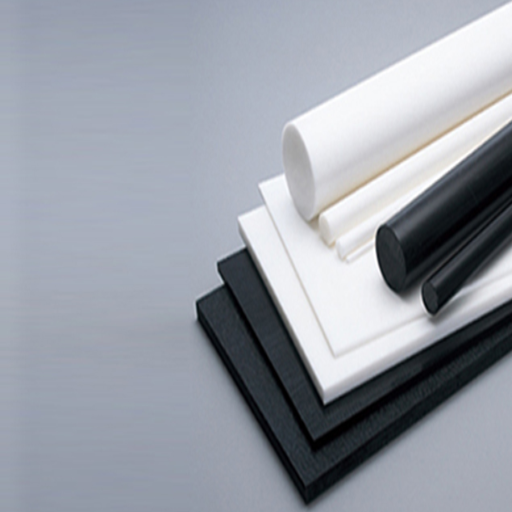
Amongst other names, POM plastic is most commonly known as Acetal, and due to its particular attributes, it fits very well within the purpose of numerous economic undertakings. The following are the primary attributes in the properties of the POM:
- High Strength and Stiffness: POM has the best mechanical properties even under varying pressure conditions.
- Low Friction: This type of plastic is free from loose particulate contamination on its surface, which helps it glide and reduces unnecessary wear.
- Good Dimensional Stability: POM does not introduce Voids and deforms since it remains within its size within the scope.
- Chemical Stability? Yes, I Have It: POM is very poor with common chemicals such as fuels, solvents, and most industrial chemicals.
- POM is resistant to moist and Wet conditions. The overall resistance due to water absorption is substantial, so it will not disappear because of the increased humidity or moisture level.
- Thermal Stability: The material can also work properly without losing most of its properties in a wide range of temperatures.
Overall, these lead to the extensive use of POM in the different demanding industries.
Mechanical Properties of POM
Polyoxymethylene, or acetal, is a polymer with superlative mechanical behavior that is well-suited for use in the engineering and industrial sectors. In particular, the Hooke’s modulus is pronounced, meaning the polymer can stretch without breaking. Its high ultimate stress also ensures that the specimen will effectively withstand the elevated stress level during construction. Acetal is also highly effective at low speeds and does not wear as frictionally as it does under new surfaces since it displays very low stick fits. There is a wide range of temperatures and very high mechanical loads that such polymers as POM can use in the mentioned service modes. The mechanical properties of POM enable it to withstand the intense temperatures and high mechanical loads of the polymers being processed simultaneously.
Strength of POM Plastic: A Key Factor
Those rugged POM plastic dental crowns you see are composed of polyoxymethylene, renowned for its striking power to resist outside forces and hence the material of choice in applications that require toughness. Owing to its high elasticity and structural integrity, this material can undergo mechanical force applications without losing its shape. And also, POM in itself is resistant to very high temperatures, so put that into account, it keeps very high temperatures all the time. These factors play a vital role in many sectors such as the automotive, electronics, and consumer goods industries, where strength and performance remain the most significant factors to consider. As it appears, the ability to withstand the bending stress can be attributed to the mechanical properties of the polyoxymethylene plastic, and this explains why it has a widespread application,n especially in the automotive sector.
Property of POM Engineering Plastic
POM engineering plastic is a high-temperature polymer that can be used in many applications thanks to its excellent thermal stability. This happens since the material retains its proportion, mechanical strength, and its high-temperature stability from -40°F to ± 212°F (−40°C to ± 100°C). This thermal stability is a consequence of the semi-crystalline structure, which has a high crystallinity factor and high heat deformation and decomposition resistance. In the same vein, these characteristics are necessary for the components in applications such as the automotive and electronics industry, where changes in temperatures commonly cause deterioration, with further wear out of the devices; hence, the performance and safety of the structures could be compromised.
Choosing the Right POM Plastic
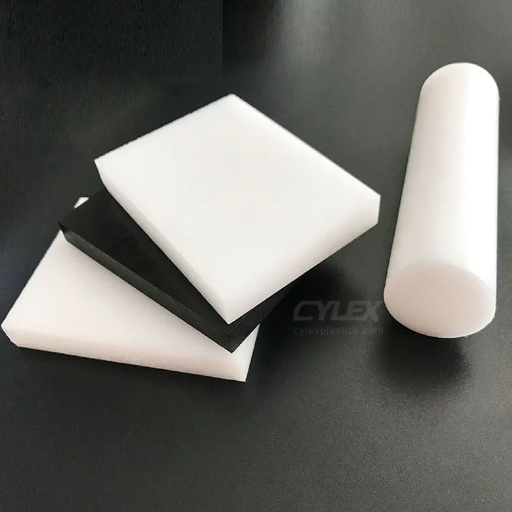
POM plastics are categorized as acetal mechanically, with the main factors including fundamental mechanical strength, chemical resistance, wear and tear so that every plastic can be used actively. Ensure the material fits your operational conditions well. For example, if the components come into contact with each other, especially in cases where there is movement, then the POM grade with the high wear resistance should be requested. In addition, the APP grade for Food or Medicinal Purpose can also be the option that fits the preparation of eating or treating equipment. Any information in this section will allow you to make an accurate selection and achieve better performance with an acceptable durability of the product.
Guidelines for Selecting POM Plastic Material
Choosing POM material is easy; the first thing to consider is the tightness of the applications for which this is necessary, because the other need of POM is that it does not swell even when there is the presence of water, owing to the low value of water absorption of POM. However, the applications dealing with heavy load designs are to adopt reinforced grades with glass fibers or reinforcing fillers, which will increase rigidity and strength too. Also, making a final examination of an effective solution to residual stresses is crucial so that the shape of the component and the performance remain more or less constant. Determining the prevalent size and strength restrictions and the present environmental conditions will determine what type of POM is to be used in the given case.
Comparing POM Grades for Specific Applications
Some of the most common POM grades are Homopolymer (POM-H) and Copolymer (POM-C), and FDA-compliant grades that may be glass-filled, PTFE-filled, and the like.
|
Grade |
Strength |
Wear Res. |
Chem. Res. |
Thermal Res. |
Applications |
|---|---|---|---|---|---|
|
POM-H |
High |
Excellent |
Moderate |
Moderate |
Gears, Bearings |
|
POM-C |
Moderate |
Excellent |
High |
High |
Food, Medical |
|
Glass-Filled |
Very High |
Very High |
Moderate |
High |
High-Stress Parts |
|
PTFE-Filled |
Moderate |
Excellent |
High |
Moderate |
Low-Friction Uses |
|
FDA-Compliant |
Moderate |
Excellent |
High |
High |
Food Contact |
Use of POM in Plastic Products
Commercialized under the brand name Delrin, Polyoxymethylene or POM is a great thermoplastic polymer often used in various plastic applications. Delrin has also significantly gained in application as a structural plastic with strength, rigidity, and capacity to maintain accuracy. Due to POM’s unusually high physical properties, it is best used in motion, friction, and stress parts. Some of the common uses are in the automotive industry, for instance, in gear applications, fuel system components, seatbelt hardware components, and industrial applications, such as in zippers, slippers, and housing. The latest development in POM technology sees the use of this polymer in environmentally friendly systems, as it can withstand repeated use, which diminishes waste generation. Apart from the enhanced toughness and the relaxation rate of the solvent, there is also minimal holdup. The result is that these materials are extensively treated within the metal, and maybe even specific electrolytic applications of this equipment are carried out.
Applications of POM Plastic
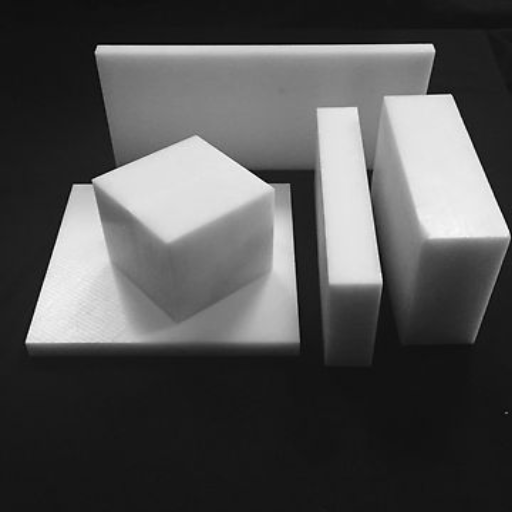
POM plastic has mechanical properties that appeal to various industries, such as strength, toughness, and resistance to wear, as the main factors. It has been used in the following areas:
The following functions can describe the use of POM in the Automotive Industry: They are commonly employed for gear slots, components of fuel systems, door fastening systems, and seat control systems, including seat track mechanisms.
As for Consumer Products, the components of this kind are highly popular and usually found in the manufacturing of zippers, for instance, pvc zippers, toothbrush handles in particular, and many similar applications. This is due to the high performance-to-weight ratio of POM.
In the Industrial Machinery category, the production of standard parts such as bearings, gears, pulleys, and V-shaped belts can be mentioned.
Likewise, surgical equipment and medical gadgets, such as inhalers and injection devices, meet professional standards and are made of POM.
Finally, Electrical Components have been used, particularly in rotation switches, some of the pins, and packages, due to their high degree of insulation efficiency.
These applications easily reveal the POM plastic’s flexible and practical nature.
Benefits of POM Plastic Components in Industry
- Outstanding Mechanical Strength and Stiffness: Acetal or polyoxymethylene plastics are extensively utilized for their extraordinary mechanical characteristics, which provide long-lasting functionality in hard-wearing situations.
- Low Coefficient of Friction and Increased Resistance to Erosion: Polyoxymethylene does not readily disintegrate as a result of erosion since the material’s interfacing surfaces do not readily come into contact under normal operating conditions. This feature is particularly relevant for machinery and equipment with moving parts.
- Dimensional Stability of Acetal or Polyoxymethylene POM: As POM changes practically less in shape and dimensions under mild or severe conditions, it can be used effectively in manufacturing machinery where accuracy is paramount.
- Chemical Properties of Acetal: Acetal is a polymer that is highly resistant to and/or weak toward harsh conditions, including those of solvents, acids, oils, and other chemicals; however, it can still be used in different applications unless these conditions are extreme.
Effective Electrical Insulation: POM has excellent insulating properties and is useful in applications such as electrical connectors, switches, and housing cases.
Use of POM Plastic in Various Sectors
POM’s characteristics and properties, including its mechanical, chemical, and electrical properties, are suitable for most industrial systems.
- Due to its wear and chemical resistance, plastic POM is considered one of the most effective components in producing fuel installation elements, engine components, and interior parts.
- Electronics and Electric: As an excellent insulator, P.O.M. is suitable for various applications requiring precision electronic components, such as connectors and switches.
- Health and Medicine: As the plastic has good chemical resistance properties and is biologically safe regarding compatibility, using POM as medical equipment, such as insulin delivery systems, inhalers, or surgical equipment, is possible.
- Mechanical Engineering: Because of its excellent properties, eg, hardness coefficients of friction, and benefits from higher temperatures, POM is usually employed in Hard/Soft/Machinist overcoatmen from Koreans gaining experience; on the other hand, applications which include balls, such as specific sliding units. For instance, PVOH as shaped by an injection mold,
- Consumer Goods: This ideal theory would not overlook such everyday products as zippers or curtain rails, both of which are POM-based due to the durability and longevity of the material. POM is scratch-resistant and self-drying, hence maintaining a high level of effectiveness.
- Sports and Entertainment: POM is also useful when manufacturing athletic supplies because, despite its small density, the polymer is hard enough for any activity to compromise integrity and functionality.
These various uses show the importance of POM, especially in the current times when it is used as the primary material of most sectors worldwide.
Reference Sources
- Title: How Gamification Can Change People’s Behavior – Design and Examples from a Creative Gamification Class at IGA, INN 2017
Authors: A. Nordby, Marit Bård Gunnerud-Åhlén, Christine Berg Strandvik
Publication Date: March 1, 2017
Summary: This paper discusses a gamification course aimed at changing behaviors related to sustainability issues, including resource management. While it does not directly address POM plastics, it provides insights into behavioral change methodologies that could be relevant for promoting sustainable practices in plastic selection and usage.
Methodology: The course utilized Problem-Based Learning (PBL) and systems thinking analyses to engage students in real-world problems, leading to the design of gamification applications to reduce resource consumption. - Title: Bibliometric analysis and systematic review of environmental, social, and governance disclosure papers: current topics and recommendations for future research
Author: N. Ellili
Publication Date: August 19, 2022
Summary: This study analyzes literature on environmental, social, and governance (ESG) disclosures, which may include discussions on sustainable materials like POM plastics. It highlights trends and future research opportunities in sustainability practices, which could inform the selection of environmentally friendly plastics.
Methodology: The research employed bibliometric analysis to identify key themes and trends in ESG literature, focusing on corporate responsibility and sustainability(Ellili, 2022). - Title: How Key Alterations of Mesoporous Silica Nanoparticles Affect Anti-Lung Cancer Therapy? A Comprehensive Review of the Literature
Authors: Arif Budiman et al.
Publication Date: September 1, 2023
Summary: Although primarily focused on mesoporous silica nanoparticles, this paper discusses material properties that could be relevant for selecting plastics in biomedical applications, including POM.
Methodology: The review synthesizes findings from various studies on the physicochemical properties of mesoporous silica and their implications for drug delivery systems(Budiman et al., 2023, pp. 5473–5493). - Top POM CNC Machining Parts Manufacturer and Supplier in China
Frequently Asked Questions (FAQs)
What is POM plastic, and why is it popular?
POM (Polyoxymethylene), or acetal, is a high-performance engineering thermoplastic known for its excellent mechanical strength, low friction, and dimensional stability. It is popular for precision parts and applications requiring durability and wear resistance.
How can I identify POM plastic?
POM plastic is typically stiff, smooth, and slightly glossy. It is less flexible than other plastics and tends to emit a formaldehyde-like smell when burned. A density test (around 1.41 g/cm³) can also confirm its identification.
What are the key properties to consider when choosing POM plastic?
Key properties include tensile strength, wear resistance, chemical resistance, moisture absorption, and thermal stability. The operating environment and application demands should guide your decision.
What is the difference between POM-H and POM-C?
POM-H (Homopolymer) offers higher tensile strength and better rigidity. At the same time, POM-C (Copolymer) has superior chemical resistance, thermal stability, and reduced porosity, making it ideal for wet or humid environments.
Which POM grade should be used for food applications?
FDA-compliant POM grades are suitable for food applications. These grades are designed to meet food safety standards and are resistant to moisture, solvents, and cleaning agents.
How do I choose a POM grade for high-wear applications?
For high-wear applications, consider glass-filled or PTFE-filled POM grades. These variants enhance wear resistance and reduce friction in moving components like gears and bearings.
Can POM withstand harsh chemicals?
POM-C grades are more chemically resistant than POM-H. They can endure exposure to fuels, oils, and alkaline environments, but are unsuitable for strong acids or oxidizing agents.
What tests can I perform to confirm if a material is POM?
You can perform a density test (1.41 g/cm³), burn the material to check for a formaldehyde smell, or evaluate hardness and stiffness. Laboratory analysis like FTIR (Fourier Transform Infrared Spectroscopy) can also confirm its identity.
Which industries commonly use POM plastic?
POM is widely used in the automotive, electrical, food processing, medical devices, and industrial machinery sectors. It is ideal for gears, bearings, valves, and precision components.
How does moisture absorption affect POM plastic?
POM has very low moisture absorption (around 0.2%), ensuring excellent dimensional stability even in humid or wet conditions. This makes it a superior choice over materials like Nylon for such environments.


