


Selection of the right material is one of the most important steps in CNC machining processes. Plastics make for a versatile choice and hence are one of the most common selections. It becomes difficult to just pick one polymer, given the numerous types, each possessing its own physical properties. This guide walks you through the whole process, making it easier for you. Whether you are working on prototypes, functional parts, or complex designs, you will learn about the key factors to consider for your project and receive expert advice on appropriate plastics for CNC machining. At the end of our discussion, you will be competent enough to select the right materials for your applications and optimize all your projects towards success. Keep reading for some valuable expert tips and crucial recommendations on materials!
Introduction to CNC Machining
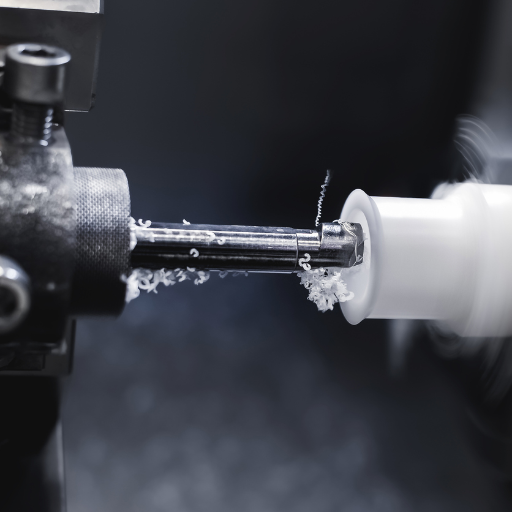
CNC machining is an umbrella term that includes production processes run by pre-programmed software. From UV plastics, aluminum, and titanium to composite laminates, it can make parts from almost any material while maintaining accuracy and repeatability. Its precision and versatility make CNC machining a standard for aerospace, automotive, and medical applications-the preferred choice for high-quality prototyping along with manufacturing or machining hard functional components and complex designs.
What is CNC Machining?
Usually termed CNC machining, Computer Numerical Control machining is a fully automated process of production in which machine tools operate under the control of a programmed software to achieve highly accurate manufacturing of components. The production of complex parts is made possible in this way by controlling various machining processes such as milling, turning, drilling, and grinding. CNC machining stands strongly on its capability to design accurately, faster, and to replicate exactly one offering repeatedly; these characteristics are crucial for industries that demand consistent quality and performance.
One other big plus for CNC machining is that a very wide range of materials can be machined, from metals such as aluminum, stainless steel, and titanium, to plastics. Software and hardware developments have put CNC machining under a new light, allowing manufacturers to attain a tolerance as low as ±0.001 inches. Market reports claim that across the world CNC machining had revenue of about $83 billion in 2022 and is expected to maintain a CAGR of 6–7 from 2023 to 2030 due to the high demand for CNC machining from aerospace, automobile, and medical device fields.
Modern CNC systems almost always interfaced with CAD and CAM applications, giving rise to a seamless workflow that minimizes the setup time and reduces the probability of introducing errors. As such, CNC machining is suitable for everything from manufacturing functional prototypes to high-detail and complex parts needed for some advanced machinery or implants.
A highly automated manufacturing process, CNC machining is considered the backbone of today’s manufacturing in that it manufactures everything-from complicated aerospace components to bespoke consumer electronics-consisting of precise, automated, and highly versatile processes.
Material Selection and Its Importance in CNC Machining
Material selection is one element that gears the success of any CNC machining process as it ultimately affects the general performance, operation, and cost-effectiveness of the product. A suitable material guarantees durability, precision, and forensic compatibility with the intended application; it may also influence machining speeds, tool wear, and production costs.
Materials used in CNC machining cover metals such as aluminum, stainless steel, and titanium to non-metals like plastics and composites. For instance, aluminum is chosen in many instances because it is lightweight, easy to machine, and corrosion-resistant, which is beneficial for aerospace and automotive applications. Stainless steel could be the preferred option where strength and resistance to heat and wear are required and is usually found in medical devices and industrial equipment. In applications where a higher strength-to-weight ratio is required, however, titanium is usually preferred, usually in aerospace and biomedical applications.
There is data evidence that material selection plays a very important role in machining costs reduction. CNC manufacturing avenues showed in 2023 how machining soft materials usually plastics acts in faster cutting time and lower tool wear, thus reducing costs by up to a 30 percent level. On the other hand, machining hard materials like tool steels, which are more expensive, gives the best durability for high-stress environments. This benefit-cost balance between machining and material properties makes a good case for material to be selected for specific requirements.
In addition, when it comes to tight tolerances, it becomes extremely important to know about thermal conductivity and coefficient of expansion during material selection. For instance, in electronics, materials with low thermal expansion are preferred to avoid unwanted deformations caused by heat.
Material selection, therefore, guarantees the quality and economic feasibility of manufacturing CNC machined components while also meeting the requirements of the project. Thus, the cooperation of the engineer, the designer, and the materials expert becomes paramount in achieving the optimum results in any modern manufacturing scenario.
An Overview of Plastics in CNC Machining
Plastics find ready use in CNC machining owing to their properties and applications, i.e., versatility, cheapness, and ease of machining. Standard plastics include ABS, which possesses excellent impact resistance and strength; another one is polycarbonate, famous for its transparency and toughness. Nylon is another very much favored choice for wear resistivity and low friction properties required in mechanical components like gears. PEEK (Polyether Ether Ketone) finds applications in high-end fields requiring heat and chemical resistance. Materials are selected to complement their inherent properties to meet the functional and environmental requirements of very diverse projects.
Properties of Plastics Suitable for CNC Machining
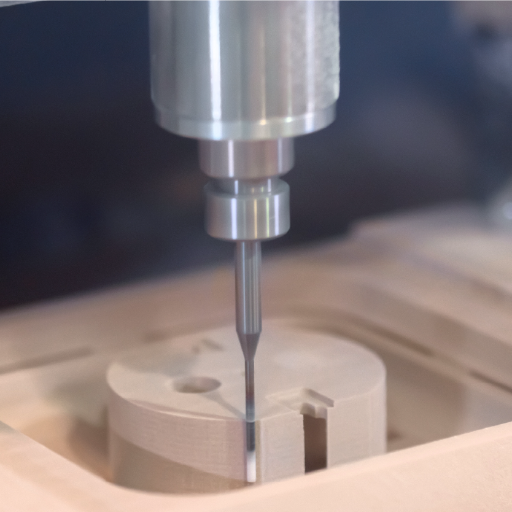
Generally, plastics CNC machining is carried out on materials sharing some properties-for instance,-machinability, durability, and stability. ABS, acrylic, and polycarbonate are suitable due to their ease of shaping and ability to maintain structural integrity. High-performance plastics such as PEEK and nylon exhibit heat resistance, chemical resistance, and mechanical strength. The plastic should be chosen with respect to the particular performance requirements of the application, thus enabling accuracy and restability during the machining process.
Durability and Strength
The plastics should exhibit durability and strength, as this directly determines the product life and performance once in use. In contrast, high-performance plastics are PEEK and nylon and are frequently selected for vigorous applications as tubularly-shaped-representing substances. To be specific, PEEK shows
tensile strength around 90-120 MPa and gives robust resistance to environmental stress and abrasion, even in high temperatures of 250°C.
Nylon is another manufacturing material known remarkably for its impact resistance and tensile strength, which varies with specific grades from about 50-90 MPa. The preferred qualities are its relatively lightweight, with high mechanical strength, ideal for manufacturing gears, and bushings.
Recent studies further report that polycarbonate, bearing about 70 MPa in tensile strength, has become a highly sought-after material in applications requiring transparency and durability such as protective wear or optical elements. Similarly, ABS plastic stands for strength and affordability, with an impact resistance of 15-20 kJ/m2, hence widely used for industrial and consumer applications.
Understanding these standards and relating them to the final environment guarantees that the material selected will satisfy both operational and cost-effectiveness objectives, thereby producing a machinable solution of durability and excellent performance.
Thermal Resistance
Thermal resistance governs a factor that diversifies material selection for use in applications exposed to different temperatures. It is a kind of resistance which counts against heat flow and submitting a material to ensure its structural integrity and performance under thermal stress. Materials with high thermal resistance are required by aerospace, automobile, and electronics where temperature variations are often extreme.
Polyetheretherketone (PEEK), for example, is the name for the superstar of thermoplastics known for its high thermal resistance, operating well at temperatures up to 260°C (500°F) without losing much in the way of mechanical properties. Polytetrafluoroethylene (PTFE), commonly known as Teflon, is yet another material that offers thermal stability of approximately 327°C (620°F) and, therefore, suits the requirements for high-temperature sealing and insulation. The metals stainless steel and titanium also offer an average-to-excellent extent of thermal resistance combined with mechanical durability, which makes them workable in heat exchangers and jet engines.
When put together with advanced manufacturing methods, these material will guarantee that they’ll perform well in hot-intensive environments, increasing performance lifetime while reducing the chances of failure. The optimum decisions in the most rigorous engineering and industrial projects can only be arrived at through careful evaluation of a material’s attributes, including thermal resistance.
Machinability and Surface Finish
Machinability is seen as a vital characteristic to study when considering the substances for engineering intent since it would increase time on the shop floor and reduce the cost. Such materials that can be satisfactorily machined require less effort in cutting, shaping, and finishing, resulting in less wear on the tools and a shorter time of operation. Of such materials used often, one can cite aluminum for it machinability, especially for low hardness and ductility, while toughness is a subject for other means to be used in machining with coated carbide, tools, and optimum cutting speeds for titanium alloys or superalloys.
Surface finish is closely related to machinability and can contribute to either usefulness or aesthetics. High-quality surface finish is required from components used in aerospace or medical devices wherein performance depends on precision and smoothness. Advanced techniques like High-Speed Machining (HSM) and Computer Numerical Control (CNC) systems have been shown to yield high-quality finishes within tight tolerances, for example, surface roughness values that reach 0.4 µm Ra with some of the latest grinding and lapping technologies for certain alloys, according to recent data.
Some of these machining optimization innovations for the best surface finishes include coolant-lubrication systems, ultrasonic machining, and cutting tool materials that incorporate polycrystalline diamond (PCD) inserts. They reduce friction, dissipate heat, and aid in accuracy, making even the most complex geometries uphold higher standards. Balancing the machining methods and material properties brings out optimal results that are suited for each particular application.
Common Plastics Used in CNC Machining
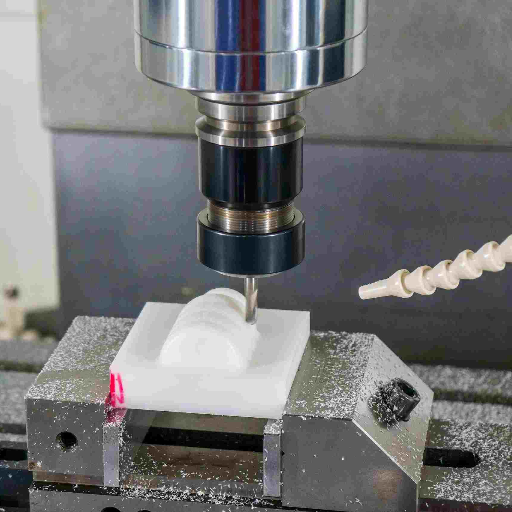
- ABS (Acrylonitrile Butadiene Styrene: Resin): RHS proceeds to be tough and resistant to impact while remaining effortless to manufacture, hence suited for prototype models and practical applications.
- Polycarbonate (PC): A resin with durability, transparency, and impact resistance, it is two of the major properties that make it suited for components requiring strength and clarity.
- Nylon (PA): This materials are lightweight and wear-resistant. Typically, they are used in gears, bushings, and mechanical parts.
- POM (Polyoxymethylene or Acetal): For highly stable dimensions and low friction, POM is chosen for bearings and fittings.
- PTFE (Polytetrafluoroethylene): PTFE, being highly resistant to temperature and chemicals, finds use in other applications where there is a demand for chemical durability.
Nylon (PA)
Nylon (PA) represents masculine thermoplastic resin material that is famous for striking mechanical properties and durability. Lightweight, it is highly used in industrial applications since it has high wear resistance and can sustain considerable force. Uses include taking in gears, bushings, and mechanical parts, whereas in textiles, strength and flexibility are valued. Moreover, it has rather good chemical resistance and abrasion abilities, so it performs well for parts exposed to high-friction applications.
Polycarbonate (PC)
Polycarbonate (PC) is a thermoplastic polymer known abundantly for its impact resistance, clarity, and thermal stability. Hence, owing to these properties, it is often found to be used in applications requiring durability and clarity. Some of such applications include the making of safety goggles, lenses, automotive parts, and housings for electronics. Noted for having a lightweight characteristic, PC is the easiest to work with and can also be molded into very complex shapes, enabling it to be used widely in various industrial and commercial sectors. Oriented also for heat resistance, the polycarbonate maintains structural integrity even under harsh conditions, allowing it to be utilized far and wide among industries.
Acrylic (PMMA)
Acrylic, or polymethyl methacrylate (PMMA), is a transparent thermoplastic often used as a lighter and more shatter-proof alternative to glass. It is prized for its optical clarity and weather resistance, thus suitable for all types of windows, display cases, covers, and signage. Compared to polycarbonate, acrylic is more rigid and resistant to scratching, but less resistant to impacts. Its versatility, easy fabrication, and glossy finish have surely contributed highly to its widespread use.
High-Density Polyethylene (HDPE)
High-Density Polyethylene (HDPE) receives the characterization of being a thermoplastic that is stronger and more versatile. These materials go into the making of pipes, bottles, and plastic containers while offering resistance to impact, chemicals, and moisture. Compared to most polymers, HDPE is light in weight but exhibits a high degree of durability, which justifies its use in industries and consumer goods. The recyclability of HDPE has seen it make it into eco-friendly products, adding to the appeal of this sustainable material.
Delrin (POM)
Delrin (POM): Polyoxymethylene (POM), popularly known by the brand name Delrin, is considered a high-performance engineering thermoplastic that enjoys a reputation for exceptional strength, stiffness, and impact resistance. Delrin usage finds wide application in precision parts requiring low friction, dimensional stability, and good wear resistance, such as gears, bearings, fasteners, and automotive components. From a chemical standpoint, Delrin resists chemicals very well, and it also maintains its property through a broad range of temperatures, which earn it a preferred position in demanding industrial and mechanical applications. Like HDPE, Delrin is also recyclable, which goes hand in hand with the current demands of sustainable manufacturing processes.
PTFE (Teflon)
PTFE, otherwise known by its brand name Teflon, is a very special-grade synthetic fluoropolymer valued for extremely good anti-adherent properties and resistance to very high temperatures and chemicals. It stands to reason that materials of low coefficients of friction like PTFE would be highly sought-after for those applications involving moving, sliding surfaces like seals, bearing, and gaskets. Very good thermal stability also allows PTFE to keep its properties under exposure to a very broad temperature range, thus finding applications in various industries such as aerospace, automotive, and cookware production. Being hydrophobic and resistant to almost all kinds of chemical attack further extends life expectancy and reliability of PTFE materials in harsh environments. Just like other high-grade polymers, PTFE contributes towards innovative engineering solutions while promoting sustainability by being a durable and recyclable material.
Basic Applications of CNC Machined Plastics

CNC machined plastics find their applications in a wide array of industries owing to their precision and versatility. They find applications in medical devices, where biocompatible materials like PEEK are used for implants and surgical tools. Likewise, the automotive industry needs very lightweight and durable parts. Aerospace, on the other hand, requires high-performance thermally and chemically resistant plastics like PTFE, whereas the electronics industry needs them for insulation and non-conductors. With CNC machining, plastics could be made to exacting tolerances, making their plastic parts the best choice for prototypes and complex geometries in these crucial applications.
Industries Relying on CNC Plastics
CNC plastics provide a vital function in numerous industries because of their versatility, precision, and performance characteristics. Aerospace depends on CNC-machined plastic components for lightweight heat-resistant parts to improve on fuel efficiency and withstand extreme conditions. Similarly, the automotive sector employs CNC plastics in producing durable lightweight components to enhance vehicle performance and reduce emissions. The medical arena benefits the most for CNC plastics in making biocompatible implants, surgical tools, and other special devices that require extreme precision. Electronics rely on these plastics for insulation and non-conductive materials and protective housings for delicate components. All these applications highlight the widespread scope of CNC plastics take on to provide high-quality, reliable solutions for harsh-environment applications.
CNC Machined Plastic Part Examples
CNC machined plastics are used in a wide variety of industries, depending on the application and need for precision, durability, and design versatility- be it custom gears, electronic component housings, pumps, or sealing. CNC machining services for medical-grade plastics find their greatest application in prosthetics, surgical instruments, and implants, where impeccable accuracy and strict industrial standards are required. The aerospace and automotive sectors also employ machined plastics for lightweight components such as brackets, covers, and insulation parts. These parts highlight the CNC machining system’s capabilities in flexible engineering and timely production of specialized, high-performance solutions.
Project-Specific Custom Plastic Solution
Offering flexibility and precision unparalleled by any other method, CNC machining is the method of choice for custom plastic solutions in many industries. Utilizing state-of-the-art technologies and craftsmanship, manufacturers can tailor-make components to fit specific project needs regardless of complexity. Expertly fitting the manufacture into business projections, the global CNC machining market forecasted to heal at a CAGR of 5.5% from 2023 to 2030 would see Continue growth for custom plastic solutions, confirming their necessary status in modern manufacturing.
Depending on custom plastic solutions, it opens up possibilities for different materials such as ABS, polycarbonate, nylon, and PEEK, depending on the project’s specific demands in fields such as medical, aerospace, and electronics. Polycarbonate perhaps will offer excellent impact resistance and optical clarity, while PEEK delivers the best thermal and chemical stability for extreme environments. This freedom of material selection would later help in performance, durability, and functionality exceeding expectations of the end product with time.
Additionally, designers and engineers can utilize CNC machining with tight tolerances measuring up to +/- 0.01 mm to meet their strict design requirements. Such approaches combined with efficient manufacturing methods guarantee greatly reduced raw material wastage and reduction in product time-to-market, thus authenticating the high-cost efficiency and set environmental parameters. Manufacturers producing elaborate medical implants or aerospace components would see custom plastic machining as a blend of innovation, efficiency, and sustainability, all of which serve as fundamental grounds of success for any new project.
Choosing the Right Plastic for Your CNC Job
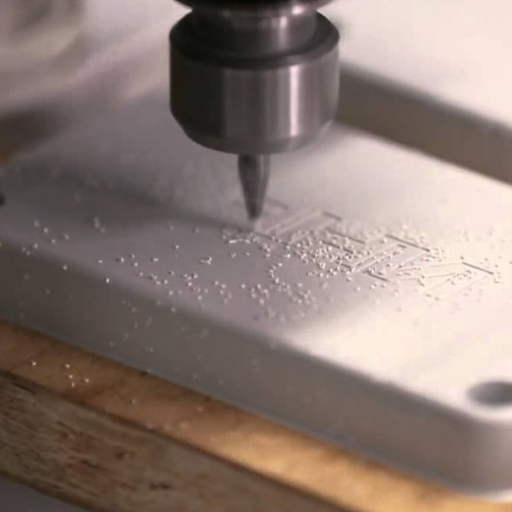
- Application Requirements – Determine the particular needs of the project. For example, they could require strength, durability, flexibility, or resistance to heat and chemicals. Common choices include ABS, polycarbonate, and nylon due to their versatile characteristics.
- Machinability – Select plastics that allow for machining conditions without much wear on the cutting tools. Delrin and acrylic usually provide a nice cutting feel.
- Environmental Conditions – Check for temperature, humidity, or UV exposure under which the material will be used to make sure it lasts without degradation.
- Cost and Availability – Sometimes the best solution is one that meets the budget. Examine cost considerations of the materials and their availability for your project.
Factors to Consider in Material Selection
When selecting materials, consider factors such as mechanical properties, machinability, environmental conditions, cost, and availability.
| Key Point | Description |
|---|---|
| Mechanical | Strength, durability, and impact resistance. |
| Machinability | Ease of cutting and reduced tool wear. |
| Environmental | Resistance to temperature, humidity, and UV. |
| Cost | Impact on budget and overall expenses. |
| Availability | Ease of sourcing and supply consistency. |
Comparative Analysis of Plastics for CNC Machining
Each plastic must be weighed for its ability to act in the given CNC-machining circumstances. The usual ones include ABS, polycarbonate (PC), nylon, and Delrin (acetal). Well-machinable ABS is best for prototypes and low-stress parts also due to its inherent toughness and cheapness. Polycarbonate provides applications with transparency and strength-the highest level of impact and optical clarity. Nylon exhibits very good wear resistance and durability and commonly is used in mechanical parts. It is Delrin that excels in terms of machinability and dimensional stability, thus preferred for precision parts. The selection must be based on performance requirements, costs, and environmental demands.
Tips for Selecting the Best Plastic Material
When selecting the best plastic material, focus should be given to some key factors, such as the mechanical properties of the material, resistance to the environment, and application appropriateness. Consider the working temperature of the part, chemical environment to which it may be exposed, and levels of stress that it would have to bear. Then, evaluate the relative importance of cost versus the needed level of performance to reach a choice of material that will indeed meet those demands. Having this knowledge allows me to make a more informed decision with respect to the project that we are working on.
Reference sources
- Title: Influence of Machining Parameters on the Dimensional Accuracy of Drilled Holes in Engineering Plastics
Authors: A. Pop et al.
Journal: Polymers
Publication Date: 2024-05-24
Citation Token: (Pop et al., 2024)
Summary:
This paper explores the interaction between cutting parameters and the geometric accuracy of machined holes in various engineering plastics. The study aims to improve manufacturing processes by determining how cutting speed and feed rate affect the diameter and cylindricity of drilled holes. The methodology involved structured experiments using a CNC machining center and high-precision measuring machines to evaluate the accuracy of drilled holes in six types of plastics. The results indicate that careful selection of cutting parameters is crucial for achieving high standards of accuracy and repeatability in plastic processing. - Title: Study of Surface Roughness Characteristics of Drilled Hole in Glass Fiber Reinforced Plastic (GFRP) by CNC Milling
Authors: S. Dabhade
Publication Date: 2016
Citation Token: (Dabhade, 2016)
Summary:
This study investigates the surface roughness characteristics of drilled holes in GFRP using CNC milling. The research focuses on the challenges associated with machining GFRP due to its heterogeneous nature. The methodology includes experimental setups to measure surface roughness under various machining conditions. The findings highlight the importance of optimizing machining parameters to minimize surface roughness and improve the quality of machined components. - Title: Multi-objective optimisation of CNC milling process using Grey-Taguchi method in machining of GFRP composites
Authors: N. Naresh et al.
Journal: Multidiscipline Modeling in Materials and Structures
Publication Date: 2014-08-13
Citation Token: (Naresh et al., 2014, pp. 265–275)
Summary:
This paper presents a multi-objective optimization approach for CNC milling parameters in GFRP composites using the Grey-Taguchi method. The study aims to minimize surface roughness and delamination factors during machining. The methodology involves designing experiments based on Taguchi’s L27 orthogonal array and analyzing the results using ANOVA. The findings suggest that optimizing milling parameters significantly improves the machining quality of GFRP composites. - Top PEI CNC Machining Parts Manufacturer and Supplier in China
Frequently Asked Questions (FAQs)
What Plastic Materials are Suitable for CNC Machining?
Several plastics are selected for CNC machining due to certain specific properties. PVC, for instance, is inexpensive and has good durability, finding applications in many areas. Engineering plastics like nylon and UHMW exhibit excellent impact strength and fatigue resistance while dealing with harsh environments. ABS comes in as maybe the best material with regard to machining and plastic properties for CNC plastic machining. Find the materials that suit the CNC machining environment by considering the actual necessities of the project with regards to load bearing and resisting environment.
Which Materials Used in CNC Machining Work Best for Automotive Parts?
In the automotive doings, CNC plastic machining often favors nylon and ABS because of their qualities of very high stiffness and durability. Such plastics can be in serious circumstances of automotive applications while giving a chemical resistance. Besides this, UHMW is also used for those parts needing low friction coefficient in the first place for a smooth operation. Machined plastic components must consider the essence of weight reduction with respect to automotive parts and moisture absorption, which in time will affect performance. The right material selection can considerably improve the life and efficiency of automotive parts.
Selection Guide of Plastics for CNC Machining?
When making such an all-encompassing guide for the selection of plastics in CNC machining, all considerations regarding mechanical properties, cost, application requirements, etc. will have to be dealt with. For example, machinable plastics like PVC and ABS are commonly selected because they are inexpensive and easy to machine. Engineering plastics, like nylon, have high impact strength and great fatigue resistance, which makes them desirable when it comes to highly demanding applications. The materials to be chosen should be reviewed with regard to CNC machining services presently available and desired for your project. Also, considering the removal during machining and any finishing requirements can save time during production and improve the end product.
How Does Plastic Machining Differ from 3D Printing?
Plastic machining and 3D printing are popular methods for fabricating machined parts. In doing so, they vary greatly in their processes and material capabilities. CNC plastic machining is usually preferred for high accuracy and tighter tolerances while working with strong plastics such as ABS and nylon. However, 3D printing allows greater design flexibility and hence is better for prototypes or complex geometries. Nevertheless, machining has better mechanical properties when it comes to high stiffness and fatigue resistance. At the end of the day, the choice will boil down to your project specification, i.e., time constraints versus material performance requirements.


