


When it comes to putting the name or design that gives value to your item, two distinct techniques usually stand out-metro stamping and laser engraving. There are some benefits that both methods offer, making them popular choices for anything, be it custom-made jewelry or industrial components. Yet, which would you go for on your project? This article lays out the significant differences, benefits, and considerations regarding metal stamping versus laser engraving, so you can acquire the information before choosing the best technique. Should you be looking for durability, intricate patterns, or economical options, this article has all your questions answered, so go ahead and personalize your way!
Understanding Engraving Techniques

Engraving techniques are generally classified into two major categories: traditional and modern. Conventional methods, such as hand engraving, require a craftsman to etch a design or pattern onto a surface using different engraving tools, yielding an antique-style appearance. If a detail-heavy design needs to be applied with great precision, laser engraving is chosen; it can be used on various materials, including metals, wood, plastics, etc. Sometimes the decision depends on how detailed the work is intended to be, the types of material compatibility involved, and, of course, the scale of the project.
What is Laser Engraving?
Laser engraving is truly cutting-edge technology that utilizes a laser beam to etch designs, patterns, or text on the surface of any particular material. It is a non-contact marking method capable of high accuracy and a high level of detail, achieved by removing thin layers of the marked material to a depth selected by the operator. These markings are permanent, with the images or text never fading or wearing away. They are suitable for marking an extensive range of materials from industrial labeling to personalized gifts, including wood, metal, glass, leather, and acrylic to name but a few. The process is very suitable for customized work that can range from huge items to minute components without compromising the quality of the engraving. Laser engraving is becoming increasingly popular because of recent developments in technology, giving big corporations and small individual entities the ability to create some fantastic work.
What is Metal Stamping?
Metal stamping describes the manufacturing processes of shaping or cutting metal sheets into required forms with a type of press machine and dies that have been precisely and specially made. It is used in automotive, aerospace, electronics, and construction industries, almost exclusively for items requiring precise detailing on the components. These methods include punching, bending, embossing, coining, and more. Nowadays, newly developed metal stamping techniques often involve computer-aided mechanisms, which significantly improve efficiency and accuracy; in doing so, metal stamping can be considered one of the most essential methods of mass production of metal parts.
Comparing Laser Engraving and Metal Stamping
One-Line Summary: Laser engraving offers precision and flexibility; metal-stamping retains durability for volume production.
|
Parameter |
Laser Engraving |
Metal Stamping |
|---|---|---|
|
Precision |
High |
Moderate |
|
Durability |
Moderate |
High |
|
Flexibility |
High |
Low |
|
Volume |
Low |
High |
|
Setup Cost |
Low |
High |
|
Material |
Limited |
Broad |
|
Speed |
Moderate |
High |
|
Appearance |
Smooth |
Deep |
Choosing the Right Technique for Personalization
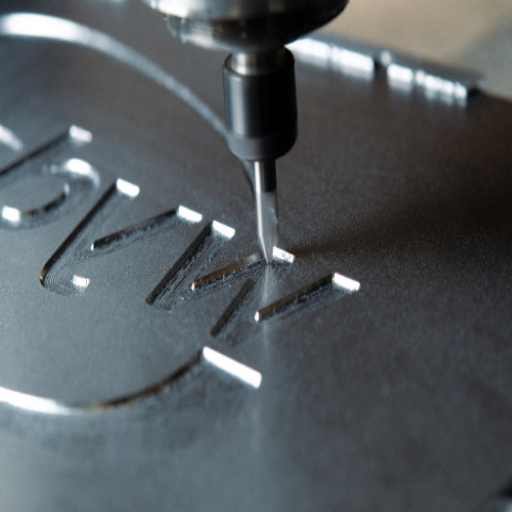
Personalize the item by laser engraving or metal stamping based on the material used, the design’s complexity, and the production volume. Laser engraving is great for intricate designs and demanding detailing, and, for that matter, for almost any material involved, including metal, plastic, or glass. It is preferable for obtaining smaller quantities or custom pieces. Stampings are the way to produce higher volume and ready markings on rigid metals. Stamping is well-placed for large jobs, having a lower price tag, but it is more difficult to elaborate. Accordingly, work out your personal preferences and the budget.
Factors to Consider in Engraving and Stamping
When deliberating between engraving and stamping, a few factors demand evaluation. Below are five considerations that can lead you to the right choice for your project:
- Material Type
Some materials behave better with certain processes. Engraving lends itself to metals, plastics, and glass, whereas stamping is mostly done on metals.
- Design Complexity
Intricate and detailed designs require engraving so they may be more precisely tailored. Stamping is better suited for simpler designs or repeatable patterns in heavy quantities.
- Production Volume
Lower volumes or one-of-a-kind creations will suit engraving far better. On higher volumes, the cost advantage will lean toward stamping.
- Durability Requirements
Stamping creates deeper markings that need to last and resist wear-and-tear. While engraving can usually withstand wear in general, it cannot, in practice, withstand extreme environments.
- Cost Efficiency
Engraving has a wide range of uses, from precision to beauty, and is generally classified as a high-priced process suited to small projects of high value. Conversely, due to its low per-unit cost, stamping is most suitable for major projects.
Advantages of Hand-Stamped Jewelry
- Uniqueness
Each piece of hand-stamped jewelry is unique, given that every piece is stamped individually; no two are alike. This imparts some sentimental or personal value to the jewelry.
- Customizability
Electrostamped jewelry can be customized with names, dates, or icons that hold meaning, making it perfect for marking a special occasion or simply keeping as a keepsake.
- Durability
The deep impression of the stamping process resists fading, and the design stays intact even with normal wear and tear.
- Low Pricing
Hand stamping is cheap compared with other methods like engraving, making it affordable for myriad customers interested in making their own personalized jewelry but on a budget.
- Aesthetic Appeal
The hand-made quality of stamped jewelry affords that rustic artisanal appeal to people who like an organic and authentic design style.
When to Use Laser Engraving
When precision, durability, and intricate design are required, laser engraving is one step higher in preference. This technique ablates the surface material through a high-power laser beam, making the intricately detailed and permanent designs. As industry information suggests, laser engraving is increasingly favored for personal and industrial applications because it arguably offers the most fantastic accuracy and versatility.
- On Precision and Detail
Laser engraving allows for imperceptibly fine details, which are virtually impossible to achieve by other means. It can be used to create any intricate pattern, small text, or detailed logos. For example, state-of-the-art laser engraving machines can work at resolutions of up to 1000 DPI (dots per inch), guaranteeing the sharpness of any design on minute articles like rings or pendants.
- Durability and Longevity
Whatever design the laser produces, it is etched deep into the surface of a material and, therefore, able to withstand the wear of the environment. Studies prove that these marks by laser engraving can last, unfaded, for decades, especially in materials such as stainless steel, titanium, and glass. Thus, laser engraving becomes suitable for heirloom jewelry, commemorative plaques, or label-marking for industrial parts that need to last long.
- On Materials
The laser engraving process works with a broad spectrum of materials, such as metals, wood, acrylic, leather, and stone. This bigger scope allows artisans and firms to respond to other market demands. According to manufacturing experts, the industry for laser-engraved products is expected to grow at a CAGR of 8 to 10 percent during the following five years, led by the demand for personalized and customizable goods.
- On Time Efficiency
Laser engraving takes less time to complete than any other artistic approach, which essentially hinders mass productivity. The best laser engraving machines can process hundreds of items within a single day, making them a good choice from a business standpoint if scaling operations is desired.
- Environmentally Friendly Technology
Since many modern laser engraving machines are designed to conserve energy, they are relatively clean; that is, they produce less waste than chemical etching or mechanical means. Consumers are increasingly demanding sustainable production processes nowadays.
Laser engraving is the perfect match for projects requiring more permanent installation, precision, and a wide choice of materials. It combines the science behind the technology with art to give the best results.
Applications of Engraving and Stamping

Engraving and stamping are used in various industries and constitute a set of techniques for all applications.
- Jewelry and Personalization: Creating intricate designs and custom engravings on rings, necklaces, watches, and other personal items.
- Industrial Labeling: Marking equipment, machinery, and tools with serial numbers, barcodes, or logos for identification and traceability.
- Awards and Trophies: Etching names, titles, and messages onto plaques and trophies to celebrate achievements.
- Promotional Items: Customizing pens, keychains, and other merchandise for branding and marketing purposes.
- Architectural Elements: Crafting decorative patterns on metal, glass, or wood for interior or exterior design.
These are just some examples of how engraving and stamping seamlessly accommodate both artistic and functional needs.
Personalized Jewelry Trends
Given the rising desire for one-of-a-kind accessories, the customized jewelry industry has experienced immense growth over the years. According to market analysis reports, the received valuation of the worldwide personalized jewelry market was 38 million USD in 2022, and an expected compound annual growth rate (CAGR) of 7.8% during 2023-2030 is envisioned. This trend is steered by the growth in consumer interest in items that express an individual’s identity, a special relationship, or a cherished milestone.
For example, it is very typical for personalization to engrave rings, necklaces, and bracelets with names, dates, or meaningful quotes. Birthstone jewelry is also massive, as customers like pieces incorporating the gemstone for their birth months. The demand for ethically sourced and environmentally friendly materials is also shaping the market, as consumers increasingly keep the environment in their purchasing decisions regarding personalized designs.
Further technological enhancements, like 3D printing and laser engraving, have given greater impetus to personalized jewelry, whereby a designer can make very complex and highly detailed work at affordable prices. Social media-based acclaim has stimulated this growth, with influencers and customers posting pictures of their bespoke pieces, inspiring others to seek unique, handmade ornaments that tell their stories. This personalization movement continues to redefine the jewelry industry, bringing together the ancient and the new for an increasingly large set of consumers that find meaning in their forms of style.
Custom Gifts and Keepsakes
Over the past few years, there is a growing trend in personalized gifts, and custom keepsakes are among the most sought-after items, mainly due to a consumer demand for items with significance to them. According to Google Trends and industry insider information, the frequency of searches for terms such as “personalized gifts” and “custom keepsakes” has increased by more than 35% over the past five years. This development mainly occurs during hallmark gifting occasions such as holidays, birthdays, and anniversaries, when more commonly, unique ways of expressing feelings are sought.
Technology developments have improved product customization. Engraved jewelry, monogrammed apparel, custom photo albums, and personalized homewares are some of the most common products encountered. Moreover, a greater emphasis on sustainability has furthered innovation in eco-friendly custom gifts, like reusable items and keepsakes made from recycled materials, all of which reflect buyers’ values.
This momentum has also been fostered by digital platforms such as Etsy, Shopify, and Amazon Handmade, which ease artisans’ and businesses’ presentation of their wares to a global customer base. Valued at approximately $25 billion in 2022, the worldwide personalized gift market is projected to grow at a CAGR of just under 9% from 2022 to 2030. The ascent of tailored gifts speaks to the importance that humanity has come to place on individuality and personal connection.
Industrial Uses of Metal Stamping and Engraving
Metal stamping and engraving are automatic processes critical in various industrial sectors due to their accuracy and versatility. In more detail, these are considered all-purpose methods that find applications in automotive, aerospace, electronics, and medical devices. Metal stamping is a process that includes pressing, cutting, or bending flat sheets of metal to conform to a desired shape. It is a fundamental step in the mass production of components that require the highest precision and speed. This contrasts with engraving, which adds functionality and aesthetic appeal through etching patterns, designs, or text on the metal surface.
Metal stamping is used in the automotive industry to manufacture body panels, brackets, and engine components. According to recent market figures, the metal stamping market was valued at about $213.2 billion in 2022, and from 2023 to 2030, it is expected to grow at a CAGR of 4.9%, mainly due to the demand for lightweight and durable components in modern vehicles. Likewise, the electronics sector also uses metal stamping and engraving to manufacture exact metal parts such as connectors, switches, and heat sinks.
Engraving finds its applications in the aerospace industry for serialization, traceability, and imbursement of crucial data onto aircraft components. The medical devices industry also utilizes engraving to mark surgical instruments and devices with unique identifiers that allow them to comply with regulatory standards.
With the rise in laser technology and precision equipment, the whole field of metal stamping and engraving has evolved to be far more efficient and environmentally friendly. These processes can handle the complexity of designs with tighter tolerances and in a wider range of materials, turning them into a pillar of contemporary industrial manufacturing.
Conclusion: Making the Right Choice
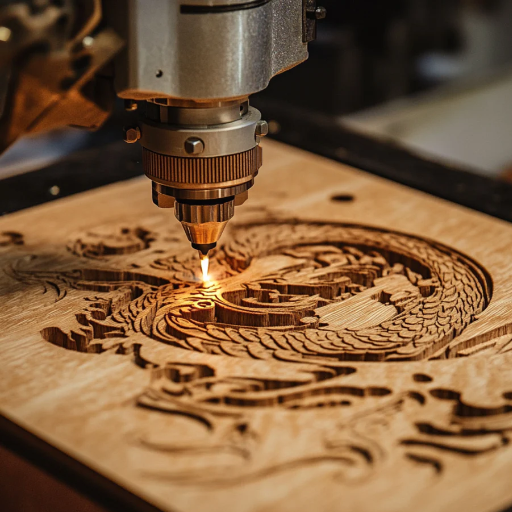
Depending on the case requirements, which include design complexity, type of material, and volume of production, the right metal stamping and engraving solution will need to be selected. Priority must be given to service providers with the most advanced technology, a great track record in the business, precision, and a dedication to quality. By selecting the right service, you guarantee your customers timely results, fulfillment of industry standards, and efficient manufacturing.
Recap of Engraving and Stamping Options
The engraving and stamping processes are versatile in manufacturing, each suitable for certain applications depending on the desired result. Engraving is the process through which designs, texts, or patterns are cut into a surface, providing maximum benefits in high precision and durability; hence, it is used for intricate designs and branding. Laser engraving is the most popular modern technique, known for its accuracy and speed, and can be performed on metals, wood, glass, and plastics among other materials. Several studies suggest that a ±0.002-inch tolerance for laser engraving ensures high detail and uniformity.
The stamping process is a cheaper option for mass production. It takes dies and presses metal sheets to quickly and efficiently form or imprint them, which suits the automotive and electronics industries. Metal stamping methods such as deep drawing and progressive die stamping find more applications while generating complex components at scale. Market data suggests that the global metal stamping industry value was pegged at $189 billion in 2022, with projections taking it higher because of an increased demand for lightweight and precision-engineered parts.
Thanks to technology, both have advanced greatly, and they provide customizable and reliable solutions for different industrial fraternity needs. Hence, the design requirements, production scale, material properties, and cost considerations should be taken into account while deciding which service to select.
Final Thoughts on Personalization
Personalization continuously emerges as a decisive factor in the success of any industry, powered by technology and analytics advancements. New-age research holds that 71% of the consumers now expect their interactions with businesses to be personalized, while 76% are annoyed to the lack of it. Offering products, services, or experiences tailored to the customer’s preferences fosters satisfaction, loyalty, and retention. Companies that have harnessed AI and machine learning have helped significantly streamline and improve the accuracy of tailored solutions.
Typically, a direct correlation to increases in sales has been observed in the e-commerce field following personalized recommendations; it is said that revenue increases between 20% and 30% for companies executing very advanced personalization strategies. Similarly, the manufacturing world utilizes custom-built designs and precision engineering on the back of data-driven production models. The trends reveal that going down the path of personalization is no longer a matter of choice if a company wishes to remain competitive and relevant in this fast-moving global market.
Reference Sources
- Papers focusing on process optimization and defect detection: Several papers detail advancements in metal stamping, including the use of digital twin modeling to account for mold wear and improve process accuracy ((Gan et al., 2022)), and the application of deep learning for automated defect detection (HDR image-based approach for split defects, 【unspecified†source】). These studies highlight the focus on high-volume production and precise dimensional control in metal stamping.
- Papers focusing on surface topography and quality: Research on surface topography during laser engraving of stainless steel ((Nikolidakis, 2023)) highlights the importance of controlling laser parameters to achieve desired surface roughness and quality. This is directly relevant to the precision aspect of engraving.
- Top Metal Stamping Parts Manufacturer And Supplier In China
Frequently Asked Questions (FAQs)
What are the main differences between stamping vs. engraving?
Stamping is the process of pressing a shape into a piece of metal, while engraving involves removing material from the surface of the metal to create designs. Stamping generally offers faster production times and is often used for larger quantities of identical pieces, making it ideal for manufacturing metal products. On the other hand, engraving provides a level of detail and precision that stamping cannot achieve, making it suitable for decorative items or intricate designs. The choice between these techniques depends on the desired outcome, such as the depth of the engraving or the complexity of the design.
How does the engraving process work compared to engraving?
The engraving process utilizes tools or lasers to remove material from the surface of the metal, creating precise and intricate designs. There are various engraving methods, including mechanical and laser engraving, each offering different levels of detail and speed. Compared to stamping, which involves pressing designs onto metal, engraving is often slower and more labor-intensive, resulting in a high-quality finish. Engraving is commonly used for personalization and detailed artwork, while stamping is typically preferred for simpler designs and mass production.
What type of metal is best for stamping vs. engraving?
The type of metal used can significantly affect the outcome of both stamping and engraving. For stamping, softer metals such as aluminum or thin metal sheets are often preferred, as they are easier to shape and press. In contrast, engraving can be performed on a wide range of materials, including harder metals like stainless steel, which can withstand engraving without damage. The choice of metal ultimately depends on the specific project requirements and techniques to achieve the desired results.
How does the precision of engraving compare to stamping?
The precision of engraving is generally higher than that of stamping, as engraving involves detailed removal of material to create designs. This allows for intricate artwork and personalized touches that stamping may not provide. Engraving can achieve fine details, including depth of the engraving, making it ideal for custom jewelry or intricate decorative items. Conversely, stamping is limited in detail but excels in producing uniform shapes quickly and efficiently. When making an informed decision, it’s essential to consider the level of detail required for your project.


