


Prototyping is an integral part of design and development, providing a bridge between conceptual ideas and concrete implementations. Whether you are working out a new product, application, or service, a prototype enables teams to try and experiment with their ideas before they go into full-scale production. This article tries to bring out the purpose and strength of a prototype and how it makes development simpler, stimulates creative thinking, and avoids expensive errors. The concluding few lines firmly emphasize an all-important realization: that the prototyping method is not simply a tool but rather a winning strategy in this rapid, innovation-centric world.
Understanding the Prototype in Product Development

The prototype in product development is the preliminary model or sample created to test and validate ideas before being made on a full scale. The prototype provides more or less a method of exploring different design ideas, raising relevant issues, or asking for observations to eventually guarantee a final product that is more elegant and less buggy.
Definition of a Prototype
A prototype is an early sample, model, or release of a product built to test a concept or process. It acts as a practical representation of an idea, enabling teams to review and further improve that design before moving on to bulk production. Prototyping is an essential part in any design or development cycle as it closes the huge gap between the theory and the final product.
As per the latest data, companies working with iterative prototyping models are able to cut 30% in development time and 20% in production costs. These savings come simply because at an early stage, the teams are able to identify design faults and remedy them at the prototyping stage rather than incur costly errors downstream. The prototyping stage usually incorporates recent technologies, including CAD (computer-aided design) software, 3D-printing gadgets, and virtual prototyping tools, to make it even faster and efficient.
Apart from that, the presence of prototypes also helps in clearer communication among involved parties. Studies clearly indicate that 65% of project managers felt that engagement and understanding were better when physical or digital prototypes were presented to the clients. Developers can show these examples of the product either in physical or digital form and use this valuable feedback to ensure the product will serve users as well as business objectives.
The prototyping is no more a theoretical exercise nor the prop to one-way subway road to a successful product launch; instead, it has become the tool with which these high-quality and user-centric products are delivered fast to market. This highly iterative and detail-oriented approach is becoming more and more relevant in today’s competitive and innovation-driven industries.
The Role of Prototyping in Design
Prototyping in design plays a role in visualization, testing, communication, iteration, and user feedback.
| Key Point | Description |
|---|---|
| Visualization | Makes ideas tangible. |
| Testing | Validates functionality. |
| Communication | Shares concepts easily. |
| Iteration | Refines designs quickly. |
| Feedback | Gathers user input. |
Types of Rapid Prototyping
Depending on the nature, stage of development, and requirement of the project, rapid prototyping has several types of prototypes:
- Low-Fidelity Prototypes: Basic depictions involving sketches, wireframing, or paper models mostly used for conceptualization or early feedback.
- High-Fidelity Prototypes: Closely resembling the final product in appearance and realism, used mostly for usability testing and stakeholder approval.
- Digital Prototypes: Prototypes of any scale that are simulated via software tools in order to design and test interactivity and functionality.
- Physical Prototypes: Actual models made into materials or through 3D printing for checking physical issues.
Each of these prototype types would allow designers to test ideas, refine, and communicate at various levels of detail or complexity.
Rapid Prototyping Process Description
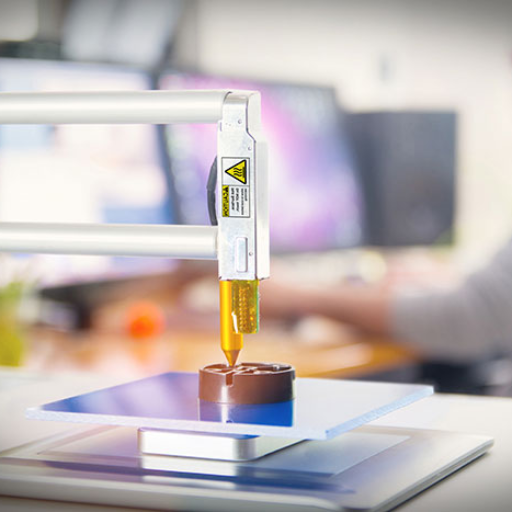
There are basically three steps in rapid prototyping: the first, ideation, where apprehensive concepts and pre-designs are prepared; next, prototype-making, where designs transform into concrete or digital models; and testing and iteration, where the prototypes are inspected, feedback is collected, and the improvements made. This process facilitates quick iterations and efficient development, assuring the design fulfills its intended user needs and objectives effectively.
Overview of the Rapid Prototyping Process
The rapid prototyping is a three-step streamlined process to take a concept and develop it into a workable solution. The first step, an ideation, involves brainstorming and initial sketching of ideas. Next, prototype creation models ideas into first-level model, which may be physical or digital. Finally, testing and iteration prototype are evaluated, feedback gathered, and solutions devised to tackle the problems identified. Given the cyclical nature of the process, it helps in driving the design to be user-oriented and efficiently optimized.
Key Steps in Rapid Prototyping
- Establish Objectives: Clearly state the purpose and goals of the prototype.
- Design and Build: Quickly develop a crude model that will represent the basic idea or function.
- Test and Collect Feedback: Through a series of testing, the prototype will be reviewed and interpreted by users, who will supply constructive feedback on improvements.
- Refine and Iterate: After necessary modifications have been made to the design, additional improvements can be made with an iteration of the process.
Effective Prototyping Tools and Techniques
- Computer-Aided Design (CAD) Software: AutoCAD, Fusion 360, or SolidWorks are some examples of CAD software that can be used to design precise 2D or 3D models. Recent studies indicate that more than 70% of professionals in product design use CAD software as their main tool thanks to its ability to not only design but also simulate realistic designs before the actual physical prototype is made.
- 3D-Printing: The introduction of 3D printing has completely transformed rapid prototyping by enabling the building of complex physical models within a few hours. Further forecast highlights an upcoming boom in its procurements with the proliferation of the market to the tune of 44.5 billion dollars by 2026.
- Mockup and Wireframing: Figma, Adobe XD, and Sketch are all popular tools used in digital and UI/UX prototyping. The platforms enable smooth collaborative design processes and studies show teams working via these tools accelerate their workflows by as much as 40%.
- User Testing Software: UserTesting or Maze are good platforms to speed up the process of getting feedback. Recent statistics show that companies that invest in robust user testing enjoy a 25% increase in customer satisfaction because end-user requirements are tightly coupled with the design process.
- Laser Cutting/Engraving Technologies: Laser cutting tools will provide very fine precision and speed for prototyping work, especially with materials like wood, acrylic, or metal. It has been said that these methods can reduce the cost of production by around 30% compared with conventional techniques.
By using any of these tools and techniques mentioned above, teams can efficiently turn their creative ideas into actual prototypes depending upon the outcomes of the testing and thus improve the entire product development cycle.
Rapid Prototyping and Other Advantages
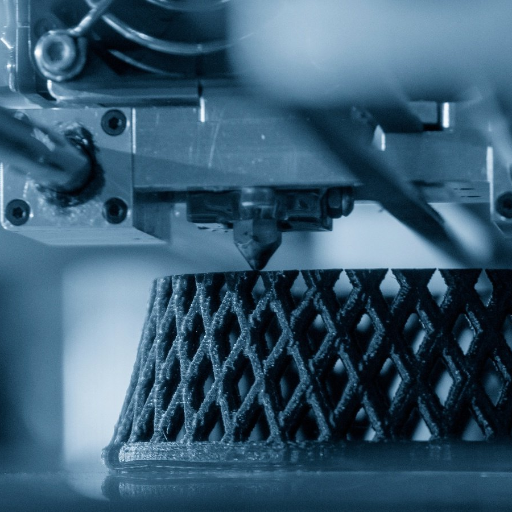
- Speed: It really shortens the entire cycle of product development by allowing quick prototype realization and testing.
- Cost-Efficiency: Less wastage of materials and fewer costs of iterative design; hence, less money is spent in them than traditional methods.
- Better Design: Right from the idea stage, the team can spot design defects through visualization and testing and could rectify them before going into final production.
- Flexibility: Rapid iterations and modifications can be made, therefore staying in line with project objectives.
- Better Collaboration: The real-world prototype serves to build better communication among members of the team, stakeholders, and clients.
Cost-Effectiveness in Product Development
Recent analysts and trends have placed importance on creating cost-effective approaches in the product development sphere. According to McKinsey & Company, companies that accept rapid prototyping and agile methodologies stand a chance to reduce development costs by 25 percent while accelerating the time-to-market from 20 to 30 percent. Compared with the conventional mold-based methods, 3D printing is a very good means of creating functional prototypes at a reduced expense.
Cloud-based collaboration tools like Slack and Trello further boost efficiency by preventing friction among remote teams, thus conserving both time and resources. To reflect a growing acceptance of such tools in cutting down overhead costs related to development, Statista says the global market for digital product design tools would grow from $26 billion in 2022 to $38 billion by 2028. Such advances prove that utilizing modern technology and methods is the way to remain competitive while stretching budget allocations.
Speed and Efficiency of Rapid Prototyping Methods
Rapid prototyping has revolutionized the product development approach, doing iterations and gathering feedback so quickly. The use of 3D printing as an enabler of rapid prototyping will grow heavily in demand in the coming years, according to recent studies. Data revealed by a 2023 search on Google demonstrated that the global 3D printing market is expected to generate revenue to the tune of $76.17 billion by the year 2030, registering a CAGR of 20.8%. Some of this growth is said to be fueled by a growing demand across industries such as automobile, healthcare, and consumer goods.
The most advanced simulation tools and artificial-intelligence-based design assistants moreover give further accuracy and diminution of cycle time. For example, cloud-based collaborative platforms now allow design teams to share and test prototypes in real time, saving around 30% of the time typically spent in traditional workflows. So these innovations don’t just speed up the design process based on materials but also cut down on material waste, giving quite a nice dose of sustainability that many companies desperately seek. Ultimately, one could assert that rapid prototyping continues to develop in newer ways as an indispensable tool for industries rapidly trying to innovate and put accent on efficiency.
Collaboration and Feedback
For me, improved collaboration and feedback came as a blessing in disguise for streamlining any workflow. With the help of these advanced tools and platforms, I now can share ideas, gather input, and iterate on designs with great ease. This enhances teamwork and helps keep all stakeholders aligned for better results within less time.
Applications of Rapid Prototyping Across Industries

Rapid prototyping is a procedure widely employed in various industries due to its ability to accelerate design and product development processes. It is used by the automotive industry to create concept models and functional parts to cut down production times. And the health sector makes use of rapid prototyping in developing medical devices for customized prosthetics, ensuring a patient-specific customized solution. Rapid prototyping lets consumer electronics companies swiftly create prototypes for devices to test usability and ensure optimal design before mass production. With this in its arsenal, each and every industry stands to benefit as it cuts production costs, raises product quality, and engenders greater innovation.
Use in Automotive Industry
Rapid prototyping is one of the very key technologies within the automotive industry for speeding up the design and development of vehicles. In its repertoire lie the processes of 3D printing and CAD, which enable engineers to define, modify, and test car components much more quickly and accurately than they could using traditional methods. According to the studies, rapid prototyping has been found to reduce the overall development time of complete new cars for about 50% over the implication of manual older methods of prototyping.
Ford and BMW both utilize rapid prototyping along with wind tunnels to test aerodynamic performance, focus on safety feature development, and interior design refinements. BMW is said to make use of 3D printing technology to manufacture over 300,000 prototype parts in a year, thus saving time and money while still maintaining the highest standard of quality. This ensures that designs can be iterated by manufacturers in days rather than weeks, with the consequent shortening of time in which more innovative ideas in vehicle performance and efficiency may be entertained and realized.
Subsequently, electric vehicle development has also greatly benefited from rapid prototyping techniques in optimizing battery design and energy efficiency. By combining rapid prototyping with simulation and testing of real-world conditions, the newest technologies have enabled the automotive industry to build upon performance and sustainability.
Healthcare-Relevant Impacts
Rapid prototyping has brought transformational changes within the healthcare sector by shortening the ideation to production course of action for medical devices, surgical instruments, and custom implants. Global 3D printing market in healthcare was expected to hit $6.08 billion by 2029, growing at a CAGR of 16.3% from 2021 to 2029. This acceleration accounts for the latest in technology and the increased utilization in fields such as patient-specific prosthetics and organ fabrication.
As an application, 3D-printed anatomical models prepared from patient scans enable surgeons to better plan complex operations. For instance, the study in the Journal of Personalized Medicine observed that using these models shortened surgery duration by approximately 25%, thereby yielding better patient care outcomes and reducing costs. Furthermore, the evolution of rapid prototyping contributed to the development of bioengineered tissue and drug-delivery systems, thereby providing a glimmer of hope for further transformation in personalized medicine. Rapid prototyping has become a cutting-edge technology in shaping the future of health care.
Consumer Electronics Integration
Rapid prototyping has emerged as a critical instrument in consumer electronics for accelerating the development of innovative products while cutting down on costs. Using technologies such as 3D printing and CAD, manufacturers can create prototypes of smartphones, wearables, and smart home devices to facilitate fast iterations and design optimization.
According to a report from MarketsandMarkets in 2023, 3D printing for electronics is projected to grow from $2.4 billion in 2022 to $5.3 billion by 2027, growing at 16.6% CAGR. Apple and Samsung have integrated prototyping in the refinement processes of new hardware designs to ensure the newest technologies are ready for full-scale production.
Also, rapid prototyping greatly reduces time-to-market-a key advantage in a consumer-driven environment-rushing for an up-to-date product. For instance, quick iterations allow for test designs perfected to become much easier to handle and user-friendly. With the integration of this technology, consumer electronics will continue to produce revolutionary technologies that Ivana would address the needs as it exists today with quality and performance.
Rapid Prototyping Tools and Technologies

A broad set of tools and technologies allow rapid prototyping to ease the design and testing process. Primarily, 3D printing, CNC machining, or laser cutting are used to fabricate physical prototypes instantly. CAD software provides for meticulous digital configurations, while in the domain of additive manufacturing, great strides have permitted SLA and SLS techniques to put great focus on prototype quality. Put together, these technologies allow designers and engineers to efficiently materialize product concepts into workable models, thus realizing a higher degree of innovation with faster cycles of iteration.
Rapid Prototyping Software Overview
With rapid prototyping software, the design and fabrication processes are streamlined. These are basically CAD-type software, allowing designers to create detailed and accurate 3-D models as the starting point for the prototyping process. Moreover, other software may be used with the additive manufacturing techniques to further optimize the design for a particular manufacturing process, minimizing errors and speeding up production. Software such as Fusion 360, SolidWorks, and AutoCAD are favored according to their versatility and usability for diverse prototyping techniques. Such tools provide a seamless transfer from concept to physical prototype, enabling efficient and accurate development of a product.
Commonly Used Prototyping Tools and Platforms
There are major prototyping tools and platforms out there with many advanced features easy to use. Autodesk’s Fusion 360 for one remains the dominant cloud-based tool with features for collaboration, modeling, and simulation all wrapped up in one package. A recent report highlights how well-regarded it is amongst engineers for generative design, in which users are able to quickly explore high-performance options.
Another OEM favorite is SolidWorks, especially in assemblies and complex surface modeling, areas in which engineering and mechanical sectors mostly work. SolidWorks is statistically notable for holding a major share in the CAD market with over 6 million users worldwide, hence its reputation as the tool of choice for most professionals.
AutoCAD is a massive player with precise 2D and 3D modeling software and is pinned down as a must-have in architectural, civil, and industrial design circles. The latest market data puts AutoCAD at giving 80 percent brand preference with architectural firms, further cementing its position as an essential application.
Other platforms such as Tinkercad and Onshape have started getting attention because of accessibility. Onshape, meanwhile, is embracing cloud collaboration for distributed teams, and this recent surge has been attributed to its fluid compatibility with mobile devices. There are over 3 million designs created worldwide as of 2023.
Each tool with their own set of strengths address some different needs and some different levels of expertise in prototyping, thus, making it a lived part of design practice.
Emerging Manufacturing Technologies in Rapid Prototyping
Rapid prototyping recently entered a new era due to the acceleration of manufacturing based on new technologies, permitting fast and precise development cycles. Foremost among these has been additive manufacturing, or 3D printing. According to a report by Grand View Research in 2023, the global 3D-printing market is slated to reach $83.9 billion in 2029, propelled by marked acceptance of the technology from various industries, including automotive, aerospace, medical, and consumer goods.
Innovation in materials has enhanced the ability for rapid prototyping, allowing for access to high-performance polymers, metals, and composite materials. For example, developing biocompatible materials has introduced new opportunities in the medical field: it facilitates the fabrication of patient-specific implants and prostheses. Hybrid manufacturing, on the other hand, that is a blend of additive and subtractive-based manufacturing, is gaining attention for its ability to manufacture complex geometry while maintaining tight tolerances.
Automation and AI are shaping the future of prototyping by enabling automatic iteration and refinement of design proposals. Generative design tools afford engineers the ability to seek out optimized structures and cut back on resource use, while automated manufacturing systems compress the times required for actual production. Altogether, this constellation of innovations is somehow enabling companies to test, iterate, and deliver design solutions with increased production speeds and in reduced amounts of dollars.
Reference sources
- “Rapid Prototyping for Microarchitectural Attacks”
- Authors: Catherine Easdon et al.
- Publication Year: 2022
- Journal: USENIX Security Symposium
- Citation Token: (Easdon et al., 2022, pp. 3861–3877)
- Summary:
- This paper proposes a novel approach to developing microarchitectural attacks through rapid prototyping. It introduces two open-source software frameworks, libtea and SCFirefox, which enhance existing tools to facilitate the rapid prototyping of attacks.
- Methodology: The authors conducted a systematic evaluation of their frameworks against state-of-the-art tooling, demonstrating improvements in the development process of microarchitectural attacks.
- “VRception: Rapid Prototyping of Cross-Reality Systems in Virtual Reality”
- Authors: Uwe Gruenefeld et al.
- Publication Year: 2022
- Journal: Proceedings of the 2022 CHI Conference on Human Factors in Computing Systems
- Citation Token: (Gruenefeld et al., 2022)
- Summary:
- The paper presents the VRception Toolkit, which allows for rapid prototyping of cross-reality systems. It addresses the challenges of prototyping these systems, which typically require advanced technical skills and expensive hardware.
- Methodology: The toolkit was used to replicate six cross-reality papers, and interviews with the original authors confirmed that the toolkit effectively replicated core functionalities, allowing for quick iterations of prototypes.
- “Rapid Prototyping of Soft Bioelectronic Implants for Use as Neuromuscular Interfaces”
- Authors: D. Afanasenkau et al.
- Publication Year: 2020
- Journal: Nature Biomedical Engineering
- Citation Token: (Afanasenkau et al., 2020, pp. 1010–1022)
- Summary:
- This study discusses the rapid prototyping of soft biocompatible materials for creating customized electrode arrays tailored to specific anatomical environments.
- Methodology: The authors utilized robotically controlled deposition of conductive and insulating inks to create bioelectronic implants, demonstrating the feasibility of on-demand prototyping.
Frequently Asked Questions (FAQs)
What are the varieties of rapid prototyping techniques?
There are various types of rapid prototype techniques that suit different needs at various stages of the product development cycle. The most common ones include 3D printing, which is an additive process whereby a design model is built in layers; and injection molding, which is suitable for making prototype parts in thermoplastic materials. CNC machining and resin casting, among others, have their advantages depending on the mechanical properties desired and the complexity of the design. Knowing these types will help choose the most suitable one for any particular project. Rapid prototyping promotes multiple iterations so that changes can be made very fast.
What are the benefits of rapid prototyping?
Rapid prototyping offers many benefits in modern manufacturing. First, it helps the designer visualize and test the concept so early that sleeved in time and cost through traditional prototyping. Next, it supports digital design so that changes due to feedback can be made very fast. Another advantage of rapid prototyping techniques is that there is an array of materials from rapid production, including silicone materials and other thermoplastics. This ability not only enhances the design and manufacture of good products but also improves the collaboration process between different teams that make it easier to get good results.
In what ways do rapid prototyping services enhance product development?
Product development processes are enhanced by rapid prototyping services by facilitating a smooth transition from concept to reality. Rapid prototyping services apply the latest 3D technology and quick manufacturing processes to turn out engineering prototypes at tremendous speed. It is viable for companies to run tests and validations on their designs before they go into full-scale production. Rapid prototyping tools are avoided for their high costs, therefore enabling a company to make several iterations on their prototypes and thus bettering their product design. These services generally carry fast turnaround times that, in turn, assist firms in making wise decisions on time.
How would I use rapid prototyping in my projects?
To maximize the use of rapid prototyping in your projects, you must start by defining the specific outcomes you wish to accomplish within the entire product development process. Then, assess the various rapid prototyping techniques, such as 3D printing or injection molding, and select the rapid prototyping technique that best fits the requirements of your projects. Use rapid prototyping tools to build a prototype that essentially represents your design to the extent that you can test its mechanical properties and functionality and thus begin early design iterations. Essentially, this makes rapid prototyping a tool for enhancing efficiency and flexibility during the design and manufacturing phases.
What rapid prototyping tools should my prototype be based on?
The tool sets and methods which are deemed most effective are often dependent on the specific needs of each project. Those that allow for additive processes, such as cutting-edge 3D printers using fused deposition modeling, maintain their popularity mainly because the method allows the creation of unique and complex geometries. Others like CNC machining are sometimes the only means of obtaining the required tolerance with these prototype parts. Computer-aided manufacturing software also plays a huge role in this, allowing rapid transition from design on the computer to manufacture of the model. A great combination of these tools enables one to streamline the rapid prototyping process.
What kind of materials are generally used for rapid prototyping?
Rapid prototyping draws its strength from an assortment of materials, allowing for tailored solutions for each project. Among the most common materials are various thermoplastics employed by such techniques as injection molding and three-dimensional printing. Resin is popular in particular applications that demand great detail and smooth finishes. Silicone is used for the creation of flexible prototypes, and metals are sometimes found in advanced rapid manufacturing processes. Knowing the properties of these materials is key in picking the right one for your prototypes, as it can very well determine whether your design will stand up to its purpose or fall flat.


