Medical device manufacturing is one crucial industry that brings together innovation, precision, and high standards to design goods meant to save lives and improve healthcare. It is a trickier set of design, manufacturing, and testing processes for devices that include diagnostic instruments and equipment to keep people alive, with a major focus from regulatory bodies at every step. This article intends to describe the crucial processes involved in medical device manufacturing and the importance of global standards in ensuring safety and efficacy. Whether you consider yourself a medical device manufacturing professional, a healthcare provider, or even someone interested in this very dynamic field, this elucidation will shine some light on how complex and important it is to manufacture trustworthy medical devices.
Overview of Medical Device Manufacturing
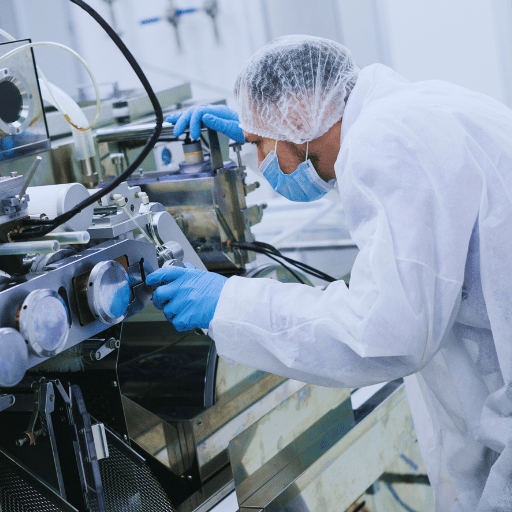
Medical devices are manufactured through a whole chain of vital stages while taking into account safety, quality, and regulatory issues. The following are:
- Design and Development: The process begins with complete design coinciding with clinical requirements and user needs. Prototypes are generated and tested, refining the design with regard to actual functionality and ease of use.
- Material Selection: Selection of materials should be made cautiously with respect to biocompatibility, durability, and government regulations.
- Production and Assembly: Manufacturing and assembly of components are carried out very precisely using state-of-the-art automated and precision engineering manufacturing techniques.
- Testing and Validation: Test the product extensively to prove that it meets performance, reliability, and safety standards.
- The stage of regulatory approval is to assert the safety and efficacy of the device through obtaining approvals from the relevant regulatory bodies, such as the FDA or the European Medicines Agency, before distribution.
- Quality Assurance: Quality assurance schemes run parallel to the manufacturing stages, very vigorously monitoring the processes to uphold superior quality criteria.
All these stages ensure that medical devices are safe and effective and furnish critical health solutions.
Definition and Importance of Medical Device Manufacturing
Medical device manufacturing involves designing, developing, and producing instruments, implants, apparatuses, or other equipment intended for medical purposes, including diagnosis, treatment, or management of diseases and injuries. It is a regulated industry that has to comply with safety, quality, and ethical standards because they play an extremely important role in improving the outcomes of patients while supporting healthcare providers.
Types of Medical Devices and Their Applications
|
Type |
Purpose |
Examples |
Risk Class |
|---|---|---|---|
|
Diagnostic |
Assess health |
X-ray, MRI, ECG |
Class I-III |
|
Treatment |
Therapy |
Ventilators, Lasers |
Class II-III |
|
Monitoring |
Track vitals |
BP monitors, ECG |
Class I-II |
|
Assistive |
Aid mobility |
Wheelchairs, Crutches |
Class I |
|
Imaging |
Visualize |
CT, Ultrasound |
Class II-III |
|
Laboratory |
Analyze |
Microscopes, Centrifuges |
Class I-II |
|
Surgical |
Surgery tools |
Scalpels, Forceps |
Class I-II |
|
Rehabilitation |
Recovery aid |
Walkers, Traction |
Class I |
|
PPE |
Protection |
Masks, Gloves |
Class I |
Role of ISO 13485 in Quality Assurance
ISO 13485, being a quality management system international standard, specifies requirements particular to medical devices for design, production, installation, and servicing. The primary objective of quality assurance is to ensure that organizations meet regulatory and customer requirements on medical device safety and performance consistently. The standard defines the need to have risk management processes, documentation controls, and traceability systems in order to make products more reliable and compliant. By adopting ISO 13485, manufacturers show their commitment to the maintenance of high-quality standards while fulfilling international regulatory requirements and thus earning goodwill in the health domain.
Manufacturing Processes in Medical Device Production

Traditional Manufacturing Methods vs. Laser Cutting
|
Parameter |
Laser Cutting |
Traditional Methods |
|---|---|---|
|
Speed |
Fast |
Slow |
|
Precision |
High |
Moderate |
|
Versatility |
Wide materials |
Limited materials |
|
Cost |
High upfront |
Low upfront |
|
Thickness |
Thin-medium |
Thick |
|
Waste |
Minimal |
More |
|
Maintenance |
Low |
Moderate |
|
Setup |
Complex |
Simple |
|
Applications |
Intricate |
Basic |
|
Energy Use |
High |
Low |
Benefits of Laser Cutting in Medical Device Manufacturing
- High Precision: Laser cutting creates highly precise and intricate components for medical devices that guarantee the primary function and performance.
- Versatility: This technique can be operated on most material types, covering metals, plastics, ceramics, etc., suitable in the fabrication of medical devices.
- Minimum Wastage: Material waste is minimized since cutting is done in a very focused manner by lasers; this makes a company more profitable and sustains itself.
- Non-contact operation: Laser cutting involves little chance of contamination, which might be of high concern in medical devices.
- Greatly reduced kerf widths: Such precision is required in laser cutting to make fine features and intricate designs for the complex medical components.
- Compatible with automation: Laser cutting plays well with automation to ensure production of high volumes with uniform quality.
- Reduced Post-Processing: Clean edges that come forth from laser cutting lessen the finishing operations, save time, and conserve resources.
- Customizable: Highly versatile laser cutting can be used for rapid prototyping of medical devices and customization to cater to particular requisites.
- High speed: Laser cutting is a faster cut compared with traditional cutting, hence reducing the lead times.
- Cleaner: It does not produce much debris or residues due to laser precision and focused heat application, thus fostering clean production environments.
This list of advantages positions laser cutting as a preferred manufacturing process, ensuring the rapid production of quality, reliable, and complex medical devices.
Key Applications of Laser Cutting in Medical Devices
- Stent Manufacturing: Laser cutting, which comprises precise shaping to add intricate detailing to a stent design, guarantees the utmost accuracy and biocompatibility.
- Catheters: The technology is used to fabricate catheters with precise dimensions and controlled tolerances for their functionality.
- Surgical Instruments: Surgical instruments with sharp edges and greater durability must be produced to medical standards through laser cutting.
- Implantable Devices: The components of implantable devices, such as for pacemaker devices and orthopedic implants, are created with such precision as to meet stringent specifications.
- Diagnostic Equipment Components: Laser cutting is used for the manufacture of precision components that form integral parts of diagnostic instruments and equipment.
- Drug Delivery Systems: Advanced systems for controlled drug delivery require intricate microstructures that can be made through laser cutting techniques.
- Prosthetics: Laser cutting assures lightweight structures and durable materials for prosthetic parts, which aid in better patient comfort and mobility.
Materials Used in Medical Device Manufacturing
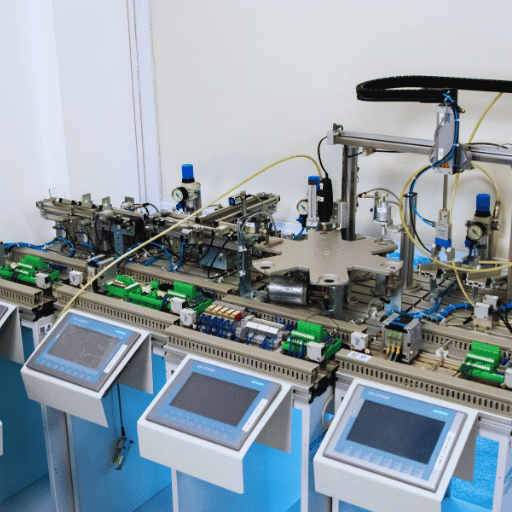
Common Materials for Medical Devices
Common materials for use in medical devices are metals (stainless steel, titanium), polymers (PEEK, PVC), ceramics, composites, and advanced materials that include hydrogels and bioactive glasses.
|
Category |
Examples |
Key Properties |
Applications |
|---|---|---|---|
|
Metals |
Titanium, Steel |
Strength, Biocomp. |
Implants, Instruments |
|
Polymers |
PEEK, PVC |
Flexibility, Chem. Res. |
Tubing, Devices |
|
Ceramics |
Alumina, Zirconia |
Hardness, Bioactive |
Orthopedics, Dental |
|
Composites |
Polymer-Metal |
Hybrid Strength |
Tissue Mimicry |
|
Advanced |
Hydrogels, Glasses |
Bioactivity |
Drug Delivery |
Choosing the Right Material for Specific Applications
1. Mechanical Properties
Ensure the material possesses the requisite strength, flexibility, hardness, or toughness for the application’s structural or load-bearing requirements.
2. Biocompatibility
Materials must be non-toxic and non-immunogenic; they must also be environment-friendly concerning prolonged exposure to biological tissues, particularly implants, and devices.
3. Chemical Resistance
Consider the stability of the material when exposed to a corrosive environment, such as moisture, chemicals, or body fluids.
4. Durability
Select materials known for long wear resistance and fatigue resistance, especially when longevity is of importance, e.g., for orthopedic implants.
5. Thermal Stability
Consider the capability of the material to withstand temperature changes during production, sterilization, or in a harsh environment.
6. Manufacturability
Exploit the properties of the material to be readily shaped and structured by conventional processing techniques, e.g., by molding, machining, or additive manufacturing.
7. Cost Efficiency
Cost considerations: Select materials that best balance performance and cost for sustainable production.
8. Bioactivity or Functional Properties
For drug-delivery-based applications or bone regeneration, bioactive or functional properties in a material may be necessary to elicit the desired biological response.
9. Aesthetic or Surface Properties
In cases of dental or external devices, aesthetics and smoothness can be of particular importance so that the end-user accepts and thus functions with the device.
10. Regulatory Compliance
Industry standards and regulations need to be met, such as FDA or ISO requirements, which often steer material choice for medical applications.
Impact of Material Selection on Device Performance
The choice of material determines how well a device fulfills the criteria of functionality, durability, and safety. The biocompatibility of a particular device, which ensures that it serves without eliciting any adverse reaction from the body, depends on the kind of material used. On the other hand, wear-and-tear related properties, i.e., strength and flexibility, determine the device’s reliability during use. Poor choice of materials weakens the devices or hastens their degradation, thus compromising patient safety and costing more for replacement. Choosing materials that are consistent with performance criteria and regulatory requirements allows manufacturers to improve both the effectiveness and the life expectancy of a medical device.
Future Trends in Medical Device Manufacturing
Advancements in Laser Cutting Technology
Laser-cutting technology has experienced myriad improvements, especially within the area of medical device manufacturing. Today, lasers can manufacture with micron-level precision, wherein one must incorporate intricate designs and features on small parts such as stents, catheters, and surgical instruments. Considering ultrafast femtosecond lasers in the process has enhanced the cutting accuracy, wherein the least amount of thermal damage is dissipated; this is vital for maintaining the structure and biocompatibility of medical devices.
Emerging Trends in Medical Equipment Manufacturing
Manufacturing medical equipment nowadays is increasing in efficiency and efficacy due to automation and robotics. Thus, these advanced robotic systems take precision assembly, quality control, and material handling in their stride, with little tolerance for human error, and deliver consistent results. These systems enable production to be scaled up without compromising the high-quality precision outputs required for regulatory compliance, whereas collaborative robots or cobots, on the other hand, further enhance flexibility by allowing humans to collaborate with machinery in a shared workspace.
Impact of Technology on the Future of Medical Devices
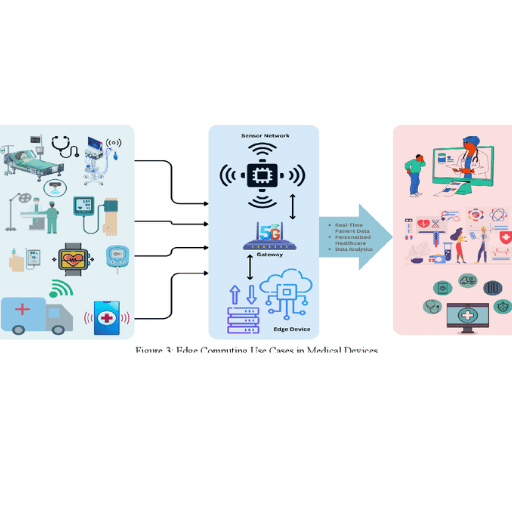
Increased precision and improved functionality to upgrade patient outcomes are the possible interventions offered by technology to medical devices. Given the brand-new capabilities of artificial intelligence (AI) and machine learning to conduct deep analyses of data, one can speak of personalized medicine, whereby a person is offered a specialized treatment plan, or a disease is diagnosed quite early. With the advent of smart sensor technology and miniaturization of components, this realm witnessed devices that are least invasive and uncomplicated for use by patients and physicians alike. 3D printing has placed its audacious challenge in the realms of the production process by offering the speedy manufacturing of customized medical devices. Together, they provide for better and faster healthcare delivery.
Frequently Asked Questions (FAQs)
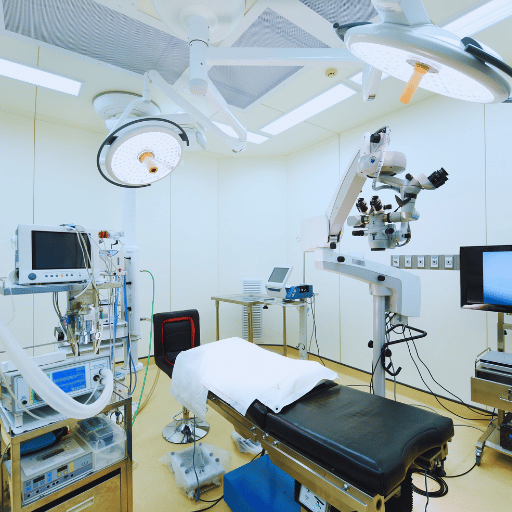
Q: What is and what does a maker of medical devices entail?
A: A medical device manufacturer is an establishment involved in the phases of conception, development, and production of medical products used to diagnose, treat, or monitor conditions of health. Extreme regulations are imposed on the manufacturers by agencies such as the FDA to guarantee the quality and safety of their devices. They are key players in the healthcare world, having made various advances in medical solutions for patient care.
Q: How are medical devices produced under contract?
A: In contract manufacturing within the medical device manufacturing industry, production of medical devices is outsourced and undertaken by a third-party manufacturer. Such arrangements allow medical device companies to allow for specialized manufacturing capabilities and expertise without much investment in their own production facilities. The contract manufacturer must ensure that a quality management system is followed and that all considerations for medical device regulations are kept in compliance.
Q: What does the manufacturing of medical devices
A: There are several steps in the manufacturing of medical devices, such as designing medical devices, prototyping, testing, and mass production. First, manufacturers design and develop the device while at the same time preparing specifications and prototypes. Second, they test their prototypes vigorously to comply with certain set medical device regulations. After all devices have passed their quality tests, they are manufactured on a large scale and distributed.
Q: What are the major quality management systems employed in medical device manufacturing?
A: The quality management systems in medical device manufacturing are those working frameworks that ensure that the products satisfy different regulatory requirements and the expectations of consumers. The QMS must be robust and have working processes for documentation, risk management, and continuous improvement. These systems must ensure that the manufacture of medical products is, in all cases be safe for use, effective, and accordingly compliant with FDA regulations.
Q: What are the recent trends of medical design and manufacture?
A: The recent trends in the designing and manufacturing of medical devices include additive manufacturing processes, where the objects are built layer-by-layer, allowing for complex geometries and customized designs. In addition, the emphasis on smart technology is growing; subsequent advances in medical device applications focus on smart technology to provide novel means of patient monitoring and treatment. Another trend in the medical device industry is the increased collaboration between device companies and technology partners to accelerate innovation.
Q: What challenges do medical device manufacturers face in meeting regulations?
A: The manufacturers of medical devices often face challenges in how to navigate different regulatory landscapes. This compliance with regulations of the FDA and other medical device regulations can be challenging enough to toil through in time and directly be a resource consumer. Then, manufacturers must endeavor to keep these recording regulations up to date as well as to ensure that their quality management systems continue to be adequate to satisfy the safety and efficacy standards that are required.
Q: What role do medical device manufacturers play in the production of implantable medical devices?
A: Medical device manufacturers have critical involvement in the production of implantable medical devices, which need to be engineered with precision, from a quality standpoint, and tested with rigor. These manufacturers must perform with advanced manufacturing capability to produce devices in strict terms of safety standards and the ability to reliably function within a human body. The production of implantable medical devices involves the designing and development of the device, strict consideration of regulatory requirements during manufacturing, and production processes.
Q: How is inventive technology impacting medical device manufacturing?
A: Technology is innovatively reshaping medical device manufacturing through new manufacturing processes and offering enhanced product performance. Through 3D printing and robotics, production processes are being simplified, granting manufacturers the ability to efficiently make complex devices. Moreover, new developments in materials science foster the creation of new medical devices that are lighter, stronger, and more biocompatible and hence capable of ameliorating patient outcomes.
Reference Sources
1. Leveraging AI for Enhanced Quality Assurance in Medical Device Manufacturing
- Authors: Tushar Khinvasara, Stephanie Ness, Abhishek Shankar
- Published: April 8, 2024
- Summary: The study analyzes how AI methods such as machine learning, computer vision, and natural language processing could be harnessed to improve QA in medical device manufacturing. It discusses how AI technologies could be utilized to automate QA test procedures and thereby improve product quality and allow for faster production flow. AI systems can be fed with large datasets to detect anomalies and predict issues in real time, thus allowing for interventions to occur before the problems arise.
- Methodology: Based mainly on qualitative analysis, the study reviews the applications of AI in QA testing processes and draws from cases showing the ability of AI to detect defects and meet regulatory requirements(Khinvasara et al., 2024).
2. Advancing Medical Device Manufacturing: The Fusion of Edge Computing and Industry 5.0
- Author: Deep Manish Kumar Dave
- Published on: July 1, 2023
- Summary: It is a paper discussing potential disruptions in the manufacturing of medical devices through edge computing and Industry 5.0 processes; it puts greater emphasis on the real-time processing and analysis of data at the manufacturing sites, thus improving monitoring, diagnostics, and predictive maintenance. The study also touches on challenges like cybersecurity and interoperability.
- Methodology: The research is literature review-based on the present scenario of edge computing for medical device manufacturing, with an identification of opportunities and challenges supported by case studies and expert interviews (Dave, 2023).
3. Quality and continuous improvement in medical device manufacturing – Available on Emerald Insight, the paper discusses quality and regulatory considerations in medical device manufacturing.