


Metal laser cutting is a growing trend in today’s manufacturing industry. It is a highly efficient way of cutting metals with many advantages over conventional techniques. This state-of-the-art method uses laser beams concentrated at one point to cut different types of metals with extreme precision. It is found in other sectors, from aerospace to automotive. But how is this done? What makes this method so widespread? This article expounds on the concept of metal laser cutting as a whole. It details the basic steps involved in the process, the advantages of the method, and the materials usually employed for this type of work. Suppose you are a practitioner or a learner interested in technologies influencing current manufacturing practices. In that case, this article addresses the introduction to laser cutting and its importance from a historical perspective.
Introduction to Metal Laser Cutting
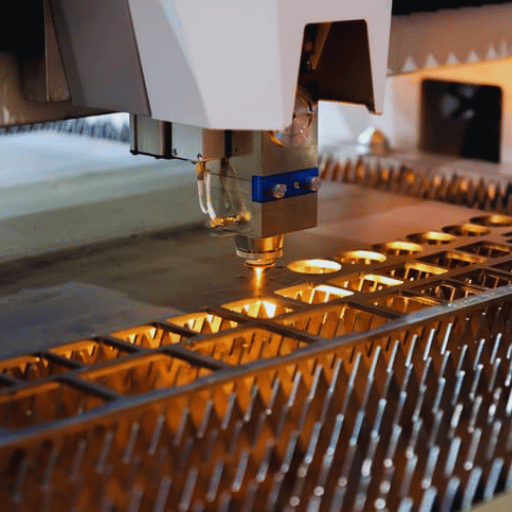
A metal laser cutting process is used to reshape metals clean and precisely by utilizing a laser beam. The principle of operating the laser beam is simple – it is highly intense and energy focused onto the metallic surface, causing a temperature increase and ultimately melting the cut areas in predetermined patterns. It also involves a gas, such as oxygen or nitrogen, that is blown through the zone of molten material to prevent any solidification of the melted portion. This technique has become quite common due to the freedom in molding designs, little or no material wastage, and the ability to work with metals, particularly steel, aluminium, brass, etc. Its effectiveness and adaptability have found wide application in automotive, construction, aerospace, and other industries.
Definition of Metal Laser Cutting
Metal laser cutting is an effective technology for cutting different types of metal through a laser beam. The laser melts or evaporates along a predetermined cut orientation to provide smooth and finer cut edges. It is commonly used because it recognizes a range of various metals and finds use in many technologies, ranging from car manufacturing to aircraft and different processes.
Overview of Laser Cutting Work
Laser cutting has eliminated human beings from performing cutting metals, visual artistry, and other materials. Melting with the targeted zone can be achieved using a laser when the power is extreme energy along a designed code. Using this approach, decorative cut-outs based on various metallic shapes are attained, with high efficiency being the point. The benefits of metal laser cutting, including Temporary Category Specialization, in different industrial areas, promote its popularity among the manufacturers of automobiles and aircraft systems. The advantages are especially pronounced in cases of fusion cutting.
Importance of Laser Technology in Metal Cutting
Laser technology is paramount in metal laser cutting, owing to its superior accuracy, speed, and versatility. It allows manufacturers to design and finish intricate patterns with minimal material wastage. Besides, laser cutting is compatible with many materials and thicknesses, thus facilitating its use in diverse sectors. This technology allows for faster production without compromising quality, which is crucial in any contemporary production process.
How the Metal Laser Cutting Process Works
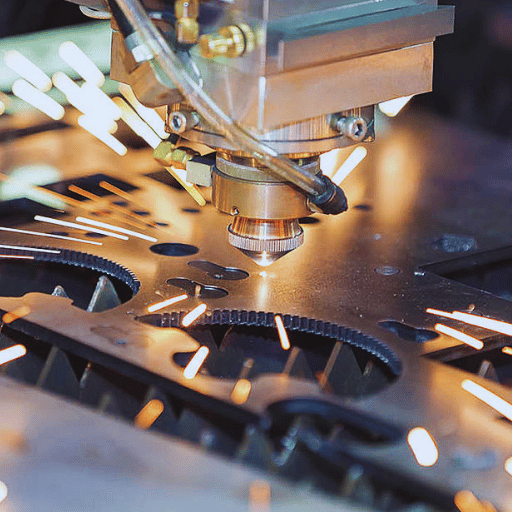
Step-by-Step Overview of the Laser Cutting Process
- Design Creation: The initial step is to set up a digital plan using Computer-Aided Design (CAD) applications. This file helps determine specific shapes and sizes that need to be cut.
- Material Preparation: Andrew considered the material to be cut apart and placed it firmly onto the laser cutting bed to prepare for the exercise.
- Laser Setup: The laser cutter is set up according to the thickness and category of the material to be cut. The equipment has ideal laser energy, speed, and distance cutting parameters.
- Cutting Execution: The laser beam departs the design file and aims its surface efficiently to melt, scorch, or evaporate material. In addition, the laser moves precisely along the design path without deviation.
- Debris Removal: High-pressure assist gases such as nitrogen and oxygen help remove molten material and debris from the cutting area, ensuring a sharp cut.
- Quality Inspection: After cutting, the designers examine the parts for precision. If any deviation is found, adjustments are made.
- Post-processing: Depending on the use, other techniques, such as polishing, coating, or even assembling the components, might be needed before the product is acceptable for use.
Types of Lasers Used in Metal Cutting
|
Laser Type |
Wavelength |
Material |
Efficiency |
Precision |
Maintenance |
Cost |
|---|---|---|---|---|---|---|
|
Fiber |
~1.06 μm |
Metals |
High |
High |
Low |
High |
|
CO2 |
~10.6 μm |
Non-metals |
Moderate |
Moderate |
High |
Moderate |
|
Direct Diode |
~0.9-1.1 μm |
Metals/Plastics |
High |
Moderate |
Low |
Moderate |
Key Components of a Laser Cutting Machine
|
Key Component |
Description |
|---|---|
|
Laser Source |
Generates the laser. |
|
Cutting Head |
Focuses and directs. |
|
Control System |
Operates movement. |
|
Machine Bed |
Supports material. |
|
Cooling System |
Prevents overheating. |
|
Air Supply |
Provides clean air. |
|
Servo Motor |
Ensures precision. |
|
Dust Collector |
Filters emissions. |
Applications of Laser Cutting Across Industries
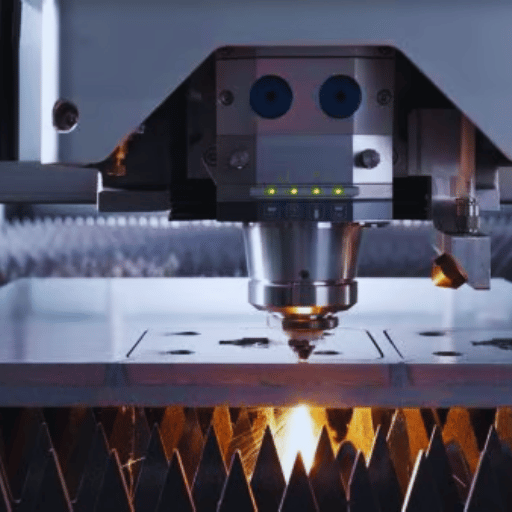
Common Industries Utilizing Metal Laser Cutting
- Manufacturing: This process is used whenever someone is tasked with cutting methods for most components and parts used in manufacturing motor vehicles, aircraft, and gadgets.
- Construction: This aspect includes, among other things, the use of structure-cutting motors for materials like steel and aluminum, particularly on sites.
- Metal Fabrication: Custom metal works and products, such as tools and machinery, are necessary.
- Jewelry Design: This metal laser cutting is used for excellent, intricate metal cutting and curves.
- Medical: It is used to produce medical devices and surgical instruments with great precision.
Specific Applications of Laser-Cut Metal
- Automotive Industry: Production of parts, including bodywork, exhaust systems, and any decorative pieces too complex to manufacture by other means.
- Aerospace Sector: Construction of aircraft and spacecraft components must be light yet strong.
- Construction and Architecture: Building of structures, providing tailored facades, and decorative metalwork.
- Medical Field: Applications and processes in the aerospace sector. Involves building and integrating various sub-units, such as engines.
- Electronics Manufacturing: Exact cutting of components meant for printed circuit board assembly or casings around the mechanisms.
Case Studies of Laser Cutting in Action
- Automotive Industry: One of the top automobile manufacturing companies abandoned mechanical sheet metal wear and embraced metal laser cutting instead to make car bodies. This was instrumental in elevating operations, decreasing material consumption, and increasing the stability of the engineered components.
- Medical Device Fabrication: The time-consuming, handcrafting of surgical instruments used by one of the producers of medical tricorders has been replaced by vaporization cutting with lasers to design medical tools. Such accurate thin cuts provided the classic high-quality instruments that industries have controlled for some time.
- Aerospace Innovation: A company processing aircraft alloys introduced laser cutting and machining of ultra-light and strong elements to increase productivity and respond to the need for fuel savings.
- Custom Architecture: A rendering company utilized laser burners to cut an elaborate surface mounting design, adding an extra dimension to each client’s design.
Benefits of Metal Laser Cutting Compared to Other Methods
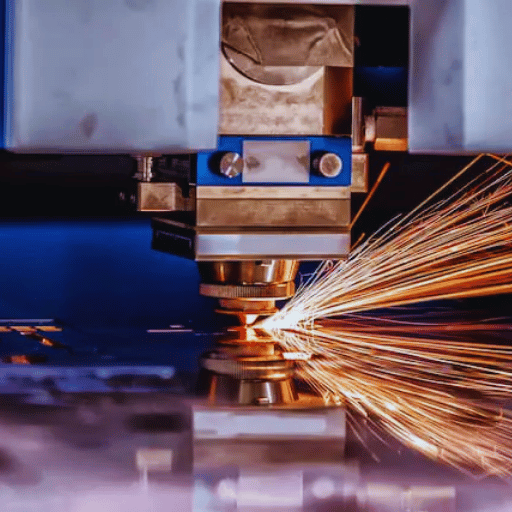
Precision and Accuracy of Laser Cutting
Laser metal cutting has more precision and detail than, for instance, sheet metal with other conventional methods. This machine can also cut a complex template using a coherent laser beam into fine cuts within a particular tolerance, and with accuracy. This is important as it facilitates complex engineering and tolerances, enabling uniformity even for artistic patterns. Another advantage of laser cutting is that no material is contacted, thus reducing any distortion. Therefore, laser cutting is recommended for industries working to strict specifications and needing high-quality outputs.
Efficiency and Speed in Production
Laser cutting technology significantly enhances production capabilities by efficiently performing quick and clean cuts on any substance. Due to the high-speed cutting procedure, the processing intervals are much shorter than for any cutting method, and the cutting operation is also successfully performed through control means, with little or no intervention from the operators. This accelerates production workflows and reduces the need for labor, which is why it is a convenient way to maximize operational efficiency.
Cost-Effectiveness of Laser Cutting Services
Metal laser cutting is a practical solution in terms of product quality and cost, which applies to both bulk production and complex small orders. Laser cutting allows for optimal elimination of material waste as it can reach up to 90% efficiency in material usage, thus contributing to the overall lowering of direct costs related to materials. Of course, energy-efficient technology has brought even more benefits, where modern lasers consume close to 30% less power than the older ones.
In terms of growth, laser cutting is also a pretty cost-effective service for both prototyping and mass production. It is not uncommon for business models to reduce unit costs as one makes more purchases of the same goods or services, which are commonly known for scale or volume-based pricing; hence, cost reduction is encouraged. For example, laser technology is used to cut stainless steel and aluminium, which, according to the most popular claims, can reduce the costs even up to 25% – 50% as opposed to the conventional methods, as no tooling is required and there are cheaper maintenance costs.
Finally, many CAD (Computer Aided Design) systems are designed to facilitate modification of designs without any additional cost of combining tools. This characteristic helps shorten the manufacturing cycles and budgets while at the same time ensuring the required accuracy. All these reasons combined, laser cutting services are positioned to produce high-quality results and reduce both running costs and the cost of producing materials in many sectors.
Advancements in Laser Cutting Technology
Recent Innovations in Laser Cutting Machines
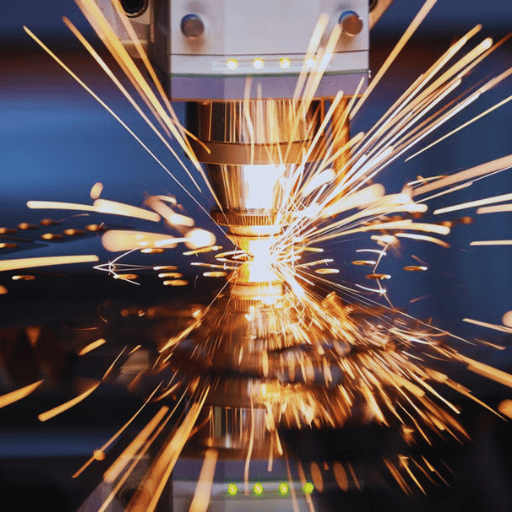
Increased technological breakthroughs accelerated improvements in efficiency, accuracy, and operation of metal laser cutting machines. Current models of laser cutters use most fiber lasers instead of cheaper and older CO2-based lasers, which are less powerful and efficient. Fiber channel incident lasers can cut without mirrors, materials, and surfaces such as aluminum, brass, and copper more quickly and with better edge finish.
Another trend is the development of laser cutting systems with specialized software and automation integrated. These systems are utilized to manage the most efficiently, such as assuring that the cutting head is in the fastest position at all times, the material is used to its maximum extent, and the machines are operated correctly, without gaps or wasted time. Automated systems also ensure operational efficiency in material handling, enabling higher productivity with little human involvement.
Another interesting phenomenon has been the innovation of portable laser machines, integrating technology to meet the needs of micro businesses and mobile servicing. These portable laser machines offer the same industrial-grade features and qualities, with the addition of many access points for usage. Increased potential regarding the wide range of materials they can process brings many possibilities, for example, it is possible to cut even advanced materials, such as composites and alloys, in the aerospace, transport, and healthcare manufacturing sectors.
New beam delivery systems, cooling techniques, and other components have been developed to enhance the system thermally and increase the lifespan of key machine parts. Thus, the expenses related to running the equipment have decreased while its performance has increased, which is helpful for intense applications. All these technological shifts and additions push laser cutters to be incorporated and used within the new standards of today’s industry.
Future Trends in Metal Laser Cutting
Automation, sustainability, and precision technology advancement mainly contribute to the progression of metal laser cutting. Artificial intelligence combined with machine learning techniques is anticipated to contribute to standards of cutting further afield with evil materials, thus improving variables inside production attributable to enhanced calculations for cutting paths and material usage. In each aspect that we analyze this tendency, there is a very decisive importance to the issue of sustainability, which suggests that focus will progressively move towards more energy-efficient and friendly laser systems. Also, the growth rate is likely to augment the speed, accuracy, and power for application over various materials, as fiber lasers and ultra-short pulse lasers also consume the market. This gives us the trend of continuously transforming metal laser cutting towards more productivity and preserving the operation.
Impact of Technology on Cutting Processes
Cutting products requires precision and speed. With the current development of technology, the cutting process of manufacturing goods is further enhanced. For instance, technology has evolved components such as automated CNC machines, advancements in metal laser cutting, and the utilization of AI. We have also minimized material cases of waste and reduced unnecessary production days offered by these technologies. Moreover, the institutions benefit from these technologies by processing intricate and various designs and materials, as is usually expected in the twisted industry. These tools improve workflow processes, generate energy-conscious production, and preserve raw material while reducing environmental pollution.
Frequently Asked Questions (FAQs)
Q: What is a laser cutter for metal?
A: A laser cutter for metal is a machine that can precisely and accurately cut through different kinds of metals using amalgamation technologies introduced with lasers. It is routinely used to fabricate metal parts and intricate designs from sheet metal.
Q: How does the metal laser cutting process work?
A: In the case of metal pieces, the procedure uses a powerful beam to burn or melt some preset regions on their surface. Heat and melting occur during this stage, meaning intense heating makes transformation into vapor possible. Afterward, maneuvering cutting heads along designed paths enables further processing automation.
Q: What are the advantages of laser cutting over other methods?
A: Each new day upgrades existing technologies, whether plasma cutouts or flame ones. All branches are out of the previous grading systems, continuously improving accuracy, speed, efficiency, and material waste. Surging demand among corporations yields higher profits servicing industries geared fully on manufacturing or utilizing structural recompenses worldwide.
Q: What types of metal can be cut using laser cutting?
A: The laser cutting technique can cut metals such as carbon steel, stainless steel, aluminum, and copper. Depending on the capabilities of different laser cutters, thin sheets and thick slabs of these metals can be processed.
Q: What is the cutting speed of a fiber laser cutter?
A: Several factors come into play when considering the cutting speed of a fiber laser cutter, including the laser power being used, the thickness of the metal, and the material being cut. As with other lasers, fiber lasers tend to have much higher cutting speeds, whether for thin or thick metal sections.
Q: Can a laser cutter be used for cutting sheet metal fabrication?
A: A sheet metal fabricator will appreciate the versatility of utilizing a Laser Cutter. When you consider complex geometric features onboarded by components manufactured in the automotive and aerospace industries, this tool proves extremely useful in meeting and exceeding expectations.
Q: What is the difference between fiber and CO2 laser cutting?
A: Laser type is the most distinguishing feature between fiber and CO2 laser cutting. Fiber lasers are more efficient when cutting metals, since they are equipped with a solid-state laser. On the other hand, CO2 lasers cut metals but are not as efficient; they perform better on non-metal materials.
Q: What affects how thick a metal can be cut?
A: The type of machine used, along with its cutting speed and power, is important in determining how thick a piece of metal can be cut. These machines can cut denser materials with higher power settings, whereas lower-powered lasers are suited for thin sheets during various manufacturing processes.
Q: What is the comparison between a water jet and a laser jet regarding material separation?
A: A water jet differs from a laser jet in that it uses a mixture of high-pressure water and abrasives to separate material rather than focusing a beam of laser light at it. While offering less precision over steel, a water jet offers versatility by separating almost any material, including metals, without creating heat-affected zones. Unlike a laser jet, which relies on heating parts of the metal to vaporize rapidly, it is much faster than a water jet.
Q: What is the role of laser optics in the cutting process?
A: In cutting, laser optics are fundamental for guiding and concentrating the laser beam onto the material. Industrial laser optics precision alignment and calibration using geometric and physical optics ensures that counterproductive waste to energy and efficient beam focus delivery achieve clean cuts during metal fabrication.
Reference Sources
1. Carbon Emission Modeling in Process Parameters for Non-Metal Laser Cutting Procedure Collaboratively Optimizing Process and Fuzzy Sets of a Different Kind (Bao et al., 2020, pp. 142–157)
- Key Findings:
- Worked out quantitative models of carbon production for the laser cutting of non-metal and collected all the possible sources, such as electricity, raw materials, operations, and waste rework.
- Applied Intuition Fuzziness for carbon production for carbon-based processes, reasoned reasoning, getter heuristic, etc.
- Conduct combinatorial experiments using the obtained segmentation and integer values to determine the most appropriate power energy usage scenario.
- In the best process cost and timings, carbon interaction points can be reduced in dry laser processes for non-metal materials.
- Methodology:
- Developed models on carbon dioxide emissions in the non-metal cutting technique.
- Applied the intuitionistic fuzzy logic search algorithm in optimization.
- Applied combinatorial methodology to the analysis of energy.
2. Laser Cutting Services – Tech Foundry – UC Davis – A detailed guide on the laser cutting process and other subtractive manufacturing technologies available at UC Davis.


