


The medical field needs the highest accuracy, quality, and reliability standards, as even the smallest margin of error can lead to dire consequences. CNC machining of medical instruments has been essential in creating medical devices and components, providing the highest accuracy and consistency. Herein, we detail how CNC machining is transforming the medical field, the intricacies of the processes employed, and the chief benefits that have accrued to providers and manufacturers alike. From surgical equipment that saves lives to complex implants, discover how this technology fulfills the strict requirements of the medical industry and ushers in a new era of healthcare innovation.
Understanding CNC Machines in the Medical Sector
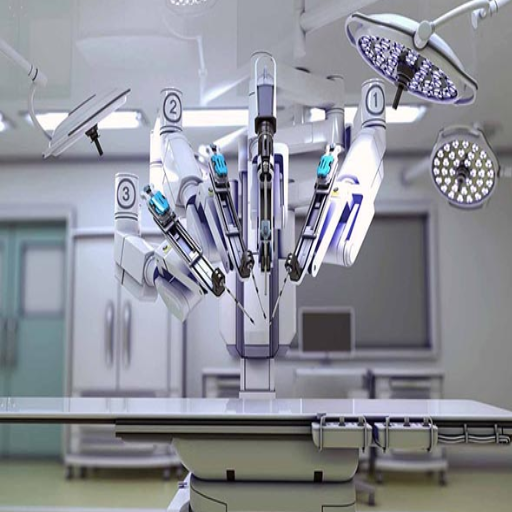
CNC machines are high-precision machining tools used in the medical field to manufacture components to exact specifications. These machines are essential in making surgical instruments, prostheses, dental implants, and other medical devices where precision is required. By employing computer-controlled automatic operations, CNC machines deliver uniform quality with less human error and meet the stringent standards needed in healthcare. These can fabricate products from various materials such as titanium, stainless steel, and special biocompatible plastics, which makes these machines indispensable in manufacturing durable and trustworthy equipment needed by medical professionals. This ability for precision and adaptability is what leads in pushing the frontier of medical technologies and enhancing patient outcomes.
What is CNC Machining?
CNC machining, an acronym for Computer Numerical Control, is a manufacturing process in which pre-programmed computer software dictates the movement of machinery and tools. The technology is known to be used to control a diverse set of complex machinery systems, from grinders to lathes, mills, and routers. With exact instructions given to the machine, CNC machining can manufacture parts and components with high accuracy and repeatability.
The three main steps at the core of CNC machining are designing the part using CAD software, generating a CNC program from the design using CAM software, and running the program on a CNC machine. Such machines can operate on several axes (commonly 3/4/5), rendering complex geometries and intricacies with little difficulty.
Modern development in CNC technology has led to further possibilities for better productivity in aerospace, automotive, and healthcare-related industries. According to Markets and Markets, the global CNC machining market was valued at nearly USD 83.99 billion in 2022 and is set to increase to USD 126.23 billion by 2028, at a CAGR of 7.1%. This indicates the increasing uptake of CNC machining for exact and critical applications.
CNC machining is versatile when deployed over materials, including metals like aluminum, titanium, and steel, as well as non-metallic materials like polymers and composites. Waste reduction is another advantage, as CNC machining can cleverly utilize materials with minimum scraps, paving the way for green manufacturing.
Thus, CNC machining, which stands for speed, accuracy, and scalability, is a pathfinder for modern manufacturing, helping businesses sustain consistency while fulfilling demanding production needs.
Types of CNC Machines Used in Medical Applications
Controllers of CNC machines suitable for medical requirements include machines such as 5-axis milling, CNC Swiss-style lathes, wire electrodischarge machines, CNC milling machines, and CNC lathes for laser cutting.
|
Type |
Key Use |
Material |
Precision |
Feature |
|---|---|---|---|---|
|
5-Axis CNC |
Implants, tools |
Titanium, steel |
±0.0025 mm |
Complex shapes |
|
Swiss Lathe |
Small parts |
Titanium, plastics |
High |
Multi-spindle |
|
Wire EDM |
Surgical tools |
Conductive metals |
±0.0025 mm |
Fine tolerances |
|
CNC Milling |
Prototypes, molds |
Metals, plastics |
Tight |
Versatile |
|
CNC Laser |
Cutting, marking |
Metals, plastics |
Moderate |
Precision cuts |
Benefits of CNC Machining in the Medical Industry
- High Precision and Accuracy
CNC machining yields the highest precision in making medical devices and their components. Tight tolerances are applied so that implants, prosthetics, and surgical instruments are manufactured to exact specifications, thus lessening the margin of error in medical procedures.
- Scalability for Mass Production
A CNC prepares many identical pieces without compromising quality under high production. This scalability becomes essential to keep up with demand for medical devices so that they may penetrate healthcare systems.
- Material Versatility
In CNC machining, a very wide range of biocompatible materials is supported, including titanium, stainless steel, and medical-grade plastics. This allows manufacturers to produce the device safely, durably, and fit for different medical applications.
- Cost-Effective Manufacturing
CNC machining reduces manufacturing costs by generating less material waste and reducing manufacturing time. Thus, high-quality medical components can be made at lower prices, which benefits both healthcare providers and patients.
- Customizability for Personalized Solutions
With their capacity for manufacturing advanced and intricate designs, CNC machines can custom-build medical equipment designed specifically for an individual’s needs. This ranges from custom prostheses to implant designs; this capability improves patient outcomes and further promotes the advancement of personalized medicine.
Medical CNC Machining Processes

Medical CNC machining deals with precision-oriented and efficient means to manufacture parts for medical use. The various methods include:
- Milling: The milling process can produce complex parts and fine surface finishes for surgical instruments and implants.
- Turning: This process produces cylindrical primarily parts, such as pins and screws, for medical use.
- Drilling: Means ensuring precise and consistent holes on surgical instruments and devices.
- Swiss Machining: Any other parts that would be very small and high-precision-the likes of catheters and bone screws.
Each of these manufacturing methods meets conditions set forth by the medical industry, ensuring its products’ safety, dependability, and performance.
Overview of Medical CNC Machining Techniques
With machine tools constantly being developed in demand for precise, durable, and biocompatible products for the medical field, the field has witnessed continuous development. Here are some of the techniques and trends shaping it:
5-Axis CNC Machining: A tool to reduce production time and enhance precision by allowing complex geometries to be machined in a single setup. This specialization limits the manufacture of complex parts for orthopedic implants, cranial plates, and dental prosthetics. Present statistics indicate an annual growth of over 20% in using 5-axis systems in medical manufacturing, underlining their significance in advanced health care solutions.
Micromachining: Since medical devices are continuously downsized, micromachining is an essential skill to master. Manufacturers use tools that are less than 0.25 mm to create tiny parts for applications such as minimally invasive surgical instruments and implantable devices. Studies imply that the global micromachining market in medical manufacturing is set to reach USD 3.5 billion by 2027, registering a CAGR of 7% during 2023-2027.
Automated Quality Assurance: Integrating CNC machining with automated inspection systems guarantees utmost accuracy in the production of medical devices. Laser scanning, coordinate measuring machines (CMMs), and in-process probing reduce errors and assist in compliance with stringent industry standards such as ISO 13485.
Materials Innovation: The biocompatible materials, such as titanium, PEEK, and cobalt-chrome alloys, are essential for medical CNC manufacturing. Recent advances have also enabled the utilization of hybrid materials and coatings aimed at better durability and functionality; for example, titanium-coated orthopedic implants have significantly decreased corrosion, which benefits the long-term outcome of those patients. Sustainability in Manufacturing: Environmental consciousness has prompted the medical sector to explore greener CNC machining practices. Examples include using sustainable lubricants, optimizing material usage, and recycling byproducts. Reports indicate sustainable manufacturing could enable CNC to cut operational costs by up to 15% and minimize its carbon footprint.
Using cutting-edge tooling and procedures and a heavy emphasis on compliance, CNC machinery remains a tool-making power for the medical industry, producing tools and devices that can truly impact patient care.
Precision Machining for Medical Devices
While precision machining is an indispensable step in the production of high-quality medical devices, ensuring all components meet the demanding standards of their industries, the medical industry is highly dependent on technology for surgical instruments, implantable parts, and diagnostic equipment. By 2032, the worldwide CNC machine market is predicted to amount to $134.4 billion, a sizable chunk of which comes from healthcare-related demand.
Modern precision machining employs multi-axis machining, laser cutting, and micro milling, enhancing the reliability and safety of medical device manufacturing. By illustration, multi-axis machines could machine complex geometries for prosthetics and orthopedic implants, among others. In terms of tolerances, precision machining can guarantee ±0.001 inches and thereby an extraordinary degree of accuracy toward critical medical applications.
Materials such as titanium, stainless steel, and biomedical-grade polymers are used for their strength, biocompatibility, and corrosion resistance. CNC machining can replicate these materials consistently, which is much needed in mass production. According to a recent study, CNC machining reduces waste material by up to 30%, which promotes environmental sustainability while ensuring performance.
Beyond that, digital technology advances like CAD/CAM integration and real-time monitoring have greatly enhanced the production process, reducing lead times and allowing medical device manufacturers to adhere to stringent regulatory frameworks, such as ISO 13485. Thus, by sustaining innovative consultancy, precision machining gives the medical sector a complex remedy for life-saving innovation.
Quality Control in Medical CNC Machining
Quality control in medical CNC machining must be stringent to ensure medical devices’ safety, reliability, and effectiveness. Manufacturers established a rigorous quality assurance protocol covering all aspects from material selection to component inspection. High-accuracy measurement techniques, such as coordinate measuring machines (CMM) and laser scanners, are involved in checking tolerances and dimensions. Besides, statistical process control (SPC) allows for real-time production monitoring and helps identify and address deviations early in the process. Standards such as ISO 13485 and FDA regulations ensure that every product adheres to the highest quality expectations.
Materials for Medical CNC Machining
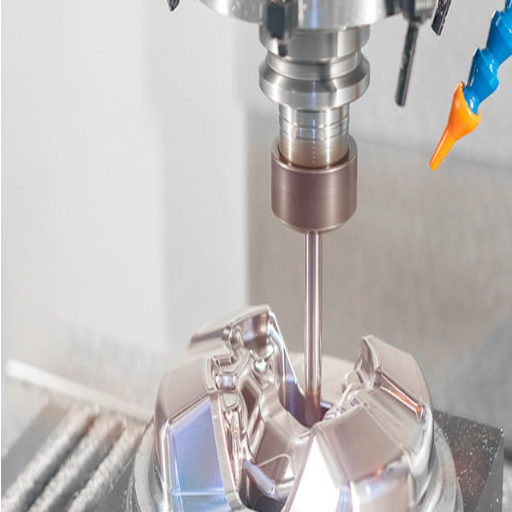
Various materials used in CNC machining in the medical field offer properties such as biocompatibility, durability, and precision. They include:
- Titanium is a very strong yet very light metal that exhibits excellent biocompatibility, thus making it a preferred metal for implants and surgical instruments.
- Stainless Steel-It is commonly used for surgical instruments and implants where high corrosion resistance and durability are required.
- Cobalt-Chromium Alloys-They are highly engrossed in orthopedic implants and dental due to their strength and resistance to wear.
- Plastics (such as PEEK, UHMWPE): Medical-grade plastics are lightweight and usually non-reactive, and hence, they are used for instrument components and fractional implants.
- Aluminum-A is a material used occasionally in lightweight, non-implantable medical devices.
All the above materials are chosen because they meet the high medical criteria for performance and safety.
Choosing the Right Materials for Medical Applications
The selection of materials for medical applications demands a delicate compromise among performance characteristics, biocompatibility, and safety considerations. Enhanced materials technology and innovations have inextricably increased the number of options available, each customized according to a particular medical application. Based on recent data and current innovations, we now proceed to consider critical material-choice aspects in detail.
- Biocompatibility and Patient Safety
First and foremost in the choice of any medical material is biocompatibility. Data from recent literature show that titanium alloy (e.g., Ti-6Al-4V) materials are usually considered best for biocompatibility purposes with regard to orthopedic and dental implants. Also, about 95% of implant success rates have been directly attributed to the ability of the material to integrate with human tissue with minimal adverse reactions.
- Durability and Wear Resistance
Excellent materials are necessary for instruments in medicine, particularly when applied under high cyclic load or through friction. The learned review in the Journal of Biomedical Materials Research reports that ceramics such as alumina and zirconia have been found to give excellent wear resistance results for joint replacements, with up to 15-20 years’ life term in the clinical setup.
- Resistance to Sterilization, Corrosion
Materials must also resist deterioration through repeated sterilization cycles. Stainless steel has been considered for use due to its corrosion resistance and good retention of sterility, with grades 304 and 316 mostly preferred. Data showed that 316L stainless steel maintains about 99.9% of its structural integrity after over 1,000 autoclaving cycles.
- Weight and Mechanical Properties
There is an increasing use of lightweight materials such as medical-grade plastics like PEEK (polyether ether ketone) in prosthetics and wearable devices. According to recent data, the mechanical strength of PEEK closely resembles that of bone, making it suitable for spinal implants and trauma fixation.
- Innovations in Smart Materials
Innovative materials are creating new opportunities in healthcare. For example, shape-memory alloys such as Nitinol are increasingly used for stents and guidewires because they can revert to preset geometry under rather limited conditions. A 2023 study indicates a 30% increase in surgical precision by using these materials in some minimally invasive procedures.
- Environmental and Economic Considerations
With an eye on sustainability, polymers such as polylactic acid (PLA) are now appearing in applications such as dissolvable sutures and temporary implants. The worldwide bio-based materials market CAGR is expected to hit 12.4 percent between 2023 and 2030, a testimony to its relevance.
Common Materials Used in CNC-Machined Medical Parts
CNC Machining is an important facility that ensures precision and reliability in manufacturing medical components. Some of the most commonly used materials in the medical field include:
- Titanium—This metal imparts biocompatibility and is well-known for its high strength and resistance to corrosion when used in implants, such as joint replacement and dental implant applications.
- Stainless Steel—Used in surgical instruments and implants, 316L stainless steel confers superior properties in strength, durability, and corrosive resistance to sterilization processes.
- Aluminum – Light, easily machinable aluminum is employed to manufacture medical device components with high strength-to-weight ratios.
- Plastics—Medical-grade plastics such as PEEK (polyether ether ketone) and UHMWPE (ultra-high molecular weight polyethylene) are preferred for their durability, sterilization ability, and compatibility with the human body. PEEK is, in particular, used for spinal implants and instrument handles.
- Cobalt-chromium alloys—These materials are used in high-stress applications, such as joint and dental implants, because of their superior wear resistance and strength.
Each of these materials is chosen depending on the nature of the medical application, and they are made to be safe, reliable, and functional in critical healthcare environments.
Innovative Materials for Precision Medical Machining
In medical machining, constant metamorphosis is fostered by incorporating novel materials that enhance durability, biocompatibility, and overall performance. Among these innovative materials are biodegradable polymers, allowing the implants and devices to dissolve inside the body harmlessly over time, thus eliminating the need for surgical removal. Similarly, graphene composite materials have become a promising avenue for development because of their excellent conductivity, strength, and flexibility, paving the way for further development of innovative wearable medical devices and sensors. Finally, CMCs attract attention for prosthetic and implant purposes for their thermal stability and bio-inert properties. Introducing such materials combined with advanced machining techniques assures that modern-day healthcare solutions continue to set new benchmarks for precision and innovation.
Designing CNC-Machined Medical Parts
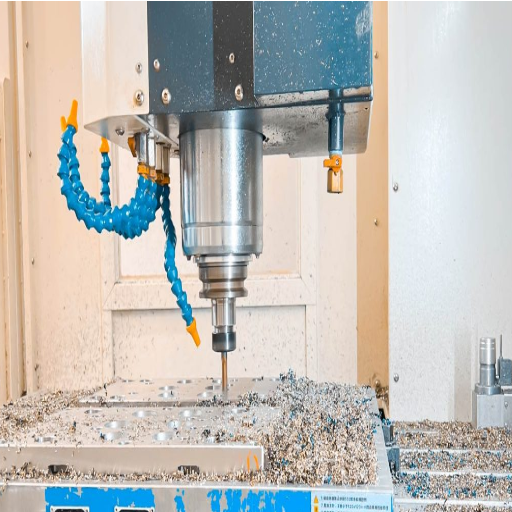
Along with being precise and biocompatible, CNC machining for producing medical parts also focuses on the materials used. The materials have rigid standards in the healthcare setting to be considered safe enough, such as being non-toxic, corrosion-resistant, and sterilizable. Common materials used are titanium, stainless steel, PEEK, and medical aluminum, which are known for their strength and biocompatibility.
Tolerance requirements are penalizing since medical parts must often fulfill an established specification with little deviation to perform their function. The engineers should consult the CNC machinists right from the start of the design to ensure the machinists can manufacture the parts with minimal deviations. Also, simplifying the overly complex geometry lowers the costs of manufacture and reduces the acceptance error margin.
Finally, the surface finishing of medical components must guarantee smooth surfaces sufficient to prevent bacterial contamination or irritation. A set of standards, such as ISO 13485, helps promote compliance and safety during the entire design and manufacturing process.
Tips for Designing Effective Medical Components
- Emphasize Biocompatible Materials
Choosing a biocompatible material is important so that the medical components do not adversely react with human tissue. Titanium implants are usually favored for application due to their very high corrosion-resistant nature; stainless steel, of certain grades, is another alternative.
- User-Centered Design
Always consider the user, be it the patient or the healthcare professional. Ergonomic designs, for example, instruments that are easy to handle and operate, can aid usability and reduce user fatigue during lengthy procedures.
- Consider Sterilizability
Ensure that the component can undergo repeated sterilization cycles without deleterious effects. Depending on its intended use, choices in material and design must be suitable for steam, ethylene oxide, or gamma sterilization.
- Tolerancing and Exact Dimensioning
Tolerancing must be applied to allow easy assembly and ensure functionality. For example, catheter tubes must have exact inner diameters to guarantee fluid flow rates.
- Consider Manufacturing Scalability and Efficiency
Maintain a design of the parts that favors large-scale manufacturing. This includes injection molding for plastics in bulk or CNC machining for metal parts with consistency, followed by mass production at minimal costs.
Challenges in Designing CNC-Machined Medical Parts
For CNC-machined medical parts, the challenges are many, coming from requirements revolving around utmost precision, materials, and regulations. A paramount difficulty lies in achieving extreme precision and tolerances. Medical components such as surgical tools, implantable devices, or diagnostic instruments may require a tolerance as tight as ±0.001 inches to function reliably within the human body. Mechanically attaining such precision demands wonderful machines with capable programming and thorough testing processes.
Another challenge involves the choice of appropriate biocompatible materials. Materials such as titanium, cobalt-chromium alloys, stainless steel, or medical-grade plastics like PEEK are preferred because of their flexibility and durability within the human body. These materials, however, are harder to machine and require specialized tooling, slower cutting rates, and efficient cooling systems to prevent overheating and degradation of the materials.
Regulations present yet another significant issue to manufacturers. Medical parts must conform to strict industry standards such as ISO 13485, FDA guidelines, and EU MDR regulations that stipulate material traceability and quality control alongside the documentation of all procedures involved in their production.
A further challenge for CNC machinists is miniaturization in the medical industry; for instance, micro-machining techniques are now applied to machining tiny components for minimally invasive surgical tools or implant technologies, demanding highly skilled technicians and very high-end machinery.
Therefore, production cost and consistent quality control add to this complexity. For instance, a 2023 industry analysis concludes that machining medical-grade titanium can cost up to 50 percent more than traditional materials because of tool wear and slow production rates. Thus, manufacturers need to control these cost factors and actively seek accurate parts that meet stringent reliability requirements.
Reference Sources
- Machining of titanium alloys for medical application – a review
- Authors: A. J. Festas, A. Ramos, J. Davim
- Publication Date: July 12, 2021
- Journal: Proceedings of the Institution of Mechanical Engineers, Part B: Journal of Engineering Manufacture
- Key Findings:
- The paper discusses the challenges associated with machining titanium alloys, which are widely used in medical devices due to their favorable properties, such as corrosion resistance and strength.
- It identifies Minimum Quantity Lubrication (MQL) as an effective solution to mitigate machining problems associated with titanium alloys.
- Methodology:
- The authors conducted a comprehensive literature review from 2010 to 2020, analyzing various machining processes like milling, turning, and drilling, and their respective cutting speeds and feed rates(Festas et al., 2021, pp. 309–318).
- Advances in micro electro discharge machining of biomaterials: a review on processes, industrial applications, and current challenges
- Authors: Akash Korgal, A. Shettigar, Navin Karanth P, D. A. P. Prabhakar
- Publication Date: March 1, 2024
- Journal: Machining Science and Technology
- Key Findings:
- This review highlights the significance of Micro Electro-Discharge Machining (µ-EDM) in producing small-scale components with high accuracy, particularly in the medical field.
- It discusses the critical parameters affecting the µ-EDM process, including electrical discharge energy and tool electrode characteristics.
- Methodology:
- The authors reviewed existing literature and industrial applications of µ-EDM, focusing on its use in machining biological materials and the challenges faced in this domain(Korgal et al., 2024, pp. 215–265).
- Experimental Investigation on Bio-Machining of Nickel, Titanium and Nitinol (Shape Memory Alloys) Using Acidithiobacillus ferrooxidans Microorganisms
- Authors: M. Pradeep, Shangumavel Rajesh, M. Uthayakumar, C. Mathalai Sundaram, K. Korniejenko, Krzysztof Miernik, M. Majid
- Publication Date: June 20, 2023
- Journal: Journal of Composites Science
- Key Findings:
- The study investigates the use of microorganisms for bio-machining of nickel, titanium, and nitinol, highlighting its advantages, such as lower energy consumption and fine dimensional tolerances.
- It demonstrates that bio-machining can effectively produce components suitable for medical applications.
- Methodology:
- The authors conducted experiments using Acidithiobacillus ferrooxidans to assess the material removal rate and surface roughness under various conditions(Pradeep et al., 2023).
-
Top Medical Cnc Machining Parts Manufacturer And Supplier In China
Frequently Asked Questions (FAQs)
CNC Machining for Medical Devices: What Are Its Benefits?
CNC machining for medical devices offers numerous advantages, particularly in producing parts that require high precision and reliability. The capability of CNC machining ensures that components such as surgical tools, medical implants, and connectors for medical devices meet the stringent standards of the medical industry. This technology allows for the rapid prototyping of sophisticated medical products, significantly reducing time-to-market. Additionally, CNC machining is employed in various applications within the medical manufacturing industry, enhancing the overall quality and performance of medical devices and equipment. The versatility of CNC machining also means it can adapt to the specific manufacturing needs of different medical applications.
What Are the Applications of CNC Machining in the Medical Industry?
The applications of CNC machining in the medical industry are vast and varied, covering everything from manufacturing medical implants to intricate surgical instruments. Medical manufacturers utilize CNC machining technology to create components with exceptional precision, which is critical for ensuring the safety and efficacy of medical devices. For example, CNC machining is often used to produce parts for medical devices and equipment that require strict adherence to quality standards. Furthermore, the technology can also be applied in the design and fabrication of specialized medical tools that aid in surgical procedures. This wide range of applications highlights the significant role of CNC machining in enhancing patient care and improving medical outcomes.
Choosing Materials for Medical CNC Machining: What Should You Consider?
Choosing materials for medical CNC machining is a crucial step that impacts the performance and safety of the final products. It is essential to select materials that not only meet the required mechanical properties but also comply with the standards of the medical industry. Commonly used materials include stainless steel, titanium, and certain polymers known for their biocompatibility and durability. CNC machining allows manufacturers to produce parts that withstand sterilization processes, which are vital in medicine. Additionally, understanding the specific application of the medical device can guide material selection, ensuring that the final product will perform effectively in its intended environment.
What Tips for Designing CNC-Machined Medical Products Should Be Followed?
When designing CNC-machined medical products, several tips can enhance the outcome and efficiency of the manufacturing process. First, incorporating features that simplify assembly can reduce manufacturing complexity and improve overall performance. Also, considering the machining capabilities of CNC machines can significantly impact design decisions; for example, avoiding overly complex geometries can facilitate easier production. Furthermore, ensuring that designs accommodate sterilization in the medical environment is crucial for maintaining the safety of medical devices. Finally, collaborating with experienced manufacturers for machined medical parts can provide insights into best practices and innovative solutions tailored to specific medical applications.
How Does CNC Machining Help in Machining Medical Devices?
CNC machining helps in machining medical devices by providing high levels of accuracy and repeatability, which are essential for producing reliable medical components. The precision of CNC machining ensures that every part conforms to the specified dimensions and tolerances, crucial for the functionality of medical devices. With advancements in CNC machining technology, it is possible to create intricate designs and complex geometries that were previously challenging to achieve. Additionally, CNC machining is employed across various stages of the medical device manufacturing process, from prototyping to full-scale production. This flexibility allows manufacturers to respond quickly to changes in design or market demands, ultimately benefiting the medical field.


