


Metals have been widely used in human activities since time immemorial; they have always been at the heart of change, from tools many nations used as adornment to present-day trendy appliances. Out of the many properties they have, one often triggers controversy more than the others. The question revolves around one very peculiar thing: what metal has the highest boiling point? Hitting the nail on the head with this feature of metal not only indicates the type of metal that does not break easily, but also highlights its use in places that are either far away, such as outer space, or very hot, like industrial settings. This paper will take you through some of the most stunning metal discoveries ever made in the world, which will even astonish many of you. It highlights the high melting point (m.p.) metals and aims to bring to light key concepts in engineering regarding the uniqueness of these metals and their necessity in engineering. Earth’s most solid materials are those that shall be explicated.
Understanding Melting Points of Metals

The melting temperatures of metals differ from each other due to the structure and bonds between them. The melting point is the temperature at which the solid metal transforms into a liquid. This temperature is the reason why the metal remains solid. The temperature is directly proportional to the bond strength within the metal. Strong bonds such as the metallic bond in tungsten or tantalum need high temperatures for these bonds to weaken, and the subsequent melting temperature is elevated.
In contrast, lead’s bonds are not that strong, and less energy is used to break them, hence the low melting point. Compression and impurities can alter the melting point of a metal. To determine which metals can withstand high temperature and harsh conditions, one should understand the concepts of high-temperature applications, particularly.
Definition of Melting Point
The melting point is defined as the temperature at which a solid changes into a liquid at atmospheric pressure. Two phases of a substance, that is, solid and liquid, are said to be in equilibrium at this temperature. The melting point set by pure metals, as well as materials with a crystal structure, is relatively fixed in its value. For instance, the melting point of pure iron is approximately 1538°C (2800°F); on the other hand, for aluminum, it is around 660°C (1220°F). However, this is slightly different for such parts, as even a single impurity or a slight change in atmospheric pressure alters their melting points. It makes it easier to determine melting temperatures in the fields of construction, material production, and structural engineering, owing to its precision.
Importance of Melting Points in Industry
In many industrial contexts, melting points must be determined so that the processing parameters, including shaping and ultimately the utilization of the material, can be specified. For instance, in the case of metal processing, especially steel (usually between 1,370°C and 1,500°C, depending on the composition), it is essential to know the dispersive melting point for various operations, such as melting, forging, and welding. Conversely, in materials of silica, temperatures as high as 1,700°C are not unusual due to the nature and amount of moieties in the molten liquid; presumably, this can be managed; however, the precise construction of relevant controls is absolutely non-negotiable.
Melting point evaluations are also crucial in pharmaceutical circles. As a case in point, it is worth noting that considerable attention is typically paid to the melting points of drugs and active pharmaceutical ingredients (APIs), as their values indicate the levels of purity and resistance to change. There are only a few cases when the presence of impurities increases melting, and even a slight deviation from standard values can signify problems in production.
Also, Industries related to Polymers and plastics often rely on the melting points of different materials. Typically, the melting point of Polyethylene of a particular density ranges between 120 °C and 180 °C. This data is essential to ensure that processing methods, such as extrusion or injection moulding, are performed effectively and efficiently without compromising the quality of the final products.
Furthermore, as the use of special materials increases in sectors such as aerospace and electronics, for instance, metals like tungsten (3,422 degrees C) and ceramics possess high melting temperatures and are mandatory when designing components to handle extreme environments. These temperatures also influence the development of materials and auxiliaries that are relatively heat-resistant or corrosion-resistant.
While the rigorous measurement of melting temperatures provides better material comfort and safety, the data facilitates the minimization of power consumption in temperature-dependent processes. Such rests on the place of concern, enhancing energy efficiency and diminishing the negative aspects towards the environment.
Factors Influencing Melting Points
The melting of materials is a factor primarily influenced by several key materials. Having insight into these issues is prudent, given the role played by materials science and engineering. There are five major factors, which are as follows:
- Intermolecular Forces
Melting points are typically higher in materials that exhibit ionic and covalent, as well as dipole-dipole, intermolecular forces. For example, salts such as sodium chloride have very high melting temperatures, unlike substances with van der Waals forces.
- Molecular Structure
The internal arrangement of a molecule typically influences its melting point. Molecules with symmetric structures usually pack more densely in a solid lattice and, consequently, have higher energy requirements to rupture them, thereby raising their melting points.
- Atomic Size
It is a general rule that the stronger the bonds, the lower the MP in a typical packing of similar atoms. This is demonstrated well when the elements within the same chemical group are compared as one goes down the group the melting points of elements tends to be diatomic -simply because the atoms are larger.
- Purity of Material
Typically, in solid materials, impurities can lower the melting point by disrupting the lattice structure. This, having known that it limits the melting point to a specific value, is common in metals and compound materials that are purposely contaminated.
- Pressure
Intensely heating a substance elevates its temperature proportionally, but applying a load also shifts its melting point. The more positive-based elements, for example, intangible non-metallic elements, with increasing pressure, their melting points are more likely to increase rather than decrease within the big zero, such as water ice.
Each of these factors enhances the thermal properties of materials, allowing them to be utilized in various human activities.
Metals with High Melting Points

It is typically strong atomic bonds and dense atomic structures that describe metals with high melting points. This means that these are the metals that are less likely to change from a solid to a liquid state, even at high temperatures. For instance,
Tungsten and Rhenium: Ideal for aerospace and electrical industries, especially for the construction of heating devices because tungsten is the metal with the highest melting point at 3422 °C, while in the case of rhenium, it is soldered with other metals, and also its dissociation temperature is 3186 °C.
This metal can reach incredibly high temperatures and even exceed 2500 °C. Therefore, the temperature at which it loses its liquid state and remains stable is very high. The third metal with a high melting, even higher than the second one, is a red pigment molybdenum, it boils at 2623 o C, this place is the melting amount. The is fourth place, is the not explosive cryogenic technology grade third metal, pronounced as tan-TAL-um, a metal whose the melting amount is 3017 o C which is used in electronics and medical implants equipment and is one of the most sought metals—in the corrosion resisting sector.
Each of these metals is found to be useful in specific industrial purposes that require materials that can withstand extremely high combinations of thermal and environmental factors.
Tungsten: The Metal with the Highest Melting Point
At 3422°C or 6192°F, no other metal has ever reached such a high temperature as tungsten, as it surpasses all other metals with its boiling point and its ability to melt any material. Therefore, it is impossible to find substances that do not change their behavior, shape, or molecular structure under other metals, as is the case with tungsten. This also explains why its outstanding hardness property makes it valuable to various industries, including but not limited to Space, Electronics, and Defence. One of the applications utilizing tungsten is in the production of lamp filaments, which, along with carbides for high-speed cutting tools and rocket nozzle throat inserts, has rapidly expanded the applications for alloys. One more reason why this metal is widely used in high-tech industries is that it can withstand elevated temperatures without compromising its performance. According to the new information, researchers are discovering even more applications for tungsten, primarily in technological sites that focus on enhancing the economy and the environment. This unique combination of thermal and mechanical properties ensures its relevance in future research.
Tantalum and Its Properties
Tantalum is a metal that stands out due to its high corrosion resistance, high melting point, and excellent conductive capabilities. It is generally used in the form of capacitors and high-performance resistors in electronic engineering due to its efficient energy storage capability. Modern data has introduced tantalum as an emerging component in the development of semiconductor lines and medical equipment, particularly for the benefit of patients, where it is more convenient to use as an implant in the body. With its distinguished industrial applications and materials, such as solar cells and high-capacity accumulators, tantalum also plays a role in environmentally friendly practices. It is not surprising that it remains a critical material for industries that require exact and durable materials.
Hafnium’s Role in High-Temperature Applications
Hafnium is a remarkable material that is widely used in applications requiring high temperatures due to its exceptional properties. The most crucial outstanding property is its high melting temperature, coupled with high corrosion and thermal resistance. Herein are some of the applications of the hafnium material in high-temperature conditions:
1. Aerospace Industry: In the fabrication of superalloys and thermal barrier coats employed in jet power and gas turbine engines, hafnium is indispensable. The concern with these components is the extreme temperatures and working conditions that are likely to cause overheating in the ultimate construction.
2. Nuclear Reactors: Active hafnium resources are used in the production of fast reactors, as they are resistant enough to operate with the thermal neutron flux. Fast reactors utilize hafnium in the control rods, particularly in areas that experience rapid temperature increases after prolonged radiation exposure.
3. Space Exploration: Owing to hafnium’s ability to withstand high temperatures, it is extensively employed in the creation of rocket nozzles and orbital structures to endure the peak temperatures required for the launching or reentry of the material.
5. Plasma Cutting Technology: Hafnium plays an indispensable role in plasma cutters as the material is used as the electrode tips, which need to bear the very high metal cutting temperatures while functioning properly.
6. Advanced Ceramics: Hafnium carbide is one of the highest melting materials of all known refractories – its melting point is higher than 3900 degrees Centigrade, which enables detection of this refractory, particularly in more extreme applications like defense and energy.
Such an array of uses for Hafnium illustrates the instrumental importance of the material in the technological advancement of various industries encountering adverse conditions.
Comparative Analysis of Melting Points

Tungsten has one of the highest melting points among metals, with practically every other metal having a lower melting point.
| Metal | Melting Pt. | Category | Applications | Key Traits |
|---|---|---|---|---|
| Tungsten | 3422°C | High | Aerospace | Heat-resistant |
| Molybdenum | 2623°C | High | Furnaces | Durable |
| Iron | 1538°C | Medium | Construction | Strong |
| Copper | 1085°C | Medium | Electrical | Conductive |
| Aluminum | 660°C | Low | Aerospace | Lightweight |
| Mercury | -39°C | Low | Thermometers | Liquid state |
Melting Point Measurements of Various Metals
The points at which metals change from solids to liquids, otherwise known as melting points, are based on the composition of the metal and how that is bonded. These are some of the known metal melting points available:
- Hafnium (Hf): Around 2,233°C
- Titanium (Ti): In the neighborhood of 1,668°C
- Tungsten (W): Is one of the highest and is about 3,422°C
- Iron (Fe): Approximately 1,538°C
- Aluminum (Al): Average temperatures below 660°C..
A unique property of hafnium carbide is that it melts at a temperature higher than that of the metal. It’s demarcated at 3900°C plus which makes it a rare commodity. After all, tungsten, being a high-boiling metal, is used in many high-temperature applications around the world. However, hafnium carbide surpasses these claims, with its numerous more advanced advantages, extending beyond design, justifying its usefulness in specialized industrial and scientific applications.
High Melting Point Metals: A Summary
Materials with extremely high melting points are crucial to the development and advancement of the technology and manufacturing industries. Hafnium carbide and tungsten, mainly, deserve a particular mention, especially when it comes to the characterization of their ability to withstand heat. The recent literature available illustrated the value of carbide to such an extent that it surpassed previously known locations by being above 3900°C, bromine, and many other compounds, finding particular usage in aeronautical engineering and high-temperature lifting devices development.’ On the other end of the spectrum is tungsten, which has a melting point of around 3422°C, and it is employed in various applications, such as light bulb filaments, rocket thruster nozzles, and heating elements. These metals become essential when the concern is to withstand extreme conditions while obtaining exceptional properties. Their specific properties, such as resistance to wear and corrosion, make these metals very useful in enhancing existing scientific and industrial setups.
Lowest Melting Point Metals for Contrast
Those metals that have the highest melting point is the extreme contrast of the metals, such as tungsten, that have already been seen above. An illustrative example of a type of element that exhibits this property is mercury, which remains a liquid regardless of the room temperature. The melting point of mercury is -38.83. The characteristics of gallium are somewhat diversified, as it has a relatively low melting point, at 29.76°C, which is not difficult to melt, even with the palm of a hand. Such metals have properties unique among all the metals, making them suitable for stable applications. For example, mercury is used in all the heads of barometers and thermometers (although due to safety reasons, its usage has been dramatically reduced). Likewise, gallium is used in electronic components, semiconductors, and related technologies. Such metals demonstrate how, due to their melting points, the nature of materials in different areas of activity, ranging from technology to science, can be completely different.
Applications of High-Melting-Point Metals
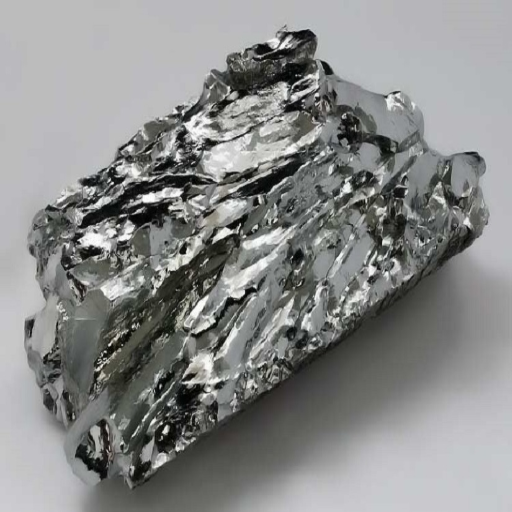
Heavy metals with a higher melting point, such as tungsten, molybdenum, and tantalum, are more valuable due to their exceptional properties, which include greater strength and resistance to heat. For example, the use of tungsten for manufacturing wires in incandescent light bulbs, cutting tools, and high-temperature furnaces is due to its ability to withstand extremely high temperatures. This metal is also suitable for aerospace and military products because they require great tensile strength and must be resistant to changes in shape under the influence of heat; with these abilities, molybdenum is an ideal choice. Capacitors and other high–end technical components are also known to be tightly produced in the electronics industry. For these applications, metals such as these are indispensable since they can endure high thermal and mechanical stresses.
Use in Aerospace and Defense
Molybdenum and tantalum have become integral to both the aerospace and defense industries due to their unique properties. Aircraft engines are high-performance devices designed to burn fuel within the engine to produce power, including the thrust of aircraft engines, quite efficiently. In the case of molybdenum, a metal characterized by a very high melting temperature and a very low rate of volume increase upon heating, aircraft engine components are fabricated from this material to enhance service under high temperatures. Additionally, it is utilized in the design of missiles and rockets to improve material strength. Similarly, tantalum cannot be compromised, as it is crucial in advanced military communication systems, such as capacitors and electronic components. Both of these metals, thus, elevate the quality and lifespan of aerospace and defense applications to new levels, enabling the secure placement of operations in harsh environments. The latest studies indicate that the use of materials of this kind is increasing as the industry shifts towards more practical, efficient, and robust devices for individual healthcare purposes.
Role in Electronics and Technology
Tantalum and hafnium have always been materials of immense importance in the development of new electronics and technology. The ability of tantalum to rapidly change between states is crucial for the production of capacitors, mobile phones, laptops, and other devices. Additionally, hafnium is effective in enhancing the performance of microprocessors as a key component in high-k dielectrics, enabling increasingly smaller, faster, and more power-efficient chips.
The latest statistics from Google revealed a rise in demand for these commodities as they find new uses in 5G infrastructures, electric vehicles, and even in semiconductors. Entities prioritize their resources in line with these requirements to ensure that necessary hardware is developed and launched, even if it involves research. The application of both tantalum and hafnium in developing technology remains resourceful in most of the electronics industry.
Reference Sources
Key Findings:
- The authors designed and synthesized the HfC0.76N0.24 compound, which possesses an unprecedentedly high melting point of 4419 ± 37 K, the highest melting temperature reported to date.
- The HfC0.76N0.24 compound also exhibits exceptional ablation resistance at 3000°C, with a significant drop in the ablation loss rates compared to conventional HfC.
- The superior performance is attributed to the coordination effect of optimized N, which modifies the nearest neighbor surrounding of the central metal atom, leading to much stronger metal-nonmetal bonds and better oxidation resistance.
Methodology:
- The authors employed a tailored composition approach to design the HfC0.76N0.24 compound, aiming to achieve an ultra-high melting point and excellent ablation resistance.
- The compound was synthesized and its properties were extensively characterized using various techniques, including X-ray diffraction, scanning electron microscopy, and thermal analysis.
Key Findings:
- The author developed a toughened fine-grained recrystallized (TFGR) tungsten alloy with 1.1% TiC that exhibits high bending strength of 3.2-4.4 GPa and appreciable bend ductility at room temperature.
- The TFGR W-1.1TiC alloy was designed to solve the recrystallization embrittlement issue associated with pure tungsten, which limits its engineering applications.
- The author is working on upgrading the manufacturing process to increase production scale, achieve mass production, and enhance the heat resistance and toughness of the TFGR W-1.1TiC alloy.
Frequently Asked Questions (FAQs)
What metal has the highest melting point?
Tungsten holds the record for the highest melting point of any metal, reaching approximately 3,422 °C (6,192°F). This remarkable property makes tungsten a key material in applications that require high strength and resistance to extreme temperatures.
What are the melting points of metals?
The melting points of metals vary widely. For instance, while lead melts at about 327°C (621°F), tungsten, the metal with the highest melting point, melts at 3422°C (6192°F). Understanding these melting points is essential for selecting the right metal for high-temperature applications.
Why do some metals have high melting points?
Metals with high melting points, such as tungsten and tantalum, exhibit strong metallic bonds that require significant energy to break. This characteristic is often attributed to their atomic structure and the presence of refractory metals, which can withstand higher temperatures without melting.
What is the melting point of tungsten in Fahrenheit?
The melting point of tungsten is approximately 6192°F. This extremely high melting point allows tungsten to be used in high-temperature applications, such as in jet engines and other aerospace technologies.
What is the second-highest melting point among metals?
Tantalum has the second-highest melting point, which is around 3017°C (5463°F). This makes tantalum an essential metal in high-temperature applications, alongside tungsten.
What are high melting point metals used for?
High-melting-point metals like tungsten and molybdenum are often used in manufacturing processes that involve high temperatures, such as in the aerospace and energy industries. Their ability to maintain structural integrity at elevated temperatures makes them essential for components that must endure extreme conditions.
How do temperature and pressure affect the melting point of a metal?
The melting point of a metal can change based on temperature and pressure conditions. Under high pressure, the melting point may increase, while at lower pressures, it can decrease. This behavior is crucial in applications where metals are subjected to varying environmental conditions.
What are the lowest melting points of metals?
Some metals have significantly lower melting points compared to tungsten. For example, mercury melts at -38.83°C (-37.89°F), which means it is a liquid at room temperature. Understanding the lowest melting points is essential for applications that require metals to remain in a liquid state.
What is the melting point of hafnium?
Hafnium has a high melting point of about 2233°C (4045°F). This property aligns hafnium as another metal suitable for high-temperature applications, often in conjunction with tungsten in high-performance environments.


