


Injection molding has evolved and become an essential asset in today’s manufacturing as it provides an ideal solution to produce high-quality parts with swift efficiency and ease. In terms of materials engineering, stainless steel is placed ahead because of its rust-free and multipurpose abilities. It is chosen for many different purposes in various fields of manufacturing. This article explains how steel has gained such a huge scope in the production, the steel used in the injection molding machine parts and the die, with their pros and cons examined, as well as the particular area they are applied in. So, this material is the central theme of the post. Whether you are an industrialist looking for ways to enhance productivity or a researcher eager to explore and learn new concepts, this content will offer a new symbiosis between material science and cutting-edge manufacturing techniques in an easily comprehensible manner.
Overview of Stainless Steel in Injection Molding
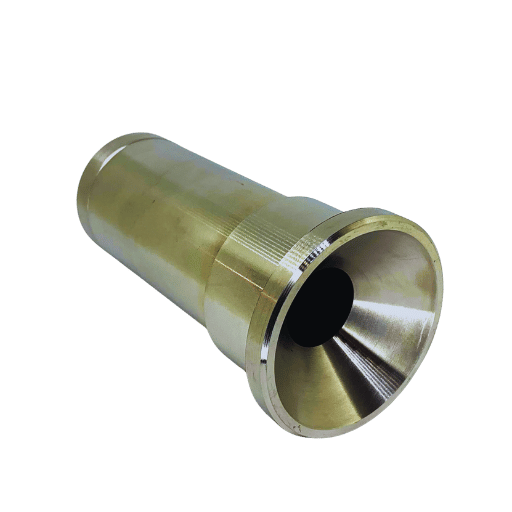
Stainless steel is hugely important in injection molding for obvious reasons: it perfectly withstands even unusually harsh working conditions, thereby always being resistant to erosion, possesses great corrosion resistance, and can perfectly withstand high temperatures. This makes stainless steel an excellent material for making molds and machine components that are subjected to severe thermal stress. One added advantage of this grade of steel being so anti-wear and resistant to deformation is that the equipment remains consistently functional, hence decreasing maintenance stops. As worn pins do not put their botched finish on cards, dry simmering also aids in ejecting air out of beading and eliminates air bubbles in an ejection orifice. These improve what is going on in the area of the quality of products and operations that are conducted in the manufacturing industry, such as injection moulding.
Advantages of Stainless Steel in Manufacturing
- Corrosion Resistance: Stainless steel is highly resistant to corrosion, making it suitable for use in harsh environments and ensuring durability.
- Ductility: It possesses high tensile strength and flexibility, meaning it can endure high pressures, high temperatures, and even wear and tear.
- Low Maintenance: Stainless steel’s deformation characteristics help decrease wear and tear and require less maintenance, reducing the plant’s running costs.
- Hygienic Properties: Stainless steel has a high texture and thus is prevented from the growth of bacteria and hence contamination, making stainless steel ideal for construction in such areas as food processing, clothing materials, medical equipment, and so on, in clean, streamlined environments.
- Aesthetic Assurance: Steel accepts a contemporary, good look and maintains this good look for many years without any problems, which makes it useful for not only constructive works but also decorative functions.
- Reusability: It can basically be taken to a furnace and reshaped to suit different designs or uses, thus promoting sustainable manufacturing processes.
- Thermal and Chemical Resistance: At any level of heat or chemical substances, steel always maintains its mechanical structure, hence widely applied for general and heavy industrial works.
- Ease of Being Shaped: It is possible to modify, connect, and cut steel without getting organized complexities in the production process.
Key Attributes of Stainless Steel Parts
- Corrosion Resistance: Because of its high chromium content, stainless steel even withstands rust and corrosion in difficult situations.
- Durability: It is long lasting and is used in heavy duty applications because it can withstand a great degree of abrasion and wear.
- Hygienic Properties: The smooth texture of stainless steel surfaces make it easy to maintain hygiene hence its popularity in food and pharmaceuticals sectors.
- Strength-to-Weight Ratio: The ratio of strength to weight for stainless steel is high yet reduces the economic burden of large amount of steel used in designs.
- Aesthetic Appeal: Modern polished stainless steel is most often employed for missions that are both utilitarian and enticing.
Durability and Corrosion Resistance
Stainless steel is known for its great mechanical properties and corrosion resistance, making it a perfect material for many different applications. Its structure mainly contains iron, chromium, and other elements, which form an oxide scale that is resistant to attack by rust and other corrosive agents. This natural durability towards corrosion provides excellent performance over many years and minimizes the necessity for upkeep, especially in conditions with wetness, chemicals, and possibly extreme hot or cold. Such qualities favor its use in different branches, among which are building, medical, and water activities.
Injection Molding Process for Stainless Steel Parts
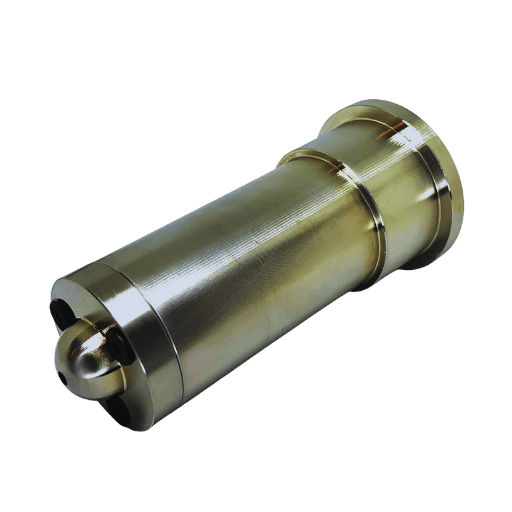
Step-by-Step Manufacturing Process
Material Preparation
- In production processes, prefabricated systemic metallic materials are prepared by binding stainless steel powder with a blending matrix of polymers and waxes suitable for injection molding.
Injection Molding
- The prepared material is now confined in a mold with low tolerance in terms of the material input and the design desired pushed in by the need to specially thanks to the high pressure. It is during this phase that there is a high level of repetition of processes in the achievement of complex shapes.
Debinding
- In this process the binders are displaced within a controlled temperature or chemical environment and a weak green body is left consisting of particles of stainless steel.
Sintering
- This weak green body is now fired in a high temperature furnace to sinter the stainless steel particles. This results in the solid surface being formed by the joining of the particles of stainless steel. This operation provides them with their final properties and mechanical characteristics.
Secondary Operations (If Required)
- After the sintering step, if they are still required, there are certain finishing processes or machine all the process for components. This is important to remove any dimensional or surface defects.
Quality Inspection
- Before or after the sintering process, the material can undergo quality inspection to determine the accuracy of any parameters such as the dimensions or the strength of the material.
Packaging and Distribution
- Post ‘production’, the parts are washed, covered in packing materials that will also keep them safe from any damages and are tumbled to prepare them for shipment to either their respective industries, or clients.
Metal Injection Molding (MIM) Techniques
Metal Injection Molding (MIM) is a conversion process that benefits from the advantages of the plastic injection molding process and the high material utilization efficiency of the powder metallurgy process, to produce dense, high-performance ceramic pieces. The manufacturing of ceramics via metal injection molding involves the following four-step procedure:
Making the Feedstock
- A metal powder mixed with a thermoplastic binder is made to create the feedstock which gives the material good consistency throughout.
Molding
- The feedstock is applied into the cavity of the mold using high pressures in orderto achieve the shaped part with fine details.
Binder Removal
- The technique for removal of the binder can be either thermal treatment or extraction technique, which results in producing powder coat named the brown part encased within a porous metal article.
Sintering
- Heating the final metal component just to a level almost enough to melt it allows the microparticles to come into closer proximity and coalesce into a dense, solid material of better properties.
These systems provide very good advantages in the formation of complex shapes with high strength properties yet using minimal material. The efficiency and accuracy of the MIM coupled with this burstiness feature has allowed it to be used in various industries including medical, aerospace, automobile manufacture, and consumer electronics.
Powder Injection Molding (PIM) Explained
Powder Injection Molding (PIM) is an advanced manufacturing process that combines the techniques of powder metallurgy and plastic injection molding to obtain high precision and complicated parts. Fine metal or ceramic powder, processing binder, and other materials are initially mixed, and the powder is first formed into a feedstock. This feedstock is moulded into the powder to prepare a ‘green piece’, which is then debound in order to allow the ‘browning’ of the product. The last but most crucial step is called the sintering process, in which the part is either cold or furnace heated, which ultimately ensures that the powder particles coalesce to their competent densities and mechanically associated properties. PIM is praised for its outstanding results with regard to the provision of high-quality components formed using little materials and is therefore used in a number of sectors that demand either painstaking exactitude or top performance.
Applications of Stainless Steel Injection Molding
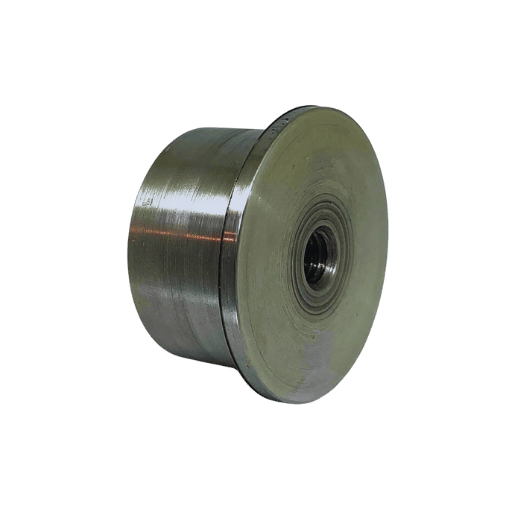
Industries Utilizing Stainless Steel Parts
- Medical Industry: The right application of stainless steel injection molding affords a factory the ability to produce such precision instruments and orthodontic appliances as well, with the touch of biocompatibility of almost any level.
- Automotive Industry: This material may be utilized in making stainless steel gear shifts and screws, along with other advances, due to the stainless steel durability and coolness steel offers today.
- Aerospace Industry: Small stainless steel parts are very important in aerospace. For instance such aerospace parts like commercial airplane’s fasteners and designing and development of steel fasteners.
- Consumer Electronics: Preferably, stainless steel is used as an aesthetic material in the production of goods such as frames and ports.
- Industrial Sector: The applications in this field include high wear-resistant and reliable tools, hardware, and machine parts.
- Defense Industry: Stainless steel is frequently used to form intricate components, which are further used in guns and military equipments.
- Food and Beverage Industry: The Food industry uses stainless steel for hygiene and durability, especially in food processors and containers.
Automotive and Aerospace Applications
- Engine Components: Stainless steel is a key material used in the fabrication of turbocharger parts, fuel system components and exhaust manifolds which are important due to their strength and heat resistance.
- Structural Parts: Stainless steel is easy to use and high-performance, owing to its low density and high strength. Hence, it can be employed in the construction of any Airport or other Aeronautical structures to improve the level of service provision and, most importantly, safety issues.
- Fasteners and Connectors: Through the use of complicated stainless steel fastening systems the most compatible baits, such as nuts, bolts, and washer, allows fastening them into place with some guaranteed motion. There is an appropriate bolting setting with a guarantee of such reliability.
- Sensor Housings: In such cases especially in automotive and aeronautical industries where some of the components are too delicate stainless steel is used to house sensors because it performs well even under extreme temperature conditions.
- Brake Systems: Stainless steel brake parts like pistons and calipers can be produced because steel is used to these operations because it does not deform nor corrode even under temperatures and friction.
Medical and Consumer Goods Utilization
Stainless steel metals have come in handy in the medical field, as well as in consumer goods chiefly due to their durability, sterility and resistance to rust.
- Medical Uses: It is very common in making surgical instruments, implants, and hospital facility material due to ease of sterilization and because it is non-reactive with body tissues.
- Consumer Goods: Stainless steel is used in kitchen appliances, utensils, and cutlery, providing high life preservatives and stunning appearance, as well.
Therefore, it is clear that this material is of utmost importance in both service industries, in that it enhances the security, efficacy, and dependability of the operations.
Choosing the Right Supplier for Injection Molding Machines
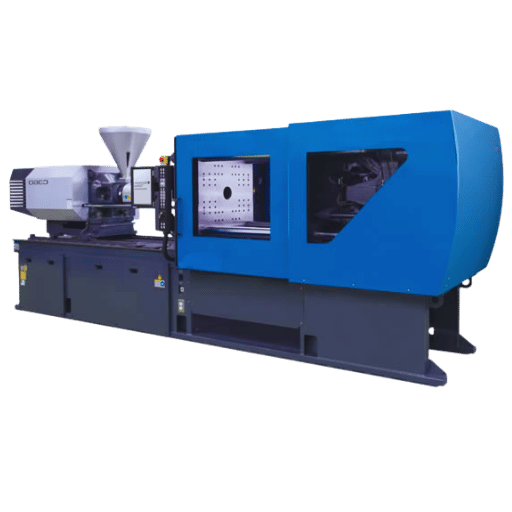
Evaluating Supplier Capabilities
Supplier’s capabilities assessment for injection molding equipment should be primarily targeted towards critical aspects that positively contribute to quality and performance. It should consider the manufacturer’s manufacturing capabilities through historical factors, current certification by the trade, and testimonials from past customers. It is also paramount that the various machineries be well elaborated and that they serve the company’s specific requirements, such as ton capacity, the sorts of materials being molded, and the machining tolerances needed. It is critical to ascertain the guarantee of support to be rendered after sales, including training and maintenance, availability of technical support, and most importantly, replacement of spares. Lastly, kindly include other essential information stated within the inquiries relating to when a shipment would reach you, how efficient the requested supply would be, and its consistency.
Quality Assurance and Compliance
In order to ensure quality as well as compliance in the course of product manufacturing, it is recommended to pay greater attention to the purchasing of equipment and personnel trained according to the standards available in the area, such as ISO certifications. Introduce a regular audit schedule which will identify guidelines compliance and set up strict checks at the very beginning of material supply and upon all finished goods so that no defects remain. Furthermore, implement a segregation procedure, documentation, and training of all personnel, so that compliance with such requirements is internalised in all processes. With the help of strong and effective quality controls, it is possible to minimize errors and improve the performance of manufactured products.
Key Considerations for OEM Partnerships
- Clear Communication of Expectations – To prevent misunderstandings or disputes, it is necessary to Clearly articulate the terms of reference of each partner that include product specifications, delivery dates and quality that is expected.
- Procurement and Evaluation of Suppliers – Every attempt should be made to eveluate suppliers in alll aspects but more specifically assess suppliers on such factors as critical technology, quality control management and risk management as well as compliance to legal requirements.
- Intellectual Property Protection – It is critical that agreements define clauses that protect technical (industrial) property in the form of designs so that other persons do not build on them.
- Scalability and Flexibility Understanding and Adjustment—Engage only those providers of OEM services who will be capable of increasing or decreasing production, shutting down the product within the appointed time frame, and accommodating future developments.
- Cost analysis and Transparency – Open and frank dialogues about pricing models should include hidden expenses and how much is charged for extra work to avoid operating at cross purposes on costs and also on the viability of the entire project.
Maintenance Tips for Injection Molding Machines
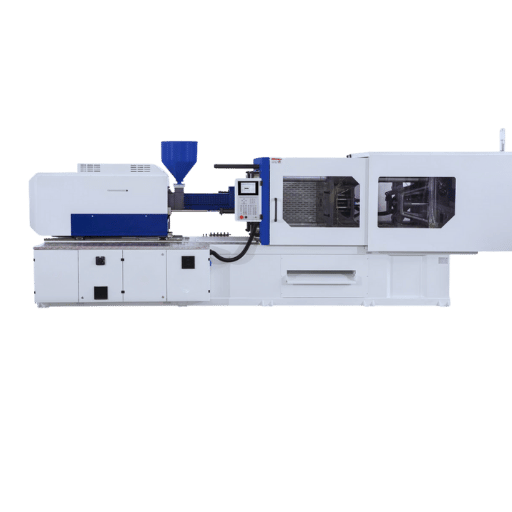
Cleaning and Inspection Protocols
- Mold Aspects That Need Attention – Mold is prone to dirty areas over time and this may reduce the quality of the molded pieces and the performance of the machine. Only clean the mold if is it is necessary and use specific chemical solutions.
- Cleaning of Barrel and Screw – Engage in the habit of cleaning the barrel and screw barrel to enhance precision of the material movement and give constant flow during the mixing stage.
- Hydraulic System Inspection – Attendants should ensure that the hydraulic lines and hydraulics are not only clean, but that there are no leakages as well as the proper levels of hydraulic oil, according to the manufacturer’s standards.
- Cleaning of Nozzles and Gates – Consider cleaning the nozzle or gate as a part of the regular maintenance plan. Doing so will prevent any material blockages and defects in the molded parts that might halt the production process.
- Inspection of Electrical Components – Monitor and clean machine-related cables, switches, controllers, and measuring transducers to enhance the consistency and accuracy of machine movements.
Part Replacement Strategies
When it comes to the replacement of components, I always focus on getting the right parts and avoid settling for inferior quality, which may not be consistent with the machine specifications. More so, I consider several critical factors like wear resistance and cross-section before initiating a replacement. I also advise my clients to use reputable suppliers such as Baetro, which has high-quality components made from high-precision machining methods, so as to ensure the prevailing standards of production are kept high.
Extending the Lifespan of Molding Machines
In order to prolong the life of a machine, the user shall see to it that some regular maintenance practices are implemented. These practices, among others, may include cleaning of components, lubrication of moving parts, and looking for any wear or damage. In addition, while operating the machinery, all the required settings should be observed in order not to cause any excessive load to any of the parts. Good practice is to ensure that efficiency is high and available by utilizing standard, well-manufactured replacement parts from reputable suppliers. In conclusion, it should be ensured that the personnel handling the equipment pay attention to exhaustive training and perfect operations, so that the life of the equipment is saved from any errors.
Frequently Asked Questions (FAQs)
Q: What is the product description of the injection molding machine stainless steel parts?
A: Injection molding machine stainless steel parts are components designed for use in injection molding processes. Made from high-quality stainless steel, these parts offer durability, resistance to corrosion, resistance to heat and can be used in complex metal shaping applications for various industries.
Q: What are the advantages of using stainless steel in injection molding?
A: The use of stainless steel in injection molding provides several advantages, including enhanced mechanical strength, resistance to chemical exposure, and longevity. This material allows for a cost-effective solution while maintaining a high-quality finish, making it suitable for commercial applications.
Q: How does the technology involved in molding machine stainless steel parts work?
A: The technology behind molding machine stainless steel parts involves heating the stainless steel until it becomes pliable, then injecting it into a mold to form the desired shape. This process is efficient and allows for the creation of intricate designs with precision, resulting in high-quality finished products.
Q: What is the range of stainless steel used in injection molding machines?
A: The range of stainless steel used in injection molding machines may encompass wide range of alloy compositions including enhancing the strength properties of the material. Some common grades are 304 and 316 stainless steels, which depend on the requirements of the application and the working condition of the parts it will be employed for.
Q: Can you explain the relation between injection molding and casting?
A: Injection molding and casting are both methods used to create parts, but they differ in their processes. Casting involves pouring molten material into a mold and allowing it to solidify, while injection molding uses a machine to inject material under pressure into a mold. Both methods can produce high-quality components, but injection molding is often more efficient for mass production of complex shapes.
Q: What kind of savings can be achieved by using stainless steel in commercial applications?
A: Utilizing stainless steel in commercial applications can lead to significant savings in terms of durability and maintenance. The longevity of stainless steel parts reduces the need for frequent replacements, while its resistance to corrosion minimizes repairs, leading to lower overall operational costs.
Q: What factors should be considered when selecting the size of stainless steel parts for injection molding?
A: When determining size of stainless steel parts for injection molding, it is essential to evaluate such aspects as the complexity of the design, the ability of the molding machine and the application in question. It is crucial to ascertain that any choice of size for use with the mold and machine would be conducive to efficient production.
Q: To what extent is the mechanical performance of injection molded stainless steel parts equivalent to that of other plastic or metal materials?
A: The quality of injection molded stainless steel parts is generally better than other plastic or low-grade metal materials. This is because stainless steel possesses superior tensile strength, fatigue resistance, and heat retention qualities, and therefore, it is suitable for use in harsh conditions.
Q: What other categories should one look up for more in-depth information on stainless steel injection molding?
A: In case you are interested in finding out more in connection with stainless steel injection molding, there are categories such as metal fabrication, industrial manufacturing technologies, and material science which are closely related. These subjects explore such aspects as technology, materials, as well as the enhancements associated with high grade injection molded products.
Q: How can a company improve its injection molding processes using stainless steel?
A: To enhance its injection molding processes, a company can invest in better stainless steel, develop better molded designs, and incorporate newer technology into the molding machines. Also, good practice in how staff are used and the machines are maintained may improve the production services offered and product delivery.
Reference Sources
- Injection molding, debinding and sintering of 316L stainless steel – A paper on the micro powder injection molding process for 316L stainless steel.
- Injection molding, debinding and sintering of 316L – A detailed study on the μPIM process for metallic microstructures.
- Low-pressure injection molding processing of a 316-L stainless steel – A paper on the behavior of 316-L stainless steel components in specified circumstances.
- Leading Stainless Steel CNC Machining Services Provider in China
- Stainless steel
- Manufacturing
- Steel


