


Titanium, in terms of industrial applications that require strength, durability, and corrosion resistance, stands at the top of the list. But corrosion: can titanium rust? A question that many engineers, manufacturers, and everyday users of titanium-based products have pondered. Titanium has an unusual combination of properties, making it virtually impervious to environmental and chemical deterioration, unlike other materials that rust and decay. This comprehensive guide will provide insight into the corrosion resistance of titanium for both materials scientists and curious laypeople alike.
Introduction to Titanium and Its Properties

Titanium is a light and strong metal, renowned for its excellent corrosion resistance and biocompatibility. Due to its tremendous strength paired with very low weight, titanium is ideal when durability is needed without being too heavy. The titanium metal does not rust or suffer corrosion because a thin film of chemically stable oxide forms on its surface.
What is Titanium?
Titanium is a metal that is exceptionally light and moderately strong. These specific characteristics empower it with high corrosion resistance. The natural occurrences of titanium include rutile and ilmenite, and its applications regard high-performance materials. Due to its exceptional strength and low density, titanium finds applications in the aerospace, medical, and engineering fields.
Properties of Titanium Metal
It is known for having the best ratio of strength to weight, making it both strong and lightweight.
Good resistance against seawater, chlorides, and oxidizing environments.
The melting point of about 1668°C (3034°F) is perfect under extreme conditions.
With a non-toxic and non-reactive nature, it is widely used in medical implant applications.
Gives stability when subjected to varying temperatures.
With a low degree of conductivity, it is suitable for use in specialized applications that require strength.
Why is Titanium Important in Various Industries
- Aerospace: High strength-to-weight ratio for aircraft components
- Marine and Chemical: Corrosion resistance in harsh environments
- Medical: Biocompatibility in prosthetics and implants
- Energy Production: Withstanding tough conditions in nuclear power
Understanding Titanium Rust and Corrosion

Does Titanium Rust?
The conventional rusting does not occur with titanium. Due to its highly specialized chemistry, unlike iron and standard steels, titanium cannot form rust, or iron oxide. When a titanium surface is exposed to oxygen, it instantly generates a thin film of titanium oxide, which acts much like a protective patina, resisting further corrosion.
The oxide layer primarily comprises titanium dioxide (TiO₂), which forms a barrier to further interaction between the underlying metal and environmental agents, such as moisture or oxygen. The passive oxide layer on titanium reforms spontaneously if it becomes damaged, even under very aggressive or abrasive conditions.
Mechanisms of Titanium Corrosion
While titanium corrosion usually does not occur under normal conditions, in unusual, extreme environments, it does represent a problem. A key reason behind the corrosion resistance of titanium metal is the presence of a stable, protective oxide film consisting mainly of titanium dioxide (TiO₂).
Conditions that can affect titanium’s protective layer:
- Highly concentrated acidic solutions
- Fluoride ion attack on the oxide layer
- Reductive environments, especially with increasing hydrogen ion concentration
- High mechanical stresses combined with marine environment
Corrosion Resistance Comparison
| Metal | Corrosion Resistance | Key Strength | Limitations |
|---|---|---|---|
| Titanium | Exceptional | Self-healing oxide film | Expensive, machining |
| Stainless Steel | Good | Chromium oxide layer | Pitting in chlorides |
| Aluminum | Moderate | Lightweight, oxide layer | Weak in acids |
| Copper | Moderate | Conductivity, patina | Expensive, tarnishing |
| Inconel | High | Heat & corrosion | Cost, machining |
| Brass | Moderate | Easy machining | Limited strength |
Formation of the Oxide Layer
Titanium resists rusting and corrosion because, upon exposure, an oxide layer forms on the surface of the metal. The layers of TiO₂ (titanium dioxide) form spontaneously with oxygen interaction, even at room temperature.
Key Characteristics of Titanium’s Oxide Layer
- Strongly adheres to the metal surface
- Non-porous structure that blocks corrosive elements
- Self-regenerating when physically damaged
- Thickness: 2-10 nanometers in ambient conditions
Comparison with Other Alloys
| Material | Key Element | Rust Resistance | Special Features | Applications |
|---|---|---|---|---|
| Stainless Steel | Chromium (10.5%+) | High | Self-repairing oxide layer | Kitchenware, medical tools |
| Duplex Stainless | Chromium (22-25%) | Very High | Dual-phase, chloride-resistant | Marine, chemical plants |
| Alloy Steel | Varies | Moderate | Strength and wear resistance | Construction, automotive |
| Carbon Steel | Carbon (0.05-2%) | Low | High strength, low cost | Structural, machinery |
Applications of Titanium in Various Industries
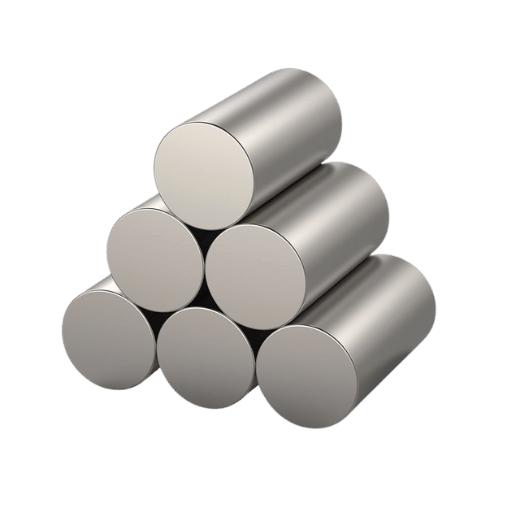
Titanium plays a critical role in aerospace due to its extraordinary strength-to-weight ratio, corrosion resistance, and ability to withstand harsh temperatures. Used in:
- Airframes and jet engines
- Landing gear components
- Turbine blades and compressor parts
- Spacecraft and satellite structures
Key Fact: Modern jet engines use 50-70% titanium by weight in critical components.
Medical implants have been transformed by titanium’s outstanding biocompatibility, corrosion resistance, and high strength-to-weight ratio. Applications include:
- Dental implants (95%+ success rate)
- Joint replacements
- Orthopedic applications
- Custom 3D-printed implants
Advantage: Integrates with human bone through osseointegration with near-zero allergic reaction risk.
Titanium jewelry offers excellent corrosion and rust resistance, making it an attractive choice for daily wear. Benefits include:
- Lightweight yet extraordinarily strong
- Hypoallergenic properties
- Low maintenance requirements
- Customizable through various techniques
Appeal: Perfect for consumers seeking practical and aesthetic durability.
Common Misconceptions about Titanium Corrosion

🚫 Myth #1: Titanium cannot rust or Corrode Under Any Conditions
Reality: Aglowing titanium is so resistant to corrosion; under extreme conditions, it still cannot prevent some attack. When it is subjected to severe chloride environments or in the presence of very aggressive chemicals, titanium may suffer localized attack.
🚫 Myth #2: Titanium is Completely Maintenance-Free
Reality: With titanium’s corrosion resistance largely reducing maintenance requirements, periodic inspection and handling are still needed, especially in industrial use, where titanium may be subject to aggressive chemical attacks or excessive wear.
Understanding Crevice Corrosion in Titanium
The crevice corrosion mechanism is induced by local oxygen depletion in stagnant or confined areas. The following situations may give rise to such corrosion:
- Under gaskets, seals, or deposits
- In stagnant water conditions
- When the protective oxide film is disrupted
- In environments with high chloride content
Prevention Strategies
- Regular cleaning and maintenance
- Minimizing stagnant areas in design
- Avoiding prolonged exposure to highly corrosive environments
- Using enhanced titanium alloys with palladium or ruthenium
Titanium’s Advantages Among Metals

Titanium’s unique combination of properties makes it sought after across industries:
Titanium has a density of 4.5 g/cm³ (half that of steel) with similar strength; ideal in aerospace and automotive applications.
It forms a stable titanium dioxide layer that prevents corrosion even in harsh environments, such as saltwater and acidic conditions.
It is non-toxic and integrates with human bone tissue, hence crucial for medical applications.
Maintains its properties over a wide range of temperatures and is, therefore, favorable for most industrial applications.
Modern Developments: Improvements in the formulation of titanium alloys, such as Ti-6Al-4V, have enhanced their mechanical properties, including fatigue resistance, while also enabling their use in various high-performance industries.
Frequently Asked Questions (FAQs)
Key Takeaways
- University of California, Berkeley: A New Age for Titanium: The corrosion resistance imparted to the metal and its endurance against brutal treatment are highlighted in this article.
- University of Tennessee: Materials Properties Handbook: Titanium Alloys: An elaborate handbook discussing titanium alloys, including their excellent corrosion resistance.
- Superior strength-to-weight ratio makes it ideal for aerospace and medical applications
- While highly resistant, titanium can experience localized corrosion under extreme conditions
- Proper material selection and design considerations are crucial for optimal performance


