


Precision CNC turning provides modern manufacturing industries with the production platform necessary for complex-shaped components, fabricated with utmost precision, due to its enhanced efficiency. Aerospace and medical device industries cannot take machining to the machining standards, almost certainly, as an option. This article provides an in-depth exploration of the operations of high-precision CNC machining services, including innovative capabilities, advanced technological equipment, and procedures for achieving optimal results. Searching for uses of CNC Turning or for suitable machining options for your special requirements? This guide holds relevant information to aid your decisions and enhance your product.
Understanding Precision CNC Turning

Making machinable parts requiring very tight dimensions is permissible under this procedure, whereby the cylindrical surfaces are preferably produced on a turning machine by precision CNC turning. Therefore, it is crucial to maintain proper tolerances and surface finishes within the required dimensions. The CNC machine utilizes computerized controls and automated machinery to enhance repeatability and efficiency, producing designs of greater complexity and precision with almost no error. This technique is well established in the aerospace, medical, and automotive industries.
What is CNC Turning?
CNC Turning is a high-precision machining operation in which material is removed from a rotating workpiece using computer-controlled precision tools. The workpiece is held at the centre of the CNC lathe and rotated at very high speeds, while the tools are programmed to move in different axes to create the required shapes. Highly versatile in producing cylindrical parts, such as shafts, bushings, and pistons, with exceptional accuracy and surface finish, CNC Turning machines achieve repeatability and reduced operator intervention through the use of state-of-the-art programming software and sensors, which also enable the efficient manufacture of complex geometries. Due to the requirement for precision, quick turnaround times, and the ability to manufacture from various material types, including metals, polymers, and composites, CNC Turning is widely used in industries such as aerospace, automotive, and medical manufacturing.
The Importance of Precision in CNC Machining
CNC machining warrants caution regarding quality, package, and cost concerns. It guarantees the highest accuracy in components made to fit exact design specifications, with tolerances measured in microns. Pushing down this accuracy is imminent, especially in the aerospace and medical device manufacturing industries, and or wherever slight deviations change matters in terms of safety and capability. New CNC machinery now achieves such precision through excellent motion control, spindle accuracy, and real-time feedback mechanisms; indeed, corrections can be made in real-time using adaptive control systems, which ensure consistency of precision in production runs. The entire operation minimizes interference with material waste and reduces secondary work, making the process very economical and somewhat environmentally friendly. Precision is not just a parameter that defines quality; instead, it has emerged as an operational imperative that manufacturers must stand upon in today’s technology-driven manufacturing landscape.
Key Components of a CNC Turning Machine
- Bed: The rigid support of the machine that holds all the other components and maintains stability during their operation.
- Headstock: Houses the spindle and its driving mechanism, imparting rotary motion to the workpiece.
- Spindle: The rotating component that firmly holds the workpiece and spins it; this is essential for machining with precision.
- Chuck: A clamp mounted on the spindle, used for clamping the workpiece firmly during machining.
- Tailstock: A movable component that aligns with the spindle and is used to provide support at the other end of the workpiece for stability during longer operations.
- Tool Turret: A tool holder that rotates to hold many cutting tools, allowing rapid changing of tools during machining for greater efficiency.
- Tool Post: Supports the cutting tools, allowing for the adjustment and positioning of the tools.
- Control Panel: Features for operating input instructions, monitoring operations, and adjustments to operations.
- Ball Screws: Highly precise screws for linear movements of axes, driven by the servo motors.
- Carriage: Moves the cutting tools along axes to carry out machining tasks on the workpiece.
- Guideways: Precisely fabricated tracks ensuring correct and smooth movement of the carriage and other movable components.
- Coolant System: Applies the coolant to the cutting zone to disperse heat, promoting longer tool life and superior machining quality.
- Chip Conveyor: Collects and removes chips during the machining process.
- Servo Motor: Offers axis-wise movement control to ensure final positioning accuracy.
- Enclosure: The protective casing that contains the machinery, ensuring operator safety and a clean working space.
Benefits of Precision CNC Turning
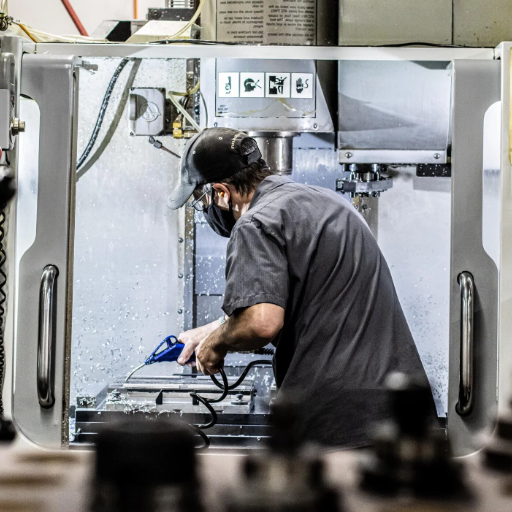
High Dimensional Accuracy
Precision CNC turning achieves accuracy to such an extent that it produces components with tight tolerances and constant quality, a necessity for aerospace and medical device industries.
Increased Production Efficiency
The less manual intervention involved, the greater the throughput realized, and the shorter the perceived cycle time, without compromising precision.
Material Diversity
CNC turning is capable of machining a wide range of materials, including metals, plastics, and composites, to meet the diverse needs of various industries.
Economic Value
Low wastage, proper material usage, and quick operation result in lower costs compared to traditional methods.
Scalability and Reproducibility
From prototyping to mass production, CNC turning system can replicate any design with absolute precision once it is programmed.
Improved Accuracy in Machined Parts
Because CNC turning machines follow computer-guided controls that work with hyper-accurate specifications, the precision inherent in CNC turning minimizes human errors, ensuring that all parts work within specified tight tolerances. In contrast, the quality obtained from the perfect cut and measure is maintained throughout the entire process through advanced feedback systems and real-time monitoring. Making parts with such precision is crucial in industries such as aerospace, medical, and automotive, where even a slight deviation can have a significant impact on functionality and safety.
Reducing Waste and Enhancing Efficiency
With materials being a significant source of energy waste and cost inefficiency, Precision CNC Turning introduces its various features to reduce material waste and enhance production efficiency above all. The CNC turning method, utilizing sophisticated software and automated programming, ensures the maximum utilization of raw materials. Every cut and rotation is precisely calculated to ensure that no unnecessary material is removed during part production, thereby minimizing scrap and saving money. Recently, extensive data has been collected indicating that the application of precision CNC turning in industries has reduced material waste by almost 30%, directly translating into increased profit and sustainability.
The CNC turning technology enables high-speed production, thereby reducing cycle times while maintaining quality consistency. The advantage of real-time monitoring and predictive maintenance is that it decreases downtime even when minor issues are detected. In such a high operational efficiency level, lean manufacturing processes would be streamlined in almost all production processes. Since CNC turning combines precision, automation, and resource optimization, it serves the current industrial needs for sustainability and high productivity and finds indispensable application throughout several sectors.
Cost Efficiency in Manufacturing Processes
Through precision and CNC turning processes, significant cost advantages are introduced into the production. CNC turning automates repetitive tasks, thereby limiting human errors and resulting in fewer defects and reworks. The process provides consistent speeds and tolerances, optimizing the use of raw materials and reducing production costs. Secondly, considering that most of the time it deals with complex designs meant for a single setup, it implies the time consumed in making manual adjustments or utilizing different machines, thus incurring manual labor costs. All those affordances constitute a lean manufacturing flow where cost advantages prevail.
Choosing the Right CNC Turning Shop
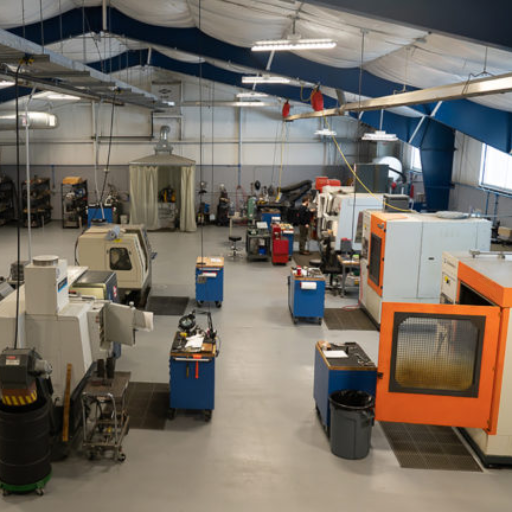
When selecting a CNC turning shop, prioritize those with modern, high-precision equipment that can produce tight tolerances and complex design specifications. Evaluate their knowledge of your required materials and geometry. Consider the shops that consistently deliver quality parts and meet schedules; the ability to support you through every step, from prototyping to post-production, would be a plus. Ensuring that they maintain strict quality control standards and offer a competitive price that suits your project will be beneficial.
Factors to Consider When Selecting a CNC Machine Shop
Importance of Certifications and Experience
Certification and experience are often among the primary factors considered when establishing the credibility and precision of a CNC turning shop. Having industry-recognized certifications such as ISO 9001, AS9100 for aerospace manufacturing, or IATF 16949 for automotive applications means that the shop adheres to strict quality management standards. Through these certifications, the respective bodies acknowledge the shops as worthy because they have strong processes in place to ensure consistent quality, traceability, and compliance.
From experience, reliable insurance and control of quality in prototype CNC turning shops enable them to turn specifications into complex parts, often amplified by technical requirements. The shops with extensive experience in a particular industrial field will be able to foresee difficulties that may arise and propose workarounds specific to your project. Such operators and engineers will set the optimal machining parameters, control material usage, and maintain tight tolerances, even though these last few conditions are a matter of life or death for aerospace, automotive, or medical manufacturing.
By selecting a CNC turning shop with legitimate certifications and solid experience, you assure not only the quality of the finished product but also timely delivery, strict adherence to specifications, and a minimum of risks involved throughout the project, a litany of attributes critical to keep your supply chain intact and set you for success in the long run.
Evaluating Turnaround Times and Customer Support
Lead and turnaround times being met without unnecessarily imposing delays are key factors to consider when choosing a CNC turning shop for potential work. A dependable shop provides a production schedule with well-defined milestones, based on the intricacies of the components to be produced and the current production capacity. The shops with advanced technology and some automation tend to have shorter lead times because these technologies make the production easier and reduce bottlenecks.
Another essential factor is customer service. Effective communication between the shop and the client facilitates addressing concerns, providing real-time updates, and resolving emerging issues. A CNC turning shop should have representatives for after-sales support who can discuss production details with technical expertise when necessary. Another view of reliability and responsiveness can be gained from customer reviews, testimonials, or case studies. Picking a partner who values transparency and customer satisfaction will help further your projects’ achievements.
Impact of Precision CNC Turning on Manufacturing Efficiency

Precision CNC turning enhances manufacturing efficiency by automating complex machining processes, reducing cycle times, and minimizing potential human errors. It enables the manufacture of exact and repeatable parts within tighter tolerances, ensuring consistent quality for mass production. Advanced toolpaths and real-time monitoring instances would maximize material use while minimizing waste and operational costs. These factors enable seamless routing of manufacturing processes and increase output through precision CNC turning.
Streamlining Production Processes
A major boon to productivity is CNC turning, which achieves high accuracy by reducing setup time and material wastage. The very feature of CNC machining that enables the consistent production of components within narrow tolerances also eliminates mistakes associated with manual interventions, ensuring seamless operations across large volumes. CNC systems provide a high level of automation, enabling faster production cycles, and allow manufacturers to meet schedules without compromising quality. Medical-grade CNC turning has enabled the rapid realization of efficient applications, characterized by optimized material consumption and increased accuracy, ultimately enhancing operational productivity while reducing manufacturing costs.
Enhancing Product Quality with Consistency
Invested in the production process is precision CNC turning, ensuring the highest levels of repeatability and accuracy for premium quality. This process involves carefully controlling and monitoring every manufacturing step. Based on recent information, modern CNC machines equipped with sophisticated software algorithms and highly calibrated tools now achieve tolerances within microns, significantly reducing the likelihood of defects in components and ensuring that these defects do not compromise the design specifications. Consistency is further achieved with the help of automatic quality-assurance methods, such as in-phase inspections or adaptive toolpath corrections that correct deviations in real-time. This further reinforces the reliability of the final product, making it compliant with stringent industry standards across a range of applications, from aerospace to medical devices. Hence, CNC turning in precision is one of the critical factors behind operational efficiency and top product standards.
Managing Tight Tolerances in Production
Precision CNC turning is crucial for manufacturing processes that require tight tolerances, particularly in industries such as aerospace, automotive, and medical engineering. In fact, tolerances as low as ±0.001 inch can be achieved by leveraging the capabilities of machinery, allowing components to be manufactured with exact specifications for use in high-performance assemblies. Contemporary innovations include sensors integrated within the machine, as well as closed-loop feedback that monitors machining conditions and adjusts parameters in real time to reduce errors induced by thermal expansion, tool wear, or material inconsistencies. The introduction of multi-axis turning centers has enabled not only greater complexity and precision in machining operations but also reduced setup times and minimized possible deviations. All these factors contribute to cost efficiency and low defect rates while sustaining stringent quality parameters, thereby giving precision CNC turning paramount importance in the modern manufacturing establishment.
Latest Advancements in CNC Technology
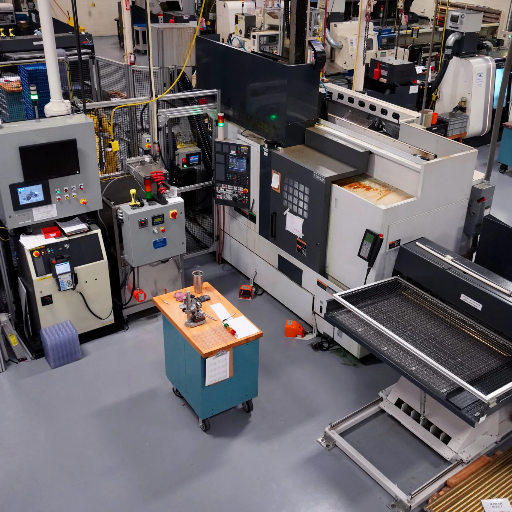
The recent improvements in CNC technology mark the era of automation, AI, and IoT. Toolpath optimization with AI enhances accuracy in the machining process while simultaneously reducing cycle time. IoT-enabled CNC machines can be monitored in real-time for operations and predictive maintenance schemes, reducing downtime. Moreover, multi-tasking machines that incorporate milling, turning, and additive manufacturing in a single setting enable smoother production processes, leading to increased productivity. These developments would allow manufacturers to meet complicated design requirements with unmatched precision and increasingly efficient methods.
Automation in CNC Machining
Automation in CNC machining would involve interfacing technologies such as robotic arms, automated tool changers, and systems-driven software to ensure greater accuracy and efficiency. When repetitive tasks are automated, manufacturers reduce human intervention, leading to fewer errors and higher-quality production. Operating uninterrupted, automated systems have enabled CNC machines to run continuously, even through the wee hours of the morning, which is excellent for throughput. These advances make the industry more efficient, quicker to work in, and allow for greater scalability.
Multi-Axis Capabilities in CNC Turning
Unlike the two-axis lathe operation, multi-axis CNC turning adds other axes, such as the Y-axis and C-axis, thereby permitting complex machining. Cutting, milling, drilling, and contouring procedures are performed simultaneously without repositioning of the workpiece in these systems. With fewer manual operations and no secondary machining, multi-axis CNC turning results in greater accuracy, shorter cycle times, and improved overall efficiency. Therefore, it becomes vital for complex geometries, with reduced handling and close tolerances, in several industries, including aerospace, automotive, and medical manufacturing.
Integration of IoT and AI in CNC Operations
The integration of IoT and AI into CNC operations has transformed traditional machining processes into highly interconnected and intelligent systems. CNC machines with IoT integrate sensors to acquire real-time data on spindle speed, feed rate, temperature, or vibrations. This data is sent to centralized platforms for remote monitoring and maintenance control, as well as for optimizing the machining process by detecting potential machine failures before they occur.
The AI technology offers the next dimension to this integration by providing complex data analysis for machining patterns, reducing material waste, and improving production efficiency. Machine learning algorithms embedded in CNC systems enable them to perform conditional adaptations during manufacturing, thereby increasing their accuracy and consistency over time. AI-powered predictive analytics also provide manufacturers with data-driven insights to reduce downtime and optimize their supply chains. Within Industry 4.0, these synergistic integrations of IoT and AI set the stage for well-promoted CNC operations to drive innovation and operational excellence among manufacturers.
Reference Sources
Frequently Asked Questions (FAQs)
What is a precision CNC turning shop?
Precision CNC turning shops specialize in machining extremely accurate turned parts with CNC lathes and other advanced machinery. These shops focus on achieving supreme precision in machining for their clients, meeting industry requirements to ensure reliability.
What types of machining services are offered at a CNC machine shop?
A CNC machine shop typically offers machining services, including CNC turning, CNC milling, and EDM operations. These machining services are designed to meet the needs of our customers, offering 3-axis, 4-axis, and 5-axis machining as alternatives for complex geometries and high-quality components.
What industries do precision CNC turning shops usually cater to?
Precision CNC turning shops typically cater to industries such as aerospace, automotive, medical, and electronics. These industries demand high-quality, precision CNC machined parts that are put through strenuous operational requirements and standards.
What is the importance of tolerance in CNC machining processes?
Tolerance is a crucial aspect in CNC machining processes, as it determines the extent to which the dimensions of the machined parts can vary. Tighter tolerances ensure the proper fit-up of components, smooth performance, and the meeting of the quality standards demanded by clients across various sectors.
Can a precision CNC turning shop do prototype machining?
Indeed, prototype machining can be undertaken at a precision CNC turning shop. Utilizing the finest CNC technology, they can rapidly manufacture prototypes, enabling quick iteration and adjustment based on customer feedback, which is crucial for companies seeking to test and validate their designs before mass production.
What advantages do multi-spindle machines have when used in a CNC turning shop?
The advantages of using multi-spindle machines in a CNC turning workshop include enhanced production efficiency and reduced cycle time. A multi-spindle machine can produce multiple parts simultaneously, making it ideal for manufacturing in large volumes while maintaining precision and reliability.
What is the difference between CNC turning and CNC milling?
Both CNC turning and CNC milling are essential processes, yet they are set to perform different tasks. CNC turning works similarly to making cylindrical parts, where the workpiece rotates against cutting tools. In contrast, CNC milling removes material from a stationary workpiece. Each requires an inventory of advantages depending on the design parameters of the manufactured parts.


