Sheet Metal Design: A Comprehensive Guide to Fabrication and Best Practices
Sheet metal design is one of the most important aspects of the modern manufacturing process, driving various industries, including the car industry and the aerospace industry, by providing diversified and reliable solutions. This article is intended to introduce the capacities and tools that engineers, designers and manufacturers need in order to improve their designs, be it for economical or for structural purposes. In case the major concern is reducing raw material consumption, eliminating the wasted time of production and guarding the total strength of construction, this reference proposes how to practice and strategies that will enable you to obtain the best results.
Understanding Sheet Metal Fabrication
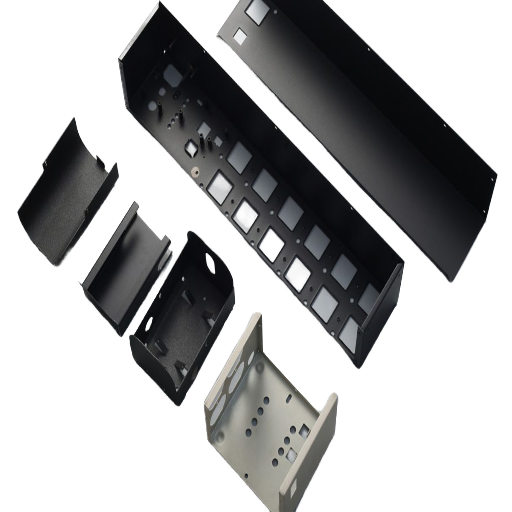
What is Sheet Metal Fabrication?
The process of assembling thin, flat metal sheets into designed forms is referred to as sheet metal fabrication. It is a form of production that involves a few steps such as cutting, bending, forming, and assembling, to produce high-precision components and assemblies. Technology has evolved over the years and today the sheet metal fabrication process makes use of the computer-aided design (CAD) software and computer numerical control (CNC) to provide higher levels of accuracy, speed, and performance.
This capability is indispensable to many industries,s including construction, automobile, aerospace, or electronics industry due to the inherent ability to manufacture parts that are customized to a certain extent. Quality of materials, thickness, tolerances, and surface coatings for a sheet metal design are all key factors that affect the level of performance and the quality of the final product.
The Fabrication Process Explained
The manufacturing techniques include all processes required to produce the final products:
- Selection of Materials: Checking the suitability of the material chosen for use in terms of its properties and standards.
- Processing to the Required Shape and Size: No cutting, machining, or shaping processes to meet the required sizes and shapes.
- Construction and Fitting of Parts: Parts in this case can mean two or more components and their integration through welding, bolts, or adhesive bonding, etc.
- Techniques of Surface Coating and Decoration: To improve the resistance to use, beauty, performance, or all.
- Controlling the Quality of the Product: This goal is aimed at making sure the product is in accordance with the standards in place.
Common Materials Used in Sheet Metal Design
The most common materials used in sheet metal design include aluminum, stainless steel, carbon steel, copper, brass, titanium, nickel alloys, and galvanized steel. Here’s a detailed comparison:
| Material | Key Features | Applications | Advantages | Disadvantages |
|---|---|---|---|---|
| Aluminum | Lightweight, corrosion-resistant | Aerospace, automotive | High recyclability, ductility | Low strength, welding challenges |
| Stainless Steel | Corrosion-resistant, durable | Kitchenware, medical tools | Hygienic, fire-resistant | Expensive, heavy |
| Carbon Steel | Strong, versatile | Construction, machinery | Cost-effective, weldable | Prone to rust |
| Copper | High conductivity | Electrical, plumbing | Antimicrobial, malleable | Expensive, heavy |
| Brass | Corrosion-resistant, aesthetic | Musical instruments, fittings | Easy to machine, durable | Tarnishes, lower strength |
| Titanium | High strength-to-weight ratio | Aerospace, medical implants | Biocompatible, durable | Expensive, hard to machine |
| Nickel Alloys | Heat and corrosion-resistant | Chemical, aerospace | High durability | Expensive |
| Galvanized Steel | Zinc-coated, durable | Construction, automotive | Cost-effective, long-lasting | Welding issues, embrittlement |
Designing Sheet Metal Parts
Basics of Sheet Metal Design
Certain important principles are to be taken into account when designing parts that are made of sheet metal to make sure that they are easy to manufacture, long-lasting, and at the same time cheap enough:
- Raw Material Choice: Select the raw material with strength, fresh craftsmanship, and application in mind. Use ordinary metals such as galvanized steel, stainless steel, or aluminum for their special features.
- Bending Radii: The minimum bend radii must be greater than or equal to the thickness of the sheet metal to avoid cracks and deformation along the material.
- Fitting and Tolerance: Provide real working tolerance with utmost craftsmanship. As much as possible, tolerances shouldn’t be so small that they lead to a rise in the manufacturing cost, for example, in machining.
- Placing Features: To minimize the distortions during edging, holes, slots, and other cuts have to be placed further from the edges. Bear minimum distance of two thicknesses of the material from the edge of the bend.
- Lessen the usage of Sharp Edges: Curved edges are preferred compared to angular edges, as they help eliminate stress and reduce strains on the material and also make the process more efficient of working.
Such design ideas help to develop sheet metal parts most effectively; this includes developing an ideal wear value and manufacturing complexity while minimizing the waste and cost associated.
Design Guidelines for Sheet Metal Components
The following advanced rules should be adhered to to remain abreast with modern methods, as well as enhance the quality of sheet metal design:
- Materials: Select the preferred templates for minor changes with regard to sheet metal design. For example, the current developments in the study of materials have seen the development of new alloys with relatively high levels of strength and formability, particularly for fine precision finishing.
- Bendular and Angular Dimensioning: It is advisable to keep the bend radii inside 10 gauge or greater. In the case of most materials, the practice, and to an extent justified by even the latest CNC bending machines, is to fabricate with a radius of no less than around 1-3 times that particular material’s thickness.
- Punching and/or Cutting Optimism: Thanks to modern laser cut and measure technologies, precision, for exampl, down to the level of ±0.005 inches (0.127 mm) is achievable. Do not allow holes smaller than the sheet thickness to avoid out-of-round during piercing. As necessary, these tolerances need to be verified in production.
- Prevent Material Distortion: When making cuttings on the surface of a material, appropriate cutting bias should be emphasized such that heat-induced distortions are minimized. Research shows that thermal conditions effects can be minimized by around 40% because of some approaches, such as slower cutting speeds and implementation of cooling systems.
- Design of Sheet: For the cut-outs with sharp angles or huge radii, where the thickness of the sheet metal design is more than 2 mm, the design is advised to create spaces of at least three-fold sheet thickness in these regions. Sophisticated nesting tools are going to minimize costs concerning raw material, which can be a waste; in this case, this shall be up to 25%.
- Fixtures: Explore the option of using self-clinching fasteners in the absence of welding, as they make it possible to assemble the pieces easily and permanently. This strategy shortens the replenishment cycle and reduces the labor cost, thus making the designs feasible for large-scale production.
- The External Elements: Use recycled materials as much as possible, and minimize the waste generated during production. Companies utilizing relevant measures towards environment-friendly processes, saving material costs concerning new materials, can save up to fifteen percent on the material bills.
Best Practices in Designing for Fabrication
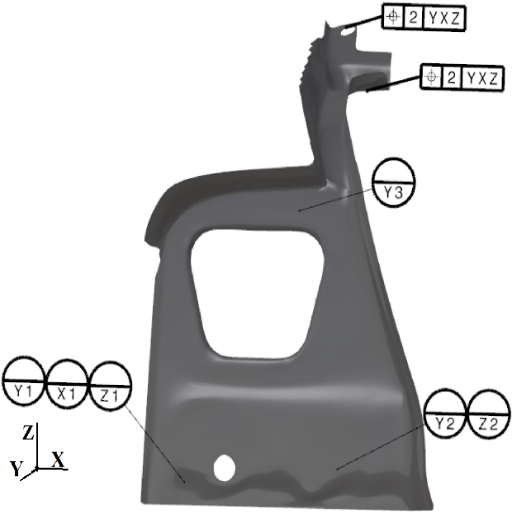
![A fixture layout for a single sheet metal part and the locking direction of each locator [22].](https://baetro-machining.com/wp-content/uploads/2025/10/1.1-16.png)
Key Best Practices
- Material Management and Utilization: Choose materials available and suitable for the manufacturing processes intended. This implies either affordability or quality, and there should be, with ease, sustainable materials and high affordability in achieving environmental and legal requirements.
- Component Standardization: Where possible, design components with standard dimensions and tolerances. This simplifies the production process, shortens lead time, and cuts down the cost of manufacture.
- Optimization of Shapes: Redesign the geometry to minimize the material usage and enhance the ease of producing the product. This should be done in a way that would not cause unnecessary production, and hence material, that has been produced perhaps for sheet metal design punishment or any other purpose of construction.
- Involvement of Advanced Computer Aided Design Software Tools: Rely on experts’ design using high-end design software, both CAD and simulative, before manufacturing. Packaged, online software allows for useful collaborative adjustments in the design processes.
Techniques and Tools for Sheet Metal Design
Innovative Tools for Sheet Metal Fabrication
- CAD Software: Vital for the orientation of benefits and factors during the processes of sheet metal design. The major additions from the late 20th century include some popular platforms such as AutoCAD, SolidWorks, and others.
- Laser cutter: Still, its efficiency in cutting does not come at a cost, and very little remains waste. Manufacturers possess the ability to cut shapes and or designs accurately.
- Press Brake: Present press brake machines are CNC positions and hence are accurate and homogeneous for every bend. This works hand in hand with the design systems, making the production more efficient.
- Roll Forming Sheet Metal: This Continuous Method Is used for producing long metal sections. Capable of high and low volumes of varying parents and materials of any thickness, and with the required qualities.
- Punching Machines: These help in cutting clean holes and shapes in sheet metal. Very efficient with regard to large volume production.
Using CNC Machines for Precision Design
The modern metal industry, as we know it, could not be conceived without CNC (Computer Numerical Control) machines. These systems are based on the principle of controlling a machine with interesting software that enables the operation of a cutting tool in a precise and logical position. Key advantages include ease of replication, minimized errors and the possibility to work on intricate shapes. CNC machines are best applied in production environments where fine parameters are desired, such as aerospace, medical equipment, automotive and so on. By replacing machinery reliant on human operation with ones engineered to function according to programmed instructions, they help to boost performance standards and provide quality services while reducing output scrap levels.
Design for Manufacturing: Enhancing Efficiency
Focus principles of Design for Manufacture, or DFM for short, include consideration of the issuance of relevant designs in the context of manufacturability and costs of production. The principle of design for manufacture seeks to bring the design specifications in line with the manufacturing capabilities in the very early stages of product development, reducing inefficiencies and minimizing wasteful use of resources. They include standardization of components, minimization of the number of parts to be manufactured, and proper selection of materials that are articulated into the manufacturing techniques of the organization. It helps in easing the manufacture of a product while complying with all the design requirements, which saves on time and production costs.
Key Considerations in Sheet Metal Design
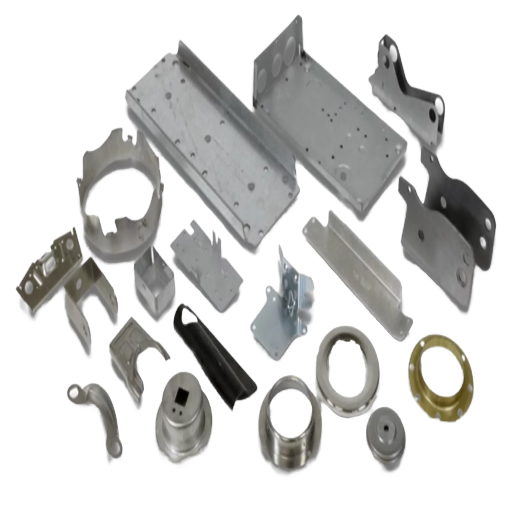
Bend Radii and Tolerances
In sheet metal design, it is essential to define bend radii that maintain the material structure intact by resisting cracking and deformation during processing or fabrication. Proper forming requires that the minimum bend radius should be approximately or exceed the thickness of the material. Dimensioning should take into account all possible deviations caused by the nature of the material and the process of manufacturing itself that would still allow the required fit. Therefore, the development of components meeting these principles will enable accuracy and integrity in complex components as well as in their production.
Material Thickness and Its Impact on Design
The thickness of materials is one of the most important considerations in the design as well as the analysis of structural elements used in a variety of industries. It goes without saying that designers have to find a balance between material strength and weight when contemplating the thickness of the materials. For instance, the demand for strong and lightweight materials, such as composite materials and strong alloys, has been on the rise, principally for weight reduction purposes, amongst others. On the one hand, applications such as the design of aerospace or automotive chassis, which require structural strength, may warrant the use of thicker materials. It is possible for engineers to determine the necessary thickness in terms of strength, performance and economy by using databases and developments in materials research.
Strategies for Improving Manufacturability
- Keep the Designs Simple: Fewer complications aid in the advancement of the design and process, which is a welcome development. The manufacture of fewer parts also helps in reducing the production cycle and the mistakes to a minimum.
- Use Standardized Components: Adopting repeatedly used components or materials helps in lowering the costs and improving the process since such components can be easily sourced and do not require modifications.
- Improve Component Material: There should be a component that is good for easy manufacturing yet satisfies the required functions, so it makes work easier and less debris is produced.
- Apply New Manufacturing Technologies: When considering technology such as sheet metal design or high-accuracy machining, there is an enhancement of the product and the accompanying manual processes are minimized.
- Enhance Process Integration: Merging design, production, and quality earlier during design eliminates major disruptions and reduces re-work. As a result, design modifications will be fewer in number.
- Test Early Prototypes: Rapid prototype detects flaws in design that can not be manufactured and early corrects them to avoid delaying the process of sheet metal design.
Case Studies in Sheet Metal Design
Successful Applications of Sheet Metal Fabrication
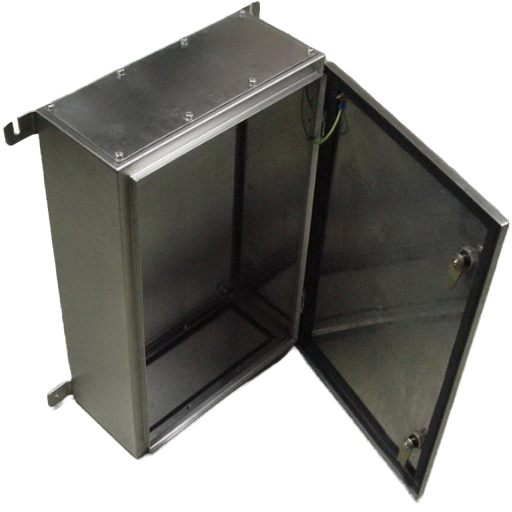
- Automotive Industry: Applications consist of body panel creations, chassis component productions, or structural enhancement creations. Performance and reliability is guaranteed by precision and strength.
- Aerospace Industry: Used in the sector for its exceptional capability in developing lightweight, heavy-duty fuselage, wings and engine components. The issues of weight and strength are issues that can be handled with materials and fabrication technologies.
- Electronics Industry: Integration of components in various products, such as the packaging of computers, television sets, and handsets. Sheet metal is the appropriate material for such cases due to the level of detail and finishing required.
- Healthcare: Sheet metal is used in making surgical equipment, diagnostic apparatus, and hospital furniture, etc. These goods are more durable, less prone to wear, and can be made to individual measures.
- Construction and Architecture: Whether it’s HVAC systems or roofs or even beautifying the building a little bit, sheet metal is very important because of the advantages in the production, strength and customizability that come with it.
- Energy and Renewable Systems: Used globally to produce outer cladding for solar panels, wind turbines,s and also storage units for energy, offering the best solution in terms of the material used with regard to strengthening and masking.
- Industrial Machinery: Employed for the fabrication of structural bases, enclosures, and guarding devices, targeting ruggedness and sharpness.
- Transportation Infrastructure: Sheet metal design is utilized in the field of transportation, catering to trains, ships and applications that include shipment due to their incredible robustness with harsh conditions.
Lessons Learned from Industry Projects
- Importance of Material Selection: Selecting appropriate materials is critical for ensuring performance, lifespan, and safety. Balance durability, corrosion resistance, and cost to meet project requirements.
- Precision in Design and Manufacturing: Accurate designs and precise manufacturing processes minimize errors and inefficiencies. Investment in high-quality tools and skilled labor reduces defect risk and enhances outcomes.
- Adaptability to Environmental Conditions: Design components to withstand specific conditions, such as extreme temperatures or chemical exposure to increase reliability and operational success.
- Sustainability Considerations: Adopting eco-friendly practices such as material recycling and energy-efficient manufacturing reduces environmental impact while aligning with modern regulations.
- Interdisciplinary Collaboration: Collaboration across engineering, design, and project management teams fosters innovative solutions and ensures smooth project execution.
Innovative Solutions for Common Challenges
| Challenge Area | Solution |
|---|---|
| Materials | Cutting-edge composites or bio-based alternatives for better performance and sustainability |
| Automation | AI and automation to streamline processes and reduce errors |
| Data | Big data analytics for informed decisions and resource optimization |
| Modular Design | Simplified, cost-effective modular designs for scalability |
| Energy | Energy-efficient systems and renewable sources to cut costs and environmental impact |
| User Design | User-centered designs for practical, real-world usability |
| Maintenance | IoT sensors and predictive models for reliability |
| Sustainability | Circular economy principles for long-term environmental goals |
Future Trends in Sheet Metal Design
Emerging Technologies in Fabrication
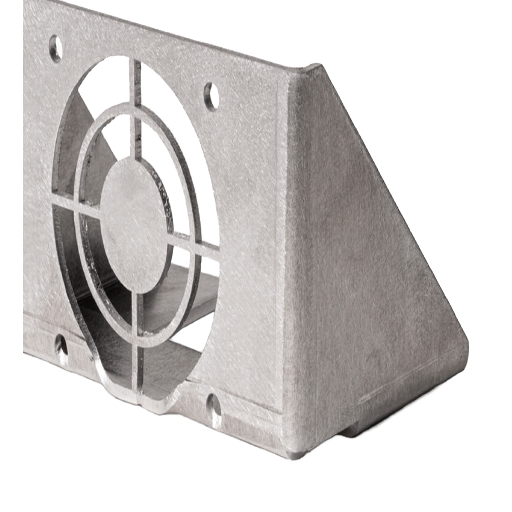
The embrace of new technology in sheet metal design companies has elevated this sector to new levels, allowing for great precision, speed and customization. One of the trends is the employment of next-generation robotics along with the resources of automated production. Such possibilities make it easy to carry out processes in shorter intervals, decrease labor expenses, and also maintain a high level of output since routine operations such as cut-outs, folding, or joining elements cannot be done manually. The use of 3D printing, also referred to as additive production, has also brought a substantial change, especially in the case of making detailed models. Where such material has to be wasted is very minimum.
Sustainability in Sheet Metal Manufacturing
Sheet metal design involves a focus on energy efficiency and energy conservation. Modern workshops are full of solutions that help to minimize energy costs, such as light-emitting diodes as opposed to fluorescent lighting and other efficient equipment constructions. Additionally, use of CNC and CAM systems enhances a high form material cutting and nesting waste reduction by almost the precision of the layer of its thickness or height or its status of volume occupied by the other factor. These methods not only help in conserving the environment but also aid in reducing the running costs, thereby making sustainability a necessity both in terms of ecology and economics.
The Future of Mechanical Design in Sheet Metal
The direction in which change is expected to occur in the sheet metal design sector is towards sustainability, precision, and automation. As robotics and other technological aids increase, production becomes more efficient, and errors associated with operations decrease. Thanks to improved material properties, weight and mechanical characteristics of sheet metals are enhanced,d which extends the areas of application of the sheet metals. As well as enabling designers to design in the future through the implementation of Artificial Intelligence in design enables predictive modeling and optimization that promotes efficient resource use and faster realization of projects. Altogether, the changes spur innovation and are consistent with green and financial requirements for the production process.
Frequently Asked Questions (FAQs)
Q: What are the principal design factors regarding sheet metal design?
A: When manufacturing sheet metal parts, it is important to consider material thickness, bending angles, lengths of flanges, and sizes of holes. These factors allow the end part to be both operationally and structurally fit while utilizing a smooth and cost-effective method of production.
Q: In what manner does sheet metal thickness impact the design process?
A: The thickness of the metal sheet is the primary factor in deciding the bending and cutting processes, the tolerances, and the entire strength of the final part. Thicker material generally endures higher stress but requires different manufacturing techniques, with specifications adjusted accordingly to keep the design intent.
Q: What are the best methods for the creation of bends in sheet metal parts?
A: In the bending process, follow best practices such as appropriate bend radii, consistent wall thickness, and distance requirements. Such practices avoid sharp edges and keep the metal part secure during manufacturing.
Q: How might I refer to a design guide for sheet metal processing?
A: A design guide for sheet metal provides critical data about materials, manufacturing processes, and design specifications. By adhering to this guide, designers can wisely choose locations for holes and slots, lengths of flanges, and lines for bending to achieve both manufacturability and functionality.
Q: Which materials are usually employed for sheet metal design?
A: Sheet metal materials typically consist of stainless steel, aluminum, and carbon steel. The choice is influenced by application aspects such as strength, corrosion resistance, and cost, which can have a considerable impact on both design and processing.
Q: What is the role of tolerances in metal design?
A: Tolerances in sheet metal design are significant because they indicate the required range of dimensional variation for the end piece. If any dimensions fall outside the defined tolerances, the parts will be unusable.
Q: What is the correlation between hole sizes and sheet metal in design?
A: Both the size and location of holes in sheet metal are of prime importance as they serve a variety of functions, including weight reduction, assembly, and ventilation. Proper hole design requires considering the material thickness and fabrication processes to ensure structural strength.
Q: What is the press brake’s function in sheet metal processing?
A: A press brake is a machine that bends metal sheets with great precision according to determined angles and sizes. It is a key factor in achieving intended bend radii and keeping design goals throughout the production process, ensuring the part meets specifications.
Q: What are the minimum flange lengths, and what are the distance factors in sheet metal design?
A: Minimum flange lengths and distance guidelines are necessary for correctly fitting and functioning sheet metal components. Guidelines typically propose minimum flange lengths based on material thickness and design stipulations to prevent alterations from manufacturing operations.
Reference Sources
1. Optimal design of fixture layouts for compliant sheet metal assemblies
Authors: Abolfazl Rezaei Aderiani et al.
Journal: The International Journal of Advanced Manufacturing Technology
Publication Date: September 1, 2020
Citation Token: (Aderiani et al., 2020, pp. 2181–2201)
Key Findings:
A novel optimization method for fixture layouts in compliant sheet metal assemblies is presented in this study with the ultimate goal of achieving the highest geometrical quality.
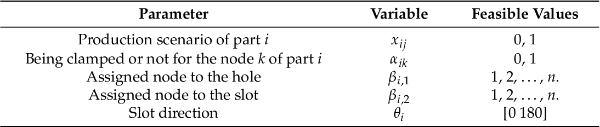
The design parameters, such as hole and slot locations, orientations, and the number and placement of clamps, are optimized simultaneously through this methodology.
This tactic uses compliant variation simulations along with evolutionary optimization algorithms to deal with assembly springback and inter-part contacts.
The method was validated by means of two industrial case studies in the automotive area, which showed that the geometrical quality in the original layouts was significantly improved.
2. The title of the paper is “Integrated Tolerance and Fixture Layout Design for Compliant Sheet Metal Assemblies.”
Names of Authors: Abolfazl Rezaei Aderiani and colleagues
Source: Applied Sciences
Date of Publication: 11 February 2021
Citation Token: (Aderiani et al., 2021)
Most Important Results:
This research draws attention to the mutual dependence of the part tolerances and the fixture layouts in getting high geometrical quality in compliant assemblies.
A design method that integrates the two is suggested, utilizing the simulation of compliant variation and evolutionary algorithms for optimization of tolerance and layout of fixtures.
The research proves that the integrated approach has the advantages of lower production costs and better geometrical quality over non-integrated methods, which was confirmed through an industrial case study.
3. Top custom stainless steel parts Manufacturer and Supplier in China