


Sheet metal fabrication is the most basic procedure of component and structure creation used in infinite industries. From the automotive to aerospace industries, construction, and consumer products, sheet metal fabrication has gone on to become a household term in de jure modern manufacturing. But what does this process do, and why is it so important? This post goes deep into the sheet metal fabrication world by breaking down its methods, tools, and applications to create life out of a metal slab. Whether you are in the sheet metal industry or just curious about how metal is shaped into everyday objects, this article will provide some insights into the very elaborate machinery and science behind sheet metal fabrication.
An Introduction to Sheet Metal Fabrication

Sheet metal fabrication is a metalworking technique that cuts, bends, and assembles thin sheets of metal into desired forms and structures. The metal working technique is essential in fabricating components for construction, automotive, and aerospace industries. Various processes include laser cutting, press braking, welding, and other operations, which are highly customizable based on the design concept in question. Such great importance is assigned to the process due to its multiple applications, changes with the demands, and final output in terms of time efficiency.
Definition of Sheet Metal Fabrication
Sheet metal fabrication entails the transformation of flat sheets of metals by various processes that include cutting into shapes, bending, and assembling into structures. This process is fundamental to manufacturing and serves many industries, such as construction, automotive, aerospace, electronics, and energy. The materials commonly worked on in sheet metal fabrication include steel, aluminum, brass, copper, and stainless steel.
The sheet metal fabrication process works on high sophistication, aided by current technology. CNC machines, usually, in sheet metal fabrication have brought in a distortion-free precision and unmatched efficiency. The sheet metal fabrication market was valued close to a USD 15.3-billion mark in 2022, with an estimated CAGR of 3.5% between 2023 and 2030. Growing industries in renewable energy, EV production, and high-end construction projects support this growth.
Moreover, tools including laser cutters, plasma cutters, and robotic systems have increased productivity and optimized production workflow further. These advances allow manufacturing top-notch challenging components with a little amount of waste, which goes well with the growing sustainability agenda worldwide. Sheet metal fabrication has become vital in helping industries conform to current demands for precision, durability, and cost-effectiveness.
Overview of Metal Manufacturing
Metal manufacturing is considered the sustaining backbone of industrial production, with different processes and methods used to convert the raw metals into finished products. This sector is also very critical for industries such as construction, automobile, aerospace, and electronics. Based on recent market research, in terms of market value, the metal manufacturing market was worth an estimated $4 trillion in 2022, with an anticipated CAGR of 4.2% between 2023 and 2030.
Major processes in metal manufacturing comprise casting, forging, machining, and sheet metal fabrication. Among them, sheet metal fabrication leads the way in terms of acceptance-and rightly so, given the versatility of the process in making components for a variety of applications, from machinery parts to consumer electronics. Technological evolution such as the onset of computer numerical control (CNC) systems and industrial robotics has completely revolutionized the industries by imparting more precision and less production time.
Sustainability is one of the most prevailing areas of focus with industry players implementing measures for the reduction of waste and energy consumption. For instance, aluminum, one of the most common manufacturing materials, is now recycled at a rate of over 75%, according to the International Aluminum Institute. Similarly, the steel industry has been strongly committed to carbon reduction with quite a few of the major steel producers now adopting electric arc furnaces (EAFs) that are estimated to reduce CO2 emissions by 70%.
Metal production is being redefined further with emerging technologies such as additive manufacturing (3D printing) by allowing custom designs and reducing material waste. With material scientists providing lightweight yet durable alloys, metal manufacturing is all set towards making the pick of becoming more demanding of modern industries while sticking to their sustainability goals.
Importance of Sheet Metal in Modern Manufacturing
Sheet metal is an important aspect of modern manufacturing industries ranging from automotive, aerospace, construction, and consumer goods. Its versatility, durability, and cost-effectiveness make it the essential raw material for manufacturing components, structures, and finished products. The global sheet metal market is projected to witness a CAGR of 4.6% between 2022 and 2030, as rapidly industrialization and increasingly facilitated with advanced fabrication technologies.
One of the advantages of sheet metal is that it is very adaptable. By bending, cutting, and stamping, manufacturers rarely produce lithographically designed patterns that are extremely complicated to the original design. For example: in automotive manufacturing, sheet metal is used to construct vehicle bodies; aluminum, and high-strength steel are very light and sturdy, which contribute to fuel efficiency and safety. Likewise, in construction, sheet metal roofs, gutters, or HVAC are primarily considered for weather resistance and durability.
The implementation of cutting-edge tools such as automation and laser cutting has encouraged the efficient production of sheet metals and thereby discouraged wastage and reduction of costs, making it a more sustainable alternative. Incorporating recyclable materials within the processes of producing sheet metal means manufacturers sustain the idea of sustainability globally.
Demand for advanced alloys in sheet metal, for example, titanium alloys, has increased the demand of defense and aerospace applications in terms of strength-to-weight ratio, reports Materials Today, which speaks volumes for how material science is evolving-or rather, expanding-the reliance of various industries on sheet metal.
The argument for sheet metal is undeniable, especially since it provides solution to present-day manufacturing requirements while instilling innovation in different aspects of design and sustainability and enhancing functionality concerning various applications.
Key Phase of Sheet Metal Fabrication Process

- Design and Material Selection: The process begins with designing a product using CAD (Computer-Aided Design) and selecting the sheet metal appropriate for type and thickness for its application.
- Cutting: In this step, sheet metal is cut into any shape as per requirement of the process by any method, including laser cutting, plasma cutting, or sheer.
- Forming: After cutting, the metal is shaped to the cut design by bending, stamping, or rolling.
- Joining: Components are assembled by welding, riveting, or fastening to obtain the final structure or product.
- Finishing: Surface treatment processes include painting, coating, or polishing to improve surface hardness and appearance so as to meet the requirements of the product with respect to function and aesthetics.
Design and Planning
Effective design and thorough planning mark the onset of every successful metal fabrication project. The design phase usually begins with the development of CAD (Computer-Aided Design) models or drawings providing exact specifications for components. Designers can use cutting-edge software to perform simulations checking if their designs are technically feasible and perform well under varied conditions.
Recent data show that by embracing AI-based tools for planning activities, efficiency has increased by about 30%, thereby enabling predictive analysis and proper use of materials. In addition, smart manufacturing technologies-assisted by IoT-enabled machines-are gaining prominence by collecting data in real-time during fabrication, helping optimize planning and resource distribution.
Design and planning also include appropriate material selections based on mechanical properties such as tensile strength, ductility, corrosion resistance, and cost. For example, stainless steel is chosen for high durability while aluminum finds use for lightweight construction. According to recent market reports, the demand for environment-friendly materials has gone up by 15% owing to sustainable manufacturing efforts.
Proper planning helps avoid unbalanced lead times and cost overruns. By utilizing project management tools like Gantt charts and resource planning software, teams can better adhere to schedules and identify potential bottlenecks much faster than traditional methods. Advanced studies show that combining technology and design ensures a result that shall surely fulfill client requirements-and even surpass them.
Cutting and Shaping of Sheet Metal
The cutting and shaping of sheet metal are the phases of manufacturing where precision and efficiency to produce components are guaranteed across a wide variety of industries. Usually, these processes entail shearing, laser cutting, water jet cutting, and CNC punching. According to Industry, laser cutting is gaining popularity in recent years for the ability to make clean and highly accurate cuts wherein the tolerance can be as low as ± 0.001 inch. Further, advances in CNC technology have enabled manufacturers to do complex shaping with little waste with an improvement in material utilization of up to 20%.
Water jet cutting, on the other hand, has been taken into account as a worthy method as it can treat a wide variety of materials, which includes stainless steel, aluminum, and even titanium. Research shows that water jet cutting can minimize the thermal distortion on metal surfaces by 95%, making it an excellent choice for heat-sensitive materials. Coupling with the application of CAD (computer-aided design) software would greatly enhance accuracy in shaping; manufacturers could then be able to go into production with prototype and refining design in an efficient manner.
The sheet metal industry is also following the path of sustainable production: many facilities now opt for eco-friendly material alternatives and treat the scrap metal as a recyclable material to cut down on environmental concerns. The global trends suggest that the demands for sustainable sheet metal products shall at least rise by 8% each year, being boosted by green construction activities and lightweight auto manufacturing. These innovations and trends underline the changing landscape of sheet metal cutting and shaping for great precision, efficiency, and sustainability in present-day manufacturing.
Joining Techniques: Welding and Fastening
Joining techniques are quite crucial in assembling sheet metal with welding and fastening being among the most used methods. Welding is a process that joins two materials through heat, pressure, or both processes. Popular welding practices for sheet metal joining include MIG welding, TIG welding, and spot welding, and each one is selected according to project specifications, including the type of material, its thickness, and its end use. For example, spot welding is used in the automotive industries as it joins two thin sheets of metal very fast.
The fastening ways include such methods as the use of screws, bolts, rivets, or adhesives to fasten together the sheet metal components. Riveting is one old way of joining metals whereby the metal pieces are joined by inserting a rivet into holes which have been drilled and then the rivet is fastened into place. More recently, more modern fastening techniques like the self-clinching fasteners and adhesives have been gaining popularity due to their better load and corrosion resistance distribution.
Recent studies show a blend of methods integrating both welding and adhesives have gained more prominence, particularly in lightweight automotive manufacturing. According to MarketsandMarkets from 2023, the welding market would continue to grow at a CAGR of 4.4% and reach $27 billion by 2027, owing to advances in robotic welding. On the other hand, the fastening industry should see a CAGR of 5.1% in the same period, owing to increasing demand from construction and aerospace sectors. The soaring growth shows the respective role played by these two techniques in different industries.
Types of Sheet Metals and Their Applications
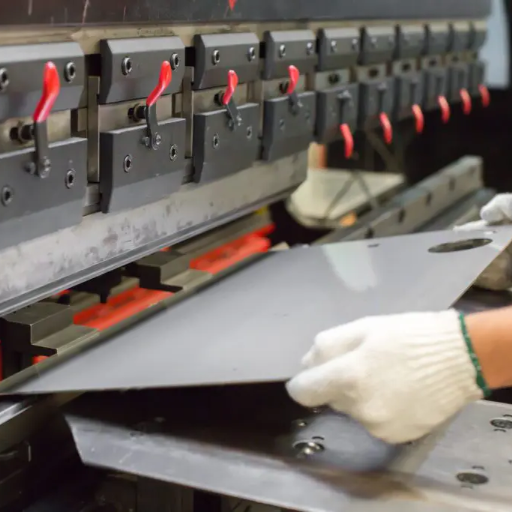
There are multiple types of sheet metals, and each type is suited for certain applications. Some of the general types are stainless steel, aluminum, brass, and galvanized steel. Stainless steel resists corrosion and is commonly used for kitchen equipment and medical devices. Aluminum, being light yet strong, is great for aerospace and automotive parts. Brass conducts well, and it is common in electrical and decorative work. Galvanized steel has a coating applied to it that is designed for protection against rust; hence it will be used for roofing, construction, and outdoor structures. This highlights how sheet metal can go a long way toward fulfilling the needs of diverse aspects in the industrial and functional worlds.
Common Types of Sheet Metal Materials
The common types of sheet metal materials include stainless steel, aluminum, brass, copper, galvanized steel, and carbon steel.
| Material | Durable | Lightweight | Rustproof | Conductive | Applications |
|---|---|---|---|---|---|
| Stainless Steel | Yes | No | Yes | Moderate | Kitchen, Medical |
| Aluminum | No | Yes | Yes | Low | Aerospace, Automotive |
| Brass | No | No | No | High | Electrical, Decorative |
| Copper | No | No | No | Very High | Wiring, Plumbing |
| Galvanized Steel | Yes | No | Yes | Low | Construction, Roofing |
| Carbon Steel | Yes | No | No | Low | Tools, Machinery |
Applications of Sheet Metal Fabrication Across Industries
Sheet metal fabrication has found numerous applications over the industries, as a mark of its versatility and strength. Stainless steel considers kitchen and medical applications, so it offers corrosion resistance, together with moderate cost. Aluminum is, therefore, great for aerospace and automotive applications in light of its dimensions and conductivity. Brass and copper are used for electrical and decorative purposes, with copper having a very high conductivity rating for wiring and plumbing applications. Galvanized steel has cornucopian applications in construction and roofing, while carbon steel has its applications in tools and machinery in strength, yet cheap.
Metal Versus Sheet Metal Parts
Metal parts and sheet metal parts serve specific purposes across diverse industries wherein particular advantages are attributed to them in light of their qualities and applications. Metal parts are custom-machined, solid structural or functional components such as gears, shafts, and engine components. Such parts are produced through casting, forging, or CNC machining, which ensures their precision and durability. CNC machined aluminum parts, for example, are highly preferred in aerospace and automobile industries due to their lightweight nature and good strength-to-weight ratio.
Conversely, these sheet metal parts are created from thin metal sheets and formed by processes such as stamping, bending, and welding, so much that they have almost infinite applications, including automotive body panels, HVAC ducts, and enclosures for electronic devices. Such industry insights reported that in 2022, the global sheet metal market size stood at approximately USD 265 billion, and from 2023 to 2030, it is foreseen to grow at a 4.4% CAGR mainly due to increasing industrialization and the demand for lightweight components.
Thickness, manufacturing, and usage form majorly differentiated ends of this categorization. While metal parts generally lean toward the structural performance and load-bearing capability of the components, sheet metal parts focus on flexibility, scalability, and cost-efficiency in production. Another thing to note is that advanced technologies like 3-D laser cutting and automation bring a lot of new life into processes on both fronts, as far as precision and production speeds are concerned.
Essential Tools and Techniques for Fabrication

- CNC Machines – They allow for precision cutting and shaping of complex designs, providing for accuracy and consistency.
- Laser Cutters – These allow for delicate and intricate cuts over different materials; laser cutting is fast.
- Press Brakes – Useful in bending sheet metal to correct angles, a process necessary for making structural members.
- Welding Equipment – For joining several metal parts together to impart strength and durability.
- Inspection Tools – Calipers, gauges, etc., are tools used in verifying dimensions and ensuring that tolerances are met.
Overview of Fabrication Tools
Fabrication tools are an important aspect in the production and construction industries to help enable the creation of higher-quality components and structures. These tools are intended for specific tasks and thus need to work in concert to improve the overall process of fabrication in terms of efficiency and precision. Fabrication tools take care of all things-from cutting and shaping materials to joining inspected finished products-that ensure a project is exact to specifications and standards. Fabricators need to master these tools to safely achieve contemporary results and work to the highest standard.
Fabrication Techniques: Cutting, Bending, and Stamping
Fabrication techniques are all-important in the manufacturing cycle; they convert raw materials into accurate components, which find applications across various industries. Three key techniques-cutting, bending, and stamping-lie at the base of determining the shape and function of fabricated parts.
Cutting separates material into certain dimensions or shapes by using tools such as saws, lasers, or water jets. The laser cut method could probably be the more widely used due to its speed and precision, possessing the capability to achieve cutting tolerances up to ±0.001 inch. This cutting method is commonly done on metals, plastics, and composites in several industries, from aerospace to automotive. According to the recent manufacturing data, laser cutting will grow at a compound annual growth rate (CAGR) of 9.1% till 2030, mainly because of the rising need for fine components.
Bending is to give angular or curved shapes to flat sheet materials by forcing, usually by means of press braking or roll bending. Severity in enforcing bending processes is necessary to avoid defects or loading on materials, abnormal cracking, and over bending. CNC press brake with hint of automation has become widely used in fabrication processes and is able to attain tolerance within ±0.5° for angle accuracy. Considerable growth in production efficiency has resulted with increasing adoption of automated bending.
Stamping uses a die and presser to give a shape to material with sophisticated forms at times at high speeds. Progressive stamping, being the most extensively used method, allows very few machines to perform different operations of punching, bending, and coining. Stamping technology helps mass-production of the object with uniform quality and minimum wastage of material. The global stamping market is estimated to be at USD 200 billion by 2026, which itself describes its importance in manufacturing industries such as consumer electronics and automotive.
These fabrication techniques, assisted by advanced technologies, could give an idea of the endless possibilities to improve speed, quality, and cost-effectiveness of manufacturing basic components required.
Role of Metal Fabricators in the Process
Metal fabricators hold a rather important place in converting raw materials into finished components used in a wide variety of industries. The new and emerging technologies that fabricators are partnering with have helped the industry reach levels never before thought to exist in terms of precision and efficiency. The global metal fabrication market size was valued at roughly USD 20 billion in 2022 and is projected to register a CAGR of 3.4% through 2030, owing to the increasing demand from industries such as construction, aerospace, and automotive, according to recent industry reports.
Furthermore, Industry 4.0 implementation gave yet another avenue to the streamlining of fabrication processes. Utilization of intelligent machines coupled with enhanced sensors and real-time monitoring acts to reduce production errors and minimize downtime. This evolution thus ensures high-quality output and drastically reduces operational costs. Lastly, laser cutting technologies have been embracing modernization for the last five years at a 10% rate of evolution, capable of cutting very intricate designs very precisely.
The role of a skilled fabricator, however, cannot go away because the skilled fabricator sees to it that they have the expertise in running machines, handling materials, and observes safety standards to have critical components delivered seamlessly to markets worldwide.
Benefits of Sheet Metal Fabrication

- Durability: The components of sheet metal are hard and can stand against environmental hazards like corrosion and heat.
- Versatility: It can be bent into almost any form, depending on the needs of varying industries.
- Cost Effectiveness: Production efficiency, combined with less waste, reduces the cost of manufacturing.
- Precision: Modern technologies like laser cutting allow very precise and complex designs.
- Scale: Processes can be readily adapted, depending on whether the procedure is small- or large-scale.
Benefits of Using Sheet Metal for Manufacturing
From my point of view, sheet metal is extremely useful in the manufacturing process for several key reasons. Apart from strength and durability to withstand harsh conditions, versatility allows us to fabricate intricate and diverse forms. Moreover, because of its cost-effectiveness, with the application of modern precision technologies like laser cutting, sheet metal ensures efficient production with minimal waste. Its scalability makes it suited to fulfill manufacture demands for small or large projects.
Cost Effectiveness and Efficiency
Sheet metal is widely used in manufacturing for its cost-effectiveness and efficiency. The recent industry data shows that the global sheet metal market was approximately valued at $265 billion in 2022 and is projected to grow at a CAGR of 4.4% during 2023-2030, fueled by technical upgradations in fabrication methods and escalating demand from industries like automotive, aerospace, and construction. Latest technologies like laser cutting and CNC machining have considerably shortened production time, enabling manufacturers to fabricate complex designs with precision and little material wastage. Also, the level of recycling for sheet metals is remarkably high, which, according to some estimates, may be a good 90% for stainless steel alone, factoring in environmental considerations and cutting costs for raw materials. These developments make sure that sheet metal is still an essential material for industries competing in cost and sustainability.
Durability and Customization Options
One of the most compelling durability properties attributed to sheet metal is the one that makes it fit for all applications in automotive and aerospace. Being corrosion-resistant (the best among can be stainless steel or aluminum), sheet metal can bear very harsh environments, translating almost directly to the long life of products in which it is employed. According to the recent industry information, aluminum sheet metal is reputed to last more than 40 years in outdoor environments without significant degradation.
The customization possibilities for sheet metal also witness an increasingly diverse array of technology. Modern technologies such as laser cutting, waterjet cutting, and CNC machining provide precision fabrication of complex shapes to meet stringent design specifications. Among those surveyed in 2023, laser cutting has surpassed all other technologies for custom sheet metal fabrication because of its ability to hold tolerances to within 0.003 inches.
Simulation and CAD software complement this by allowing efficient prototyping and minimizing errors during production. With additional support for custom coatings and finishes, including powder coating or anodizing, sheet metal really has no rivals in flexibility. These options provide an aesthetic appeal as well as provide a comfortable layer of resistance against wear and environmental impact, further reinforcing the cases of modern applications.
Reference sources
- An Extensive Analysis on Intelligent Methods for Sheet Metal Processes (Barot & Patel, 2024, pp. 1–6)
- Key Findings:
- Intelligent sheet metal processes leverage advanced technologies like AI, ML, KBS, and CAD software to optimize various aspects of sheet metal fabrication.
- Benefits of intelligent sheet metal processes include improved accuracy, reduced cycle times, and enhanced product quality.
- Challenges include handling and transporting micro-sized workpieces in progressive microforming processes.
- Methodology:
- Extensive literature review and analysis of the benefits and challenges associated with implementing intelligent sheet metal processes.
- Key Findings:
- Design based on availability: Generative design and robotic fabrication workflow for non-standardized sheet metal with variable properties (Moussavi et al., 2022, pp. 119–134)
- Key Findings:
- Developed a computational design algorithm and robotic fabrication workflow to fabricate corrugated shell structures from folded sheet metal with variable geometries and properties.
- The algorithm generates different corrugated shell topologies based on object placement optimization, considering structural, fabrication, and design criteria.
- Robotic fabrication included object recognition, metal sheet folding, and consideration of different metal spring-back behavior.
- Methodology:
- Developed a two-fold approach of digital algorithm development and physical prototyping for robotic fabrication.
- Utilized a scanned materials database, target surface, and a generative design algorithm for surface generation and optimization.
- Key Findings:
- Numerical Simulation on the Combined Drawing Technology in Fabrication of Cylindrical Details from Sheet Metal (Tien et al., 2018)
- Key Findings:
- Numerical analysis can be utilized to shorten forming development time, reduce die tests, and improve product quality and die service life, reducing the cost of development.
- Methodology:
- Performed numerical analysis using computer-aided design and metal forming analysis software to study the screw thread forming design and process.
- Verified the simulation results with an actual forming process.
- Key Findings:
- Top sheet metal fabrication Parts Manufacturer and Supplier in China
Frequently Asked Questions (FAQs)
What is the sheet metal fabrication process?
The sheet metal fabrication process refers to a series of operations performed on flat sheet metals to convert them into functional components or products. These include working of metals, such as cutting, bending, forming, and assembling, among others. The fabrication processes are the foundation of many industries, namely the automotive, aerospace, and construction industries. Services in sheet metal fabrication include working with a sheet of metal composed of high-grade material according to specific standards. The sheet metal can be welded or joined to another metality to develop a more complex structure. The deeper one steps into understanding the intricacies of sheet metal fabrication processes, the better one can arrive at some particular result in manufacturing.
What are the types of sheet metal fabrication?
There exist many techniques of sheet metal fabrication employed in the industry, which are different depending on the particular application. Some of the commonly employed, techniques include metal stamping, which presses metal into shape, and metal bending, which can create angles and curves. On the contrary, forming sheet metal usually involves rolling and stretching, which change the shape of the metal without cutting. All these techniques are required for custom sheet metal fabrication projects that have different specifications. The metal thickness and the requirements are very decisive on which of the sheet metal fabrication techniques shall be adopted. By choosing one sheet metal fabrication technique over another, manufacturers can achieve very different results.
What types of metal or materials are used in sheet metal fabrication?
Well, sheet metal fabrication materials may be quite a vast field, including aluminum, steel, and copper. Each metal type offers different properties and hence different suitable applications. For example, aluminum is lightweight and corrosion-resistant, whereas steel is strong and durable. Other sheet metal fabrication materials also include various alloys and coatings to improve performance. Selecting the right type of metal for any project also entails knowledge of the characteristics of different metals. The materials chosen will affect how an item functions, as well as how it looks.
How is the custom sheet metal fabrication process conducted?
The general custom sheet metal fabricating procedure consists of various stages, which can vary according to the design requirements. The first step would be to find out a comprehensive design guide consisting of dimensions and specifications. The second stage produces flat metal sheets cut to size through different intricate cutting processes such as laser or plasma cutting. The third stage is designed to bend, form, or stamp the cut sheet metal into the considered design. After making single parts, these parts can be assembled through welding or other joining methods to produce the final product. Proceeding from initial sketching to the final welding ensures that a custom-made sheet metal fabrication achieves both function and quality standards.
What are some of the types of metals used in sheet metal fabrication?
There are many types of metals used in sheet metal fabrication, each offering distinct benefits for a manufacturing process. Common metals include stainless steel, known for its corrosion resistance, and mild steel, favored for ease of fabrication and cost-effectiveness. Another metal often used is aluminum because of its weight and utility in many applications. Exotic metals such as titanium and brass may be used in certain projects where enhanced performance or appearance is demanded. Knowledge about these types of sheet metals guides fabricators in choosing the most appropriate metal for each application to deliver on performance and durability.
What is enter into joining sheet metal during fabrication?
The fabrication of sheet metal consists of joining compared to others, and it includes different methods of creating a sufficient, strong binding that binds the sheet metal pieces. The usual means of joining sheet metal comprise welding, creating the binding by fusion by heat application, and riveting, so two things are fastened together with mechanical fasteners. Other means of joining may be adhesion bonding and metal stamping, respond to particular needs of the project. The selection of the joining method will depend on such things as the types of metal that are being used and how strong the joint needs to be. Correct joining sheet metal ensures that the integrity of the product will be upheld, which is one of the most important criteria on which to judge a good fabrication.


