


In the realm of stainless steel, one cannot assume that all varieties are the same. 14-gauge and 16-gauge stainless steel are among the most frequently used types, yet what is their absolute dissimilarity? Regardless of whether you are choosing materials for a kitchen sink, countertop, or an industrial project, being aware of the differences between these gauges is crucial for the proper selection. This piece of writing explores the significant differences between 14-gauge and 16-gauge stainless steel in terms of strength and durability, cost, and applications. When you get to the end, you will have a lucid understanding of which choice is the most suitable for you and the reason why the difference matters more than you have been thinking.
Understanding Steel Gauge
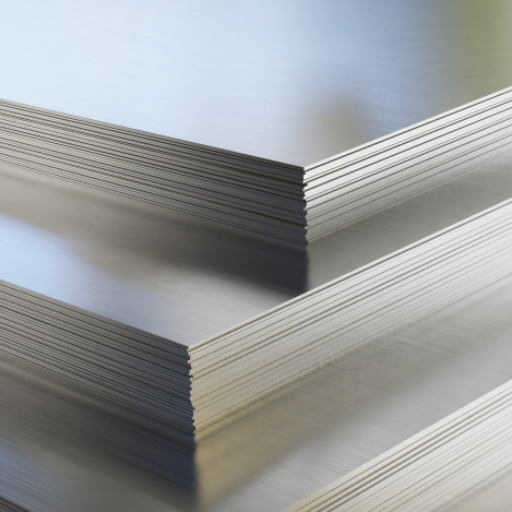
A steel gauge is a way to indicate the thickness of a stainless steel sheet. The thicker and more durable the steel, the lower its gauge number. For example, 14-gauge stainless steel is stronger than 16-gauge stainless steel and also has more thickness. This thickness, in turn, makes 14-gauge less vulnerable to impacts and heavy wear, which is one of the reasons it is often used in industrial or heavy-duty areas. 16 gauge, conversely, is thinner and more lightweight, making it commonly used for residential purposes due to its low cost and easy handling. The choice of the correct gauge depends on the requirements of your specific project, as it involves the trade-off between strength, durability, and budget.
What is Steel Gauge?
A steel gauge is the number that tells you how thick a piece of metal is and what the steel is made of. The system emerged in the 1800s, and various industries have recognized it over time. What is surprising is that the lower number means the thicker steel, while the higher number stands for thinner material. Just like with gauges, the difference in thickness is that the gauge with fewer steel is denser and more robust than the one with a larger gauge number inox, or that steel is still durable but not as good as the number 14 one. There are other fields, such as construction facades and machine production, where the gauge is becoming the right material according to structural and functional requirements. It should be noted that there is a minor geographical difference in the gauge system for metals like aluminum and stainless steel. So, using specific charts or referring to technical data is essential when determining the exact thickness for your application.
How Gauge Affects Thickness
The thickness of a material is directly related to its gauge. Thus, thinner materials are represented by higher gauge numbers, while thicker ones have lower gauge numbers. This reverse relationship plays a crucial role in the identification of material properties like strength, flexibility and weight. To give an example, 10-gauge steel is less thick than 16-gauge steel, but it is stronger, so it can be used in heavy-duty applications. On the other hand, the gauge system varies from one material type to another, so a certain gauge in aluminum may not have the same thickness as in steel. For accurate measurements, always consult a material-specific gauge chart or technical specifications.
Importance of Choosing the Right Gauge
Choosing the correct gauge for a specific project is critical since it will directly affect the performance, durability, and safety of the product. For instance, in building construction, selecting a gauge that is too thin for structural elements may lead to a dangerous and wasteful situation. Conversely, using an excessively thick gauge may result in higher costs and difficulties in production or assembly. In the same way, the correct gauge plays a crucial role in the automotive and aerospace industries, where it can prevent incorrect weight usage and, consequently, the need for an incorrect amount of fuel. A good balance between success, cost, and functionality can be achieved through consulting technical specifications and understanding the role of the gauge in the intended application.
Detailed Comparison of 14 Gauge and 16 Gauge Stainless Steel
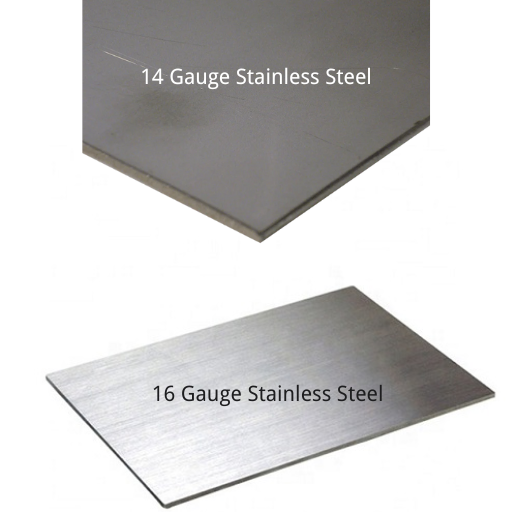
14 gauge stainless steel is thicker, heavier, and more durable, while 16 gauge is thinner, lighter, and more cost-effective.
14 Gauge Stainless Steel Overview
14-gauge stainless steel is a metal that offers significant strength and durability, making it suitable even for the most demanding applications. The thickness of 1.90mm is one reason the material resists considerable stress and wear, making it the choice of many industrial users. Even though it is heavier and more expensive than thinner gauges, the thickness of this stainless steel ensures long life and good performance, even in the most severe conditions where material resistance is significant.
16 Gauge Stainless Steel Overview
Stainless steel 16 gauge is a versatile material which can be applied in many areas where strength and affordability are the main requirements. Its thickness is just 1.59mm, it is less heavy than 14 gauge, but still strong enough for the most difficult industrial and domestic applications. It resists corrosion and wear, thus making it a good choice for places where moisture and other elements might be a concern. The gauge is frequently selected for its low cost, as it is easy to handle and does not compromise performance in many settings.
Key Differences Between 14 Gauge and 16 Gauge
The key differences between 14-gauge and 16-gauge lie in their thickness, weight, durability, cost, and suitability for various applications.
Durability and Strength
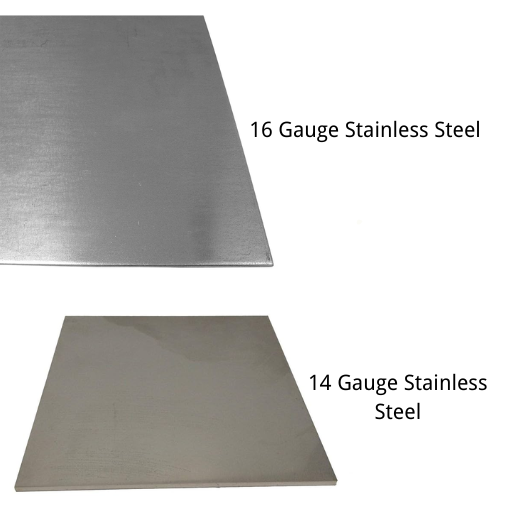
Comparing the Durability of 14 Gauge vs. 16 Gauge
When evaluating 14-gauge versus 16-gauge materials, longevity is the majorb factor that delineates their differences. 14-gauge materials with a thicker composition are naturally stronger and less susceptible to wear, making them perfect for demanding applications in factories, outdoors, or high-stress environments. Conversely, 16-gauge materials, though thinner, still have reasonable strength for medium-duty usages like home plumbing, furniture, or slight environmental exposure. In projects that need more resistance to bending or impact, 14-gauge is the better choice, but if the requirements are less demanding, then 16-gauge would be a lighter and cheaper option. The selection is eventually based on the precise needs of the job.
Impact Resistance of Different Gauges
Impact resistance testing of 14-gauge and 16-gauge materials shows that the thicker 14-gauge has a clear preference. The reason behind it is that 14-gauge material, with its higher thickness and mass, can successfully resist impacts which makes it suitable for very demanding applications like heavy-duty parts, constructions and areas of high wear and tear. Conversely, the 16-gauge material, being thinner, has lower impact resistance but is still suitable for lighter duties where super durability is not a big deal. The choice of these gauges has to be very much in line with the project’s stress and environmental conditions to guarantee maximum performance and longevity.
Choosing the Best Gauge for Your Needs
When deciding on the best gauge for your project, take into account the material’s use, necessary strength, and the environment in which it will be used. Choose a 14 gauge or thicker for really tough applications or places that have a lot of wear and tear, as it is much more durable and resistant to giving in to the pressure of impact. For situations with very little stress or where weight and flexibility are more critical, a thinner gauge of 16 might be better. Always ensure you weigh the properties of the material against the functional requirements of your project, as this will lead to more durable and practical results.
Cost Considerations
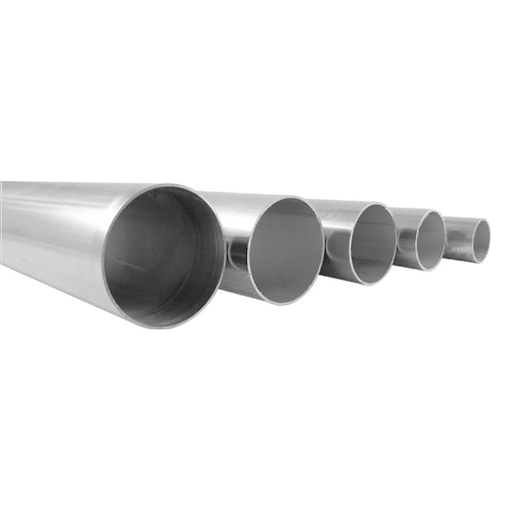
Price Differences Between 14 Gauge and 16 Gauge Stainless Steel
Among the considerations when examining price differences between 14-gauge and 16-gauge stainless steel, one of the most significant factors is the thickness of the material. In the case of 14 gauge, more raw material is needed for production, and as a result, it generally costs more. While on average, 14-gauge stainless steel can be approximately 10-20% more than 16-gauge stainless steel, this can vary with factors such as the type of stainless steel alloy, the market’s site, and supplier pricing. While 14 gauge is the more durable and stronger option, its selection should be dependent on the specific needs of the application and the available budget. The balancing of cost and performance is very essential in the decision-making process.
Cost vs. Performance: Which Gauge Offers Better Value?
According to the latest information, the better value between 14 gauge and 16 gauge depends on factors such as durability, cost, weight, and application type.
Factors Affecting Cost
- Material Quality: The use of better materials is a primary factor that increases the cost of the product owing to their longer life and better performance characteristics.
- Manufacturing Process: The use of very complex or precise manufacturing methods can increase production costs.
- Thickness: The use of thicker gauges usually means more material and thus, higher expenses.
- Market Demand: Price changes are sometimes caused by high or low demand, with the most common scenario being an increase in prices with rising demand.
- Transportation and Logistics: A heavier material of 14 gauge might lead to the company incurring additional transport costs as compared to the lighter one of 16 gauge.
Applications in Commercial Kitchens
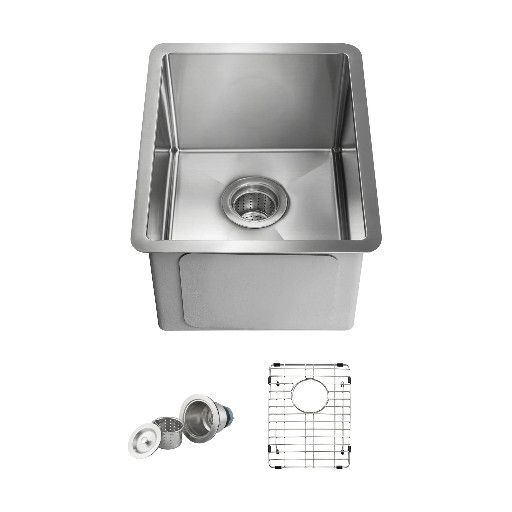
The gauge of stainless steel plays a significant role in foodservice equipment, as it determines the material’s strength, durability, and resistance to wear. The thicker gauges, such as 14, are robust and less likely to get dented or warped, making them perfect for high-traffic places like counters and worktables. On the other hand, thinner gauges, such as 16, are lightweight and cheaper, and are usually used for applications with less demand, like shelving. Selecting the proper gauge ensures that the equipment can withstand everyday use while maintaining the long-term reliability and efficiency of a commercial kitchen.
Common Uses of 14 Gauge Stainless Steel in Kitchens
- Countertops: Strong and durable enough to withstand heavy use, 14-gauge stainless steel is by far the most common choice for heavy-duty countertops in commercial kitchens with high activity levels.
- Worktables: The exact gauge is primarily used for worktables because it provides a firm surface for food preparation, cutting, and other demanding tasks.
- Sinks: The strength of 14-gauge stainless steel, combined with its wear resistance due to constant use, makes this material the most favorable for sink construction.
- Shelving Units: Its high-strength property makes it suitable for heavy-duty shelving that can carry a lot of weight without bending.
- Cooking Equipment Fabrication: The metal used for the construction of specialized cooking equipment, such as griddles and charbroilers, is frequently selected for its durability and heat resistance.
Common Uses of 16 Gauge Stainless Steel in Kitchens
- Work Tables: The 16-gauge stainless steel is widely utilized for constructing work tables that not only offer durability but also provide an easy-to-clean and hygienic surface for food processing.
- Custom Backsplashes: Its resistance to corrosion and modern look have made it a popular choice for kitchen backsplashes, contributing to both practicality and aesthetics.
- Storage Cabinets: Stainless steel storage cabinets are frequently made from 16-gauge steel, ensuring long life and sturdiness for use in areas with high occupancy.
- Dishwasher Panels: It is one of the materials that are used most often in the production of commercial dishwasher panels because of the very fact that it is so resistant to moisture and heat.
- Serving Counters: The majority of professional kitchen serving counters are made out of 16-gauge stainless steel, which not only contributes to a clean, polished look but also facilitates sanitation.
Reference Sources
-
Mechanical Properties of Solid-State Resistance Welded Nitinol-304 Stainless Steel Joints in Peripheral Guide Wires – Discusses properties of 304 stainless steel, which is relevant to understanding different grades and gauges.
-
Anomalous 304 Stainless Steel Mechanical Properties in Medical Guide Wires – Explores mechanical properties of stainless steel, providing insights into its applications and characteristics.
-
Corrosion Behavior of ASTM A1010 Stainless Steel for Applications in Bridge Components – Examines the corrosion resistance and structural applications of stainless steel, aiding in the understanding of gauge differences.
- Top custom stainless steel parts Manufacturer and Supplier in China
Frequently Asked Questions (FAQs)
What is the difference between 14 gauge and 16 gauge stainless steel?
The thickness is the main difference between the two stainless steel gauges: 14 gauge and 16 gauge. The first one, 14-gauge stainless steel, has a thickness of 0.075 inches, whereas the second one, 16-gauge stainless steel, has a thickness of 0.0625 inches. In this way, the 14 gauge is thicker and mainly assures more longevity and strength for heavy-duty uses.
Is 14 gauge stainless steel stronger than 16 gauge?
In fact, 14-gauge stainless steel is often stronger than its 16-gauge counterpart, mainly due to its higher thickness. The more the thickness of the steel, the greater the strength of the material against impacts and wear; thus, it can bear even more extreme; for the case of application in commercial kitchens, it can be such.
What are the applications of 14 and 16 gauge stainless steel?
The applications for 14 and 16 gauge stainless steel are sinks, countertops, and heavy-duty equipment. The decision between the two commonly depends on critical project characteristics, such as the demand for durability versus cost and weight considerations.
How does stainless steel thickness affect its performance?
The thickness of stainless steel is one of the significant factors that determine its performance. It is generally accepted that thicker steel, such as 14 gauge, has a longer lifespan and is less prone to bending or warping, making it ideal for heavy-duty applications. 16 gauge, on the other hand, is a less durable material and may also be less expensive due to its being lighter which is also a disadvantage if the environment requires high durability.
What are the benefits of using 14 gauge stainless steel?
The use of 14-gauge stainless steel brings several advantages, including high durability, de facto immunity to rust, and the ability to withstand hefty use. It is the most appropriate material for creating environments like commercial kitchens and other places where strength and durability are the main factors.
How are stainless steel gauges measured?
Stainless steel gauges are measured by the thickness of the steel sheet in a specific unit of measure. The higher the gauge number, the thinner the metal. For instance, 14 gauge is thicker than 16 gauge, which should be considered when choosing materials for specific applications.


