


Mechanical performance studies are conducted for plastics, ASTM D638 being one of the vital standards for material testing. It is a pertinent method that imparts knowledge on the tensile properties of plastics so that engineers, manufacturers, and researchers can evaluate strength, flexibility, and durability. Thus, whether it is to develop new materials for novel applications or to monitor the quality of existing materials, one must be well-versed in ASTM D638. This article highlights the importance of this test method, discusses the testing procedure in detail, and elaborates on various fields of application of the technique. So, enrich yourself with knowledge and uphold that this ASTM standard has made a considerable mark in materials development.
What is ASTM D638?
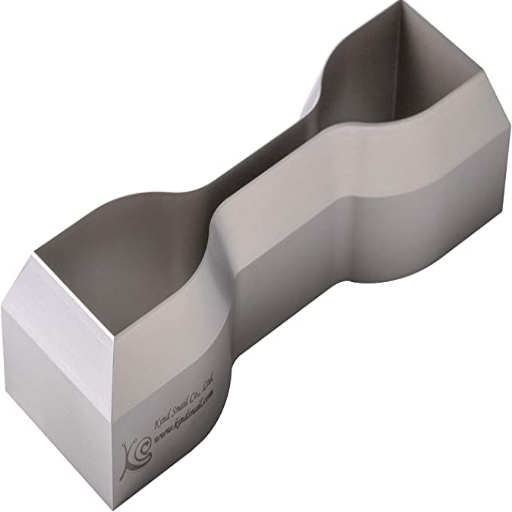
ASTM D638 is the standardized test method for evaluating the tensile properties of plastic materials. It determines the tensile strength, elongation, and modulus of elasticity by stretching a specimen until failure. The test provides essential information regarding the stress-strain behavior of plastics, the consideration of which is imperative in material selection for a particular application, quality control, and the development of new materials.
Definition and purpose of ASTM D638.
ASTM D638 stands as a basic testing methodology in materials science, providing an accurate means to characterize and study the mechanical properties of plastics. In this way, the test stresses a plastic specimen until it fails, allowing the determination of critical parameters such as tensile strength, elongation at break, yield strength, and modulus of elasticity. ASTM D638 is thus set for standard, reproducible measurements, allowing manufacturers and engineers to conduct trading comparisons between materials. The choice of materials, their design optimization, and the maintenance of quality standards make ample use of this data, especially in the automotive, aerospace, and consumer goods sectors. By being ASTM D638 compliant, industries can confide in measurements of a plastic’s response to stress, which adds to its safe and efficient application.
Overview of its role in testing tensile properties of plastics.
ASTM D638 is all-important when determining the tensile properties of plastics by standardizing the entire testing procedure to ensure the acquisition of precise mechanical properties under controlled conditions. As per this standard, a test subject’s plastic material, prepared into the shape of dumbbell specimens, is subjected to uniaxial tension until it fractures. Such testing yields important parameters including tensile strength, elongation, and modulus of elasticity. These factors portray the behavior of polymer material when subjected to a mechanical load and ultimately predict the material behavior in actual applications.
The latest data and developments show that ASTM D638 remains widely used in material science. For example, the range of tensile strength varies between 20 MPa for normal thermoplastics up to above 100 MPa for materials that include polypropylene, polycarbonate, and nylon, among others, showing the large gamut of material properties that this range encompasses. Correspondingly, the elongation-to-break values primarily define a material’s flexibility and ductility behavior; in some cases, very high-performance plastics may elongate above 200% without fracturing.
Thus, this standard can also express variability in materials. For example, newer developments in testing equipment now provide for digital extensometers coupled with high-speed data acquisition, increasing accuracy and repeatability in test results. With these advances, ASTM D638 is now being employed for testing advanced polymers, bio-based plastics, and fiber-reinforced composites, in addition to conventional thermoplastics.
Conclusively, ASTM D638 is still the most essential method available to measure and characterize tensile properties, allowing industries to innovate with precise material performance data.
Industries and materials applicable under this standard.
This ASTM standard is widely applicable across various industries owing to its broad applicability in tensile evaluation of various materials. The major industries and tested materials under the said standard are:
1. Automotive Industry
The ASTM D638 is instrumental in the automotive industry for tests on polymers and composites used in vehicle components. Modern automotive design increasingly involves the use of lightweight materials such as carbon fiber-reinforced plastics to enhance fuel economy and reduce emissions. The tensile strength data generated through the ASTM D638 procedure are used to ascertain the materials’ bearing performance and safety requirements under mechanical stresses.
2. Aerospace and Aviation
The ASTM D638, in more ways than one, provides the best means for the aerospace industry to test advanced composite materials of high-performance thermoplastics and reinforced polymers. The materials go in the manufacture of lightweight yet strong components such as fuselages, wing structures, and interior panels. Since accurate tensile testing is paramount in meeting the strict safety and efficiency criteria for aircraft manufacturing, ASTM D638 is indispensable.
3. Medical Devices and Healthcare
Materials such as biodegradable plastics and polymer-based medical devices are tested with this standard. Surgical sutures, implants, and drug delivery systems usually incorporate plastics that must satisfy stringent regulatory and performance requirements. Establishing adequate strength, elasticity, and durability through ASTM D638 testing represents a guarantee for the material’s use in medical applications that are safe and effective.
4. Consumer Goods
Consumer goods evaluate ASTM D638 on common thermoplastics such as PP, PE, and PS, used in packaging, household products, and electronics. Manufacturers use the tensile property data to ensure their products withstand repeated use and are subject to adverse environmental effects and mechanical stresses.
5. Construction and Infrastructure
ASTM D638 tests materials like high-density polyethylene (HDPE) and polyvinyl chloride (PVC), advanced materials widely used for piping systems, insulation, roofing membranes, etc. Tensile testing is vital to ascertain that the materials will maintain their structural integrity over time, particularly in demanding environmental circumstances.
How is the ASTM D638 Test Performed?
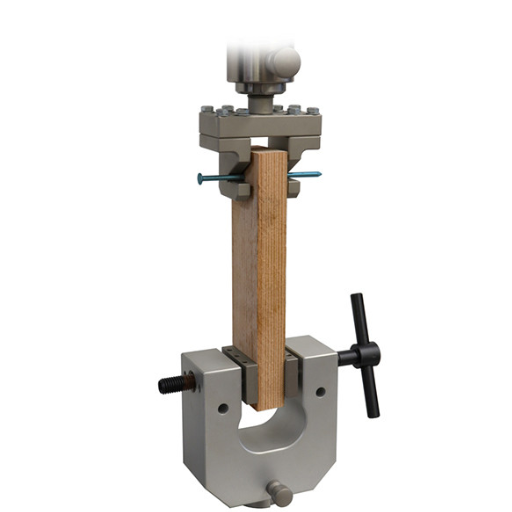
ASTM D638 denotes a standard for the tensile test of plastics. The method requires preparing a standard specimen, generally called a dog-bone specimen, from the material to be tested. This specimen is firmly clamped in the tensile testing machine. A uniaxial pulling force is applied at a constant rate, continuously elongating the specimen until failure. The system measures essential properties like tensile strength, elongation at break, and modulus of elasticity during the test. These values thus offer crucial information on the mechanical behavior and performance of the material when stressed.
Test specimen preparation (dimensions, shapes, types).
The test specimen preparation phase ensures accurate and reliable mechanical testing results. Specimens are prepared in specified dimensions and standardized shapes to ensure uniformity and allow comparative evaluation. Dog-bone-shaped samples are commonly used for tensile testing, cylindrical or rectangular bars for compression tests, and thin plates for flexural tests. Dimensional requirements usually adhere to specifications issued by the standards bodies, such as ASTM or ISO, with tolerances within which deviations are unacceptable.
The material type may affect the preparation process, depending on the cutting, machining, or molding techniques required for metals, polymers, ceramics, and composites. To be more specific, metal specimens may be processed by milling, whereas plastic specimens may be injection molded. Exact dimensions and flawless surfaces must all be ensured to avoid any stress concentrations or irregularities that might lead to altered test results. Together with proper preparation, strict adherence to accepted standards results in dependable data that accurately represents the real properties of the material being tested.
Description of test equipment and apparatus.
Testing equipment and apparatus determine material properties with the highest accuracy possible under varying conditions. Among this equipment are the universal testing machines, which may test in tension, compression, and bending. The machines have load cells to measure forces and extensometers to measure elongation or deformation of the specimen. The supporting apparatus includes grips or fixtures to hold the test specimen firmly so as not to cause any additional stresses. Environmental chambers may be used when testing the materials in controlled temperature or humidity, simulating the real environment. Calibration of these equipments and strictly adhering to the industry standards will guarantee that the test results remain reliable and reproducible.
What are the Different Specimen Types in ASTM D638?

ASTM D638 provides five types of specimens, numbered Types I through V. Each type is sized and shaped differently for use at varying material thicknesses and applications.
- Type I specimens are used for general-purpose testing of rigid plastics.
- Type II specimens are smaller than Type I and are used when materials exist in limited available dimensions.
- Type III and Type IV specimens are frequently used to test lower-thin materials or under special conditions.
- Type V is intended for very thin sheets and films, whose thicknesses are generally less than 1 mm.
The choice of specimen depends on the tests and standards to be followed.”
Overview of specimen types (Type I, II, III, etc.).
Different specimen types (Type I, II, III, IV, and V) as classified by ASTM D638 standardized test protocols are produced and selected according to their properties and specifications of testing:
- Type I: This Type is often used to test hard plastics and can provide reliable data on tensile strength or the like for specimens with thicknesses greater than 7 mm.
- Type II: When smaller dimensions of specimens are available, these specimens are made a little narrower than Type I but maintain a similar shape to perform comparable tests.
- Type III: These specimens are usually used with thinner materials; suitable for specimens between 1 and 7 mm thick. Because of their smaller width, they suit the tensile testing of light or less dense materials.
- Type IV: Specimens designed for flexible materials, including films and thin sheets, focus on materials less than 1 mm thick, ensuring accuracy with these delicate samples.
- Type V: The smallest specimens are reserved for the thinnest of films and sheets in most cases below 0.5 mm thickness, giving finely tuned data where small dimensions matter.
Each type will be selected in accordance with its ability to accurately measure certain materials, enabling engineers and scientists to assess mechanical properties such as tensile strength, elasticity, and elongation. Dimensional standards shall be duly adhered to in performing the tests to ensure accuracy.
Criteria for selecting specimen types based on material and application.
The selection of the specimen type for material testing depends on the material being looked at and the required application of the material. Among the points to consider are the material’s physical structure (e.g., isotropic or anisotropic), expected loading conditions, and the property under test. These may be tensile strength, for example, or compressive strength. A standard type of specimen is recommended for metals or alloys, such as the “dog-bone” specimen, which ensures uniform stress distribution within the core. Polymers and composites, by contrast, may require that the shape of the specimens take into account directional properties or potential deformation.
For applications in aerospace, automotive, or construction industries, detailed simulation of real-world conditions is demanded. For example, components operating in high-temperature environments might undergo specialized testing using specimens that mimic in-service conditions. By appropriately aligning specimen parameters and material behavior with application demands, one can derive sound insight into actual performance.
Dimensional requirements for each specimen type.
Dimensional requirements for specimens are mainly dependent on particular testing standards and the intended use for which the materials are being tested. These are some general guidelines for common specimen types:
- Tensile Test Specimens
Tensile specimens are primarily prepared in a dog-bone shape to concentrate the stress into the gauge section. Standard dimensions often follow ASTM or ISO standards; for instance, ASTM E8/E8M defines the dimensions, such as a 50 mm gauge length for standard specimens, with variations depending upon the thickness of the material.
- Compression Test Specimens
Compression test specimens are mostly cylindrical or rectangular. The dimensions are critical in maintaining the aspect ratios (height to diameter/width ratio) of 2:1, as described under various standards such as ASTM E9. Proper alignment and surface finish are necessary to ensure correct results.
- Impact Test Specimens
Likewise, impact test specimens for Charpy or Izod almost always have clear dimensional standards to follow. ASTM E23 defines notched specimens with 10 mm x 10 mm cross-sections, with a standard notch depth of 2 mm.
- Fatigue Test Specimens
Fatigue testing dimensions are geared toward similarities in the actual loading conditions. Thus, the diameter and length of the gauge section are standardized by means such as ASTM E466, which guarantees a uniform choice of cyclic stress.
- Custom Specimens
For specialized applications such as aerospace or a high-temperature environment, specimens may be custom-made to simulate actual operational conditions. This gives rise to the most realistic prediction of material behavior in its actual environment.
Strict compliance with species dimensional requirements must be established to uphold the reliability and reproducibility of material testing results. Whenever possible, refer to the latest international standards and guidelines that confirm the exact dimensions suitable for a particular test type.
How Does ASTM D638 Compare to Similar Standards?
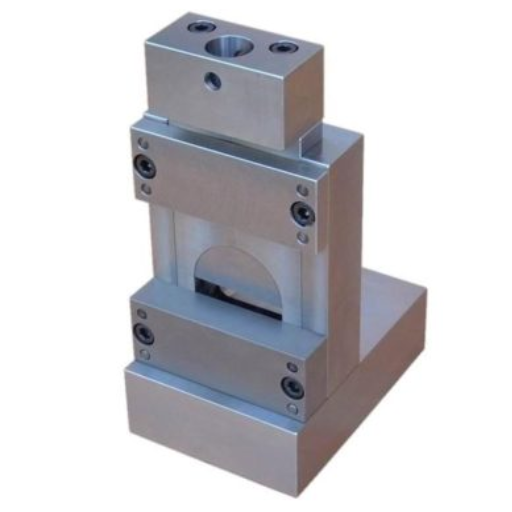
ASTM D638 focuses mainly on testing the tensile properties of plastic materials. Compared with a similar standard, ISO 527, ASTM D638, widely used in North America, specifies distinct specimen shapes, testing speeds, and dimensional tolerances. While both standards intend to evaluate the tensile behavior of the material under test, slight differences in results may be produced due to variations in the methods employed. The standard selected should be pertinent to the material’s requirements and the scope of application to ensure consistency and comparability.
Comparison with ISO standards (e.g., ISO 527).
ASTM D638 and ISO 527 specify distinct test specimen dimensions, test speeds, and reporting methods, but are intended to yield information on the tensile properties of plastics.
| Parameter | ASTM D638 | ISO 527 |
|---|---|---|
| Specimen Size | Type I: 165mm | Type 1A: 170mm |
| Thickness | 3.2mm | 4mm |
| Gauge Length | 50mm | 75mm |
| Test Speed | 5-50 mm/min | 1-500 mm/min |
| Data Reporting | Detailed curves | Flexible |
| Focus | Practical use | Reproducibility |
| Region | North America | Europe/Asia |
Key differences and similarities in methodology and applications.
In the case of ASTM D638 and ISO 527, both tests assess tensile properties of plastics but differ in actual specimens of dimensions, velocities of tests, or points of concern. ASTM is oriented toward practicality; ISO is concerned with worldwide reproducibility.
| Parameter | ASTM D638 | ISO 527 |
|---|---|---|
| Specimen Size | Type I: 165mm | Type 1A: 170mm |
| Thickness | 3.2mm | 4mm |
| Gauge Length | 50mm | 75mm |
| Test Speed | 5-50 mm/min | 1-500 mm/min |
| Focus | Practicality | Reproducibility |
| Region | North America | Europe/Asia |
| Applications | Plastics | Plastics |
| Data Reporting | Detailed | Flexible |
Why ASTM D638 might be preferred for certain industries.
ASTM D638 has consequently been preferred in industries such as aeronautics, automotive, and medical device manufacturing for the long-standing acceptance and wide use of ASTM D638 within North America. This test standard offers an exact framework for determining the tensile properties of plastics, which is beneficial where material strength and durability are concerned. Where industries emphasize a rigid quality control and repeatable test protocol, the clarity and precision of ASTM D638 are very well appreciated. Another facet of compliance with ASTM D638 lies within engineering standards and regulatory requirements in these industries, which have thus been developed around the test. Its testing methodology, uniform throughout, and the number of data compiled over the years render ASTM D638 a highly reliable method to compare various materials for quality assurance, at least for industries with stringent requirements.
Reference Sources
- Title: Tensile testing data of additive manufactured ASTM D638 standard specimens with embedded internal geometrical features
Authors: Youssef AbouelNour et al.
Publication Date: May 16, 2024
Summary: This dataset article presents tensile testing data for ASTM D638 standard specimens, both with and without embedded internal geometrical features. The study aims to provide benchmark data for mechanical properties of additively manufactured specimens, which is crucial for various research and industrial applications. The findings include stress-strain graphs that calculate mechanical properties such as ultimate tensile strength (UTS) and strain at UTS.
Methodology: The specimens were printed using polylactic acid (PLA) in a Fused Filament Fabrication (FFF) process. Tensile tests were conducted to evaluate the mechanical properties, and correlations between these properties and the geometrical features were analyzed(AbouelNour et al., 2024). - Title: Development and Optimization of a Low-Cost Tensile Testing Machine Based on ASTM D638 Standard
Author: Hassan Alawd
Publication Date: December 30, 2024
Summary: This research details the development of a mechanical tensile test system to meet ASTM D638 standards. The study analyzes material tensile strength, essential for understanding mechanical behavior under stress. The findings emphasize the importance of hardware and software modifications to enhance testing capabilities and ensure compliance with ASTM standards.
Methodology: The system underwent significant hardware and software modifications, including redesigned grips for sample fixation and extensive Arduino programming adjustments for data extraction. The study also evaluated test samples and compared results with previous experiments(Alawd, 2024). - Title: Optimising FDM printing parameters for improved tensile properties in 3D printed ASTM D638 standard samples
Authors: P. K. Arora et al.
Publication Date: November 30, 2023
Summary: This study aims to optimize Fused Deposition Modelling (FDM) printing parameters to enhance the tensile properties of 3D printed specimens according to ASTM D638 standards. The research identifies key parameters affecting tensile strength, yield strength, and elongation at break, contributing to improved mechanical performance in practical applications.
Methodology: The study utilized the Taguchi design of experiments methodology to explore the impact of various FDM parameters, including layer height, infill density, print speed, and extrusion temperature. Tensile tests were conducted on specimens produced with different parameter configurations, and the results were analyzed to determine significant effects and interactions(Arora et al., 2023, pp. 277–290). -
Top Acrylic Machining Parts Manufacturer And Supplier In China
Frequently Asked Questions (FAQs)
Q. Is POM a thermoplastic or thermoset?
A. POM (Polyoxymethylene) is a thermoplastic material.
Q. Why is POM classified as a thermoplastic?
A. POM can be melted, reshaped, and reused multiple times without undergoing permanent chemical changes, a key trait of thermoplastics.
Q. How does POM’s thermoplastic nature affect its applications?
A. due to its machinability and durability, its thermoplastic properties allow for high-precision applications, such as gears, bearings, and medical devices.
Q. What are the advantages of POM being a thermoplastic?
A. Advantages include recyclability, versatility in manufacturing, and excellent mechanical strength.
Q. How does POM perform under high heat compared to thermosets?
A. POM softens under high heat, whereas thermosets maintain their form but degrade instead of melting.
Q. Can POM be recycled like other thermoplastics?
A. Yes, POM can be recycled and reprocessed, making it a sustainable choice for various industries.
Q. What are some properties of POM that make it a popular thermoplastic?
A. Key properties include high tensile strength, low friction, dimensional stability, and minimal moisture absorption.
Q. How does POM compare to thermosets in terms of flexibility?
A. POM, being a thermoplastic, is more flexible and easier to process compared to rigid, permanently bonded thermosets.
Q. What industries benefit most from POM’s thermoplastic characteristics?
A. Automotive, electrical, consumer appliances, and medical sectors benefit significantly from POM’s properties.
Q. What are examples of applications where POM outperforms thermosets?
A. POM is preferred for reusable high-precision parts like valves, fasteners, and components requiring low wear and friction due to its recyclability and machinability.


