The braking system has a life-and-death role in automotive performance and safety, so the components in it demand precision and durability. Stainless steel brake parts are a hallmark; they are considered end products for the highest strength, corrosion resistance, and durability. If you are an enthusiast with an eye for performance or a professional trying to enforce standards for safety, a little knowledge of stainless steel may go a long way. This guide will take you through everything you need to know- benefits, comparison to other materials, how they are maintained, and why they have become the preference for many. Lastly, you will be able to decide if you want to go with stainless steel brake parts for your next upgrade or maintenance job.
What Are the Benefits of Using Stainless Steel Brake Lines?
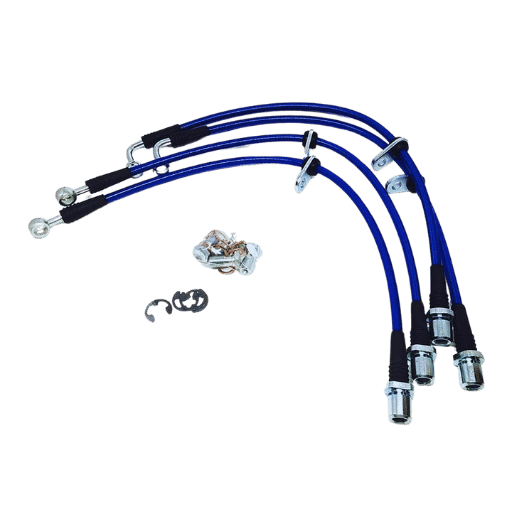
Stainless steel brake lines provide more durability with constant performance as compared to rubber brake lines. Its reinforced nature prevents the damage from wear and tear, cracking, and expansion due to high pressure, which allows for greater confidence in braking even when in extreme conditions. Further, they improve responsiveness by minimizing the flexing experienced by rubber lines, providing the brake pedal with a solid and definite feel. Stainless steel resists corrosion and thus prolongs the life of brake lines, one of the very few long-term improvements in safety and performance under one’s investments.
Why Choose Stainless Steel Over Rubber Lines?
Superior in durability, reliability, and performance are stainless steel brake lines. With two separate things to sort the quality of local rubber and the quality of imported rubbers- protective rubber brake lines are prone to wear and tear due to changes in temperature and sunlight, cracking and expansion, which results in varied brake pressure under different road conditions. They are firmer to press, are resistant to corrosion, and are safe for many years. For aftermarket brake performance, stainless steel lines are an obvious choice.
How Do Stainless Steel Brake Lines Improve Brake Performance?
When put under pressure, stainless steel brake lines prevent any expansion in the hose and impart consistent pressure, thus improving both the feel of the pedal and its firmness.
Are Stainless Steel Brake Lines Worth the Investment?
Recent data and analyses say that stainless steel brake lines are a worthy investment for drivers who want the best in braking performance and longevity. Such lines would be most desirable for performance vehicles, off-roading applications, or vehicles operated in harsh environments. The maximum pressure they draw on walls without swelling balances braking power, which is a matter of safety during high or prolonged use. Stainless steel brake lines do not corrode with time, thus requiring fewer replacements, ensuring better value for the cost in the long term. Search trends show that an increasing number of automotive enthusiasts and mechanics state the benefits of these lines, which reflects an increasing acceptance of their performance edge. They might cost more initially than rubber lines, but their price tags may be justified by better safety and driving experience.
How to Choose the Right Stainless Steel Brake Kit for Your Vehicle?
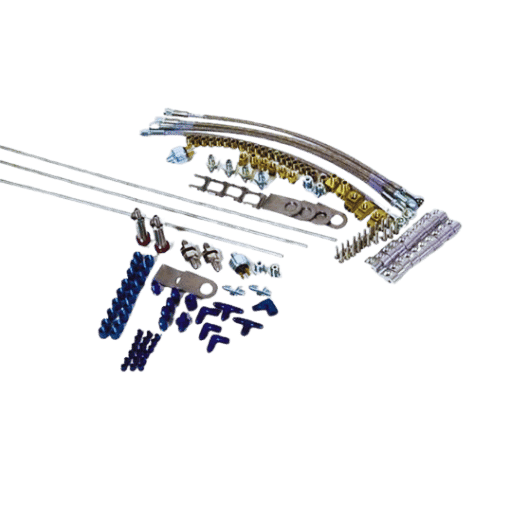
Understanding Different Types of Brake Kits
A stainless steel brake kit must be chosen by pairing it with the correct existing brakes, depending on specific function and performance requirements. Common types of brake kits consist of:
| Type | Purpose | Key Features | Ideal For | Search Trend |
|---|---|---|---|---|
|
OEM Replacement |
Factory-like |
Reliable, easy install |
Daily drivers |
↑ Steady |
|
Performance |
Enhanced braking |
Drilled/slotted rotors |
High-speed, towing |
↑ 20% |
|
Big Brake |
Max capability |
Larger rotors/calipers |
Racing, off-road |
↑ 15% |
|
Off-Road |
Rugged terrain |
Debris/moisture resist |
Off-road vehicles |
↑ 10% |
|
Ceramic |
Quiet, low dust |
High durability |
Urban, luxury cars |
Consistent |
By reviewing the needs that your vehicle has for the brakes and understanding the distinctions between types of brake kits, you will make a decision to optimize performance and safety by your habits of driving.
Comparing OEM vs. Aftermarket Brake Kits
|
Parameter |
OEM |
Aftermarket |
|---|---|---|
|
Cost |
High |
Low to Medium |
|
Fit |
Perfect |
May Vary |
|
Quality |
Consistent |
Variable |
|
Performance |
Standard |
Customizable |
|
Warranty |
Strong |
Limited |
|
Options |
Limited |
Extensive |
|
Durability |
Reliable |
Depends on Brand |
|
Noise |
Low |
Varies |
|
Dust |
Minimal |
Varies |
|
Heat |
Moderate |
Enhanced Options |
Key Factors to Consider for Quality and Performance
- Material Composition: Ensure the brake kit is made with stainless steel of the highest quality, plus any corrosion-resistant material, so as not to impart fragility and short life.
- Compatibility: The kit should be fully compatible with your vehicle’s make, model, and braking system, or you could find the kit is not installable or decreases performance.
- Heat Resistance: Kits must be able to withstand elevated operating temperatures without warping and degradation, especially for performance and heavy-duty applications.
- Brake Line Pressure Tolerance: Judge it to consider the ability of the brake lines to resist high fluid pressures for reliable braking performance.
- Installation Requirements: Consider whether all parts are included in the kit and if the installation is a simple procedure or will require some professional assistance.
- Certification and Standards: Look into the certifications, such as SAE or DOT, to ensure the kit to be used meets safety and quality requirements.
- Manufacturer Reputation: Look for manufacturers with quality engineering and reliable products.
- Warranty and Support: Check out all the warranties offered, and the ability to get inside technical support or customer service for your long-term peace of mind.
How to Install Stainless Steel Brake Lines?
Tools Required for Brake Line Installation
Some specific tools are required to install stainless brake lines, to maintain accuracy and safety during the installation. Here is a list of necessary tools for the installation:
|
Key Point |
Details |
|---|---|
|
Wrenches |
Metric & standard |
|
Brake Wrench |
Prevents stripping |
|
Brake Fluid |
Fresh, vehicle-specific |
|
Bleeder Kit |
Removes air |
|
Line Cutter |
Precise cutting |
|
Flaring Tool |
Leak-free flares |
|
Torque Wrench |
Tightens to spec |
|
Jack |
Lifts vehicle |
|
Safety Gear |
Gloves, glasses |
These days, getting the installation right and safety first is a must. You must therefore check that your tools are in acceptable condition and suit your vehicle’s model.
Step-by-Step Guide to Installing Stainless Lines
1. Prepare the Vehicle
Park the vehicle on a flat surface and set the parking brake. Use a jack to raise the vehicle safely and then place the jack stands securely under it. Before proceeding, make sure the wheels are fully blocked. This should be done for utmost safety.
2. Drain the Brake Fluid
First, locate the brake fluid reservoir. Drain the old brake fluid carefully to avoid contamination and spillage. At this point, remove the air from the lines using the bleed kit.
3. Remove the Old Brake Lines
Identify the old brake lines you would like to replace. Use a line wrench to loosen the fitting without stripping it. Disconnect the lines carefully while collecting any residual fluid in a container to prevent spills.
4. Install the Stainless Steel Lines
Install the new stainless steel brake lines, ensuring the fittings’ alignment is precise. Use the flaring tool, if necessary, to produce leak-proof flares, and tighten all fittings with the torque wrench according to the torque specifications set by the manufacturer.
5. Final Inspection and Testing
Inspect every connection for leaks and ensure fittings are tight after installation. Refill the brake fluid reservoir with fresh fluid suitable for your vehicle and carry out a full system bleed to purge any air. Test the brakes carefully in all functions to confirm a high level of performance before being taken out on the road.
Common Mistakes to Avoid During Installation
|
Key Point |
Mistake |
Details |
|---|---|---|
|
Planning |
Poor planning |
Lack of layout foresight |
|
Measurement |
Inaccurate sizes |
Leads to material waste |
|
Handling |
Improper transport |
Causes damage to items |
|
Preparation |
Skipping prep |
Uneven or weak base |
|
Fastening |
Inadequate fixing |
Results in instability |
|
Testing |
No system test |
Misses leaks or issues |
|
Integration |
Ignoring tech |
Poor functionality |
|
Sealing |
Poor sealing |
Allows water intrusion |
|
Documentation |
No layout record |
Hard to repair later |
|
Instructions |
Ignoring guides |
Misses critical steps |
What Are the Differences Between Calipers and Rotors?
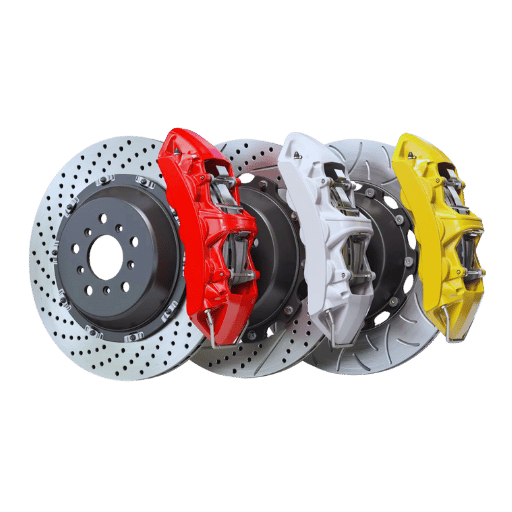
Functionality of Calipers in the Brake System
Brake calipers contain the brake pads and pistons. These calipers transform hydraulic pressure into mechanical force, squeezing the pads onto the rotors. The friction so generated is used to slow down or stop the vehicle.
Importance of Rotors in Disc Brakes
The brake rotors are vital in maximizing the efficiency of the disc brake system because they give a surface for the brake pads to cause friction against, which slows or stops the vehicle. The rotors are designed in such a way that they absorb and dissipate heat resulting from the braking action to provide uninterrupted performance and safety. According to the recent search data, new-age rotor materials have been introduced, such as carbon-ceramic rotors and slotted rotors, which are efficient in heat dissipation and therefore less prone to wear. Top-quality rotors prevent warping and build-up of braking forces while also extending the lifespan of the braking components, which enhances the reliability of the vehicle.
How to Maintain Calipers and Rotors?
The truth is that if you want the best brake performance and maximum longevity of your vehicle’s braking system, then you cannot save on maintenance for calipers or rotors. Maintenance should include:
| Key Point | Details |
|---|---|
|
Clean |
Use brake cleaner |
|
Inspect |
Check for damage |
|
Replace Pads |
Avoid rotor wear |
|
Lubricate |
Use brake lubricant |
|
Torque |
Follow specs |
|
Fluid |
Maintain levels |
Should you maintain these automotive measures recommended way based on present-day automotive best practices and trending data-truly would truly assist the brake components in efficient functioning, thus ensuring safety or externally providing for repair costs.
How Do Stainless Steel Braided Hoses Affect Brake Performance?
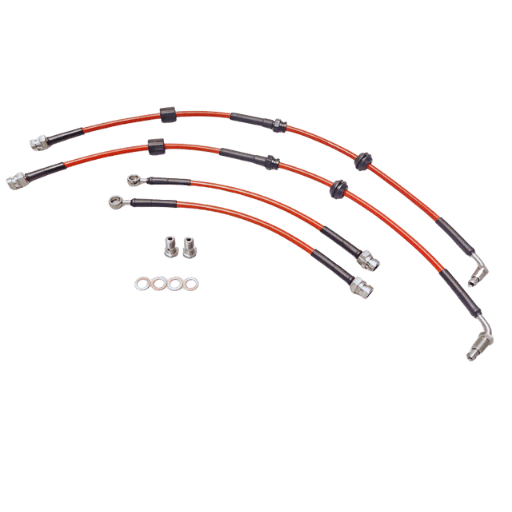
Advantages of Braided Stainless Steel Over Rubber Hoses
- Enhanced Durability: In contrast to rubber hoses, stainless steel braided hoses are wear-resistant, suffer from abrasion, and environmental damages much less than would otherwise ensure the long life of a hose.
- Pressure Resistance: It is an attribute of this hose to withstand high hydraulic pressures that would otherwise cause expansion and rupture during aggressive stopping.
- At least a consistent brake performance-wise: With rubber hoses, we are familiar with their ability to swell when pressured, producing a spongy feel in the brake; however, stainless steel siron can maintain proper and consistent performance with excellent braking.
- Damage Under Heat: Stainless steel resists heat degradation and is therefore ideal for high-performance or extreme driving.
- Fade less over time: Rubbers age and lose their effectiveness. Braided stainless steel, on the other hand, gives great performance without much degradation.
- Aesthetic Appeal: The clean and professional look of the stainless steel braided hoses can boost a vehicle’s overall appearance, something that often appeals to automotive enthusiasts.
- Corrosion resistance: Stainless steel braiding is the ultimate in rust and corrosion resistance, even in a demoralizing environment; hence, it goes on very reliably with time.
Impact of Steel Braided Hoses on Brake Pedal Feel
Steel braided hoses have a significant effect on the overall feel of the brake pedal by improving system firmness and responsiveness. Unlike conventional rubber brake hoses that tend to swell upon being pressurized, the braided stainless steel hoses prevent volumetric expansion when hydraulic pressure is applied during braking. This ensures that more force generated at the brake pedal goes towards pressing the brake calipers, lessening any spongy or delayed sensations usually experienced with rubber hoses.
Assessing the Quality of Products in Brake Hoses
A quality check on brake hoses is made for firmness, flexibility, proper crimping diameters, compliance with SAE/DOT standards, along with characteristics of wear and corrosion resistance.
Frequently Asked Questions (FAQs)
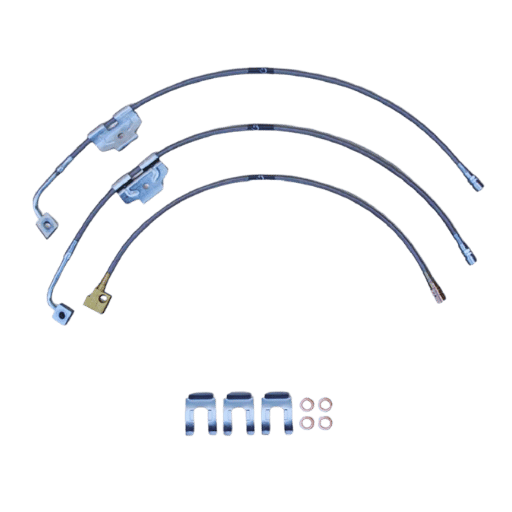
Q: What are the benefits of using a stainless steel brake line kit for my GM vehicle?
A: You can count the following advantages concerning your GM vehicle when being fitted with a stainless steel brake line kit: durability, corrosion resistance, and a better response of the brake pedal. In other words, unlike OEM lines, stainless lines do not expand with pressure, and this leads to a much better performance of the brakes.
Q: How does the performance of stainless steel lines compare with that of rubber brake lines?
A: Compared to rubber ones, stainless steel lines – typically of the braided lines variety – guarantee the best performance: abrasion resistant and non-swelling under pressure to build a firmer brake pedal and more effective braking feel.
Q: Can I install the stainless steel brake line kit on my Corvette?
A: Automotive enthusiasts can install the stainless steel brake line kits on their Corvettes. However, the best thing is to have a competent brake mechanic perform the installation. Besides ensuring that the fitment is just right, this also avoids any possibility of leakage of brake fluids or improperly fitting connections.
Q: What makes a quality brake part, and how do I make sure I am purchasing the highest quality parts?
A: Quality brake parts are made of materials from billet aluminum and are manufactured through precision machining and manufacturing processes. The highest quality assurance will be found for parts made right here in the USA, and they are either meeting or exceeding OEM specifications.
Q: What sets a piston made from billet apart from a standard piston, and why is it important to brakes?
A: The piston billet is machined from a solid piece of metal, offering greater strength and durability compared with the standard piston. This is important for brake systems, giving extra assurance in performance and reliability, especially when high stresses are being placed on the brakes during application.
Q: How does brake fluid affect the performance of stainless steel brake components?
A: Throughout brake components’ lifetime, the brake fluid is the most important one for any brake component, including the stainless steel type. They transmit the braking force from the pedal to the pads and calipers, whereas the right type of brake fluid will help from corrosion problems and keep the integrity of your brake system.
Q: Is any special care required when fitting stainless steel lines to a front caliper disc brake kit?
A: When fitting stainless steel lines to your front caliper disc brake kit, there are common factors to consider, like selecting the proper length of lines and confirming that the fittings are compatible with your present system. Otherwise, an incorrect installation would give minus performance, threats of leaks, and a failure to function.
Q: What advantages of aluminum direct-fit front calipers over standard calipers?
A: Aluminum direct-fit front calipers offer weight savings and improved heat dissipation for better braking performance. This results in better vehicle handling and more responsive braking systems, which are essential for big performance cars such as the Corvette.
Q: Why is it vital to use machine and manufacturing parts made right here in the United States for my brake system?
A: Machine and manufacturing parts made right here in the USA would guarantee that you are putting in strict quality and safety standards. This ensures ease of mind, thinking about the reliability and performance of your brake system.
Reference Sources
1. Formation of the Stainless Steel Line Module Construction on the Folding Press
- Authors: Hasan Çınac, Sanel Gradelj
- Published: 1st December, 2023
- Journal: IOP Conference Series: Materials Science and Engineering
Summary:
- The purpose of the paper is to investigate the process of bending the stainless steel sheet metal on the CNC brakes. Researchers are focused on experimental research of the bending force, which is crucial in the majority of metal manufacturing processes.
- Methodology: The description of the methodology is ascribed to the experimental stochastic research design involving the application of experimental optimal design methodology. The three inputs, namely the thickness of material, angle of the bend, and the bending of the part/shape, have been varied at five levels, and the bending force has been measured using the CNC press control panel. A nonlinear mathematical model of the response of interest has been designed and constructed.
Key findings: The work demonstrated the possibility of creating a mathematical model that can further study and find how to increase this force concerning the stainless steel brake parts(Cinac & Gredelj, 2023).
2. Effect of Conditioning Treatments on 17–4 PH Stainless Steel Aldis Using Material Extrusion 3D Printing Technology
- Authors: A. Pellegrini, F. Lavecchia, M. G. Guerra, L. Galantucci
- Date of Publication: February 23, the Year 2023
- Journal: The International Journal of Advanced Manufacturing Technology
Main Idea:
- This research refers to the study of the 17-4 PH stainless steel brake parts and their mechanical properties that are killed through the use of material extrusion 3d printing additive techniques.
- Process: The research was based on two aging treatment regimes, H900 and H1150. However, the mechanical properties of the components, such as hardness, porosity, among others, were assessed after the treatment. The authors employed inferential statistical techniques in assessing significant differences (s) existing due to post-manufacturing heat treatment of the materials investigated.
Conclusions: The results demonstrated that the ageing process significantly affected the hardness and porosity of the tested stainless steel parts and that certain conditions improved the mechanical characteristics(Pellegrini et al., 2023, pp. 163–178).
3. Brake
4. Disc brake
5. Vehicle