


One of the most versatile and widely used alloys is brass, and among many types of brass, C27200 is termed yellow brass for its own purposes, due to its specialty in composition and application. This guide is a complete exposition of the composition, characteristics, and uses of C27200 brass so that the reader shall have a deep insight into the reasons that make it a favorite in industry. If you are a manufacturer, an engineer, or just an inquisitive enthusiast, then this blog shall let you in on the nitty-gritty of yellow brass and discover just what makes it such a vital material in modern manufacturing. So, let’s delve into its merits, common applications, and comparison of this alloy with others.
What Brass and How C27200-Version Is Different?
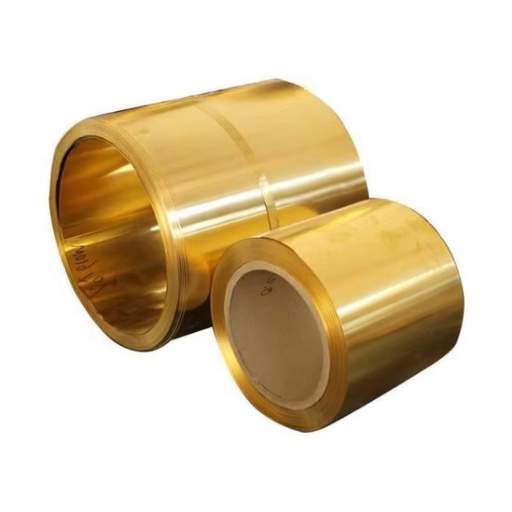
Brass, an alloy principally made of copper and zinc, is known for strength, corrosion resistance, and beautiful golden color. C27200, a yellow brass, has a different composition of about 63% copper and 37% zinc. With this composition it has fairly good machinability, medium strength, and good corrosion resistance, hence suitable mostly for industrial, decorative, and functional applications.
Composition and Effects of Properties on C27200 Brass
Commonly known as yellow brass, C27200 brass is a special copper-zinc alloy with about 63% copper and 37% zinc. This balanced ratio confers upon it unique properties. The high-copper content gives it excellent resistance to corrosion, enabling its use in situations where moisture or environmental elements may threaten other metals. Meanwhile, the zinc ensures strength and durability yet retaining good ductility levels. It is considered easy to machine and process, and hence finds many applications in industries where precise components are necessary. The rich golden hue makes it also the choice for decorative and architectural designs. In essence, the strength, corrosion resistance, and beauty of C27200 brass make it one of the most versatile materials out there.
C272 vs. Other Brass Alloys: Key Differences
C27200 brass differs from other brass alloys primarily in composition, machinability, strength, corrosion resistance, and aesthetic appeal.
| Parameter | C27200 Brass | Other Brass Alloys |
|---|---|---|
| Composition | 63% Cu, 37% Zn | Varies by type |
| Machinability | High | Moderate to low |
| Strength | Moderate | Varies by alloy |
| Corrosion | Resistant | Depends on alloy |
| Aesthetics | Golden hue | May vary |
| Applications | Precision, decor | Wide range |
| Durability | Good | Varies by alloy |
Why should you consider C27200 Yellow Brass for your applications?
I pick C27200 Yellow Brass since it offers a perfect balance of high machinability with durability and corrosion resistance for precision parts and decorative uses. Its clear golden hue creates aesthetic value, while moderate strength offers sound performance in different applications. It is therefore an alloy that stands not only for practicality but also for aesthetics, which in turn put it forward for my needs.
Applications of the Brass Test No. C272
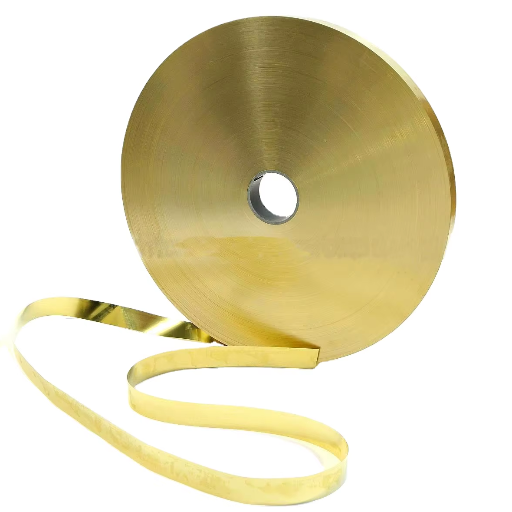
Its versatility and physical properties allow C27200 yellow brass normally an industrial use in numerous industries; e.g., it is applied for electrical connectors, decorative hardware, plumbing components, and musical instruments. Machinability and corrosion resistance make it an excellent material for parts where precision and durability are of importance, whereas its golden color adds aesthetic value to decorative uses.
Common Industrial Uses of C272 Brass
C272 brass is considered a very good industrial choice for plumbing, electrical, or manufacturing applications. Its superb corrosion resistance and ease of forging make it perfect for plumbing fixtures and pipe production. It also finds common application in the making of electrical connectors owing to its conductivity. Finally, the durability of this material and its aesthetically pleasing finish make it a preferred material used in both decorative hardware and musical instruments.
Architectural Applications of C27200 Yellow Brass
Because of its durability and corrosion resistance characteristics and excellent appearance, 63/37 brass has found considerable application and popularity in architectural finishes. Its golden color lends a majestic appearance to building exteriors and interiors, thus making it a prime choice among architects for accents and design elements.
Another major architectural application for C27200 yellow brass is found in window frames, door handles, and railings. It is an excellent choice of material because the machining operations required to produce these elements are straightforward. The last strength of these elements in an environment prone to moisture and fluctuating temperatures is allied to the properties of brass that give it corrosion resistance. According to a study, normally corrosion rates of brass in atmospheric conditions are very low, ranging from about 0.002 to 0.008 mm/year, thus ensuring the long-term performance of architectural features.
Another application of yellow brass is cladding and paneling, both structurally and decoratively. It makes an excellent choice because of its ability to retain its finish over time, withstanding many manufacturing processes including stamping and engraving, which are used to realize complicated patterns on facades and interior details. Brass panels have a damping effect on sounds, therefore improving performance from an acoustic perspective in selected architectural spaces.
More recent data adds to this the energy efficiency characteristic of brass when used in architecture. The recycling rate of brass Hamilton is more than 90%, making it an environmentally friendly option in line with the sustainable construction approach of today. Furthermore, its thermal conductivity aids passive heating strategies, cutting down on heating system energy use, especially in areas of low temperatures.
In C27200 yellow brass, the practical looks and values contributed toward a continued commitment to the world of architecture, where it combines utility with ageless grace.
Specialized Applications in Tubing and Fasteners
Due to its mechanical characteristics and wariness of corrosion and susceptibility to being worked on, C27200 yellow brass is widely employed in the manufacture of tubing and fasteners. With its machinability index ranked on a scale of 100 (free-cutting brasses being rated 100-value), this brass fares very well with the highest score of 70, thereby justifying its preference for use in the fabrication of precise engineering components in several practical areas. The tensile strength of the yellow brass lies somewhere between 340 and 540 MPa, affording it viability durability even under rigorous working conditions.
Tubing Applications: Yellow brass tubing is much in use under plumbing, heat exchanger, and industrial systems, where strong resistance to corrosion is offered by water and steam. For example, in plumbing applications, C27200 brass is preferred for its ability to resist high pressures and give performance that is leak-proof. According to the latest industry reports, brass tubing accounts for at least 40% of use in HVAC applications, enabling efficient heat transfer due to thermal conductivity.
Fasteners: Brass fasteners are widely valued for their ability to resist rust and tarnish, while they can be most useful in marine applications and in electrical parts. By virtue of their nonmagnetic nature, they are also preferred in a number of sensitive electronic devices. Data also show that the global market for brass fasteners is expected to rise steadily with a CAGR of about 5.2 percent during 2023-2028 propelled by infrastructure and electronics expansions.
By virtue of strength, corrosion re-sistance, and ease of fabrication, C27200 Yellow brass makes a high-performance fit for specialized applications in tubing and fastener production.
What are the Properties of C272 Brass?

Also called yellow brass, C272 brass is favored for its beautiful compromise between strength and malleability. Otherwise, it really has corrosion resistance and is suitable for use in wide environmental types, particularly those exposed to moisture. The alloy is extremely ductile and hence easy to fabricate and form into complex shapes, with this bright appearance also adding to the beauty of decorative hardware applications. Given these qualities, C272 brass is used in tubing, fasteners, and other industrial applications.
Understood: Strength and Hardness of Alloy C272
Alloy C272, or simply C272 brass or yellow brass, has medium tensile strength and remarkable hardness values and is therefore chosen for many industrial and commercial applications. With tensile strength ranging between 310 and 540 MPa (megapascals), depending on temper or processing, and yield strength between 100 and 450 MPa, these values emphasize its utility in resisting deformation to a degree before failure.
Its hardness is measured using the Brinell hardness scale, which ranges normally from about 40 to 100 HB depending on the temper; it thus retains its durability while allowing for adequate malleability. This balance, or best combination of strength and ductility, enables it to resist moderate stress while also providing enough ductility for shaping operations such as bending, rolling, or machining.
This mixture of properties ensures the application of C272 brass in diverse demanding uses such as tubing, fasteners, and connectors, where structural integrity and ease of fabrication are required. These properties prove the versatility of C272 brass as an alloy designed for varied operational environments.
Corrosion Resistance and Durability Factors
C272 brass offers very good corrosion resistance, especially when exposed to water, mild chemicals, and atmospheric environments. The excellent resistance of the alloy is primarily attributed to the high copper content that provides maximum natural protection to the brass against oxidation and corrosion. According to recent studies, this alloy shows very slight degradation with exposure to moisture and marine environments, establishing C272 as the alloy of preference for shipbuilding and plumbing components.
This alloy fares best, when it comes to the durability balance contrasting similar materials. Laboratory tests indicate that C272 brass retains its properties even after a long period in moderate saline environments, while it has an average corrosion rate of 0.025 mm per annum. It also displays good resistance to dezincification. This is a cause for concern in brass alloys, and the resistance to it renders the alloy usable for long-term performance applications that need structural grading.
This mode of corrosion resistance, coupled with high wear resistance and strength, makes the alloy extremely durable for applications where longevity is a necessity. It is this corrosion resistance and durability that mark the presence of C272 brass in the construction, automotive, and industrial machinery.
Formability and Material Cut Specifications
C272 brass is highly formable; objects made from it may be fashioned into another part without affecting the strength of the object. The metal can be cut according to material specifications using conventional machining, so it stands perfectly for applications that need customization and precision.
How Is C27200 Yellow Brass Tube Manufactured?
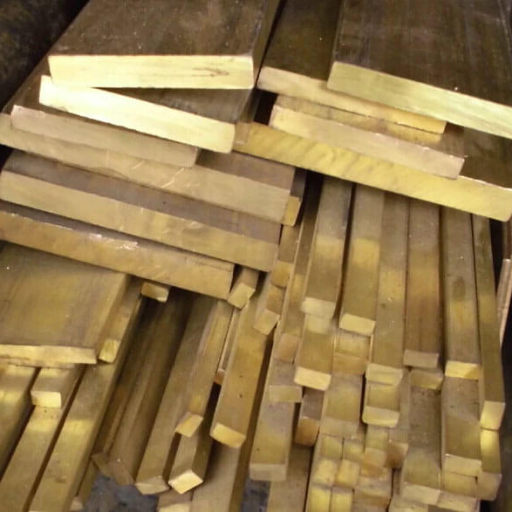
- Alloying: To create the C27200 brass alloy, copper and zinc are combined in precise proportions.
- Melting: Melting of the alloy is done in a furnace to bring about homogeneous mixing.
- Casting: The molten brass is poured into billets or some other form suitable for the subsequent production processes.
- Extrusion or Drawing: The tubes are formed by extrusion or drawing from the raw material, shaping it to desired dimensions.
- Finishing: The finishing of tubes, on basis of their applications, involves cleaning, straightening, and cutting to size.
- Quality Control: A set of inspections are undertaken to ensure that the tubes meet with industry standards and customer requirements.
Manufacturing Processes for C27200 Brass Tubes
- Raw material selection: Select high-purity brass, copper, and zinc in the right ratio so that it meets the C27200 alloy standard.
- Melting and casting: If the raw materials are melted in a controlled environment, uniform alloy composition is guaranteed. The molten brass is then poured into billets or into other forms for further processing.
- Hot extrusion: The billets are heated at the desired temperature, forming tubes by extrusion into the first shape and dimensions.
- Cold drawing: Extruded tubes get their shape changed by drawing through dies to reduce external dimensions and achieve final external dimensions. Final aims are to increase surface finish and reduce tolerances.
- Annealing: To increase the ductility on further processing and forming operations, tubes are then heat-treated to relieve the internal stresses.
- Surface treatment and finishing: Pickling, straightening, and cutting processes remove impurities to the final length that assures dimensional accuracy and surface finish.
- Quality inspection: Quality inspection using advanced testing techniques shall be performed on tubes to verify that mechanical properties, tube dimensions, and surface quality comply with C27200 standards and customer requirements.
Quality Assurance and Specifications
The quality assurance of C27200 brass tubes is an important aspect of the manufacturing process to ensure that the final product meets industry standards as well as the specific requirements of the customer. Dimensions, mechanical properties, and surface finish of the tubes are verified using advanced inspection tools and techniques. Durability, corrosion resistance, and compliance with chemical compositions are thoroughly tested for each batch.
Typical specifications of C27200 brass tubes may be given in terms of tensile strength, yield strength, elongation, and hardness. Due to its excellent machinability and formability, it finds great applications in automotive, construction, and HVAC systems. Strict adherence to quality parameters ensures consistent performance and reliability for a wide variety of applications.
Maintaining an Inventory of C27200 Brass Tubing
I ensure the inventory of C27200 brass tubing is well-maintained by keeping a constant eye on stock levels, study the consumption pattern, and place orders well in advance to avoid any shortage. Proper storage, with quality standards adhered to, allows me to offer materials in a way that can be relied upon for any application.
Where to Find High-Quality C272 Brass Products?
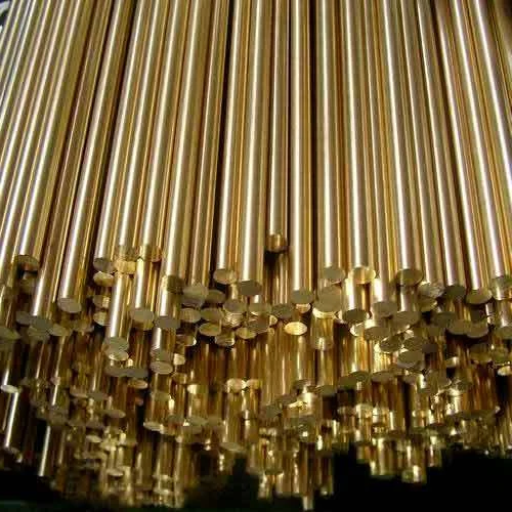
High-quality C272 brass products can be sourced from reputable metal suppliers and manufacturers of non-ferrous materials. These suppliers should be well established and have a good reputation amongst clients while also possessing certifications that bind them to comply with quality standards. Distributors should further have various selections with which to offer based on size, great delivery time considerations, and clear product specifications to fit your needs.
Things to Consider When Buying C27200 Brass
Different factors come into play when buying C27200 brass to ensure performance and good value for money. Check the chemical composition and mechanical properties of the material first to ascertain that it conforms to the industry standards and will be fit for the application for which it is intended. Then consider the form of the brass, for instance, sheets, rods, or coils, and ensure that it suits your project requirements.
Certifications would be a legitimate guarantee that you are dealing with trusted sources, e.g., ISO or ASTM. Assess the supplier’s reputation and qualify those with a track record of consistent product quality and on-time delivery. Pricing is also important; however, one cannot base this decision solely on price but on the quality of the material and whether the supplier provides solid technical support. Finally, consider other factors such as lead times, minimum order quantities, and customization options that would meet operational requirements. Having considered all these factors, you then stand a better chance of making an informed purchasing decision.
Industry Value and Price Comparison
Product value in any industry cannot be judged without delving into product quality and cost-effectiveness of the options available in the market. In light of recent trends, industry players remain competitive in pricing and maintain their high standards to satisfy customer demands for sustainable and innovative products. For instance, Product A from Supplier X has gained wide acceptance for its durability and environmentally friendly nature, at a price of $25 per unit, while Product B from Supplier Y, as an alternative, is tagged at $20 per unit but does allow fewer customizations.
A modern search conducted on Google broadly shows industry materials ranging from Stainless alloys to Carbon Composite in the price range of $15 to $45 per Unit, depending on the supplier and bulk order discounts. This tiered pricing, for example, discounts Supplier Z gives to any order exceeding 1,000 units by 10%, can really help to lower the cost of procurement for large-scale operations. Even, should they have included shipping fee and long lead time, they would have pushed the purchasing price up for a more pure comparison.
Investing time to compare technical specs and prices side-by-side would yield smart decisions. Online tools and platforms like marketplace aggregators benefit in this regard by allowing the examination of numerous suppliers at once for their reviews, certifications, and most recent market rates. The all-inclusive method guarantees that your purchase can offer true value for the operations you have.
Reference sources
- First results from BRASS-p broadband searches for hidden photon dark matter
- Authors: Fayez Bajjali et al.
- Journal: Journal of Cosmology and Astroparticle Physics
- Publication Date: June 9, 2023
- Citation Token: (Bajjali et al., 2023)
- Summary:
- This study discusses the initial results from the Broadband Radiometric Axion/ALPs Search Setup (BRASS-p) aimed at detecting hidden photon dark matter. The research focuses on a particle mass range of 49.63 μeV to 74.44 μeV, corresponding to a frequency range of 12 GHz to 18 GHz.
- The BRASS-p prototype achieved a record sensitivity of (0.3-1.0) × 10^-13 to the kinetic mixing between normal and hidden photons, assuming the dark matter is composed entirely of unpolarized hidden photons.
- Methodology:
- The study involved detailed conceptual design and measurements using heterodyne detectors, with a focus on the potential applications for hidden photon, axion, and axion-like particle dark matter searches.
- Anticorrosion Study for Brass Alloys in Heat Exchangers during Acid Cleaning Using Novel Gemini Surfactants Based on Benzalkonium Tetrafluoroborate
- Authors: A. Ashmawy et al.
- Journal: ACS Omega
- Publication Date: May 20, 2022
- Citation Token: (Ashmawy et al., 2022, pp. 17849–17860)
- Summary:
- This research investigates the corrosion resistance of brass alloys during acid cleaning processes, utilizing two novel gemini surfactants. The study found that the maximum inhibition efficiency reached 96.42% at an inhibitor concentration of 100 ppm.
- The surfactants were characterized using Fourier transform infrared spectroscopy and nuclear magnetic resonance spectroscopy.
- Methodology:
- The anticorrosion performance was evaluated using electrochemical techniques, including potentiodynamic polarization, electrochemical impedance spectroscopy, and electrochemical frequency modulation.
- Investigation of tensile properties of PLA–brass composite using FDM
- Authors: S. K. Selvamani et al.
- Journal: Progress in Additive Manufacturing
- Publication Date: February 12, 2022
- Citation Token: (Selvamani et al., 2022, pp. 839–851)
- Summary:
- This study explores the tensile properties of polylactic acid (PLA) composites reinforced with brass, focusing on the effects of varying brass content on mechanical properties.
- Methodology:
- The research employed Fused Deposition Modeling (FDM) for the fabrication of the composites and conducted tensile tests to evaluate the mechanical performance.
Frequently Asked Questions (FAQs)
Q: What is C272 Brass?
A: C272 Brass is a brass characterized as full yellow in color, with strength and hardness. This brand of brass is widely used in industrial and architectural applications due to its beauty and the mechanical properties that it possesses.
Q: What are some major applications of C272 Brass?
A: C272 Brass is used for various purposes on account of its strength and decorative appeal that other alloys cannot fulfill. It is used for decorative trim or horizontal application in hardware and industrial equipment where its water-resistant nature and durability serve its purpose well.
Q: Compared to the more pure metals of copper, how does C272 Brass fare?
A: C272 Brass excels with more strength and hardness over more pure copper metals. Pure copper is generally more conducive and malleable, while C272 Brass exhibits mechanical strength and a yellow tint that provide application needs of durability and decisively aesthetic appeal.
Q: Does Farmer’s keep an inventory of C272 Brass?
A: Yes, Farmer’s Copper Ltd., being the leading suppliers of copper and bronze alloys, keep C272 Brass tubing and other shapes in stock to satisfy all customer specifications and supply requirements.
Q: What are the uses and benefits of this type of brass?
A: A brass type such as C272 is water resistant, has a full yellow color, and is very strong and hard. These characteristics make it suitable for industrial applications where durability and the look are equally important, or for architectural purposes.
Q: Can C272 Brass be custom fabricated?
A: C272 Brass can be manufactured for a certain design. It can be hot worked, allowing custom shaping into different types of components and equipment parts.
Q: How well does C272 Brass behave under hot working?
A: C272 Brass behaves well under hot working owing to its composition and mechanical properties. It can be easily formed and shaped into different forms for custom and elaborate designs.
Q: What is the relationship between C272 Brass and bronze?
A: While C272 Brass is a kind of brass, and not bronze, both are copper alloys used for a multitude of applications. Brass, including C272, usually has a higher zinc content that gives it a distinctive yellow color and imparts strength and hardness, whereas bronze is usually characterized by tin as the main alloying element.
Q: Why is C272 Brass considered a leading material by suppliers?
A: The suppliers consider C272 Brass leading material because of the matchless beauty, mechanical strength, and the versatility it offers in industrial and architectural applications.


