


In the quest for a material that exhibits the best combination of strength, machinability, and general purpose use, The C36000 brass bar is the first material that comes to mind. It cannot be denied that the unique and superior properties of this alloy have greatly contributed to its extensive application across many sectors. This has also inevitably led to an inevitable increase in the demand for this particular alloy even amongst the manufacturers. But why is C36000 brass so inimitable and why is it considered superior when it comes to machining and cutting blank material? The chief purposes of this document are to highlight these features, to comprehend what has brought about exponential growth and to see how it is utilized in different fields. If you are a professional searching for the most suitable raw material for your next assignment or merely interested in the advantages of using bronze, you won’t find a more fitting piece than this all-inclusive overview on C36000 Brass Bars.
An Overview of Brass and C36000 Alloy
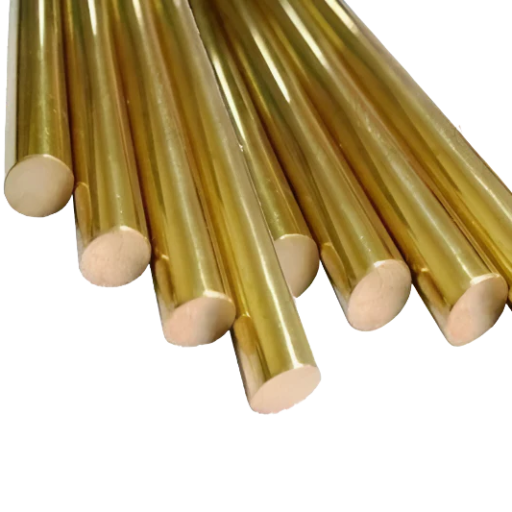
C36000 or free cutting brass is a copper alloy that is well known for its mechanisms, strength, and resistance against rust. It is made up of various metals but mainly comprising copper and zinc, plus a little bit of compliance lead is added for improved machine efficiency. This property has increased the popularity of this alloy in the automobile, construction, and other industries that require very precise standards with the materials used. The C36000 alloy is resistant to the development of wear and tear, which makes it very suited for high performance applications.
Grasping the Advantages of Brass
Brass is a metal or metal alloy that basically consists of copper and zinc in varying proportions. These base metal can be adjusted to create other types of alloys of brass to meet the specific needs of any part and these may include elements that could improve the strength, ease of machining and the corrosion. In addition to the industrial applications, gold pretty glows of brass make it a material of choice for other types of designs such as interior decorations.
Brass mostly comprises copper, a heavy material having a density of typically 8.4 to 8.73 g/cm^3 which may vary with the composition. It is so flexible and the material can easily perform as it can be extruded, molded, or hardened at different angles. The copper content of brass also ensures that it possesses good thermal and electrical conductivity. Its components include gearboxes, valves, and electrical connectors, all of which can be well realized using brass.
Furthermore, such brass alloys often include a small quantity of other elements such as lead, aluminum, or tin which modifies particular properties further. In such an example, brass with lead content such as C36000 is easy to machine, with machinability rated as high as around 90%. In terms of corrosion resistance, brass is also capable of most air and water exposures, particularly for a variety of applications, such as plumbing systems and marine applications. Contributing to the range of potential applications of brass is the choice of copper level, which should roughly be between 55% and 70% by weight, with the rest being either a pure copper phase or other elements such as zinc. The resulting alloy also affects the properties such as hardness, colour and tensile strength as shown by an example:
- Cartridge Brass, consisting of 70% copper and 30% and zinc, it is a very ductile alloy which is used sometimes for the fabrication of ammunition shells.
- Naval brass, nearly 60% copper, approximately 0.75-1% tin while the balance is zinc, has a high resistance to corrosion in seawater; this alloy is used in sea transport systems.
The usefulness of Brass outweighs its good looking properties as far as the metal is concerned. It is widespread in the market servicing multiple needs such as plumbing, manufacturing of brass instruments, motor vehicles, construction works among others which explains its importance and relevance.
C36000 Overview: Description of C36000 Brass
One of the popular materials, C36000 which is known as free cutting brass or sometimes even as free machining brass, predominantly consists of copper and zinc with some amount of lead for better processing. It is well appreciated on account of its excellent machinability, resistance to corrosion and rate of strength retention even at varying conditions of use. Consequently specialty components such as screws, gear wheels, seals and countless others used in varying industries are usually made from this very material.
Properties of C36000 Alloy
C36000 around as one of the most durable and efficient engineering materials boasts several characteristics that have made are conducive to increase production capacity. It also provides ideal speed of cut with as much efficiency as possible, which further reduces losses and lags in production. It is ideal for the manufacturing of such components as the cooling and conduction of electricity in devices. Apart from that, the proper limitation of this s alloy depending on its alloying elements gives it the ability to withstand to high toughness in the case of lead containing manitex. This makes “C36000” brass as one of the first choices in manufacturing applications, presently and historically dealing with masses of engineers and manufacturers.
Constitution of C360 Brass

C360 brass, or free-machining brass as it is also called, is a composition of copper (roughly 61-63%), zinc (approximately 35-37%) and a small quantity of lead (around 2-3%). These are all carefully blended in the materials in proportion to impart the material with good machine-ability, strength, and resistance to corrosion.
Principle Components of C36000 Alloy
The tress copper based alloy called the C36000 comprises of three primary base elements which are responsible for its superior properties. The highest concentration of around 61-63% ensures the alloy’s integrity since copper is actually a metal with good thermal and electrical conductivity. This is why the third element of this alloy, or zinc which fills up approximately 35% – 37% of the alloy, provides most help in strength enhancement and resistance to attack by the environment. The addition of a small amount of lead, between 2 -3%, gives useful benefits like improvement of its machinability. Through the strategic introduction of certain elements, the properties of C36000 brass are such that performance trade-offs are held hostage and as a result the alloy has found widespread application in various industries.
Influence of Composition on Properties
Specifically, the Copper alloy Grade C36000 lays deep emphasis on its structural composition which consequently affects its mechanical, physical. The percentage of copper tends to reduce a bit to a high of 61% and a minimum of 63% but yet thermal and electrical conductivity are well within the range of 30% of epoxy copper, probably making ELECTRODA good for use in electricity heated or cooled devices like heat exchangers.
With zinc percentage falling in the range of 35-37 % promotes the strength and rididnesse properties in the alloy. So, in order to improve the properties of brass such as tensile strength, enhanced corrosive resistance, easily casted brass, etc. Zinc is added to the brass material in required amount which increases it tensile strength turning it into high strength material with low creep resistance. It is also noted that C36000 brass has a tens srength which varies from 345 MPa to 436 MPa, depending upon the temper condition.
The less than one percentage of lead improves the free machining characteristics of the C36000 brass which is why it is regarded as “free cutting brass”. The lead in the brass serves as a lubricant in metal working operations, reducing machining cutting wear. It is hence recognized as 100—the optimal design level, which allows precision components like fitting, torques, and other joints to be designed in a way which enables smooth and easy machining of the parts.
Collectively, the blend of these constituents guarantees that C36000 brass possesses the right levels of strength, conductivity, resistance to the environment and ease of working, thereby justifying its existence in such sectors as, for example, cars, water supply and industrial companies.
Comparison with Other Brass Alloys
C36000 brass can be compared with other brass alloys such as C37700, C46400, C27200, and C23000 based on factors like strength, corrosion resistance, machinability, and applications.
| Alloy | Strength | Corrosion | Machinability | Applications |
|---|---|---|---|---|
| C36000 | Medium | Moderate | Excellent | Plumbing, electrical, automotive |
| C37700 | High | Good | Good | Forgings, fittings |
| C46400 | High | Excellent | Moderate | Marine, hardware |
| C27200 | Medium | Good | Fair | Decorative, architectural |
| C23000 | Low | Moderate | Fair | Roofing, doors, frames |
Benefits of Using C36000 Brass Bars
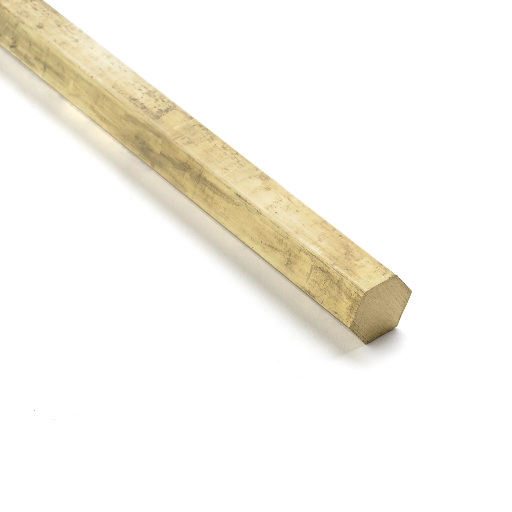
Most designs need good machinability and medium corrosion resistance in their sections or rods of C36000 brass bars. It is used a lot in making plumbing components including fittings, valves; also, electrical contacts and other sections for cars. These fields enjoy the properties of the metal accompanied with working well in regular environmental conditions.
Sectors Using C360 Brass Bars
C360 Brass bars are very common in trades such as plumbing activities, electrical industry, and manufacturing of electrical systems. The bar is strongly preferred for its ease of machining making it ideal for the production of fittings, contacts, and precision parts. These properties ensure effectiveness and transposition of the components in a wide range of application areas.
Machining C36000 Free-Cutting Brass Applications
Regarding C36000 brass, this brass is well known as the free-machining type and that is highly due to the fact that it has high machining capability with a perfect machinability rating achieved at a value of 100 on the Copper Development Association (CDA) scale. This value is commonly regarded and represented as the machinability rating against which the machinability of other materials is measured. The fast and smooth cutting associated with this brass is as the result of its elemental composition, which does not even go beyond 61.5% of copper, the least percentage being 3% of lead and the remaining zinc. This facilitates precision and rapid cutting, reduces tool wear, and lowers the operating cost for cutting significantly.
Manufacturing sectors need C36000 brass in many applications within the tight tolerances and surface finishes, like threaded components, valve stems, gears, and connectors of peculiar contours. The compound mainly includes lead, which improves machinability and minimizes the tool tearing during machining. As such, this composite machinable brass is the most appropriate one for Escomatic and traditional high-speed CNC turning and milling desirably because of the suitable lead percentage in this alloy.
What is stunning, high-speed practice of 1200 surface feet per minute can be projected for brass C36000 when everything works right, a speed that is way higher than that applicable to other materials used for manufacturing. It is in polished brass and alas inserts of other-brasses into other components plus many other mechanical applications. The only downside in this case would be the better strength the C36000 loses if the threaded hole id full drilled. The results from a cda-sponsored test show that C36000 parts have all such characteristics as surface finish and close-fit dimensioning that increases the performance level and decreases post-machining operations. The blend of magnetism compatibly with mechanics poses the problem of making such workpieces perfect. Such properties and the cost-efficient process to fabricate these materials have made brass an ideal material for use in commercial manufacturing processes such as in the manufacture of hitech goods.
Advantages to the Application of Free-Machining Brass
Brass materials that are easy to machine, such as C36000 offers considerable advantages to various industries hence they become indispensable resources. Distinct machining ability is among the topmost advantages it presents. Industry sources claimed that the C36000 brass had 100 percent machining properties so as to rate other metals according to how they enable the performance of machined tasks. Moreover, jigs and fixtures hardly wear in the working systems, thus the cost of replacing them stays to a minimum level.
This is as well coupled with very high electrical and thermal conductivity levels. Here, the alloy has an excellent thermal conductivity of about 120 W/m·K and effective electrical conductivity of about 6 megasleis (International Conductive Copper Standard). This makes it particularly appropriate for application of components used for electrical and heat transfer such as terminals, connectors and heat exchangers.
Defending from corrosion is among another key advantages provided by free machining brass. This is because, C36000 brass has an excellent resistance to water, air and mostly corrosive chemicals which also means environmental conditions will be favorable and its span of use will be very high. This more prevalent in plumbing applications where the chemical nature of water and temperature fluctuation comes into play during circulation.
Moreover, one of the properties associated with free machining brass is that in fact, it is put to environmentally Sound and sustainable use. Less eco-friendly materials, and even the easier recycled ones, can and must pertain to extraction of these metals up to 90%. Where materials are not virgin (notorganic), the total over consumption is more than occurrences of over consumption of virgin materials during 100 years.
Its versatility scope of C36000 helps it find function in a vast number of different types of industries such as aerospace, automotive, telecommunication, and building. In this case, its competent use in terms of compliance and surface characteristics while being machined shall make this attribute even more attractive as it enhances operational effectiveness.
Fi nally, it is seen that cost considerations, ease of production, as well as performance aspects such as machine ability of the material has continued to be the polished car free cutting brass C36000.
C360 Brass Data for Design Engineering
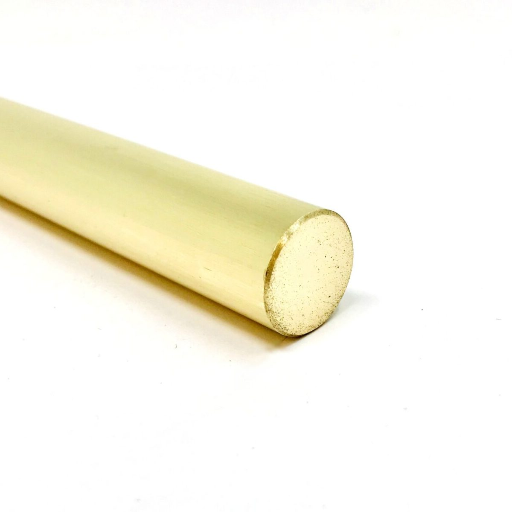
Within the area of industrial fabrication, the use of C360 brass draws attention due to its possessability and workability under machining procedure which is rated 100%; that mark should also be remembered for other metals’ dependence on brass. Among its immediate destructive properties include the like of high resistance, high thermal and electrical conductivity thereby widening its application in different regions. Moreover, when compared with other metals, C360 Bras is known to have certain additional mechanical properties that can be further utilized in the development of complicated conformations with no or very minimal compromise regarding precision and quality required in a given work. These attributes help in reducing production costs while ensuring the durability as well as the performance of the products.
Use of C360 Brass in Machinability as a Material
The mechanical properties of C360 Brass blended with other properties in a single metal makes it a desirable material for use in a number of industrial applications. Due to its all round mechanical performance, it can confidently function without wear-out under different conditions of use. Here are the most common mechanical properties of C360 Brass:
- Tensile Strength: Within the range of 58,000 to 68,000 psi ( 70-77 MPa) the tensile strength ensures that the new space shuttle can take off and land current shuttles without any mishap failure.
- Yield Strength: There may be an innermost Stress Croatian society curling arrestecural matrix atty much as 35,000 psi consistent with the hope ra.lof 310 MPa.
- Elongation: Circles area percentage elongation at break is in the region of 20-30% suggesting an element getting drawn into line is capable of extensive shaping without any cracks.
- Hardness: Hardness number by Brinell method mainly falls between 83 and 90 HB in which surface damage is moderate but tool machinability is possible.
- Modulus of Elasticity: The stiffness of the brass is approximately 16,000 ksi (110 GPa) meaning the brass can be deformed at a given stress and then returns to its original dimensions after release.
These established properties, and the ability of the brass to resist corrosion and machine other types of brass corrosion makes C360 the most acknowledged variety of brass which is used for making parts such as seals, valves nuts, bolts, washers and precision components. It is an effective construction material because it bridges the falling practitioners on the three lines of service construction materials: service, appearance and cost management.
C360 Brass N Protective Coatings
C360 brass has been offered quite an extensive service in different industrial environments due to the good corrosion resistance of the materials. There are many C360 brass than many other atmospheres due to its readily resistant materials which do not tarnish or corrode. This brass alloy can allow more of the society ‘s dressings because of elements like brass us. The incorporation of zinc in the particular brass gives it protection against corrosion particularly for constructions in indoor as well as dry environmental situations.
However, C360 brass is great on several fronts. There is a catch! The problem of dezincification may arise from prolonged exposure to water which is corrosive or otherwise aggressive to the brass. In certain circumstances, for example, when C360 brass is used in plain blades, inhibitors can be applied or coatings can be used against dezincification.
One surprising aspect of this development in the field of materials is that C360 brass has been showing such improvement, even when it is exposed to low ph estimate of mild alkaline substances combined with chloride. This process therefore wastes away less than one one-thousandth of an inch of the material per year. It confirms the feasibility of the metal in normal applications. This unparalleled demonstrated sufficiency, when coupled with its standardized features, contains that C360 brass is a good steel for areas that require structural performance over a long period of time best-weldable steel.
Thermal and Electrical Conductivity of C360 Brass in Detail
The properties of C360 brass are appreciated not only for the mechanical characteristics and its fighting capabilities, but also for its heat and current management effects. Its thermal conductivity is 120 W/m·K, effective for heat transfer by heat exchangers, radiators and electrically connecting systems, making ideal for heat exchangers, radiators and electrical culminating applications. This transformation of the material notably makes it dependable in cases where a system’s operation may necessitate excessive heating.Give one on conductivity, C360 brass has a conductivity of 28 IACS% Which is according to the World Collapse Mining Things? This level is not as good as copper but is sufficient, due to the required performance from mechanical properties for a large number of industrial and commercial telecommunications networks which use metal cables. And that is how conductive C360 it is. Which is how hard it is machinable which is machinable in term of electrical terminal and fitting in low current system in various industries.
The ability of C360 brass to combine mechanical strength, corrosion resistance, and good electrical and thermal conductivity qualities in solutions turned out to be the compelling reason there will always remain those who may be for good, and do not doubt – C360 brass compounds will emerge as a sought-after number among engineers compiling the reliable and efficient devices.
Conclusion: The Versatility of C36000 Brass
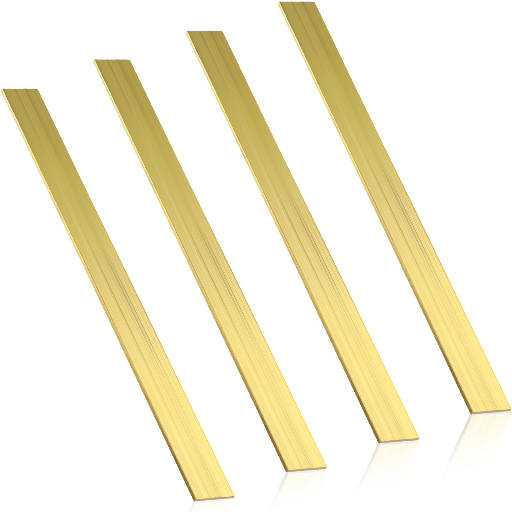
Because of its near-perfect blend of attributes—strength, resistance to corrosion, and conductance of electricity—C36000 brass has become one of the most favored materials. It allows easy cutting which is why machine elements such as electrical terminals, joints or any low voltage parts are best fabricated from it—hence one can expect maximum performance in any area of industry.
Quick Overview of the Main Characteristics
Among the reasons why C36000 brass is exceptional is that it can be used in various applications. Some of its plastics include; its amazing machine ability strength and very good resistance to corrosion and a very low weight to strength ratio. Additionally, its good electrical and thermal conductivities add advantages to it making it a dominant material in electric engineering, plumbing, and high precision manufacturing industries. Overall these characteristics guarantee high performance even under the most adverse conditions as well as reliability.
Prospective Areas of Brass Usage
The use of brass in every field is available, and they are expected to keep on changing with the technological and industrial changes. One might argue that the greatest development of the past has been the increasing focus on environmental and sustainability issues. It is energy selfless solutions like solar and geothermal heating that shall see a greater use of brass given its renewable and long lasting properties.
Moreover, the prospective and overpowering use of brass is also in the sector of electronics and telecommunications for its higher electrical conductive power. A recent forecast has been that the above mentioned percentage will increase rapidly in the subsequent period on account of the emergence of 5G technology and its infusion to smart devices, making the annual composition rate within 2030 equal to or close to 5%. The most upcoming phenomenon, nevertheless, will be in the market penetration of brass products for their antimicrobial activity. Out of its resistance characteristics to germs and bacteria, Brass is increasingly being accepted in the health sector, civic amenities and the manufacture of consumer items, e.g. in door knobs, handles, and sanitary fittings. By 2027, the overall anti-microbial material sector that includes brass is anticipated to expand above the $20 billion mark, hence reinforcing the importance of brass to healthier and safer environment construction.
While Industries keep embrancing innovation and eco-friendly techniques, the determination of managing and making modifications to the alloys as well as adopting advanced techniques for bettering the material are practices that are likely going to be pursued. And brass, since the process is not yet complete, will continue to be a necessary commodity as it has to complement the changing and broadening global demands.
Final Thoughts on C360 Brass Usage
I would like to state that C360 00 Brass is popular with the majority of consumers for the reason that it is user friendly and exhibits high machinability, strength, and hygienic properties. It remains in service due to enhanced features such as innovation and pollution control with the passage of time. I am positive that C360 00 Brass will stimulate development and at the same time strive for the success of industries as well as save the environment.
Reference sources
- Investigation and Optimization of Process Parameters of Abrasive Water Jet Cutting on C360 Brass Alloy through Design of Experiments
- Authors: C. Joel, L. Joel, P. Sankar
- Journal: International Journal of Vehicle Structures and Systems
- Publication Date: June 18, 2022
- Citation: (Joel et al., 2022)
Summary:
This study investigates the optimization of abrasive water jet cutting parameters for C360 brass alloy. The authors focus on minimizing surface roughness and maximizing substrate removal through a systematic approach.
Methodology:
- Design of Experiments (DoE): The study employs a structured experimental design to evaluate the effects of various input parameters, including abrasive feed, stand-off distance, and nozzle speeds.
- Response Surface Methodology (RSM): This statistical technique is used to model and analyze the effects of the parameters on the cutting performance.
- Parametric Optimization of Abrasive Water Jet Machining of C360 Brass Using MOTLBO
- Authors: C. Joel, L. Joel, S. Muthukumaran, P. Shanthini
- Journal: Materials Today: Proceedings
- Publication Date: August 6, 2020
- Citation: (Joel et al., 2020)
Summary:
This research focuses on optimizing the abrasive water jet machining process for C360 brass using the Multi-Objective Teaching Learning Based Optimization (MOTLBO) method. The study aims to balance the conflicting objectives of minimizing surface roughness while maximizing material removal rate and hardness.
Methodology:
- MOTLBO Algorithm: The study utilizes this optimization algorithm to solve the multi-objective problem, allowing for the simultaneous consideration of multiple performance metrics.
- Experimental Validation: The results obtained from the optimization process are validated through experimental trials to ensure practical applicability.
- Simultaneous Parametric Optimization of Micro-EDM Drilling of Brass C360 Using Taguchi Based Grey Relation Analysis
- Authors: P. Kumar, L. N. Pattanaik, Ritesh K. Singh
- Journal: Engineering Review
- Publication Year: 2021
- Citation: (Kumar et al., 2021)
Summary:
This paper presents a hybrid approach to optimize the micro-EDM drilling process for C360 brass. The focus is on enhancing the material removal rate (MRR), tool wear rate (TWR), and taper in drilled holes.
Methodology:
- Taguchi Method: The authors employ the Taguchi method to design experiments and analyze the influence of various parameters on the drilling process.
- Grey Relation Analysis (GRA): This technique is used to evaluate the performance of multiple responses simultaneously, allowing for a comprehensive optimization of the drilling parameters.
Frequently Asked Questions (FAQs)
Q: What is C360 brass?
A: C360 brass, known as free-machining brass, is a mixture of copper alloyed with zinc and sometimes lead. These brass parts are in heavy demand because of the ease of fabrication, the superb resistance to the attack of sea water and the good tensile properties.
Q: What are the major uses of C360 brass?
A: C360 brass is used in various industries such as electronics, plumbing, automotive, and engineering. The common uses include components like fittings, valves, nuts, bolts, electrical connectors and precision machined components.
Q: Why is C360 brass referred to as free machining brass?
A: It is referred as free machining brass as it can be machined economically and in complex shapes to tight tolerances without incurring long tool life losses hence very ideal for use in high volume production.
Q: Is it possible to use the same metric for C360 Brass and other brass alloys?
A: C360 brass is compared to other brass alloys easier to machine and has better wearing properties. Nonetheless, this brass has restricted usage in all system applications due to its lead.
Q: Is C360 brass protected against corrosion?
A: Already, it has great resistance to corrosion, notably in conditions which are wet or a little bit corrosive. However, elaborate consideration to harsh chemicals for long periods might lead to enhancement of preventive measures.
Q: Should C360 brass be recycled?
A: Certainly. The material C360 brass can be recycled and this makes it a sustainable material.
Q: Do some countries have regulations that prohibit the use of C360 brass?
A: Due to their lead content, C360 brass may not meet compliance with some regulations such as those of ROHS or restrictions for lead-free potable water fittings.
Q: What are the industries most likely to see improvements when the metals are used?
A: The improvement in the ease of workability, strength and extent of corrosion resistance that comes with the use of C360 brass makes plumbing, automobiles, electrical appliances and building hardware tool makers the leading sectors in such application progressive measures.


