


In the case of the CNC machine, the cutting or shaping of the articles is highly dependent on the metal used in the process, especially regarding the productive effect, the quality of the cutting edge, and other technological requirements, as well as the costs. These metals have different properties and benefits, which may cause a feeling that it is challenging to choose the most appropriate metal. This manual is intended to point out the main characteristics of the visuals, help the author of the text feel the ease of making the decisions, and ultimately provide information that helps to resolve any doubts that may have on the areas such as strength and the ability of a material to be handled. Regardless of whether someone is shaping things such as planes, vehicles, or new technological ideas, this helpful document offers practical advice and suggestions to help users in their CNC machining work.
What Metals Are Suitable for CNC Machining?
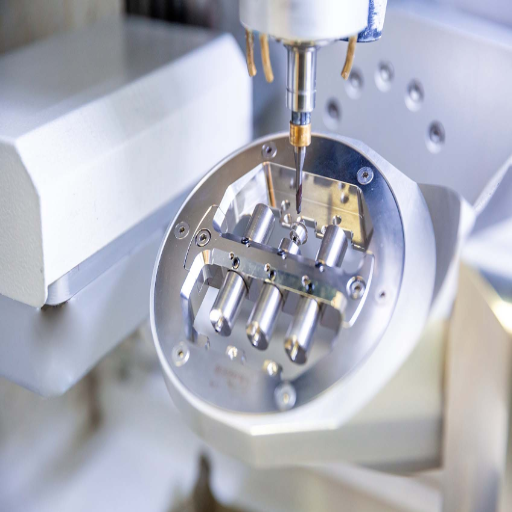
CNC machining is ideal for numerous metals mainly because of their adaptability and capability in various work. Classic examples include:
- Aluminum is triumphantly used in industries such as aerospace and automobiles because it is both lightweight and has excellent machining properties. This metal is very resistant to most forms of corrosion.
- Steel: Low-carbon and stainless steel are used in building construction and machine manufacturing due to their high strength and wear resistance, since they don’t wear off easily.
- Brass: In such applications, brass is used as a setting material mainly because it is easy to machine and oxidizes very slowly.
- Titanium: Many ways in which some of its features conform to the requirements of manufacture can be given, but one of the ones that stand out is its strength, which is why it is widely used in the aviation industry.
- Copper: Among its basic properties is an impressive ratio of thermal and electrical conductivities, which means that copper is commonly used as an element in producing electrical devices.
They combine excellent machinability with physical strength and fulfill all sorts of special requirements in modern production technology.
Common Metals Used in CNC Machining
The choice of materials in CNC machining considerably impacts achieving the desired performance level, which is distinguishable for particular applications. In this respect, the following are some chief advantages of the most frequently used metals:
- Aluminum: Its lightweight advantages and excellent corrosion resistance make it an appealing metal for the automobile, aerospace, and consumer electronics industries. It is also cheap and allows high-speed machining, which reduces the time of production.
- Brass: With a very low friction force and relatively good surface quality, brass possesses properties that are particularly useful for gears, valves, and fittings where high tolerances are required. It is also used for its durability and aesthetic qualities to adorn items.
- Titanium: Because of its relatively low weight and strength, heat dissipation, and oxidation resistance, titanium is a material hard to do without when making medical implants, plane engine parts, and high-performance vehicles with exceptional power-per-weight capabilities. It is especially favored in harsh conditions.
- Copper: An excellent conductor and heat radiator, copper is widely employed in most electric applications, such as heat exchangers, wiring, and electrical contacts. It is the best available electrical conductor for this purpose.
These metals’ wide-ranging technicalities allow production to efficiently cater to the stringent engineering requirements of different sectors.
Metal Material Properties for CNC Machining
In the domain of materials, more specifically in CNC machining, selecting suitable materials is very important to achieve desirable properties for its operation, and at the same time, good manufacturability. Below are some basic metal properties of essential metals for CNC machining including the latest data:
1. Steel
- CHARACTERISTIC
Steel is generally used for its strength, hardness, and wear resistance. Thus, steel is very versatile, available in a variety of grades, from low-carbon steels that are easily machinable to high-carbon steels that are highly impact resistant. Alloys like 4140 surpass the desirable properties by offering improved toughness and heat resistance.
- USE
Parts used in constructing various machines, fabrication of multiple machine tools and equipments, and other such parts.
Common Corresponding Hardness. Depending on the steel alloy, it ranges from low 120’s to high 240’s HB (Brinell Hardness) or better.
Thermal Conductivity is approximately 50 W/m·K, which is relatively low compared to other common metals. Therefore, the cutting speed may be lowered to prevent excessive heat during the machining operation.
2. Aluminum
- DESCRIPTION
Lighter than most metals and easy to work with. Aluminum can be anodized to form structural components, while aluminum base alloys like 6061 and 7075 Series are typically used in aircraft production, the automotive sector, and consumer products.
- APPLY
Used when adding up weight is prohibited and very accurate dimensions are needed—machining of precise parts and thin-walled structures.
- CUTTING SPEED
This material is low-density and soft; hence, its cutting speed can be set high to achieve high productivity.
- THERMAL CONDUCTIVITY
Aluminum’s thermal conductivity—200 W/m·K—helps it absorb heat during the machining process.
3. Titanium
- HIGHLIGHTS
Titanium is quite strong for its weight and resistant to many forms of corrosion. Nonetheless, it is soft and not a very good heat conductor, which can lead to heat buildup during tool action and increased wear of the cutting tool.
- USE
Valued textiles such as aerospace components with speed and torque applications, medical implants are dense materials where sound insulation extends engineering-level thermal systems, such as cool chairs and precision components.
- SINCE NO ONE KNOWS HUNDRED
It weighs approximately 4.5 g/cm³, around 50% of the weight of stainless steel.
Machining Challenges: Crescent factors of the metal depend on its grade; slow speeds should be implemented, and special tools have to be utilized to avoid loss and overheating.
4. Brass
- CHARACTERISTIC
Considerably malleable and decay-resistant. Also possesses the excellent feature of having excellent heat conductivity; hence makes it easy to do any complex machining operations without any problems.
- APPLY
Utilized in electrical systems – for grounding and other purposes, plumbing fitting assemblies, for providing basic needs in decorative fabrication, and other purposes.
- THERMAL CONDUCTIVITY
It is about 109 W/m·K.
- SURFACE CONDITION
Provides a finish that would cost less time for the post-processing to be at a feasible level of use.
5. Copper
- PROPERTY
The metal’s high electrical and thermal conductivities and many distinct courses of its shear strength have made it convenient for electronic and heat transfer machining purposes, especially since it can be easily shaped.
- APPLICATION
Used in the form of heat sinks, electrical or other components with electricity flowing through them, and conductive structural. Such Hardness: Is approximately 65-135 HB, which may change depending on the type of copper.
- Heat Conduction
Contains one of the highest heat conductivity levels among metals, around 386 W/m·K.
6. Stainless Steel
- LISTING OF PROPERTIES THAT CAN BE IDENTIFIED
It is stainless steel and can thereby be used in regions where high strength and cleanliness are sought. The material is easy to machine, but its harder versions for instance, type 304 and 316, require the use of the best strategy in machining when the machine, cutting coolant,s and tooling come to play
- MACROSECTORS OF APPLICATION
Medical practice, kitchen and food preparation utensils, and building components are examples of the applications of stainless steel.
- IMPACT STRENGTH
The 316 stainless steel has an impact strength of 200 J, retention being slightly less than what was achieved with the finer 316 steel surface as discussed in section ‘Background’
Operations with such materials would often require carbide tools, especially for hardening.
Summary Table of Key Properties:
|
Material |
Density (g/cm³) |
Thermal Conductivity (W/m·K) |
Hardness (HB) |
Applications |
|---|---|---|---|---|
|
Steel |
7.8 |
~50 |
120-250 |
Automotive, structural, and tooling |
|
Aluminum |
2.7 |
~200 |
30-150 |
Aerospace, electronics, enclosures |
|
Titanium |
4.5 |
~20 |
200-400 |
Aerospace, medical, performance |
|
Brass |
8.4 |
~109 |
55-90 |
Electrical connectors, fittings |
|
Copper |
8.9 |
~386 |
65-135 |
Heat exchangers, wiring |
|
Stainless Steel |
7.9 |
~15 |
150-250 |
Medical, cookware, structural |
Choosing Materials: Metal vs. Plastic
The choice between metal and plastic is influenced by such factors as strength, weight, price, lifetime, and anti-corrosive properties, in which metals are better at resisting mechanical and thermal loads, and plastics are lighter, wear more mechanically, and are cheaper.
|
Parameter |
Metal |
Plastic |
|---|---|---|
|
Strength |
High |
Moderate to High |
|
Weight |
Heavy |
Lightweight |
|
Cost |
Higher |
Lower |
|
Durability |
Long-lasting |
Corrosion-resistant |
|
Flexibility |
Limited |
High |
|
Recyclability |
High |
Moderate |
|
Heat Resistant. |
Excellent |
Moderate |
|
Corrosion |
Needs treatment |
Inherent resistance |
|
Applications |
Structural, Aerospace |
Consumer, Medical |
How to Select the Right Material for Your CNC Project?
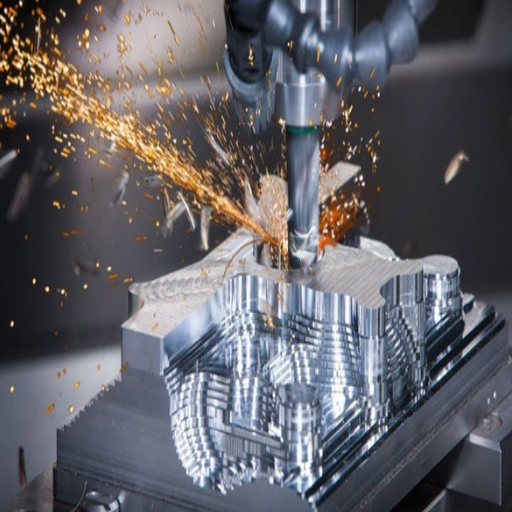
In the process of selecting the appropriate material for CNC works, keep the following things in mind:
- Purpose of usage—Specifically, specify the exact role of the part you want to make. Structural metal types, for example, will work well with stainless materials, but light sections could be plastic.
- Working properties—Efforts are made to evaluate his strength, bending, and wear. You should also choose a material that will cater to the needs of the project, like copper, for example, due to its high thermal conductivity, or brass due to its better resistance to corrosion.
- Buying and Availability of Materials – Calculate the prospective performance versus the costings. There is an example best fit for many CNC applications, including common materials like aluminum, which is both inexpensive and easy to use.
- Ease of Machining – Use materials that allow for efficiency in CNC machining. Brass is one of the flat surface materials because when it is used in machine manipulation, anaerobic processing solutions, and soft plastics do not wear the tools.
Focusing on these aspects ensures a better choice to prove productive and functional in the CNC operation.
Factors to Consider in Material Selection
Sometimes when making a CNC work, it won’t be sensible if you don’t think of what materials to use in the project. In most cases, the choice of materials has to be based on the application’s functional, aesthetic, and economic requirements. The following are some of the most important ones:
- Strength and Durability
Depending on the area of application, the material has to offer enough strength to withstand the forces and environmental conditions. For example, steel is often chosen among others because of its significant tensile properties, making it suitable where stronger materials are preferred.
- Resistance to Weight
For applications such as aerospace and automobiles, lightweight materials such as aluminium or various polymers are preferred as lowering the weight leads to improved performance and savings on fuel consumption.
- Resistance to Corrosion
For example, in damp environments or where chemicals are present, stainless steel or titanium will prevent the material from corroding and maintain its stability under all conditions.
- Resistance to Heat
Particularly in parts subject to high heat effects, such as engine components, you would need materials such as titanium and high-temperature resistant alloys.
- Expense
Since all aspects of a project are reflected in these costs, including the value of the materials, the price will affect the project directly. In this connection, there is a need to consider the trade-off between a costly effective material versus a low-cost non-effective material. For example, as good as titanium is for specific applications, the high cost of the material may induce the use of aluminum or similar materials.
Having seen the above points, it’s evident that it is possible for people to choose suitable materials that will solve the technical problem and not lose anything in the whole process, that is, without wastage and inefficiencies.
Prototype Considerations: Choosing the Right One
When focusing on prototypes, one must also remember to link those prototypes to the goals of the project and its targets, as well as the expected features of the product when it is fully ready. Prototypes will have different levels of fidelity, ranging from very low ones targeted at initial quick tests of ideas to high levels, including complex models very similar to the expected product. For example, there’s a growing need for 3D prints as they come in handy regarding costs and rapid incorporation of feedback. On the other hand, there is also a technique known as CNC machining, which provides very accurate physical models for very performance-specific and detailed projects.
Riding antagonistic predictions and trends, Google’s N-gram statistics illustrate the increasing use of fast prototyping tools, such as CAD/CAM programs and 3-D printing, that afford quick development. Well, it depends on what your project needs—do you want it to be the fastest, the most elegant, or the most meticulous? Once that is sorted out, the appropriate method for prototyping should be identified.
What Are the Advantages of Different CNC Machining Materials?

Components produced to utilize the machining processes; there are significant differences in the machining characteristics of various materials used for CNC turning and milling.
For instance, aluminum is excellent for structures and bridge construction since it does not corrode.
Conversely, due to maze construction, materials such as copper or steel may not be appropriate for these applications.
Therefore, neither of these metals is commonly used in this type of usage.
However, such materials are conservative in their use; they are rare and readily available.
Lower-grade steel, which is used for engineering purposes, is highly resistant to corrosion.
Despite some factors discouraging their usage, they are very resistant to erosion, as there is hardly any serious wear and tear in the ocean.
There is environmental corrosion as opposed to the antiquity of a particular series or group of materials.
Different materials are used to construct the weldment and the main structural steels at the node.
Mild steel, also known as low-carbon steel, is used as the main structural steel in most construction works.
Advantages of Metal Materials for CNC Machining
- High-quality and resistant materials
Construction of buildings from such materials as steel, aluminum, and titanium has been practiced because they are strong enough. This enables their use for parts that are subjected to severe mechanical loads or that should be functioning correctly in extreme conditions.
- Redundant Heat Tolerance
Such properties as the high melting point and the high thermal performance make metals a perfect option for materials that experience high temperatures, such as parts of engines and rockets.
- Superior Form Stability and Accuracy
Metal undergoes shape change in terms of loss of size when subject to machining activity. Especially the competent ones can machine metals so that the stringent clearances that are set are met even after one or several operations of machining metals. This is crucial for the prevention of malfunctioning applications.
- Rust Resistance
A few metals, like stainless steel and aluminum, show a low resistivity to rust. This is crucial for items that will be subjected to moisture, certain chemicals, or places with weathering effects, since it increases the time the objects are in condition.
- Recycling Possibilities
Many popular metals, like aluminum and steel, are nowadays highly recyclable. This is an eco-friendly benefit because it reduces environmental pollution and wastage and controls the costs of the metals over their life expectancy.
Comparison of Metal and Plastic Materials
Metals and glass are different in the sense that metals are heavier and immune to wear despite their low wearability. This is not the case with case materials. For the most part, metal is considered bulky and less durable, while glass tends to be thin, waterproof, light, and brittle.
|
Parameter |
Metal |
Plastic |
|---|---|---|
|
Strength |
High |
Moderate to High |
|
Weight |
Heavy |
Lightweight |
|
Cost |
Higher |
Lower |
|
Durability |
Long-lasting |
Corrosion-resistant |
|
Flexibility |
Limited |
High |
|
Recyclability |
High |
Moderate |
|
Heat Resistant. |
Excellent |
Moderate |
|
Corrosion |
Needs treatment |
Inherent resistance |
|
Applications |
Structural, Aerospace |
Consumer, Medical |
How Does Material Selection Impact CNC Machined Parts?
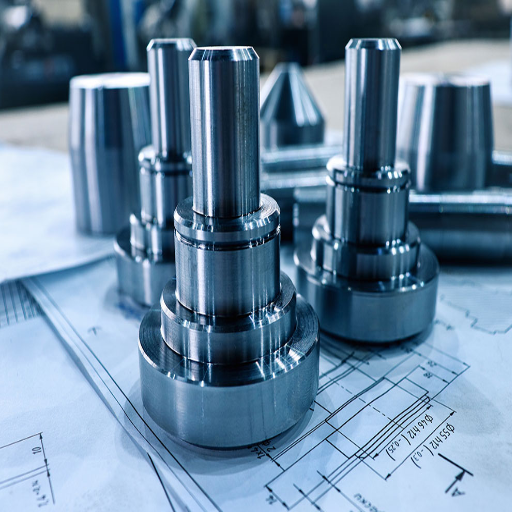
Optimal material provides a high strength-to-weight ratio, which simultaneously is highly resistant to various environmental conditions, operation processing, and facilitates comfortable operation. Material selection for machine working processes is crucial because if the correct material and its processing are not selected, it influences all critical factors such as strength, weight, high temperature, and corrosion determined in the element’s service. In essence, every material bears the properties that help the performance and ability of the product to last throughout its service life. For example, materials such as aluminum or stainless steel are preferred in building or any other kind of work where high stress and heat are experienced, thanks to their resistance and stiffness, unlike materials such as plain plastics used for consumer or medical products that are usually weight sensitive. In the large classes of materials available, it is essential to consider the subject for optimization of the engineering design of these surface properties.
Material Properties and Their Effects on Machined Parts
The properties of the materials themselves are essential in determining how worth dog agility and reliability are upon machined features. Each material has discernible behaviors regarding hardness, toughness, thermal conductivity, and machinability, which directly affect how a good product can be manufactured. Current statistics indicate that exposure to such information enhances quality and manufacturability in machining.
- Objectives Regarding Mat Hardness Quality Improvements or Machining Properties
Abrasive resistant materials such as hardened zincs or titanium alloys present less wear, even if misconstrued. Nonetheless, these materials cause difficulties when being acted upon, thus calling for the engineers’ extreme performance. Machining and precision grinding slots are the most significant challenge on one of the materials’ most common methods of material removal, drilling, grinding, or any other machining method, as characterized by machining, for instance, turning, drilling, or milling. Researchers, for example, also state that using some advanced tool coatings maximizes the cutting process.
- Thermal Physical Properties (Conductivity) and Thermophysical Properties (Heat Resistance) of Materials
Extremely thermally conducting materials like copper and aluminum tend to cool off quickly during machining. This minimizes thermal damage, the workpiece’s cooling down, and the tools’ deterioration. On the other hand, frequently utilizing low thermal conductivity materials such as stainless steel will require polishing solutions. It is indicated that high-performance coolants can enhance the finish by 20% in materials with low thermal conductivities.
- Physical and Mechanical Properties
Light materials such as aluminum and several polymers are in demand in high-strength applications such as aerospace components. The fact that aluminum can be made into modernized body alloys that enhance tensile strength up to 70% of steel with less weight shows that it is practical in weight-driven industries.
Challenges concerning protecting structures and equipment against wear and tear from their environments are critical to designers. Marine structures, in particular, have the following directive, ‘keep resistant to corrosion,’ since these designs are predominantly fabricated from steel and steel.
Knowledge of such properties helps manufacturers ensure good quality of machined parts without stretching financial resources. Current advances, such as computer software that can run simulations and the creation of mathematical material property prediction models, once again assist in reducing the user intervention required in materials selection for precision machining.
Choosing the Right Metal for Strength and Durability
When deciding the best metal for additional strength and durability, specific prerequisites of the material and the environment of the operation have to be taken into account. Tensile strength, the corrosion properties of the material, its weight, and price may all significantly impact decision-making. Structural components having more than expected loads use strong metals such as stainless steel and titanium because their tensile strength is high and they do not wear. Unlike stainless steel, aluminum is an excellent choice in lightweight areas with marginal strength, specifically in aerospace and automotive industries. Progress in materials science and computational modeling has made it easier for engineers to understand how different metallic systems will operate, thereby helping to select the appropriate materials to optimize total performance, durability, and cost.
Reference Sources
- Investigating the ‘techno-eco-efficiency’ performance of pump impellers: metal 3D printing vs. CNC machining (Jayawardane et al., 2022, pp. 6811–6836) (2022): This paper compares the techno-eco-efficiency of 3D-printed and CNC-machined pump impellers made of 316L stainless steel. While not explicitly about material selection, the findings highlight the performance and environmental impact of a metal (316L stainless steel) when processed via CNC machining, providing indirect insights into material suitability. The methodology involved evaluating geometry, material properties, and functional performance, alongside life cycle assessment and costing.
- A Sustainability-Based Expert System for Additive Manufacturing and CNC Machining (Perera et al., 2023 2023): This research develops an expert system to aid in selecting between different manufacturing processes (including CNC machining) based on sustainability aspects. While not focused on metal selection, the system considers cost-effectiveness and material usage efficiency, factors crucial in choosing a cost-effective metal for CNC machining. The methodology involved developing expert systems using Exsys Corvid®V6.1.3 software and comparing the sustainability of binder jetting and CNC machining for a 316L stainless steel component.
- Manufacturing Guidelines for W-Band Full-Metal Waveguide Devices: Selecting the most appropriate technology (Sánchez-Olivares et al., 2023, pp. 48–62) (2023): This paper analyzes various manufacturing technologies (including CNC milling and EDM) for W-band waveguide devices. It evaluates the advantages and disadvantages of each technology based on factors like tolerances, accuracy, surface roughness, and cost. Although not solely focused on metal selection, the analysis provides valuable information on how material properties influence the choice of machining method and overall manufacturing feasibility. The methodology involved designing, manufacturing, and measuring different components using various techniques.
Frequently Asked Questions (FAQs)
Q: How do I select the right CNC material for my project?
A: To select the right CNC material for your project, consider factors such as the physical properties required, the manufacturing process, and the part’s end-use. Evaluate the material options based on strength, durability, and machinability.
Q: What is the range of materials commonly used for CNC machining?
A: The range of materials commonly used for CNC machining includes metals like aluminum, steel, and titanium, as well as plastics such as thermoplastic materials. Each material has its advantages and is suitable for different applications.
Q: What factors should I consider when choosing a material for CNC machining?
A: When choosing a material for CNC machining, consider the material’s machinability, strength, weight, corrosion resistance, and cost. These factors will impact the overall success of your CNC machining project.
Q: What are some common materials used in CNC machining?
A: Common materials used in CNC machining include aluminum, steel, brass, plastics, and composites. These materials have unique properties that make them suitable for specific applications and manufacturing processes.
Q: How does the material you choose affect the CNC machining process?
A: The material you choose significantly affects the CNC machining process. Different materials have varying hardness levels, machinability, and thermal properties, which can influence tool wear, machining speed, and precision.
Q: What is CNC machining material selection, and why is it important?
A: CNC machining material selection is choosing the appropriate material for a specific machining project. It is essential because the right CNC machining material can ensure the final product’s quality, durability, and performance.
Q: Are plastic materials suitable for CNC machining?
A: Yes, plastic materials are suitable for CNC machining and are often used for applications requiring lightweight components. Thermoplastic materials, in particular, are popular due to their versatility and ease of machining.
Q: What should I know about the manufacturing process when selecting CNC materials?
A: When selecting CNC materials, it’s crucial to understand the manufacturing process, including the type of CNC machining services you will use. Different processes may require specific material properties for optimal results.
Q: How can I use the right CNC machining material for my design?
A: To ensure you are using the right CNC machining material for your design, consult a materials guide, evaluate the material requirements of your design, and consider prototypes or tests to assess performance before full production.


