


Considered to be at the very edge of innovation and precision, in the aerospace industry, even minimalistic objects must satisfy the most precise standards to ensure safety and performance. CNC machining lies at the heart of this avenue. It is a newer manufacturing method that helps make intricate parts of high quality, yet the most precise in dimensions. This article will introduce you to aerospace CNC machining, whether you are an engineer in the aerospace world, a manufacturing enthusiast, or an interested layman. You will learn about CNC machining in making parts of aircraft and spacecraft, and prepare yourself for understanding the benefits it offers in stark contrast to traditional manufacturing methods. This will serve as an insight into how this technology advances one of the most demanding industries in the world.
CNC Machine Overview
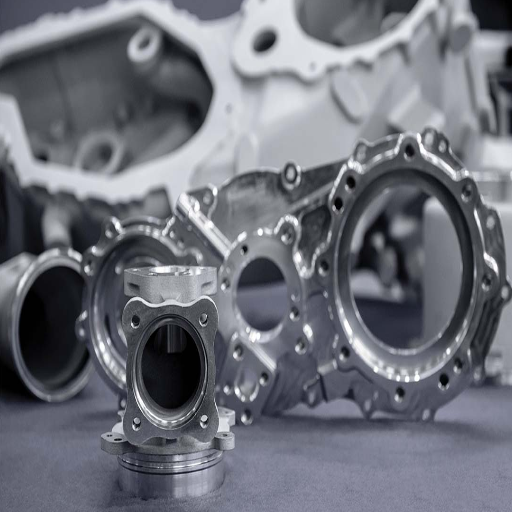
CNC machines are automated tools used for precise manufacturing operations. They follow a set of programmed instructions that direct their movement and functions without any need for human intervention. The machine can cut, shape, and form into parts of final products from any material, including metal, plastic, and composite, with exceptional accuracy and repeatability. Combining this with sophisticated software and hardware, CNCs ensure a superior finish, placing them in great demand in aerospace, automotive, and medical manufacturing industries. CNCs are time-efficient and accurate, and they reduce the amount of material waste.
Definition of CNC Machine
A CNC (Computer Numerical Control) machine is an advanced manufacturing tool that uses computer-driven instructions to direct the movement and operations of machinery. These machines automate machining and fabricating operations through accurate, pre-programmed instructions written in CNC programming languages, such as G-code and M-code. CNC machines can carry out milling, turning, grinding, and cutting with great accuracy and repeatability, and hence are at the core of modern industrial manufacturing. By dismissing errors originating from human factors and enhancing production workflow, CNC machines promote high productivity, increased accuracy, and quality consistency across various applications in diverse industries.
Types of CNC Machines Used in Aerospace
The CNC machining types employed in aerospace are 2-axis, 3-axis, 4-axis, 5-axis, 6-axis, and 9-axis CNC machining types, CNC lathe, milling, grinding, and plasma cutting machines.
|
Type |
Axes |
Key Use |
Material |
Precision |
|---|---|---|---|---|
|
2-Axis Lathe |
2 |
Cylindrical parts |
Metals |
±0.005″ |
|
3-Axis Mill |
3 |
Complex shapes |
Metals |
±0.001″ |
|
4-Axis CNC |
4 |
Multi-sided parts |
Metals |
±0.0005″ |
|
5-Axis CNC |
5 |
Intricate parts |
Metals |
±0.0001″ |
|
6-Axis CNC |
6 |
Dynamic designs |
Metals |
High |
|
9-Axis CNC |
9 |
Complex geometries |
Metals |
High |
|
Grinding |
N/A |
Surface finish |
Metals |
High |
|
Plasma Cutter |
N/A |
Cutting |
Conductive |
Moderate |
Advantages of CNC Machining for Aerospace
CNC machining benefits aerospace by fulfilling the highest precision and quality requirements dictated by this industry. Some of the significant advantages are:
- Unbeaten Precision
CNC tools offer superior precision in aerospace production, which is provided in a more exacting application where it is challenging to design complex parts. With tolerances limited to ±0.001 inch, CNC tools could fabricate parts with specifications like turbine blades and structural parts, which are very exacting in installation.
- More Efficiency
CNC machining is an automated machining process that helps reduce turnaround time dramatically. This will help aerospace producers meet tight deadlines without compromising on quality.
- Material Versatility
In aerospace applications, difficult materials such as titanium, aluminum, and high-tech composites are employed. CNC machines will process these materials without regard to their hardness or other material properties.
- Consistency and Repeatability
Once a CNC machine has been set up, it consistently produces the same parts, and errors are minimized. This guaranteed repeatability means that all critical parts meet safety standards and handgun performance under pressure.
- Cost-Effectiveness for Mass Production
Machining parts using CNC requires a significant investment in programming and machining, which is contradictory because it is very cheap when done in mass production. Having said this, less waste, low human intervention, and increased production rate essentially lower the overall cost of manufacturing.
With these advantages, CNC machining remains deeply woven into the innovation driving force and certification in the aerospace sector.
Aerospace CNC Machining Process
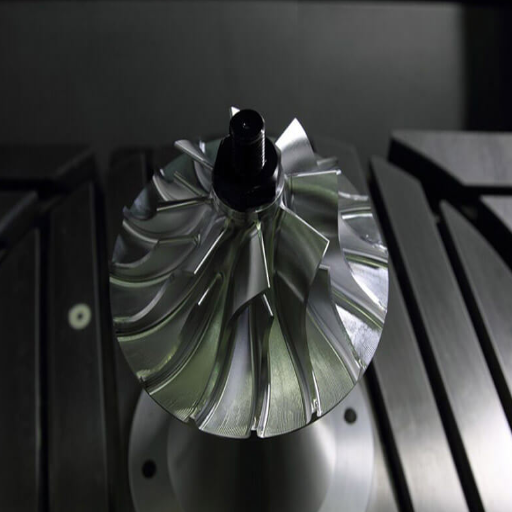
Various layers are implemented to ensure that the aerospace CNC machining operation is precise and high in quality. First, the digital design of a desired component is created using some kind of special CAD software. Through CAM software, the design is translated into machine instructions. The CNC machine is now fed with instructions for defining the toolpath and operations. The workpiece is secured on the machine; materials used are high-performance, i.e., aluminum, titanium, or composites. In the cutting, drilling, and shaping processes, absolute accuracy is maintained since aerospace industries demand high-quality machining. They are inspected and tested to see if the components comply with exact tolerance and safety norms.
Understanding the CNC Machining Process
CNC machining is a processing factory that has advanced beyond the limits of technology. Because of its precision and efficiency, it can be considered a backbone for aerospace, automotive, and medical industries. CNC machining uses a computer system that translates a digital design from CAD or CAM into mechanical motion. Modern CNC machines can hold tolerances down as ±0.001 inches, making them suitable for sculpting intricate and critical components.
A significant advantage of CNC machining is its ability to work with almost any material. From high-grade stainless steel and aluminum to composites, polymers, and ceramics, contemporary CNC machining serves many types of custom manufacturing. According to recent industry reports, like the one from Grand View Research, the CNC machine market is anticipated to grow at 10.3% CAGR between 2023 and 2030, reaching a market size of $117.65 billion. Increasing demands for high-volume and high-precision manufacturing.
CNC machining is becoming even more modern and capable. Multi-axis machines and profiles with 4-axis, 5-axis, or even higher configurations make complex geometries possible that were never within reach before in a single setup. Machine learning and IoT integration into CNC systems result in smart, fast CNC operation, including real-time monitoring and predictive maintenance. All of this helps to reduce production downtime and maximize material utilization, thereby protecting the environment through the reduction of waste.
Modern manufacturing is being reshaped by CNC machining, which offers a blend of precision, flexibility, and innovation. Because it can ensure consistent quality at a large scale, CNC machining is ideally suited for industries where performance and reliability are paramount.
Precision CNC Machining Techniques
Precision CNC machining techniques employ cutting-edge processes for the economical manufacturing of intricate and high-tolerance components. The methods utilize computer-controlled machinery for the utmost accuracy and consistent results for even the most complex designs. Below are some more detailed explanations of some chief CNC machining techniques:
- 5-Axis Machining
This method allows tools to be moved simultaneously through five axes to achieve complex geometries in one setup. The aerospace and medical equipment manufacturing industries depend heavily on 5-axis machining for components with intricate shapes and tight tolerances. According to industry reports, production can be cut by up to 25% with 5-axis machining compared to traditional 3-axis methods.
- High Speed Machining (HSM)
High-speed Machining uses higher cut speeds and feeds combined with low tool engagement for increased productivity and a fine surface finish. This technology is best suited for industries with lightweight yet strong materials, like automotive and aerospace components. With a decrease in cycle time of approximately 45% while keeping very tight tolerances, the statistics strongly support HSM.
- Electrical Discharge Machining (EDM)
EDM is perfect for creating intricate components from electrically conductive materials. Material is removed using electrical discharges to the best micrometer accuracy. It is often used in making injection molds and precision dies. Research tells us that EDM can work with a tolerance of ±0.0001 inches, thus being a decisive manufacturing tool for parts that require complexity.
- Micromachining
This is best for producing tiny components with very small tolerances and very fine detail. It focuses on applications in electronics and medical devices where tools can be smaller than 0.001 inches in diameter. With the growing demand for device miniaturization, micromachining is now a global market worth $3 billion as of 2023.
- Laser Cutting and Engraving
Laser technology uses a concentrated light beam to cut, engrave, or shape materials with minimum waste. This technique is excellent for cutting intricate pattern work through metals, plastics, and composites. The technique’s speed and precision have led to its growing use in the jewelry, consumer electronics, and medical components sectors. Statistics claim laser CNC machines are 30-50% faster than conventional methods of cutting.
With these technologies, CNC machining continues to be at the forefront of innovation and capability, offering an unmatched level of accuracy, production speed, and material flexibility. Using such processes helps manufacturers stay abreast of the most stringent quality demands and remain competitive on a rapidly shifting world stage.
Quality Control in CNC Machining for Aerospace
Do you want a drinking line that adds quality to your CNC machining in aerospace, where precision and reliability are prime requirements? Aerospace parts must be manufactured to shoot-for-the-stars tolerance limits, often within microns, to perform optimally under service conditions and safety. To this extent, CNC machining ensures the required precision through other advanced methods involving real-time monitoring of machines, automated inspections, and adaptive process control.
Manufacturing companies deploy tight inspection standards to maintain quality levels. Coordinate measuring machines (CMMs) measure geometry, while NDT methods such as ultrasonic and X-ray assert structural integrity. SPC techniques analyze data from production so potential deviations can be identified and action taken even before they impact product quality.
New developments continue to take quality control capabilities in aero CNC machining to new heights. From an Industry 4.0 standpoint, machines gather and analyze real-time data, thanks to IoT-enabled sensors, allowing for predictive maintenance, thereby reducing downtime and ensuring consistent part performance. Industry reports of 2022 have recorded innovative manufacturing technologies improving aerospace production accuracy by up to 40% and reducing waste by 25%.
Material traceability is another critical aspect of quality control. Aerospace manufacturing must maintain all records concerning material usage, from raw stock to finished components, and meet stringent regulatory requirements laid down by bodies such as the FAA or EASA. This ensures total accountability and adherence to regulations throughout the production lifecycle.
By integrating the best tools, data-driven methodologies, and a highly demanding set of inspection procedures, CNC machining in aerospace continues to produce components that meet quality and performance criteria at the highest level, thus ensuring trust in this crucial sector.
Materials Used in Aerospace CNC Machining
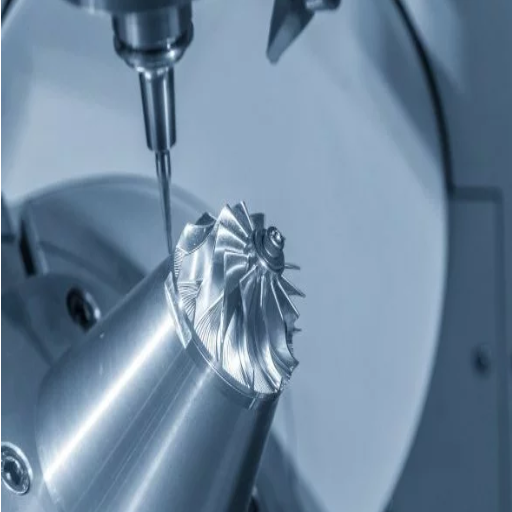
- Aluminum Alloys
Being light in weight and strong in nature, they find wide applicability in airplane components such as frames, wings, and panels. Other advantages are strength-to-weight ratio, corrosion resistance, and machinability.
- Titanium Alloys
Titanium alloys are most widely used in critical parts such as engine and landing gears because of their high strength, low density, and heat resistance.
- Stainless Steel
Due to its excellent durability and resistance to corrosion and temperature, stainless steel is used for several aerospace structural and fastener applications.
- Composites
Composite materials such as carbon fibre-reinforced polymers offer quite strong and super-light constructions, which are used in the structures of modern aircraft.
- Nickel-Based Superalloys
Due to their ability to retain strength even at extreme temperatures, these materials are required in high-temperature applications, such as turbine blades and engine parts.
The aerospace industry aims at prime performance, safety, and efficiency through these materials in the most stringent environments.
Common Materials for Aerospace Parts
The aerospace industry is polluted with demands that must be placed on advanced materials for strength, weight reduction, corrosion resistance, and working in extreme environments. A list of some of the key materials with details and supporting information:
- Aluminum Alloys
Aluminum alloys are one of Earth’s most widely shipped materials into aerospace settings, from 50 to 90% of the structural weight in any given modern aircraft. Because the alloys are lightweight and resistant to corrosion, they are best applied to fuselage and wing structures. For instance, aluminum 7075 is a widely used aluminum alloy with tensile strength up to 572 MPa, high enough to be termed strong and light. The aluminum alloys best suit the fuselage and wing structures owing to their lightweight and corrosion resistance.
- Titanium Alloys
Titanium is renowned for its high strength-to-weight ratio and resistance to corrosion, especially in a high-temperature environment, such as jet engine components. Commonly used are Ti-6Al-4V alloys with a 4.43 g/cm³ density and a tensile strength of 895-930 MPa. Titanium alloys also contribute significantly to saving weight, which is a key consideration for fuel efficiency.
- Carbon Fiber-Reinforced Polymers (CFRP)
These materials have been increasingly employed as primary structural materials in aerospace alongside the reserves offered by CFRP for strength, stiffness, and lightness. For example, the Boeing 787 Dreamliner uses 50% composite materials, including CFRP, which results in an approximately 20% reduction in fuel burn compared to conventional aircraft.
- Nickel-Based Superalloys
Found in aircraft engines and high-temperature applications, nickel-based superalloys like INCONEL® 718 can withstand temperatures exceeding 1,000°F (540°C) while maintaining structural integrity. Materials for turbine blades and other components subjected to extreme thermal stresses are of the utmost importance.
- Ceramics and Ceramic Matrix Composites (CMC)
Due to their low density and very high thermal tolerance, CMCs are being increasingly used for many applications with very high-performance requirements: hypersonic vehicles, engine components. The ability to withstand temperatures above 2000°F (1093°C) makes them an indispensable material for next-generation aerospace engineering.
- Advanced Steels
These continue to be used for specialized steels, such as martensitic and maraging steels, in applications that require extreme toughness and fatigue resistance. For instance, landing gear needs high tensile strength and impact resistance.
Considering advances in materials science, the aerospace industry will be further propelled in performance and efficiency. Studies show material innovations that aid in conferring weight reductions of up to 20% on aircraft, making considerable reductions in CO₂ emissions while meeting increased demands of the commercial and defense sectors.
Material Selection Criteria in Aerospace Machining
Material selection for aerospace machining includes several key factors that affect performance, safety, and cost efficiency. The aerospace industry seeks materials whose properties can resist extreme temperatures, stresses, and corrosive environments while maintaining an advantageous strength-to-weight ratio. The considerations, along with favorable points, have been elaborated below:
- Strength-To-Weight Ratio
The most important factor is combining strength with the lightest weight. Because of their properties, titanium alloys are highly favored for these purposes. Titanium boasts a strength-to-weight ratio of 288 kNm/kg, whereas steel-based alloys lag far behind.
Example: Titanium, being half the weight of steel yet having almost equal strength, provides an immaculate option for some engine parts and structures.
- Thermal Resistance
Airplanes and spacecraft operate with extreme temperature variations; hence, the material needs excellent thermal stability. Nickel-based superalloys such as INCONEL® maintain their strength and corrosion resistance at temperatures in excess of 1,000°C.
Data Point: These are used for turbine blades and heat shields, where thermal fatigue is of particular concern.
- Corrosion and Oxidation Resistance
Atmospheric exposure can slowly degrade a material for very long periods of time. Aerospace parts must withstand oxidation and corrosion, especially in marine or humid atmospheres. Aluminum alloys, composites, and treated steels are preferred in such situations.
Example: Aluminum 7075, being highly corrosion-resistant and easy to machine, is widely used for fuselage construction.
- Fatigue Strength
Wings and landing gears are subjected to repetitive cyclic loading in service, making fatigue strength a critical consideration. Materials, increasingly employed on fatigue grounds, include carbon-fiber-reinforced polymers (CFRPs).
Case Study: Approximately half of the structural weight of the Boeing 787 Dreamliner is made from CFRP and contributes to reducing fuel burn while providing durability.
- Cost versus Availability
Cost versus availability may be a factor to consider in addition to performance. Advanced composites and lightweight metal alloys might be the best in operation yet very expensive to fabricate; hence, engineers must strike a balance between innovation and economic feasibility without compromising on security standards.
- Machinability and Manufacturability
The ability to machine materials efficiently into required shapes affects production length and cost. Materials like aluminum and new polymer composites rank high in machinability, thus reducing manufacturing efforts.
Fact: Aerospace-grade aluminum machining times have improved by up to 25% due to advancements in techniques such as 5-axis CNC, according to SME (Society of Manufacturing Engineers).
Innovative Materials in CNC Aerospace Machining
The CNC aerospace machining industry keeps evolving as new-age materials redefine performance, efficiency, and durability standards. Some of the key candidate materials at present:
1. Titanium Alloys:
Extremely high in terms of strength-to-weight ratio, corrosion resistant, and capable of withstanding very high temperatures, titanium alloys are found in airplane airframes and some engine components, where structural strength must be maintained while reducing the overall weight. It is generally considered that titanium alloys constitute roughly 15% of modern aircraft structural weight, and their demand has been rising due to developments in additive manufacturing and machining capabilities.
2. Carbon Fiber Reinforced Polymers (CFRPs):
CFRP is lightweight and strong, and fits the bill where minimum weight is desired without compromising strength. CFRP by aerospace manufacturers like Boeing and Airbus enters wing assemblies, fuselages, and internal structure. Simply put, about 50% of the Boeing 787 Dreamliner consists of composite materials, primarily CFRPs, which has led to a 20% increase in fuel efficiency than its predecessor.
3. Nickel-Based Superalloys:
Such superalloys are made to perform in extreme environments, especially in jet engines, where heat resistance is prime. Materials in the Inconel lineup are integral to turbine blade manufacture that operates in excess of 1,000°C; hence, a recent study forecasts a 4.8% annual growth in demand for nickel superalloys brought on by engine design developments.
4. Aluminium-Lithium Alloys:
Aluminium-lithium alloys are regarded as lighter versions with better fatigue life and are thus supplanting traditional aluminium alloys in aerospace manufacturing. Airbus has used Aluminum-Lithium alloys for A350 fuselage panels, reducing their weight by nearly 10% compared to the older designs. In addition, they provide a good degree of corrosion resistance, thereby cutting maintenance costs.
5. Ceramic Matrix Composites (CMCs):
With the advent of CMCs, the high-temperature sets, mainly comprising the turbine engine and exhaust system, can be redefined. Lighter weight and better thermal stability make this material the preferred alternative to conventional metal components for improved engine efficiency. The latest research sponsored by the U.S. Department of Energy clearly illustrates that the turbine’s superior fuel efficiency to 3-5% can be realized using CMCs.
Future Trends and Developments:
Many are researching and experimenting with advanced materials such as graphene-reinforced composites and high-entropy alloys. These materials might constitute the next level in aerospace performance, offering unprecedented strength, thermal conductivity, or wear resistance. The advancement of CNC machining techniques that provide precision and compatibility with these challenging materials can open up avenues for ever-greater levels of novelty in the coming years.
Applications of Aerospace CNC Machining

Before going further, let’s first analyze aerospace CNC machining applications:
- Engine Components: Manufacture of turbine blades, compressor disks, and other challenging engine components with very tight tolerances.
- Structural Components: Manufacture lightweight but rigid components such as airframe ribs, bulkheads, and wing spars.
- Avionics: Manufacture of enclosures for electronics, sensor housings, and control system components for avionics to very tight tolerances.
- Prototype Development: Rapid aerospace part prototyping allows more rapid testing and evaluation during the design stage.
- Custom Tooling: CNC machining for special tools and fixtures used in production and maintenance.
These are a few examples of CNC machining applications that help ensure safety, performance, and reliability in the aerospace industry.
Key Applications in the Aerospace Industry
- Engine Components
CNC machining is a process used in the manufacture of precise and durable engine components like turbine blades, rotors, and housings. These components have to fit with strict tolerances, are subjected to extreme conditions for barriers, and are designed for maximum performance and reliability.
- Structural Components
The aerospace industry uses very high-performance materials, which require machining into airframe structures and load-bearing components. CNC machining assures that these components meet exact weight reduction and structural integrity specifications.
- Landing Gear Parts
Landing gear parts, such as axles, bearings, and struts, are produced under the CNC machining process to ensure that they can withstand the heavy forces taken during takeoff, flight, and landing.
- Avionics Hardware
From mounting brackets to electronics enclosures, CNC machining ensures the precise dimensions required to assemble and protect sensitive avionics systems.
- Satellite and Spacecraft Parts
CNC machining produces custom parts for satellites and spacecraft, such as antennas and fuel system components. These parts require the utmost precision so that they can perfectly function under harsh environmental conditions in space.
The above shows how CNC machining is a major player in fostering futuristic innovations and maintaining stringent standards in the aerospace industry.
Case Studies of Machining Aerospace Parts
The machining of aerospace parts includes various case studies, including aluminum seat frames, titanium parts, and large engine impellers, among other things, as well as illuminated control panels and automated 5-axis milling.
| Case Study | Material | Process | Key Feature | Outcome |
|---|---|---|---|---|
| Aluminum Seat Frames | Aluminum | CNC Milling | Lightweight | 50% cycle time cut |
| Titanium Components | Titanium | High-Speed Milling | Corrosion Resist | High precision |
| Engine Impellers | Aluminum | 5-Axis CNC | Large Size | Strict tolerances |
| Control Panels | Acrylic | CNC + Laser | Night Vision | Enhanced quality |
| Automated Milling | Various | 5-Axis CNC | Automation | Cost reduction |
Future Trends in Aerospace CNC Applications
Advancements in CNC machining are setting the stage for the future of aerospace manufacturing. Of note is the installation of AI and machine learning into CNC systems. These technologies permit intelligent machining mechanisms through optimizing toolpaths, predicting maintenance needs, and reducing errors, which herein improves on efficiency and precision. And so, with the advent of additive manufacturing, or 3-D printing, these are coupled with subtractive CNC processes to form hybrid manufacturing methods. This provides manufacturing of complex geometries, which were previously not possible with a subtractive-only process, with an ability of accuracy needed to produce aerospace components.
Along the same line, an increasing use of advanced materials such as carbon fiber composites and titanium alloys is being observed. CNC machining is adapting to these materials to render efficient, practical solutions to meet modern aerospace design requirements concerning weight and strength. Alongside this, further advancements in automation and robotic applications in CNC machining enable scalability and thus faster production time with lower labor costs. Combined with that, the sustainability of manufacturing processes will ensure that CNC machining will be at the heart of revolutionizing aerospace production.
Reference Sources
- Title: Research on CNC machining technology of straight bevel gears based on hypocycloids
Authors: Chong Tian et al.
Publication Date: April 17, 2025
Journal: Scientific Reports
Citation Token: (Tian et al., 2025)
Summary:
This study uses hypocycloid mechanisms to present a novel CNC machining method for straight bevel gears. The authors propose a continuous indexing machining approach that transforms traditional non-continuous methods into a more efficient process. The research highlights the advantages of this method in reducing costs associated with specialized equipment and improving manufacturing efficiency for aerospace applications. The study employs experimental validation to demonstrate the effectiveness of the proposed machining technique. - Title: Cost Modeling and Evaluation of Hybrid Manufacturing Process With Laser Metal Deposition and CNC Machining
Authors: Mohammad Ahnaf Shahriar, Yiran Yang
Publication Date: June 17, 2024
Journal: Volume 1: Additive Manufacturing; Advanced Materials Manufacturing; Biomanufacturing; Life Cycle Engineering
Citation Token: (Shahriar & Yang, 2024)
Summary:
This paper discusses the integration of Laser Metal Deposition (LMD) with CNC machining to create a hybrid manufacturing process. The authors develop a cost model that evaluates the fabrication and repair of aerospace components using this hybrid approach. The study includes case studies that analyze the impact of process parameters on surface roughness and overall cost, emphasizing the importance of selecting appropriate machining parameters for achieving desired quality and efficiency in aerospace manufacturing. - Title: Improving Surface Roughness of FDM-Printed Parts Through CNC Machining: A Brief Review
Authors: Mauro Carta et al.
Publication Date: June 8, 2025
Journal: Journal of Composites Science
Citation Token: (Carta et al., 2025)
Summary:
This review paper examines the integration of CNC machining with Fused Deposition Modeling (FDM) to enhance the surface quality of 3D-printed parts used in aerospace applications. The authors analyze various post-processing techniques, focusing on how CNC machining can mitigate surface roughness and dimensional accuracy issues. The review discusses key process parameters that influence the effectiveness of CNC machining in improving the mechanical properties and functional performance of FDM-printed components. - Top CNC Machining Aerospace Parts Manufacturer And Supplier In China
Frequently Asked Questions (FAQs)
CNC Machining Aerospace: What Is It?
CNC machining in aerospace refers to using computer numerical control (CNC) technology to manufacture precision parts for the aerospace industry. This process allows manufacturers to create complex geometries with high accuracy and repeatability, which is crucial for aerospace applications. CNC machining is used extensively to produce components such as engine parts, airframe structures, and various other aerospace machined parts. The technology has evolved to include advanced CNC machines that can perform multiple machining processes, improving efficiency and reducing lead times. Understanding CNC machining in aerospace is essential for anyone involved in aerospace manufacturing.
Benefits of Using CNC Machining in Aerospace
Using CNC machining for aerospace offers numerous benefits, including enhanced precision, increased production speed, and the ability to work with various aerospace materials. CNC machines provide consistent quality and tight tolerances, critical in aerospace applications where safety and reliability are paramount. Additionally, the automation of CNC machining processes reduces human error and labor costs. Aerospace companies also benefit from the flexibility to produce small and large batches of aerospace components with the same equipment, making it ideal for aerospace part production. Ultimately, the advantages of using CNC machining contribute to the overall efficiency of the aerospace manufacturing process.
Applications of CNC Machining for Aerospace Parts
The applications of CNC machining for aerospace parts are vast and varied, ranging from engine components to structural elements. CNC machining is essential in producing parts that require high strength-to-weight ratios, such as titanium and aluminum components used in aircraft. It also creates prototypes for testing and validation in aerospace projects, allowing for rapid iteration and design improvements. The versatility of CNC machining processes, including CNC turning and milling, enables manufacturers to meet the diverse needs of the aerospace industry. Moreover, aerospace CNC machined parts can be tailored to specific industry standards, ensuring compliance and quality.
Tolerances in Aerospace CNC Machining
Tolerances in aerospace CNC machining are critical, as the precision of machined parts directly affects the safety and performance of aircraft. The aerospace industry has stringent requirements for tolerances, often in the range of ±0.005 inches or tighter, depending on the application. Achieving these tolerances requires advanced CNC technology and skilled operators who understand the complexities of the aerospace machining process. Moreover, the materials used in CNC machining can also impact the ability to meet these tolerances, making it essential to choose appropriate aerospace materials. Mastering tolerances in aerospace CNC machining is vital for producing reliable and safe aerospace components.
CNC Machining Services for Aerospace Projects
CNC machining services for aerospace projects are offered by specialized aerospace machining companies that understand the unique demands of the industry. These services include everything from design and prototyping to full-scale production of aerospace components. Aerospace companies often partner with CNC machining service providers to leverage their expertise in advanced machines and machining capabilities. By utilizing these services, businesses can focus on core operations while ensuring high-quality parts are produced efficiently. Furthermore, many CNC machining services are equipped to handle various aerospace materials, ensuring that the final products meet the necessary performance and safety standards.


