


Considering C220 Commercial Bronze a type of brass, it does in fact enjoy fame for being exactly so versatile and possessing some unique characteristics. Industrial manufacture, architectural design, or decorative works; this day’s alloy has presented various innovative solutions in your area. But what is it that differentiates C220 Commercial Bronze from the competition? Going forth, this guide will shed a thorough light on the material-from its composition and mechanical properties to its practical use. It will infer from the general to the specific concerning the features of C220 Commercial Bronze, its benefits, and an array of applications, so you come away fully conversant in how this alloy was one to stand the test of time.
What is Commercial Bronze and How is it Different from Other Alloys?
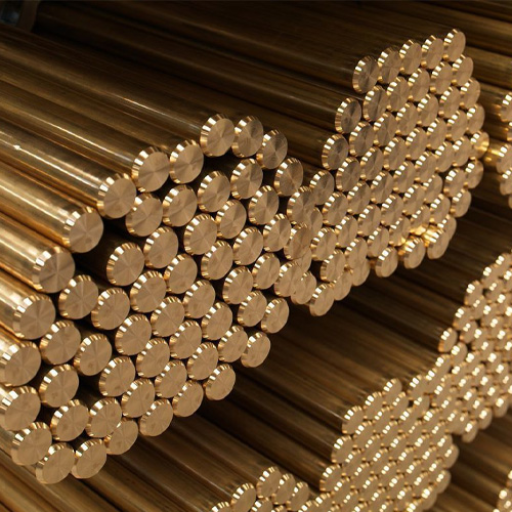
C220 Commercial Bronze is a copper alloy, consisting of 90% copper and 10% zinc. This composition provides more strength and corrosion resistance against pure copper and lends a yellowish color to the metal. Commercial Bronze is an alloy that stands the test of durability better than other copper alloys, such as brass and regular bronze, but spares the workability so it can be shaped and formed easily without compromising its strength. These favorable properties have bought it many uses in architectural elements, decorative finishes, and electrical connections.
Understanding C220 and Its Composition
Commercial Bronze, or C220, is a very versatile copper alloy usually composed of 90% copper and 10% zinc. This combination gives C220 an excellent balance of mechanical strength and corrosion resistance, while at the same time issuing out a faint attractive golden hue. Unlike many other alloys, the very fine balance between its copper and zinc content endows C220 with certain working properties that set it apart from its counterparts in that it is easier to work yet more durable.
It has a tensile strength in the general range of about 310-480 MPa, depending on its temper, high elongation properties ranging from about 20-45%, and so it can stretch considerably before fracturing. It is approximately 8.53 g/cm³ in density, making it somewhat light but very durable for many uses.
Another notable feature of its good conductivity is measured at 28% IACS (International Annealed Copper Standard), meaning it is adept for use in electrical connectors and other forms of electrical conductivity at moderate levels. In addition, this corrosion-resistant property offers its protection even in adverse environmental conditions, especially within marine or industrial environments.
It is often used in industries for architectural hardware, light reflectors, springs, and profile moldings. The aesthetic value of the material combined with performance properties qualifies it for use as a functional material as well as a decorative one. As a whole, the composition and properties of C220 make it a trustable and adaptable material, featuring in a broad range of applications.
Why Is It Called Commercial Bronze?
The term Commercial bronze has become the more popular name for C220: so-called because of its specific composition and different applications. It is technically a form of brass, as it contains about 90% copper to 10% zinc. The high content of copper imparts the alloy a bronze-like appearance; hence the commercial association of “bronze.” It is considered an alloy of great workability with corrosion resistance and a bright gold color which resembles that of traditional bronze very closely.
The name “Commercial Bronze” justifies the numerous uses in many industries. Thanks to its strength and beauty, C220 is generally used to produce hardware, bearings, gears, and architectural elements. Further, it is inexpensive to form and machine, so is suitable for applications requiring mass production. It shows good elongation properties (up to 30%), and it has a tensile strength of 350-510 MPa, making it a very durable and versatile material.
C220, therefore, has the commercial title “Commercial Bronze” because it describes both its multifarious industrial and decorative applications as well as being a valuable substitute for traditional bronze, both in terms of appearance and performance.
Comparing Brass and Bronze
Brass and bronze differ in composition, appearance, strength, corrosion resistance, machinability, and primary applications.
| Key Point | Brass | Bronze |
|---|---|---|
| Composition | Copper-zinc | Copper-tin |
| Appearance | Yellowish | Reddish-brown |
| Strength | Moderate | High |
| Corrosion Res. | Moderate | Excellent |
| Machinability | High | Moderate |
| Applications | Decorative, piping | Bearings, marine use |
Exploring the properties of C22000
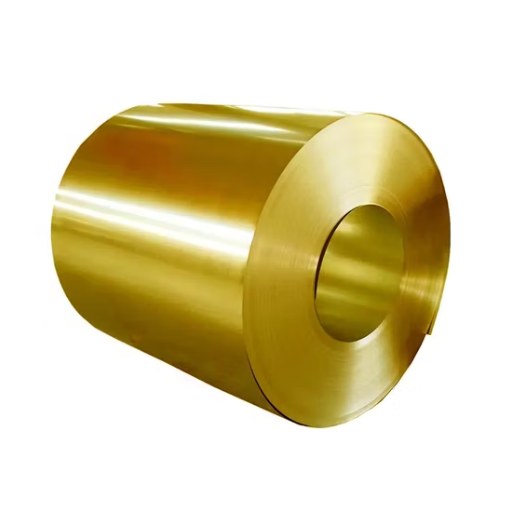
C22000, also called Commercial Bronze or 90/10 bronze, is a copper-zinc alloy with nearly 90% copper and 10% zinc. Because of its ability to withstand corrosion well, have an excellent degree of ductility while still possessing reasonable strength, it is best suited to architectural features, decorative applications, and light engineering work. Cold working is also possible, facilitating fabrication.
Metal Properties and Strength of C22000
The unique combination of properties associated with C22000 makes it versatile for diverse industrial uses. Depending on the level of cold working, the metal shows a tensile strength within the range of 250 to 520 MPa, balancing malleability against durability. In addition, it has a yield strength rating varying between 118 and 376 MPa, providing enough elasticity to resist stresses before being distorted. Taking a hardness rating between 50 and 150 HB, this metal remains resistant to wear yet easy to be machined and shaped.
The superior corrosion resistance exhibited by this alloy mainly emanates from its high copper content that sets a natural protective barrier against oxidization and other corrosive elements, especially in marine environments. The electrical conductivity of C22000 is about 28% IACS, which, although being less than a pure copper, is sufficient for relatively moderate conductivity applications. Moreover, the material exhibits a melting point of 1040°C or 1904°F; this property allows it to survive in various other environments.
What makes this metal blend so versatile finds its uses far and wide through architectural installations to industrial engineering, applications that require a combination of beauty with strength and durability.
Corrosion Resistance and Durability
It has high corrosion resistance, making it fit for use in environments where it may be exposed to moisture, chemicals, and atmospheric pollutants. There is resistance to tarnishing of C22000, thus ensuring the maintenance of the visual appeal of applications in which aesthetic value is important, such as architecture and interior design. This natural resistance to dezincification, which is a form of corrosion that is commonly encountered by zinc-containing alloys, adds to the resilience of the material.
Recent research has recorded the performance of C22000 in marine and industrial environments, marking it as a very efficient metal in resisting both pitting and crevice corrosion. When exposed to saltwater, the corrosion rate of this metal must be kept to a minimum to maximize the longevity of the fabricated parts intended to withstand harsher conditions. In controlled expediently, corrosion has been measured to be less than 0.05 mm per year of thin C22000 sheets in the environment of 3.5% NaCl solution, which is often used as a simulation of seawater conditions. Another big advantage of C22000 is that it can form a thin oxide film on its surface, serving as a natural barrier to corrosion, thereby reducing maintenance frequency and long-term cost.
Conversely, the equal balance of corrosion resistance and durability makes C22000 a go-to for demanding applications ranging from decorative fixtures to heavy industrial installations. C22000’s performance in both aggressive and natural environments is a testimony to its exceptional versatility and long-term durability.
Rich Color and Appeal to Beauty
The richness of warm, golden color radiating from C22000 is truly the talk of town and timelessly beautiful. That golden hue far too close to gold-tone color is often preferred to be applied in decorative and architectural projects, either as door hardware, lighting fixtures, or ornamental structures. The material’s natural brilliance complements the overall design with grace.
The C22000 color, from the very beginning, might stay intact for ages since it has the ability to build an oxide layer coating that is protective. This further means the look of the alloy never fades and does not require much maintenance even during exposure to harsh conditions. Recent studies state that it is widely embraced in applications needing a combination of beauty and strength, with architectural applications making up the larger percentage in the global demand.
Data from today manifest sustainable design trends pushing more acceptance for C22000 brass. About 90% of the material is thought to be recycled, a plus in the eyes of architects and designers looking for sustainable options. With vibrant coloration, ease of customization, and eco-friendly benefits, C22000 continues to be a favorite material choice for visual and performance-requiring projects.
Common Applications of C220 Commercial Bronze

- Architectural Features: Used in decorative elements, wall panels, and roofing due to its rich color and corrosion resistance.
- Industrial Components: Used for bushings, bearings, and springs for its strength and wear resistance.
- Artistic Creations: Used frequently in sculpture and jewelry for the ease of working and attractive appearance.
- Transportation: C220 Commercial Bronze alloys are often infused with marine hardware and automotive components for a resilient performance against a variety of processing environments.
Uses in Marine Hardware and Architectural Projects
C220 Commercial Bronze enjoys a reputation for versatility and performance in marine and architectural applications. It has excellent corrosion resistance properties, making it an ideal material for marine hardware, which is constantly exposed to salty and wet conditions. From propellers to shafts, hinges, and fasteners, C220 bronze guarantees longevity and uninterrupted performance in harsh conditions. According to studies, bronze alloys like C220 far better withstand the corrosive action of seawater as compared to many other materials, where a corrosion rate of less than 0.05 mm per year is generally recorded under normal conditions.
For architectural projects, its malleability and beautiful warm color enable designers to create exquisite decorative details, panels, and roofing. The distinct patina that develops over time infuses architectural works with a certain character and charm. With modern design trends, it has been used in facades for commercial building projects wherein the C220 manages the toughest durability to aesthetic value conversion task. Furthermore, reports have cited bronze roofing including C220 to have structural integrity for more than 100 years with interruptions for negligible maintenance, an appeal for sustainable and cost-effective long-term applications.
Thus, these properties collectively make C220 Commercial Bronze an impeccable selection in architectural and engineering projects where strength and appearance are both required.
Uses in Jewelry and Decorative Items
C220 Commercial Bronze holds a special appeal for jewelry and ornamental products, prized for its golden hue, unmatched workability, and wear resistance. The alloy consists of approximately 90% copper and 10% zinc and provides an aesthetically warm and rich appearance that closely mimics that of gold. In this way, it provides an aesthetically pleasing alternative on which expensive ornaments and intricate designs can be wrought.
When used in jewelry, C220 Commercial Bronze has a good ability to resist corrosion, thereby making the jewelry retain its shine even if worn regularly. Its ductility allows craftsmen to perform detailed designs and complicated shapes, making it a favorite among designers who want durability with creativity. Decorative art items such as home decor and accessories benefit immensely from these properties; they are truly a marriage of aesthetics and utility.
Recent market surveys show trends toward the increased use of sustainable materials for luxury goods. The longevity and recyclability of C220 fit into this demand, as buyers and manufacturers alike seek to represent environmentally conscious options that do not compromise on quality. Additionally, being hypoallergenic only enhances its attractiveness for those who have to wear or touch it, widening the client base.
All in all, the versatility of C220 Commercial Bronze makes it one of the most important materials in the art of jewelry making and decorative construction, blending class with longevity and sustainable manufacturing.
Lighting Fixtures and Weather Stripping
C220 Commercial Bronze is majorly involved in shaping and functioning lighting fixtures and weather strippings because of its good physical properties and aesthetic qualities. Being naturally corrosion-resistant, it can be utilized for the making of lighting fixtures for both indoors and outdoors, where moisture and temperature fluctuations demand durability. The warm golden tones of this alloy also serve to beautify the installings for lighting systems and great design.
Weather stripping, on the other hand, benefits from the great ductility and malleability of C220 because it can be flawlessly shaped and sealed tight. This product ensures good protection against drafts, moisture, and noise and so is very much appreciated in both residence and commercial buildings. With reference to industry statistics, the application of bronze alloys as a means of weather-sealing can reduce energy losses through heat loss and air infiltration by approximately 15%, thus on an increase in demand for sustainable building materials.
Additionally, the fact that C220 Commercial Bronze resists tarnishing, and maintains its mechanical properties under time, implies reduced maintenance costs for both lighting fixtures and weather stripping. This exemplary prototype of a blend of form, function, and sustainability rank C220 Commercial Bronze as a prized commodity in cutting-edge construction and design industries, in which reliable and eco-conscious materials are highly sought after.
Commercial Bronze Sheets and Plates

Today, the common bronze sheets or plates usually come in various grades, C220 being a very popular one. This grade has roughly 90% copper and 10% zinc, presenting the perfect balance of strength, corrosion resistance, and ductility. Others may come with various ratios of copper and zinc to meet needs, such as particular resistance to wear or greater formability. They come with an almost infinite range of thickness and finish, so they provide ample choice for uses in industrial components or even in decorative art.
Available Different Shapes and Forms
Brass metal is available in numerous forms and shapes to cater to the growing demands of industries worldwide. Regularly manufactured shapes include sheets, plates, bars, rods, and tubes, each having its particular use. For example, sheets and plates of brass are used in architectural projects where both architectural and aesthetic value is considered. Brass rods and bars are used in machine parts and fittings since machined properly, they yield the best results with respect to durability.
For some special requirements, brass is also found in wire or foil. Brass wire provides strength and flexibility and is used in manufacturing electrical equipment as well as other artistic works. On the other hand, brass foil is thin and flexible and thus excellent for fine applications such as gaskets or decorative accents.
According to market sources, brass tubes sizes can generally vary from 1/8 inches in diameter to 6 inches or more, and the wall thickness varies to qualify for deliberations of lightweight to very heavy-duty usefulness. Bars and rods are usually square, hexagonal, and round in cross-section to maximize their utility for machinists or engineers. Furthermore, sheet thickness ranges from 0.016 inches (26 gauge) to more than 0.25 inches (1/4 inch and above) for very heavy-duty industrial usages, which accommodate an extensive range of projects.
Custom shapes and finishes have become increasingly commonplace with production technology advancements, giving many industries the choice of brass components molded just right to their functional, aesthetic, or structural needs.
How to Select the Right Sheet for Your Project
Choosing the right sheet for my project begins with parameters of durability, thickness, and finish. I note the conditions that the material will be subjected to: moisture or extreme temperature, and I choose a gauge that will bear the weight of the conditions without compromising its flexibility. If it is a visible component, I will obviously take its looks into account. Customization has come a long way, so I am able to pick out shapes and finishes that fit perfectly into my projects’ specifications, whether from a practical standpoint or fulfilling the design requirements.
Benefits of Cold Worked Commercial Bronzes
Cold worked commercial bronze gives many advantages, making it a material choice for many industrial and artistic works. One prime advantage is enhanced mechanical strength and hardness due to the work hardening treatment improving durability and resistance to wear. This proves more for items particularly under heavy loading or continuous friction like bearings, bushings, and springs.
The corrosion resistance retained by cold worked commercial bronze in marine and industrial environments, where wet or corrosive substances abound, is another major advantage. Inability to weather such exposure and hence damage ensures a product with a long lifetime on its own, consequently cutting down on maintenance costs.
Then, it realized a higher thermal and electrical conductivity as a further edge. Commercial bronze is commonly used in those fields where conduction of energy is required: connectors of electricity; heat exchange, that is to say, commercial bronze at least has the function of conductor of heat. For example, copper alloys such as bronze in conducting electricity can reach from 15 to 40% IACS (International Annealed Copper Standard), depending on the composition of the alloy.
Another advantage is that bronze is very workable even after cold working, facilitating precise moulding and customization to meet the requirements of specific designs without compromising structural integrity. A large plus for commercial bronze is its appearance with a lustrous golden look that makes it well liked among architects for structural and decorative use, thus becoming a marriage of function and aesthetic appeal.
In sum, mechanical properties, corrosion resistance, conductivity, and appearance make cold worked commercial bronze a very workable and sustainable option for a variety of industries.
Finding a Reliable Supplier for C22000
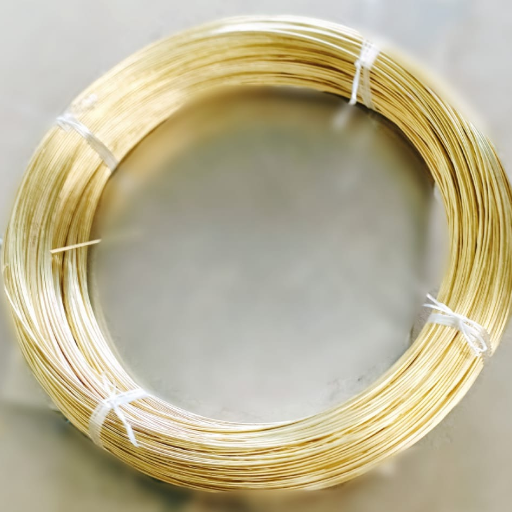
In order to find a reliable supplier for C22000, focus on firms that have a good history of supplying fine bronze alloys. Make sure that the supplier offers certifications verifying the authenticity of the material and that it meets industry standards. Ensure it has good customer reviews and a reputable industry status, as well as the capability to meet your quantity and delivery requirements. Such trustworthy suppliers provide complete support including material specifications with perfect pricing beforehand, right down to quick responses.
Ensuring Quality Control and Consistency
Quality control and consistency in sourcing C22000 bronze alloy are vital for optimal performance and application durability. These suppliers should have their testing procedures to include testing for chemical composition using spectroscopic means and mechanical testing for properties using mechanical methods. Accepted by the ASTM (American Society for Testing and Materials), a respected supplier will provide material test reports (MTRs) value test for the standards level in compliance.
The rough percentage composition for C22000 is 90% copper and 10% zinc, making it highly machinable and corrosion-resistant. Such variations in applications become critical when performance in high-stress environments such as marine or industrial ones is concerned. The level of impurity and/or alternative grain structure plays an important role in the long-term assurance of this alloy. Suppliers may adopt modern quality control techniques such as X-ray fluorescence (XRF) analysis to ensure the supply of materials that meet all specifications on a continual basis.
Some quality assurance inspections must then be conducted throughout several production stages, beginning from the selection of raw materials to all the way until the materials are delivered. Corporations that have been audited for ISO 9001 certification or similar quality management systems are usually among those best capable of standing up to these challenging standards. Thus, they provide reassurance to their customers that their clients’ C22000 alloy will be worthy of their expectations or, at least, surpass their expectations. Always seek the company that prioritizes quality and is upfront about its processes.
Custom Service and Precision in Supply
Everything comes down to custom service and precision in supply when sourcing materials like the C22000 alloy. The famous suppliers offer customized solutions where necessary so that the material conforms to industry standards or unique specifications stipulated by a project. For example, precision cutting, advanced heat treatment, and specialized coating processes can be utilized by organizations working with the alloy for automotive components or electrical connectors.
Recent data displays the increasing value of streamlined supply chains, with studies reporting almost 67 percent of manufacturers affirming that their operational efficiency has increased through customized supply solutions. Furthermore, recent improvements in logistics and real-time tracking systems enable suppliers to cut down lead times by as much as 30% compared with conventional methods. Such developments make clear how vital it is that suppliers need to embrace those demands as they evolve for global industries instead of just supplying their materials on the same old basis.
Focusing on customization and flexibility is vital to ensure that the business receives exactly what it needs without sacrificing efficiency or quality.
Evaluating Supplier Offerings and Standards
When evaluating supplier offerings, it is important to consider the scope of their portfolio, as well as industry standards. Suppliers certified under ISO 9001 quality management systems, for instance, commit themselves to delivering materials of high quality, consistent with recent data showing over 1 million organizations being certified worldwide and testifying to the acceptance bestowed upon ISO 9001 standards as the best benchmark for quality assurance.
Moreover, sustainability has been another important parameter set forth when evaluating suppliers. Studies show that 88% of consumers around the world expect companies to be assisting in environmental conservation. With this trend, suppliers are said to have worked actively toward greener routes, such as minimizing their carbon footprint and recyclable packaging, so as to meet demand from the market and do their bit.
Besides, pricing remains competitive, but it should be viewed in light of long-term value as well. Suppliers can save companies up to 20% in operational costs by using innovative technologies, such as predictive analytics for demand forecasting, that cuts waste and optimizes inventory management, as mentioned in a report from just recently.
Lastly, good communication and accountability form the base of solid partnerships. Guarantee that suppliers are able to provide service-level agreements (SLAs) and real-time tracking systems, so organizations can follow progress and address problems before they arise. Balancing these high standards with technological and green integration is the basis for companies to compete in a rigorous demand from global markets nowadays.
Reference sources
- “Anticorrosion Study for Brass Alloys in Heat Exchangers during Acid Cleaning Using Novel Gemini Surfactants Based on Benzalkonium Tetrafluoroborate” (Ashmawy et al., 2022, pp. 17849–17860)
- Key Findings:
- Two novel gemini surfactants (GSs) were prepared and characterized to inhibit the corrosion of brass alloys in 1 M HCl.
- The maximum level of inhibition efficiency was achieved at an inhibitor concentration of 100 ppm, reaching 96.42%.
- The mechanisms of adsorption of the two GSs on the surface of copper was found to be physisorption and chemisorption adsorption.
- Methodology:
- Electrochemical techniques including potentiodynamic polarization, electrochemical impedance spectroscopy, and electrochemical frequency modulation were used to study the inhibition performance.
- X-ray photoelectron spectroscopy and scanning electron microscopy were used to analyze the surface of the brass.
- Key Findings:
- “Investigation of tensile properties of PLA–brass composite using FDM” (Selvamani et al., 2022, pp. 839–851)
- Key Findings:
- A biomaterial was created for hard tissue implanted scaffolds using polyester urethane liquid with low brass as a filler.
- The biomaterial had a higher surface membrane strength and rather homogeneous dispersed pore structures, which were suitable for articular cartilage cells.
- Methodology:
- Field Emission Scanning Electron Microscopy was used to investigate the structural characterizations of the low brass filler biomaterial.
- Key Findings:
- “Machinable Leaded and Eco-Friendly Brass Alloys for High Performance Manufacturing Processes: A Critical Review” (Stavroulakis et al., 2022)
- Key Findings:
- Brass alloys specifically face a challenging issue concerning the elimination of lead (Pb) which has been a critical element affecting both the machinability and overall quality and efficiency of their manufacturing process.
- Various alloying and processing strategies were reviewed to overcome this technical challenge and further improve the mechanical properties and machinability of lead-free brass alloys.
- Methodology:
- A critical review of the existing industrial and technological experience, covering more than 20 years of research in this field.
- Key Findings:
- Top Brass CNC Machining Parts Manufacturer and Supplier in China
Frequently Asked Questions (FAQs)
Q: What constitutes C220 Brass?
A: C220 Brass, sometimes called Bronze 220, is a brass alloy containing more zinc than tin. Excellent formability and high strength are at the basis of many applications that exploit these properties.
Q: What are some uses of C220 Brass?
A: The durability and good appearance of this material have lent it for the use of medals, medallions, kick plates, push plates, and general engineering applications.
Q: Why is C220 Brass used instead of other brass types?
A: C220 Brass is used due to its easy formability and high strength that allow it to be formed into highly detailed work and applications that demand durability.
Q: How is the composition of C220 Brass different from that of other brasses?
A: Having more zinc than tin, the alloy differs from other types of brass alloys; that unique composition allows C220 Brass to have the highest degree of strength coupled with excellent formability.
Q: Can C220 Brass be used in the field of arts?
A: Indeed, C220 Brass can be used extensively in arts-related fields, where medal and medallion cases generally require molding capability to create very detailed shapes.
Q: Is it suitable for the use of C220 Brass outdoors?
A: C220 Brass is considered for outdoor use but in certain cases, one needs to provide coating so that the material should not tarnish and keep its looks for a longer period of time in a harsh environment.
Q: What makes the class of C220 Brass an apt one for general engineering?
A: Despite the high strength, the best formability of C220 Brass renders it apt for general engineering, thereby making it applicable for a wide variety of structural and functional uses.
Q: How does C220 Brass compare with other bronzes?
A: It is said to be ‘Bronze 220,’ but it is, in fact, a brass alloy that contains more zinc than tin, while ‘true’ bronzes tend to contain more tin.
Q: Any special maintenance needed by C220 Brass articles?
A: To keep the finish and appearance of C220 Brass products, check that periodic cleaning and polishing are done; also in an outdoor environment, keeping it clicking with protective coating certainly helps in saving from tarnishing.


