


Machining technologies have been successfully implemented across industry sectors in an armagine form. Moreover, design technologies are revolutionizing businesses. They are not only highly efficient, but are also capable of producing parts with very high precision that are impossible to be produce using conventional machining. Experienced machinists as well as beginners in CAD/CAM will need to familiarize themselves with how machining services work. In this blog post, we outline the fundamentals of CNC machining s provided and their relevance in the integrated principles of manufacturing processing structure. Thus, it is time that you learn the amazing possibilities CNC offers in I-EMS.
CNC Machines: The Basics
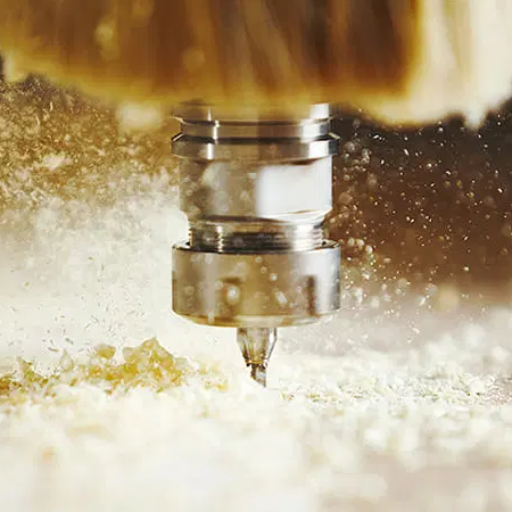
Computer numerical control machines incorporate a variety of metal working techniques such as milling, shaping, and drilling that controlled by computer systems for efficient production. The computer-aided machine is often able to produce the same results of any material e.g. metal, wood or even plastic since it uses a language composed of numerical codes. In this environment, productivity is enhanced, errors are minimized and these machines are a must especially to the car industry that does not want any variations in the production process.
What Is a CNC Machine?
CNC machine provides for a newly introduced way of manufacturing using computer controlled tool paths. These machines carry out activities automatically and with high precision, which include cutting, turning, drilling, and grinding, which are the essential tools in production lines. CNC machines are often associated with CNC files, which are CAD or CAM files that contain the digital instructions as to how a particular CNC part shall be produced.
CNC machines usually perform machining operations in one or more axes, the typical types used in a factory setting include 3-axis, 4-axis, and 5-axis systems. The number of axes tells how many different directions the machine can work in, and therefore how intricately and detailed the shapes can be made. For example, many designs require more intricate parts and thus would use 5 axis CNC machines which create more detailed parts, often horizontal surfaces.
Recent information shows that in the latest CNC machine market survey carried out in 2021, the worldwide CNC machine market size was valued at approximately $71 billion and is anticipated to grow to around $88 billion within the next five years. This increased penetration rate signifies the need of the new technology in many industries, specifically CNC. The improvement of CNC machines’ accuracy, throughput, and compartments usage is even more rapidly impacted by the use of some of other technologies such as the IoT and AI.
Despite their numerous flaws, such as the inability to achieve the proper size or that parts are not created to withstand heat, CNC machines can be used with many other processes and since they do much of the work with materials, thereof making the improvement process faster, accuracy has been improved, and the original is almost ready for production.
CNC Machines: An Overview of Their Functionality
The CNC-operated machine tool is not just one physical subject, but a combination of both hardware and computer programs united to provide automatic operation of more complex manufacturing activities. Most of the time, computer numerical control thereby refers to digitally automated machine tools where control is ensured by pre-approved program for each modification. So, the operation commences with the design of the product which is created with the help of CAD (Computer-Aided Design) software. The CAD designs are put into operational instructions known as G code or other CAM (Computer-Aided Manufacturing) software thus making the designs machine readable.
After the creation of the program and its loading into the control of the CNC machine, the cutting tools or in some cases the drills, lathes and other actuation machines are instructed to move in x, y and z directions to perform the operations. The possible movements of these machines often allow for operation along coordinates, with many systems having 3 to 5 different coordinates available to operation more advanced systems having 7 and more to accommodate complicated designs. Their accuracy can be extreme with tolerances typically offered in terms around .001 inches making such machines highly accurate for demanding industries which may include aerospace, automotive and medical sectors among others.
In today’s CNC era, the machines are also capable of providing descriptive modulators which were previously not available only. The Internet Of Things (IoTs enables operational metrics like temperature and vibration to be monitored in real time and these discourage unexpected maintenance. Also, CNC can now be optimized while in use as applications can utilize A.I. which reduces the waste thus increasing productivity. In the past, it was predicted that the global market for CNC machines would exceed $67 million in 2027, at a Compound Annual Growth Rate (CAGR) of roughly 6.8%. This trend further indicates that the CNC machines are critical elements in the exclusive modification of the manufacturing process globally.
Types of CNC Machines
CNC machines can be categorized into various types, including milling machines, lathes, routers, grinders, plasma cutters, laser cutters, additive manufacturing machines, and electrical discharge machines (EDM).
| Type | Key Function | Material | Precision | Popular Use |
|---|---|---|---|---|
| Milling Machine | Cutting | Metal/Wood | High | Prototyping |
| Lathe | Shaping | Metal/Wood | High | Turning Ops |
| Router | Cutting | Plastic/Wood | Moderate | Woodworking |
| Grinder | Grinding | Metal | High | Surface Fin |
| Plasma Cutter | Cutting | Metal | Moderate | Metal Cuts |
| Laser Cutter | Cutting/Etch | Various | High | Custom Parts |
| Additive Mfg | Building | Various | Moderate | 3D Printing |
| EDM | Shaping | Metal | Very High | Mold Making |
CNC machined parts online

CNC machining services are the services that allows users to access these precision tools online – from individuals to companies. These procedures are service where CAD files and other digital forms of industrial parts design can be submitted over the internet to an entity which will make the parts according to those designs. The controls system of this machine uses a software interface that is very robotic and thus allows for precision machine processes. Online services offer advantages in that they reduce processes times of the manufacturing process, make it easier to use more sophisticated machine technologies, and limits the customer to make orders for parts in various materials without the need to have equipment on sight.
Advantages of Online CNC Services Use
There are a lot of advantages that come with the use of Internet in running these machines and one of them is cost-saving aspects especially with regard to the provision and maintenance of a machine in the premises. The benefit is that they offer fast services and Instant turnaround of projects. What is more, they facilitate services or in our case finishes and materials help in add designs required as well as production. agents achieve high consistency and quality standards in designing, manufacturing and remanufacturing of custom parts, and no wonder they appeal to not only customers but to factor owners as well.
How to Upload Your Designs
- Prepare Your File: Save your design in the required file format, such as STL, STEP, or DWG, as specified by the service provider. Ensure the file is properly named and meets any size limitations.
- Ascertain Where Requirements Submitting: Go on the website of the service provider and make sure you are in the right control or form submission area.
- Attach and Proofread: Put in your design file by utilizing the upload or attach tool. Check the file that has just been sent to ascertain that the data is correct and there are no errors and confirm the process.
- Hit Your Order Button: Fill in other factors such as materials, inks, dyes, paints or a whole spectrum of elements that you may need to give additional information about, and proceed and pay the order as you understand it.
- Check to Understand Submission: Confirm reaching a point where your model either successfully accepted, or if an error dialogue box erroneously was displayed, making a late submission possible.
Request For Instant Quote
There were those days where one would send in their design art then place a call, wait for one number receive 5 or ask are the same questions all over again. However, thanks to modernity, this is easy to do in most services, and costs are clearly outlined. almost all services today provide instant quote calculators enabling users to get a rough approximation of the total fees on a given project. A few websites like Xometry, and 3D Hubs have advanced so much such that they have entirely automated the process and one can expect to get accurate quotations within a split second.
According to Google Search results, up to 70% of looking for quotes on lead times of their parts and for other components, request this add-on which is based available data to eradicate the possibility of harming HIV for compression of time and costs. These systems involve very developed and complex computations and software that let the systems use the layouts of designed components to calculate the project cost based on an array of real time economic factors and the current supply situation. It is very simple, you just need to upload the design of your component, specify the materials you would like to use and state any particular design aspect and the system will calculate the cost instantly.
Even for them managing such information does save a lot of time and facilitates faster decision-making when it comes to budgeting and operational planning. Then logistics integration would also help in partnering a logistics provider to provide such interactive inclusive services such as lead time and transportation charges that reflects on the final quotation Sharing the given perceptions could promote efficiency and reduce ambiguities in relation to cost control and time planning at the design and production level.
CNC Machining Services

CNC machining is an advanced form of manufacturing that employs CNC or computer-numerical-control machines that can produce high-quality precision parts from various materials including metals, plastics, and composites. The primary utility of this technique lies in the production of parts having intricate designs and small tolerances which is especially common in almost all these industries such as aerospace, automotive and medical engineering. The approach leverages its advantages like efficiency, accuracy and multifunctionality in the development of a product whether we are talking about small-batch manufacturing or serial production under any kind of load.
What is Custom CNC Machining?
Custom CNC Machining is an advancement in the field of manufacturing that uses software and user interface to control the industrial tools and machining centers. Noting that it’s equally known for creation of complicated shapes and fitting of the floor parts purposefully, the procedure can be employed in amplification of such sectors of investment as aerospace, machine, medicine, or even electronics. Custom machining is especially important since it makes it possible to produce parts in a limited quantity due to the specifics of the prototypes and other parts that are yet to enter mass production.
By using several multi-axis machines 3,5, even 9 axis custom CNC machining offers improved capability. It now defines the very meaning of the larger CNC machined components with standard tolerance of ±0.001 inch as the usual norm for CNC engineering. Moreover, with the development of technology better handling of various types of materials has been realized that are within the scope of such machineries like stainless steel, aluminium and titanium up to composite and ceramic materials.
The increasing demand for intricate components has been the lead driver in the growth of CNC machining market. Recent reports reveal that the size of the global CNC machining market will reach USD 132 billion by 2030 from 83 billion in 2023 as per recent reports, denoting a CAGR of 6 percent during the period scale. Thus, highlighting the prominent position it occupies within the industry and its efficiency in attuning itself to the changing dynamics as well as the evolving business requirements around us.
Along with these obvious advantages, custom machining has numerous benefits significant for the environment and financial matters to the producers in the process of modernizing and improving their production activities. The more there is an orientation on introduction of digital technologies, the more CNC machining emerges due to revealing its possibilities updated with such technologies as IoT for the real-time monitoring and AI-enabled optimization solutions.
The Material Applied in Custom CNC Parts
Various materials are employed in the fabrication of custom CNC parts depending on their application and desired characteristics. Common materials which are generally used include metals such as aluminum, stainless steel, and titanium, which bring about substantial strength and durability. Plastics include ABS, polycarbonate, and nylon which are used because of their light weight and high resistance to any form of corrosion. Further, composites and highly specialized materials are also used in particular applications. The availability of multiple tailored materials ensures that CNC parts conform to specific functional and performance criteria.
Defining Tolerance and Surface Finish Relation
In the case of CNC machining, tolerance and surface finish are two very crucial elements that directly affect the quality, performance, and accuracy of the produced part. The tolerance defines how much deviation is acceptable from the dimensions of a part described in its design. Typically, CNC machining uses tolerances of ±0.005 inches (±0.127 mm) to as low as ±0.0002 inches (±0.005 mm) for intricate projects, depending on the machine employed and the nature of the design. Tighter tolerances often necessitate more machining stages, hence raising the production time and cost involved.
Dissimilarly, surface finish details the condition of the features of the part surfaces outside after machining. It is generally evaluated using roughness statistics in terms of Ra (Surface Averaging), expressed in microns or inches. The standard CNC machining can achieve a quality surface finish of 3.2 µm (125 µin) but fine and very fine finishes like 1.6 µm (63 µin) or even 0.8 µm (32 µin) can be realized through further processes of refinement like polishing, grinding, above all lapping. The required standard of surface finish would also be a percentage of the application of the component of the part. For example, in defense airplanes and biomedical elements finishes are necessary as less as possible for better performance.
Allowance and finishing are concepts which must be present for CNC parts to be within the design values and used particularly well within the application setup. This is a practical aspect of the CNC machining algorithm where these factors play a role.
CNC Machining Process

A CNC machining process is a method that uses numerically controlled machine tools to remove material from a workpiece (input) in order to get the desired output. This process also involves CAD software for designing the part, encoding the design into a machine language to enable CNC machines -machining centers, lathes or bond grinders- to generate the components. Variables such as favorable selection of materials, suitable cutting tools, rate of feed, and spindle rpm are closely managed to attain the required accuracy and precision (tolerances) of the parts made, and desired quality of the surfaces for efficiency of production among other parameters.
Introduction to CNC Machining
In this report, I would like to give an account on the working of CNC machining and how precision is achieved then. The first step is, of course, the drawing of the components on a Computer Aided Design (CAD) package with this output enabling conversion of the design to g-code files which in turn are the instruction set that manoeuvres the CNC machines. The huge machines such as mills or lathes or anything similar are set to work on the material as below the margin line as possible. Hence, forgetful factors such as tooling, materials, chip load parameters are skillfully looked at so that the intended works are done precisely to the core, that is the best quality and at maximum rate of production.
5-Axis Machining Explained
Described as a modern development in technology and with very many uses, 5-axis machining facilitates complex shapes and unusual structures to be machined with a speed and precision high above conventional methods in the field of numerical control. When looking at 3-axis machining compared to 5 axis machining differences are in the axial planes. In particular, rather than just the prismatic part moving in a specific manner, the head has adjacent rotational elements A and B. It is conceivable to machine almost any workpiece for example composites used in the aerospace, automotive, and biomedical industries.
Setup time is another of the main advantages of 5-axis machining. Since the machine allows the part to be machined from multiple faces in one setting, operators lose less time due to re-setting the workpiece or relocating the fixtures in 3-axis machining. According to intelligence gathered from the industry, time savings of around 30%- 50% have been attained due to the smaller setup times and more effective machining processes.
Better surface finish and dimensional accuracy of 5-axis machined components is also an important factor. When the cutting tool is continuously in motion during machining, there is very little need for secondary calibration or offsets, and a higher degree of close tolerance work that may range as fine as ± 0.001 inches is attainable. Furthermore, 5-axis machining employs rigid short cutting tools which experience less distortion hence, better surface finishes are obtained.
Current 5-axis CNC machines are now being equipped with very sophisticated software along with a number of simulation tools. Features that allow for colliding parts and simulations have made it possible for companies to come up with the best cutting algorithms eliminating any potential mistakes before actual machining process’. These advancements have in turn elevated the market penetration of the technology where it is projected that the global 5-axis CNC machine market is set to exceed $24 billion by 2028.
Among people who require high precision, productivity and user-friendliness, 5-axis machining is a representation of how advanced the field of manufacturing has come. The fact that it can efficiently machine highly complicated geometries and odd shapes with utmost accuracy and efficiency makes it an invaluable tool in today market.
EDM vs. Traditional CNC Machining
Electrical Discharge Machining (EDM) is a method used to remove materials from work pieces which is different from conventional CNC milling or turning. EDM is a method that uses electrical discharges to create shapes in the material which makes it suitable for hard materials as well as wood works that cannot always be done by conventional machining. On the other hand, conventional CNC machining talks about regular cutting through material removal, for flat sided, simple and fast cutting tactics. Whereas EDM has greater use in gloss finish and difficult materials, CNC is composed of more attributes usable for work at a higher pace on a wider range. The decision there is on whether the form of operations and the material electro discharge machining or abrasive water jet and laser cutting is going to be employed.
How Much Does a CNC Machining Service Cost?
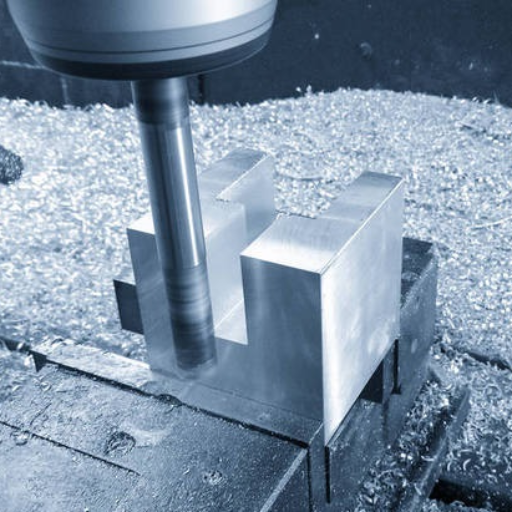
One large chunk of CNC machining service costs can be attributed to a number of things such as the complexity of the design and the material that is used, as well as the prototyping of such designs. In that regard different simple designs and ordinary materials like aluminum are cheaper than less known fragile materials such as titanium which raise the cost. Also, cost per part is usually reduced during the large number of parts produced known as economies of scale. To have an exact cost, it is advisable to approach a machining company that specializes in machined parts and to ask for the quote with the range of your requirements addressed in the quote form.
Factors That Affect the Cost of CNC Machining
Many factors must be considered in the total pricing of how to do the work of CNC machining. Below are the main aspects:
- Type of Material: The cost is affected by the kind of material used. In general, common types like aluminum or plastic come at a lesser price than metals such as titanium or other high-strength materials because they’re unobtainable and tough to machine.
- The Complexity of the Design: It is much easier to produce simple shapes with controlled movements than more exotic or detailed shapes. This is because such a design will need more precision, special tools and is bound to take more time to craft.
- The Scale of the Operation: When comparing the production of different quantities of parts, for the bigger scale of production, it is usually cheaper due to set up time and tooling required is distributed over a larger number of components.
- The Machining Time: The time taken to produce any part translates to a huge chunk when it comes to pricing. Long machining times are wasteful in terms of energy and man hours especially in the case of parts with high precision or those being done in several steps.
- The condition of the External Surface: In addition to the aforementioned being the energy (c) and the direct labour (d), the next thing to observe is the surface finish and the post processing. Custom finishes or high tolerances require more resources and expertise.
The optimization of design and the choice of material in order to achieve CNC machining solutions that meet the requirements of the given project without incurring excess cost is achievable in case the above elements are well considered at the planning process. To get the most reliable estimate, a professional machining shop should be approached.
Comparing Costs Among Different Services
When comparing costs among different CNC machining services, factors such as material selection, precision levels, production volume, lead time, and post-processing requirements significantly influence pricing.
| Key Point | Description |
|---|---|
| Material | Cost varies by type chosen (e.g., aluminum, steel). |
| Precision | Higher tolerances increase price. |
| Volume | Bulk orders reduce per-unit cost. |
| Lead Time | Faster delivery incurs extra charges. |
| Post-Process | Surface finishes or treatments add costs. |
Simple Ways to Save Money in CNC Manufacturing
- Improve the Design: Eliminate any features on the parts that will be machined that will take longer to produce and consume more material. Do not design things which may have good appearance but will certainly override the cost in the long run.
- Choose Material that will be the best for the Job: Select economical materials that just what you need in your project will cater for it without causing unnecessary expenses.
- Purchase in Bulk: Opting for a higher quantity has been proven to reduce the individual cost of all the units due to the scale effects.
- Draw Out Lead Time: The use of longer duration of regular production lead time as much as the situation allows is foremost way of escaping premium charges.
- Check the Geometrical Specifications: Visualization of a considerable extent of preferable enlargement beyond finishing dimensions of assigned tolerances should generally be avoided, a perimeter within the specified range.
- Minimize Secondary Processes: Decorative or other treatments should be kept to a minimum unless vital for the functionality of the product.
Reference sources
- Shared and Service-Oriented CNC Machining System for Intelligent Manufacturing Process
- Authors: Yao Li et al.
- Published in: Chinese Journal of Mechanical Engineering, 2015
- Citation: (Li et al., 2015, pp. 1100–1108)
- Summary: This paper presents a shared and service-oriented CNC machining system designed to optimize processing parameters. The study indicates that the optimized parameters not only enhance production efficiency but also contribute to reducing carbon emissions. The authors emphasize the importance of integrating service-oriented approaches in CNC systems to improve overall manufacturing processes.
- CNC Cutting Database System Oriented to Service Manufacturing
- Author: Li Ya
- Published in: Computer Integrated Manufacturing Systems, 2014
- Citation: (Ya, 2014)
- Summary: This research discusses a CNC cutting database system that integrates massive data processing, optimization, and simulation technologies. The study highlights the execution of service-oriented, intelligent, and green manufacturing practices through the proposed system, showcasing its potential to enhance service manufacturing capabilities.
- Dynamic Feature Modelling for Closed-Loop Machining Process Control of Complex Parts
- Authors: Changqing Liu et al.
- Published in: International Journal of Computer Integrated Manufacturing, 2015
- Citation: (Liu et al., 2015, pp. 753–765)
- Summary: This paper introduces a dynamic feature modeling approach for closed-loop machining process control. The authors propose a system that integrates process planning, machining, inspection, and monitoring, which is crucial for managing complex parts in CNC machining. The study emphasizes the need for real-time data and feedback in CNC operations to improve accuracy and efficiency.
- Top CNC Machining Parts Manufacturer and Supplier in China
Frequently Asked Questions (FAQs)
Q: What exactly is CNC Service Online?
A: CNC Service Online is said to be a modern version of the traditional tool and die making services as well as a vertical cnc machining service aim to streamline processes and reducs costs. The only difference is that… it can be accessed via the internet. Customers can design their parts, select materials and get a quotation on the cost immediately without leaving their home or office.
Q: How does pricing work?
A: Several factors play into the pricing of an order such as the how complicated the design is, the kind of material being used, and how many is being ordered. After uploading a design, a quotation is provided almost immediately.
Q: Can clients ask for their work to be reworked in CNC Service Online?
A: The company provides a way for the customers to upload what they have made using CAD, pick the range of materials as well as the texture they want, self-quote the budget then proceed to make the purchase on the same platform.
Q: In what materials are the clients of the service might be interested?
A: This platform has a vast list of materials where you can choose from starting from metals like aluminum, steel, brass to plastics like ABS, nylon, polycarbonate.
Q: Can clients try to personalize the ending of certain parts?
A: Various finishing services are made available by CNC Service Online, such as hard coats, paint and polish, among other things. Customers are usually given a choice on how they would want the end product done.
Q: What kind of file formats can be uploaded to CNC Service Online?
A: Standard formats for uploading include STEP, IGES, and STL. Any further concerns about loading issues such as step files can also be addressed to the provided help within Cnc Service Online.
Q: Do they help in the reduction od die casting problems?
A: Help in design process is offered on the platform and customers are encouraged to approach the platform in cases when they need advices, certain services or any necessary assistance on tool room facility that this platform could offer.
Q: How easy is it to hire CNC Service Online for the specific manufacturing purposes?
A: The client may be engaged in any of the numerous industries, that is, air space travel, automobile, electronics, clinical field and many others and do so with the help of this service.


