


Density of Aluminum: Understanding the Importance and Applications
Aluminum is a metal that has enjoyed countless uses in many industries, providing lightness from aerospace to construction. Specialty aluminum is known for its density; this unique property is dependent on the strength-to-weight ratio. In absolute terms, this density applies to the aluminum-bearing applications on any given task. This article is going to discuss the density of aluminum and some aspects in which the density property acts as the basis for the location, application, and variety of aluminum. Whether an engineer or designer or someone inquisitive about materials, this article will give some interesting insight into why calculating the aluminum density weighs heavily in both its normal application and further innovation.
Introduction to Aluminum Density
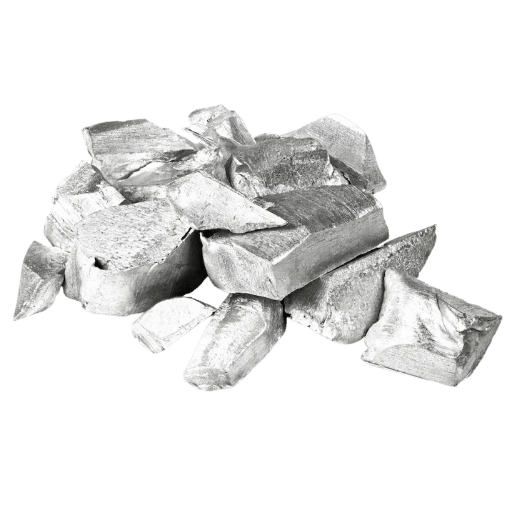
With a density of approximately 2.7 g/cm³, aluminum happens to be just one-half of what steel or copper metals have in density. Being low-density and hence lightweight, it finds demand in many industries where the factor of weight is considered of utmost importance, such as aerospace, automotive, and construction. Due to its lightness and strength, aluminum becomes a suitable choice for places that demand efficiency and stability.
What is Density?
Density is a special technical term that describes a substance’s physical property related to its mass per unit volume. Density is the descriptive term for mass-to-volume ratio, thus having units such as grams per cubic centimeter (g/cm³) or kilograms per cubic meter (kg/m³). Technically, density is found through a ratio: mass divided by volume. This indicates how heavy or dense a substance is concerning its size, which becomes an important factor when a particular application considers a change in density that can alter the material’s behavior.
💡 Key Insight
Aluminum density is at the center of engineers, manufacturers, and professional constructors, enabling them to apply it in their respective fields. Being lightweight due to its low density, it finds application in areas where strength is required without excessive weight, such as aerospace, automotive, and packaging.
Understanding the Density of Aluminum
Density Definition
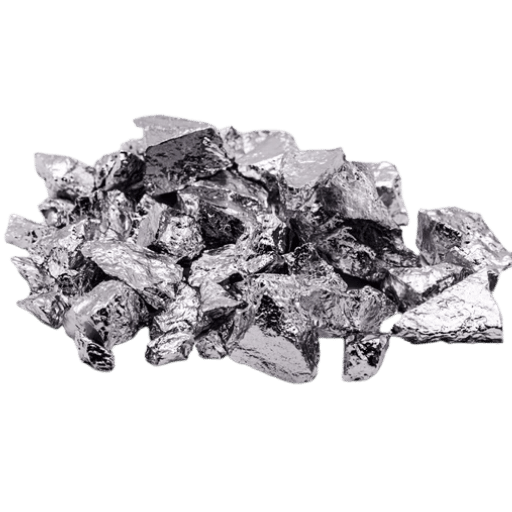
Density refers to the mass of a substance per unit volume. One usually expresses it in g/cm³ or kg/m³. In comparison with other metals such as steel, at room temperature with a density of about 2.7 g/cm³ or 2,700 kg/m³, it is relatively low. The density of a material depends on the arrangement of its atoms in its structure and composition; thus, it significantly affects the choice of materials for a particular application.
Important: Understanding aluminum density is crucial, as it impacts key factors in industrial and engineering design, including the weight-to-strength ratio, thermal conductivity, and energy absorption by the material.
How Density Matters in Engineering
Density has been one of the specific technical factors considered in selecting materials and determining efficiencies for particular applications. For example, the aerospace and automotive industries prioritize low-density materials to reduce fuel consumption and emissions. Aluminum and composites are typical examples of such materials.
- Aerospace Applications: Radiation shielding or counterbalance weights are usually crafted out of materials involving lead or tungsten, where concentration of mass works to their advantage.
- Structural Components: Density, along with mechanical properties such as tensile strength and rigidity, affects the practicability of a material as a structural component.
- Advanced Engineering: In computational modeling, accurate density specification forms the very essence of simulation in finite element analysis (FEA).
Density of Pure Aluminum
Pure Aluminum Density
2.70 g/cm³
(2,700 kg/m³)
The density of pure aluminum, assessed at room temperature, is approximately 2.70 g/cm³ (2,700 kg/m³), which is relatively light compared to many metals. This particular property of aluminum makes it the most widely used metal in aerospace, automotive, and construction applications where strength is a crucial consideration. Aluminum undergoes slight changes in density with changes in temperature, a phenomenon associated with thermal expansion, which could be a key factor when aluminum liquid density is involved in an application.
Properties of Aluminum and Its Alloys

Key Properties of Pure Aluminum
🏗️ Low Density and Light Weight
Pure aluminum has a density of almost 2.7 g/cm³, which disallows it from being categorized with any other metals that are much heavier than steel or copper. This makes the metal suitable for all instances requiring extensive weight savings, and as such, aerospace, automotive, and marine applications top the list.
⚡ High Thermal and Electrical Conductivity
The heat conductivity of aluminum remains relatively high at a mere 235 W/m·K, and so does its electrical conductivity, which stands around 61% IACS (International Annealed Copper Standard). Thus, these properties enhance the use of aluminum in building electrical and telephone transmission lines, as well as in heat exchangers.
🛡️ Corrosion Resistance
Pure aluminum resists corrosive action by drawing upon the moisture present in the air to react with oxygen and form a thin layer of aluminum oxide. This oxide layer acts as corrosion protection and is particularly helpful in situations where moisture, salt, or chemicals are present.
🔧 Very Ductile and Malleable
Since it is ductile and malleable, a material that can be easily worked into thin sheets, wires, or other forms without breaking, aluminum can be extruded, rolled, shaped, and conditioned in many areas of industrial applications.
🧲 Non-Magnetic and Non-Toxic
Since aluminum is non-magnetic, it finds applications in sectors where electromagnetic shielding is required or where the subject matter should not interact with magnetic fields. Furthermore, its non-toxic nature makes its use feasible in the food and pharmaceutical industries for packaging, utensils, and pharmaceutical products.
♻️ Recyclability and Sustainability
Pure aluminum is fully recyclable, to the point that its quality never deteriorates through partial or complete recycling. Except that the recycling of aluminum consumes only about 5% of the energy required for primary manufacturing, aluminum remains a sustainable choice, as various global campaigns are underway to conserve energy and reduce carbon emissions.
Variations in Density Across Aluminum Alloys
The density of aluminum alloy depends on its alloy composition and the treatment processes used. The theoretical density of aluminum is about 2.7 g/cm³ and is very light for applications where the strength-to-weight ratio is critical. However, with alloying by copper, magnesium, silicon, or zinc, the density may be slightly different, while imparting some mechanical properties.
📊 Industry Impact
These variations in densities have an immediate impact on the choice of alloys for industries, especially under some specific conditions where 2.7 grams are the density of concern per cubic centimeter. For applications where strength, weight, and density are factors such as aerospace, automotive components of lower densities are preferred, like those in the 5xxx and 6xxx series of alloys.
Comparison of Aluminum Density with Other Metals

Aluminum is renowned for its lightweight characteristic, with a density of approximately 2.7 g/cm³, making it ideal for widespread use in industries that emphasize weight reduction. Aluminum density is significantly less among the popular metals used.
🔍 Analysis Summary
In contrast to density, the different range of parameter values accentuates aluminum’s desirable qualities for lightweight applications. Thus, automotive, aerospace, and consumer electronics industries can selectively use one metal over the other depending on the requirements in density and mechanical strength so an engineer can then optimize designs for performance, energy efficiency, and cost.
Scientific Explanation of Density in Aluminum
Atomic Structure and Its Influence on Density
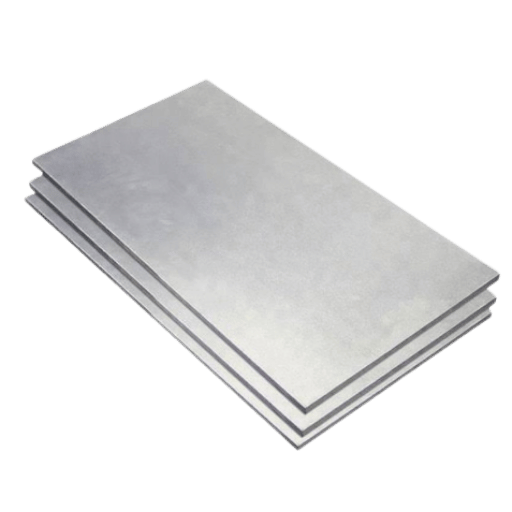
Density of any material is basically determined by the atomic structure of the material. The aluminum atomic structure consists of closely packed atoms arranged in a face-centered cubic (FCC) crystal lattice. In such a crystalline setup, aluminum atoms occupy most of the available space and have a relatively low atomic weight compared to many other metals.
Atomic Weight
26.98 amu
Lighter than iron (55.85) or copper (63.55)
Atomic Radius
143 pm
Contributes to efficient packing
Crystal Structure
FCC Lattice
Face-centered cubic arrangement
At the atomic level, one can explain such a relatively low density (around 2.7 g/cm³) in view of its metallic bonding being rather strong for such a low atomic weight. The opportunity created between the two-for lightness and structural integrity-is what defines aluminum being a key-engineering and industrial material used for applications of strength-to-weight optimization.
Effect of Alloying Elements on Density
An aluminum alloy’s density largely depends upon the manner and amount of alloying elements added into the material. The most common are silicon, magnesium, copper, and zinc, all of which, in varied proportions, influence the density and mechanical characteristics of the alloy.
Implications of Aluminum Density in Emerging Fields
Role in Renewable Energy Technologies
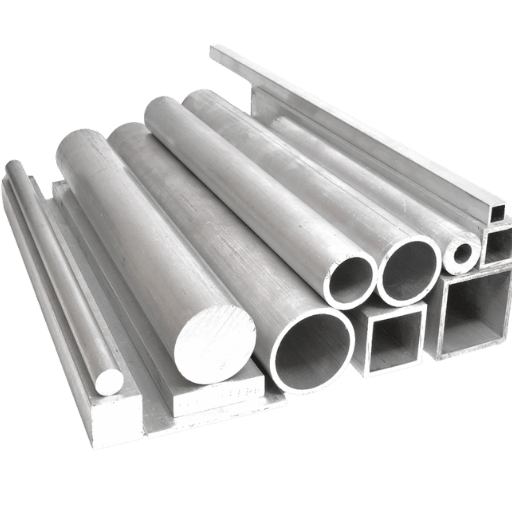
Within emerging technologies, aluminum was working to increase efficiency and sustainability into renewable energy technologies. The lightweight of aluminum and its anticorrosive property make it a key material for the construction of wind energy machinery.
🌬️ Wind Energy
- Modern wind turbine blades exceeding 100 meters
- Reduces weight without compromising integrity
- Increases energy yield and reliability
☀️ Solar Energy
- Aluminum framework for solar panels
- Exceptional durability in harsh environments
- High recyclability aligns with renewable goals
🔋 Electric Vehicles
- Lightweight battery enclosures
- Great energy efficiency
- Increased vehicle autonomy
♻️ Sustainability Statistics
Industry statistics suggest that more than 75% of the aluminum ever produced remains in use, which is a significant benefit from an environmental perspective, as it results in minimizing material waste and reducing energy consumption during manufacturing. The recycling process requires only about 5% of the energy needed for primary manufacturing.
Applications for Space Exploration
Aluminum, due to its prime strength-to-weight ratio, corrosion resistance, and good heat conductivity, has been one of the most valuable materials needed in space exploration. To minimize launch costs and maximize payload capacity, aluminum is widely used in spacecraft designs, satellites, and rockets.
🚀 Spacecraft Applications
- Fuselage construction
- Fuel tanks
- Support frameworks
- Heat shields and reflective surfaces
🛰️ Advanced Alloys
- Aluminum-lithium alloys
- Lower density with higher strength
- Used in SpaceX Falcon 9 rocket
- Suitable for extreme conditions
🌌 Future Space Applications
In the wake of increasing attention toward long-term habitation of celestial bodies such as the Moon and Mars, materials such as aluminum that are recyclable should ideally be used for in situ resource utilization so that dependence on Earth supply missions gets reduced. This makes aluminum one of the basic necessities in current and future exploration ventures, thus explaining the immense technical and practical utility it holds in enabling humanity to get a footing beyond Earth.
Frequently Asked Questions (FAQs)
Key Takeaways
🎯 Essential Points to Remember
- Standard Density: Pure aluminum has a density of 2.7 g/cm³, making it significantly lighter than steel (7.8-8.1 g/cm³) and copper (8.96 g/cm³)
- Alloy Variations: Aluminum alloys can range from 2.6 to 2.8 g/cm³ depending on the alloying elements used
- Industrial Impact: Low density makes aluminum ideal for aerospace, automotive, and renewable energy applications
- Sustainability: Over 75% of aluminum ever produced remains in use, with recycling requiring only 5% of original production energy
- Future Applications: Critical for space exploration and emerging green technologies
📚 Reference Sources
A detailed entry of aluminum data in the database covering such properties as density.
Ready to Learn More About Material Science?
Understanding material properties like density is crucial for engineering excellence and innovation in modern applications.


