


Understanding sulfuric acid density not only contributes to the field of science and industrial applications, but also helps prevent accidents and ensure accurate use. Due to its extensive use across industries such as chemical manufacturing, battery production, and fertilizer production, sulfuric acid is considered a critical component in many sectors.
This article aims to be an all-in-one source of information on sulfuric acid density—its importance, the parameters that affect it, and the influence of different processes. The post is intended for students, researchers, and anyone in the industry—everyone will gain basic knowledge and the practical insights needed to handle sulfuric acid safely. Being with us will mean a journey through the scientific experiment of its density and a discussion of the implications in the real world.
Understanding Sulfuric Acid

Sulfuric acid (H₂SO₄) is a highly corrosive, thick liquid used extensively across a range of industrial and chemical operations. Characteristic of strong acids, it consists of three elements: hydrogen, sulfur, and oxygen. The use of sulfuric acid includes making fertilizers, petroleum refining, and a host of other things from wastewater treatment to chemical manufacturing. One of the critical factors that affects its handling and application is its density, which depends on concentration and temperature.
Definition of Sulfuric Acid
Sulfuric acid (H₂SO₄) is a highly corrosive, dense liquid that finds numerous applications in industry and chemical processes. It is made up of three elements, namely hydrogen, sulfur, and oxygen, and is regarded as one of the strongest acids. In fact, sulfuric acid is often used in the production of fertilizers, the refining of oil, wastewater treatment, and the production of acids and other chemicals. Its density, which varies with concentration and temperature, is an essential factor that influences its handling and use.
Moreover, sulfuric acid is among the most produced industrial chemicals worldwide, with an annual output estimated at more than 260 million metric tons in recent years. It plays a crucial role in the Contact Process which is the method used for large-scale production of sulfuric acid. Safety comes first with sulfuric acid; it is a highly reactive material that requires strict handling and storage regulations to prevent accidents and environmental contamination.
📊 Global Production Statistics
Metric Tons Produced Annually Worldwide
⚗️ Chemical Formula & Composition
H₂SO₄
Hydrogen (H) + Sulfur (S) + Oxygen (O)
Physical and Chemical Properties of Sulfuric Acid
Sulfuric Acid (H₂SO₄) is a highly viscous, colorless to slightly yellow liquid that dissolves in water while releasing heat. The boiling point is very high, around 337°C (639°F), and the polarity allows the acid to ionize, making it very conductive in aqueous solutions. The acid has a molar mass of 98.079 g/mol and is highly corrosive to both metals and non-metallic materials. Its acidity is so firm that it is classified as a strong acid and can readily protonate other molecules. Besides, Sulfuric acid aggrandizes its versatility by being both a strong oxidizer and a dehydrator, reacting rapidly with water and organic materials.
From a chemical standpoint, sulfuric acid is highly versatile. It will neutralize bases and produce salts, oxidize metals to liberate hydrogen gas, and, under certain conditions, react with hydrocarbons to yield intermediates for industry. The chemical properties of sulfuric acid have been effectively utilized and are still used in processes such as fertilizer production, mineral processing, oil refining, and wastewater treatment. The acid’s combination of being a potent acid and a strong reactant has made it one of the most essential chemicals in modern production.
🌡️ Boiling Point
337°C (639°F)
⚖️ Molar Mass
98.079 g/mol
💧 Appearance
Colorless to Slightly Yellow Viscous Liquid
⚡ Properties
Highly Corrosive & Exothermic
Importance of Density in Chemistry
In chemistry, density is a fundamental property because it provides a clear view of the composition and behavior of materials. Density, which is expressed as mass per unit volume, is one of the main tools for chemists in their quest for materials, interaction prediction, and purity determination. In the case of the separation techniques, density plays a vital role in the isolation of the mixture’s components by the differences in density. Moreover, the grasp of density is not only in the industrial processes like material design and fluid dynamics, where stability, flow properties and efficiency are the factors the density affects, but it is also in the everyday use of the advancements being made in both lab research and practical applications, where accuracy of density knowledge is the mainstay.
🔬 Why Density Matters
- Material Identification: Helps identify and characterize substances
- Purity Determination: Indicates the purity level of chemicals
- Separation Techniques: Essential for isolating mixture components
- Fluid Dynamics: Affects flow properties and stability
- Industrial Processes: Critical for efficiency and material design
Measuring the Density of Sulfuric Acid
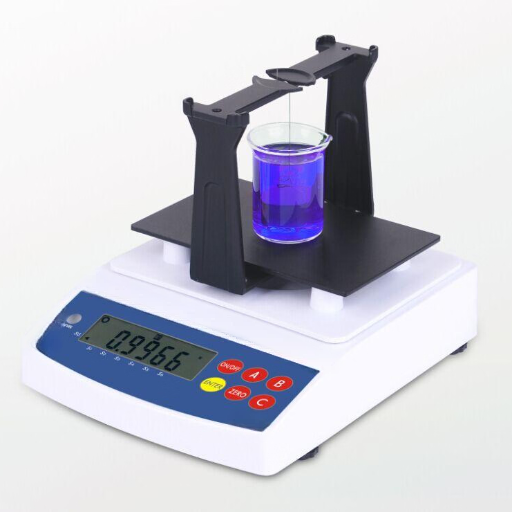
Techniques for Measuring Density
The density of sulfuric acid can be measured with accuracy by employing several techniques that are very common:
📏 Hydrometer Method
This technique consists of using a calibrated hydrometer, which is then placed in sulfuric acid. The liquid’s density determines the hydrometer’s floating height, providing a straightforward and reliable measurement.
⚗️ Pycnometer Method
A pycnometer is a specific glass vessel having a very accurate volume. By weighing the pycnometer with the acid and comparing it to the weight of the empty pycnometer, the density can be determined.
💻 Digital Density Meters
These instruments use the oscillating U-tube principle to measure the density of liquids with very high accuracy. They are very popular for their precision and ease of operation.
Note: All these methods yield reliable results, yet the selected technique will vary based on the equipment at hand, the required precision, and the specific application requirements.
Using Hydrometers
Hydrometers are fundamental yet handy devices that measure the density or specific weight of liquids. A hydrometer is a sealed glass tube with a weight at its lower end that keeps the tube vertical while floating. The measurement process involves carefully submerging the hydrometer in the liquid until it equalizes with the liquid’s level. The height to which the liquid surface contacts the scale on the hydrometer indicates the specific gravity or density. This procedure is widely used in industries such as brewing, winemaking, and chemical manufacturing because of its simplicity and low cost.
However, despite the availability of advanced techniques such as digital density meters, hydrometers remain a reliable choice, particularly for assessing practical situations where fast results are needed without sophisticated equipment or high costs.
Using Pycnometers
A pycnometer is a precision instrument that can create very exact measurements of the density or specific gravity of a liquid. To take a measurement using a pycnometer, first measure its empty weight so its tare weight is known. Then the pycnometer is filled with the liquid to the calibration mark and weighed again. The result of density is obtained by taking the weight of the liquid (the difference between the filled and the empty weights) and dividing it by the volume of the pycnometer which is already known. Pycnometers are commonly used in laboratories due to their precision and uniformity; thus, they can be applied to research, quality control, and other analytical measurements.
📐 Pycnometer Calculation Formula
Density (ρ) = (Mass of filled – Mass of empty) / Volume
Factors Affecting the Density of Sulfuric Acid

Impact of Temperature on Density
Temperature strongly affects the density of sulfuric acid. With an upsurge of temperature, the molecular kinetic energy in sulfuric acid goes up, thus causing the acid to expand slightly, and this in turn results in a reduction of its density. On the other hand, cooling typically increases density because molecular motion decreases and the liquid contracts. At a temperature of 25 °C (77 °F), 98% by weight concentrated sulfuric acid has a density of about 1.84 g/cm³ and this value slowly decreases at higher temperatures. Hence, when dealing with sulfuric acid, the temperature must always be kept under strict control and carefully monitored, especially in applications such as industrial processes and chemical research, where accurate density measurements are required.
🌡️ Standard Density Reference
98% Concentrated Sulfuric Acid
1.84 g/cm³
at 25°C (77°F)
Effect of Concentration on Density
Sulfuric acid density is significantly influenced by its concentration. The greater the concentration, the denser the acid; 98% sulfuric acid has a density of about 1.84 g/cm³ at 25°C (77°F). This phenomenon results from a more compact molecular structure formed at high concentration, due to reduced water content. On the other hand, dilution decreases concentration and, consequently, density at the same rate. The aspect of controlling concentration accurately is pointed out by these changes as it is a must in cases where density measurement accuracy is crucial.
Other Influential Factors
⚙️ Additional Factors
🌡️ Temperature
The density of sulfuric acid is greatly affected by temperature. The density usually decreases with increasing temperature because liquids expand. This connection necessitates controlling the temperature for density measurements that require high precision, as even minor temperature changes can affect accuracy.
⚠️ Impurities
The density of pure sulfuric acid can be altered by impurities, depending on the type and amount of contaminants. Impurities can raise or lower the density, which is why high-purity sulfuric acid is often used in applications that require constant physical properties.
💨 Pressure
In the case of sulfuric acid, the effect is not as pronounced as with gases, but extremely high or low pressure can still cause very slight density changes. This aspect is significant mainly in certain industrial or laboratory situations.
Practical Applications of Sulfuric Acid Density
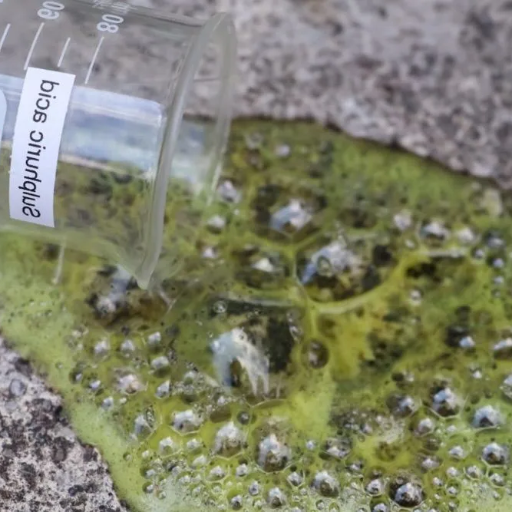
Industrial Applications Where Density is Critical
The density of sulfuric acid is vital to a variety of industries that require the utmost precision and efficiency. One such area is, for instance, fertilizer production, more specifically, phosphates. In this case, the sulfuric acid density must closely match the process requirements to achieve optimal reactions and avoid undesirable variations in product quality. Likewise, in the petroleum refining industry, sulfuric acid is used as a catalyst in alkylation processes. The acid’s density ensures effective separation of hydrocarbons and the compliance of the blends with the stringent fuel standards.
Furthermore, sulfuric acid density is a crucial factor in battery manufacturing, as it determines the performance and lifespan of lead-acid batteries. The very accurate control of density ensures the electrolyte is operating at the maximum potential for energy storage and transfer. Sulfuric acid’s density is also of great importance in the dye and pigment industry, as it contributes to color uniformity and consistency of the products.
The latest data shows that AI-powered monitoring tools, combined with modern analytical methods, have enabled the industrial sector to maintain sulfuric acid density with high precision for high-precision applications. These advancements not only conserve resources but also enhance safety, underscoring the need to manage this physical property across industries.
🌾 Fertilizer Production
Critical for phosphate production and ensuring optimal reactions and product quality
⛽ Petroleum Refining
Used as a catalyst for alkylation processes and hydrocarbon separation
🔋 Battery Manufacturing
Determines the performance and lifetime of lead-acid batteries as electrolyte
🎨 Dye & Pigment Industry
Contributes to the color uniformity and consistency of products
Use in Battery Manufacturing
Sulfuric acid is a vital component in battery manufacturing, especially in lead-acid batteries. Its density is strictly regulated to optimize electrochemical reactions in the battery. The acid not only acts as an electrolyte but also as a medium for energy storage and transfer; it is through its precise concentration that ions can be moved very efficiently between the battery’s electrodes. Hence, any change in sulfuric acid density will affect the battery’s performance, lifespan, and safety. For this reason, acid density is regularly measured and controlled to the desired level, thereby ensuring the reliability and functionality of the batteries for various purposes.
Role in Chemical Synthesis
The density of sulfuric acid significantly impacts chemical reactions, affecting not only reaction rates but also product yields and safety measures. The acid’s concentration is the primary determinant of its reactivity and suitability for various chemical processes, such as esterification, nitration, and dehydration. For instance, in the case of fertilizer production such as ammonium sulfate or phosphoric acid, the controlled density of acid can help convert the feedstock effectively. Furthermore, the density affects the heat generated in exothermic reactions which requires close control to prevent overheating, thus ensuring safe operation. Industries are adjusting sulfuric acid concentration to achieve the specific chemical properties required to produce high-quality, efficient outputs in manufacturing and synthesis.
🧪 Key Chemical Processes
- Esterification: Density affects reaction rates and product yields
- Nitration: Concentration determines reactivity levels
- Dehydration Reactions: Precise density control essential
- Fertilizer Production: Controls ammonium sulfate and phosphoric acid conversion
- Exothermic Reactions: Density management prevents overheating
Safety Precautions and Handling Procedures
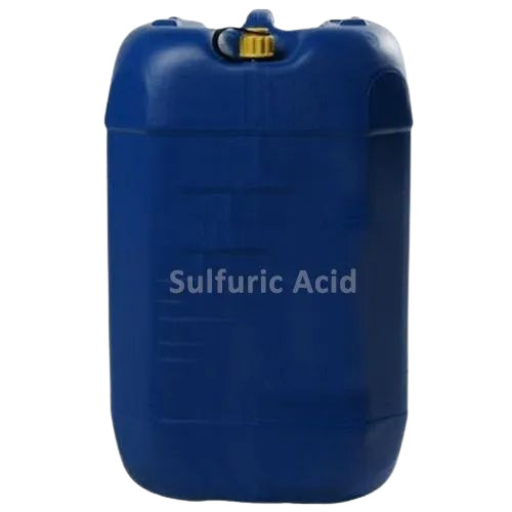
⚠️ CRITICAL SAFETY INFORMATION
Sulfuric acid is highly corrosive and hazardous. Always follow proper safety protocols and use appropriate protective equipment.
Personal Protective Equipment (PPE) Recommendations
It is essential to wear appropriate personal protective equipment (PPE) when working with sulfuric acid for safety. The suggested PPE consists of:
🛡️ Required PPE Checklist
- ✓ Gloves that are resistant to chemicals: Select gloves made of waterproof materials like neoprene or nitrile to avoid skin contact.
- ✓ Goggles or face shield that is splash-resistant: Prevent eye and face contact with any accidental splashes.
- ✓ Apron or lab coat that is resistant to chemicals: Use to cover skin and clothing against spills.
- ✓ Shoes with closed toes: Choose shoes that completely cover and protect feet from spills.
- ✓ Protection for the respiratory system: If you are in a poorly ventilated area, wear a suitable respirator that is ace vapors.
Important: Prior to putting on the PPE, always check it for any damages and make sure that your workplace safety protocols are being followed to lessen the risks.
Emergency Response and First Aid Measures
🚑 First Aid Procedures
👋 Skin Contact
Affected area should be rinsed immediately with a lot of water for a minimum of 15 minutes. Remove the contaminated clothing and if the irritation persists, consult a doctor.
👁️ Eye Contact
Eyes should be flushed with clean, lukewarm water for a minimum of 15 minutes and eyelids should be kept open. Eye doctor should be consulted immediately.
💨 Inhalation
The affected person should be moved to fresh air immediately. If the patient has difficulty breathing, give the patient oxygen if you are trained to do so and get medical help.
🤢 Ingestion
Do not try to bring up the swallowed substance. Rinse your mouth with water and seek medical help without delay. If possible, tell the doctor what substance was ingested.
💧 Spill Management
If necessary, clear the area and use appropriate absorbents to soak up the spill. Implement your workplace’s chemical spill response protocol.
⚠️ It is imperative that emergency contact numbers are always on hand and that all staff members have basic first aid training.
Storage and Disposal Guidelines
📦 Storage Best Practices
To ensure safety when handling sulfuric acid, I always keep it in a cool, dry, well-ventilated place that is not exposed to direct sunlight or heat, and is not in contact with incompatible materials such as organics, metals, or alkalis. I prefer using glass and certain plastics for the containers so I can ensure they are well sealed to avoid leaks or contamination. The storage area is appropriately marked and equipped with spill containment measures to reduce hazards.
♻️ Disposal Procedures
As for disposal, I absolutely do not pour sulfuric acid down the drain or throw it in the regular waste. Instead, I check the local hazardous waste regulations and organize safe disposal through authorized chemical waste handlers. If neutralization is allowed and I am properly trained, then I slowly add the acid to water to dilute it, then neutralize it with the appropriate basic substance before disposal, observing all safety precautions.
⚠️ CRITICAL SAFETY RULE
ALWAYS ADD ACID TO WATER, NEVER WATER TO ACID!
Adding water to concentrated acid can cause violent spattering due to the highly exothermic reaction. Remember: “Do as you oughta, add acid to water!”
Frequently Asked Questions (FAQs)
❓ How does the mineral acid concentration affect the density of sulfuric acid?
The impact of concentration on sulfuric acid is a significant factor in determining its density: acid that is diluted has a lesser density whereas dense and fuming acids are way denser. With every water removal phase in the production of sulfuric acid or by mixing concentrated sulfuric acid with an aqueous solution, the affinity for water rises and so does the density. Correlation tables and charts of H₂SO₄ specific gravity are commonly used to convert percent H₂SO₄ to density.
❓ Why does sulfuric acid, a colorless liquid, vary in density between battery acid and concentrated sulfuric acid?
The commercial battery acid (dilute sulfuric acid) used in lead-acid batteries is around 30–35% H₂SO₄, which is its typical concentration, and thus has a lower density than concentrated sulfuric acid (up to ~98% H₂SO₄). The greater the concentration, the higher the quantity of H₂SO₄ per unit volume; thus, concentrated sulfuric acid and pure H₂SO₄ are very much denser than battery acid or dilute acid.
❓ What safety concerns tie density measurements to exposure to sulfuric acid, sulfuric acid mist, or sulfuric acid aerosol?
The concentration and density of sulfuric acid are signals for risk assessment: the mist or aerosol is generated from the concentrated acid and the fuming sulfuric acid thereby bringing in inhalation of inorganic acid mists containing sulfuric as a significant hazard. Sulfuric acid occupational exposure, sulfuric acid aerosols exposure, or mist exposure require monitoring and controls. Density is an indicator of whether an acid is dilute or concentrated, thereby determining safe handling, PPE, and ventilation requirements.
❓ How does adding water to concentrated sulfuric acid affect density and why is the rule “acid to water” significant?
The reaction when water is added to concentrated sulfuric acid is highly exothermic and can cause splattering; hence, the method of adding acid to water has been prescribed to manage the heat release. The process of concentrating sulfuric acid removes the lighter density because the solution is now more dilute. The change in density during dilution reflects alterations in properties such as viscosity and vapor pressures that influence handling safety (mists containing sulfuric acid can form if improperly diluted).
❓ How does density information help in emergency response for exposure to sulfuric acid or mists containing sulfuric acid?
Density is a tool that allows responders to know the concentration (the choice is between dilute sulfuric acid and concentrated acid), which has an impact on the cleanup methods, decontamination and medical treatment for those who have been exposed to sulfuric acid, sulfuric acid mist or sulfuric acid aerosols. Knowing the nature of the release (i.e. whether it involves strong inorganic acid mists containing sulfuric acid or aqueous solution) directs the decisions regarding neutralization, protective equipment against acid catalyst-related or corrosive splashes, and whether specialized treatment for burns or inhalation of acid mists is needed.
Reference Sources
-
Stanford University – LCSS: Sulfuric Acid
This source provides detailed safety and density data for sulfuric acid. -
SUNY Geneseo – Sulfuric Acid PDF
A comprehensive document discussing sulfuric acid properties, including density. -
University of Maryland – Sigma-Aldrich Sulfuric Acid MSDS
This material safety data sheet includes density and other physical properties. -
Wiley Online Library – Densities and Surface Tensions of H₂SO₄
A scientific paper discussing the density and surface tension of sulfuric acid at various temperatures.
⚗️ Conclusion
Understanding sulfuric acid density is fundamental to its safe handling and effective application across numerous industries. From battery manufacturing to chemical synthesis, petroleum refining to fertilizer production, the precise control and measurement of sulfuric acid density ensures optimal performance, safety, and efficiency. As we’ve explored, factors such as temperature, concentration, and purity significantly influence density measurements, making it essential for professionals to maintain strict controls and follow established safety protocols.
Always prioritize safety when working with sulfuric acid, and remember: knowledge of its properties, including density, is your first line of defense against accidents and ensures successful industrial applications.


