


What is Salicylic Acid?
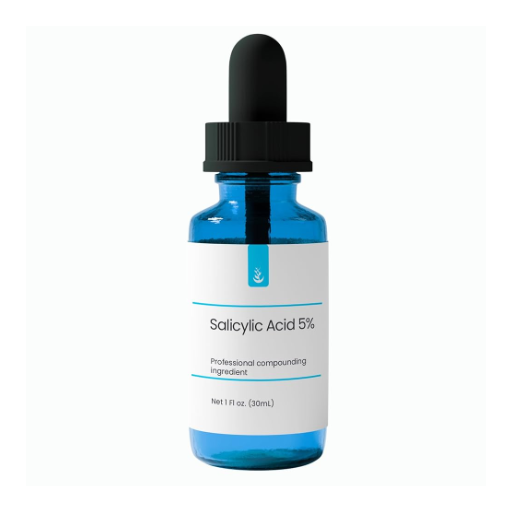
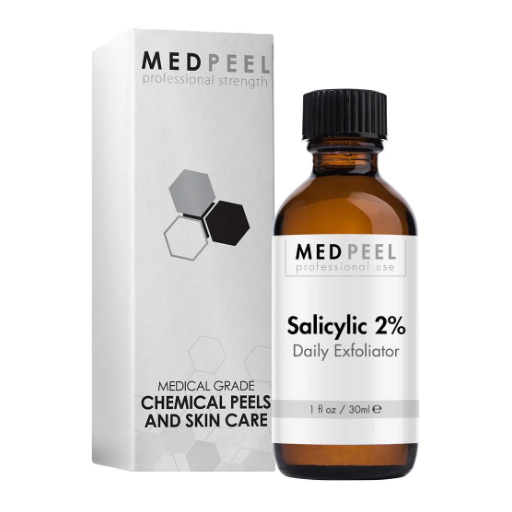
Salicylic acid is a BHA known for exfoliating and soothing purposes. It is a common substance within several skin and pharma products and has its natural repository in trees such as the willow bark. A method of working involves penetrating the skin; thus, they help shed dead skin cells and clear clogged pores, which remain very effective in curing acne and other skin conditions. Then, they can be utilized for pain relief and as preservatives in various other formulas. The ability to perform multiple functions generated considerable interest and study.
Definition and Chemical Structure
Containing both hydroxyl (-OH) and carboxylic acid (-COOH) groups, the structure of salicylic acid renders it aromatic and acidic. The intercellular cement of dead skin cells is dissolved by a keratolytic action of salicylic acid. Also, the goody molecular structure makes it lipophilic in nature; thus, it penetrates into the oily skin surface and interfaces therapeutically to benefit acne treatment of its own. Therefore, this nature of being both water and lipid soluble and interacting with tissues is of key importance for both medical and cosmetic industries.
Natural Sources
The presence of the compound in plants ensures its role in some vital physiological processes such as defense and growth regulation. The compound is one of the richest natural compounds found in willow bark, where it was first isolated; wintergreen leaves; and sweet birch. Developing plants synthesize salicylic acid in order to defend themselves from microbial infections and environmental stresses-the very essence of the environment. Various fruits and vegetables such as tomatoes, blackberries, and blueberries contain traces of salicylic acid; thus, their inclusion in daily diets is natural.
Chemical Properties of Salicylic Acid
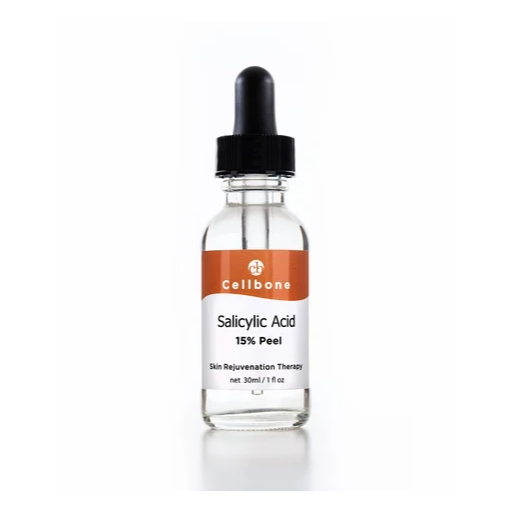
We paid attention to its molecular weight and formula of composition, i.e., C7H6O3, thus arriving at the general description of solid and crystalline at ambient temperatures. The crystal had poor water solubility but good solubility in ethanol and other organic solvents. Regarding other physical properties, salicylic acid is both phenolic and acidic, with a pKa of 2.97, which accounts for its moderate acidity. The nature of the acid is reactive due to the hydroxyl (-OH) and carboxyl (-COOH) groups. Under normal ambient conditions, the isolation and storage of the acid are fine; however, it degrades if kept in compromising situations with respect to heat, light, and moisture for an extended period.
Physical Characteristics
- Physical Appearance: It is usually present as a fine white powder or colorless crystals.
- Molecular Weight: Salicylic acid has a molecular weight of 138.12 g/mol.
- Melting Point: It has a melting point range of 158-161°C.
- Boiling Point: At around 211°C, the substance undergoes decomposition.
- Density: It has an approximate density of 1.44 g/cm³.
Thermal Properties
- Heat Stability: Temperature is one such component, whereby salicylic acid for all intents and purposes remains stable under atmospheric temperature; yet, if maintained at elevated heat for an extended duration of time, it will finally decompose.
- Specific Heat Capacity: This particular property of heat capacity of salicylic acid was noted as 1.34 J/g.K.
- Thermal Decomposition: It thermally decomposes at temperatures beyond 200°C in the presence of carbon dioxide and phenol.
- Enthalpy of Combustion: Being near -2032 kJ mol^-1, salicylic acid’s enthalpy of combustion is quite high.
- Thermal Conductivity: This low thermal conductivity aids in stabilizing the compound at moderate heat levels.
Reactivity
The hydroxyl (-OH) and carboxylic acid (-COOH) functional groups in salicylic acid show moderate reactivity. It can react with bases to yield salts of salicylate. Esterification with an alcohol yields a molecule of aspirin (acetylsalicylic acid), while forming salicylic acid with sulfuric acid as a byproduct. Another notable fact about salicylic acid is that electrophilic aromatic substitution reactions can be performed because of the hydroxyl groups that activate the ring. Thus, it is quite stable in usual conditions and usually only reacts in certain chemical processes employed in predetermined laboratory works or under enzymatic conditions.
The Melting Point of Salicylic Acid
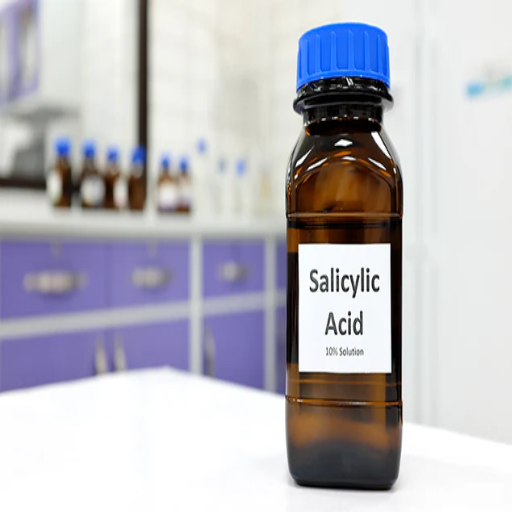
Key Information: The Melting points of salicylic acid range from 158 to 161°C. Due to this, strong intermolecular forces are said to have a relatively high melting point.
Definition and Measurement
The melting point is when a substance is transformed from a solid state to a liquid at one atmosphere pressure. Salicylic acid melts at 158-161°C (316-322°F). A melting point is one of those physical constants and commonly ranges determined by the experiment in the laboratory; by differential scanning calorimetry or a melting point apparatus in which melting points are estimated on capillary tubes. From the chemical viewpoint, it is essential to record the melting point because it helps to identify if the given substance is an actual compound or not. More importantly, melting points could be used for judging purity since impurities lower and broaden melting points.
Factors Affecting the Melting Point
1. Purity of the Substance
In small concentrations, impurities generally keep an orderly molecular arrangement and in turn elevate the melting point and narrow the melting-point range. Adulteration of, say, an inorganic substance usually causes depression in the standard melting point, especially in the instance of an acid or a base.
2. Intermolecular Forces
The stronger the intermolecular forces, be it hydrogen bonding, dipole interactions, or Van der Waals forces, the higher the melting points. For instance, an ionic compound will have a greater melting point than a molecular one, with sodium chloride being one classic exhibitor bearing almost the strongest ionic bonds in the universe!
3. Molecular Structure and Symmetry
Symmetric compact molecules tend to show high melting points as they are capable of efficient packing within the crystalline lattice. On the other hand, bulky and asymmetric molecules exhibit low melting points, as they interfere with efficient packing.
4. Molecular Weight
With some exceptions, generally it is said that the greater the molecular weight, the higher the melting point, for there shall be more dispersion forces for such molecules. For example, the melting points of hydrocarbons have been shown to increase almost invariably with an increase in their molecular weight, particularly with longer chains.
5. Pressure Conditions
By changing pressure, the melting point is affected. For some substances, the melting point varies subtly with pressure; on the other hand, others, such as ice, have decreased melting points at high pressures due to their peculiar molecular arrangement.
Hence, all these factors come into consideration for an ice cane to have a specific melting point under given conditions, and therefore, find great relevance both practically and analytically.
Comparison with Related Compounds
The melting point of salicylic acid is 158-161 °C; the melting points of hydroxybenzoic acids such as benzoic acid, p-hydroxybenzoic acid, and o-hydroxybenzoic acid change because each is structured differently.
| Compound | Melting Point | Boiling Point | Structure | Solubility | Reactivity |
|---|---|---|---|---|---|
| Salicylic Acid | 158-161°C | 211°C | Hydroxy + COOH | Moderate | High |
| Benzoic Acid | 122°C | 249°C | COOH | High | Moderate |
| p-Hydroxybenzoic | 214°C | 310°C | Para-OH + COOH | Moderate | Moderate |
| o-Hydroxybenzoic | 200°C | 309°C | Ortho-OH + COOH | Moderate | High |
Applications of Salicylic Acid
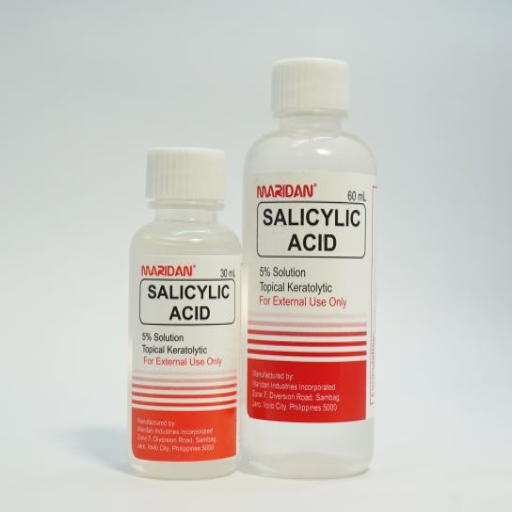
Somewhere between industrial and commercial applications lies a space.
Cosmetics
This ingredient is used to treat acne; it exfoliates dead cells from the skin, unblocking pores so they can heal and clear.
Medicine
It is helpful as an anti-inflammatory agent in analgesics (i.e., aspirin).
Conservation
Preserves food and cosmetic products from microbial attack.
Agriculture
It is a plant growth regulator used for inducing resistance to environmental stress.
This justifies the existing importance assigned to the compound in health, industry, and agriculture.
Pharmaceutical Industry
These days, the pharmaceutical industry continues to rely on salicylic acid due to its numerous applications derived from the willow tree. Derived more from nature, it has been synthesized to form some of the most widely used medicines, including aspirin. In addition to its everyday use in treating inflammation, more recent applications have focused on addressing skin problems, such as acne, and cardiovascular conditions. It also has an anti-inflammatory capacity and serves well as an exfoliant. Hence, to this day, salicylic acid remains relevant, with new possibilities for uses presented through the development of drug delivery systems.
Skincare Industry
If salicylic acid penetrates your skin, it acts as an exfoliant, opening blocked pores and reducing excessive oiliness; hence, it is an excellent choice for acne-prone skin. This proved to be sufficient evidence for the sales of salicylic acid in the skin-care industry for addressing typical skin troubles. A recent market research report indicated that the global demand for salicylic acid-based skin-care products reached $417.8 million in 2022 and is expected to grow at a 6.6% CAGR during 2023-2030. The growth is driven by the demand for acne treatments from young consumers and the increasing popularity of chemical exfoliants in skincare products.
Research has recently informed us that, due to new product formulations, salicylic acid is now being incorporated into cleansers, serums, and leave-on treatments for more targeted solutions for various skin types. This era of universal dermatological endorsement has led to it being referred to as the gold standard for treating mild to moderate acne, keratosis pilaris, and even dandruff. Yes, the more it remains a key ingredient, the more decent the position it holds: its compatibility with actives like niacinamide and hyaluronic acid allows brands to create synergistic products that work on different fronts together. The much-laundered ingredient continues to gain momentum for its place in skincare as the tide lifts consumers who believe in science-backed, results-oriented products.
Industrial Uses
Not only does it flourish in healthcare and skincare, but salicylic acid also performs numerous roles in production. It is a major intermediate manufacturing different types of pharmaceuticals, with aspirin being one of the foremost. Then, industries commercially use salicylic acid for preparing dyes, fragrances, and preservatives. The rubber industry utilizes it as a stabilizer, while the metalworking industry appreciates it as a corrosion inhibitor. Such varied industrial applications continually sustain demand and innovation concerning this versatile compound.
Why the Melting Point Matters
A melting point may be critical because it gives information about the purity and identity of a substance. Therefore, a pure compound will have a sharp melting point at a set temperature. When impurities or coarse particles are present, their melting temperature is affected, becoming lower and broader. Thus, such properties are used in pharmaceutics and in chemical industries, mainly in control and verification processes. Planning the melting point of a substance would further help in preparing for the processing and storage conditions so that, in the end, the substance will not be degraded, and it will remain effective for the required purpose.
Quality Control
Combining modern quality control methods with the information extracted from Google’s search engine has evolved into a big subject that encompasses modern technology and real-time analysis. This means it is now possible to use machine-learning algorithms and big data analytics to predict defects during manufacturing and production processes, thereby ensuring strict adherence to predefined standards. In the past, we used methods such as melting point determination and spectroscopic analyses. Pairing those tried and tested technologies with now-fitting 21st-century technology will ensure, when done well, that a company is always able to maintain consistency in its product, keep wastage to a minimum, and comply with regulations efficiently.
Storage and Handling
Proper storage and handling must be ensured to safeguard the integrity and quality of materials or products until their respective shelf life, particularly if they contain wintergreen oil. Temperature, humidity, and light levels must have acceptable values to avoid causing degradation or contamination of the materials. Some were called sensitive chemicals, which might include those derived from the willow tree and requiring refrigeration or a controlled environment to maintain their activity against other materials. To preserve their characteristics, they must be kept under airtight conditions. Clear labeling and safety guidelines will also facilitate smooth operations and ensure compliance with standards. Standardized storage programs shall be implemented, along with training for all personnel involved, to provide a high level of safety and efficiency in all storage and handling activities.
Research and Development
In life, innovation is preceded by the process of research and development, which takes the lead in any line of industry. Systematic scrutiny and experimentation enable organizations to develop or modify new products and services, as well as explore frontier-level technologies. R&D activation is the winning formula when employing interdisciplinary collaboration, facilities, and a never-ceasing passion for the art of innovation. Such an organization would, through the R&D process, pivot in response to ever-changing market needs, address issues of a very complex nature, and ultimately respond constructively toward its path to sustainable development.
Reference Sources
- “Solubility of 2-Hydroxybenzoic Acid in Water, 1-Propanol, 2-Propanol, and 2-Propanone at (298.2 to 338.2) K and Their Aqueous Binary Mixtures at 298.2 K” (Fakhree et al., 2012, pp. 3303–3307) This paper mentions the melting point of salicylic acid (432 K) as a known value used in their solubility calculations. The methodology is experimental solubility determination and correlation using established models.
- “Controlled release of salicylic acid from poly(D, L-Lactide)” (Andreopoulos et al., 2001, pp. 233–239.) This study uses salicylic acid (SA) as a model drug for controlled release experiments. While the melting point isn’t a primary focus, it’s implicitly relevant to the material’s properties and release behavior. The methodology involves controlled release experiments and analysis of release kinetics.
- “Esterification and in vitro test of derivatives of eugenol from clove (Syzygium aromaticum) as growth inhibitor of human colorectal cancer cell line HCT-116″ (Joyo et al., 2019). This paper reports the synthesis of a salicylic acid derivative and mentions its melting point (60-65 °C) as a characterization parameter. The methodology involves chemical synthesis and characterization techniques.


