When considering industries that require superior performance and reliability, PAI plastic materials, such as those made with Torlon®, are some of the most dependable products available. Designed in such a way that they offer extreme strength, temperature, and chemical resistance limits, Torlon® is the epitome of innovation as far as the application of high-risk materials is concerned. In this review, we will go on to look further into the special features of Pai Plastic Machined Parts and how these features guarantee performance even in the harshest conditions. From aerospace applications to medical and industrial uses, Torlon® will be examined to understand why so many people resort to Torlon® when precision and durability with superior material integrity have to be achieved. If you are looking at your next project materials or controlling the effectiveness through extreme performance, this article will project the importance of PAI plastics in modern technical reasons.
Introduction to PAI and Its Applications

This engineering marvel, thermoplastic known as Polyamide-imide, PAI, is reputable for its mechanical strength, ability to withstand high temperatures, among many other chemical and wear resistance. Scientists working in the fields of aerospace, automobile, medical, and electronics care about anything and everything that comes under the ambit of high precision and reliability while working in high temperatures. This has made the engineering thermoplastic, PAI, indispensable in the processing of bearings, gears, seals, and other electrical insulation parts that are under stress and work in elevated temperature conditions. Pai Plastic Machined Parts can therefore be described as both highly versatile and long-lasting.
What is Polyamide-Imide (PAI)?
Polyamide-imide is well-known for its excellent range of properties, such as high mechanical strength, high thermal stability, and very good chemical resistance, among others. Such properties have made it possible for this material to be used in applications that involve very high temperatures, on the order of around 500°F (260 °C), without any degradation. PAI is also very good at withstanding abrasion, has a low coefficient of thermal expansion, and is rigid; therefore, many challenging operating situations can make good use of it. Furthermore, it is non-conductive and almost impervious to almost all environmentally aggressive substances, including almost all oils, greases, organic solvents, chemicals and etc., that PAI utilization is highly recommended in cases of complex and sophisticated parts or equipment. PAI may also be found in injection molded shapes, extruded profiles, as well as machined PAI Plastic Machined Parts, and it is all those that are engineered for a certain purpose. This versatile plastic is still being employed for modern-day inventions, for example, in the aeronautic, automotive, electronics, and medical industries.
Benefits of Using PAI in Machined Parts
- High Mechanical Strength: PAI is well known for having high tensile and compressive strength, especially suitable for stringent applications of high loads and various stresses.
- Temperature Resistance: It retains its mechanical and physical properties at continuous working temperatures of up to 260 ºC (500 ºF).
- Resistance to Chemical Attack: PAI is a material that easily withstands exposure to chemical agents such as fuels, lubricants, and solvents.
- Minimal Wear and Friction: It can easily be used in rotating and sliding components such as bearings and seals, owing to its self-lubricating properties and low friction coefficient.
- There is Dimensional Stability: PAI has very good dimensional stability, which makes it necessary to retain the dimensions of machined components even when the stress level or the temperature changes.
- Insulating Capabilities: It provides good insulation for electronics and prevents arcing.
- Creep resistance: PAI offers plastic threshold friction for structural applications.
- Tailored Processing Characteristics: PAI can be processed within very small tolerances, hence the fabrication of very fine or intricate elements.
- Fire Crystalline Performance: It is a fire-retardant material that is very conducive for the safety of both aviation equipment and some electronic equipment.
- Long-term Performance: Pai Plastic Machined Parts have limited repair, and some parts have long-term performance due to their high strength and weatherability.
Overview of Torlon® PAI
Torlon PAI (PolyAmide-Imide) is a high-performance thermoplastic that is highly valued due to its superior mechanical strength, heat resistance, and wear properties. This material finds its optimum use in industries such as aviation, automobile, or electronics, where the operating conditions are most severe. The beautiful part of this PAI plastic is that even when exposed to elevated temperatures, its levels of mechanics are never compromised, and its resistance to chemicals is also extremely good, something that makes it suitable for such application areas. Especially important for intricate, detailed parts.
CNC Machining of PAI Plastic Parts
Understanding CNC Machining Processes
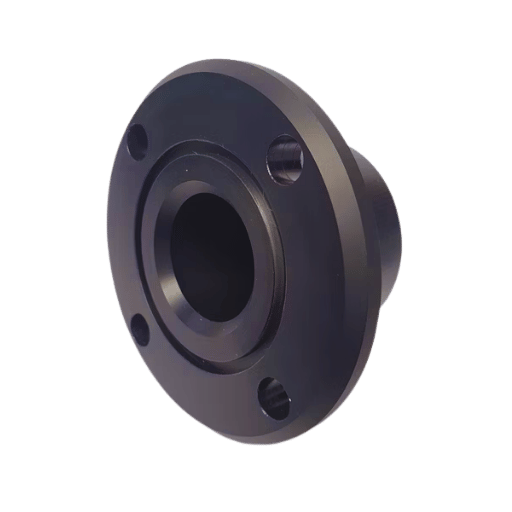
Pai Plastic Machined Parts involves the production of various custom components by means of computer-operated equipment, which can accurately remove material where required. For this reason, the process involves milled and lathe turning machining, and also drilling operations, which are all programmed into a control system in order to achieve accuracy. Since this polymer is tough and resistant to heat, specialized machining tools, as well as techniques, should be used to ensure precision during machining without damaging the material. To this end, the use of proper cooling and appropriate tools is necessary in order to achieve desirable results, which is the reason that the use of CNC machining for producing intricate high performing PAI parts is an advantageous method.
How to Machine Torlon® PAI Plastic
For machinists in the case of processing Pai Plastic Machined Parts, these steps and procedures should be consistently followed, as specified by the specified requirements and prerequisites for the machining of the parts, given their high strength, temperature resistance, and thermal coefficient of expansion. The followings are some of the emphases in the right approach to machining Torlon® PAI:
|
Aspect |
Details |
|---|---|
|
Preparation |
Annealing required |
|
Tool Type |
Carbide/PCD |
|
Cutting Speed |
Low RPM |
|
Feed Rate |
Moderate |
|
Coolant |
Water-soluble/oil |
|
Stability |
Low thermal expansion |
|
Post-Treatment |
Post-annealing |
Nevertheless, when such guidelines are adhered to, one is able to handle high precision operations when working with Torlon PAI. This is ideal for applications that are specifically designed for such environments – for example, space, road cars, and electrical equipment. Utilization of suitable machinery is not only a reference to the extended capabilities of the material, but its constant and waste-minimized application is also guaranteed.
Challenges and Solutions in CNC Machining
The entrenchment of CNC machining in the industrial setup has specific limitations that often hinder its efficiency and the quality of its deliverables. Outlined below are some problems and possible remedies.
- Material Warpage: Materials are subject to warpage due to intense cutting forces or excessive heat production.
Recommendation: Application of optimal cutting parameters, including a lower feeding ratio and cutting speed, and providing sufficient cooling.
- Tool Erosion: Incessant processing causes worn-out tools, thus limiting accuracy.
Solution: Put in place strategic tool maintenance programs so that used tools are changed. Use reliable and long-lasting tools for this purpose.
- Accuracy and Tolerances: Attaining closer tolerances becomes challenging while working with more intricate structures.
Solution: High precision machinery should be used, and additional operations like grinding conducted where necessary.
- Loss of production time due to machine breakdown: Repair of any breakdown or maintenance at an unexpected time results in production being stopped.
Recommending: Preventive maintenance and employing predictive analytics tools to assist in monitoring machine conditions.
Gaps covered perfectly make sure there is no loss of quality, save a lot of money, and ensure high productivity.
High-Performance Characteristics of PAI Machined Components
![Typical piston pin design [6]](https://baetro-machining.com/wp-content/uploads/2025/06/1.3-24.png)
Thermal Resistance and High-Temperature Applications
The Pai plastic machined parts demonstrate amazing capacities, especially as they experience heat, which replaces their position with another where there are high levels of heat than what is normal. About some details and areas of application:
- They have refractory y plafon: the monuments of PAI are not broken down or compromised for temperatures even to 260°C or 500°F.
- Expansion of Gibbs free energy is zero: This enables a guarantee that if there is a need to allow for measurements that can take various temperature changes.
- Creep Strength: PAI withstands transformation in the course of prolonged operation at high temperature and stress.
- It has Insulation Capabilities: The insulating property of PAI is also used in hot electrical and or through s’ heat bearing electronic devices.
- Cycles the repeated heating activities multiple times, or any other cycles of heating components, without impacting the functionality.
- Aerospace Components: Used in conditions that do not permit the use of plastic, such as heat developed from the airplanes, i.e., engines.
- Automotive Applications: Optimized for application in hot areas close to the engine in seals, bearings, and maybe some other parts.
- Machinery: For use during high temperatures and for applications like compressors and pumps, industrial processing operations, etc.
All the above augment the suitability of PAI for extreme temperature demanding and high reliability sectors.
Creep Resistance and Longevity
Polyamide-imide (PAI) is a type of polymer material that is known for its excellent resistance to creep, or the tendency of the material to deform under constant load even at high temperatures. As such, mechanical parts made of PAI suffer very negligible distortion or deformation despite being under continuous sustained loads for a given plant or machinery. Furthermore, the reasons behind PAI being often utilized in such severe conditions have become clearer with to the advances of research concerning its physical characteristics conducted in recent years. High-temperature resistant applications requiring highly stressed components are common in the aerospace, automotive, and heavy equipment industries, and as such, this durability is highly beneficial for these industries as it promotes the components’ serviceability and extends the duration of maintenance. Google projects that this PAI should be able to withstand prolonged exposure to high temperatures, keeping proper mechanical properties as well as correct geometric dimensions for a long time. It is for that reason that it has replaced substitute materials in engineering, where extended service and efficiency are highly valued among other task requirements.
Insulation Properties of PAI Parts
Many benefits accompany these plastic machined parts, such as the best electrical insulation properties, a low thermal expansion coefficient, together with good dimensional stability and robustness of the material.
|
Key Point |
Details |
|---|---|
|
Electrical |
High insulation |
|
Thermal |
Low expansion |
|
Stability |
Dimensional |
|
Dielectric |
Strong |
|
Resistance |
High durability |
Medical Applications of PAI Plastic Machined Components

Importance of PAI in Medical Instrument Parts
Medical devices made of Polyamide-imide or Pai Plastic Machined Parts have several mechanical limits as well as heat limits that cannot be surpassed by any other material used in the fabrication of any one object. However, medical devices are designed for manufacturing and include, among others, surgical instruments, medical imaging systems, and implants. A knife, for example, would wear easily. PAI can be reused even when the temperatures are high. Another ultimate achievement is reached when the PAI plastic is used in situ for the second time whilst making machines or equipment, but this time round, these are the meditative ones. With the electric properties of PAI being remarkable, it adds to its potential uses in electronic healthcare equipment, which makes it a flexible material for a range of applications.
Case Studies: PAI Parts in Medical Devices
|
Case Study |
Focus |
Outcome |
Key Points |
|---|---|---|---|
|
Audit Preparation |
FDA Compliance |
No observations |
Risk, FDA, Audit |
|
Annex 16 Compliance |
EU Supply Chain |
Streamlined process |
EU, Supply, Chain |
|
Gap Analysis |
ATMP Regulations |
SOP Prioritization |
ATMP, SOP, Gaps |
|
PAI Readiness |
FDA/EMA Approval |
Successful Filing |
PAI, FDA, EMA |
|
Clinical Supply |
Batch Release |
100% Compliance |
Batch, Annex, Review |
|
Innovative Devices |
Indian Market |
Low-cost Products |
India, Devices, Cost |
Compliance and Quality Assurance: ISO9001 Standards
All manufacturing activities must adhere to the requirements of the quality management system set out by ISO9001. The significance of ensuring that Pai Plastic Machined Parts are used in medical devices is that such functionality of the product is attained regularly. Relevant departments that produce goods under ISO 9001 Practices have firm controls built into their operations from the source to the product. Such standards always operate to improve customer satisfaction and further promote the safety and quality of the use of medical devices in essential mechanisms.
Exploring Different Grades of Torlon® PAI
Overview of Torlon® Grades 4301, 5530, and 4203
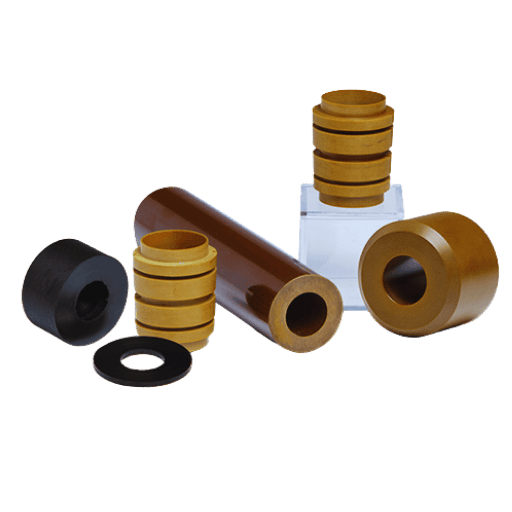
Torlon® 4301: This type of polyamide-imide (PAI) has wear-resistant properties, owing to the inclusion of PTFE and graphite materials that enhance the self-lubricating and low-friction qualities. Bushings, seal rings, and bearings—these high-wear, easy-to-machine applications are where this material performs its best.
Torlon® 5530: Containing 30% of glass as reinforcement, this grade finds applications in cases where high stiffness levels and dimensional stability are required. Structural members in harsh environments, such as aerospace and automotive industries, are frequently made from Torlon® 5530.
Torlon® 4203: This serves as a general-purpose grade, which is strong and tough with excellent electric insulation capabilities as well. The combination of tough mechanics and good performance of electrical insulators makes this material very common in numerous precision components.
Choosing the Right Torlon® Grade for Your Application
When selecting a specific grade of Torlon® for my needs, I first assess the specific project requirements at that moment. If the part is required to perform any of the abrasive wear scenarios and mechanical loadings, I also consider adding Torlon® 4503 or Torlon® 5530 in some circumstances. When high strength, toughness, and in some cases, electrical insulation are required, Torlon® 4203 is a more appropriate material, in my opinion. In conclusion, we concentrate on the adequacy of the properties of that grade of Torlon® with the recited working and performance conditions.
Comparative Analysis of Torlon Parts
| Parameter | Torlon |
|---|---|
|
Strength |
High |
|
Stiffness |
High |
|
Heat Resistance |
Excellent |
|
Chemical Resist. |
Good |
|
Dim. Stability |
Excellent |
|
Electrical Insul. |
Good |
Frequently Asked Questions (FAQs)

Q: Please tell me the major characteristics of PAI plastic.
A: easy to mean, great ability to hold the shape, moisture being super hard, also a small coefficient of thermal expansion, can resist a chemical attack. Hence, it finds use in high-strain and high-temperature regions.
Q: Is it true that pai can be used at high temperatures?
A: Absolutely, PA can maintain its structure at elevated temperatures, even up to 500°f (260°c), if there is an appropriate grade.
Q: Which sectors are the main consumers of machinable plastic parts made of PAI?
A: owing to tough working conditions and high efficiency of PAI components, most of the industries engaged in aerospace, automobile, oil and gas, healthcare, and the electric & electronics industry of such parts.
Q: What are the important use cases for pai machined parts?
A: Some popular industries that use PAI include those in the making of bushings, bearings, seals, insulation parts, valve parts as well as gears, most especially those that are a concern of high specifications & high reliability.
Q: Does pai machining pose a challenge?
A: Sure, it can be, since the PAI machining process is usually very exhausting. To attain a very tight specification on the components, proper tools, including feeds, speeds, and coolants, should be employed.
Q: When machining PAI, what problems need to be solved?
A: Tool, thermal, and stress production are issues that need to be resolved to avoid deflecting and damaging the part. Material that has been dried or properly clamped will also assist in getting good results.
Q: What is of benefit to the use of PAI compared to other materials?
A: It provides the mechanical strength, temperature capability, and chemical inertness of engineering plastics, surpassing what most other engineering plastics can provide. It offers the benefits of plastic yet not the weaknesses of mass, while bridging the gap between metals and plastics.
Q: How affordable is the plastic called PAI for the plastics’ applications?
A: PAI tends to be more costly than most other plastic materials; however, its durability and performance over time will mitigate a majority of replacement and repair costs, making PAI very appealing in many critical aspects.
Q: Who can I ask to get more information about machining PAI plastic’s machined parts?
A: If particulars on a specific product are needed from your material supplier, or machining of polyamide-imide plastics guides is much in reference.
Reference Sources
1. Hybrid Production Technique Significantly Cuts Manufacturing Costs for Pai Plastic Machined Parts
- Author: James William Hebel
- Issue Date: May 4, 2020
- Abstract: This paper presents a brand new, high-few plastics processing approach called “Near Net Shape (NNS) Technology”. It highlights the cost savings involved in the CNC machining of advanced engineering plastics using molding and injection molding together. It gives case histories of production processes that simulate circumstances to show the effectiveness of the NNS technology in material costs and machine time. Another aspect discussed includes the prospects of using finer plastics that were not advisable with conventional custom fabrication steps due to costs.
- Methods: This paper is written in conditions of comparisons of ranges of customs fabrication steps under CNC against NNS technology objectives and provides supporting cases and quantitative results on the advantages of the latter technology(Hebel,2020).
2. The effect of the working tool motion during the Surface Plastic Deformation Process on the characteristics of the reinforced components
- Authors: Ngyên Hyugue Huy and S. Zuydes
- Year of Publication: 2024
- General Remarks: The subject of the research was to explain how operational working tool motions that occur during the surface plastic deformation enhance characteristics of machine parts, such as lowering the wear rates and increasing the modulus of bending. It seems that some specific movements can boost distinctly the performance of the enhanced with, for instance, LCT parts. Some of the chapters contain more details on the theory of solid objects and their transformation into elements of decoration.
- Methods: The work has been accomplished by conducting comprehensive experimentation studies to evaluate precise geometrical surface hardening of Pai Plastic Machined Parts as in (Hay & Zaydes, 2024).
3. Enhancing Techniques to Relieve Stress and Extend the Useful Life of Worn-out Components through Cold Work
- Names of the authors: Y. Nemyrovskyi et al.
- Release Date: 25 September 2024
- Short description: The article aims to determine a particular technological method for the cold mechanical expansion of worn surfaces. This involves analyzing the stress-strain situation in order to determine how much plastic deformation can be exerted on the worn portion of the component and what machining is needed after wear.
- Approach: The research provided mathematical models of stress spanning different broaching conditions and tool configurations. This allowed for the determination of dependencies with precision for the restoration of worn parts (Nemyrovskyi et al., 2024).
5. Plastic