


Stainless steel jewelry has been considered a rising polemic in fashion accessorization, captivated by the enthusiasts due to its durability, and cheapness. A modern solution for problems of everyday pieces that maintain a finalistic equilibrium between practical use and aesthetics seems to be stainless steel. But what is it that really gives stainless steel jewelry that glam, and why has it become so much into demand over the last few decades? This article ventures deep into the fascinating world of stainless steel jewelry, discussing its uniqueness, what advantages it possesses over other materials, and why it is fast becoming a favorite among consumers and artisans. Whether you are a jewelry connoisseur or just intending to place your next order in stainless steel, you will be armed with more light on all aspects of this fashion trend.
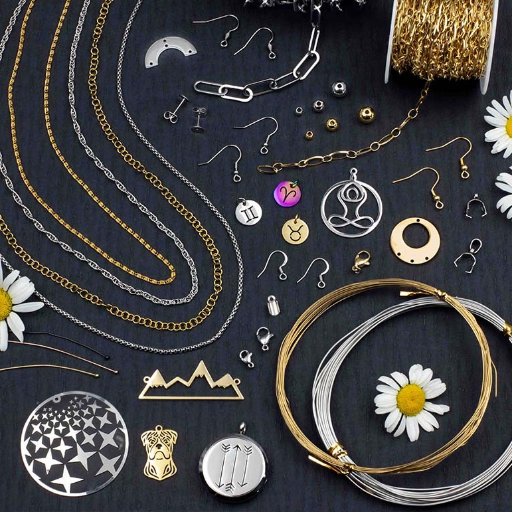
Must-Have Stainless Steel Jewelry Findings
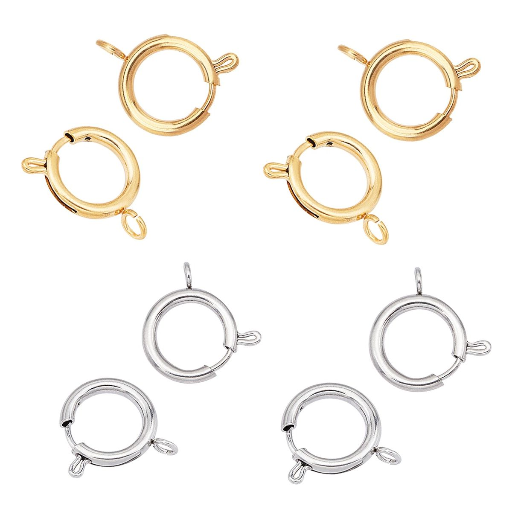
- Clasps: Securely close necklaces and bracelets, with the lobster being a popular type for its durability.
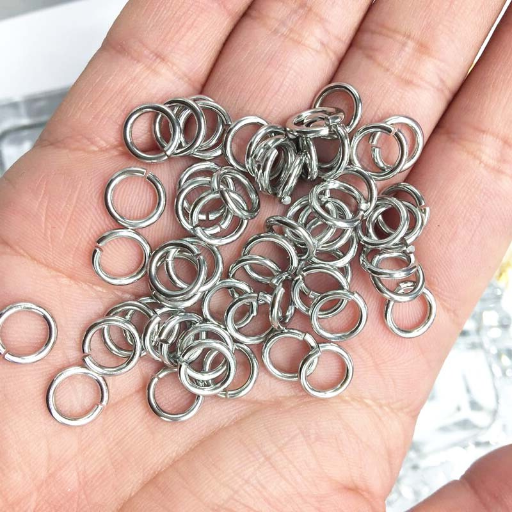
- Jump Rings: Link the various parts of the jewelry; meanwhile, they offer flexibility and strength.
- Earring Hooks and Posts: They give the base to the earrings that need to be sure and comfortable for wear.
- Chains: Chains serve as the base for necklaces or bracelets in numerous styles and thicknesses.
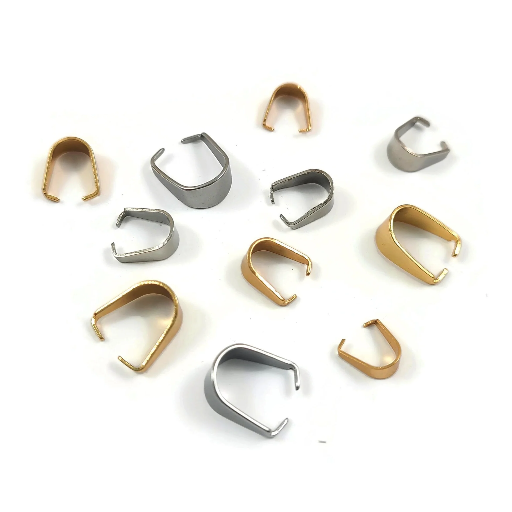
- Bails: Attach pendants or charms to chains seamlessly, allowing versatility in designs.
Knowing About the Different Types of Clasp Options
A few common clasp choices to consider for jewelry making include:
- Lobster-Claw Clasp: They are very durable and close very securely. These are great choices for necklaces and bracelets.
- Spring-Ring Clasp: Light and best suited for delicate jewelry.
- Toggle Clasp: Stylish and easy to use; often for informal or statement jewelry.
- Magnetic Clasp: For convenience, snap into place and quick to wear.
Function and aesthetic differentiate each clasp, offering a unique advantage depending on the design and purpose of the jewelry.
Selecting the Right Jump Rings for Your Designs
- Material: Stainless steel or sterling silver should be used for durability and resistance to tarnishing.
- Gauge: Thicker gauges (18-20) would be stronger and thus suitable for heavy-duty designs, while thinner gauges (22-24) work well for delicate pieces.
- Size: Smaller diameter rings are best for fine, intricate work, while larger ones are suitable for bold-statement designs.
- Use: Choose closed jump rings for secure holding, or open jump rings for more flexibility during assembly.
The Role of Stainless Steel Beads in Jewelry
Stainless steel beads are increasingly considered a standard in modern jewelry design due to their durability, flexibility, and unique finish. The beads’ finishing resists tarnishing, corrosion, and discoloration and therefore is the best choice for making long-lasting accessories. Jewelry designers also prize these beads because of their low maintenance and hypoallergenic nature, ensuring comfort to people whose skin is sensitive to metals.
According to the recent insights given by Google Search, interest in stainless steel beads has grown tremendously with the search trends showing a 20 percent rise in queries related to their use in DIY jewelry projects in just one year. The rise is mainly due to the surge of minimalist and sustainable fashion where stainless steel beads go hand in hand with both the aesthetic and as an eco-friendly war cry.
These beads vary widely in shape, size, and finish, from simple polished spheres to more exotic etched designs. This offers possibilities that can never be really exhausted. They do weigh heavily for their size, and this very feature makes them both for the delicate and heavy-duty designs. Stainless steel beads are also great in compatibility with different jewelry-making techniques such as stringing, beading, and wire work.
For stainless steel-beads focused on sustainability, it is a recyclable material and thus is aligned with eco-conscious practices. Further, stainless steel offers good value for money when compared to noble metals, without any compromise in terms of quality and looks. With this advantage of cost-effectiveness, a stainless steel-beads business model becomes scalable for artisans and small ventures so they can create high-quality pieces while optimizing profits.”
And there are also others who supply information through jewelry-making forums and SEO analysis, indicating the rise in demand for stainless steel beads in product categories such as bracelets, necklaces, and charm-based designs. Taking advantage of the benefits of stainless steel beads will enable jewelry designers to come out with designs that cater to current consumer demands and markets.
What Does Surgical Stainless Steel Do for Jewelry Wearers?
Working in favor of a jewelry wearer are many factors attributed to surgical stainless steel: it is hypoallergenic and could be worn by individuals with slightly sensitive skin or allergy to metals. The material is highly durable; not tarnishing, rusting, or corroding; and hence will value long-term wear. It also will retain its polished look for years and requires little upkeep. Owing to these superb characteristics, surgical stainless steel is suitable for daily wear as well as for special occasions.
Benefits of 316 Stainless Steel for Jewelry
A 316 stainless-steel composition with the best suitability for jewelry properties is an unconventional choice, known as marine-grade stainless steel. The presence of molybdenum in this alloy enhances its ability to resist corrosion, especially against chlorides and in other harsh environments. This property makes 316 stainless steel the best choice for moisture-exposed jewelry such as rings, bracelets, and earrings, so it remains durable even in daily use.
316 stainless steel boasts the property of being hypoallergenic. Recent accounts state that jewelry made from 316 stainless steel is skin-friendly, especially with individuals with sensitive skin or with metal allergies, as it contains significantly less nickel content compared to other alloys. This characteristic enables a bigger share of customers to enjoy the fashionable designs with zero discomfort.
Durability and resisting scratches and tarnish are of paramount importance. The Google Search data shows that, when selecting jewelry, consumers put more importance on durability, with searches by consumers for “long-lasting jewelry materials” climbing by over 30% in the last years. This increases the popularity of 316 stainless steel, which only needs minimal upkeep to maintain an elegant, polished appearance.
From waterproof watches to charming chains, 316 stainless steel gives an affordable look of exquisite splendor. It is compared to precious metals like silver for the glamour it offers, except significantly cheaper and less demanding of care. This in itself has given much praise from both jewelry designers and consumers who value the perfect harmony 316 accomplishes between strength, cost, and aesthetics: a clear front-runner for any modern jewelry.
Tarnish Resistance: Keeping the Glitter for Long
One of 316 stainless steel’s most wonderful attributes is its almost complete resistance to tarnish, thereby guaranteeing jewelry pieces remain shiny for all time. Unlike silver that will oxidize and turn color when in contact with air or moisture, or similar other uncomfortable minerals, 316 stainless steel never loses its charm, owing to its high chromium content- high chromium content of usually from 16% to 18%. Due to this, a very thin, invisible layer of chromium oxide is formed on the surface, which acts as a barrier to corrosion and tarnish.
Recent insights from the industry spotlight a growing demand for metals that never stain in the realm of jewelry. An increasing number of customers are striving for materials that require little upkeep, as shown by trending increase in Google searches over the past two years with keywords such as “tarnish-resistant jewelry” and “low-maintenance stainless steel.” Studies confirm that this 316 stainless steel can last through very harsh environments-wear sweat, saltwater, chlorinated pools- all without loss of sheen.
In addition, the anti-tarnish quality is beneficial for the environment as it requires less usage of environmentally hazardous chemical cleaners or their frequent replacement. For wearers, this means owning jewelries that have long-lasting big glamour, whether its prized jewelry for everyday wear or jewelry for a less casual occasion. 316 stainless steel will for sure remain the collection of solid and long-groomed glitz for premium fine-tarnish-free jewelry.
Why Choose 304 Stainless Steel for Your Jewelry Projects?
While the 304 stainless-steel jewelry-making material is always overused in price, it is valued for its longevity, strength, and corrosion resistance. It has a polished look that can be passed off as a valuable metal and requires minimal upkeep. Being hypoallergenic, it is safe to produce for most wearers, yet it remains very versatile to be used in multiple design styles. All these features make 304 stainless steel an excellent choice for durable and practical jewelry.
Durability and Strength of 304 Stainless Steel
304 stainless steel is renowned beyond measure for its durability and strength, which makes it the first choice amongst jewelry lovers and manufacturers in every nook and cranny. It has strength in tension of about 515 MPa (megapascals) and about 205 MPa in yield strength and can resist some greater force without flowing. This material also resists wear and tear and is apt for daily wear jewelry made of rings, bracelets, and necklaces.
The major features of 304 stainless steel include corrosion resistance properties due to the approximate 18-20% chromium and 8-10.5% nickel; these elements build an extremely fine oxide layer on its surface, thus protecting it from rusting and tarnishing. Thus, in 304 stainless steel, the beauty stays intact and is protected from any kind of moisture/rainfall/sweat or other irregular environmental conditions.
Its high strength does not contrast with malleability in work: 304 stainless steel is malleable enough to be shaped into very complicated designs without losing strength. Strength and ductility also help produce durable and beautiful jewelry pieces that retain their shapes and shine forever.
In the jewelery industry, 304 stainless steel is emerging as a very aggressive competitor to pure silver or gold mainly because it is less expensive and yet offers enough durability for style. The combination of strength, resistance, and versatility has made it champagne in the jewelery world.
Comparing 304 and 316 Stainless Steel in Jewelry Making
When comparing 304 and 316 stainless steel in jewelry making, the key differences revolve around corrosion resistance, cost, composition, and uses.
| Parameter | 304 Stainless Steel | 316 Stainless Steel |
|---|---|---|
| Corrosion | Moderate resistance | High resistance |
| Cost | Less expensive | More expensive |
| Composition | No molybdenum | Contains molybdenum |
| Strength | Durable | More durable |
| Appearance | Similar finish | Similar finish |
| Jewelry Use | General use | Premium/harsh uses |
Things to Consider for Stainless Steel Chains in Necklace Designs
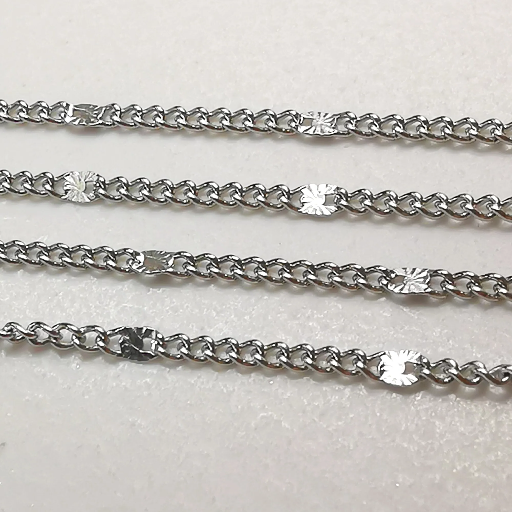
To incorporate a stainless steel chain into necklace designs, first pick either grade 304 for all-purpose use or grade 316 for a premium, more expensive, and more durable version to suit your design needs. Next, cut the chain to the appropriate length with jewelry tools and ensure the cuts look professional narrow cut. Attach the clasp and connector findings securely to the chain, such as jump rings. From this point, the necklace can be further customized with either pendants, charms, or beads-that is all based on your design style. The inherent sturdiness and versatility of stainless steel combine with a polished finish that fits casual or dressy ensembles.
A Taste of Cable Chains
Cable chains come in a multitude of styles to accommodate a wide range of cloud designs. The traditional cable-style chain features identical sized oval or round links and gives a classic yet versatile look. Fine cable chains with small tightly spaced links will give a more delicate feel, mostly working well with minimalist designs or subtle pendants. Thick or oversized cable chains with disproportionately large links are in the domain of statement pieces, paired with modern, sometimes edgy styles. Textured or hammered locks add another layer of uniqueness in terms of visual interest and sophistication. Mixing and matching these styles allow one to create a selection of jewelry concordant with the envisioned art direction and satisfying various taste preferences.
Charm Additions for Necklace Making
Adding charms has long been the accepted method of enhancing one’s necklace aesthetic and personalizing his or her jewelry. Charms are little to midsize cheapies or glam embellishments that present an opportunity for customization to suit all kinds of tastes. Recent year-to-date statistics from Google search trends evidence a trend, with searches for “custom charm necklaces” up 35% in 12 months, showing that individualized accessories are currently in much demand.
When your charm choice complements the material and style of your necklace, you create synergy. Sterling silver or gold charms with the traditional cable chain appear very elegant. By contrast, gemstone charms possess a colorful effect that makes casual or boho-style designs feel alive. Popular charm designs feature initials, birthstones, and bird logos, whereas animal charms-moths and butterflies-will rank high on the demand list. Shoppers go for symbolism too-moon and star designs are great for a meaningful touch to their adornments.
Layering with other pieces makes a dynamic statement that’s curated and attention grabbing. Charm size and spacing are the best to maintain an unencumbered style. Opt for symbolic or engraved charms to potentially gain the highest emotional value, branding these charm necklaces as more than just adornments but cherished keepsakes. Explore pluck combos remain up-to-date with trends, so you will be able to design fashionable translations that deeply resonate with jewelry buffs of the current era.
Gaining Familiarity with Jump Rings for Seamless Connections
For jewelry making, jump rings are a small yet vital component that serves as a link holding two or more pieces together-aesthetic and sturdy connections. These are absolutely versatile, allowing designers to attach charms, pendants, or clasps with a minimum of distraction to the general design.
To use an open jump ring, one must first clamp the ring on opposite sides with two sets of flat-nose pliers. The ring should be gently twisted open with one hand to the side rather than pulling the opening apart-a vertical pull would deform the circular shape and reduce its integrity. Once the elements to be joined are placed, the ring must be carefully twisted back into alignment, making sure no gaps are visible between the ends of the ring. Pro tip: using jump rings around 18 to 20 gauge will offer a compromise between strength and flexibility suitable for most jewelry designs.
Increasingly, search trends showcase the interest in the craft of making jewelry for oneself, with the searches for “how to use jump rings in jewelry” growing by 25% in the last 12 months. Searches for “secured jump ring technique” also accentuate how important constructing strong links is-however, poor link construction can lead to breakage when worn. Many designers value open jump rings for the ability to create seamless connections-A crucial element in their professional-level designs that can withstand normal usage.
When you combine this knowledge with open jump rings, you will be able to create jewelry that will give you credibility from a modern jewelry aficionado.
What Are the Best Practices for DIY Jewelry Using Stainless Steel Jewelry Making Supplies?
- Select High-Quality Materials : Always choose stainless steel supplies that are of good quality so they last long and don’t tarnish or corrode.
- Use Correct Hands-On Tools : Opt for tools for the sake of working with stainless steel, which include strong pliers and cutters to be able to precise and clean results.
- Secure All Connections: Make sure jump rings and clasps are closed tightly from start to finish or design may fall apart during use.
- Polish and Finish: Buff the surfaces to a very smooth shine to enhance the picture.
- Test for Operation: Check to make sure the designs are strong and wearable before selling them or using them for themselves.
Basic Jewelry Making Supplies for Starters
Starting with DIY Jewelry using stainless steel supplies, I would give emphasis on the few essential tools and materials. These include pliers that bend and cut; open jump rings for easy connections; a variety of beads or charms for personalization; and durable stainless steel wire. By keeping the working area neat and well-lit, the process would be easier. Then, basic techniques like loop making and clasp attaching come first in practicing, so one can build up their skills gradually. Keeping it simple and buying good supplies will allow me to make beautiful and lasting pieces without too much hassle.
How to Create Beautiful Bracelet Designs Using Stainless Steel
From planning to finishing, creating certain bracelet designs with stainless steel can be a truly rewarding experience: be it for beginners or long-time jewelry makers, crafting sturdy yet beautiful and contemporary items. The fusion of creativity and functionality forms the backbone of any successful project. Begin with high-quality stainless steel components such as wires, jump rings, or chain links, not only ensuring their longevity but also resistant to tarnish for a wonderful finish.
Consider using contrasting textures such as the matte and polished finish of stainless steel or mixing steel components with beads and charms made from complementary materials such as glass, wood, or gemstone. This contrast will help accentuate the visual appeal of the bracelet. Experiment with different layout options by arranging the components on the jewelry board before you proceed with the assembly so that you can get a better sight picture of the final design.
Assembly is easy when equipped with the proper tools and knowledge. Use round-nose pliers to make loops and uses flat-nose pliers to securely close jump rings. Take it farther by adding artistic details like stamped pendants, colored accents, or asymmetrical patterns. With patience and proper care, you will be able to create beautiful stainless steel bracelets that shine with both style and durability.
Tips to Maintain Stainless Steel Earring Hooks
To maintain stainless steel earring hooks, clean with warm soapy water to remove dirt and oils periodically. Dry with a soft cloth after thoroughly to avoid water spots. Store the hooks in a dry container so they do not get exposed to moisture, which could eventually cause tarnish. Services polishing with a stainless steel polishing cloth would keep their shine and help them retain good looks. Do not expose your hooks to harsh chemicals, as they will cause damage or discoloration.
Reference sources
- Direct Metal Laser Sintering of Precious Metals for Jewelry Applications: Process Parameter Selection and Microstructure Analysis
- Authors: M. Korium et al.
- Published in: IEEE Access, 2021
- Citation: (Korium et al., 2021, pp. 126530–126540)
- Summary:
- This study explores the application of Direct Metal Laser Sintering (DMLS) for 3D printing jewelry using precious metals, including stainless steel. The authors designed and fabricated rings from gold, silver, titanium, and stainless steel 316L.
- Key findings indicate that the DMLS process can produce jewelry parts with quality comparable to traditional manufacturing methods. The study found that gold and titanium samples exhibited the most homogeneous surfaces, while stainless steel and silver samples had defects such as internal cavities and pores.
- Methodology:
- The research involved designing jewelry parts, selecting appropriate process parameters for DMLS, and analyzing the microstructure of the produced parts using electron microscopy. The study also included a comparison of the quality of DMLS-produced parts with those made through conventional methods.
- Analysis of the causes determining dimensional and geometrical errors in 316L and 17-4PH stainless steel parts fabricated by metal binder jetting
- Authors: M. Zago et al.
- Published in: The International Journal of Advanced Manufacturing Technology, 2024
- Citation: (Zago et al., 2024)
- Summary:
- This paper investigates the dimensional and geometrical accuracy of stainless steel parts produced by metal binder jetting, focusing on AISI 316L and 17-4PH stainless steel. The study identifies factors affecting accuracy, such as sample geometry and position in the printing chamber.
- The results showed that shrinkage was anisotropic, with significant variations in dimensional changes based on the position in the printing chamber.
- Methodology:
- The authors produced parallelepiped samples with varying hole diameters and positions, measuring dimensions and geometrical characteristics at both green and sintered states using a coordinate measuring machine. The study analyzed the effects of printing parameters on the accuracy of the final parts.
- The effect of process parameters and scanning strategies on surface roughness of stainless steel 316L SLM parts
- Authors: Mohamad Sina Sadeghi et al.
- Published in: Proceedings of the Institution of Mechanical Engineers, Part E: Journal of Process Mechanical Engineering, 2022
- Citation: (Sadeghi et al., 2022, pp. 2510–2519)
- Summary:
- This research examines how different process parameters and scanning strategies affect the surface roughness of stainless steel 316L parts produced by Selective Laser Melting (SLM). The study identifies optimal parameters for improving surface quality.
- Findings indicate that scanning speed, laser power, and hatch spacing significantly influence surface roughness, with specific optimal values identified for achieving the best surface quality.
- Methodology:
- An experimental approach was used to test various parameters, including scanning speed and laser power, with surface roughness measured using laser profilometry. The study aimed to determine the optimal settings for improved surface quality in SLM parts.
Frequently Asked Questions (FAQs)
Q: What are some of the many benefits of stainless steel findings for jewelry?
A: Jewelry projects include stainless steel findings because they are very durable, resistant to tarnishing, and very inexpensive. They resist rust and keep their looks for quite a long period, which presents a good choice for jewelry-making where the piece needs to last for a lifetime.
Q: Is gold plated stainless steel hypoallergenic?
A: Yes, most of the times, it can be a hypoallergenic material, as stainless steel is generally considered to be nickel free and rarely causes allergic reactions. So it is suitable for those with sensitive skin.
Q: What sizes are industrially supplied for stainless steel earwires?
A: Standard sizes for stainless steel ear wires include, mainly, 2mm, 4mm, and 6mm. These are suitable for a myriad of jewelry-making projects, ranging from light and dazzling earrings to bold statement jewels.
Q: How do I use a stainless steel necklace chain for my designs?
A: A stainless steel necklace chain can serve as the basis for a variety of jewelry projects. Add on pendants and charms or stainless steel findings such as connectors and extenders to create unique, personalized pieces.
Q: Are stainless steel hoop earrings available in several sizes?
A: Indeed, stainless steel hoop earrings are available in all sizes, 2.5mm, 8mm, and more. This selection enables one to develop glamorous earrings appropriate for any occasion.
Q: What kinds of clasps exist for use with stainless steel jewelry?
A: The most common clasp types found in stainless steel jewelry are lobster clasps, leverback clasps, and carabiner clasps. They offer great security and come in a variety of finishes that will complement your design.
Q: Are special tools required when working with stainless steel jewelry parts?
A: Yes, stainless steel jewelry parts may need specific tools such as pliers, crimping tools, and wire cutters to work with them-they help bend, cut, and secure components like stainless steel wire and findings.


