In every industry, many materials are used; among them, copper has very good properties such as conductivity, hardness, and ductility. These properties and characteristics are diverse within its different grades, which help to make better-performing copper products. In many cases, buyers and users anticipate which of the copper grades, either copper 101 or copper 110, is the most appropriate for a given application; this article not only mentions but also explains what is the difference between copper 101 and copper 110. Describing various peculiarities associated with copper grades 101 and 110, typing out differences, similarities, and a brief how-to-use guide in the application of each grade as well. Categorically, this article gives highlights on various aspects of both copper defects in terms of material and manufacturing, as well as their specific applications in order to improve material design and use in the most appropriate approach.
What is Copper 101 and How is it Used?
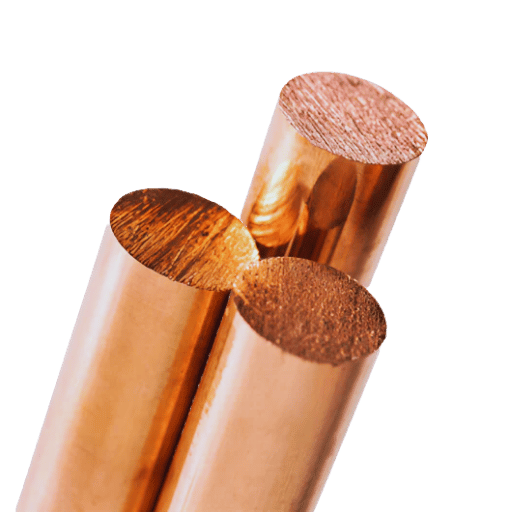
When one hears “oxygen-free electronic copper” or Copper 101, it refers to copper with a maximum impurity content of one-hundredth percent or less and for the dryness of the metallic particles, this content is made close to zero. In such cases, copper is sometimes preferred because there is no dissolved oxygen in the metal. In this particular case, conductive and anti-corrosive metal is made by the removal of most of the oxygen from the metal. Copper of this refining grade is frequently employed in infrastructure that demands effective electrical conductance and heat transfer, for instance, electrical cables, sockets, and gadgets in high-frequency gear. These properties, along with effective engineering properties of this refining grade, make it ideal in many applications, e.g., in the electronics field, the communication industry, as well as the aircraft industry.
Characteristics of Copper 101
Copper 101, which is otherwise known as Oxygen-Free Electronic Copper, is a form of copper that is about 99.99% pure with very good electric and heat conductivity, strong malleability, and a very low level of oxygen.
Applications Requiring Copper 101
- Equipment for Radiofrequency Connectors, Microwave Circuits, and other electronic equipment of high frequencies.
- Busbars and electric cables in industries and power supply systems.
- You have applications with semiconductor devices manufacturing with a strict requirement for a low level of contamination.
- The equipment and its parts are used in the case of vacuum processes because of the low outgassing levels in a vacuum.
- Air and Space designs where conductive materials are critical.
- Uses that are in galvanization with electrodes and an anode because of the high alloy’s cleanness.
- In use in superconducting systems and cold systems in general performance of thermal nature is effective.
- To use in medical tools and high-accuracy devices that have non-degrading components.
Machinability of Copper 101 in CNC Machining
Copper 101 in CNC machining earns its praise not only for the purity of the material but also for its properties it which make it highly machinable. It is soft and malleable, hence the cutting, drilling, and shaping processes work efficiently without any wear on the cutting tools. Current industry reports show that Copper 101’s machinability comes out to approximately 20%, best in benchmarking towards free machining brass at 100% machinability. During the machining process, the use of sharp cutting tools, appropriate cutting speeds between 200 to 500 SFM, and proper lubrication is recommended to avoid excessive heat generation. Furthermore, such material has high thermal and electrical conductivity, enabling the stringent fabrication of detail-specific or highly accurate components.
What is Copper 110 and How Does it Compare?
Defining Copper 110
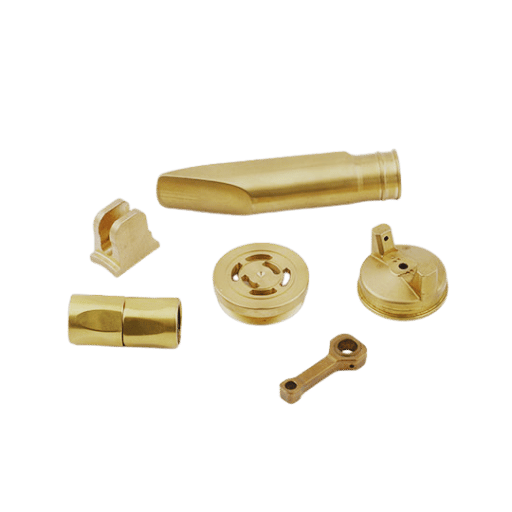
Copper type 110 refers to Electrolytic Tough-Pitch Copper (ETP), which has a standard electric conductivity and thermal conductivity approximately good copper as it has no other alloy elements.
Comparative Analysis: Copper 101 vs Copper 110
One is purer and more conductive, the other is cheaper, better for machining, and easier to deform
|
Parameter |
Copper 101 |
Copper 110 |
|---|---|---|
|
Purity |
99.99% |
99.9% |
|
Conductivity |
>101% IACS |
~100% IACS |
|
Hardness |
70-90 HB |
45-60 HB |
|
Strength |
250-350 MPa |
150-220 MPa |
|
Ductility |
Limited |
Good |
|
Machinability |
Excellent |
Good |
|
Corrosion |
Good |
Excellent |
|
Thermal Cond. |
Superior |
Excellent |
|
Applications |
Precision, RF, Aero |
General, HVAC, Elec |
|
Cost |
Higher |
Lower |
Common Applications of Copper 110
Copper 110 is usually applied in electrical component manufacture, plumbing, roofing, architectural aspects, automobile, and telecommunication industries.
|
Parameter |
Details |
|---|---|
|
Conductivity |
High (101% IACS) |
|
Corrosion |
Resistant |
|
Ductility |
Excellent |
|
Applications |
Electrical, Plumbing, Roofing, Architecture, Automotive, Telecom |
|
Forms |
Sheet, Bar, Wire, Plate, Tube |
|
Standards |
ASTM B152, B187 |
|
Welding |
Limited use |
|
Melting Pt. |
~1950°F |
Differences Between Copper 101 and Copper 110

Mechanical Properties of Copper 101 and 110
Copper 101 and copper 110 represent mostly copper with good electrical conductivity, plasticity, and corrosion stability. It has 200…400 MPa yield strength, and has good thermal characteristics.
|
Property |
Copper 101 |
Copper 110 |
|---|---|---|
|
Tensile (MPa) |
200-360 |
200-400 |
|
Proof Stress |
50-340 |
50-340 |
|
Elongation (%) |
5-50 |
5-50 |
|
Hardness (HV) |
40-110 |
40-120 |
|
Density (g/cm³) |
8.92 |
8.92 |
|
Conductivity |
100% IACS |
100% IACS |
|
Thermal Cond. |
391 W/m.K |
391 W/m.K |
|
Machinability |
20% |
20% |
Electrical and Thermal Conductivity: Copper 101 vs 110
Copper 101 material can be considered a slightly purer (99.99%) and a little less conductive than copper 110, which is manufactured to 99.9% and is more ductile and cheap.
|
Parameter |
Copper 101 |
Copper 110 |
|---|---|---|
|
Purity |
99.99% |
99.9% |
|
Oxygen Content |
<0.0005% |
~0.04% |
|
Electrical Cond. |
>101% IACS |
~100% IACS |
|
Thermal Cond. |
Excellent |
Very Good |
|
Strength |
250-350 MPa |
150-220 MPa |
|
Hardness |
70-90 HB |
45-60 HB |
|
Machinability |
Challenging |
Easier |
|
Corrosion Resistance. |
Good |
Better (Patina) |
|
Cost |
Higher |
Lower |
|
Applications |
High-tech, RF, Aerospace |
Electrical, Plumbing, Industrial |
Corrosion Resistance and Durability of Both Alloys
In terms of corrosion resistance, Alloy 1 demonstrates good properties, which makes it appropriate for conditions in which the material is to deteriorate very little. The corrosion performance of the alloy is slightly less than Alloy 2, which forms a protective layer as it ages. Such a coating protects the surface from harsh climatic conditions, thus preserving its functionality in more aggressive settings. Consequently, Alloy 1 is more favorable where accurate and clean working is necessary, in contrast with Alloy 2, which is more economical and resistant to working and other diverse conditions.
Choosing the Right Copper Alloy for Your Project

Factors to Consider When Selecting a Copper Alloy
- Mechanical Attributes: Relative to the task at hand, determine the amount of strength, hardness, and deformability that is wanted. Choose an alloy that corresponds to these mechanical qualities.
- Anti-Corrosion: Evaluate the exposure scenarios of the alloy, such as humidity, chemical contact, and change in temperature, to ascertain its ability to resist corrosion satisfactorily.
- Conductivity: In cases where the application requires electricity to be conducted or heat to be transferred, assess the conductive nature of the alloy for effective use.
- Cheapest Way: Consider the performance requirements as well as the available resources to determine which material and how much processing thereof will fall within acceptable limits.
- Ease of Machining and Workability: If the work has any specific requirements, the ease with which the alloy can be manipulated, that is, worked on, either by machining or manufacturing, has to be determined.
- Service Life: Consider the requirements for durability over time, including resistance to wear and preventability of use, in the analysis.
- Design Considerations: Include the finish, color, and the ability to sustain the look that is designated for the alloy if other designs are needed.
- Applicable Sector: Also, the alloy selected should take into consideration any applicable sectors.
- Revolving Environment: Any sustainability concern always awakens the need for an evaluation of the reusability and the total environmental impact of even the alloy itself.
- Resource and Sourcing: Assure that the alloy is available and determine whether any sourcing risks might affect acquisition or delivery.
Copper Alloy for Electrical Applications
- Despite having a Katawana Environment: Electrical conduction levels of copper alloys are high and make them indispensable in applications, where current has to be transferred from one point to another with as little resistance as possible.
- Naturally Thermal Control: These alloys also have impressive thermal conductivities, which are important in cases where the generation of heat is inevitable for functioning.
- Hairy Lustres: A lot of copper alloys have qualities that protect against corrosion of materials for longer, protecting components from adverse conditions for a long time.
- Strength of Materials: Copper alloys in disciplines of application offer their strength while maintaining light weight, which is why they are designed to construct structures that will be subjected to stress.
- Malleability: However, these materials score high in elasticity by enabling the forming of intricate components with ease without causing damage.
- Foundation: Keep the body straight and the elbows and the Satisfactory roof, among others, include high maintenance.
- Resistance to Creep and to Fatigue: These elements can endure fatigue and high temperature, which is quite advantageous as it assists in eliminating degradation.
- Adaptability: The copper excreted is also available in several compositions, and this allows the creator of an electrical system to opt for certain materials according to design and operational requirements.
Cost-Effectiveness and Availability of Copper 101 and 110
The most commonly used copper grades for flat stock, Copper 101 and Copper 110, are economically wise alternatives due to their abundance. In other words, they answer what is the difference between copper 101 and copper 110 in a positive way: they are available, therefore there are no supply constraints, and they require less frequencies of replacements because they can conduct heat and electricity charges without distress. Their coexistence in one commodity effectively ekes out both Neville Barnett’s and Red Box’s challenges within the given budget.
Benefits of Using Copper CNC Machining Services

How CNC Machining Enhances Copper Component Production
Increased accuracy and reproducibility of the component production process are achieved with copper CNC machining, which allows for meeting strict tolerances in complex geometries. It helps save on material and time since all cutting, forming, and drilling operations are performed automatically. Besides, it virtually eliminates human intervention and allows for consistent output, which makes it appropriate for large production volumes. It can be used for almost any design, which guarantees that the advantages of copper, namely its conductivity and durability, are fully explored in the products made.
Advantages of CNC Machining in Creating Complex Copper Parts
- Accuracy: The distilled perfection of designs, especially those crafted from copper, enables CNC machining to achieve strict dimensional tolerances with ease.
- Reproducibility: CNC machining, which facilitates mass production of complicated copper components, gives the advantage that each product is a replica of the first set of elements.
- Optimization: Cutting, shaping, and drilling, among other processes, are carried out without removing the material and manually realigning it, thereby decreasing the production time.
- Reduction of Materials: Advanced software determines the best place to make the cuts and shapes, thus reducing the amount of material used.
- Design and Assembly Tolerance: Conformable to Prototype and Special Environments, CNC Machines Engage in Complex and Physically Slightly Variable Designs.
- Improved finish: CNC components come out better and smoother thanks to the use of enhanced tools and settings. As a result, the amount of work done after the parts are machined is lower.
- Adherence to Copper’s Unique Features: As hypothesized, the process permits the good conductivity, processability, and strength of copper to be intact in the end product.
- Minimization of Human Mistakes: Automated operation guarantees a certain standard and does not depend on any influence of manual handling.
- Economical in Mass Production: Once the equipment is deployed, though costly initially, CNC machining proves to be economical for mass volume production.
- Resilience: CNC machines also assist in bringing about other processes such as milling and turning/lathe operations, which produce more readily made and snake-like products.
Finding Reliable Copper CNC Machining Services
When seeking out a reliable copper machining company, it is important to look for companies that have experience with copper content and machines. Also, pay particular attention to their precision machining, quality assurance level, and equipment to determine if they can meet the copper requirements. Look into their ISO 9001 or other quality standards to validate their peerless quest for quality, and also commendations from other client cases or testimonials to evaluate their performance. In addition to this, make sure that they offer good customer service, reasonable costs, and fast completion times to satisfy your manufacturing requirements.
Frequently Asked Questions (FAQs)
Q: What are the chief distinctions between Copper 101 and Copper 110?
A: Copper 101 is recognized for being oxygen-free, providing excellent electrical conductivity, and being used where high conductivity is required. Electrolytic Tough Pitch (ETP) copper is what Copper 110 is known as, bearing a slight amount of oxygen that may affect conductivity, but in doing so, makes it easier to machine than Copper 101.
Q: What exactly is C101 copper, and how does it differ from C110 copper?
A: C101 Copper is a so-called oxygen-free copper, with nearly zero oxygen content it, allowing for excellent electrical conductivity and good machinability. C110 Copper, or ETP copper, contains a minor amount of oxygen and so is easier to machine but suffers a slight drop in electrical conductivity versus C101.
Q: Why is Copper 101 preferred for electrical components?
A: C101 Copper is usually favored for electrical components because of its purity and its excellent electrical conductivity, rated at 101% IACS (International Annealed Copper Standard). The oxygen-free nature of C101 ensures there is no loss of conductivity among the few other copper materials tested.
Q: How does the oxygen content affect the properties of Copper 110?
A: The oxygen content in Copper 110 (ETP copper) forms a protective layer good for machinability. The oxygen content can impede conductivity very slightly in comparison to an oxygen-free copper, like C101. However, its use is very widespread because of this well-balanced feature of good conductivity and good machinability.
Q: What applications are suitable for Copper C101?
A: Copper C101 is suitable for applications that demand high conductivity and purity, such as electrical components, wiring, and electronic connectors. It is perfect for situations that require top-notch electrical conductivity and ductility, where performance and reliability are imperatives.
Q: How does the tensile strength of Copper 101 compare to Copper 110?
A: Due to its purity and lack of oxygen content, Copper 101 has a comparatively higher tensile strength than Copper 110, making it preferable where mechanical strength and excellent conductivity are required.
Q: What is the advantage of machining C110 Copper?
A: The small amount of oxygen in C110 Copper allows the formation of an oxide layer, which helps machining, thus offering great machinability. This makes the machining process easier with C110 Copper compared to the purer C101 Copper, which is beneficial for applications where machining forms a significant part of production.
Q: Is C101 Copper commonly used in electronic applications?
A: Because of its good electrical conductivity and low oxygen content, C101 Copper is widely used in electronic applications. These characteristics make C101 Copper ideal for producing high-performance electronic components that require efficient electrical transmission.
Q: How does the electrical conductivity of Copper 101 and Copper 110 compare?
A: Copper 101 has superior electrical conductivity and is rated at 101% by IACS, primarily because of being oxygen-controlled; thus, it becomes highly suitable and is used in electrical applications. The Copper 110 still has good electrical conductivity, but the small amount of oxygen in it slightly reduces conductivity.
Reference Sources
1. The dynamics and catalyst action of water gas-shift employing a Cu(110) surface and Cs-enhanced Cu(110) surface compared with Cu(111) has been elucidated.
- Authors: J. Nakamura, J. Campbell, C. Campbell
- Year of Publication: 1990
- Abstract: This paper reports structural dependence of the water-gas shift reaction on the metallic copper surface, and comparisons are made between the reaction kinetics on the Cu(110) surface and the Cu(111) surface. Cu(110) is active for this reaction to a remarkable extent than Cu(111), with the apparent activation energy being low due to variation in surface structure. For this reason, the study focuses on the elevation of catalytic activity through a shift in the surface orientation(Deriving from Nakamura et al. 1990, pages 2725–2734).
2. Elimination of Priority Hazardous Metals from Pharmaceutical Waste through Nanocomposite Fe3O4/ZnO
- Authors: J. Mathew and Others
- Date of Publication: 2024
- Abstract: The primary topic of this publication is the removal of metal ions from incoming sewage. However, this paper does mention metal surfaces, including copper, and their adsorption properties. An array of characterization techniques is employed to assess the performance of the adsorbent nanosmnaterials. In this way, indirect information on the surfaces and metals is also present (Mathew et al., 2024).
3. Research paper title: Superniobium Electroplating in V-Ti, Mo, and Al-containing Systems
- Authors: Wei Xu et al.
- Date Published: 2025
- Rundown: The research focuses on cobalt deposition on copper, in particular on Cu(110) and Cu(101) surfaces. The paper details the effect of the structure of the surface on the coating and the characteristics that are obtained. It is shown that the orientation of the surface places a great constraint on the adsorption of the additives, making the growth of the cobalt a function of the surface on which it grows (Xu et al., 2025).
4. Electrical resistivity and conductivity
5. Copper