


Having the right tools has always been a necessity to achieve perfect welds. And of all the tools, the plasma cutter is almost a magic wand marred by precision, speed, and versatility for all kinds of cutting requirements. Therefore, with an overwhelmingly large number of choices in the market, selecting the plasma cutter of your choice seems a little daunting. This guide breaks down the primary considerations for buying a plasma cutter to assist you in making an informed decision. From power levels to cutting capacities, we will explain every bit needed to pair the correct plasma cutter with your welding projects.
Understanding Plasma Cutting
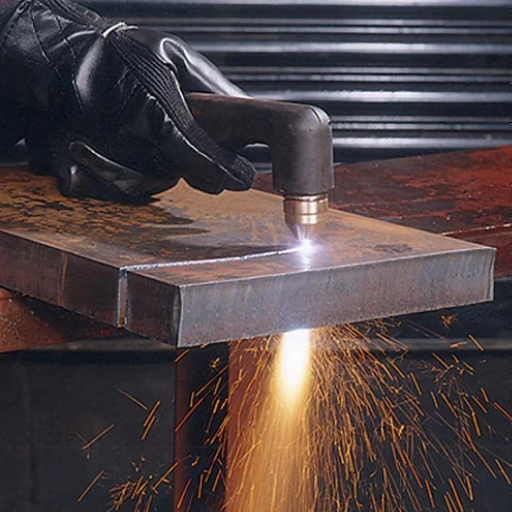
Plasma cutting is slicing electrically conductive materials like steel, aluminum, or brass with a high velocity jet of ionized gas or plasma. Plasma is formed by heating gas to extremely high temperatures, providing an energized and concentrated energy source that can melt metal. Compressed air blows the melted metal away, enabling a precise, clean cut. It is adored for speedy cuts and accuracy, which can come through with many variances in thickness-everyday needs for plasma cutting in industrial and fabrication facilities.
What is Plasma Cutting?
Plasma cutting is an ultrafast way of cutting electrically conductive materials through an accelerated jet of hot plasma. The arc is established between the electrode and the work, ionizing its gas to form plasma. The plasma temperature goes as high as 40,000°F, thus melting metals with the utmost precision, instantaneously alternating metals. The latest cutting developments use automated systems and CNC technology to enhance accuracy and versatility. Being able to cut steel, aluminum, and copper of varied thicknesses, plasma cutting has been a household name in construction, aerospace, and manufacturing industries.
How Plasma Cutting Works
Plasma cutting is a complex procedure that utilizes high-temperature plasma to melt metals. It involves breaking it down into a few major steps.
- Gas Supply: The first step of plasma cutting is to supply gas, usually compressed air, or nitrogen, into the system.
- Arc Initiation: Then, an electrical arc is formed between the negatively charged electrode and the positively charged workpiece. This arc generates intense heat that ionizes the gas and converts it into plasma.
- Plasma Formation: The gas gets ionized and turns into plasma, a highly conductive state where this superheated plasma can reach 40,000°F
Applications of Plasma Cutting
Generally regarded as a broad set of technologies, plasma cutting stretches across the industry spectrum. Here are five major applications of plasma cutting:
- Metal Fabrication
Plasma cutting is largely adopted in metal-fabrication shops for fast and accurate cutting and shaping of sheet metal, plates, and other components. It is useful for custom designs and complex cuts.
- Automobile Repair and Manufacturing
In this regard, plasma is indispensable in the automobile industry for cutting and modifying metal parts during repair or manufacturing. It can efficiently remove damaged sections, perform precise cuts for new assemblies.
- Construction Industry
Plasma cutting is used to cut structural steel, metallic pipes, and other materials used in building construction. The portability and speed offered by plasma cutting are among the essential factors on construction sites where this criterion is paramount. For the pipe-stock side of a cutting enquiry, compare steel pipe materials from Synbase Steel and specify the grade, wall thickness and outside diameter before selecting cutting parameters.
- Aerospace Sector
The manufacturing and repair of aircraft components require plasma cutting in the aerospace industry to achieve precision cutting of high-strength materials like aluminum and titanium with the highest quality and accuracy.
- Art and Sculpting
Artists and sculptors use plasma cutting to execute intricate designs in metal art and sculpture. Due to its compatibility with a variety of materials, plasma cutting lends itself to fine detail work and embraces creativity.
Types of Plasma Cutters
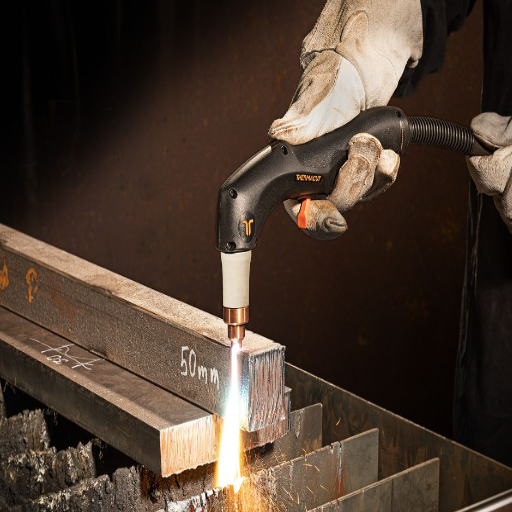
- Manual Plasma Cutters
These are handheld tools designed for minor cutting and precise tasks. They are portable and commonly employed in maintenance, repair, and on-site applications.
- Mechanized Plasma Cutters
These cutters are coupled with the automated systems, such as CNC machines, for mass production and consistent results. They are meant industrial use and large-cutting projects.
- Air Plasma Cutters
These plasma cutters use compressed air as plasma and cooling gas, rendering them cheaper and suitable for lighter materials and general purposes.
- High-Definition Plasma Cutters
High-definition machines present further occlusion and nearly perfect cuts on thicker materials. They are generally called for in industries demanding intricate and high-quality outputs.
Air Plasma Cutters
Air plasma cutting is a versatile tool loved by many industries for its cost-saving and ease-of-use attributes. Generating power from compressed air, it finds special use for cutting through conductive metals, including steel, aluminum, and copper. These cutters find application in general-purpose utilization, automobile repairs, general maintenance, and light industrial work. Though less precise than high-definition plasma cutters, these systems are worthwhile for many customers because of their relatively low prices, portability, and lower operational costs.
Pilot Arc Plasma Cutters
Pilot arc plasma cutters present state-of-the-art cutting systems that promote an arc formation when there is no direct contact between the cutter’s tip and the material of concern. This makes them very effective while cutting rusty surfaces, paint, or uneven surfaces where direct contact may prove challenging. Unlike standard plasma cutters, a pilot arc system reduces the contact between consumables, thus extending their life with lower maintenance.
- Key Features:
Non-Contact Arc Start: The ability to start a plasma arc without direct contact with the workpiece prevents contamination and enables consistent plasma cutting performance.
Versatile Material Compatibility: Able to cut metal conductors, steel, aluminum, copper, brass, and others with ease.
Cutting Thickness: Depending upon the model, pilot arc plasma cutters may handle thicknesses from 0.25 in (6 mm) to above 1 in (25 mm), suitable for light to heavy work.
- Performance Data:
Cutting Speed: The high cutting speeds give the pilot arc plasma cutters better performance than, for example, an oxy-fuel torch; a 40-amp plasma cutter cuts 3/8-inch (10 mm) steel at approximately 20 inches per minute (IPM).
Precision: Compared to other traditional methods, this method produces cleaner cutting with minimal slag, and thus, little or no secondary finishing process.
Durability: This system diminishes damage to electrodes and nozzles, increasing the consumable life by about 60% compared to conventional plasma cutting processes.
- Applications:
Pilot arc plasma cutters are robust and versatile. They are used in many industries, including automotive repairs, metal fabrication, and construction. These cutters are perfect for any task requiring flexibility, like repairing farm equipment, erecting structures, or outdoor projects where surface rust or paint is the norm.
With a balance of efficiency, price, and dependability offered by pilot arc plasma cutting, every professional metalworker and layman will find it a worthwhile tool.
CNC Plasma Cutting Systems
More and more, CNC plasma cutting machines are considered an overhaul in precision metal cutting via automation with CNC technology. Such machines allow operators to cut intricate and consistent designs in metals with accuracy that cannot be obtained manually. Mainly used in manufacturing, automotive, and aerospace, CNC plasma cutting machines use software that reads a digital design and guides the plasma cutter’s exact path. This control minimizes material loss, guarantees the consistency of many productions, and dramatically increases working speed. Anywho, a CNC plasma cutting machine will now be a ticket to the dream if one is looking for a sure-shot way of dealing with intricate metalwork.
Choosing the Right Plasma Cutter

Below are some key elements and details when selecting a plasma cutter:
- Working Material and Thickness: Decide what types of material you will be cutting and their maximum thickness. Different plasma cutting machines have different cutting capacities; hence, select the one that suits your potential cutting requirement.
- Power Output: Check the plasma cutter’s amperage output and ensure the power is adequate to provide the desired quality and speed of cuts.
- Portability: If the machine is supposed to move around, look for small and lightweight models.
- Duty Cycle: The machine’s duty cycle represents how long it can be used before cooling off. Higher duty cycles are required for heavy or prolonged use.
- Cutting Speed: If you choose a plasma cutter accordingly, fast cutting speed combined with accuracy will be your brand.
- Air Supply: Check whether the machine requires an external air compressor or one built in for your convenience.
These considerations are the essence of choosing a plasma cutter that meets your needs, giving you a reliable performance.
Factors to Consider
Additional details and data points can further assist you in making the correct plasma cutter choice. The following are five crucial considerations to introduce into your options evaluation:
- Input Power—The plasma cutters require varying power from 110 volts to 220 volts. Ensure that the power supply system in your workplace is compatible with whatever machine you choose. Dual voltage options create even more flexibility.
- Cutting Thickness-What is the heaviest cutting thickness you will subject the plasma cutter to, given the material you are working on? Higher amperage output plasma cutters can essentially shear thicker metal.
- Portability or Weight: If mobility is stressed in your work, consider the plasma cutter’s size and weight. Small, lightweight models with sturdy handles will give you no trouble moving around.
- Duty Cycle- The duty cycle is directly proportional to how long a plasma cutter can cut before cooling down. A high duty cycle is beneficial as it allows the work to go uninterrupted for more extended, especially on demanding projects.
- Additional Features-Consider other technological features like pilot arc for cutting painted or rusted metals, CNC compatibility for automated cutting operations, or built-in air compressors for added convenience.
Assessing the above parameters helps you guarantee that the plasma cutter you choose matches your performance expectations while considering the needs of a specific operation.
Comparing Cutting Methods
Regarding the potential drawbacks of predictive models, forecast errors include the sensitivity matrix and the criterion-felony algorithm, while averages are meaningfully inserted into the classification of forecast error measures and into better rankings for various criteria.
|
Parameter |
Water Jet |
Laser |
Plasma |
Oxy-Fuel |
|---|---|---|---|---|
|
Speed |
Moderate |
Fast |
Fast |
Slow |
|
Precision |
High |
Very High |
Moderate |
Low |
|
Cost |
High |
Very High |
Moderate |
Low |
|
Materials |
All |
Limited |
Conductive |
Ferrous Only |
|
Thickness |
Thick |
Thin |
Thin-Medium |
Thick |
|
Setup |
Complex |
Moderate |
Simple |
Simple |
|
Safety |
High |
Moderate |
Moderate |
Low |
|
Heat Impact |
None |
Low |
High |
Very High |
|
Portability |
Low |
Low |
High |
High |
|
Environment |
Safe |
Safe |
Not Safe |
Not Safe |
Benefits of Each Type
When selecting a cutting method, it is essential to know each type’s advantages. Different cutting methods give five advantages:
- Plasma Cutting
Can give precise and clean cuts even for thicker materials.
Has the ability to cut all types of conductive metals such as steel, aluminum, and copper.
Cutting with this method is much faster than with other methods.
Ideal for thin and intricate cutwork.
- Oxy-Fuel Cutting
Ideal for cutting thick steel materials.
Almost portable due to simple equipment requirements.
Low initial setup cost.
Can work without electricity.
- Laser Cutting
Precise for precision and detailed designs.
Works well on different materials, including metals, plastics, and wood.
Minimal distortion due to heat in time of work.
It enables rapid turnaround on complex jobs.
Cuts without heat, so the material is not compromised.
Works with an assortment of materials – metals, ceramics, and composites.
Gives smooth, fine edges, thereby eliminating the need for secondary finishing.
Eco-friendly process utilizing water and abrasives.
Mechanical Cutting (e.g., Sawing or Shearing)
Inexpensive and straightforward for simple jobs.
Suitable for cutting non-conductive materials.
Produces very little wastage.
Inexpensive and simple-to-use equipment.
Knowing these advantages will help you make an informed decision depending on the requirements of your project.
Plasma Cutter Work and Applications

Free plasma cutters are highly versatile tools for cutting conductive materials with precision and speed. They are manufactured by creating a plasma arc temperature high enough to melt through the surface of the metal. Typical materials plasma cutters cut include steel, aluminum, and copper.
Applications of Plasma Cutting
- Metal Fabrication- It is ideal for custom metalworks comprising art installations and intricate designs.
- Automotive and Aerospace Industries-Plasma generation forms exact cuts and fitting applications for automotive and aerospace.
- Construction and Repairs-Cuts structural elements and repairs metal framework.
Industrial Manufacturing- In mass production, it performs clean and repeatable cuts.
Therefore, the plasma cutter is valuable across industries for its speed, precision, and ability to handle all material thicknesses.
Industrial Applications
Plasma cutters have opened immense possibilities for industrial sectors because of their high precision and flexibility. The subsequent detailed applications have been included along with the most recent information:
- Automotive Manufacturing: Plasma cutters are extensively used in cutting sheet metal, frames, and components while manufacturing a vehicle. The systems allow the manufacturers to cut perfectly, enhancing the accuracy of designs and minimizing material wastage. Recent advancements have introduced CNC-guided plasma cutting, allowing automated large-scale production while maintaining consistency.
- Aerospace Industry: Precision matters the most in aerospace, and plasma cutting technology provides the capacity to make components with the necessary tolerances, among other things, for assembly. It shapes lightweight aircraft parts such as aluminum and titanium panels with extreme accuracy. Due to the integration of recent technologies, 3D plasma cutting is now being used in complicated geometries.
- Shipbuilding: Shipbuilding industries use plasma cutters to cut steel plates, ship hulls, and other heavy-duty materials. These machines play an important role in imparting the structural integrity required by a ship. As reported recently, plasma cutting has enabled ship panel assemblies to be completed 40% faster, enhancing efficiencies and meeting production demands.
- Construction Sector: Plasma cutters have been extensively used in construction projects, especially for metal staircases, beams, and frameworks. Data shows that these cutters have become necessary with modern designs leaning toward intricate metal details.
Fabrication of Custom Metal Parts: Being capable of doing fine detailing, plasma cutting is used extensively in custom design and artistic installations. The recent introduction of the competent handheld plasma cutters has allowed smaller shops to perform professionally with much less capital investment.
DIY Projects and Hobbyist Uses
One of the few sources of new glamour in everyday life was once afforded to the forlorn DIY’er or hobbyist plasma cutter. Portable, easy to use, and accurate enough to carry out complex designs, the machines have garnered tremendous popularity among enthusiasts eager to cut metals such as steel, aluminum, and brass. According to a MarketWatch report in 2023, the global market for plasma cutting equipment is projected to rise to USD 7.1 billion by 2030, triggered partly by demand from small workshops and hobbyists.
One application that finds favor with the do-it-yourself set is the making of custom metal artwork, such as wall decor, garden fixtures, and personalized signage. Plasma cutters accommodate the intricacies of design by cutting thin-gauge metals with minimal waste. On the flip side, restaurateurs use plasma cutting for their custom car work, which includes fabricating brackets and patching rusted panels.
However, the relatively cheap handheld plasma cutters with built-in air compressors have tempted the individual user into their needs. Companies like Hypertherm and Miller Electric continue to introduce new plasma cutters designed especially with the hobbyist in mind: lightweight, easily connectable to power outlets in homes. Working alongside the abundance of detailed online tutorials and design templates that allow DIYers to conceptualize and actualize their designs must have given a shot in the arm to turn plasma cutting into a favored pursuit for non-professionals.
Choosing the Right Plasma Cutting System for Your Needs
Selecting a plasma cutting machine is dependent on several key elements, including the kind of material you’ll cut, the thickness of that material, and how often you use it. For light-duty or DIY jobs, machines rated 20 to 40 amps are fine. These are light, portable, and plug into household outlets, making them perfect for home fabrication or repair work. The Powermax30 XP by Hypertherm and the Miller Spectrum 375 are worthy mentions.
Applications of an industrial or heavy-duty nature demand more powerful systems of 50 to 100 amps. Such machines cut thick material, up to 1 inch or more, quickly and neatly. Usually, they work with three-phase power supplies for maximum efficiency. The ESAB Cutmaster 120 and Lincoln Tomahawk 1000 are models designed to take on the bigger chores and come loaded with features like CNC compatibility and automated cutting modes.
New technologies incorporated into plasma cutters include high-frequency start, pilot arc cutting through painted or rusty surfaces, and built-in air compressors for convenience. Studies in the industrial trade have proven that among the amateur and light industrial applications, portability and ease-of-use are highly regarded; professionals, though, focus on cutting speed, capability, and durability.
Consider also consumable costs, duty cycles, and warranty terms when choosing consumables. Systems with the most efficient consumables, such as Hypertherm’s patented designs, will be much less expensive to operate over time. Sort out your needs and budgetary constraints, then make a suitable selection considering ample customer support and spare parts availability for your plasma cutting machine.
Reference Sources
- Authors: Naizhe Zhang et al.
- Publication Date: 2024-08-04
- Journal: Volume 8: Decontamination and Decommissioning, Radiation Protection, and Waste Management
- Key Findings:
- The paper discusses the challenges of dismantling significant metal components in nuclear reactor decommissioning.
- It highlights the advantages of underwater plasma arc cutting technology, which reduces cutting noise, arc light, and smoke, thereby minimizing workers’ radiation exposure.
- A comparative evaluation of underwater plasma arc cutting versus other methods (arc saw and wire saw) is presented, focusing on cutting time and secondary waste generation.
- Methodology:
- The study includes a technical analysis of the operational parameters for underwater plasma arc cutting and discusses selecting gas types and electrode materials(Zhang et al., 2024).
- Authors: Not specified
- Publication Date: 2020
- Journal: Energies
- Key Findings:
- This study investigates the turbulent flow and heat transfer in a curved square pipe, which is relevant for understanding the cooling processes in plasma cutting applications.
- The results indicate that the pipe’s curvature affects the temperature distribution and flow characteristics, which can be critical in optimizing plasma cutting processes.
- Methodology:
- The research employs experimental and numerical simulation methods to analyze the flow and heat transfer characteristics(Magid, 2021).
3. Experimental Study of Mild Steel Cutting Process by Using the Plasma Arc Method
- Authors: H. M. Magid
- Publication Date: 2021-10-01
- Journal: Journal of Achievements in Materials and Manufacturing Engineering
- Key Findings:
- The study focuses on the plasma arc cutting (PAC) process for mild steel and analyzes the effects of various parameters on cutting quality.
- It concludes that plasma gas pressure, scanning speed, and cutting power significantly influence cutting quality.
- Methodology:
- A systematic inquiry was conducted to assess the accuracy and quality of cuts, and the results were analyzed statistically (Magid, 2021).
4. Top Plasma Cutting Parts Manufacturer And Supplier In China
Frequently Asked Questions (FAQs)
What is plasma arc cutting, and how does it differ from laser cutting?
Plasma arc cutting is a thermal cutting process that utilizes an electric arc to ionize gas, creating a plasma stream capable of cutting through various materials. Unlike laser cutting, which uses focused light to melt the material, plasma cutting relies on the heat generated by the plasma arc to sever the metal. Plasma arc cutting is particularly effective for thicker materials, such as mild steel and stainless steel, and offers high cutting output power. Additionally, plasma systems can operate with different types of gas, including air as the plasma gas, which makes it versatile for various cutting applications. Understanding these differences is essential to learn more about plasma cutters.
How do plasma cutting machines compare with traditional cutting methods?
Plasma cutting machines offer advantages over traditional methods, such as oxy-fuel cutting. One of the main benefits is the speed and efficiency of plasma cutting, which can cut through materials much faster, especially with high-frequency start systems. Additionally, the quality of the cut is often superior, as plasma cutting produces a cleaner edge with less slag. Traditional methods may struggle with thicker materials, whereas plasma cutting can precisely handle a wide range of thicknesses. High-quality plasma cutters are designed to provide consistent results, making them a preferred choice in various industrial cutting applications.
What are the common types of plasma cutting systems?
Common plasma cutting systems include budget plasma cutters and high-end CNC plasma cutting tables. Budget plasma cutters are often inverter-based machines that provide a cost-effective solution for hobbyists and small workshops. In contrast, CNC plasma cutting tables are more advanced and allow for automated cutting processes, increasing efficiency and precision. These systems can utilize different types of torches, including high-frequency torches, which provide a reliable start for the cutting arc. Understanding the various types of systems available can help you choose the right plasma cutter for your needs.
What are the advantages of using a plasma torch for cutting applications?
Using a plasma torch for cutting applications offers several advantages, including versatility and speed. Plasma torches can cut through various materials, from thin sheets to thicker metals, with high cut quality. They are designed to work effectively with different plasma gases, allowing for customization based on the cut material. Additionally, plasma cutting systems can accommodate different torch designs, enhancing their ability to perform various cutting tasks. Whether you’re performing hand plasma cutting or utilizing a CNC setup, the efficiency and effectiveness of a plasma torch make it a valuable tool in any fabrication shop.


