


The automotive business is considered being ever-changing, where precision, efficiency, and quality cannot be compromised. CNC machining is one of the technologies that accelerated this pace of modernization. This transformative manufacturing process has changed the design and fabrication of automotive components to meet accuracy, consistency, and discretion of utmost engineering-level demand. In this article, we will discuss how CNC machining came to be the heart of the automotive concern-from prototyping and production to innovation and sustainability. Join us in uncovering what makes CNC machining at its best for paving the road ahead of automotive manufacturing.
Introduction to CNC Machining
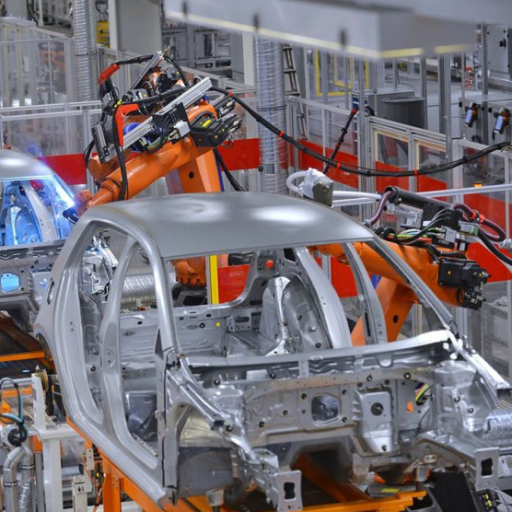
CNC machining or Computer Numerical Control machining is a computer-controlled manufacturing process that provides extremely accurate and detailed fabrication of parts from any material. This fascinating technology finds its strongest use in automotive manufacturing due to the ability to fabricate highly precise components quickly with lesser production time and cost. CNC machining gains its reliability as it confers consistency and quality in production via the automation of manufacturing processes, making it truly worthy in rapid prototyping and for mass production.
What is CNC Machining?
CNC machining, or Computer Numerical Control machining, is a highly automated manufacturing process in which a piece of programming telling the machinery and/or tools where to move is loaded into the machine’s control unit. CNC technology is used for making highly complicating and detailed parts for automotive, aerospace, and medical industries. With CNC machines, one could gain the highest precision and quality level as manufacturers could achieve by hand.
Essentially, CNC machining converts computer designs, like CAD (Computer-Aided Design) files, into actual parts. The typical procedure is subtractive manufacturing, where machining takes away material from a solid block, i.e., a workpiece, to give the desired shape. CNC machines can accommodate a multitude of materials such as metals, plastics, wood, and composites, thus serving an ever-increasing range of applications.
The CNC machining market has been anticipated by recent research reports to grow at an annual rate of 6.8% from 2023 to 2030, with increased demand for precision manufacturing and automation solutions being the primary factors driving this market growth. The developments in CNC techniques, such as 5-axis machining, have increased the machining of complicated designs with nearly no human intervention, thereby drastically cutting down the production time. CNC machining can also maintain tolerance up to ±0.001 inches, which guarantees unrivaled quality even for the most complex parts.
Furthermore, CNC machining being laid with advancements of IoT (Internet of Things) and AI-based monitoring would magnify its operational efficiency and predictive maintenance abilities, lessening the downtime, thus ensuring the smooth finishing of production. This boosts CNC machining as a fundament in modern manufacturing industries.
Importance of CNC in the Automotive Sector
CNC machining has been an important factor in recent automotive innovations, given that precision and time efficiency were of utmost value. With the rising demand for forgings for advanced designs and value engineering of automotive components, the CNC machining market for automotive purposes is set to touch the market valuation of about $14.6 billion by the end of 2030. The CNC machining process is used extensively for creating high precision parts such as engine blocks, gearboxes, and customized interior components, all of which must conform to the highest quality standards demanded by the automotive manufacturing process.
The implementation of CNC technologies with Industry 4.0 principles has increased innovation even more within the automotive sector. With features like real-time monitoring, advanced automation, and design optimization, manufacturers have cut down on production costs by at least 20% and have simultaneously sped up production turnaround times. For example, CNC machining allows the use of lightweight materials such as aluminum and composites, which are essential for electric vehicles (EVs) to boost performance and battery life.
Moreover, automated CNC systems facilitate the manufacture of complex designs such as turbine blades, fuel injector housings, or EV battery casings, which require the highest levels of dimensional accuracy. This flexibility and precision translate to better performance of the vehicles and allow manufacturers to keep pace with ever-evolving consumer requirements and mounting government regulations for safety and sustainability.
Overview of CNC Machines Used
Common CNC machines used in the automotive industry include milling machines, lathes, and multi-axis machining centers. Milling machines are used for shaping and precision cutting of parts such as engine parts or transmission housings. Lathes are used to make cylindrical parts like shafts and bearings. Multi-axis machining centers are versatile and efficient since fewer steps are required to manufacture these designs, thereby lowering production time and cost. These machines are involved directly with modern automotive manufacturing in terms of accuracy and speed, keeping up with industry standards that are ever changing.
Types of CNC Machines Used in Automotive Manufacturing
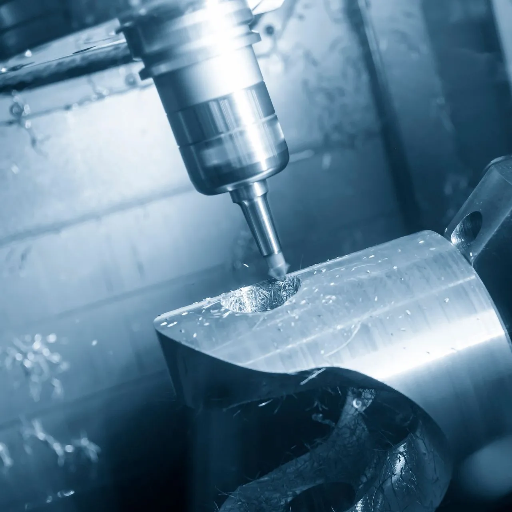
The CNC machines used in automotive manufacturing include milling machines, lathes, and multi-axis machining centers. Milling machines are used to cut and shape components with exact specifications, generally engine parts and transmission housings. Lathes are suitable for making cylindrical parts such as shafts, bearings, and pistons. Multi-axis machining centers, on the other hand, can create complex designs with fewer steps, maximizing efficiency and minimizing production times. These machines together help fulfill exacting requirements of speed and complex designs demanded by the industry.
Common Types of CNC Machines
The common types of CNC machines include CNC milling machines, CNC lathes, CNC routers, CNC plasma cutters, CNC laser cutters, CNC grinders, and CNC electrical discharge machines (EDMs).
| Machine Type | Functions | Materials | Key Features | Precision |
|---|---|---|---|---|
| CNC Milling Machine | Cutting, Drilling | Metals, Plastics | Rotary Tools | High |
| CNC Lathe | Turning, Shaping | Metals, Wood | Spinning Work | Very High |
| CNC Router | Cutting, Engraving | Wood, Foam | Wide Surface | Moderate |
| CNC Plasma Cutter | Cutting | Metals | Plasma Arc | High |
| CNC Laser Cutter | Engraving, Cutting | Metals, Plastics | Laser Beam | Precise |
| CNC Grinder | Finishing, Grinding | Metals | Abrasive Wheel | High |
| CNC EDM | Shaping, Cutting | Metals | Electrical Spark | Very High |
Specialized CNC Machines for Automotive Parts
Specialized CNC machines operate crucially within the automotive industry in achieving the manufacture of precise and intricate automotive parts. Typical machines consist of CNC lathes and CNC grinders used in manufacturing engine parts and shafts and CNC plasma and laser cutters used to cut sheet metal for body panels. These machines have high accuracy levels, consistency, and efficiency that are the need of the automotive sector to meet aesthetic standards and mass production criteria.
Comparative Analysis of CNC Machines
While comparing CNC machines, attributes like precision, speed, material consideration, operating cost, and many others must be observed. Current research indicates that CNC milling machines hold the highest versatility since they can work with practically any type of ugly material from aluminum to steel to composites with tolerance levels to the width of +/- 0.0005 inches. This sharp tolerance makes them perfect for manufacture of automotive parts that are finely detailed like engine blocks and transmission housing.
In contrast, CNC lathes are more inclined towards cylindrical parts such as shafts and bushings. Such machines will fast-run and reproducibly make a shaft with maximum error restrictions down to 0.01mm or lesser, depending on the model. The state-of-the-art multi-axis CNC lathes provide further enhancements by permitting machining of multiple sides simultaneously, thereby improving at least twofold in time efficiency as compared to conventional fabrication methods.
CNC laser cutters have also become the dominant cutting technology option for sheet metal fabrication since they deliver high precision and cutting speeds, wherein cost of laser cutting speed reaches 20 m/min, depending on thickness of the metal sheet, making them ideal for the manufacture of large-scale body panels or intricate grille designs. Being a new entrant in laser cutting, the fiber laser cutters are energy-efficient, consuming almost 50% less power as compared to conventional CO2 lasers with better accuracy.
Moreover, CNC grinders play a critical role in surface finishing. These machines have the capability of producing surface finishes of Ra 0.2 µm, which basically implies that it can finish a gear or camshaft surface to a point where it will provide optimum performance in an automotive application.
Market insights reveal that these machines have enabled manufacturers to reduce the production time by 30% and waste materials by 25%-30%, thereby encouraging sustainable manufacturing practices. This evidence brings to light the fact that production capabilities make up for disproportionate odds and support CNC machine selection to maximize availing of production time in specific automotive working domains for sustaining competitive advantages.
Application of CNC Machining in the Automotive Industry
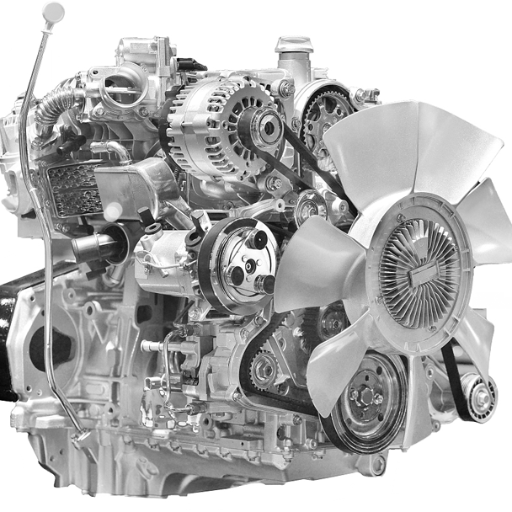
CNC machining finds the utmost use during the fabrication of high-precision components in the automotive industry, which include engine components, transmission mechanisms, and customized sheet metal. This method guarantees uniform quality, decreases manufacturing time, and facilitates the implementation of complex designs with negligible errors. In consideration of various manufacturing needs, CNC machining can produce automotive parts either in mass quantities or in small quantities while maintaining overall value.
CNC Machining for Automobile Parts Production
CNC machining has been given an important place in the fabrication of automotive parts. With the high level of precision coupled with automation, manufacturers are in a position to manufacture complex parts under tight tolerances, which, in return, meet the stringent quality checks required in the industry. CNC machining through the processes of milling, turning, and drilling produces vital automotive components such as cylinder heads, brake rotors, and gearboxes. Furthermore, CNC machining provides versatility for prototyping, giving the designer the opportunity to check and modify parts prior to mass production. This brings about an increase in efficiency, thus supporting innovation in automotive design and engineering.
Precision and Innovation in Automotive Manufacture
The dynamics of precision engineering and innovations have brought forth major advancements in the automotive manufacturing industry. From the researches conducted, it is projected that the global automotive manufacturing market will peak to a value of $5.5 trillion by 2030, indicating a sustained demand for cutting-edge industrial infrastructure and manufacturing processes. One of the functions of growth can be attributed to systems in Industry 4.0, which networks production lines backward and forward by use of the Internet of things (IoT), artificial intelligence (AI), and data analytics to remove wastes.
Robotics have become one of the most important aspects with some factories having their automated systems execute up to 75% of their assembly line activities. For instance, robotic arms with sensors and AI algorithms guarantee micrometer-level precision while placing components. Meanwhile, changes in additive manufacturing or 3D printing have transformed traditional prototyping by reducing manufacturers’ lead times by almost 90%.
Then sustainability has grown to be a major focus, with cutting-edge operations such as recycling of scrap materials and lowering energy consumption becoming standard practices. For instance, the production operations within Tesla’s Gigafactories are even powered by renewable energy. Coupled with the employment of light-weight materials such as carbon fiber-reinforced composites, vehicle manufacturers have been able to boost vehicle efficiency and performance, as well as reduce greenhouse gas emissions.
Another notable innovation has been the adoption of digital twins that create virtual models of manufacturing systems. These do not just allow for predictive maintenance by way of foreseeing failures before they ever actually occur; but they also allow for enhancement in the actual design process by simulating real-world conditions. Together, these advancements stand as somewhat of a testament to the very success the automotive world has had as a driver of precise modern innovation and constant improvement.
Some Real-Life Sample CNC Applications
A host of industries have seen their occurrence of CNC Technologies revolutionized by providing hitherto unseen levels of precision and efficiency. For instance, in the aerospace industry, CNC presses are used to guarantee high precision in the manufacture of complex components like turbine blades and structural parts required to work under extreme conditions. A report from MarketsandMarkets forecasts the CNC market to grow from $84 billion in 2023 to $122 billion by 2028, signaling higher adoption spanning into most industries.
In the automotive industry, CNC machining is deemed crucial in the production of engine parts, gearbox components, and designs for high-performance vehicles. With more cutting-edge materials such as carbon-fiber composites becoming common, CNC tools have become extremely important to address these contemporary production demands.
Another industry where CNC technology has gone very far making a great difference is the medical sector. The making of surgical instruments, orthopedic devices, and prosthetic implants all rely on the accuracy that CNC allows, many times operating at tolerances within micrometers. Recent data show unprecedented demand of CNC in medical manufacturing, spurred by the growing healthcare industry and increasing demand for tailor-made medical solutions.
These applications illustrate how versatile CNC technology is and how it intercedes in innovating and boosting productivity across various industries. These improvements not only speed up the production processes but carving ways in designing and manufacturing.
Benefits of CNC Machining in Automotive Manufacturing
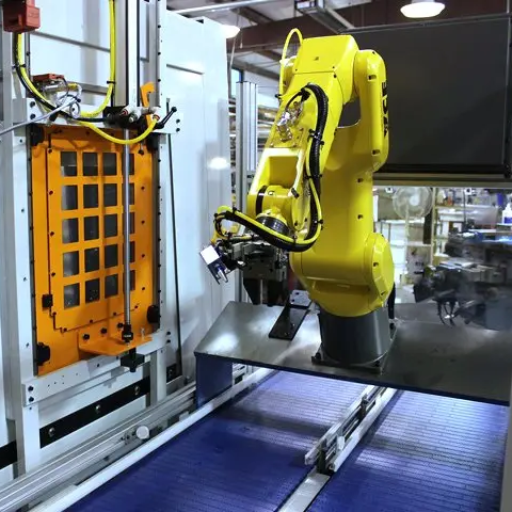
- Precision and Consistency: CNC machines produce highly accurate parts for repeat processing, critical for creating components within the tight tolerances required by application-specific machinery.
- Efficiency: Due to automation, the production time is lessened while material losses are minimized, thus improving overall efficiency.
- Versatility: CNC machines are capable of all kinds of automotive parts, from engine parts to detailed interior fitting.
- Cost-Effectiveness: Fewer errors, reduced labor costs, and CNC machining are a cost-saving production method for a manufacturer.
- Scalability: Using CNC technology, one can scale from a small batch prototype to full production quantities depending on manufacturing intention.
Enhancing Efficiency and Productivity
CNC machining has changed the landscape of manufacturing by harmonizing with leading-edge technology to enable top efficiency and productivity. The CNC machine market is projected to reach $132.9 billion by 2028, growing at a CAGR of 5.7% during 2021-2028, which portrays the growing acceptance of CNC systems by different industries, including automotive, aerospace, and health care.
Modern CNC systems generate real-time data monitoring and predictive maintenance powered by AI and the Internet of Things, thereby, minimizing production downtimes. Multi-axis CNC machines allow manufacturers to combine many machining operations into one setup, dramatically reducing production time as well. As an instance, a 5-axis CNC machine can reduce cycle times by 20-30%, enabling faster project completions without compromising quality.
Additionally, CNC maintains environmental sustainability as it prevents material wastage through precise material removal. Studies reveal that CNC-based manufacturers save up to 40% of raw materials in comparison to traditional machining methods. CNC machining hence follows the path toward greener production methods, being cost-effectively friendly.
Combining precise automation with state-of-the-art advancements, CNC machining continues to enable manufacturers in meeting evermore complicated demands, scale up, and have a competitive advantage in today’s fast-evolving marketplace.
Improving Precision and Quality
CNC machining is well-appreciated for delivering unmatched precision and producing consistent, good-quality results. CNC allows manufacturers to reach tolerances within microns through computer-aided systems, ensuring each part satisfies specified standards. This makes errors less likely, waste cut back, and product reliability increased. CNC machines can also consistently duplicate designs of accepted tolerance, a property deemed invaluable for gaining volume production. CNC machining, therefore, enhances product precision and quality in stark contrast to fostering product innovation and high manufacturing standards in modern-day industry.
Reducing Production Costs
There are several ways through which CNC machining can help me to keep production costs low. Since the machines operate automatically, there will be little workforce needed and hence reduced salary expenditures. In addition to that, precision engineering results in little material waste, thereby effectively utilizing raw materials. These factors, along with faster processing and fewer errors, largely compensate for making CNC machining very inexpensive as a manufacturing option.
The Future of CNC Machining in the Automobile Industry
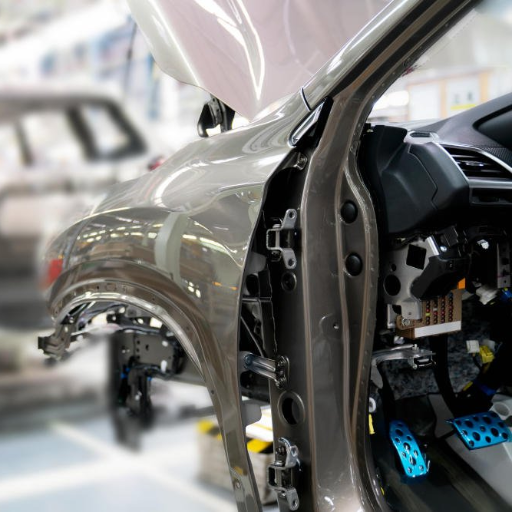
The future of CNC machining in the automobile industry seems to be exceptionally bright. The future of CNC machining in the automobile industry seems to be exceptionally bright. Manufacturers are enabled to produce complex and highly accurate parts in a very time-efficient manner, supporting a growing demand for lightweight vehicles that offer high performance. CNC machining is indispensable for making electric vehicles real, as it allows manufacturing of battery housings and intricate motor parts. Thus, with further advance in innovation, CNC technology will invariably be the backbone in enhancing productivity and quality standards in automotive manufacturing.
CNC Technology Trends
CNC progresses have recently influence innovations in other industries with an automotive sector being one of the best demonstration fields for its application. An industrial report issued last year (2023) estimates that the global CNC machining market is forecasted grow at a CAGR (compound annual growth rate) of 6.8% from 2022 to 2030, substantiating the rise in adoption and importance.
Another rear opportunity for CNC trend-making is the advent of AI and machine learning within CNC systems, so that the processes could be extremely precise and give predictive maintenance with machining optimizations. For instance, nowadays, several CNC tools have integrated real-time data analytics to predict the wear of tools and reduce downtime significantly so as to realize considerable improvements in operational efficiency. Additionally, improvements and innovations in multi-axis machining are allowing manufacturers to purposely manufacture components that are more intricate and complex while reducing production time and material waste.
Likewise, among other technology trends, it brings to the fore the hybrid CNC machines, which combine additive and subtractive manufacturing methods, enabling the fabrication of lightweight and custom parts, are considered of utmost interest in aerospace and automotive applications. Hybrid machining facilitates the easier manufacture of intricate battery housings for electric vehicles and drastically cuts the lead time to manufacture such components.
Another sustainability issue that has come to the forefront is CNC machine manufacturers’ pursuit of energy efficiency while promoting the use of environmentally friendly coolants. Companies target solutions that incorporate closed-loop processes to reduce CNC wastes while recycling materials.
These innovations pave the way for CNC technology to reinvent production methods, upholding the CNC as a key driver of productivity and versatility in all sectors.
Impact of Automation on Automotive CNC Machining
The introduction of automation has revolutionized automotive CNC machining and maintained continuous improvement in productivity, precision, and cost-efficiency. The demand for automated manufacturing processes will be the major driving force, with the increasing adoption of such technologies, causing the global automotive CNC machining market to grow at a compound annual growth rate (CAGR) of 5.8% from 2023 to 2028. This transformation promotes CNC operations in the automotive sector with robotic arms, AI-based monitoring systems, and industrial IoT (IIoT) increasing their accuracy and speed.
One exemplary automation transfiguration is the automated tool changers, which has enormously decreased the downtime during the production stage. According to the researches, the reduction can be by 70% on change duration for automated tool changing, producing favorable conditions for manufacturers to meet overwhelming demands for production within the time frame. Increasingly, AI-powered predictive maintenance is being used, allowing CNC systems to predict issues before they happen and to reduce the number of late downtimes.
The integration of robotics in CNC machining is also speeding up, with collaborative robots or cobots playing a leading role. Cobots augment human-machine collaboration, providing a safer, more efficient environment for plant operations. Two recent reports state that by 2025, around 30% of industrial robots deployed in CNC machining will be collaborative ones, showing an increase in their ability and relevance.
In addition, automotive CNC machine automation systems have been important in pursuing sustainability goals. Advanced degradation allows extremely close material tolerances and a reduction in scrapping rates, thereby contributing to minimize the ecological footprint of the entire manufacturing processes. These forward steps in automation mean that it can sustain the environmental validity of CNC machining in addition to enhancing operational efficiency.
Predictions for the Future of CNC in Automotive
The future of CNC machining in the automotive sector will be channeled by innovations and trends that bear sustainability, efficiency, and precision at their core. One of the major domains for development is the integration of advanced technologies such as Artificial Intelligence (AI) and Machine Learning (ML). An AI-powered CNC application is predicted to record an annual rate of over 9% by 2030, focusing on predictive maintenance, downtime reduction, and enabling smarter design (Bambroo et al., 2020).
Another important development is the wider acceptance of additive manufacturing approaches alongside standard CNC workflows. This integrated method will cut down waste by 50% throughout some manufacturing procedures as it allows for material-efficient solutions while upholding high precision standards. Investments are also growing in environmentally friendly materials such as composites and light alloys, which manufacturers aim to use to decrease the vehicle weight and emission in tandem with global regulatory standards.
Additionally, Industry 4.0 developments, particularly the applications of IoT-capable CNC systems, are expected to change the factory landscape overnight. Gartner data suggests that by 2025 nearly three-quarters of manufacturing operations would begin using edge devices and Cloud analytics to monitor CNC machinery and perform real-time control. This transition is not only an improvement in productivity but will also allow for an optimized inventory management and resource allocation.
The automotive industry’s surge toward electric and autonomous vehicles is another factor that places CNC machining under the obligation of producing smaller, more precise components with less tolerance. By means of ultra-precise 5 axis CNC machining, these requirements will be efficiently fulfilled by manufacturers, which greatly help the improvements to the efficiency and range of EVs.
In summary, whilst the constant evolution of CNC technologies promises a future in which CNC realizes execution at its utmost levels within automotive, where it embraces sustainability, quality, innovation. Thus, CNC machining will persist as the cornerstone of modern automotive production, due to a symbiotic relationship in automation, AI, IoT, and the path of sustainable development.
Reference sources
- Title: Lean Tools Implementation for Lead Time Reduction in CNC Shop Floor of an Automotive Component Manufacturing Industry
Authors: R. Rekha, P. Periyasamy, S. Nallusamy
Journal: Indian Journal of Science and Technology
Publication Date: December 8, 2016
Citation Token: (Rekha et al., 2016, pp. 1–6)
Summary:- Objective: The study aimed to improve productivity in a steering gear box manufacturing industry by implementing lean manufacturing tools on the CNC shop floor.
- Methodology: The research utilized Value Stream Mapping (VSM) to identify non-value-added activities and streamline processes. The implementation of lean tools resulted in a significant reduction in setup time (by 180 minutes) and cycle time (by 98 minutes), ultimately leading to reduced lead time and increased productivity.
- Key Findings: The study demonstrated that lean methodologies could effectively enhance operational efficiency in CNC machining environments.
- Title: Design of a pin-on-disc-type CNC tribometer including an automotive dry clutch application
Authors: M. Hoić, M. Hrgetic, J. Deur
Journal: Mechatronics
Publication Date: December 1, 2016
Citation Token: (Hoić et al., 2016, pp. 220–232)
Summary:- Objective: This paper presents the design of a CNC tribometer aimed at studying the wear characteristics of automotive dry clutches.
- Methodology: The design involved creating a pin-on-disc setup that allows for controlled testing of friction and wear under various conditions. The tribometer was designed to simulate real-world automotive clutch applications.
- Key Findings: The study provided insights into the wear mechanisms of dry clutches, contributing to the understanding of material performance in automotive applications.
- Title: Research and Application of CNC Machining CAPP for Automotive Panel Mould Surface
Author: Qi Hongxin
Journal: Machine Tool & Hydraulics
Publication Year: 2015
Citation Token: (Hongxin, 2015)
Summary:- Objective: The research focused on the application of Computer-Aided Process Planning (CAPP) in CNC machining for automotive panel molds.
- Methodology: The study involved developing a CAPP system that integrates with CNC machining processes to enhance efficiency and quality in mold production.
- Key Findings: The application of CAPP was shown to standardize machining parameters and improve the overall efficiency and quality of CNC programming in automotive manufacturing.
- Top Cnc Automotive Parts Manufacturer and Supplier in China
Frequently Asked Questions (FAQs)
CNC Machining for the Automobiles: Defining the Process
CNC machining for automotive production involves using computer numerical control technology for the manufacture of precision parts and components for automobiles. This method allows automotive manufacturers to fabricate complex parts with very high accuracy and efficiency. Engine blocks to complicated interior parts are just a few of the components CNC machining can work on. The ability to carry out CNC operations with high precision ensures that every part fulfills stringent quality criteria, which are essential in the automotive sector. In essence, CNC machining caters to and facilitates the manufacturing process, assuring greater performance and reliability of vehicles.
What Are the Main Benefits of Using CNC for Automotive Production?
There are quite a few important advantages of CNC for automotive production. But to name a few, CNC machining offers accurate machining-a must when parts need to fit together with perfect precision. It also promotes efficient production, thus reducing production times and waste and thereby lessening operational costs. It is versatile and adaptable so that design or production requirements can easily be modified by automotive manufacturers using CNC machining. CNC processes ensure that production runs are carried out by putting an emphasis on consistent quality, in fact making it an industry standard in the automotive industry.
What Are the Various Types of CNC Machines Used in Automotive Machining?
There are various kinds of CNC machines used in automotive machining, and each caters to different applications. The commonly used CNC machines include CNC turning centers, CNC milling machines, and CNC routers. CNC turning is very much in demand for the manufacturing of cylindrical parts, while CNC milling is for making more complicated geometries. Any CNC machine works on CNC programming and ensures very accurate and automatic production. Based on the type of auto parts to be manufactured and depending on the specific requirements of automotive designers and engineers, the choice of machine might differ.
How Does CNC Machining Technology Improve Auto-Parts Production?
Auto parts production is greatly improved by CNC machining technologies through automation and precision. CNC machining has allowed automotive manufacturers to maintain tight tolerance and employ intricate designs which manual manufacturing would hardly be able to achieve. It supposes rapid prototyping and modifications, thereby promoting manufacturers’ quick reaction to the market demand. Besides, CNC machining is vital in making lightweight but sturdy parts that further contribute to the performance and fuel efficiency of vehicles. On the other hand, CNC technology integration eases processes, thereby enhancing the quality of automotive products.
What Are the Limitations of CNC Machining in the Automotive Sector?
Yet CNC machining has an indispensable significance in the automotive sector; it does hold a few limitations. The major one revolves around the costs attached to installation, considered huge by the smaller manufacturers’ standards. The second limitation is CNC machining being a subtractive process removing material to make parts and could prove to be material-wasteful if not cared for properly. Again, CNC machines are versatile and can probably not do all the machining work in this industry, particularly the highly specialized operations. Finally, these machines need skilled CNC operators for programming and maintenance, adding yet another challenge to training and workforce availability.


