


Stainless steel is a highly essential material in the manufacture of automobiles, as most auto parts require stainless steel for long-term performance. Stainless steel is widely used in the automobile industry because it is corrosion-free, does not absorb much weight, and looks stylish. This article discusses the importance of stainless steel in manufacturing cars, defining its use and advantages, and why all critical parts of vehicles should be made of stainless steel. Even if you are a car lover, work in the car industry, or are just interested in the technology behind cars, this rich content will help you understand the role of stainless steel in designing everyday commuter vehicles.
Why is stainless steel essential in the automotive industry?
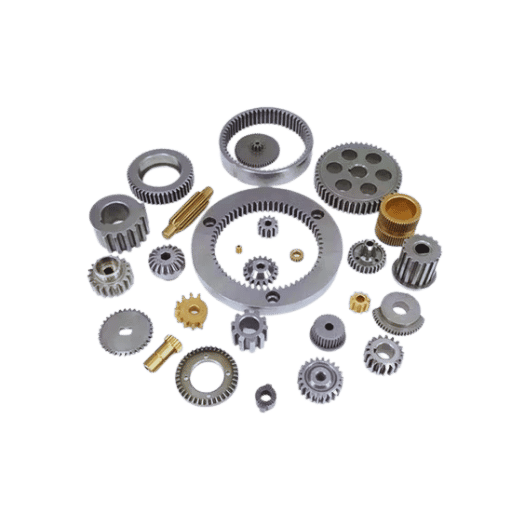
Stainless steel is in demand in the automotive industry because of its outstanding durability, resistance to corrosion, and high temperatures. These characteristics make it favorable for essential parts like exhaust systems, fuel tanks, and vehicle body reinforcements, which require assurance over a long period of use. Stainless steel is also environmentally friendly because it is recyclable and thus supports the sector’s green initiatives.
Benefits of using stainless steel in automotive applications
- Corrosion Resistance: Rusting of stainless steel does not take place, and hence it withstands the aggressiveness of the environment very well and can be used in exhausts and under the car.
- Strength and Durability: Owing to its superior tensile strength and ability to withstand heavy mechanical stresses, it is recommended for high-demand automotive applications.
- Temperature Resistance: Even in high temperatures and freezing conditions, this material does not distort, and its performance does not deteriorate, which is why it is used in constructions such as exhaust manifolds and turbochargers.
- Lightweight and Fuel Efficiency: Newer types of stainless steel combine strength with lightweight to help manufacture lighter vehicles that consume less fuel.
- Recyclability and Sustainability: Made from iron and carbon, stainless steel is entirely recyclable and thus a perfect choice for the environment. It aids in eco-friendly vehicle production and helps minimize the carbon emissions used in auto parts production.
Comparing stainless steel with other materials in auto parts
|
Material |
Strength |
Weight |
Corrosion |
Cost |
Applications |
|---|---|---|---|---|---|
|
Stainless Steel |
High |
Heavy |
Excellent |
High |
Exhaust, structural |
|
Aluminum |
Moderate |
Light |
Good |
Moderate |
Body panels, wiring |
|
Carbon Steel |
Moderate |
Moderate |
Low |
Low |
Chassis, fuel tanks |
|
AHSS |
Very High |
Light |
Moderate |
High |
Safety, reinforcements |
The role of corrosion resistance in stainless steel components
Corrosion resistance is essential, and stainless steel is one of the best materials for most automotive applications under different operating conditions. This characteristic is primarily associated with chromium’s coverage of the stainless steel surface, where a thin oxide film will develop on the surface, protecting it from oxidation and environmental considerations. Various literature sources suggest that at least 10.5% of the chromium content of the stainless steel material is accompanied by a significant reduction of rust, particularly where it is in contact with moist, road salts, or harsh chemicals associated with the automotive environment.
It is also of interest that the automotive industry uses stainless steel auto parts such as exhaust pipes, gas tanks, or body components. In many exhaust system applications, for instance, 304 and 316 stainless steel materials are often used due to their ability to withstand temperatures and corrosion from car heated emissions. Other components subjected to harsh road conditions, such as salt spray in cold regions, also tend to last longer because of Stainless Steel plates. Data from existing material performance research states that using such metallic material could increase the components’ operational time by 20-30 percent over carbon steels.
In addition, improving austenitic stainless steel’s resistance to corrosion brings down maintenance expenses in the long run. The possibility of a few part changes or repairs due to damaged materials reduces the number of stainless steel components, improving efficiency and lowering system cost. Such a combination of operation limits and service life convinces stainless steel to be a necessity that seeks to enhance safety and the efficiency of the automotive industry.
What are the standard auto parts made with stainless steel?
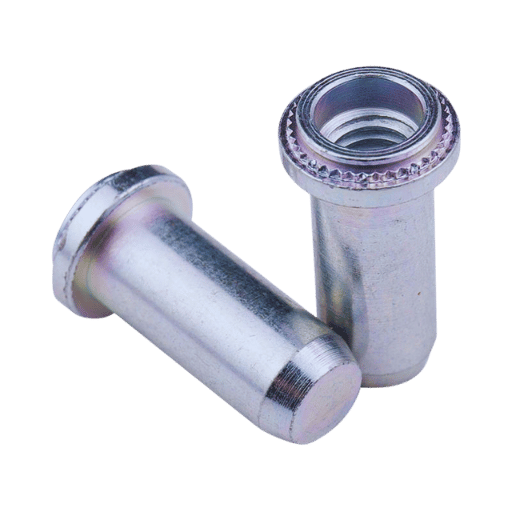
The importance of exhaust systems and catalytic converters
The benefits of exhaust systems and catalytic converters, let alone the environmental effects, could hardly be underestimated for any vehicle. Most modern cars have stainless steel exhaust systems to direct toxic gases away from the engine. Stainless steel can withstand high temperatures and is not corrosive; therefore, stainless steel auto parts of exhaust systems last long despite coming in contact with immense heat and corrosive gases.
Catalytic exhaust converters, which form part of exhaust systems, can abate emissions of noxious gases. These emissions include carbon monoxide, hydrocarbons, and nitrous oxide gases, transforming into not so dangerous emissions such as carbon dioxide, carbon dioxide, and water vapor. Technology advancements in the catalytic converter industry, in particular the incorporation of platinum group metals (PGMs) such as Platinum, Palladium, and Rhodium, have heightened their capacity to a great extent. Some reports from the automotive industry indicate that these converters can lessen approximately up to 90% of hazardous emissions from vehicles, thus proving their importance wherever high environmental control standards are imposed. These spares guarantee fulfillment of the normative standards set forth for various savings in waste gas emission treatment, air pollution control, among others; hence, without these two, they encourage productivity, especially in the motor vehicle manufacturing sector, where quite eco-friendly vehicles occur.
How fuel tanks benefit from steel grades
Steel grades are an essential determinant of the durability and safety of fuel tanks. Toughened steel has superior anti-corrosive properties that shield the tank from the wear and tear occasioned by fuel and environmental contact. More so, the strength of the steel ensures that there are no weak points that may lead to leakage or damage. It is also possible to achieve lightweight advanced steel grade designs, promoting better fuel consumption without sacrificing performance or safety. Therefore, steel is a popular and commendable material for use in the construction of fuel tanks.
Using stainless steel for bumpers and fasteners
The appeal of stainless steel is that it is an excellent material for bumpers and fasteners because of its high strength, resistance to corrosion, and exceptional wear properties. With the addition of chromium, a surface forms a quality barrier against rust or oxidation, even when exposed to humidity, road salts, and thermal stresses. This aptly applies to stainless steel bumpers, especially for vehicles subjected to an outside environment or extreme weather conditions for an extended period.
In fasteners, this material offers high toughness in its own right and good wear performance, making it reliable for applying components that require fastened joints for a long time. As per the available data, stainless steel of Grades 304 and 316 is most preferred by manufacturers of vehicles owing to its resistance to deterioration and strength in such conditions. On top of that, compared to other materials, stainless steel does not require much care and upkeep, and hence is cheaper in the long run. Adding to this is the recycle-friendly property, strengthening its position among the stainless steel auto parts as one of the components used in manufacturing fuel tanks.
How does the application of stainless steel enhance automotive components?
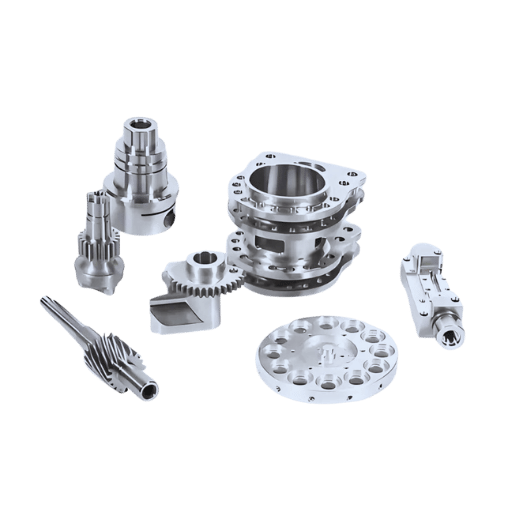
The impact of durability and oxidation
Stainless steel auto parts offer significant enhancement due to their strength and oxidation resistance. Since the material is strong, it can withstand high loads without any change in shape, thus giving long operating conditions. On top of that, metallic rusting and degradation are prevented by this raw material because it does not rust excessively, unlike some elements in vehicles, which tend to differ due to certain harsh environmental conditions. This summary of facts helps a lot in the case of stainless steel applications in such functional auto components, which have antiseptic properties because the said properties of strength and corrosion resistance tend to enhance the life cycle and reliability of the automobile components as well, which can be used in many conditions, e.g., exhaust system, buildings or fasteners.
Exploring the formability and weld capabilities
Stainless steel is known for its excellent formability, making it one of the most suitable options for the complex designs needed in manufacturing cars and other products. This is mainly due to the material’s microstructural homogeneity and the ability to withstand great body deformation stress without cracking or any other structural integrity issues. For example, austenitic stainless steels with 304 and 316 grades possess excellent cold-working properties; hence, engineers can easily bend, stretch, and deep draw the material into complicated configurations.
Yet another significant attribute of stainless steel is its weldability, especially for welds that have to be subjected to high loads mechanically or in hostile environments. Many wiсlсto methоds can bе used to wеld this material, from the mosеt harmless, such as TIG or MIG, to less cautious ones, such as resistance welding. Even the highest grades of stainless steels, such as the ferritic and austenitic ones, do not risk suffering welding imperfections like cracking if the correct procedures and filler metals are used. On the one hand, proper settings while working after welding and cooling at a fixed rate solve the problem of residual stress in the made joints and increase their strength.
Moreover, the evolution of manufacturing techniques such as laser and friction stir welding has taken stainless steel welding to whole new levels of accuracy and speed. These advancements allow for stricter tolerances and a reduction in the degrees of material deformation, which are especially important in industrial sectors where perfect finishes and dependable structures are needed. The malleability and ease of welding stainless steel auto parts are a selling point for engineers in modern times, as they can perform beautifully under a multitude of conditions.
What types of stainless steel grades are used in automotive parts?
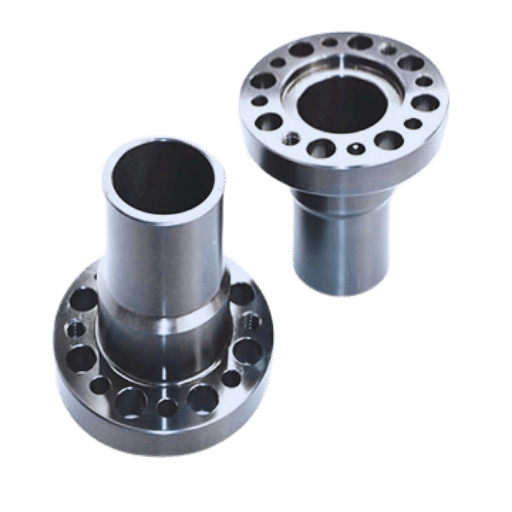
Understanding austenitic stainless steel and ferritic varieties
Most of the auto parts are made of one variety of stainless steel – austenitic, which is mainly an alloy of chrome and nickel. Austenitic structure offers a good combination of corrosion resistance, formability, and high strength. The exhaust system and different types of decorative trims fall under this category.
Unlike austenitic steels, ferritic steels are rich in chromium and lack or have very low amounts of nickel. This variety is also well known for offering better resistance to stress-corrosion cracking and being cheaper. Hence, it is recommended for the construction of such products as mufflers and catalytic converters, whose components have to withstand high temperatures for quite a long time. Both parts significantly improve the longevity and efficiency of the stainless steel auto parts.
Why 304 stainless steel is a popular choice for auto parts
Type 304 stainless steel is one of the most durable, corrosion-resistant, and easily formable types of metals and is hence very popular in the automotive industry. The alloy is composed primarily of 18-20% chromium and 8-10.5% nickel, making its metals resistant to oxidation and corrosion, even in severe environments such as road salt and high temperatures. This extends the useful life of components, including but not limited to exhaust systems, fuel tubes, and other mechanical fasteners.
Besides the above-mentioned weldability of 304 stainless steel and its formability, manufacturers can make components of different shapes and build them into structures without disturbing the performance. The tensile strength of this material is reported to fall within the range of 515-720 MPa; hence, it can endure the stress of many of the automotive parts. Coupled with an aesthetic characteristic of a smooth and bright surface, it is often used as both a functional and decorative component.
One of the reasons it’s so popular is its eco-friendliness. 304 stainless steel is completely recyclable and does not lose characteristics even when recycled many times, which many would consider to be in line with the rise of environmental steps incorporated in the automobile industry. The use of material on a large scale also makes it an easily attainable and relatively cheap choice for consumers looking for contemporary stainless steel auto parts.
How does the stainless steel supply chain impact the automotive industry?
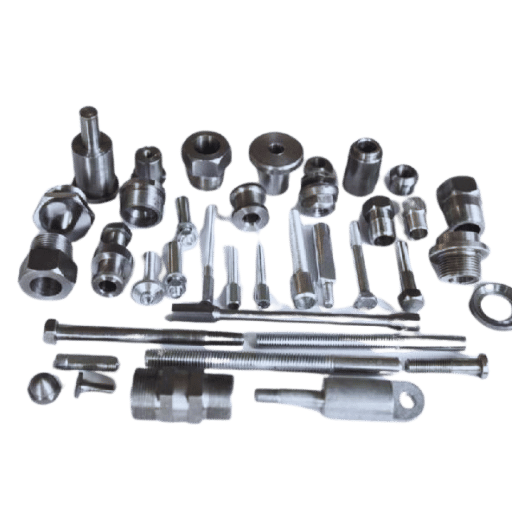
Finding a reliable supplier for stainless steel components
Finding a trusted supplier for stainless steel auto parts is significant for the automotive industry’s consistent quality and economic production. Some of the most important factors to consider include whether the supplier adheres to all applicable regulations, history of prompt delivery, and whether they provide the specified materials. Suppliers with clear ISO certificates and quality control processes are most sought-after because they show that the supplier is about quality. Moreover, checking the opportunity for the possible incorporation of a supplier to accept future or expanded orders is of great importance. Risk management and supply chain effectiveness are conditioned by building lasting relationships with reliable suppliers.
The global demand for stainless steel in automotive production
The global requirement for stainless steel auto parts in car making is mainly attributed to its impressive strength, durability, and corrosion resistance characteristics. It is a material extensively used in making exhaust systems, fuel tanks, and structural components of a vehicle, making it safer and durable. This demand is also sustained by the increasingly stringent requirements for lightweight and eco-friendly vehicles since stainless steel is recyclable and allows weight reduction. Moreover, the rising production of electric cars is also predicted to sustain or even increase the demand for stainless steel auto parts, owing to their application in battery packs and electric motor parts.
Challenges in maintaining the ratio of stainless steel in automotive applications
- Cost Fluctuations: The cost of raw materials, especially components such as chromium and nickel, is quite volatile. This usually raises production costs, affecting, among other things, the stable provision of stainless steel in all cars.
- Weight Reduction Goals: Many automotive companies tend to use lighter materials, such as Aluminum or composite Materials, to meet the Fuel economy standards needed, which may reduce the heavy usage of stainless steel.
- Recycling and Sustainability Challenges: Despite its recycling ability, stainless steel presents a problem: Providing enough high-quality recycled material can be very difficult and cumbersome under the rationing obligations.
- Corrosion Resistance Alternatives: Improved various coatings and more corrosion-resistant alloys at lower prices might substitute for stainless steel.
- Manufacturing Limitations: Modern cars are more complex structures, which sometimes involve sophisticated and advanced forming techniques. This may preclude using stainless steel auto parts, as other materials may be more processable and easier to adapt.
Frequently Asked Questions (FAQs)
Q: What are the benefits of using stainless steel in the automotive industry?
A: Stainless steel has several advantages for the automotive industry, including its good corrosion resistance, strength at very high temperatures, and minimal lengthening under loads, which provides improved durability. These features have made it most suitable for producing auto part components like exhaust pipes, manifolds, and valve systems.
Q: How is stainless steel used in exhaust systems?
A: Stainless steel is widely used in exhaust components because it is passive to internal corrosion at elevated temperatures. This greatly enhances the performance and life cycles of systems like exhaust pipes and clamps, making it the material of choice for such applications.
Q: What types of stainless steel are commonly used in automotive parts?
A: All possible types of stainless steel are used in automotive parts, including M321, 310, 309, 409, M429, and ferritic stainless steel. Both types are useful for specific applications, such as high temperature and superior resistance to various corrosive attacks, including car accessories and system components.
Q: Why is ferritic stainless steel popular in car manufacturing?
A: Ferritic stainless steel is appropriate in automotive production as hot gases do not attack it, can be exposed to high temperatures, and is the cheapest material. The common purpose of such technology is to use Ferritic 310 in systems and parts such as exhaust pipes and manifolds.
Q: How does the use of stainless steel compare to carbon steel in automotive parts?
A: Carbon steel is cheap and strong but less resistant to environmental insults and heat. Hence, it is unsuitable in harsh conditions, such as exhaust regions and extreme temperature areas, while stainless steel is highly resistant. This means that automotive parts will last longer and be more efficient.
Q: What role does chromium play in the properties of stainless steel?
A: The element chromium significantly enhances stainless steel’s corrosion resistance properties. By coating the surface with a protective layer, the metallic feature is effectively shielded from rust, which is vital for automotive components, particularly car exhausts.
Q: Can stainless steel be used for gaskets in vehicles?
A: Undoubtedly, stainless steel gaskets are readily employed in vehicles owing to their durability and ability to hold up against high temperatures and pressures. This ensures that system parts are still tightly sealed and that leakages do not occur.
Q: What are some typical applications of high-quality stainless steel in the automotive industry?
A: Low-carbon, high-strength stainless steels are commonly used throughout the automotive industry in several applications, including exhaust systems, gaskets, fittings, and hose clamps. The strong suit of these materials, which are enhanced corrosion resistance and high strength levels, applies to such aggressive surroundings.
Q: How does the nickel content in stainless steel affect its performance in automotive parts?
A: Alloying stainless steels with nickel improves the elastic limit and weldability. This makes stainless steel components strong and capable of withstanding numerous heat cycles in harsh conditions, such as those encountered while using them for automotive purposes, including car exhausts.
Q: What distinguishes martensitic stainless steels in automotive applications?
A: Martensitic stainless steels are high-strength and can be stepped hardened, making them desirable for applications requiring abrasion resistance and high temperatures, such as particular valve and fitting applications.
Reference Sources
1. Title: Production of Car Elements Made of Stainless Steel, Aluminium, Copper, and Other Metals: Specialized Aspects
- Authors: K. Nam et al.
- Journal: World Journal of Gastroenterology
- Publication Date: February 7, 2014
- Citation Token: (Nam et al., 2014, p. 1325)
- Summary: This article deals with the manufacturing aspects of several automobile spare parts, including stainless steel. However, it does not provide any specific ways or results for making cars of stainless steel, and it does not have a preset period of more than five years.
2. Stainless Steels: A Versatile Metallic Material in the Service of Human Beings—This book examines the development and application of stainless steels in the auto industry.
4. Leading Stainless Steel CNC Machining Services Provider in China


