


Aluminum CNC machining is at the forefront of advanced manufacturing, bringing about high precision and efficiency in the process. Whether you’ve been a machinist for decades, an innovative product designer, or one of the axis of the industry, harnessing the deep knowledge of aluminum machining will let you explore fresh avenues to fabricate high-performance parts with very fine tolerances and high-quality surface finish. This article about aluminum CNC machining goes into much element about the reasons behind the popularity of aluminum machining, processes to enhance this process, and some expert tips on enhancing your workflow. Be ready to the art of machining aluminum as you will be given a thorough overview of the strategies and tips to implement in your projects to give you and your company the edge in the increasingly competitive industry.
What is Aluminum CNC Machining?
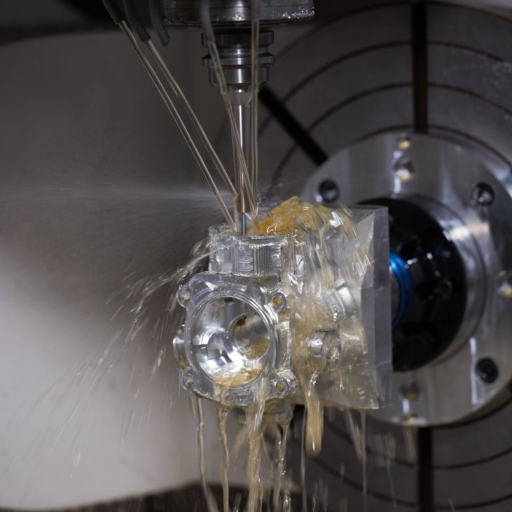
Aluminum CNC machining involves the production process that entails computer-controlled machining systems that cut, form, and finish aluminum into components and parts with utmost precision. In the process, it essentially describes a system that is acknowledged for foreground accuracy, efficiency, and the performance of complex designs. Aluminum is preferred for its lightness, strength, and machinability and is thus most suited to aerospace, automotive, and electronics industries.
Understanding Aluminum CNC Machine Operations
Aluminum CNC machining is a series of very accurate and unarmed operations that convert an aluminum raw stock into highly precise and intricate components. The process uses CAD (Computer-Aided Design) software to design a 3D model. The designs are then sent to CAM (Computer-Aided Manufacturing) software, turning them into machine-readable instructions for the CNC machine tools. These tools perform operations such as milling, drilling, turning, and threading with great precision.
One overall beauty of aluminum CNC is maintaining tolerances to ±0.005 inch, depending on the specification. High speed spindles of the CNC machines are effectively used for cutting all aluminum with smooth finishes with less probability to the surface imperfections. For more complex parts, multi-axis machines such as 3-axis, 4-axis, or even 5-axis CNC are employed to realize intricate dimensions and accuracy in all axes.
The global CNC machining market is anticipated to grow at a 6.6% CAGR from 2023 to 2030, driven by increasing demand for precision components across a number of industries. Aluminum continues to be the material of choice due to excellent machinability, thermal conductivity, and corrosion resistance; advanced coolant systems are employed during machining processes to maintain ideal temperatures, thereby extending tool life and enhancing surface finish quality.
The developments in aluminum CNC machining operations, however, have in recent years taken a leap forward through the integration of AI and real-time monitoring systems. Adaptive machining, for instance, adjusts the tool path on the fly, thereby slashing production times and material wastage. These developments are indicative of how emerging technologies continue to transform this core manufacturing process to meet demands from modern industries.
Advantages of Using Aluminum in CNC Machining
Aluminum stands out as one of the most versatile and widely used materials in CNC machining due to its exceptional properties. One primary advantage is weight savings while being about 1/3 the weight of steel. This advantage comes into play in weight-sensitive industries, such as aerospace, automotive, and electronics, where strength cannot be compromised in favor of weight reduction.
Moreover, aluminum offers good machinability. Because the metal is soft and ductile, it can be cut at faster speeds, and this reduces tool wear, machining costs, and time. It increases productivity because many jobs have high demand. Industry data maintains that aluminum machining can achieve speeds nearly three to four times faster than steel machining under similar conditions.
Aluminum is also excellent in corrosion protection, especially when anodized. This prevents long life in applications and in direct marine environments or outdoors. Aluminum has an excellent strength-to-weight ratio and thermal and electrical conductivity, ideal for heat sinks, housings, and electrical applications.
Slightly less talked about but significant is its sustainability. Aluminum is 100% recyclable without compromise of any of its basic qualities, and recycling aluminum requires only 5% of energy needed for virgin aluminum production. This particular feature makes aluminum attractive to contemporary manufacturers pressing to offset the negative environmental impact of their manufacturing.
By combining cost-efficiency, exceptional physical properties, and environmental benefits, aluminum remains a top choice for CNC machining across various industries, enabling the creation of high-performance components tailored to the demands of cutting-edge technology.
Common Aluminum Alloys Used in CNC Machining
- 6061 Aluminum is called truly universal, being widely used because of its great strength-to-weight ratio, corrosion resistance, and machinability. It is used to make structural components as well as aerospace applications.
- 7075 Aluminum is a high-strength alloy that finds much use in aerospace and automotive industries where durability and performance under stress are critical.
- 5052 Aluminum, valued for its excellent corrosion resistance, finds its way into marine and chemical environments.
- 2024 Aluminum offers high strength and fatigue resistance and is therefore often selected for high-performance aerospace applications.
- 6063 Aluminum is a favorite in architectural applications because it offers a good surface finish and corrosion resistance.
These alloys are chosen based on specific requirements such as strength, resistance, or weight considerations.
How Does Aluminum CNC Machining Work?
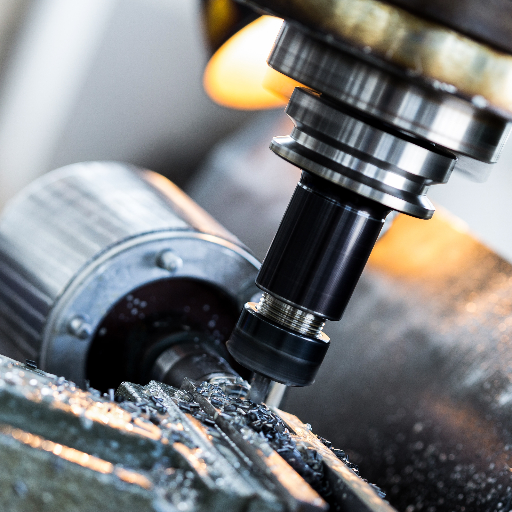
CNC machining aluminum involves the use of computer-controlled machines to cut, shape, and drill aluminum workpieces with great precision. The process starts with the design of a CAD (Computer-Aided Design) model specifying the exact parameters for the part. The model is then converted into CNC machine instructions with the help of CAM (Computer-Aided Manufacturing) software. In machining, a CNC machine with cutting tools moves along defined tool paths, correctly producing the part with high accuracy. Aluminum is used for CNC machining because it is a lightweight material with superb machinability and durability.
Main CNC Machining Processes for Aluminum
Typically, the main CNC machining processes for aluminum workpieces include:
- Milling – Used to create complex shapes, contours, and cavities by gradually removing material using rotating cutting tools.
- Turning – Employed for making cylindrical shapes; the process consists of rotating the aluminum against a fixed cutting edge.
- Drilling – In charge of making holes with great precision; usually operating with speed drills that enable smooth surface finishes.
- Cutting – Includes laser or water jet options to cut aluminum sheets to the required size, leaving minimal material wastage.
- Tapping – Produces internal threads on aluminum pieces for application requirements.
All these individual processes, when used to machine aluminum components, offer the very best precision, efficiency, and quality.
Cutting Tools in Aluminum CNC Machining
Cutting tools play an important role in aluminum CNC machining in terms of material removal with precision and speed. Aluminum machining tools are predominantly made of carbide or coated with several coatings to reduce friction and heat build-up. The sharp cutting edges equipped in optimized design provide smooth cutting and thus improves tool wear and quality of the final product. The ability to use the right cutting tools also greatly helps maintain dimensional accuracies while reducing wastage during all machining processes.
Surface Finish and Machinability are Important
Surface finish and machinability are prioritized in aluminum CNC machining because they are factors that affect the presence, aesthetics, and overall performance of the finished item. Good surface finishing enhances the mechanical features by reducing stress concentration and improving wear resistance. It also helps increase corrosion resistance by providing a smooth and uniform surface, especially for parts that find use on outside exposure to a hostile environment.
Machinability is defined as that property to measure how readily a material can be cut, formed, or finished without damaging its strength or quality. This is, however, why aluminum has become so widely applied in CNC machining-it is highly machinable while lending itself to relatively high cutting speeds with lesser amounts of tool wear. For instance, some grades such as 6061 or 7075 are preferred because of their fairly strong and machinable qualities, thereby making them very suitable for aerospace, automotive, and industrial uses.
Advances in tooling and coating technology have also had a significant impact on the surface finish and machinability. Industrious research and technology data suggest that state-of-the-art coatings such as Titanium Nitride (TiN) or Diamond-Like Carbon (DLC) can reduce friction by 30% and improve life by about 50%, thus resulting in better machining and surface finishes. By utilizing these measures, manufacturers can complement the reduction of secondary finishing activities and production costs and turnaround time.
The pedigree between surface finish, machinability, and efficiency of processes emphasizes the utmost importance that research and innovation continues to impart on CNC machining processes. The selection of optimized cutting methods, advanced tooling, and effective coolant solutions has become imperative to derive highly precise detailed aspects with durable and economic results.
Why Would Aluminum Be a Potential Choice?
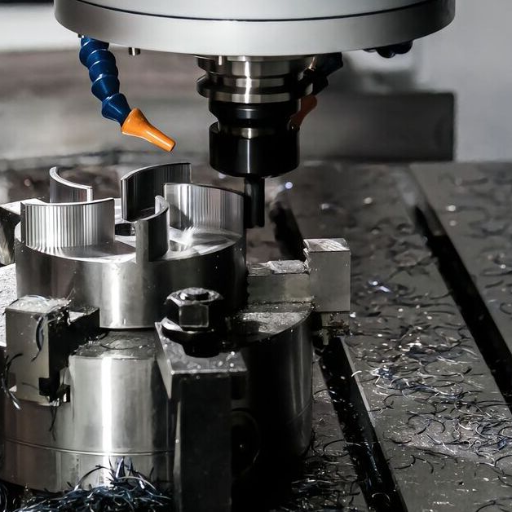
- It is Light: Aluminum is much lighter than many other metals, so it is preferred in applications demanding reduced weights without compromising strength.
- Strong for Its Weight: Though light, the metal is also quite strong for its weight and is heavily relied upon in many diverse applications.
- Corrosion Resistance: Aluminum, when exposed to air, naturally forms a protective oxide layer, which serves to guard the metal from corrosion.
- Versatility: Aluminum is easy to machine, mold, and work with, thereby, making it very acceptable in many manufacturing applications.
- Recycling: Aluminum can be completely recycled without gradual degradation in quality. This, therefore, makes it disposable again from a standpoint of cost and sustainability.
Corrosion Resistance of Aluminum
Corrosion resistance in aluminum is amongst the best and most valued properties, making it applicable in areas where the environment is harsh. This resistance mechanism is mainly due to the self-forming aluminum oxide film, which appears spontaneously and passivates the aluminum surface against further corrosion.
Latest information points out that aluminum’s corrosion rate under atmospheric circumstances is very slow, generally between 0.01 and 0.05 mm per annum. Even in highly aggressive scenarios, such as those typical of marine or industrial applications with high salinity or acid presence, the metal fares far better than many of its counterparts. Aluminum alloys, for instance, perform much better than carbon steels in seawater, with some of the alloys remaining practically untouched over several decades.
Moreover, surface treatments and coatings, like anodizing and painting, improve corrosion resistance of aluminum. Anodizing in particular thickens the oxide layer, thereby enhancing durability and appearance. These features pave the way for aluminum to be applied in construction, automotive, aerospace, and marine engineering trades, where performance longevity in adverse settings is paramount.
Strength-to-Weight Ratio for Aluminum Components
Among many characteristic aluminum properties, an important one that greatly contributes to these areas is the strength-to-weight ratio. Aluminum is one-third as heavy as steel and offers incredible strength, especially when alloyed with other metals. For instance, 7075-T6, a high-strength aluminum alloy, can offer a maximum tensile strength up to 83,000 psi (570 MPa), thereby competing with some grades of steel. Despite this strength, aluminum is much lighter than steel, having a density of about 2.7 g/cm³ in contrast to 7.8 g/cm³ for steel.
That weight savings are particularly important in aerospace applications, the more weight reduction the better for fuel purposes as well as for performance objectives. For instance, a Boeing 747 aircraft has approximately 147,000 pounds (66,000 kg) of aluminum in its components to give the aircraft structural integrity without weighing too much. In the automotive industry, using aluminum for lightweight components reduces the overall vehicle weight by 40%, which consequently improves fuel efficiency and lowers emission levels.
With these continuing developments in aluminum processing, including alloying and manufacturing at high precision, the future of this lightweight metal remains bright in vital applications. Whether for structural members, transport systems, or even consumer electronics, aluminum remains the one combination of strength and versatility.
Mechanical Properties of Popular Aluminum Alloys
As far as I understand, commonly used aluminum alloys are characterized by very good mechanical properties, i.e., very high strength-to-weight ratio, corrosion resistance, and good thermal and electrical conductivity. Such alloys are often classified according to their composition and temper. For instance, 6061 aluminum is largely known for its versatility and a good compromise between strength and corrosion resistance, thus serving well for structural applications. In contrast, 7075 aluminum has much higher strength and is commonly used when performance is critical for aerospace and automotive purposes. The kind of properties spectrum of each alloy varies depending on its composition and tempering, which is done in such a way so as to fulfill specific application requirements.
Working Aluminum Types for CNC Machining Purposes
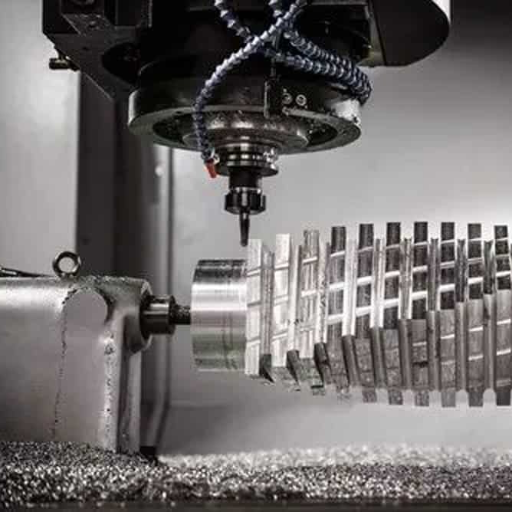
The 6061 aluminum has a wide range of uses as it has excellent versatility, decent strength, good corrosion resistance, and so forth-structural in nature and general types of parts.
High strength and lighter weight aluminum 7075 is common and prevalent in the aerospace and automotive industries where serious durability and performance matter.
Types of Aluminum Grades
Some of the most common aluminum grades for CNC machining are:
- 6061 Aluminum: Versatile and commonly found, it is very well machined and stands corrosion fairly well, along with good strength, and may find use as a general-purpose part or structural member.
- 7075 Aluminum: High strength and lightweight aluminum finds action in aerospace, automotive, and other high-performance applications considered a bit demanding.
These grades are selected depending on their critical application needs and usefulness.
Famous Aluminum Alloys: 6061, 7075, and More
Commonly used aluminum alloys such as 6061 and 7075 provide strength and durability along with lightweight properties. 6061 was considered a general-purpose aluminum alloy with good corrosion resistance and machinability; hence it is found quite often in general-purpose applications or structural work. Contrarily, 7075 has very high strength and finds applications in aerospace and automotive industries, which are considered high-performance applications. These alloys are chosen according to the very necessities and applications for which they are meant.
Pure Aluminum vs. Alloyed Aluminum in Machining
Pure aluminum is softer and easier to machine but lacks the strength and durability of alloyed aluminum, which is harder to machine yet offers superior mechanical properties.
| Property | Pure Aluminum | Alloyed Aluminum |
|---|---|---|
| Strength | Low | High |
| Machinability | Easy | Moderate |
| Durability | Low | High |
| Corrosion | Excellent | Varies |
| Weight | Lightweight | Slightly heavier |
| Cost | Lower | Higher |
| Applications | Basic uses | Advanced uses |
Which Aluminum CNC Machining Service Should You Choose?
- Material Oak: Make sure they have experience working with pure and aluminum alloys as per the client’s requirements.
- Precision and Quality: Check satisfactory precedence of high-precision machining and manufactured/output quality.
- Capabilities: The service must provide top-modern machinery technologies fitted well to your designs and end applications.
- Lead Time and Price: Assess-their stated production lead time together with their costs to see if they align well with your budget.
- Reputation: Draw from reviews, certifications, or case samples to ensure reliability and high customer satisfaction.
Evaluating CNC Machined Parts Quality
When assessing the quality of CNC machined parts, consider dimensional accuracy, surface finish, and material consistency. Check whether the parts are within tolerance and how smooth the machining surface is, as well as whether the parts meet the functional requirements, and undergo QA inspections such as CMM or material tests. Certified vendors should guarantee you of the quality reports they have and the traceability of the materials and processes used.
Factors to Consider in a Machine Shop
In assessing a machine shop, it is considered how competent they are in different materials and precision machining. Consider the equipment they operate in terms of up-to-dateness, maintenance, and conformity to accuracy standards. Test their quality system for inspection processes, ISO certificate, punctuality, free flow of communication, and capacity to get complex projects completed with efficiency.
Custom Aluminum Parts & Services Provided
Our machine shop customizes aluminum parts according to your specifications. Equipped with the latest machines and highly skilled machinists, it performs precision machining services that guarantee quality output. Be it prototype, small batch, or a large production run; accuracy and consistency are assured. CNC machining, milling, and finishing options are available to suit project requirements. We value clear communication, strict quality control, and timely delivery, all aimed to help you succeed.
Reference sources
- Comparison of Surface Roughness of High Speed Steel and Novel Chromium Nitride Tool Coating in CNC Machining of Aluminum Alloy AA5052
- Authors: A. A. Malik, D. Vinodh
- Publication Year: 2023
- Journal: THE 4TH INTERNATIONAL CONFERENCE ON MATERIAL SCIENCE AND APPLICATIONS
- Summary: This study compares the surface roughness achieved using high-speed steel tools versus novel chromium nitride-coated tools when machining aluminum alloy AA5052. The research highlights the effectiveness of the chromium nitride coating in improving surface finish and tool life.
- Methodology: The authors conducted experiments using both types of tools under controlled CNC machining conditions, measuring surface roughness using standard techniques. The results were statistically analyzed to determine the significance of the differences observed.
Citation: (Malik & Vinodh, 2023)
- Novel Methods for Optimizing CNC Aluminum Alloy Machining Parameters in Polymer Mold Cavities
- Authors: Ibrahim I. Ikhries, A. Al-Shawabkeh
- Publication Date: March 1, 2024
- Journal: International Journal of Lightweight Materials and Manufacture
- Summary: This paper presents innovative methods for optimizing machining parameters specifically for aluminum alloys used in polymer mold cavities. The study emphasizes the importance of parameter optimization to enhance machining efficiency and product quality.
- Methodology: The authors employed experimental designs and optimization techniques to identify the best machining parameters, focusing on factors such as feed rate, spindle speed, and depth of cut. The results were validated through practical machining tests.
Citation: (Ikhries & Al-Shawabkeh, 2024)
- Optimization of Machining Parameters on the Surface Roughness of Aluminum in CNC Turning Process Using Taguchi Method
- Authors: Yunata Mandala Putra et al.
- Publication Date: December 27, 2023
- Journal: International Journal of Innovation in Mechanical Engineering and Advanced Materials
- Summary: This research utilizes the Taguchi method to optimize CNC turning parameters for aluminum alloy 6063, aiming to improve surface roughness. The study identifies optimal conditions for spindle speed, feed rate, and depth of cut.
- Methodology: The authors used an L9 orthogonal array for experimentation and analyzed the results using ANOVA (Analysis of Variance) to determine the significance of each parameter’s effect on surface roughness.
Citation: (Putra et al., 2023)
Frequently Asked Questions (FAQs)
Q: What is common aluminum CNC machining?
A: When we talk of common CNC aluminum machining, we are referring to CNC processes that use CNC mills and CNC routers to construct precision aluminum parts from various grades of aluminum materials, such as aluminum 6061, aluminum 7075, and cast aluminum. This process is mostly used for manufacturing complex parts with very high degrees of precision and efficiency.�
Q: What advantage does aluminum offer for CNC machining?
A: Aluminum materials provide great advantages for CNC machining, including lightweight properties, good fatigue resistance, and easy machinability. Heat treatable aluminum alloys, such as aluminum 2024 and aluminum 7050, are often used where strength and durability are required.
Q: Before CNC aluminum machining, how does a CNC mill work?
A: CNC milling involves computer-controlled machining tools and is used to remove material from aluminum workpieces to produce precise and complex parts. CNC milling machines, cutting tools rotating at very high speeds, rapidly and efficiently process aluminum alloys such as aluminum 5052 and aluminum 6082.
Q: How does CNC turning differ from CNC milling when it comes to aluminum machining?
A: CNC turning holds the workpiece and rotates it while the stationary cutting tool shapes it, a scenario often seen for cylindrical parts. CNC milling, meanwhile, uses rotating cutting tools to machine away material from a stationary work piece, thereby creating intricate shapes and precision Aluminum parts.
Q: Why is 5-axis CNC milling used for machining aluminum?
A: 5-axis CNC milling is more flexible and precise when machining aluminum parts. This means the machine tool can maneuver both the cutting tool and the workpiece themselves in five different axes, allowing for precision manufacturing of complex parts and intricate designs.
Q: Which aluminum grades can commonly be CNC machined?
A: Aluminum grades commonly CNC machined include aluminum 6061 because of its versatility and strength: aluminum 7075 because of superior strength-to-weight ratio; and aluminum 5083, being excellent for corrosion resistance. Based on the different requirements of the job, these alloys are chosen.
Q: What is the high-speed machining concept in CNC aluminum machining?
A: High-speed machining is a procedure related to CNC aluminum machining which heightens the effectiveness of the CNC machining process, ensuring quick production periods without sacrificing quality. It entails high spindle speeds and a fast motif of feed rate throughout lateral CNC milling machine operation for fast material removal.
Q: Are aluminum prototypes or custom aluminum parts created by CNC machining?
A: Yes, CNC machining does well for prototyping aluminum and manufacturing custom aluminum parts. Precision and versatility offered by CNC machines permit rapid prototyping to test and perfect designs before entering mass production.
Q: What should be considered in choosing aluminum for CNC machining?
A: The choice of aluminum for CNC machining is largely influenced by considerations such as the intended use for the part, its strength requirements, corrosion resistance, and machinability. For good finishing capability, one may choose aluminum 6063, whereas aluminum 7050 would be used for very demanding aerospace applications.


