


In the fast-paced, ever-changing world of industry, machining and manufacturing remain the backbone of precision and creativity. The sector plays a significant role in producing the many components needed for the growth of technology and industry. The implementation of new technologies has enabled the machining industry to deliver high-quality parts with exceptional precision and accuracy, thereby raising the bar for what is possible.
📌 Key Highlights of This Article:
- The impact of these firms on technology development
- The main reasons these companies are different in the industry
Introduction to Machining Manufacturing
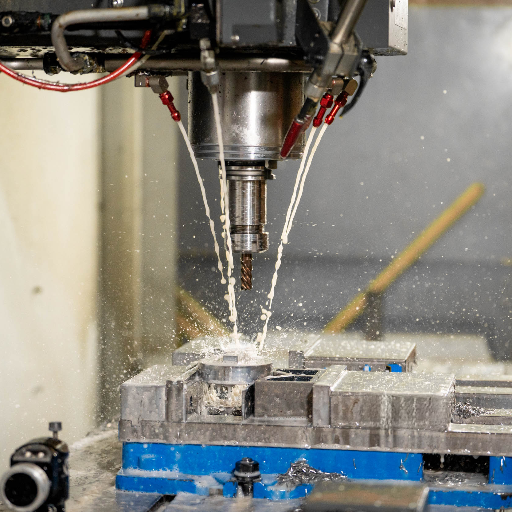
Machining manufacturing encompasses a wide array of procedures that turn raw materials into precise parts and components of great importance across different industries. Among other things, CNC milling, CNC turning, and 5-axis machining are the most important methods and deliverables of the machining process, as these techniques enable manufacturers to build intricate components with very tight tolerances. By employing high-end CNC machinery and computer numerical control systems, manufacturers ensure that every machined part meets the demanding standards of the aerospace, automotive, and electronics industries. As a major supplier of machine products, the machining industry is an essential component of the modern manufacturing ecosystem.
The Role of Machining in Modern Industry
In the modern industrial setting, machining is one of the primary methods of production, significantly affecting many industries. Machining manufacturing is the foundation for innumerable production lines. The following are the most important contributions of machining:
- ✓ Manufacturing of aerospace parts and making of ultra-precise tools
- ✓ Support in fast and efficient manufacturing of both large quantities and custom parts through the use of advanced technologies and CNC machines in the machining centers
The precision and accuracy of machining companies ensure that all machined products meet the high demands of modern sectors, thereby facilitating innovation and the spread of new technologies across the market.
Technological Advancements in CNC Machining
The machining industry has significantly benefited from the continual evolution of CNC machining technologies. Among the most significant contributions to this enhancement are the new techniques for CNC programming and the application of CAD systems. The use of 5-axis milling and turning machines enables the manufacture of complex vice pieces faster than ever before. In addition, the combination of new techniques in additive and subtractive manufacturing is encouraging the development of prototypes and final parts with unparalleled intricacy and quality. The advanced technology is thus keeping the machining service right on the technology curve in manufacturing.
Economic Impact of Machining Companies
Machining companies are considered as the backbone of the world economic system, since they are the main contributors to the growth and innovation in different sectors spread across the globe. They are the suppliers of quality precision parts and machine tools used in many industries such as aerospace, automotive and consumer electronics. The economic impact of machining is highlighted by its contribution to reducing production costs and improving supply chain efficiency. The performance of these companies in high-precision machining services is a significant factor in the competitiveness of manufacturing companies worldwide. The economic force that this industry generates goes beyond the benefits of direct production, as it affects employment, technology and the flow of trade between countries in a globalized world.
Ranking the Top 15 Machining Companies
Criteria for Selection
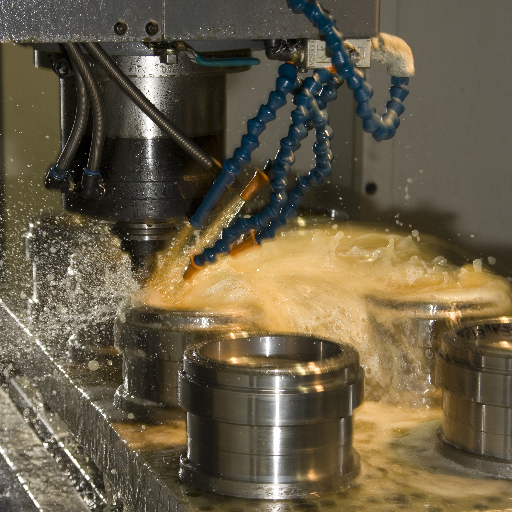
In determining the top 15 machining companies, several key criteria were employed to ensure a comprehensive evaluation of their contributions to the industry. The primary factors considered include:
These criteria provide a holistic view of each company’s capabilities and impact on the machining manufacturing landscape.
Overview of Each Top Company
Each of the top 15 companies is recognized for its specific skill and influence in the machining manufacturing industry. Mazak, for example, is famous for its state-of-the-art CNC machinery and for continuously improving complex CNC lathes and milling machines, which are critical for producing high-accuracy parts for the aviation and automotive industries. The companies are also taking part in the most modern areas like sheet metal cutting, prototyping, and many other activities including CNC machining for custom-made parts. They are not only producing machine products at the highest quality level but also adopting and pressing for innovations that will determine the future of precision CNC machining.
Innovations and Contributions of the Leaders
The foremost machining firms have always been at the forefront of technology and innovation. They have incorporated technologies such as CAD systems and CNC programming, which have significantly improved their manufacturing services and enabled the production of complex parts in a short time. These firms have also availed themselves of subtractive and additive manufacturing processes to produce prototypes and finished products of a precision unmatched by any other. They have employed 5-axis machining and state-of-the-art CNC equipment not only to define a high-quality production process but also to enable the machining industry and other industries to reap significant benefits from their contributions.
In-Depth Company Profiles

1. Baetro
Year Founded: 2015
Introduction: A leading CNC machining company specializing in precision metal parts and automation solutions.
Main Products: CNC machined parts, automation components, and custom metal fabrication.
✓ Advantages:
High precision, advanced automation, and excellent customer service.
✗ Disadvantages:
Limited information on global reach.
Website: baetro-machining.com
2. UPTIVE Advanced Manufacturing
Year Founded: 2016
Introduction: A supplier of cutting-edge manufacturing technology for rapid prototyping and production.
Main Products: CNC milling, turning, prototyping, and additive manufacturing.
✓ Advantages:
Speed, material versatility, and scalability.
✗ Disadvantages:
Limited global presence.
Website: uptivemfg.com
3. Haas Automation
Year Founded: 1983
Introduction: Known for user-friendly and affordable CNC machines.
Main Products: Vertical and horizontal machining centers.
✓ Advantages:
Cost-effective and reliable.
✗ Disadvantages:
Limited advanced features.
Website: haascnc.com
4. Hardinge
Year Founded: 1890
Introduction: Focuses on precision machining and workholding solutions.
Main Products: CNC lathes, mills, and grinders.
✓ Advantages:
High accuracy and reliability.
✗ Disadvantages:
Limited product range.
Website: hardinge.com
5. DMG Mori
Year Founded: 1948
Introduction: A pioneer in precision CNC machining and automation.
Main Products: Turning, milling, and ultrasonic machines.
✓ Advantages:
High precision and innovation.
✗ Disadvantages:
Expensive for small businesses.
Website: dmgmori.com
6. Amada
Year Founded: 1946
Introduction: Specializes in sheet metal processing machines.
Main Products: Laser cutting and press brakes.
✓ Advantages:
High precision for sheet metal.
✗ Disadvantages:
Limited to specific applications.
Website: amada.com
7. Mazak Corporation
Year Founded: 1919
Introduction: A global leader in CNC machine tools and automation.
Main Products: Multi-tasking machines, 5-axis machining centers.
✓ Advantages:
Advanced technology and global support.
✗ Disadvantages:
High cost.
Website: mazak.com
8. Xometry
Year Founded: 2013
Introduction: A manufacturing platform connecting customers with a network of suppliers.
Main Products: CNC machining, 3D printing, and sheet metal fabrication.
✓ Advantages:
Wide range of services and instant quoting.
✗ Disadvantages:
Quality may vary due to supplier network.
Website: xometry.com
9. Protolabs
Year Founded: 1999
Introduction: A digital manufacturing leader specializing in rapid prototyping and small-volume production.
Main Products: CNC machined parts, 3D printing, and injection molding.
✓ Advantages:
Fast turnaround and automated quoting.
✗ Disadvantages:
Limited to prototypes and small batches.
Website: protolabs.com
10. Makino
Year Founded: 1937
Introduction: Renowned for high-speed machining and precision.
Main Products: Vertical and horizontal machining centers.
✓ Advantages:
Excellent for aerospace and die/mold industries.
✗ Disadvantages:
High initial investment.
Website: makino.com
11. RapidDirect
Year Founded: 2014
Introduction: Specializes in advanced CNC machining and rapid prototyping.
Main Products: CNC machined parts and prototypes.
✓ Advantages:
High precision and fast delivery.
✗ Disadvantages:
Limited to small and medium-scale production.
Website: rapiddirect.com
12. Owens Industries
Year Founded: 1944
Introduction: Specializes in ultra-precision machining for critical industries.
Main Products: 5-axis CNC milling, micromachining, and EDM.
✓ Advantages:
Exceptional precision and reliability.
✗ Disadvantages:
High cost for small-scale projects.
Website: owensind.com
13. Trumpf
Year Founded: 1923
Introduction: Specializes in laser cutting and sheet metal processing.
Main Products: Laser cutting machines and CNC routers.
✓ Advantages:
Precision and speed.
✗ Disadvantages:
Focused on sheet metal applications.
Website: trumpf.com
14. HELLER
Year Founded: 1894
Introduction: Known for flexible and productive CNC machines.
Main Products: 4/5-axis machining centers.
✓ Advantages:
Custom solutions and high quality.
✗ Disadvantages:
Expensive for small-scale operations.
Website: heller.biz
15. Yijin Hardware
Year Founded: 2003
Introduction: A leader in precision machining with extensive capabilities.
Main Products: CNC machined parts, laser cutting, and cold heading.
✓ Advantages:
Comprehensive services and tight tolerances.
✗ Disadvantages:
Limited global presence.
Website: yijinsolution.com
Current and Emerging Trends in Machining
Automation and AI Integration in Manufacturing
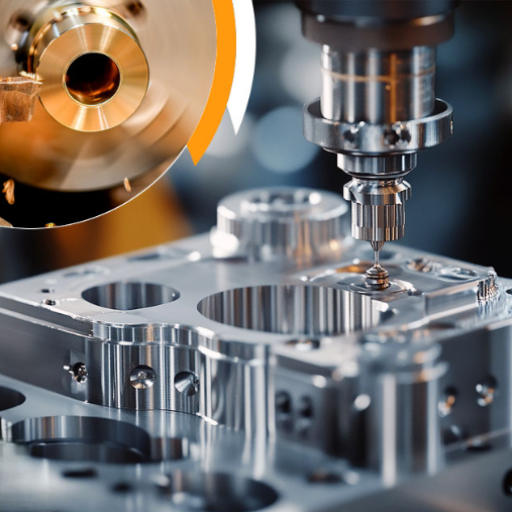
Automation and gradually AI have been integrated into the machining process thus bringing about a complete revolution in the entire manufacturing process with a significant improvement in both the speed and the accuracy of the process. The advanced CNC machines installed with AI-based systems are now capable of optimizing the entire production process thus leading to the reduction of lead times as well as the minimization of human errors. The automation of the whole machine center process enables uninterrupted, high-volume production while AI algorithms handle predictive maintenance and quality control. This perfect combination of the two technologies not only guarantees the consistent production of intricate parts, but also allows machining companies to respond to industry demands very quickly.
Sustainable Practices in Machining Companies
Sustainable practices have become a trend among machining companies to mitigate environmental impact and improve operational efficiency. Advanced CNC technology and energy-saving manufacturing methods are among the ways these companies are reducing waste and conserving the planet’s resources. Sustainable machining means not only the use of greener materials, but also the recycling of machine products and operating machining centers in ways that consume the least energy. All these mean that the practices adopted not only contribute to the realization of the global sustainability agenda, but also provide a basis for machining companies to be seen as environmentally responsible, which in turn, make them attractive to eco-friendly clients and industries.
Adoption of Advanced Materials in Production
The introduction of cutting-edge materials into machining is one of the main factors driving innovation and expanding the range of services offered by CNC machining companies. Carbon composites, high-strength alloys, and engineered plastics are among the advanced materials increasingly used to produce precision parts and components. These materials are the very best in terms of mechanical strength, longevity and the capacity to withstand harsh environments; hence, they are the leading choice for industries such as aerospace and automotive. Machining companies have empowered their production processes by employing state-of-the-art CNC milling and turning which not only guarantees the accuracy of the materials machined but also the adherence to the high quality of output as specified by the demanding standards of the industry and the intricate requirements for parts.
Conclusion: Choosing the Right Machining Partner
Importance of Selecting the Right CNC Machining Company
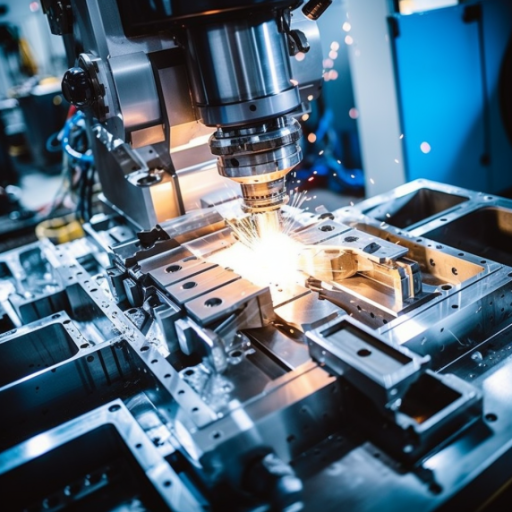
Choosing the right CNC machining firm is vital to the success of a manufacturing project. A reliable machining partner provides not only the precision and accuracy of machined parts production but also the know-how in advanced CNC programming and CAD integration. When it comes to producing high-quality custom parts, companies can meet the industry-specific requirements of the aerospace, automotive, or electronics sectors. The ideal partner will have a history of delivering on time, maintaining quality standards, and leveraging new technologies to overcome the challenges of complex manufacturing.
💡 Key Factors to Consider When Choosing a Machining Partner:
- Technical Expertise: Advanced CNC programming and CAD integration capabilities
- Quality Standards: Proven track record of maintaining high precision and accuracy
- Delivery Performance: Consistent on-time delivery and reliability
- Industry Experience: Knowledge of sector-specific requirements and standards
- Technology Adoption: Use of cutting-edge manufacturing technologies
Global Impact of Leading Machining Companies
The major machining companies have a very noticeable, and in many cases, very beneficial worldwide impact, with the technology and the economy in different areas being the primary beneficiaries. These companies, by selling exact machine tools and components, help the industries that are most important to the global economy. Their influence is felt through job creation, technology development, and increased supply chain efficiency. As leading suppliers in the machining industry, they are the ones who make it possible for international trade and cooperation to flourish and consequently, industries everywhere have the precision machining services they need for their operations.
Future Outlook for the Machining Industry
A positive prospect for the machining industry is that future technological improvements will continue to characterize precision manufacturing. Automation and robotic applications, AI use and modern materials will be the factors that directly influence and fuel the movement for efficiency and innovation. The combination of additive manufacturing with traditional subtractive processes would enable CNC machining companies to produce sophisticated parts with unmatched accuracy. The industry will continue to progress as the need for high-standard, tailor-made solutions increases, thereby reinforcing its position as the manufacturing field of the future.
🚀 The Future is Precision
The machining industry continues to evolve with groundbreaking technologies and innovative approaches. As these top 15 companies lead the way, they set new standards for precision, efficiency, and sustainability in manufacturing. Choosing the right machining partner today will determine your competitive advantage tomorrow.


