


Aluminum alloys are key ingredients in engineering and manufacturing today, with Alloy 6082 going in the high-performance category, making it highly versatile in its applications. Known for its strength properties, corrosion resistance, and a perfect choice for machining processes, Alloy 6082 is made of alloys in various sectors, from construction to automobile and others. This blog will delve into the properties of 6082 Aluminum, its application aspects, and the advantages it gives that make it a preferred choice among engineers and manufacturers. This guide, hence, will provide a complete insight into the indispensability of 6082 aluminum in today’s world, either for the learned one trying to gain further insight or for someone fascinated by advanced materials.
What is 6082 Aluminum and Its Composition?
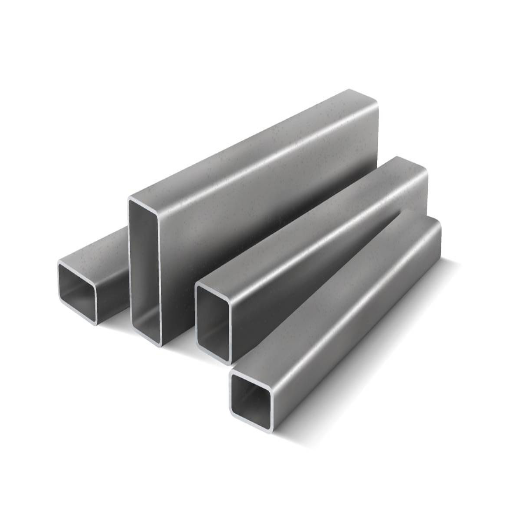
The 6082 aluminum is considered the high-strength member of the 6000 series of aluminum alloys, containing magnesium and silicon in fairly appreciable amounts. It can be well regarded as an alloy with excellent corrosion resistance and mechanical properties applied in large-scale structural works. Its composition typically contains roughly 0.7-1.3% magnesium, 0.4-1.0% silicon, somewhat negligible manganese, iron, and other additives, with aluminum as the significant component. The balanced chemical composition imparts strength with ease of machining and welding, enhancing versatility and lending itself to applications across various industries.
What are the key components of 6082 aluminum alloy?
6082 aluminum alloys have magnesium (0.7%-1.3%) and silicon (0.4%-1.0%) as their main alloying elements, exerting strength and corrosion resistance. It also contains manganese (0.4-1.0%), iron (max. 0.5%), copper (max. 0.1%), as well as traces of chromium (max. 0.25%) and zinc (max. 0.2%). Aluminum predominates, thus granting it a lightweight yet sturdy structure. This perfect blend of the elements makes the 6082 alloy suitable for industrial and structural applications, especially in transportation and construction.**
How does the chemical composition affect its properties?
The chemical composition of 6082 aluminum alloy plays the leading role in defining its properties and performance. The high percentage of aluminum makes the alloy lightweight-and-the-tires-for-which-weight-reduction-is-a-priority-for-transportation-aerospace. Manganese and silicon values help in the corrosion resistance of the 6082 aluminum alloy while imparting moderate strength that maintains structural integrity in a tough atmosphere. Lesser amounts of iron, copper, chromium, and zinc impart additional strength and resistance to wear to the alloy. Together, these properties render it a versatile alloy capable of withstanding extremes of environmental insult and mechanical stress, serving industries and construction activities in various spheres.
Why is 6082 considered a medium-strength aluminum alloy?
The 6082 aluminum alloy is generally labeled as a medium-strength alloy because of its very balanced mix of mechanical properties and its versatility. It belongs to the 6000 series, mainly consisting of aluminum, magnesium, and silicon. Tensile strength, generally in the region of 260 MPa to 310 MPa in T6 temper, is a significant reason for this classification as medium strength. This places it below high-strength alloys of the 7000 series and above low-strength 1000-series alloys.
The alloy’s excellent corrosion resistance is more evident in marine and industrial settings, making it a choice candidate where strength and endurance are needed in harsh conditions. Its excellent weldability also favors 6082 over other medium-strength alloys since its chemical composition has been selected wisely.
The 6082 boasts a decent weight-to-strength ratio and a density of around 2.70 g/cm³. Its lightness is essential to industries such as aerospace, automotive, and construction, where weight reduction takes precedence alongside durability. These properties, along with machinability and the opportunity to be easily formed into fairly complex shapes, widen its engineering use further.
To sum up, 6082 is labeled medium strength because it is a good all-purpose material that will eventually need to be used for a careful blend of mechanical strength, lightweight properties, corrosion resistance, and processing flexibility.
What are the Mechanical Properties of 6082 Aluminum?
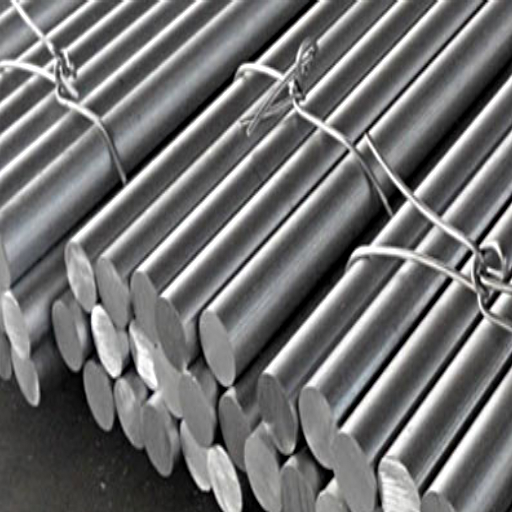
The 6082 aluminum is widely known for its mechanical properties, especially the most desirable strength-to-weight ratio. Some of the key features are given below:
- Tensile Strength: Usually in the range of 250 to 350 MPa, depending on the temper.
- Yield Strength: About 200 to 300 MPa, offering decent resistance to deformation under stress.
- Elongation at Break: Around 8-10%, sufficient ductility for forming.
Hardness: Around 75 to 95 HB, providing resistance to wear.
Hence, the combination of properties makes the 6082 aluminum one of the most versatile choices in structural, transportation, and engineering applications.**
What is the tensile strength of aluminum 6082?
Depending on its temper, aluminum 6082 has varying degrees of tensile strength. For a T6 temper considered the most common for high-strength requirements, the tensile strength is commonly in a series from 290 to 330 MPa. This makes it useful for structural applications requiring performance under mechanical stresses.
How does heat treatment affect the mechanical properties?
Heat treatment alters the microstructure and thereby affects the mechanical properties of aluminum 6082, similarly increasing strength, ductility, and toughness. The usual treatment for aluminum 6082 is solution heat treatment and subsequent artificial aging in the T6 temper.
Solution heat treating involves heating the alloy to a temperature (typically between 530°C and 550°C) high enough to dissolve soluble phases and promote homogeneity and rapid quenching so that these particles cannot precipitate out and remain locked in a supersaturated solid solution. In fact, this aging process provides hardness and tensile strength.
After quenching comes artificial aging, generally somewhere between 160 °C and 210°C, in which ultrafine particles are precipitated out to strengthen the alloy. This aging lends the T6 temper its celebrated mechanical properties. Research has indicated that a well-controlled heat treatment can increase the tensile strength of aluminum 6082 from some 120 MPa in the annealed state to between 290 and 330 MPa in the T6 temper, while the yield strength jumps to about 240 MPa in the T6.
Heat treatment also makes aluminum 6082 more resistant to fatigue and impact; all these characteristics make aluminum 6082 apt for load-bearing applications in aerospace, transport, and construction. However, improper heat treatment leads to the averaging of aluminum 6082, thus diminishing the mechanical performance due to coarse precipitate formation. Hence, temperature and time have to be critically controlled to obtain perfect results for aluminum 6082.
What are the differences between 6082 and 6061 aluminum?
The 6082 aluminum is stronger and has better corrosion resistance than the 6061 aluminum; nonetheless, 6061 is generally softer and machinable, therefore adaptable for a broader range of applications.
|
Parameter |
6082 Aluminum |
6061 Aluminum |
|---|---|---|
|
Strength |
Higher |
Moderate |
|
Corrosion |
Superior |
Excellent |
|
Machinability |
Moderate |
Excellent |
|
Weldability |
Good |
Excellent |
|
Applications |
Structural, Marine |
General-purpose |
|
Cost |
Higher |
Lower |
How is 6082 Aluminum Used in Applications?
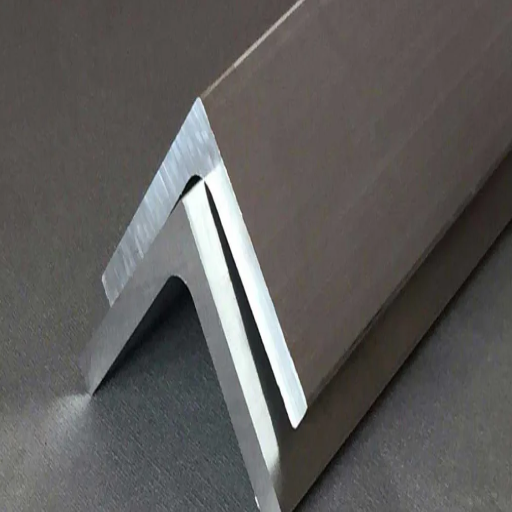
In use, aluminium alloy 6082 finds applications where high strength and corrosion resistance are most important. Excellent mechanical properties characterize it and find use as construction components such as bridges, trusses, and scaffolding. Given its strongest durability and lightweight nature, it is extensively used in making automotive and aerospace parts, such as chassis, frames, and wheels. Corrosion resistance is a characteristic of aluminum 6082, making it further suitable for marine atmospheres, where it finds use in shipbuilding and offshore structures.
What are typical applications for 6082 aluminum alloy?
Due to the versatility and properties of 6082 aluminum alloy, it is extensively used in various industries. Below are five typical applications, with details associated with each use:
- Construction Industry
Commonly used in structural components, on bridges, trusses, scaffolds, etc., with an excellent strength-to-weight ratio and mechanical properties. Otherwise, it would compromise durability and overall weight of materials being used in structures.
- Automotive Industry
It is used in producing vehicle parts, such as chassis, frames, wheels, etc. Being lightweight, it enables fuel efficiency, and it can bear stress and impacts.
- Aerospace Industry
Considering its strength and weight, this aluminum alloy is utilized in making components for the aircraft, particularly those of the fuselage and wing structures, so that they are capable of performing and are safe and efficient during flight.
- Marine Applications
This is very much used for shipbuilding, including hulls and support structures, as well as for offshore platforms, in strong anticorrosion environments, where this saltwater environment predominates.
- Industrial Machinery
Used widely for machine components and tooling because of its durability, good machinability, and ability to take heavy loads, securing sufficient performance over the long run in an Industrial environment.
How does aluminum extrusion with 6082 work?
The process of aluminum extrusion with the 6082 alloy features heating aluminum until it becomes malleable, and it is then forced by a ram through a die to obtain a particular cross-sectional shape. The 6082 alloy has strength, corrosion resistance, and good machinability, making it well suited for this use. Generally, preheating the alloy to a temperature of 750°F to 900°F is done to confer the necessary plasticity to the billet. Then the billet, now in a plastic state, shall be rammed through a die.
The best end-use practice is the rapid cooling of the extrusion, typically by water or air quenching, to retain the structural qualities imparted by the extrusion. After that, the material may be stretched to remove distortion or misalignment. Aging or heat treatment, normally performed next, increases the resistance of the metal properties to wear and further. 6082 extrusions find their application in structural components, automotive parts, and transportation systems, which demand utmost reliability and performance when placed under stress.
How to Machine 6082 Aluminum?
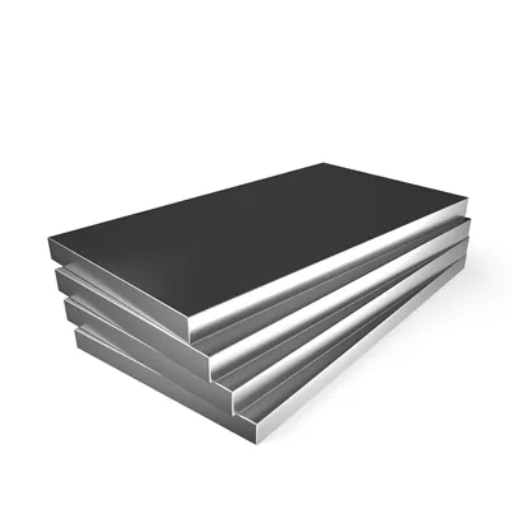
Machining 6082 aluminum is all about detailed preparation and the correct tools to ensure precise and efficient results. Carbide tools are preferred for aluminum since they give you a neat and considered cut. Cutting speeds could be moderated, and lubrication should be adequate, whereby friction and heat from the high cutting speed would wear out the carbide tools. Any sudden change in cutting speed and feed rate will cause chatter, an abnormal noise, and minute vibrations in the tools or the workpiece that would deform the cut material. Also, chips must be regularly removed from the cutting zone to avoid clogging. Overall, always check the condition of your machines and tools beforehand for best results.
What are the best practices for machining 6082 aluminum?
For utmost precision and finer finish while machining 6082 aluminum, the machining process needs to follow certain best practices specific to the work material. Among these, the five most important ones are enumerated below:
- Use Sharp and Coated Tools
Use HSS or carbide tools with a sharp cutting edge designed for aluminum. TiN—or DLC-coated tools can help reduce built-up edge formation and also provide a better surface finish.
- Set Cutting Parameters Properly
High cutting speeds (generally in the range of 300–400 m/min) coupled with medium feeding rates should be given priority to efficiently remove material while keeping heat generation to a minimum. In due course, these parameters may be changed depending upon the machine tool’s abilities and the complexity of the part being machined.
- Proper Lubrication
Use an aluminum-specific cutting fluid or lubricant to reduce friction, heat build-up, and prevent aluminum from sticking to the tools.
- Proper Chip Removal
Aluminum tends to produce long, stringy chips, necessitating efficient chip evacuation. To protect against clogging and scratches on the workpiece, use compressed air or coolant to clear the chips during machining.
- Workpiece Stabilization
Tighten the aluminum workpiece firmly so that vibrations are not transmitted, which can otherwise produce adverse surface finishes or dimensional inaccuracies. For further assistance, vibration-damping techniques or fixtures can be used.
By abiding by all these guidelines, tool life can be increased, machining efficiency improved, and better-quality results ensured when machining 6082 aluminum.
How does machinability compare to other aluminum grades?
Machine operation is good for 6082 aluminum compared with other grades. It is slightly harder than 6061, 7075, or 2024 and less hard than the 1100 and 3003 series.
|
Grade |
Machinability |
Strength |
Uses |
Corrosion |
Ease of Forming |
|---|---|---|---|---|---|
|
6082 |
Good |
High |
Structural |
Excellent |
Moderate |
|
6061 |
Excellent |
High |
General Purpose |
Very Good |
Good |
|
7075 |
Moderate |
Very High |
Aerospace |
Moderate |
Difficult |
|
2024 |
Moderate |
High |
Aircraft |
Poor |
Difficult |
|
1100 |
Easy |
Low |
Household |
Excellent |
Very Good |
|
3003 |
Easy |
Low-Medium |
Rooftops |
Very Good |
Excellent |
What tools are recommended for 6082 aluminum machining?
Proper choice of tools enhances performance and makes the aluminum surface smoother when machining 6082 aluminum. Carbide tools are recommended for cutting at high speed since they are sturdy and accurate. It can also be worked using an HSS tool, but these wear more quickly than carbide tools. Polished flute tools help the chips fall out better and produce finer finishes. Tools with sharp edges and geometries are needed for optimal machining of aluminum to avoid burring or chattering. Coolants or lubricants will also reduce tool wear and unit dimensions.
Reference Sources
1. Cavitation Erosion Characteristics of the EN AW-6082 Aluminum Alloy by TIG Surface Remelting
- Authors: I. Mitelea et al.
- Published: March 23, 2023
- Journal: Materials
- Key Findings:
- Investigated the effects of TIG surface remelting on the cavitation erosion resistance of EN AW-6082 aluminum alloy.
- The study found that remelting significantly increased surface microhardness and reduced the erosion rate from 0.50 µm/min to 0.10 and 0.32 µm/min.
- Methodology:
- Employed TIG remelting at various linear energy values and analyzed the microstructure using optical and scanning electron microscopy.
2. Investigation of the corrosion behavior of 6082 aluminum alloy in deicing salt
- Authors: Li Yang et al.
- Published: July 13, 2023
- Journal: Materials and Corrosion
- Key Findings:
- Analyzed the corrosion behavior of 6082 aluminum alloy in deicing salt environments.
- The corrosion resistance was found to be influenced by the microstructure and precipitate distribution within the alloy.
- Methodology:
- Utilized electrochemical impedance spectroscopy and various microscopy techniques to study corrosion mechanisms.
3. Top Aluminum CNC Machining Parts Manufacturer And Supplier In China
Frequently Asked Questions (FAQs)
Q: What is the main difference between 6061 and 6082 aluminum?
A: 6082 is stronger and more corrosion-resistant, while 6061 is easier to machine and more versatile.
Q: Which aluminum alloy is best for marine applications?
A: 6082 and 5xxx series alloys are excellent for marine environments due to their superior corrosion resistance.
Q: Is 6061 aluminum good for welding?
A: 6061 aluminum is highly weldable and widely used in structural applications.
Q: What makes 6082 aluminum stronger than 6061?
A: ‘s higher manganese content, 6082, improves its strength and grain structure.
Q: Which alloy is more cost-effective, 6061 or 6082?
A:6061 is generally more affordable and widely available compared to 6082.
Q: Can 6082 aluminum be machined easily?
A: While machinable, 6082 requires specialized tools and techniques due to its higher strength.
Q: What are the typical applications of 6061 aluminum?
A:6061 is used in automotive parts, aerospace components, bicycle frames, and general-purpose structures.
Q: Why is 6082 preferred for structural applications?
A: Its high strength and corrosion resistance make it ideal for bridges, cranes, and trusses.
Q: Are both 6061 and 6082 heat-treatable?
A: Both alloys can be heat-treated to enhance their mechanical properties.
Q: Which alloy is better for high-stress environments?
A:6082 is better suited for high-stress applications due to its superior strength.


