


Stainless steel CNC machining stands as a cornerstone in modern manufacturing, affording unmatched precision and durability in various industries. Depending on the type of parts involved, be they intricate ones for the medical field, strong ones for the automotive sector, or high-precision aerospace elements, the versatility and strength of stainless steel play roles of prime importance. But weighing that fine balance between precision and efficiency while keeping the material’s integrity intact is where true skill lies in the machining process. The following article serves as a ready-to-go guide through all facets of stainless steel CNC machining-from benefits and material properties to techniques and challenges. This way, anyone wishing to sharpen their skills or improve their machining projects might find great use in this article!
What is Stainless Steel and Why is it Used in CNC Machining?
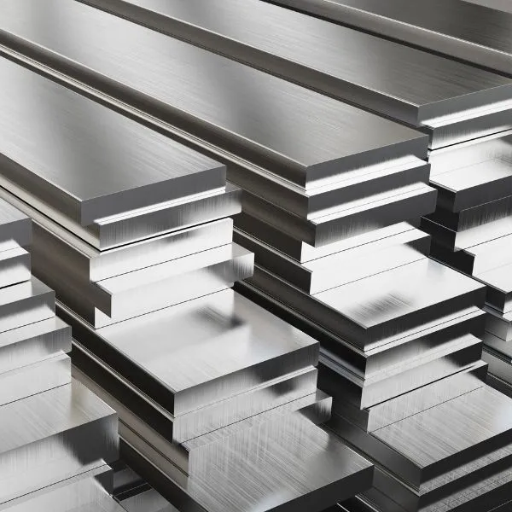
A versatile and durable alloy, stainless steel is made mostly from iron, carbon, and chromium-measuring, at least 10.5 %-which imparts corrosion-resistant properties to the steel. Being a tough material that can withstand wear, rust, and extreme temperatures makes stainless steel an extremely useful material in CNC machining. Such characteristics make stainless steel perfect for applications requiring fixed and life-time components in aerospace, medical, and automotive industries.
Knowing Stainless Steel: Composition and Properties
The unique-quality combination of stainless steel derives from its special composition. In particular, chromium imparts its anticorrosive property by forming an oxide film so thin that it is invisible to the naked eye on the surface of the steel. Now, in varying amounts-and depending on the grade-the elements nickel, manganese, molybdenum, or nitrogen are also added to improve those properties, in particular. For example: Nickel imparts toughness and thermal expansion resistance; molybdenum imparts strength and resistance to pitting corrosion (low chloride environments in marine, industrial, etc.). The carbon content governs the hardness and strength of the alloy, and so stainless steel can be tailored to its particular usage. The unparalleled strength, durability, and wear-resistance characteristics make stainless steel an important material in ensured precision machining and manufacturing.
Why is Stainless Steel the Perfect Choice for CNC Machining Projects?
Thanks to its fascinating characteristics and versatility, stainless steel stays among the most demanded materials for CNC machining. It exhibits extreme durability with tensile strength and corrosion-resistant property in full force, hence placing it in applications requiring ruggedness within aerospace, medical, automotive, and marine industries. As per trending, more than 60% of industrially machined precision components are made from stainless steel, mainly because of its capability to sustain extreme environmental conditions.
So, what makes stainless steel ideal for CNC machining? It is its ability to hold up in rigorous stress and extreme temperature conditions. For example, grades such as 304 and 316 stainless steel are common because they immunize components from extreme heat (around 2,550°F or 1,400°C) and corrosion simultaneously. Hence, these grade elements assure reliable performance of components in harsh environments such as exposure of saltwater in marine applications or extreme heat environment in industrial machinery.
Moreover, CNC technology developments facilitate stainless steel manufacturers to maintain tight tolerances and precise finishes, making stainless steel applicable for delicate designs and intricate components with complex geometries. Despite stainless steel being somewhat difficult to machine in comparison with softer material, proper tooling-assisted modern CNC processing machinery ensures an efficient cutting process, thus lessening wear and tool degradation. It is shown that machining stainless steel with coated carbide tools extends the tool life by 50%, which is a great advantage in keeping projects cost effective.
Also, stainless steel is an environmentally-friendly choice since it is 100% recyclable and reduces carbon footprint. For industries that think about strength, hygiene, and lifetime value of its products, stainless steel stands unsurpassable for CNC machining projects.
Common Types of Stainless Steel Used in CNC Machining
Common types of stainless steel used in CNC machining include austenitic (304, 316), ferritic (430), martensitic (410), and duplex stainless steels.
| Type | Composition | Strength | Corrosion | Machinability | Uses |
|---|---|---|---|---|---|
| Austenitic | 304, 316 | Moderate | High | Moderate | Food, Medical |
| Ferritic | 430 | Moderate | Moderate | High | Appliances |
| Martensitic | 410 | High | Low | Moderate | Tools, Cutlery |
| Duplex | Mix of 304/ | High | Excellent | Low | Marine, Oil |
How Does CNC Machining Work with Stainless Steel?
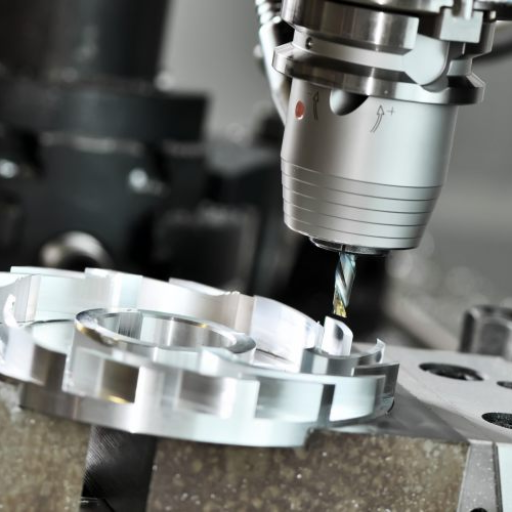
CNC machining works for stainless steel by using computer-controlled tools to cut, shape, and finish the material according to very specific measurements. It is generally a process where a CNC machine is programmed with very detailed designs to perform cutting operations like milling, drilling, and turning. Stainless steel, being hard and corrosion-resistant, is the ideal material for CNC machining. However, it is important to have adequate cooling and quality tools to avoid the wear of tools and overheating.
The CNC Machining Process for Stainless Steel
First comes the preparation and programming for CNC machining of stainless steel. Initially, a detailed CAD model is developed for the required part, complete with exact imprecisions and specifications. This design is then converted into a CNC program with the aid of CAM software, which creates fine machining instructions.
After ensuring the CNC setup, and fixture of the stainless steel to hold it firmly during machining, some operations will be carried out on the material, such as milling, turning, drilling, or grinding, as instructed by the program. Coolants are usually applied to maintain an optimum temperature, lessen tool wear, and provide a smooth finish to the stainless steel surface.
Good stainless steel machining results are achieved by the use of superior cutting tools made of hard materials such as carbide or coated steel. Constant monitoring to ensure the smooth performance of the operations is essential, ensuring strict adherence to cutting speeds and pressure applied on the tool because of the hardness and heat resistance of stainless steel. After machining, the machined parts are subjected to a quality inspection to ensure it matches the design specifications. This careful process deems CNC machining suitable for making high-performance stainless steel parts.
Challenges in Machining Stainless Steel
Due to its properties of high toughness, work-hardening behavior, and low thermal conductivity, stainless steel certainly brings several challenges with it. Without an adequate approach, the tool may wear rapidly, heat may build up overhead, and surface integrity may degrade.
Work hardening is one major conceptual problem. Stainless steel becomes harder around the surface area while machining due to the pressure and heat applied, which makes subsequent cutting passes difficult and accelerates tool wear. This is highly seen with austenitic stainless steels, which made up nearly 70% of all stainless steel that is used in various industries.
Moreover, stainless steel has low thermal conductivity. The heat concentration at the cutting edge for stainless steel machining is quite high compared to carbon steel; the rate at which heat dissipates into stainless steel is only about one-third that of carbon steel. And this could cause thermal damage to both the tool and the workpiece. Considering the high temperature and pressure, tool life is considerably reduced: i.e., tooling for stainless steel could wear 50% faster as compared to the conventional steels.
Another problem is with the chip-formation process. Stainless steel chips have a tendency to be long and stringy instead of breaking cleanly, complicating maintenance of the machine tools and leading to possible damage at high-speed machining.
Using modern tools applying TiAlN or CVD diamond coatings can fight against the challenges of wear resistance and heat dissipation. Using suitable cutting fluids and adjusting cutting velocities and feed rates according to the stainless steel’s grade would enhance operational efficiency. For example, innovative cutting speeds with high lubricity coolants show enormous benefits for lowering tool wear and surface finish.
Effective Techniques for CNC Machining Stainless Steel
Through machining of stainless steel, the utilization of suitable tooling and machining parameters, as well as a sound operational strategy, forms together with the components to generate utmost successful output. High-performance cutting tools with carbide or TiAlN or diamond-like coatings are recommended in order to maximize the tool’s durability and resistance from wear. Continuous sharpness of the cutting edges is equally essential to avoid stainless steel from going work-hardened.
Methods of machine set up include cutting at lower speeds while trying to keep feed rates higher and thus keep the trap friction and loss of heat at a minimum level through machining. Use of best quality cutting fluids or coolant with good lubricating properties becomes even more necessary as this helps in dissipating heat and providing good finish to the workpiece. The final method would be to use latest CNC programming tools such as trochoidal or high-speed CNC machining to help save the tool life and efficiency when working with a very complex or high precision part.
What Are the Benefits of CNC Machining Stainless Steel?
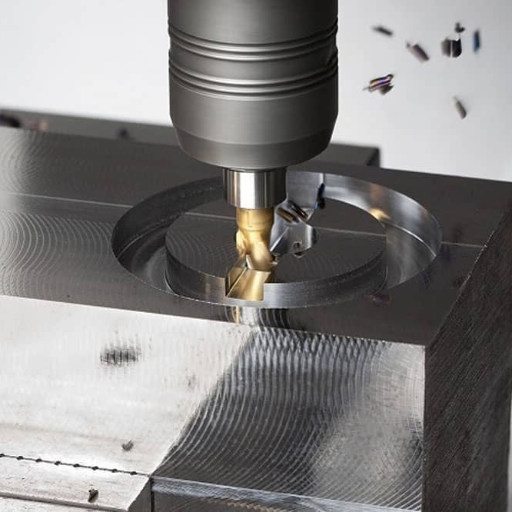
The CNC machining of stainless steel has many high benefits. It offers an excellent degree of precision and consistency being able to deliver fine quality outputs even for complicated designs. Due to the unmatched strength and corrosion-resisting properties of the stainless steel, it can be good to be used in the medical arena to the automotive industry. CNC machining also favors an efficient production process. It reduces material wastage and also costs in manufacturing. These factors made it an ideal choice in industries requiring solid and long-lasting parts.
Durability and Corrosion Resistance
Across the countertops of kitchen plots, through stainless steel disposal sinks and weighing machines, comes an addition to its crown in fame as an extremely corrosion-resistant material. Its resistance to corrosion emanates from the chromium content, which is 10.5 percent at least, and that chromium results in the formation of a very thin protective layer of chromium oxide on the surface. This layer prevents rusting and degradation of stainless steel even if the environment is aggressive with respect to moisture, chemicals, or saltwater exposure. It has been documented that stainless steel can survive through many decades, with various grades such as 316 stainless steel performing exceptionally well in marine or highly acidic environments.
Data obtained from case studies show that the life span of stainless steel components in corrosive environments is higher as compared to other materials like carbon steel which may have to be maintained at short intervals or be replaced. For instance, with construction, stainless steel is reported to have more than 50 years of service life when it is used in façade cladding or structural members subjected to environmental factors. And additionally, its tensile strength varies from 515 to 827 MPa, depending on the grade, which confirms it to be a good performer under mechanical stresses.
Such properties allow reduction in long term costs because of the fact that stainless steel-built constructions or components require hardly any repair and replacements. With stainless steel being chosen in CNC machining, facilities in industries could reap benefits of dependability and reduced life cycle costs to ensure a long-term and minimal-cost solution in various demanding applications.
Precision and Surface Finish
The machining of stainless steel into precision parts with CNC is notorious for the highest degree of precision and surface finish. Modern CNC machines with multi-axis features and advanced motion controls are capable of holding tolerance to ±0.001 inches (±25 microns); thus, this degree of precision is necessary in aerospace, medical, and automotive industries, where even the slightest deviation in dimension will degrade performance or even lead to safety concerns. Developments in technology, large tolerance capabilities, multiple axes, and advanced motion control all combine to achieve this level of precision, which is expected in aerospace, medical, and automotive industries where even the slightest variation from the set dimension may compromise performance or even be a safety concern.
Surface finish, a very important issue with respect to function and appearance, is maximized by the correct combination of machining parameters, cutting tool, and lubricant. These will be parallel to fine milling or grinding and will achieve surface roughness as low as Ra 0.4 µm for stainless steel components guaranteed smooth and flawless surface. This is especially important for aesthetic applications such as architectural elements or for functional precision, such as surgical instruments.
In addition to this, there are other factors for the stainless steel to be the right choice for such high-performance applications-productions based on real-time monitoring systems built into the CNC machines that ensure consistency, and quality control without any defects. It is the combination of these properties and CNC machining capabilities that make stainless steel a premium choice among high-performance applications.
Versatility of Machined Parts
With respect to machined parts, stainless steel exhibits all the qualities of versatility, sitting almost at the center of many forging industries. Adaptable due to its great characteristics and corrosion resistance, tensile strength, and ease of fabrication, stainless steel meets the much demand of the rigorous applications. From aerospace to automotive and from medical to marine industries, stainless steel parts are designed to perform even under different environmental conditions and stress levels.
The newly developed technologies of CNC machining have, however, increased the potentials of stainless steel further. Information from industry sources states that precision machining can hold tolerances as tight as ±0.0001 inches, ensuring that components are rapidly brought into line with highly specific design requirements. This level of precision is essential in the aerospace industry where even the smallest deviation can be extremely detrimental.
Aside from that, the global demand for precision-engineered stainless steel parts continues to increase, with market research reports indicating the CNC machining industry to have a projected CAGR of over 7% from 2023 to 2030. This growth can be attributed to the rising investments related to automation and the increasing demand for complex components required in the electronic and healthcare sectors.
The versatility of machined stainless steel parts is also apparent in the array of surface finishes they allow-smaller mirror-polished surfaces for aesthetic applications, to large coarse textures to promote function in practical environments. This flexibility is essential to guarantee that stainless steel parts will fulfill the technical requirements and also the practical and aesthetic desires for the different industries. Therefore, all these combined qualities make stainless steel an indispensably important material for today.
Some points to consider in stainless steel grade selection
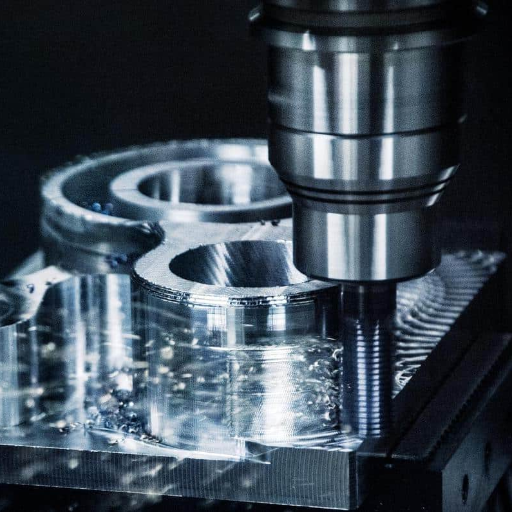
- Corrosion Resistance: Choose a grade depending on the environment at the site of use. For high corrosion resistance, grades like 316 or 304 are considered ideal.
- Machining Ease: If easy machining is the foremost considerations, grades such as 303 should be considered, since that grade is specially
- made for easier machinability.
- Strength Requirements: For application courses needing higher-strength stainless, grades like 17-4 PH and 410 apply.
- Specific Needs for the Application: Considering the actual application that might include temperature resistance, wear resistance, and any relevant standards.
Comparing Different Stainless Steel Grades
Stainless steel grades include 304, 316, 303, 410, and 17-4 PH.
| Parameter | 304 | 316 | 303 | 410 | 17-4 PH |
|---|---|---|---|---|---|
| Corrosion | High | Very High | Moderate | Moderate | High |
| Machinability | Moderate | Moderate | High | Low | Low |
| Strength | Moderate | Moderate | Moderate | High | Very High |
| Temp. Res. | Moderate | High | Moderate | Moderate | High |
| Applications | General | Marine | Machining | Tools | Aerospace |
Choosing Guide: Considerations in Selecting Stainless Steel
Consider the application at hand when determining the most appropriate stainless steel grade for your project:
- For corrosion resistance in extreme environments (e.g., marine applications): Choose 316.
- For high machinability needs: 303 is the most suitable due to its enhanced ease of machining.
- For high strength applications: Opt for 17-4 PH, as it offers very high strength levels.
- For tool-making or applications requiring toughness: 410 is a strong candidate.
- For general use requiring a balance of properties: 304 remains a versatile and reliable choice.
Evaluate your project’s priorities—such as corrosion resistance, machinability, or strength—to make the best decision.
Special Considerations for Certain Applications and Industries
The correct choice in stainless steel grade becomes critical for certain industries and applications. Here, we list some recommendations tailored to specific industry requirements and insights:
- Food and Beverage Industry: Stainless steel grades such as 304 and 316 are well-appreciated because of good corrosion resistance and hygienic properties. 316 is favored when salt or acidic elements are present in the environment, such as processing equipment for citrus juices or a seawater desalination system. Several data indicate that 316 stainless steel resists chloride corrosion up to 25% more than 304, making it more suitable in harsh conditions.
- Medical and Pharmaceutical Applications: The 316L grade goes well with environments that require sterilization and biocompatibility, such as surgical tools, implants, and pharmaceutical equipment. Low carbon reduces sensitization risk and guarantees durability in the long run on sensitive sites.
- Aerospace Industry: Due to its high strength and low density, 17-4 PH stainless steel is a popular choice. It provides excellent mechanical properties, with tensile strength going up to 1100 MPa, even under adverse environments and conditions, making it an aerospace-appropriate material for turbine blades and fasteners.
- Oil and Gas Industry: Duplex stainless steels such as 2205 are preferred in highly corrosive and high-pressure environments such as pipelines and offshore platforms. The material combines good corrosion resistance with tensile and yield strength matching and outperforming standard austenitic grades like 304 and 316 in their tougher gist.
- Architecture and Construction: In architecture and construction for buildings and monuments requiring aesthetics with durability, 304 and 316 grades are top contenders. 316 performs better in coastal and industrial atmospheres by having a service life around 20% longer as compared to 304.
In theory, the varied grades should be selected keeping operating temperatures, corrosive environment, mechanical stress, and cost-effectiveness in view for the specific service. Each grade, if best utilized, shall see the fulfilling of performance and durability needs towards different industries.
Machining Stainless Steel: Best Practices
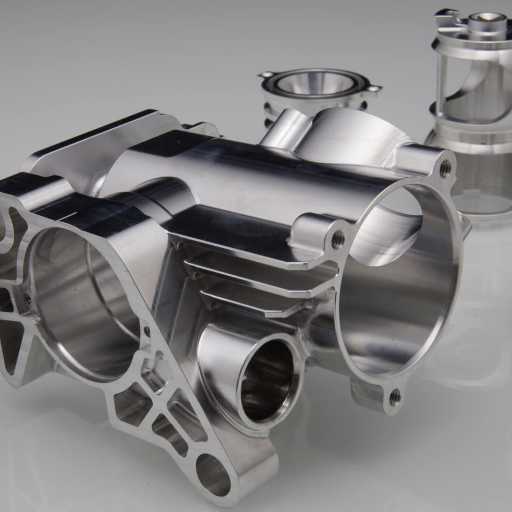
Many tools and techniques are used to carry out the full range of machining operations on stainless steel in order to quality work. Get stainless steel carbide or high-speed steel cutting tools as they will not wear out quickly and hence maintain tolerance. Consider cutting speeds and feeds, the best being low speeds with high feed to keep heat build-up and tool-wear low. Proper lubrication and cooling must be used to prevent overheating and to improve the surface finish. A very rigid tool set-up and machines will eliminate any vibration and thus increase accuracy. Additionally, frequent chip removal will prevent work hardening, thereby enhancing machining efficiency. Following these procedures impart finish and working ability to stainless steel components.
Cutting Tools and Coolant Systems
Cutting tool and coolant choice directly affect machinability, especially when faced with a difficult material like stainless steel. An appropriate choice of cutting tools increases wear resistance and edge durability; carbide cutting tools or coated inserts would satisfy such requirements. In the case of high-speed machining, coated tools with either titanium aluminum nitride (TiAlN) or its variants are preferred due to their high-temperature issues resistivity, and low friction coefficients.
Of equal importance is the control and use of coolant. Literature shows that high-pressure coolant systems (normally supplying coolant at pressures of 70 bar or above) improve chip evacuation and reduce heat build-up in hard-to-machine materials. Researchers have demonstrated that optimized coolant application can increase tool life by 50 percent because coolant will more efficiently absorb the heat generated during cutting operations. In addition, mist coolant and MQL have been proven to reduce the environmental impact and increase production efficacy for specific operations without causing deterioration of process performance.
By integrating application of newer cutting tools and the correct coolant methods, manufacturers maintain the constancy of the process, improve surface finish, and increase productivity, which is the need of precision machining in a cost-effective way.
Feed Rate and Surface Finish
The way my activities are organized is determined by an experiment always in my mind that balances operational parameters to obtain the best results. Accordingly, one of my objectives is to control the surface finish depending on feed rate while still achieving acceptable levels of performance. Usually, less feed will imply a better finish; however, one must always avoid diminishing it excessively to the point where it will start affecting productivity. However, I always take into account the geometry of the tool and make certain the processes involved suit the material in question in the case of work.
Machining Parts and Ensuring Quality and Consistency
In machined parts, assurance of quality and consistency is a factor of machine settings in so far as it must be precise, tool selection in so far as it must be appropriate to the specification, and the strictness of acceptance criteria. With the rise in machining technology evolution, CNC machines are now capable of delivering repeatability as well as accuracy in the manufacturing processes. An industry report cited CNC machines to permit tolerances as tight as ±0.0001 inches. These being extremely close tolerances required in aerospace or medical device manufacturing, CNC machines work perfectly.
From the viewpoint of consistency, however, the use of inspection and quality control during the process is crucial. Continuous verification with laser-based measuring systems and machine vision technologies during the entire production cycle will guarantee that parts conform to specifications. Research has proven that defect rates decrease by up to 50% in companies that employ such technologies.
Consistency of material is also a factor influencing quality. Variability in raw material properties would affect the performance of the final product. Hence, increasingly advanced material testing techniques, such as spectroscopy and tensile testing, are being employed to ensure material compliance with standards prior to machining.
At the same time, routine maintenance and calibration of machining equipment are crucial to avoid effects of wear and tear on the accuracy of parts. Preventive maintenance schedules can be planned, allowing for a longer service life of the machines and consistent high-quality outputs. Using such methods, manufacturers are always able to produce machined parts meeting under stringent specifications of quality and consistency.
Reference sources
- Evaluation of cryogenic cooling in CNC machining of martensitic stainless steel AISI 440C(Reddy et al., 2023)
- Publication Date: 2023-07-01
- Methodology: This paper investigates the effect of cryogenic cooling on the CNC machining of AISI 440C martensitic stainless steel. The specific methodologies used are not detailed in the provided abstract.
- Key Findings: The abstract does not provide specific findings.
- Comparing the performance of uncoated insert and TiC insert in CNC novel machining of LDX 2101 duplex stainless steel for minimizing surface roughness(Thiagarajan & Yagnesh, 2023)
- Publication Date: 2023-05-01
- Methodology: An experimental approach comparing the performance of uncoated and TiC coated inserts during CNC machining of LDX 2101 duplex stainless steel. Cutting speed, feed rate, and depth of cut were varied. 27 samples were used for each insert type.
- Key Findings: The study found a statistically significant difference (p<0.05) in surface roughness between the two insert types. LDX2101 duplex stainless steel exhibited higher surface roughness when machined with a TiC insert and lower roughness with an uncoated insert.
- Influence of rotation speed on microstructure formation during friction surfacing of AISI 316L over mild steel using a conventional CNC machining center(Silva & Brito, 2023, pp. 1–10)
- Publication Date: 2023-04-25
- Methodology: This research explores the impact of rotation speed on microstructure formation during friction surfacing of AISI 316L stainless steel onto mild steel using a CNC machining center. The specific methodologies are not detailed in the provided abstract.
- Key Findings: The abstract does not provide specific findings.
Frequently Asked Questions (FAQs)
Q: Can stainless steel be CNC machined?
A: Yes, stainless steel can be CNC machined with processes such as CNC milling, CNC turning, and CNC routing. However, because of the material’s nature, it requires proper applications, tooling, and handling.
Q: What are the difficulties involved in CNC machining stainless steel?
A: Problems of machining stainless steel arise due to its capacity to work harden, hazardous nature, and low thermal conductivity. These parameters enhance tool wear and call for specialized tooling and methodologies.
Q: Are there stainless steel grades that are easier to machine?
A: There are certain grades of stainless that are easily machined, like martensitic stainless steel and stainless steel 316. This, they cut and form more easily in comparison to other types.
Q: What can be done through CNC machining for stainless steel?
A: CNC machining for stainless steel can be of various kinds, including CNC milling, CNC turning, and precision CNC services. Using these services, one can combine custom manufacturing of stainless steel parts along with high levels of accuracy and repeatability.
Q: How does weldability of stainless steel affect CNC machining?
A: Weldability will play a role in stainless steel CNC machining by determining the type of post-machining process that can be carried out. Good weldability enhances the possibility of the CNC machined parts being assembled for use in manufacturing applications.
Q: What is CNC milling, and how is it applied for stainless steel?
A: CNC milling involves machining with multi-point cutting tools rotating around various axes to remove material from a workpiece. Since stainless steel is a hard and tough material, the processes involve specific tooling and techniques.
Q: How is stainless steel resistant to corrosion, and how does this impact machining?
A: Stainless steel resists corrosion because it contains chromium, which forms a passive layer that protects the material. This property makes it an ideal candidate for applications subjected to harsh environments but calls for special machining processes to retain corrosion resistance during processing.
Q: What role does CNC lathe play in manufacturing stainless steel parts?
A: A CNC lathe is used to manufacture stainless steel parts by rotating the workpiece against a cutting tool, achieving accurate shaping and detailing. It is especially good for producing cylindrical parts and features.
Q: Can CNC machining be employed to produce custom stainless steel parts?
A: Yes, custom stainless steel parts can be produced by CNC machining. The process is capable of high precision machining and is flexible enough to be customized to specific design specs and requirements.
Q: What is the importance of using the right tools in CNC machining for stainless steel?
A: The right tooling is important in CNC machining for stainless steel in order to achieve good results; reduce tool wear; and keep the quality of parts intact. Special tools are developed to deal with the hardness of the material and the heat generated during machining.


