


Aluminum alloys have transformed industries—from aerospace to construction, with LY12 aluminum alloy being one of the most important. LY12 aluminum has become crucial in practically every engineering and manufacturing task because it combines strength, durability, and versatility. The upcoming blog post will take you into the fascinating world of LY12 aluminum alloy and its properties, application areas, and the reasons behind its widespread use. This guide can surely enrich you with knowledge about LY12 being an outstanding alloy if you happen to be an engineering professional, a materials science buff, or just someone curious about materials shaping the modern world. Stay with us to discover how this material fosters growth and innovation across many industries.
What is LY12 aluminum Alloy?
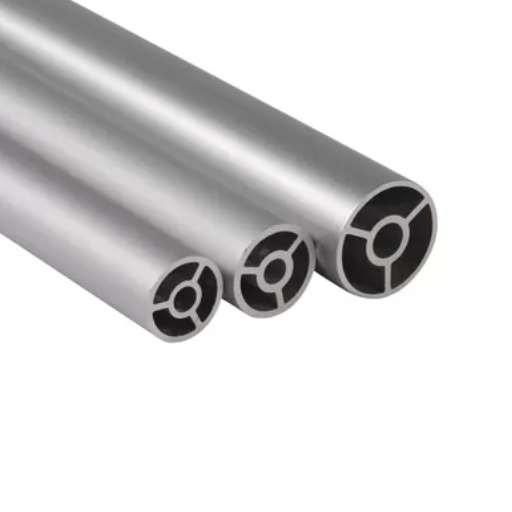
LY12 aluminum alloy is a high-strength, heat-treatable aluminum alloy mainly made of aluminum and copper, with small quantities of magnesium and manganese. Owing to its excellent mechanical properties and durability, it finds applications in aerospace, automobile, and structural sectors where strength and corrosion resistance become critical. It is an easy-to-machine metal that accepts a lot of high stress, making it quite a favorite in industries that require performance under harsh conditions.
Definition of ly12
LY12 is a high-strength aluminum alloy promising heat treatment, mainly just aluminum and copper, plus minimal additions of other elements such as magnesium. Putting together its strong mechanical characteristics, the alloy LY12 has found great acceptance in those industries where strong, light, and durable materials hold the baton. The alloy boasts extraordinary resistance against deformation when stressed, while behaving moderately in its corrosion resistance to surface corrosion. Ingenious applications for it are in the aerospace industry, automotive construction, and building construction. LY12 typically utilizes aircraft structural parts, pressure vessels, and other components subjected to harsh environments and that carry a load without compromising their structural integrity.
Key Characteristics of LY12 Aluminum Alloy
- High Strength-to-Weight Ratio
LY12 aluminum alloy is highly regarded for its yield strength capacities. Weight is an essential factor in applications where lightweight construction without compromising strength is required.
- Good Machinability
The alloy offers superb machinability, allowing for the accurate and efficient manufacturing of complex parts while inflicting minimal wear on the tools.
- Moderate Corrosion Resistance
LY12 has some corrosion resistance, particularly various protective coating finishes that keep it durable in various environments.
- Excellent Fatigue Resistance
This alloy has proven fatigue strength, making it apt for airplane parts and other applications that are cyclically stressed.
- Weldability and Workability
This alloy benefits from high weldability and workability, hence the multiple fabrication processes and transformations it can be subjected to in meeting modern applications.
Comparison with Other Aluminum Alloys
Differences in hardness, corrosion resistance, density, and strength of the various aluminum alloys, specifically 2A12 aluminum with 6061, 2024, and LY12, also bring differences in their applications.
|
Parameter |
2A12 |
6061 |
2024 |
LY12 |
|---|---|---|---|---|
|
Hardness |
120HB |
90HB |
High |
Similar |
|
Corrosion |
Low |
High |
Moderate |
Moderate |
|
Density |
2.78-2.79 |
2.7 |
~2.78 |
~2.78 |
|
Strength |
High |
Moderate |
Very High |
High |
|
Applications |
Aerospace |
Structures |
Aircraft |
Aircraft |
How is the LY12 aluminum Alloy Coated?
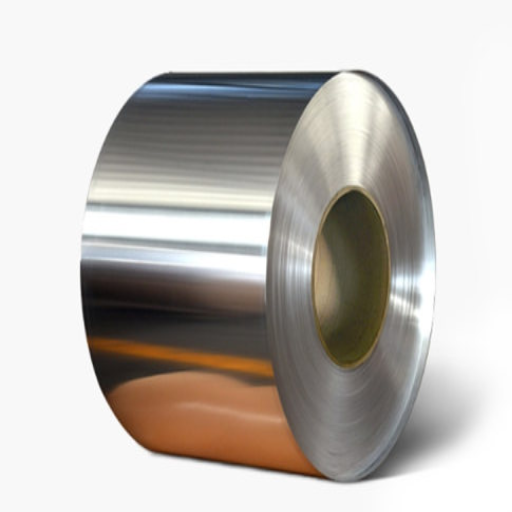
The LY12 type of aluminum alloy ought to be coated to resist corrosion and provide a greater lifespan. It may be anodized using the usual method, in which the metal is treated electrolytically to form a stable oxide film on the surface of the alloy. This film is commendably against environmental action and may be dyed for decorative effect. Depending on their protective quality, several primers and paints may be employed for protection against wear and tear and weather exposure.
Importance of Coating for ly12
Coating goes a long way in maintaining the structural integrity and overall performance of Ly12 in harsh environments. According to the latest findings, LY12 alloys, extensively used in aerospace and automotive domains, are particularly susceptible to corrosion because of their chemical nature. The protective coatings protect the surface by forming a shield against moisture, oxygen, and other corrosive agents that cause corrosion, boosting component life made out of LY12 significantly. Today, coatings are more advanced, incorporating materials like nanocomposites that improve resistance and offer lighter, more rigid alternatives. Thus, coating is imperative for the protection and performance enhancement of ly12.
Types of Coatings Used
Popular coatings applied to aluminum alloys include anodizing, powder coating, PVDF coating, electroplating, and Alodine. Each coating method has unique benefits for its implementation.
|
Coating Type |
Corrosion |
Durability |
Aesthetic |
Eco-Friendly |
|---|---|---|---|---|
|
Anodizing |
High |
High |
Moderate |
Yes |
|
Powder Coat |
Moderate |
Moderate |
High |
Yes |
|
PVDF |
High |
High |
High |
Yes |
|
Electroplate |
Moderate |
High |
Moderate |
No |
|
Alodine |
Moderate |
Low |
Low |
No |
Process of Applying Coating on Aluminum Alloys
Coating aluminum alloys commences through several key steps to ensure optimal adhesion, durability, and performance of the protective layer. A more detailed description of the process is as follows:
- Surface preparation
Surface preparation is a crucial step for any coating application. The surface of the aluminum alloy must be thoroughly cleaned of dirt, grease, oxide layers, or any other potential contaminants. Usually, an alkaline cleaning, acid pickling, or abrasive blasting is employed. More recent studies suggest that surface roughness is paramount to adhesion, with grit-blasting usually achieving greater bond strength.
- Pre-treatment
An array of pre-treatment methods is used to improve coating and corrosion resistance adherence further. For instance, anodizing produces a porous oxide layer that constitutes a stable base for paints or sealants, whereas chromate conversion coatings enhance corrosion resistance. Research results show that some alternative, environmentally friendly pre-treatments, such as sol-gel coatings, have provided acceptable performance while reducing environmental impact.
- Coating Application
Depending on the coating to be applied, several methods can be followed, including applying liquid paints, powder coatings, or even novel nanocomposite coatings: spraying, dipping, and electrostatic deposition remain very common. More recent developments, such as plasma electrolytic oxidation (PEO), allow the quasi-ceramic coating of aluminum alloys with very high durability and concurrent precision.
- Curing/Drying
After application, in this stage, the curing or drying of the coating must be ensured to guarantee the integrity of the protective layer, its durability, and the strength of adhesion. Heat treatments in ovens at about 150–200 °C (powder coatings) or air drying (low-temperature coatings) are typical. Recent data show that proper curing attains a 30% increase in mechanical resilience and chemical resistance of the coating on the surface.
- Quality Inspection
Finally, the coating undergoes qualified inspections to evaluate uniformity, adhesion, and performance. Adhesion testing, coating thickness measurement, and salt spray testing are the most widespread inspection methods for this purpose. It has been found that to satisfy industrial norms for highly demanding applications, a coating must endure more than 1000 hours of immersion in salt spray.
Thus, following these steps and keeping current on the latest technologies and materials ensures that aluminum alloy coatings satisfy the needs of the industrial, aerospace, and automotive sectors, where properties of durability, corrosion resistance, and light weight are most desired.
What are the Mechanical Properties of LY12 aluminum Alloy?
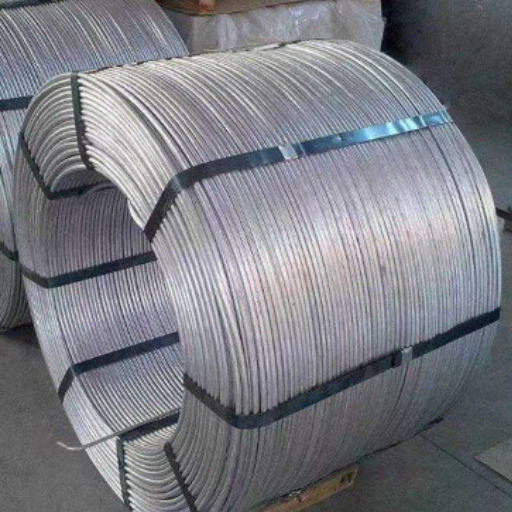
The mechanical properties of Ly12 aluminum alloy are as follows:
- Tensile Strength: Approximately 470 MPa, conferring resistance to tension and pulling forces.
- Yield Strength: Around 275 MPa, describing the point at which the material ceases to resist mobile deformation.
- Hardness: Vickers hardness between 120 and 140 HV gives it good wear resistance.
- Elongation: Usually between 10-12%, indicating the ability to plastically deform before breaking.
- Density: 2.78 g/cm³, further contributing to its lightweight nature.
Given the above, such a property set allows ly12 aluminum alloy to find realization in flexibility-weight combinations and partially toughness-requiring applications.
Strength and Hardness of ly12
Recent studies reveal that the LY12 aluminum alloy is still a famous member in the aerospace, transport, and structural fields because of its balance of strength and workability. Depending on its temper condition, it ranges from 310-470 MPa tensile strength, thus forming excellent wear resistance with ductility. These are heat-treatable qualities, which can be maximized according to special design requirements with heat treatment. Performance under stress and capacity to undergo moderate elongation before fracture maintain the ly12 aluminum alloy as a dependable material in industries where accuracy and durability are paramount.
Corrosion Resistance of LY12 Aluminum Alloy
LY12 aluminum alloy is considered medium corrosion-resistant if fine treatments like anodizing or cladding are provided. In regular environmental scenarios, a thin layer of alumina forms on the surface, which acts as a natural corrosion barrier. However, corrosion is accelerated when this alloy finds its way into more aggressive atmospheres, like marine or industrial atmospheres, unless another layer of protection has been imparted upon it.
According to literature, the corrosion behavior of LY12 aluminum depends largely on the temper and presence of certain alloying ingredients, such as copper. Copper imparts strength but also makes the alloys vulnerable to pitting and intergranular corrosion, especially in chloride environments. Chromate conversion coating or epoxy-based paints are pre-treated coatings commonly applied to combat these harmful effects.
Recent studies provide experimental data supporting the proposition that incorporating microalloying elements such as manganese and chromium can enhance corrosion resistance. The literature indicates that LY12 alloys subjected to cathodic protection in saline solutions have experienced drastically reduced corrosion rates, with corrosion current densities recorded being below 0.5 µA/cm². This can be considered a practical demonstration of how advanced treatments enhance the service life of materials under harsh conditions.
Maintenance and protection by coatings are recommended for LY12 alloy components to prolong service life in very demanding conditions, especially where moisture, salt, or corrosive agents tend to abound. This means that the coated components would find their application in aerospace, construction, and transportation industries, where adequate life and structural integrity need to be assured.
Influence of Heat Treatment on Mechanical Properties
Heat treatment plays a defining role in the mechanical properties of LY12 alloy, conferring strength, hardness, and durability. Some internal or biological traits of an alloy can be affected using heat or thermochemical treatments in a controlled manner. Also, the changes induced in these pretreatments may enhance other characteristics to meet an end-user specification. For instance, solution treating and aging increase the alloy’s tensile strength and yield strength as the precipitates of an intermetallic phase strengthen the alloy. Recent studies have reported that castings’ fatigue resistance can be increased by applying an optimized heat treatment process so that the alloy may be used in highly stressed applications. The incorrect heat treatment may cause over-aging of the material and therefore would have a degrading effect on the mechanical properties. Consequently, temperature control and strict adherence to protocol are essential for attaining the desired effects.**
How is Ly12 Aluminum Alloy Used in Aerospace?
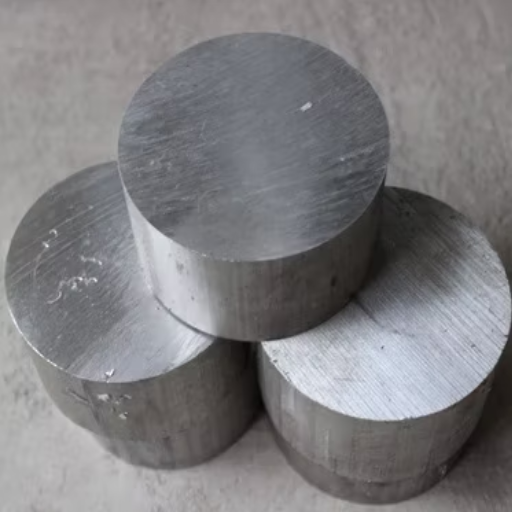
LY12 aluminum alloy finds sufficient aerospace applications because of its high strength-to-weight ratio and resistance against fatigue. It is used in constructing aircraft fuselage structures, wing panels, and internal parts, where mechanical workability is emphasized. Stress resistance and carrying ability against higher loads and extreme weather make it best for critical aerospace, as well as against the durability and efficiency of operation and experience.
Typical Applications in Aerospace
- Aircraft Fuselage Panels
Being light and offering adequate mechanical strength for supporting the aircraft interface structures, LY12 aluminum alloy is mainly used to manufacture fuselage panels.
- Wing Structures
This alloy perhaps has the highest utility in manufacturing aircraft wing components. The wing profits from just sufficient flexibility and strength to sustain aerodynamic forces during flight.
- Landing Gear Components
Landing gear assemblies are sometimes subject to load cycling, and LY12 would be an excellent option in those scenarios due to its superior fatigue resistance and ability to withstand repeated stresses.
- Internal Frameworks and Ribs
Internal structural frameworks, such as ribs or spars, are made from LY12 to provide extra stability and bearing for the aircraft body.
- Nacelle and Engine Mounts
The alloy offers good resistance to stresses with lightweight properties, making it excellent for use in nacelle structures and engine mounts, where stability and strength are paramount.
Comparison with 2024 and 7075 Aluminum Alloys
2XXX series aluminum has greater fatigue resistance and machining characteristics, while the 7XXX series offers maximum strength and corrosion resistance, yet with other trade-offs in properties; therefore, the two are suitable for different applications:
|
Parameter |
2024 |
7075 |
|---|---|---|
|
Strength |
Moderate |
High |
|
Fatigue Resist |
High |
Moderate |
|
Corrosion |
Low |
Moderate |
|
Machinability |
High |
Moderate |
|
Density (g/cm³) |
2.78 |
2.81 |
|
Applications |
Aircraft |
Aerospace |
|
Weldability |
Poor |
Poor |
|
Hardness (HB) |
120-150 |
150-200 |
Reference Sources
- Studying a Repair Method of LY12 Aluminum Alloy Plate
- Authors: Cheng Lv et al.
- Published: October 17, 2023
- Journal: Metals
- Citation Token: (Lv et al., 2023)
- Key Findings:
- The study investigates the effect of different-thickness reinforcement plates on the load distribution and strengthening effect of an LY12 aluminum alloy plate with a central defect.
- It was found that increasing the reinforcement plate’s thickness decreases the cracking plate’s bearing load and increases its life.
- Methodology:
- The research utilized finite element analysis (FEA) through a Python-based program developed for Abaqus to simulate the cyclic load on the aluminum alloy plate and analyze crack propagation.
- Damage-Accumulation-Induced Crack Propagation and Fatigue Life Analysis of a Porous LY12 Aluminum Alloy Plate
- Authors: Cheng Lv et al.
- Published: December 29, 2023
- Journal: Materials
- Citation Token: (Lv et al., 2023)
- Key Findings:
- The paper presents a method for analyzing crack propagation in porous structures of LY12 aluminum alloy, which is critical for aircraft skin joints.
- The simulation results showed a 16% reduction in predicted fatigue life compared to physical tests, indicating the effectiveness of the developed method.
- Methodology:
- A secondary development subroutine in Python based on ABAQUS-XFEM was created to analyze stress intensity factors and predict residual fatigue life.
- Formation and Corrosion Resistance of a Novel Co–Ti–Mo Composite Chromium-Free Chemical Conversion Coating on LY12 Aluminum Alloy
- Authors: Xuzheng Qian et al.
- Published: January 6, 2022
- Journal: Materials and Corrosion
- Citation Token: (Qian et al., 2022, pp. 710–719)
- Key Findings:
- The study developed a chromium-free conversion coating on LY12 aluminum alloy, significantly improving corrosion resistance.
- The optimal formulation and conversion time were identified, leading to a coating that exhibited five times better corrosion resistance than the aluminum alloy matrix.
- Methodology:
- The coating was prepared and characterized using scanning electron microscopy (SEM) and electrochemical tests to evaluate corrosion resistance.
- Probability Analysis of Widespread Fatigue Damage in LY12-CZ Aluminum Alloy Single-Row Seven-Hole Plate
- Authors: Kai Liu et al.
- Published: April 14, 2022
- Journal: Aerospace
- Citation Token: (Liu et al., 2022)
- Key Findings:
- The paper analyzes the fatigue damage behavior of LY12-CZ aluminum alloy plates, providing a probabilistic model for crack initiation and propagation.
- The results align well with experimental data, validating the model’s accuracy in predicting fatigue life.
- Methodology:
- Based on the statistical analysis of test data, a Monte Carlo simulation was used to model the crack initiation and propagation process.
- Top Aluminum CNC Machining Parts Manufacturer And Supplier In China
Frequently Asked Questions (FAQs)
Q: What is LY12 Aluminium Alloy, and why is it considered a typical rugged aluminum alloy?
A: LY12 aluminum alloy is known for its high strength and is widely used in aircraft structures. Due to its excellent mechanical properties and heat resistance, it is characterized as a typical rugged aluminum alloy, suitable for various applications.
Q: How does the chemical composition of LY12 affect its properties?
A: The chemical composition of LY12 aluminium alloy contributes to its high strength and durability. It contains elements that enhance its properties but exhibits poor corrosion resistance, which can be mitigated through processes like micro-arc oxidation.
Q: Can LY12 Aluminium Alloy be welded, and what considerations should be considered?
A: Yes, LY12 Aluminium Alloy can be welded, but it is crucial to consider the working parts below 150 °C to maintain the integrity of the material. Special processes may be required to ensure successful welding.
Q: What is the significance of quenching in processing LY12 Aluminium Alloy?
A: Quenching is a critical step in the processing of LY12 Aluminium Alloy as it enhances the alloy’s strengthening effect. It involves rapidly cooling the alloy after heating, which helps to achieve the desired mechanical properties.
Q: How does annealing impact the properties of LY12 Aluminium Alloy?
A: Annealing can improve the ductility and reduce the residual stresses in LY12 Aluminium Alloy. This process allows for better formability and can enhance the microstructure, making it more suitable for applications in aircraft structures.
Q: What are the typical applications of LY12 Aluminium Alloy in aircraft structures?
A: LY12 Aluminium Alloy is widely used in aircraft structures, particularly in parts that require high strength and heat resistance. Typical applications include propeller components and other working parts that need to maintain integrity at elevated temperatures.
Q: How does the strength of LY12 compare to that of 2024 alloy?
A: The strength of LY12 Aluminium Alloy is generally comparable to that of 2024 alloy, though 2024 alloy may offer slightly higher strength in specific applications. Both alloys are used in aerospace due to their favorable mechanical properties.
Q: What role does scanning electron microscopy (SEM) play in analyzing LY12 Aluminium Alloy?
A: Scanning electron microscopy (SEM) is used to analyze the microstructure of LY12 Aluminium Alloy. It provides detailed images that help understand the alloy’s properties and the effects of various processes on its structure.
Q: What are the challenges associated with the corrosion resistance of LY12 Aluminium Alloy?
A: One of the challenges with LY12 Aluminium Alloy is its poor corrosion resistance. To overcome this, additional protective measures, such as anodization or coatings, may be necessary to enhance its durability in harsh environments.


