


Titanium Grade 1 is the material most adaptable to the present-day engineering and manufacturing scenarios. With an exceptional strength-to-weight ratio, corrosion resistance, and biocompatibility, it has found application across virtually all fields. Operating in all avenues from aerospace to chemical processing, from making implants to marine equipment, the applications of Titanium Grade 1 are diverse and monumental. This article will discuss the unique characteristics, practical applications, and key benefits of Titanium Grade 1 to provide an in-depth thought process on why it is considered a key material in both the forefront of technology and everyday use.
Look forward to understanding what makes this remarkable metal change the face of innovation and performance.
What is titanium grade 1?

Titanium Grade 1 is commercially pure titanium: excellent corrosion resistance, high ductility, and a strong weight-to-strength ratio. It is the softest and most malleable of the titanium grades, hence requiring ease of forming and welding in its applications. Another ideal attribute is its resistance to varying chemical environments—for example, saltwater and oxidizing agents, something industries like aerospace, medical, and marine cannot go without.
Definition and Composition of grade 1 titanium
Grade 1 titanium is classified as commercially pure titanium, having not less than 99% titanium content by weight. Its chemical composition contains traces of elements such as oxygen, iron, and carbon, which are rigidly controlled to maximize the performance of the titanium. In order of maximum content limitation, oxygen is 0.18%, iron is 0.2%, and carbon is 0.08%. This particular mix gives grade 1 titanium good formability, resistance against corrosion, and properties for welding, all while remaining light and tough. This makes it a first-choice material for critical applications in several industries, especially where performance under challenging environmental conditions is necessary.
Characteristics of commercially pure titanium
The commercially pure titanium grades found in the market range between Grade 1 and Grade 4. This titanium presents some of the best properties, rendering the material extremely useful across various industries. Titanium’s primary attributes are superior corrosion resistance to seawater and chemicals, strength-to-weight ratio, and biocompatibility with the body, so much so that the metal is found to be used in medical and aerospace sectors. Commercially pure titanium also exhibits good thermal and electrical conductivity compared to other metallic materials, which is essential among specialty materials. The uniqueness of these properties and good formability and weldability keep this material in demand for most leading-edge applications.
Comparison with Other Titanium Grades
Titanium grades vary in strength, corrosion resistance, and formability, with Grade 1 being the softest and most ductile, Grade 4 the strongest among pure grades, and Grade 5 the most widely used alloy.
|
Grade |
Strength |
Corrosion |
Formability |
Applications |
|---|---|---|---|---|
|
1 |
Low |
Excellent |
High |
Chem., Marine |
|
2 |
Moderate |
Excellent |
High |
Marine, Medical |
|
3 |
High |
Excellent |
Moderate |
Aerospace, Chem. |
|
4 |
Very High |
Excellent |
Moderate |
Medical, Aerospace |
|
5 |
Very High |
Very Good |
Low |
Aerospace, Med. |
How does titanium grade 1 perform in corrosive environments?

Grade 1 titanium would respond excellently in corrosive environments since it has excellent corrosion resistance. Grade 1 is attacked by different chemicals, ranging from saltwater and chlorides to acids; this explains the reason for its applications in marine and chemical processes. The resistance is enhanced by forming an oxide film on the stable and protective surface, thereby preventing further corrosion.
Analyzing corrosion resistance in seawater
This grade is recognized for its outstanding corrosion resistance in the seawater environment. Some recent data suggest an almost negligible corrosion rate in seawater applications at elevated temperature or high salinity. The protection offered by this oxide layer acts as a shield to Titanium Grade 1, thereby allowing it to retain its mechanical integrity for the long term. Thus, such resistance against general corrosion is also a defense mechanism toward localized damage risks like pitting or crevice corrosion, which have always been problems plaguing marine applications. With all of these characteristics, Grade 1 is arguably one of the most trusted materials in seawater-related critical components, such as heat exchangers, pipelines, and offshore structures.
Comparative corrosion resistance with titanium grade 2
While titanium Grade 2 offers excellent corrosion resistance in various environments, Grade 7 is better in those aggressive environments for acids because of palladium.
|
Grade |
Corrosion |
Strength |
Applications |
|---|---|---|---|
|
2 |
Excellent |
Moderate |
Marine, Chem. |
|
5 |
Very Good |
High |
Aerospace, Med. |
|
7 |
Outstanding |
Moderate |
Aggressive Acids |
Applications in medical devices and aerospace
Titanium Grade 1 and other titanium alloys are commercially used extensively in medical and aerospace applications due to their biocompatibility, a superior strength-to-weight ratio, and corrosion resistance. Following are some of the critical applications of titanium in these two fields:
- Medical Devices
Orthopedic Implants: Titanium is used for joint replacements-for example, bone plates, bone screws, etc.-as it integrates very well with bone, which leads to less risk of rejection.
Dental Implants: Titanium is preferred for long-lasting dental implants due to its biocompatibility and high resistance.
Surgical Instruments: They are lightweight and strong, allowing the manufacture of precision instruments that are easy to handle during delicate operations.
Cardiovascular Devices: Titanium is used for components of pacemakers and replacement heart valves because it is non-reactive.
Prosthetics: Titanium is lightweight and strong, making it ideal for making comfortable and durable artificial limbs.
- Aerospace
Aircraft Frame and Components: Titanium imparts strength and corrosion resistance to aircraft assemblies, keeping them durable yet light.
Engine Components: Titanium is used in turbine blades and casings for engines that experience high temperatures and stresses.
Spacecraft Parts: Its low density and ability to withstand extreme conditions make it a choice for critical spacecraft parts.
Landing Gear: It is a better load bearer and resistant to wear, making the landing gear systems very durable and efficient.
Missile Structures: Titanium offers enhanced performance under adverse conditions.
What are the typical applications of titanium grade 1?
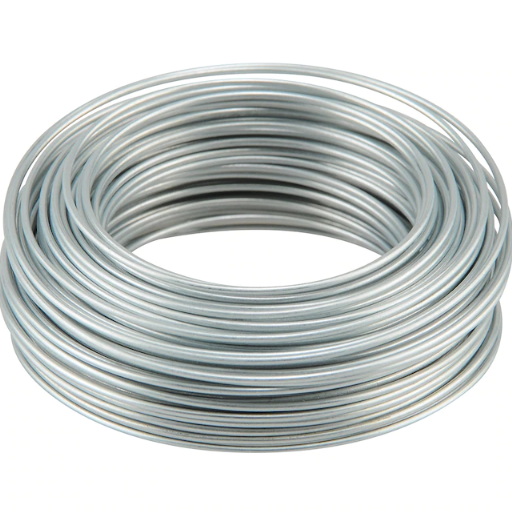
Titanium Grade 1 is widely used because it is corrosion-resistant, ductile, and strong. Its typical applications comprise:
- Chemical Processing Equipment: To be used to construct tanks, heat exchangers, and piping systems subjected to corrosive conditions.
- Marine Environment: Used in desalination plants and marine components subjected to saltwater corrosion.
- Medical Applications: Used extensively in surgical instruments and implants owing to its biocompatibility.
- Aerospace Industry: Used in lightweight structural components and airframe components.
Energy Sector: Used in plant, power, and heat recovery components due to higher durability and better performance under harsh conditions.
Usage in chemical processing industries
Titanium is highly regarded in the chemical processing industries mainly because of its unusual corrosion resistance, especially in aggressive environments. Its resistance to attack from chlorides, sulfates, and nitric acid places it on the top line in manufacturing equipment resistant to harsh conditions. Its relatively high strength-to-weight ratio and resistance to stress corrosion cracking offer titanium much-needed service life and reliability in severe processes.
Usually, they constitute heat exchangers, reactors, valves, and piping within chemical plants. Industry reports state that the global demand for titanium for chemical processing will rise considerably in the coming years, supported by advances in production technologies and increased environmental regulations favoring the utilization of durable materials with minimum risk. Titanium-clad equipment reduces maintenance costs by about 20% compared to conventional steel materials, justifying the initial investment in the long-term application.
The other side of the coin is that titanium can withstand both cryogenic temperatures and temperatures exceeding 600°F and addresses low-temperature or high-temperature chemical reactions effectively. With the chemical industry still targeting efficiency and sustainability, titanium remains an essential choice for the environmentally friendly processes, especially when these processes involve a large amount of strong acids or demand utmost purity.
Benefits in aerospace engineering
Titanium has become one of the most important materials in the aerospace industry due to its extraordinary properties. Listed here are five attributes that make titanium a must-have in aerospace engineering:
- Higher Strength-to-Weight Ratio
Titanium stands well ahead regarding the strength-to-weight ratio, especially in the evolution of aircraft building and spacecraft. This characteristic diminishes the vehicle’s overall weight, thus directly increasing fuel efficiency and performance.
- Corrosion Resistance
An aerospace component’s ability to resist corrosion against severe environmental conditions, including exposure to salt water and changes in atmospheric pressure, guarantees its longevity and reliability.
- Heat Resistance
Titanium can resist extreme heat, maintaining strength and structural integrity at elevated levels. Aerospace applications where heat resistance is paramount include jet engines, exhaust systems, et cetera.
- Compatible with Composite Materials
Titanium’s compatibility with advanced composite materials used in many modern aircraft helps create light, high-performance structures.
- Reduced Maintenance Cost
Titanium is durable and resistant to wear and tear, so it incurs minimum maintenance costs, making it an economical choice for aerospace projects in the long run.
Role in medical implants and devices
Titanium is the quintessential metal for implants and medical devices due to its high biocompatibility, strength, and corrosion resistance. The alloy is non-toxic and thus bonds very well with human bone without the risk of rejection or other complications. Also, because it is very light in weight, patients find it comfortable, and because it is resistant, titanium implants function for long periods. It is used for implant purposes in the joints, first molars, through the incisor teeth, and spinal fixation agents. And with the advancements in 3D printing, the manufacture of extremely customized titanium implants has become a reality, further improving surgical outcomes and patient satisfaction. Titanium-based medical engineering would not have been so highly placed without these properties.
How does grade 1 titanium compare to other grades?
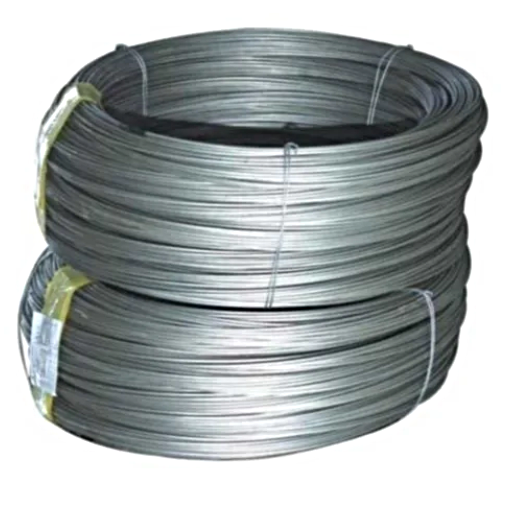
Compared to other grades of titanium, Grade 1 is the softest and most ductile, and is warranted for forming; hence, it is the most easily shaped. Because it is unalloyed, it exhibits excellent corrosion resistance properties and is thus suitable for seawater and some chemical environments. It is weaker than a high-grade titanium alloy like grades 2, 5, or 23, but has better corrosion resistance and weldability. Desire for good ductility and resistance to aggressive conditions, rather than strength, makes Grade 1 a step above those grades in applications such as chemical-process equipment and medical devices.
Differences between grade 1 and grade 2 titanium
Grade 1 titanium is defined by being softer, more ductile, and easier to manufacture. Fabrication of Grade 2 offers stronger builds than Grade 1 and more or less similar corrosion resistance.
| Parameter | Grade 1 | Grade 2 |
|---|---|---|
| Strength | Low | Moderate |
| Ductility | High | Moderate |
| Corrosion | Excellent | Excellent |
| Formability | High | Moderate |
| Applications | Chem., Marine | Marine, Med. |
Understanding commercially pure titanium grades
Commercially pure (CP) titanium grades are divided into four categories- Grade 1 through Grade 4, according to oxygen content and mechanical properties. The grades vary in strength, ductility, and corrosion resistance, offering versatility for various applications. Here is a look at the details for each of the grades:
- Grade 1
This is the softest and most ductile titanium grade. The oxygen contents are the lowest, usually less than 0.18%, and therefore, it offers excellent corrosion resistance and easy formability. It is used in applications that require good weldability and excellent corrosion resistance in harsh environments, such as chemical processing, marine components, and medical implants. Its tensile strength is about 240 MPa (35 ksi), and its yield strength is around 170 MPa (25 ksi).
- Grade 2
This grade is the most popular type for CP titanium. Also considered medium-strength, it possesses a higher oxygen content of up to 0.25%. This titanium grade is widely used in aerospace, automotive, and power generation fields, wherever medium strength and corrosion resistance are required. Around 345 MPa (50 ksi) of tensile strength and 275 MPa (40 ksi) yield strength make this a fairly versatile choice.
- Grade 3
Compared to Grades 1 and 2, Grade 3 titanium has elevated oxygen and iron contents; thus, it gained strength at the expense of ductility. A tensile strength of about 450 MPa (65 ksi) and yield strength of about 380 MPa (55 ksi) provide slightly more strength. It is found in applications requiring higher mechanical strength, such as heat exchangers, aircraft structures, and chemical equipment, where structural stability is paramount.
- Grade 4
The highest allowable oxygen content (up to 0.40%) makes Grade 4 titanium the strongest among the CP titanium grades; however, it still enjoys excellent corrosion resistance. With tensile strength peaking at about 550 MPa (80 ksi) and yield strength slightly less than 485 MPa (70 ksi), Grade 4 is heavily favored in high-performance and demanding applications such as surgical implants, industrial equipment, and pressure vessels.
These CP titanium grades are greatly valued for corrosion resistance, biocompatibility, and high strength-to-weight ratio. The specific properties allow engineers and manufacturers to consider their projects’ needs and select the appropriate grade to make them efficient and durable in harsh conditions.
Reference Sources
- Key Findings:
- Friction spot brazing of stainless steel (St37) to titanium (grade 1) using aluminum foil as a filler can produce a joint with a tensile strength of up to 6 kN.
- The joint interface contains intermetallic compounds such as FeTi, Fe3Al, FeAl2, and Ti3Al, which increase the tensile strength.
- Methodology:
- Friction spot brazing was conducted at different rotational speeds (1800-2800 RPM) to join stainless steel and titanium grade 1 with aluminum foil as the filler.
- The joints were characterized using scanning electron microscopy, optical microscopy, energy dispersive x-ray analysis, microhardness testing, and fractography.
- Key Findings:
- Welding titanium grade 1 by hollow cathode arc discharge in a vacuum forms a coarse Widmanstätten structure in the heat-affected zone.
- The imperfect microstructure results in a passive layer with worsened protective properties, increasing the corrosion rate of the weldments by up to two orders of magnitude compared to the base material.
- Methodology:
- Titanium grade 1 was welded using hollow cathode arc discharge in vacuum.
- The macro and microstructure of the weldments were studied using optical microscopy.
- Corrosion behavior was investigated using electrochemical testing, including open-circuit potential measurements and potentiodynamic polarization, in a 1 M KBr water solution.
- Key Findings:
- The yielding behavior of pure titanium grade 1 sheet exhibits significant distortional hardening during plastic deformation.
- The yielding surface of the material approaches its final shape at an equivalent plastic work value of 40 MPa.
- The CPB06 constitutive model provides the best prediction for the plastic yielding behaviors of the tested material.
- Methodology:
- Pure titanium grade 1 sheet samples were subjected to uniaxial tensile, hydraulic bulge, simple shear, and uniaxial compressive tests.
- The experimental data were used to calibrate and validate three constitutive models: Yld2k, CPB06, and CB04.
4. Top Titanium Machining Parts Manufacturer And Supplier In China
Frequently Asked Questions (FAQs)
Q: What is Titanium Grade 1, also known as UNS R50250?
A: Titanium Grade 1, designated as UNS R50250, is a commercially pure titanium alloy known for its excellent corrosion resistance and good formability. It is one of the four commercially pure titanium grades and is often used in applications requiring high strength-to-weight ratios.
Q: What are the mechanical properties of Titanium Grade 1?
A: Titanium Grade 1’s mechanical properties include a tensile strength of approximately 240 MPa (35,000 psi) and a yield strength of around 140 MPa (20,000 psi). It is ductile and soft, making it suitable for cold formability.
Q: How does Titanium Grade 1 compare to Titanium Grade 3 and Grade 4?
A: Titanium Grade 1 is softer and has better cold formability than Grade 3 and Grade 4. Grade 3 has higher strength and is less ductile, while Grade 4 offers improved toughness and strength but is less formable than Grade 1.
Q: What are the uses of commercially pure titanium grade 1?
A: Commercially pure titanium grade 1 is widely used in chemical processing, marine environments, and aerospace components due to its excellent corrosion resistance and weldability.
Q: What are interstitial elements, and how do they affect titanium alloys?
A: Interstitial elements are small atoms that occupy spaces in the titanium crystal structure. In titanium alloys, these elements can influence strength and ductility. In titanium grade 1, the low levels of interstitial elements contribute to its softness and good formability.
Q: What is the significance of ASTM standards for Titanium Grade 1?
A: ASTM standards provide guidelines for the specifications, testing methods, and material properties of Titanium Grade 1. Compliance with ASTM standards ensures the quality and reliability of the titanium alloy in various applications.
Q: Can Titanium Grade 1 be easily formed and welded?
A: Yes, Titanium Grade 1 exhibits excellent weldability and is easily formed, making it ideal for various manufacturing processes, including cold forming and welding techniques.
Q: What is the data sheet for Titanium Grade 1 UNS R50250?
A: The data sheet for Titanium Grade 1 UNS R50250 includes detailed information about its physical properties, mechanical properties, chemical composition, and recommended applications. This data is essential for engineers and designers when selecting materials for specific projects.
Q: How does Titanium Grade 1 compare to Titanium Grade 5?
A: Titanium Grade 1 is commercially pure titanium with lower strength compared to Titanium Grade 5, an alloy containing aluminum and vanadium. Grade 5 has higher tensile strength and is suitable for applications requiring greater load-bearing capacity.
Q: What is the role of alloying elements in Titanium Grade 1?
A: Titanium Grade 1 is considered unalloyed and contains minimal alloying elements. This purity results in its distinctive properties, such as excellent corrosion resistance and high ductility, differentiating it from higher-grade titanium alloys with more significant amounts of alloying elements.


