


CNC machining revolutionized manufacturing for versatile materials like ABS plastic. Loaded with properties like great strength, lightweight, and cheap, the $ABSC$s have found applications in all sorts of industries from automotive to consumer electronics. What makes ABS an infinitely machinable plastic, and how can it be worked to best suit your projects? In this article, we will discuss the unique properties of ABS. What makes it such an ideal manufacture material? And what are some considerations to note when machining with CNC? Engineers and designers alike will find some useful insights into how they may exploit ABS in their further production efforts.
Understanding ABS Plastic
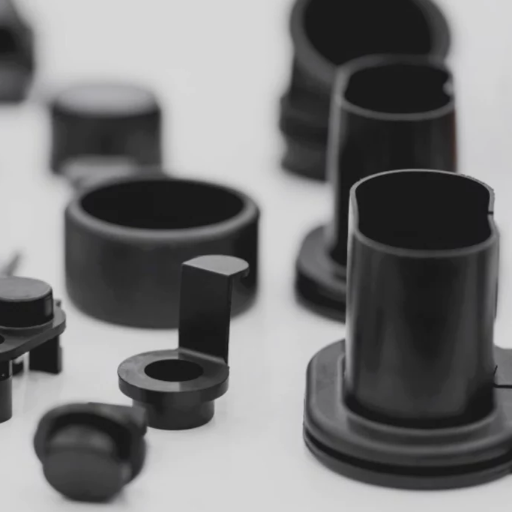
ABS is ideal for CNC machining because it possesses superior mechanical properties, works well with machines, and is practicable economically. ABS is tough, structurally lightweight, and malleable to impacts, making it suitable for use in a multitude of applications. ABS can give smooth finishes while maintaining dimensional stability, thus ensuring a very precise machined finish. It allows intricate designs to be made through various CNC processes while maintaining strength and functional abilities. These features give ABS its prestigious name in the world of prototyping as well as being used for end parts in industries.
What Is ABS Plastic?
Acrylonitrile Butadiene Styrene is a thermoplastic polymer, broad in use and characterized by its exceptional versatility and robust property set. It is made from three major monomers: acrylonitrile, butadiene, and styrene, which also give ABS its different properties. Somewhat chemically resistant and heat stable is acrylonitrile; toughness and impact resistance is rendered by butadiene; while styrene ensures the rigidity and processability of the material.
With a density in the order of 1.04 g/cm3 and a high melting point in the range of approximately 200°C to 250°C (392 to 482°F) depending on formulation, ABS is very suitable in the manufacture of electronic and housing components due to its excellent electrical insulation properties. In addition to possessing good tensile strength ranging generally from 4,100 psi to 6,600 psi (approximately 28 to 45 MPa), an ideal ABS component can guarantee smooth performance in static and dynamic mechanical movements.
Its ease of machining coupled with smooth finish makes ABS quite popular in the automotive industry and consumer electronics. In many ways, ABS is used to make car dashboards, LEGO bricks, phone cases, and printer frames. Moreover, its ability to be recycled and reused also appeals to many environmentally conscious manufacturers. ABS is also given preferences in 3D printing as the material being easy to extrude with superior bonding between layers.
While ABS plastic brings numerous advantages, it is less resistant to UV, resulting in yellowing or discoloration over time. To overcome this shortcoming, coatings or protective additives are often applied by the manufacturers to increase its outdoor durability. The cost-effectiveness of ABS, combined with its versatility and mechanical properties, ensures that it will remain a popular shape in modern manufacturing and design.
Properties of ABS Material
Acrylonitrile Butadiene Styrene is a thermoplastic polymer commonly known as being highly rigid yet impact resistant and easy to process. ABS has some key properties such as very high toughness-a capacity to take high mechanical stress without cracking or breaking. Furthermore, it has good dimensional stability so the parts do not bend or distort during or after the manufacture process.
Another great property of ABS is its high versatility in temperature tolerance in so far it does not perform well in extreme temperatures but in moderate temperatures and above better. Also, it is among the best to machine materials for 3D printing, injection moulding, and other forms. It also offers some solid chemical resistance against acid and alkali. To sum it all up, this unique combination of properties makes ABS a material of choice in the automotive movie, consumer electronics, and toy industries.
Benefits of Using ABS in Manufacturing
The benefits of using ABS in manufacturing include durability, versatility, impact resistance, machinability, chemical resistance, and affordability.
| Key Point | Description |
|---|---|
| Durability | Strong & long-lasting |
| Versatility | Suitable for various uses |
| Impact Resist. | Withstands heavy impacts |
| Machinability | Easy to shape/process |
| Chem. Resist. | Resists acids & alkalis |
| Affordability | Cost-effective material |
CNC Machining Process for ABS
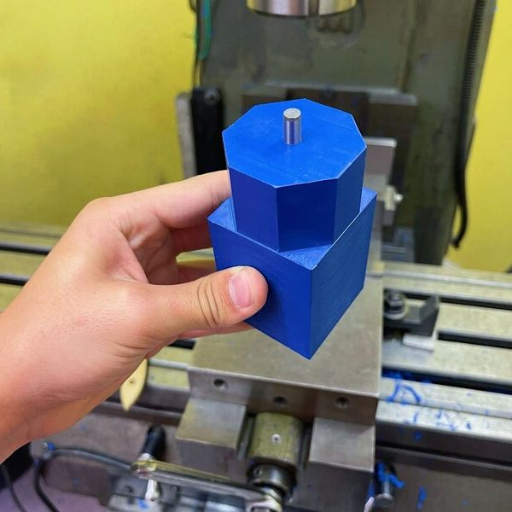
Computer-guided tools effect precise cutting and shaping of ABS. The tooling uses ABS, which is easily machinable and sustains dimensional accuracy in milling, drilling, or turning. CAD design usually starts the whole procedure and then shifts to machine instructions. Toughness alongside very low melting temperatures favors smooth machining with any moderate speed. Careful tool choices, as well as cooling methods, ensure that the work never distorts due to heat, resulting in an excellent finish.
An Introduction to CNC Machining and ABS
With the growing and ever-changing demands, CNC machining of ABS has emerged as one of the widely consumed methods of manufacture owing to versatility, durability, and ease of machining of ABS. ABS is predominantly used to make prototypes, highly intricate parts, and functional parts, thereby fitting well for industries involving automotive, industrial equipment, and consumer electronics. Machining from this material allows one to perfectly carve complex geometries that directly affect the substance’s structural integrity.
Milling, turning, and drilling are the chips and debris production methods normally utilized for ABS mass production. Modern CNC machines allow manufacturers to achieve tolerances as tight as ±0.005 inches, and dimensional accuracy is anything but maintained. ABS having low melting temperature allows for easy machining with low tool wear, while careful cooling systems prevent thermal distortion.
The materials used in CNC machining such as ABS are expected to garner an estimated $100 billion market by 2026 due to technological advancements and increasing demand for customized and precision engineered components. On-the-other-hand, being very cheap, ABS is mostly chosen in fast prototyping that literally allows manufacturers to quickly test a design and refine it for further use. The CNC machining of ABS components certainly reduces the time of manufacturing and assures the required consistency and quality in bulk quantities.
Techniques in Machining ABS Plastic
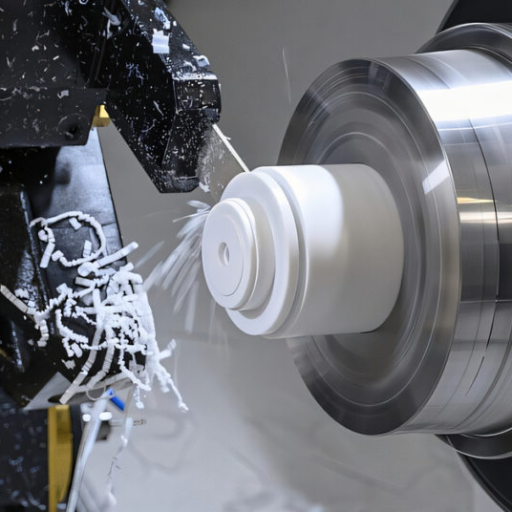
To get the best finish, machining ABS plastic should be approached with respect to tool selection and operating conditions. Machining of ABS plastic is generally carried out via milling, turning, drilling, or routing. It is recommended to use sharp cutting tools made from high-speed steel or carbide in order to get a smooth surface finish and to prevent deformation of the material. The feed rate and spindle speed should be kept at a medium level to avoid creating too much heat that could lead to melting or warping of the plastic. Use of coolants or lubricants is recommended as they ensure low heat build-up and produce a smooth finish. After finishing, sanding or polishing may be done to improve the visual appearance of the product, thereby making it suitable for applications where ABS is structurally and aesthetically important.
CNC Milling and Machining of ABS Plastic
CNC milling and machining create abrasive action and heavy duty machining that works on ABS plastic to produce quality results. ABS is a material par excellence due to its excellent mechanical properties like impact resistance, durability, and machinability. The best results are achieved by employing the sharpest carbide or HSS cutters with clean cuts and without burrs or deformation.
Adequate cutting parameters with moderate feed rates and spindle speeds help in decreasing heat generation that may cause melting or warping of ABS plastics. Coolants or lubricants should be applied to further suppress heat build-up and maintain plastic integrity. Post-machining procedures such as sanding, deburring, or polishing may be employed to improve surface finish to simultaneously meet structural and aesthetic needs.
Applications of ABS across Different Trade
In fact, ABS finds wide applications in different trades for its strength, durability, and easy manufacturability. In the automotive world, dashboards and trim components are made from ABS because it gives resistance to impact and is able to resist wear. In the electronics industry, ABS is used to make housings with components for computer cases and kitchen appliances by virtue of its insulating properties. ABS is also used for 3D printing, being lightweight and versatile for both prototypes and finished products.
Industries in Which ABS Parts Are Used
ABS parts are put to use in many industries due to their properties that suit diverse needs. These are mainly used in the automotive industry, where ABS finds use in interior components such as dashboards, trimming panels, and seat structures, which require strength and impact resistance. Other examples include the electronics industry that uses ABS for computer cases, television housings, and home appliances thanks to its excellent thermal properties and electrical insulation; and construction, which uses it for plumbing pipes, fittings, and other elements due to its strength and resistance to environmental conditions. Moreover, the toy industry benefits from ABS’s capability to be molded into intricate shapes as in the case of LEGOs. Its versatile nature makes it indispensable in many fields.
Specific Applications of Machined ABS Parts
From the perspective of diversified industries, machined ABS parts are mostly for service on account of their resistance to fire, wear and tear, easy machining, and being impervious to mechanical and chemical impacts. Specific custom dashboards, protective covers, and interior equipment are important in the automotive industries. The electronics industry uses machined ABS for enclosures, connectors, and insulating components, as it references excellent thermal and electrical insulation from ABS. As well as prototyping and product development, ABS for making precise and functional prototypes is the material of choice. That versatility keeps it in constant demand for highly precise and customizable applications.
Case Studies: Successful Use of ABS in Manufacturing
Automotive Industry
ABS finds the usage in the automotive industry for the production of sturdy and lightweight components such as dashboard panels, trim, interior fittings, etc. Its impact resistance and wear-resistance ability to withstand daily wear and tear make it the most suitable material for these purposes.
Consumer Electronics
Companies of the highest caliber in electronics employ ABS to produce tough and insulating casings for many devices like remote controls, keyboards, and personal gadgets. Durability plus insulating properties ensure safe operation and long life span.
Prototyping and Product Design
ABS is used by design companies to make functional prototypes owing to its excellent molding capability and ability to represent fine detail. This option allows sped-up product development cycles and improved accuracy of design.
Challenges in ABS Machining
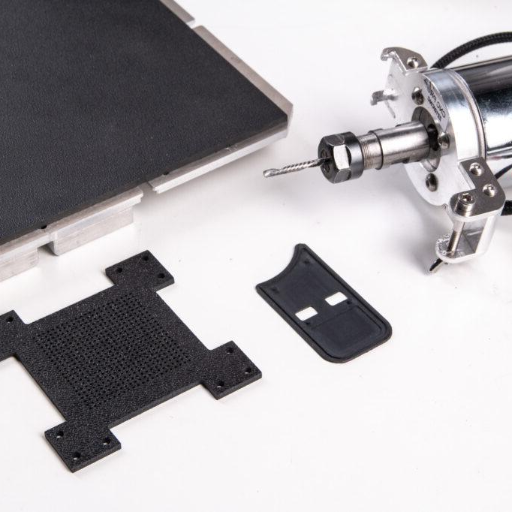
Machining ABS plastic creates several problems, including warping of the material because it is sensitive to heat, heat being generated in cutting and drilling. Also, the surface finish may require tool adjustments as it very slightly behaves in a brittle manner. Ventilation should be proper as the machining process of ABS can lead to fume generation with some toxic potential.
Occurring Challenges in ABS Machining
One of the common problems is that heat generation during machining can lead to deformation or warping of the material. Another challenge is that ABS might tend to chip or crack if the cutting tools are not sharp enough or well maintained. Precise tolerance can sometimes be a little difficult to achieve due to the material being slightly brittle and flexible. Ventilation should be yet considered, as some fumes may be harmful.
How to Overcome the Machining Challenges
To overcome ABS machining challenges, I keep sharp and well-maintained cutting tools to minimize chipping or cracking. I do control the speed and feed rate of machining to control generation of heat, with the additional facility of cooling if required, to help avoid deformation in the material. In achieving precise tolerances, selecting appropriate tools and setups in careful balance with ABS’s slight brittleness and flexibility is a matter of consideration. Moreover, I shall always ensure that there is proper ventilation, or use a fume extractor to ensure any harmful emissions are taken care of. Adhering to these methods ensures I could constantly achieve good reliability in machining ABS.
Quality Assurance Operations of Machined ABS Components
Maintaining quality in machining ABS plastic entails giving attention to a few other factors during the latter manufacturing stages. ABS (Acrylonitrile Butadiene Styrene) is known for its impact resistance and versatility but requires careful handling for dimensional stability and surface finish. According to recent industry data, the use of high-precision CNC tools with tight tolerances—within ±0.1 mm—can drastically reduce errors and maximize performance consistency in ABS parts, particularly when used for automotive components or consumer goods.
One important thing is heat control during machining. Since ABS melts very much at a low temperature of about 105°C (221°F), it can either deform if machined at very high temperatures. Cooling systems, which need to be highly effective, such as mist or air cooling, will reduce thermal stresses and extend tool life. It has also been proposed that cutting speeds of between 1,000–2,500 RPM and reductions in feed rates below 0.1–0.3 mm/rev provide an optimum approach for the machining process from both the perspective of machine precision and maintaining the integrity of the material.
However, the surface finish also plays an important role in ensuring proper functionality and aesthetic appeal of ABS-based products. A high-quality finish with a surface roughness (Ra) of less than 1.6 µm requires sharp tools, the correct cutting edge geometry, and a finishing procedure, i.e., either polishing or sanding. Additionally, choosing HSS or carbide tools with appropriate coatings will ensure excellent cutting performance and long cutting tool life.
Finally, monitoring of emissions during machining should be considered because small quantities of styrene gas are released, which should be taken seriously in closed environments. Proper ventilation or extraction systems that can capture fumes from the source will greatly improve operator safety and maintain a comfortable working environment. By combining these aspects, the manufacturer will enhance the resulting ABS parts in accuracy, durability, and quality.
Tips for CNC Machining ABS for the Best Outcome
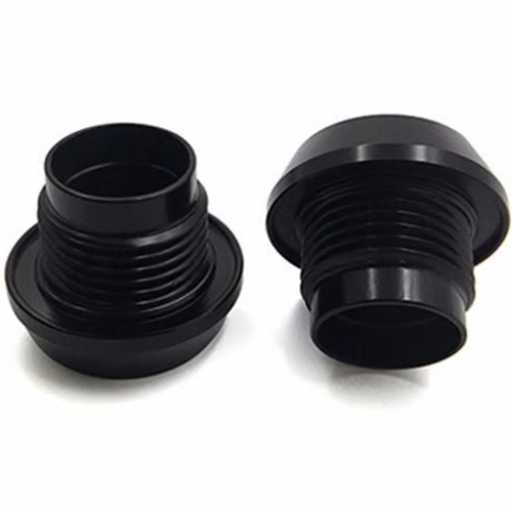
- Tool Selection: The tools must be sharp and preferably carbide; coatings that these instruments may have will make cutting cleaner and extend the life of the tool.
- Cutting Parameters: The feed rate and spindle speed should be adjusted so that excessive build-up of heat does not take place and smooth finishes are realized.
- Workpiece Stability: If the ABS is not held down well, vibrations will set in and precision will be affected.
- Cooling Strategy: With ABS, followed minimal coolant or air blasts are used to lessen friction and melting of material during machining.
- Chip Removal: Proper chip removal is ensured so that the cutting path remains clear and thus contributes to machining efficiency.
- Safety Measure: Using fume extraction or proper ventilation can minimize exposure to styrene gas emitted during machining.
Getting Surface Finish on Machined ABS
Achieving smooth surface finish on machine ABS requires sharpness on cutting tools and speed and feed rates best suited for the material. Minimizing vibration by securely holding the workpiece is a must, while control of velocity of the tool movement is paramount. Proper deburring of the edges to achieve smooth finishing coupled with the use of minimal cooling to control heat accumulation without distorting the material would only ensure smoother finishing. Prioritized thoroughness in machining would guarantee the best smooth surface finish.
Tools and Helps for Achieving Proper ABS Machining
In the effective machining of ABS plastic, the correct tools and equipment play an important role in attaining the best results. Generally, HSS and carbide cutting tools are used, owing to their durability, and that they retain the sharpness of their cutting edges with time. Carbide tools are preferred, however, for their heat resistance and most suitable during high-speed machining operations as their tool life is longer than any cutting tool.
Cutting speeds for ABS should usually be between 300-700 surface feet per minute (SFM), depending on the tool material and the machining performed. Feed rates should be set to prevent excessive heat build-up and are generally kept moderate or standard for plastics-the recommended milling feed rate is between 0.002-0.01 inches per tooth (IPT). Thus cutting tools with sharp edges will reduce friction against the workpiece, reducing the possibility of molten plastic sticking to the edge and subsequent deformation.
Soft jaws or a vacuum fixture-type clamping fixture may also be used to secure the ABS workpiece without damaging its surface. A precision CNC would certainly be able to achieve higher accuracy and repeatability, which are often imperative when working with this material. For cooling, just a slight bit of air or fine mist of coolant would disburse heat efficiently without risking warping of the material.
Deburring tools for plastics like scrapers or rotary deburring bits with decreased cutting friction provide smooth edges after machining. And with a clean shop environment and properly selected equipment that serve plastic machining applications, one will have a good foundation for quality-performance and efficient ABS plastic machining.
Reference sources
- Comparing Environmental Impacts of Additive Manufacturing vs. Traditional Machining via Life-Cycle Assessment
- Authors: J. Faludi et al.
- Publication Date: January 16, 2015
- Journal: Rapid Prototyping Journal
- Citation Token: (Faludi et al., 2015, pp. 14–33)
- Summary: This study compares the environmental impacts of two additive manufacturing machines (FDM and polyjet) with a traditional CNC milling machine. A life-cycle assessment (LCA) was performed, focusing on the manufacturing of parts in ABS plastic. The findings indicated that the sustainability of additive manufacturing can be competitive with traditional methods, depending on the specific context and operational parameters.
- Methodology: The LCA included cradle-to-grave analysis, considering factors such as energy consumption, material usage, waste generation, and disposal impacts. Various scenarios were analyzed using established methodologies like ReCiPe Endpoint H and IMPACT 2002+.
- Effect of Post-Processing on the Dimensional Accuracy of Small Plastic Additive Manufactured Parts
- Authors: J. Nsengimana et al.
- Publication Date: January 7, 2019
- Journal: Rapid Prototyping Journal
- Citation Token: (Nsengimana et al., 2019)
- Summary: This paper investigates how different post-processing techniques affect the dimensional accuracy of parts made from ABS and other materials. The study found that certain methods, like chemical treatment with acetone, significantly improved the dimensional accuracy of ABS parts.
- Methodology: The research involved additive manufacturing of test pieces using laser sintering and FDM, followed by various post-processing techniques. Dimensional deviations were measured using touch probe scanning, and statistical analyses were performed to assess the impact of each method.
- Hybrid (CNC+Laser) Process for Polymer Welding
- Authors: J. Yoo et al.
- Publication Date: June 30, 2010
- Citation Token: (Yoo et al., 2010, pp. 42–48)
- Summary: This study explores a hybrid process combining CNC machining and laser welding for polymers, including ABS. The results indicated that this method could enhance the efficiency and quality of polymer joining processes.
- Methodology: The authors conducted experiments varying laser power, focus distance, and scanning speed to optimize the welding process. The quality of the welds was analyzed through tensile strength tests and visual inspections.
Frequently Asked Questions (FAQs)
What are the mechanical properties of CNC machining ABS?
CNC machining ABS offers excellent mechanical properties, making it a preferred choice for various applications. ABS exhibits remarkable toughness; thus, it resists impact and stress. The material is also said to have low thermal expansion, which means precision can be maintained during machining. Choosing engineering-grade ABS equips you with durable machined parts with superior performance. Furthermore, ABS plastic parts can be engineered to suit customization, so the customized product will better perform for the specific end-user.
How does machining ABS CNC affect the quality of machined parts?
Machining ABS CNC provides the highest level of influence on the quality of machined parts by accurate machining techniques and parameters. With proper equipment and know-how, manufacturers shall be in a position to deliver results that are both high in quality and precision. Further surface treatment processes can be applied to ABS parts after machining such as bead blasting to remove tooling marks or chatter lines. Regarding the internal stresses within the machined components, damage due to warping can be prevented by applying good controls. In general, CNC machined ABS parts can be employed for applications that require guaranteed and tested performance.
What are the advantages of CNC-machined ABS plastic custom parts?
CNC-machined ABS plastic custom parts have the advantage of flexibility in terms of machining methods. ABS is commonly chosen for custom applications because the material itself can be easily machined into complex geometries. It allows production of parts with complex designs that meet required specifications for functionality. Moreover, ABS offers affordable machining option and thus proving to be one of the favorites of a mass production industry. With the choice of right machining processes, use can assure high finish quality; while also maintaining standard of material properties for optimum functioning.
Could you explain in detail about the thermal expansion characteristics of ABS plastic components?
Thermal expansion is an important property of ABS plastic components that influences its performance in different environments. ABS shows little thermal expansion, which is maintained when machining needs much precision. Low thermal expansion reduces the risk of deformation or machining chatter of parts with temperature changes. Another important consideration for ABS plastic is understanding its heat deflection property when applied in an environment of high temperatures. For a long life of this product, knowledge about these two properties is useful toward designing plastic machining.
How significant is the surface finish of ABS parts in CNC machining?
Surface finish of ABS parts plays a vital role in both aesthetic and functional aspects of the final product. The greater the smoothness of surface finish, the lesser the frictional force and wear faced by it; of utmost importance for the components that come in contact with other surfaces. Processes like bead blasting are also used to improve the surface finish and appearance of ABS parts. This further ensures that any tooling marks or chatter lines in the parts were eliminated and hence better able to perform in various applications. Hence, the core of the CNC machining of ABS for an impeccable surface finish is ensuring the quality and durability of machined parts.


