


The method of extrusion processing is very interesting and it’s a method which is used to make many everyday objects now, that are fronted with metal and window, called enameling and extrusion. For example, extrusion technology is extended in the manufacture of various products such as polymer films and coated products. Construction, automotive, consumer and other industries have all experienced the benefits of such a technology. However, some knowledge of the scope of application of this technology is still difficult to achieve by uninitiated parties while others are still not able to comprehend how the process is done. This article is meant to focus on the working of an extruder in a plastics blow molding machine. So, for anyone looking for technical details and more in-depth insights, this is the article for you. Get ready to uncover the complexities and analyses used in creating everyday objects!
Extrusion Machining 101: What You Need to Know

The production technology that is known as extrusion machining process is used to manufacture materials or objects with a specific cross section dimension taking advantage of the material’s ability to move a material forward thought a die by exerting fashion of its compressibility or rigidness. Best-known application is for such materials as metals, plastics, ceramics. For its structured nature that ensures that appropriate helical movements so that would allow complexity of shape to be guaranteed. This happens to make the sector a success in other sectors, particularly construction, automotive, and aerospace as it strengthens the material, and there is little waste created. This makes it easier to produce on a large scale. In the current economic times, this kind of waste production processes should be eliminated unnecessarily.
Detailed Introduction to Extrusion
Extrusion is a manufacturing process that is used for moulding of various sections with the help of a die through which the material is forced. Delivery of such critical shapes in the industry still remains very challenging. This led to the establishment of extrusion technology which is mainly focused on some specific materials and technologies where the production market tempered tides of development and demand for this technique. Depending on the material and application, the process is classified into hot extrusion, cold extrusion, or warm extrusion. The most common materials used in extrusion processes are aluminum, plastic and steel, as they are easy to mold and very strong.
There has been a major improvement in the accuracy and efficiency of the extrusion process due to advancements in extrusion technology. There have been efforts that succeeded in reaching improved accuracy of production through elimination of waste and errors, and have always resulted in products produced with clearly defined dimensions. This data is universal to the extrusion machinery market – it will expand with a compound annual growth rate (CAGR) garnering 4.9% in the period of 2023 to 2030 because of increasing applications of specialized light weight auto parts, recycled materials as well as green manufacturing. Today, every aspect of the economy and industry makes use of extrusion, ranging from the manufacture of ordinary PVC pipes and simple window frames to the construction of high-speed trains and even food packaging.
Relevance of Extrusion in the Manufacturing Context
There is no doubt that extrusion is an essential mechanical operation for the current industry given that it is flexible and efficient enough to provide the best products efficiently. It is a fact that extrusion becomes one of the main processes in all the major processed based industries like automotive, buildings, aviation, and packaging. One of the most significant advantages of extrusion is that it allows for the formation of intricate cross-sectional profiles of materials such as metals, plastics and co-rem and is very problematic for other manufacturing methods.
The development of the market, according to relevant data, is characterized by increasing orientation towards extrusion technologies. Among others, improved intergeneration of extruded plastic will reach a total value of $8.7 billion by 2030, which is directly related to the growing importance of ecology in the use of materials, in this case, recycled plastics, all over the world. The aluminum extrusion market is also expanding, enhancing the automotive and aviation sectors with the use of these relatively light and very strong materials with a CAGR2030 of 5.4%.
Extrusion also plays an important role in fostering sustainable practices. It is very useful for managing industrial waste and mitigating global warming since it can accommodate the use of recycled and other environmentally friendly resources such as the plastics extrusion process. In addition, raw materials are not wasted and do not require a lot of energy because the process is conducted in such a way that there is minimal waste which is also green friendly. People in the manufacturing sector get it that running an extrusion line can help to minimize expenses and to continue running the operation with utmost efficiency.
Important Terms used in Extrusion Machining
- Die: A mechanical tool or shape that is used in shaping materials during the extrusion process.
- Extruder: Part of the machine which is responsible for pushing the material into the die.
- Feedstock: Refers to the stock or raw material that is used during extrusion such plastic pellets or metal alloys.
- Screw: A device which moves the feedstock in the extruder and helps in the smooth flow of the material.
- Barrel: A chamber which houses the screw and contains the material as it get molten so that it won’t spill out.
- Profile: The shapes of the material after it exits the die extrusion.
- Cooling Zone: The zone that cools the material extruded in the section to maintain the shape and performance.
How the Extrusion Process Works

The extrusion process is done by advancing the raw material like plastic or metal into the hopper then the heat is transmitted into the material as it is pushed and rotated using the screw. On attaining the required level of heat and thickness, it is sent through a die forming the raw material to the final form. Then it enters in a cooling area dissolving it completely in a solid form able to be employed further.
Sequential Explanation of the Extrusion Process
- Introduction Section: The first step is about conveying raw material like plastic or metal into the hopper.
- Heat Transfer: The material moves on inside the barrel where the material rotates and the screw helps to heat the raw material.
- Forming: When thermoplastic compound attains a height specified by the shape of the forming die or nostalgic flat surfaces defining the prevailing trends the thermoplastic material is forced through another die. With this, the material will take a certain form or shape.
- Cooling: The material after extrusion shall be passed through cooling water baths at a distance of 600-1,800mm away from the extruder to solidify the shape of the product and arrest contamination of the profile.
- Finishing Operation: After this cooling process and hardening of the materials, there is a final form of vacuum either ready to be prepare for shipment or shall further be processed in other forms like coil or butterfly containers.
Types of Extrusion Machines
The main types of extrusion machines are single-screw, twin-screw, and ram extrusion machines, among others.
| Key Point | Description |
|---|---|
| Single | Simple design; for basic tasks. |
| Twin | Dual screws; high precision. |
| Ram | Uses a ram to push material. |
| Cooling | Cools material during process. |
| Flexibility | Versatile in applications. |
Major Elements of an Extrusion Machine
A basic extrusion machine is made up of several most important parts which are discussed below:
- Hopper – Supplies the raw material into the machine.
- Feed screws – These can be used to transport and mix material during a working cycle.
- Barrel – It contains screws and for ensuring the material melts it applies heat.
- Die – The component in which raw material is given the shape required.
- Cooling System – It helps warm materials in the forming operations to cool off and solidify after shaping.
Types of Extrusion Methods
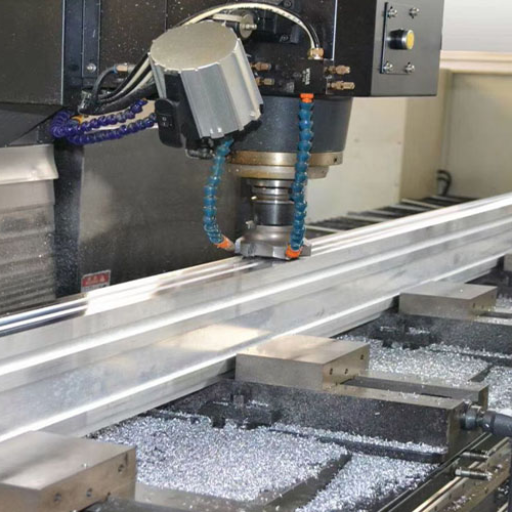
- Direct Extrusion – the material is pressed through a die in the same direction as the load applied .
- Indirect Extrusion – here the die comes closer to the workpiece , and consequently this action releases from load the materials , hence a decreased production load is realised.
- Hot Extrusion – the procedure takes place at high temperatures for making the material more elastic.
- Cold Extrusion – this is the process performed at low temperatures that are either at the ambient or in the range of tens of degrees, preserving the strength as well as surface finish of the material.
Hot vs. Cold Extrusion
Hot and cold extrusion are two methods when it comes to the manufacturing process, but they have their own pros and cons associated with different types of the manufacturing processes.
Hot Extrusion involves the heating up of the material prior to its extrusion. This process reduces the strength of the material and enhances its ductility thus making it easy to form. It is especially suitable for Ie. metals that are hard to extrude at the normal temperature, such metals are the likes of steels, titanium or nickel alloys. Hot extrusion makes it possible to produce shapes that are complex and causes minimal strains on the extrusion tool. Nevertheless, it creates an uneven surface after the extrusion and calls for the subsequent cooling or treatment of the extrudate.
On the other hand, Cold Extrusion is works at or almost works at room temperature. In this process, the material is not heated and as such the original strength of the material is maintained and the surface finish is also good. Cold extrusion is used for making intricate parts with close tolerances for such alloys as aluminum and copper which become easy to work with in normal environment. However, this method involves extensive force for reshaping material and one of the common drawbacks is higher depletion of the tools.
Basically how the extrusion whether hot or cold is performed will be based on the nature of the material, what properties it is intended to have for the product and how efficient it can be made.
Direct and Indirect Extrusion Explained
Direct extrusion involves pushing the material through a die in the same direction that the force is being applied, this is efficient but requires more energy as the material tends to rub against the walls of the containment during the process. In contrast, indirect extrusion invigorates the die through the material at rest and the resultant friction and hence energy and space requirements are lower but it has restrictions on the sizes and quality levels of products generated. For each of the methods, there is grounds for its use, taking into consideration the specific properties of the material to be processed, which depend on the quality and technical parameters of the product to be produced.
Hydrostatic Extrusion and Its Applications
Using a hydrostatic extrusion is a technique that involves pressurizing the material with a fluid before pushing it through an extrusion die. I can also mention that this process decreases the amount of friction and improves the surface quality of the products by enabling the machining of fragile materials that were previously considered unsuitable in manufacturing. I would also emphasize the fact that the hydrostatic extrusion process has found applications in other areas with demanding high-precision components production, such as the space, automobile, and electronics industries. Therefore, this is most advantageous especially for products demanding intricated shapes in a situation where quality concerns are primary.
Required Materials for Composite Things in Extrusion Machining

The extrusion technology permits the use of variety of materials in plastics extrusion processing such as metals, polymers, ceramics, composites and the like. The most common of these metals are aluminum, copper and steel because they are both ductile and strong in the extrusion operation. Light applications, especially containers and bags, water pipes and gutters, are best produced with polymers that are of low density or thin in thickness, such as polyethylene and PVC. Composite material and Ceramics are used when the operating environment requires resistance to high levels of temperature or when the materials have specific properties which warrant composites. Mostly, the engineering plastics family is applicable when there are volumetric, weight and economic constraints involved.
Aluminum Manufacturing in Perspective
Aluminum extrusion is a mass production process in which hot or cold process aluminum path through a formed die. This process helps in the production of sections of long length in specific shapes without any reduction in the strength properties. Industries like construction, automotive, aerospace, and consumer goods uses aluminum extrusion as the foremost cost-effective way to produce specific geometries.
One of the biggest advantages of aluminum extrusion is the ability to produce custom shapes more efficiently. Furthermore, the process guarantees high level of accuracy and low amounts of defected materials, which contribute to its affordability and environmentally friendly nature. Another key positive about using aluminum is that for the same mechanical resistance, aluminum is easier on weight compared to other metals used in various applications thanks to its excellent corrosion resistance and capacity to conduct electricity.
The first thing to be noted is the fact that the aluminum extrusion market is likely to grow at a significant pace in the coming years. As per data from a market research organization, the aluminum extrusion market of the world in 2022 has surpassed U.S. $67 billion and shall increase by approximately 6.5% on a compound annual growth rate (CAGR) basis from 2023 to 2030. Drivers of this growth include the boom in in construction, increase in lightweight part of cars due to the cataclysmic advancements in the automotive industry and last but not the least growth in the green energies which are dependent on aluminum extruded profiles i.e. wind and solar energy.
Moreover, the aluminum extrusions are necessary to the aerospace industry as they are essential components in the design process that calls for the parts to be designed light in order to save on fuel, however with increased resistance. The process continues to have relevance with both demands and innovations given that demand for fuel extrusion technique is going to increase with most infrastructure and transport systems getting modernized.
Plastic Material and Parts Extrusion
Plastic extrusion is a versatile form of polymer processing that can be applied towards the fabrication of a wide array of plastic goods utilizing various industrial grade plastic material. The application of primary materials in the process of plastic extrusion, includes Polyethylene (PE), Polypropylene (PP), Polyvinyl Chloride (PVC), Polystyrene (PS), and Acrylonitrile Butadiene Styrene (ABS). These materials have a range of properties typical of the applications they are meant for, such as composing packaging, Piping, or Automotive, and even Medical applications.
Polyethylene, for instance, is available in High-Density (HDPE) and Low-Density (LDPE) forms, with HDPE most often applied for making pipes and containers owing to its strength and the resistance of the chemical. Polypropylene is a material of specifications in non-linear deformations and is able to withstand bending due to fatigue which are needed for production of products like living hinges and automobile garnishes. As for PVC, it is widely used in construction due to its strength and cost-effectiveness in window frames and conduits. ABS – a design which is fit but light weight is commonly found in the manufacturing industries of chunks like televisions and automobile fragments.
With the boom of the global plastic extrusion market, a drastic improvement is apparent, with the rise in construction and industrial constructions being one of the most effective. The Plastic Extrusion Market Report for the spaces of 2022 shows a volume of 72 billion USD with a growth forecast about a CAGR of 4.2% for the forecast period 2023 to 2030. This optimistic forecast is fostered by the increasing usage of renewable and recycle based plastics, as well as development of extrusion technologies aimed at improved productivity compatible with growth.
Thanks to improvements in materials and fabrication techniques, the sector is moving forward with research and development to allow for differing user requirements and environmental concerns.
Other Common Materials in the Extrusion System
There are many forms of the extrusion processes which are adaptable to different kinds of materials that are designed for differing applications in different classes of sectors. Some of the common materials used in the extrusion technology are thermoplastics For example polyethylene (PE), polyvinyl chloride (PVC), polypropylene (PP) and polystyrene (PS). A considerable preference is given to these materials due to they own primary processability, strength and inexpensive factors.
- Polyethylene: This is one of the most used plastics in extrusion since it has many applications. PE is extruded for further processing into products such as film, profiles, pipes and sheet.
High-density polyethylene (HDPE): undoubtedly the most popular in terms of sales volumes in the pipe extrusion market, it is expected to sustain high growth following increased civil works. - Polyvinyl Chloride (PVC): Used in almost all building projects for making window and door profiles, drainage and pipes, wall coverings and many others. For example, it is well over USD 62 billion in size as of 2022, with the global PVC market continuing to grow as demand for construction materials increases.
- Polypropylene (PP): Lightest of all enabling easy processing but virtually stress and fatigue-free, industries dealing with automobile parts, packaging films and household also involve the use of this material. A great increase in demand for polypropylene (PP) is expected from the food and beverage packaging and automobile markets.
- Polystyrene (PS): Polystyrene serves as an essential part of buildings in the form of board systems used as over cladding and acoustic linings due to its good thermal and acoustical properties. Problems branded with PS application in the 2020s and beyond from the environmental point of view are slowly being solved what with the advent of recycling technology the world has never seen before.
- Engineering Plastics: Polycarbonates (PC), Acrylonitrile Butadiene Styrene (ABS) and PA 66. These materials are selected for final or other desings of electronic products, sallon components, and other midgets for their high physical and mechanical characteristics.
However, in the case of more advanced applications, such as high-density structures, use of materials like polylactic acid (PLA) and polyhydroxyalkanoates (PHA) is also possible. It is expected that these materials will come in more handy as countries introduce stricter environmental protection laws. These considerations indicate that, in present-day manufacturing processes, the mixture of old and new materials in the extrustion technique is still a necessary link both in meeting the requirements of the intended application and in addressing risks of environmental deterioration.
Extrusion Process and its Importance in Various Industries

There is hardly any other technology in the manufacturing industry that is as effective and versatile as extrusion. The packaging industry is geared towards the making of order-made, protective films, the dye coating or extrusion of sheets, blow moulding of bottles and containers. The industry of House- improvement usage of Extrusion for the fabrication of products such as pipes, profiles, and window systems. Besides, the automobile sector employs the technique of extrusion for developing components which are lightweight, and the food sector uses it to shape into nutlets, cereals, and pasta products. The nature of this process allows for the use of different materials and the fulfilment of the needs of the target consumer making it one of the important methods of manufacturing that makes it a base line.
The Automotive Industry
The applications of extrusion are numerous within the automotive sector. At a rapid move of demand within the sector, expanding organizations would consider extrusion as the most effective and all-purpose manufacturing process ever developed for automotive. Particularly, aluminum is noteworthy extrusion and thin sheet metals are positioned as figureheads for offering a solution to the aging population concerning cost. It is worth mentioning that [b] nearly 30 percent of the aluminum used in cars is produced by extruding profiles. This material is largely used in creating projective units like bumper systems, as well as in roof rails, chassis components, etc.
Equally important is plastic extrusion, which creates modern thermoplastic molds, trim moldings, weatherstrip seals and shields. The study predicts that CAGR for extruded plastic components will reach 4.5% between 2018 and 2024, with the significant increase in electric vehicle (EV) production and the attempts to maintain or augment the fuel economy while focusing on reducing the vehicle weight.
As far as sustainability in the automobile sector is concerned, extrusion is also quite useful. Many companies weld profiles made from recycled aluminum and plastic on their products, which helps to cut costs spent on the energy and environment. Putting to good use the advantages of technology, the automobile industry strives to achieve improved performance with its vehicles in terms of less weight, lower risk of accident and minimal effects on the environment.
Construction and Building Components
A complete explosion in the construction and building materials field is taking place because of extrusion technologies that are changing the ways how one can satisfy the contemporary architecture demands. It goes without saying that aluminum extrusions play an integral role in the case, the reason being is that take a lot of expanse, they are of high tensile strength, made to last, anticorrosive and most importantly lightweight and act in place. These fittings are desirable for their relative ease to install and their use in the construction of buildings for making panes as well as making walls and roofing of these structures.
Historical regions all around the earth appreciate the increased use of extruded aluminum in the built environment. The aluminum extrusion manufactory world market is gauged at nearly $87.84 billion for the year. BEDB estimates a growth of 6.5% per annum from 2023 to 2030. This growth is also being supported by enhanced demand for more eco-friendly materials. This is however achieved with the help of aluminum extrusions where buildings are insulated thermally to avoid energy wastage in cold climates and improved interior comfort during hot weather.
More and more the use of plastics and polymers is popular in building materials for a number of reasons, one of them being improved extrusion techniques. Plastic extrusions are used in many applications in apartment buildings, homes, and other buildings for such purposes as plumbing, cabling, walls and ceilings and floor coverings at a relatively low unit cost but with high efficiency characteristics. Both in aluminum and plastic extrusions, green building measures are taken positively. This is in order to enhance green buildings by minimizing waste and utilizing resources most effectively.
In general, the technology of extrusion continuously finds advancements in construction and therefore encourages economies in the building of infrastructure which is long-lasting, environmentally friendly and good looking.
Consumer Product and Packaging
Manufacturers in the consumer products and packaging industries also utilize extrusion technology to develop efficient and scalable, quality-assured, products. It is usual that in the consumer goods sectors materials processed by extrusion will be impossible to exclude completely in the mix of articles to be produced – from high-quality options for household items, through furniture items and the so-called food packaging. For instance, plastic extrusion technology occupies an enviable position since it has the capacity to produce light weight and long-lasting containers, chat up tubes and containers such as wraps and films.
This is a concept that includes other concepts of root technologies and trends to bring an even wider use of energy sources. For instance, the last four technologies extract more power out of the same raw material of the biomass following the production stage. This is due to the already mentioned trends of increased consumption of energy in residential and commercial buildings globally. These and other information included herein contribute to the decision making process in regard to the development indicators of the construction industry. The first technology extract power and bring it to the end user and encompasses new technologies in energy efficient buildings, sustainable transport modes and the integration of energy systems including buildings and transport.
There is no denying that the majority of inner city spaces are crowded and stunted in terms of actual development potential, nonetheless in most countries –spaces just beyond the city centre are still the heart of centralization, for instance, employment and concentration of administrative functions among others. Inner-city areas – particularly those in the old town part of Vientiane – are mostly residential, regardless of the activities that are undertaken at ground level, and possess similar features as those found in the central area. This is characterised by denser structures with an assumed lack of space amidst buildings that incorporate a range of retail and entertainment services but with minimal pavements out on the street network.
Movement of western European city centres was witnessed in the 2500-1500 BC where Vitlycke has managed to survive for centuries as one of the many pre-historic European monuments still standing. The information gathered about the four land uses for Vitlycke was mostly from reports written in Swedish so a large amount of translation was necessary. Extrusion undergoes transformation into consumer product and packaging from production because, these changes meet the requirements and specifications of consumers.
Reference sources
- A Comprehensive Review of Large-Strain-Extrusion Machining Process for Production of Fine-Grained Materials
- Authors: M. Gurusamy, B. Rao
- Journal: Crystals
- Publication Date: January 11, 2023
- Citation: (Gurusamy & Rao, 2023)
- Key Findings:
- The review discusses the production of bulk nanostructured metals and alloys through severe plastic deformation techniques, particularly large-strain-extrusion machining (LSEM).
- LSEM allows for simultaneous control over microstructure refinement and the shape of the resulting chip, making it effective for producing fine-grained foils.
- The study emphasizes the importance of finite-element modeling in designing experimental setups and optimizing process conditions.
- FEM Simulation of Surface Micro-Groove Structure Fins Produced by Cryogenic-Temperature Extrusion Machining
- Authors: X. Yin et al.
- Journal: Processes
- Publication Date: February 11, 2023
- Citation: (Yin et al., 2023)
- Key Findings:
- This study investigates the effects of various parameters (compression ratio, rake angle, friction coefficient, and tool corner radius) on the effective stress and formability of micro-groove fins produced by cryogenic-temperature extrusion machining (CT-EM).
- Results indicate that CT-EM outperforms room-temperature extrusion machining (RT-EM) in terms of effective stress and formability, particularly at a compression ratio of 0.7.
- Thermal Stability, Microstructure Evolution and Grain Growth Kinetics of Ultrafine Grained Al 7075 Alloy Processed by Cryogenic Temperature Extrusion Machining
- Authors: Xiaolong Yin et al.
- Journal: Journal of Alloys and Compounds
- Publication Date: March 1, 2023
- Citation: (Yin et al., 2023)
- Key Findings:
- The paper explores the thermal stability and microstructural changes in ultrafine-grained Al 7075 alloy processed by CT-EM.
- It highlights the kinetics of grain growth and the influence of processing conditions on the mechanical properties of the alloy.
Frequently Asked Questions (FAQs)
How is extrusion made?
Extrusion is a process whereby material is forced through a die in order to produce the required cross-section materials. It has been a versatile technique as it can be applied on almost all materials, ranging from metals to plastics and it is historically called under metal forming manufacturing. The type of material otherwise in solid form is usually heated to above its glass transition temperature and pressed into a shape by using an extrusion machine under very high external mechanical force. A variety of machines such as single-screw or twin-screw extruders, for example, are available depending on the material and extrusion profile. The product can be a simple shape in some cases and a more complicated cross section in other cases, which illustrates the wide applicability of the extrusion process.
How will a design guide in respect to extrusion help in the understanding of extrudates?
An extrusion design guide is a very useful tool in showing how to make extrusion for different purposes. The guide consists of various sections including the effect of critical parameters such as the extrusion die and the material will be used, cooling unit requirements as well as the shape that is required in compression. Hence, manufacturers can minimize the finish of the work done making extrusion parts. Once the designs have been completed, the other consideration becomes the kind of CNC machining that may be needed for finishing such work so that the finished products are fit for the users. Additionally, it underscores the need to know extrusion speeds and how it supports the desired ‘percent machining’ objectives as well as reduce paid non-productivity time.
What types of machines are used in the extrusion process?
There are different types of machines employed in the extrusion process such as plastic extrusion machines and metal extrusion presses. Plastic extruders can be defined as machines that are purposely made for extrusion of molten plastic into shaped forms on the other hand in metal forming manufacturing, machines are usually larger presses that are capable of withstanding enormous extrusion forces. The type of machine to use will depend on the material that is being extruded and the specifications of the extrusion profile required. Similarly to the other CNC machines, CNC machining centers may also be used to reduce the cutting parts which will ensure that the products are accurate to the intended specification. Knowing what each machine has to offer is an essential part of the process if proper extrusion is to be achieved.
What are the common defects in extrusion and how can they be avoided?
Common extrusion defects is manifested through the presence of various problems such as poor surfaces, failure in meeting the desired dimensions and as well as non-uniform extrusion shape longer. These may be caused by several factors such as unfavorable die designs, wrong material temperatures, as well as inadequate cooling of the product. To counter these problems manufacturers are to use an extrusion design guide that shields the necessity of such an action as material preparation and die cleaning. Additionally, the application of quality management tools with the help of extrusion design guide provides a window of opportunity for the status quo before issues develop. In addition, these properties are the key to reducing and even eliminating a large number of defects.
How is the process of extrusion modified for the purpose of plastic products?
As far as plastic products are concerned, extrusion is mostly used because it serves its purposed ingeniously producing the most quality and complex shapes without many limitations compared to other methods. In the conventional technique, plastic pellets are melted into a liny mass by heating and then forced in the extrusion die subsequently forming different sections such as sheets, tubes or other custom designs. This method is particularly fit for making consistent products in huge quantity, while having a greater strength-to-weight relation. Further, plastic extrusion has the ability to introduce additives to upgrade the material, thus the best plastic extrusion applications can be used to create composite materials. Knowing the correct way of extrusion will help in the development of more superior plastic concepts in terms of material application design.


