


When it has to do with stainless steel, versatility, and efficient working are factors that make few grades exceptional. 410 stainless steel has made a niche for itself within a broad spectrum of industries owing to its almost ideal combination of strength, durability, and corrosion resistance. But what really separates Grade 410 from so many other options available? This blog goes through 410 stainless steel, bearing in mind composition, properties, and applications on a large scale. Whether engineering, manufacture, or finding new knowledge in materials, this will provide insight into why 410 stainless steel continues to be an option for tough environments. Time for you to learn all that there is to know about the practicality of this material and what potential it holds!
What Are the Mechanical Properties of 410 Stainless Steel?
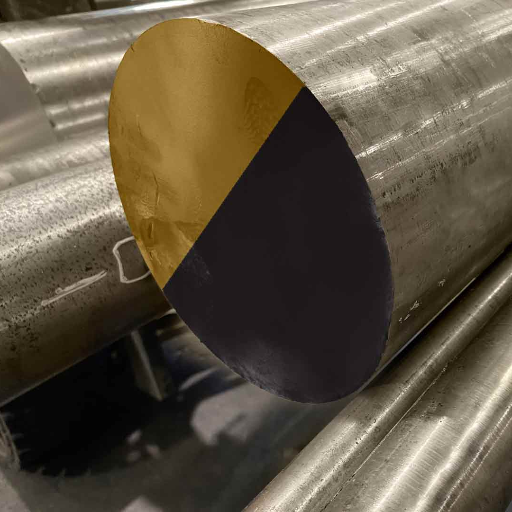
410 stainless steel possesses fine mechanical properties, making it very versatile and strength-endowed. It has a tensile strength of around 485 MPa or 70,000 psi and also offers excellent hardness, which can be increased by heat treatment. With moderate corrosion resistance and decent wear resistance, this material has wide applications apart from being utilized in environments that require strength, toughness, etc. With good machinability, the product finds good use in high stress environments.
How Do the Strength and Hardness Form 410?
The strength and hardness of 410 stainless steel come through with the formation of its alloy and heat treatment. Being mainly an iron-chrome alloy with some 11.5-13.5% chromium content, 410 gets categorized under martensitic types of stainless steel. The chromium forms a layer offering corrosion resistance on the steel so that it is hardenable. Meanwhile, small amounts of manganese and silicon make their contribution to the hardening effect, as does the carbon content, which is small but powerful at 0.08-0.15% by weight.
Hardening begins with heating the 410 at 1800°F-1950°F (982°C-1066°C), a temperature range where microstructure conversion of steel to austenite occurs. Rapid quenching, usually in air or oil, converts the austenite to martensite, a harder and stronger structure. Tempering is the reheating of the steel to between 300°F-700°F (149°C-371°C) for relatively short times to provide the desired compromise between hardness and toughness appropriate to the requirements.
On this scale, the hardness of the 410 stainless steel ranges from HRC 35-50, depending on the heat treatment applied. 410 will often have an ultimate tensile strength of more than 700 MPa after hardening, exhibiting the characteristics necessary to withstand some difficult applications. Using its chemical composition and heat treatment, 410 stainless steel becomes a highly versatile material for valves, fasteners, and cutting tools.
How Does Chromium Add to 410 Stainless Steel Mechanical Properties?
Chromium is a major element responsible for the enhancement of the 410 stainless steel’s mechanical properties. Other than chromium being by far the majority alloying element that provides corrosion resistance, it also imparts oxidation and hardness to the material. Chromium creates a thin oxide-film on the surface thereby protecting the underlying metal from rust and environmental degradation, making it suitable for use in harsh or high-moisture environments.
Specifically, stainless steel 410 contains approximately 11.5 to 13.5% chromium by weight, which imparts this material with moderate corrosion resistance but great wear resistance. The same presence of chromium allows the material to go through heat treatment processes in which it is tempered to balance tensile strength, ductility, and toughness.
Studies with data backing have shown that increasing chromium content in martensitic stainless steels such as 410 directly affects their performance when subject to stress and corrosive conditions. For instance, tensile strength of 410 stainless steel can exceed 700 MPa after heat treatment, and Rockwell hardness ranges from HRC 35-50. Such high-level performance would not be feasible without chromium stabilizing the microstructure and forming an efficacious passive layer.
Optimizing chromium content and heat treatment processes ensures 410 stainless steel delivers consistent performance in challenging environments such as petrochemical processing, power generation, and aerospace. The balanced properties thus make it a material of choice for a wide array of industrial applications.
Comparing 410 with 304 stainless steel
When comparing 410 stainless steel with 304 stainless steel, key differences include composition, corrosion resistance, hardness, and applications.
| Key Point | 410 Stainless | 304 Stainless |
|---|---|---|
| Composition | Martensitic | Austenitic |
| Corrosion | Moderate | High |
| Hardness | High | Moderate |
| Strength | Strong | Moderate |
| Weldability | Limited | Excellent |
| Heat Treat. | Hardenable | Not Hardenable |
| Applications | Industrial Tools | Food, Marine |
| Cost | Lower | Higher |
How Does Heat Treatment Affect Grade 410?
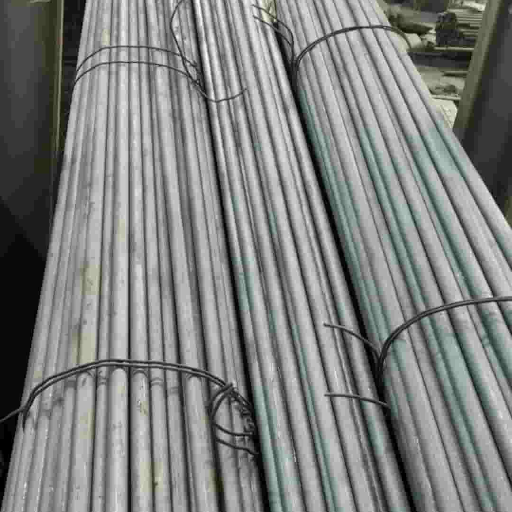
Heat treatment significantly alters the hardness, strength, and corrosion resistance of Grade 410 stainless steel. When hardened and tempered, Grade 410 gains strength and hardness and becomes suitable for applications subjected to high stress, such as industrial tools. In the meantime, quench hardening reduces corrosion resistance, so it is used in an environment that does not pose too many risks of corrosion. Annealing or low-temperature tempering will balance hardness and corrosion resistance for specific applications.
Annealing of 410 Stainless Steel
Annealing of Grade 410 stainless steels is the heat-treatment technique used to improve ductility and machinability and relieve internal stresses formulated in processing while assisting in furthering toughness. This process is crucial, especially when a certain strength-to-corrosion ratio is required.
The annealing of Grade 410 stainless steel involves heating this material to temperatures generally between 1,500°F and 1,650°F (815°C to 900°C). The material is held for some period, depending on its thickness, and then followed by slow cooling, usually in a furnace, so the microstructure evolves evenly and no undesirable phases are formed. Slow cooling assures the highest ductility and lowest brittleness.
The annealing improves toughness with softness and workability. For instance, some data indicate that the tensile strength of annealed Grade 410 extends from 60 ksi to 80 ksi, while the hardness is decreased to about 150-200 HB (Brinell Hardness), concluding that it is not hard to machine and form. However, one thing to note is that while annealing favors machining and toughness, the processes lower the strength and wear resistance in comparison with the hardened condition.
By combining properly conducted annealing techniques and strict temperature and cooling rate control, it’s feasible to produce 410 stainless steel with a good balance of properties suitable for various applications such as cutlery, fasteners, valves, and pump parts.
Why Is Quenching So Crucial for Martensitic Stainless Steel?
Compared to martensitic heat treatment, quenching is one of the most critical heat treatment processes that enables martensitic stainless steel to achieve high values of hardness, strength, and wear resistance. After the austenitizing of steel at a certain temperature to change its microstructure to austenite, fast cooling through the quenching step helps to retain the desirable martensitic structure required for subsequent manufacturing of the right mechanical properties in harsh industrial applications.
Because the cooling rate plays a vital role in determining the final properties during water or oil quenching, it is so important for enhancing the hardness of martensitic stainless steels such as grade 410 from an average of approximately 200 Brinell Hardness (HB) annealed to about 400-500 HB in hardened and tempered conditions. Due to this drastic increase in hardness, martensitic stainless steel makes an excellent choice where surface hardness is required, including in turbine blades, cutlery, and surgical instruments.
Uncontrolled quenching may develop residual stresses and cracking of the material too. Such stresses and cracking result from thermal shock and structural transformation, respectively. Hence, achieving optimal strength and suitable toughness, while mitigating against defect formation, would require strict control of the quenching process from the selection of quenching medium to cooling rates embraced. Therefore, utilizing an optimized quenching process makes it possible for the martensitic stainless steels to realize their applications of corrosion resistance and high performance.
Temper Effects on Corrosion Resistance Properties
After heat treatment, the corrosion resistance could either increase or decrease, depending on the tempering temperature chosen for martensitic stainless steels. Typically, the martensite stainless steel specimens are subjected to the tempering treatment soon after quenching and then heated at about 140-700°C (about 250-1300°F) for various times. The main purpose of the tempering is to remove internal stresses, though, to a certain extent, it alters the corrosion resistance.
There are also reports indicating that tempering temperature greatly influences the microstructure, which determines chromium carbides precipitated at grain boundaries with best pitting resistance at 425°C. In the temperature range, 250–400°C, martensitic stainless steel has high-level residual stresses that could slightly reduce its corrosion resistance; at higher tempering temperatures (500–600°C), relieving stresses and the redistribution of chromium result in enhanced resistance to pitting and crevice corrosion. For instance, results from a study suggest that AISI 420 martensitic stainless steel tempered at 600°C after quenching enhanced its pitting resistance in chloride-containing environments by over 15% compared to specimens tempered at lower temperatures.
Moreover, different tempering temperatures will affect the formation and stability of chromium oxide layers, acting as a barrier reaction against corrosive agents. The newly developed techniques, such as Electrochemical Impedance Spectroscopy (EIS), confirmed an accelerated growth of passive film on tempered steels, thus indicating an enhanced resistance to localized corrosion applied to diverse environmental situations. This will hold value for application in marine, chemical processing, and high-moisture environments where corrosion resistance is paramount.
With a well-selected tempering temperature, a desirable state will be reached, mainly in terms of corrosion resistance and revised mechanical properties in all respects of martensitic stainless steels, which will be able to serve both in structural and corrosive environments.
The Corrosion Resistance of 410 Stainless Steel
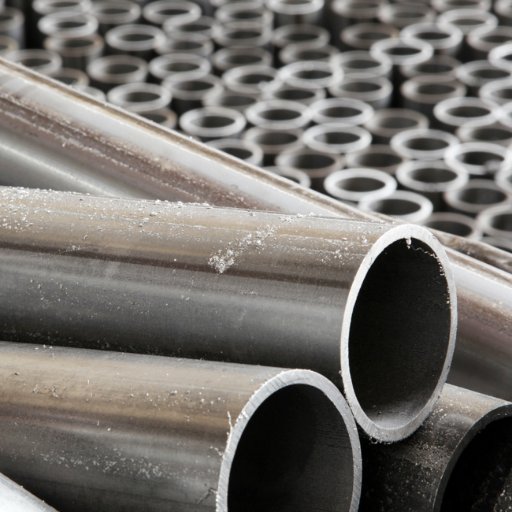
Grade 410 stainless steel possesses a fair corrosion-resisting ability in mild environments, particularly where it is expected to come in contact with fresh water, air, and some chemicals. However, in more aggressive environments with high salinity or acidic conditions, the resistance to corrosion is severely compromised. Proper heat treatment and polishing of the surface could yield better corrosion resistance, allowing for use in applications such as knives, valves, and turbine blades. Regular maintenance and limiting exposure to extremes, however, are advised to ensure the best performance.
Why is 410 Stainless Steel Less Resistant to Corrosion?
Being a martensitic grade, 410 stainless steel is less corrosion-resistant than austenitic stainless steels because of lower chromium content and an almost total absence of nickel. Usually, about 11.5%-13.5% chromium is found in 410 stainless steel. This chromium forms a passive oxide layer to resist oxidation. However, in some hostile environments, especially when containing high levels of salinity and an acidic pH in the presence of chlorides, such a low chromium content will definitely not offer enough protection.
A second reason for its reduced corrosion resistance might be its considerably high carbon content, which usually ranges between 0.08%-0.15%. While the carbon does impart strength and hardness, it also tends to make the steel susceptible to localized attacks of corrosion such as pitting and crevice corrosion in the presence of chlorides or other aggressive chemicals. This susceptibility drastically increases in environments that can invalidate the protective surface oxide film, such as marine applications or chemical processing.
As an example, research indicates that 410 stainless steel may corrode faster than austenitic ones such as 304 or 316 in an environment having 3.5% sodium chloride (NaCl). Tests also show that corrosion rates increase drastically at pH values less than 4 or more than 9 because of the corrosion of the protective oxide film.
If they are passivated after manufacture to improve the protective film of the surface layer, 410 stainless steel may be reasonably well protected. Protection through coating or finishing can also minimize exposure to aggressive agents. Still, 410 remains less appropriate than others for extremely corrosive or extreme conditions. Selection for performance and regular maintenance are critical to ensure the properties of the steel.
Means of Increasing Corrosion Resistance – for Applications That Require It
Thus, to increase corrosion resistance where required in fields of application:
- Select the Appropriate Material – Select grades of stainless steel made for corrosion resistance at a high level like 316 or a duplex stainless steel, depending on the environmental demand.
- Apply Protective Coatings – Impose coatings such as epoxy, polymer, or paint to an additional level of defense against corrosive elements.
- Ensure Proper Surface Finish – Surface finish is designed to optimize scratch resistance by minimizing depressions that corrosive material can settle in.
- Regular Maintenance – Clean and inspect regularly for contaminant buildup.
- Control the Environment – Control exposure of corrosive environments, for instance, by excessive dimness, humidity, or salinity, whenever possible.
The durability and efficiency of the material may be highly improved by bearing these factors.
What is the limit for corrosion resistance?
The achievement of maximum corrosion resistance in the materials, especially metals, requires an application of a more advanced material design, protective treatment, and optimal setting environment. One major limiting factor in material fabrication is that of corrosion resistance of the material. For instance, stainless steel materials such as 316L and duplex stainless steel have excellent corrosion resistance as they have a very high chromium and molybdenum composition capable of creating a very durable passive oxide layer on surface.
The most recent data has shown modern coating technologies such as plasma spraying and nanocoating have opened up a new dimension. It is reported that titanium nitride (TiN) coating may triple the lifespan of materials when put into harsh environments. Similarly, graphene-nanoparticles-containing epoxy coatings can reduce corrosion rate by almost 80% compared to conventional coatings.
Environmental controls also significantly contribute to corrosion resistance. Industrial application data reveal that corrosion processes slowed down substantially when humidity was kept below 50% in storage facilities, coupled with the use of dehumidifiers. Then again, cathodic protection methods have achieved 95% efficiency on reducing corrosion for buried or submerged structures like pipelines.
With the combination of these factors, using advanced alloys, implementing state-of-the-art coating technologies, and optimizing environmental conditions, industries can undoubtedly reach near-maximum performance in corrosion resistance, thus extending the service life of essential infrastructure and components of higher order.
Applications and Specifications of UNS S41000
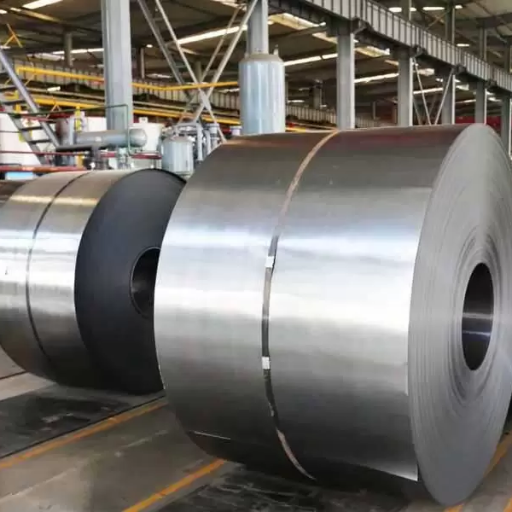
UNS S41000, commonly known as 410 stainless steel, is favored for applications necessitating medium corrosion resistance and high mechanical strength. Structures such as turbine blades, shafts for pumps, and valve components commonly use this material. It is versatile, as it is both heat-treatable and magnetic, allowing for its application across industries, including aerospace, automotive, and power-generating industries.
Common Applications in Kitchen Utensils and Cutlery
UNS S41000, or 410 stainless steel, represents a popular choice for kitchen utensils and cutlery due to its unique combination of properties. Moderate corrosion resistance coupled with the ability to hold a sharp edge makes it well suited for knives, kitchen shears, and other cutting utensils. The greatly durable heat treatability of UNS S41000 means knives made using this material can be hardened, allowing them to retain their edge for a long time, which is important for any kitchen task.
The magnetic nature of the material, coupled with the polished finish, deem it suitable for making other kitchen supplies like cutlery and spatulas, where both aesthetics and functionality come into play. According to the latest industry data, stainless steel grades such as 410 contribute to a huge share of the global cutlery market, which is expected to touch $19.7 billion by 2026, expanding at a CAGR of 5.5%. This growth serves as a testimony to the increased use of high-grade materials like UNS S41000 in professional kitchens as well as households. It is also resistant to food acids and easy to clean, which prevent food contamination from occurring, and this fits well within stringent food safety standards that have been put in place worldwide.
Why is UNS S41000 Popular in Valves and Turbines?
Martensitic UNS S41000 classification steels compare to valves and turbines because of their greatly preferred strength, corrosion resistance, and costs. UNS S41000 becomes high in strength and hardness through heat treatment and is used where components undergo high stress or wear. Corrosion resistance of the material itself ensures a better life in water, steam, and mild chemicals; that environment shall be the normal working conditions for turbines and valves.
The increasing demand of energy and power sectors is expected to grow the industrial valve market at a CAGR of 4.8% from 2021 to 2028, according to industry data. Growing demand from the energy and power sectors underlines extensive use of UNS S41000 for valve seats, stems, and bodies, which contribute largely to this growth. The global steam turbine market is likewise anticipated to cross USD 30 billion by 2027, giving importance to materials such as UNS S41000 which can bear extreme pressure and high temperatures-operating conditions very often faced in power generation plants. Its reputation for reliability coupled with its ease of machinability has cemented its position ahead of other competing materials.
Being tough and resisting scaling at elevated temperature, UNS S41000 is well suited for turbine blades and components facing thermal fatigue. Ensuring reliability over a wide variety of applications has been a key factor in its popularity in industries where precision coupled with durability is demanded.
Specifications That Make 410 Stainless Steel
When it comes to 410 stainless steel, I look for high chromium content of around 11.5 to 13.5%, which gives it good corrosion resistance. It has carbon content in the range of 0.08 to 0.15, giving the material a fair amount of hardness and strength. It is also heat treatable to different hardness values, depending on the application. Next, I focus on tensile strength, which ranges from about 65,000 psi in the annealed condition to more than 200,000 psi in the fully hardened condition. These specifications make it a versatile and reliable material for harsh environments.
Can 410 Stainless Steel Resist Heat?
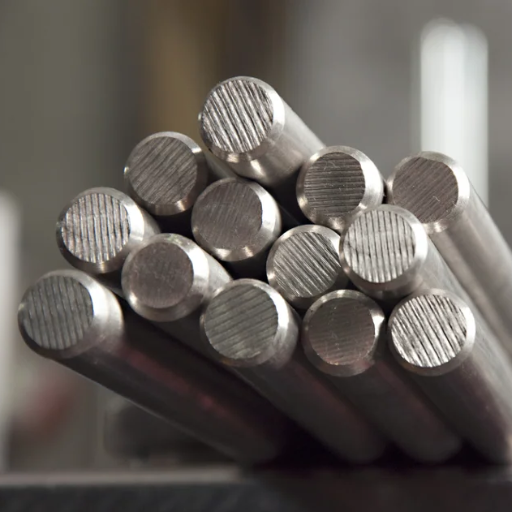
Yes, 410 stainless steel does basically have heat resistance qualities. It is fit to be kept up for 1300°F (704°C) like normally the entire day and can stand till 1500°F (815°C) for a little while in the nights more so. Its highest heat resistivity decreases with prolonged exposure to very high heat, and it is highly recommended not to be used where resistance to oxidation is considered extremely highest.
Heat Resistance Properties of Grade 410 Stainless Steel
Considerable heat resistance makes 410 stainless steel appropriate in many different applications for hostile environments within specific temperature ranges. This martensitic stainless steel is able to withstand continuous exposure up to approximately 1300°F (704°C). Intermittent service of up to 1500°F (815°C) is also achievable.
However, if there is very high temperature exposure to 410 stainless steel for a long time, it begins to scale, affecting the structural integrity since it gradually loses mechanical properties. Research shows that 410 stainless steel has rather limited oxidation resistance when compared with grades like 304 or 316. For applications in which exposure to very high temperatures is prolonged or where a greater resistance to oxidation is warranted, other grades of stainless steel should be considered. Such considerations in the properties and limitations of materials highlight the importance of choosing the right material for specific environmental conditions.
High Temperature Effect on Mechanical Properties
High temperatures influence the mechanical properties of 410 stainless steel significantly. It is a martensitic alloy characterized by its moderate corrosion resistance and high strength. When exposed to an elevated temperature above approximately 750°F (400°C), the property of 410 stainless steel undergoes marked alteration. Its tensile strength and hardness begin to reduce by way of tempering and softening effects. Prolonged exposure of the material to temperatures ranging between 750°F to 1200°F (400°C to 650°C) results in a significant reduction in yield strength, thereby limiting its ability to withstand mechanical stress under said conditions.
Recent data suggests that when at approximately 1000°F (538°C), the tensile strength of 410 stainless steel drops by about 30% of its strength at room temperature. Besides, creep deformation will start to gain concern at elevated temperatures. Above 1200°F (650°C), the scaling and oxidation expedite the degradation of steel surface and mechanical integrity.
When dealing with high-temperature environments, these thermal effects should be deliberated upon, and whenever necessary, propagating materials with superior performance such as stainless steel grades 304 or 316, or at least applying a protective coating, should be pursued over 410 stainless steel.
Is Heat Treated 410 Steel Suitable for High-Temperature Environment?
Heat treatment offers improved hardness and strength to 410 stainless steel owing to its martensitic microstructure, thereby limiting its suitability for high-temperature applications with increasing exposure to heat treatment.
Heat treatment, after boosting the mechanical properties of 410 stainless steel, does not further improve its scaling or oxidation resistance at high temperatures. The data indicate a phenomenon being witnessed on 410 steel, where scaling and loss of mechanical strength begin to occur past 1200°F (650°C). Some oxidation resistance is provided by the chromium content of the 410; however, it is still questionable if the long-term usage in such environments is viable unless enhanced with coating or allied with another thermally stable material.
In terms of heat resistance, grades 304 or 316 stainless steel would offer better performance since both contain levels of nickel and chromium in excess. So, these grades can be relied on the most for long-term exposure at heat above what the 410 can withstand. Also, surface treatments on 410 stainless steel, like alumina or ceramic coatings, will greatly help its feasibility in high-temperature applications.
Therefore, 410 stainless steel that has undergone heat treatment is adept at being used under certain conditions of heat but should seriously be considered alongside the limitations if high or protracted heat situations are involved.
Reference sources
- Title: Evaluation of Natural Weed Extract on the Safety of Corrosion Inhibition of Stainless Steel-410 Pipelines in the De-scaling Process
- Authors: Rahul Singh et al.
- Journal: Journal of Bio- and Tribo-Corrosion
- Publication Date: 2023-09-08
- Methodology: This paper investigates the use of natural weed extract as a corrosion inhibitor for stainless steel 410 pipelines during the descaling process. The methodology likely involved experimental testing of the corrosion inhibition properties of the extract under various conditions. Specific techniques used are not detailed in the provided abstract.
- Key Findings: The abstract does not provide specific findings. More information would be needed from the full text. (Singh et al., 2023, pp. 1–17)
- Title: Microstructure and electrochemical behaviour of laser clad stainless steel 410 substrate with stainless steel 420 particles
- Authors: J. Natarajan et al.
- Journal: International Journal of Materials Research – Zeitschrift für Metallkunde
- Publication Date: 2023-10-01
- Methodology: This study uses laser cladding to deposit stainless steel 420 particles onto a stainless steel 410 substrate to enhance its electrochemical behavior. The methodology included nano-indentation tests to measure hardness, microstructural analysis, and electrochemical studies (polarization curves and electrochemical impedance spectroscopy, EIS) to assess corrosion resistance. Morphological analysis of the corroded surface was also performed.
- Key Findings: Laser cladding created a closely packed acicular structure, improving nanohardness. The specimen tested for 14 hours showed excellent corrosion resistance. Oxide formation on the corroded surface contributed to improved corrosion resistance. (Natarajan et al., 2023, pp. 1029–1042)
- Title: Plasma nitriding effect on tribological and corrosion properties of Stellite 6 and 12 PTA weld clad hardfaced on stainless steel 410
- Authors: Alireza Gholami Poshtahani et al.
- Journal: Results in Surfaces and Interfaces
- Publication Date: 2023-03-01
- Methodology: This research examines the effects of plasma nitriding on the tribological and corrosion properties of Stellite 6 and 12 PTA weld clad hardfaced on stainless steel 410. The methodology likely involved plasma nitriding treatments followed by tribological and corrosion testing. Specific techniques are not detailed in the provided abstract.
- Key Findings: The abstract does not provide specific findings. More information would be needed from the full text. (Poshtahani et al., 2023)
- Top custom stainless steel parts Manufacturer and Supplier in China
Frequently Asked Questions (FAQs)
Q: What is 410 stainless steel?
A: 410 stainless is a martensitic stainless steel, noted particularly for its high strength and hardness. In order to resist corrosion to some extent, it has some chromium in it, thereby placing 410 stainless steel in a category that requires strength and corrosion resistance.
Q: How does 410 stainless steel compare to 304 stainless steel?
A: 410 stainless steel is a martensitic alloy with more strength and hardness than 304 stainless steel, which, in turn, is an austenitic alloy. On the corollary, 410 is less corrosion-resistant than 304, thus making 304 more apt for applications involving highly corrosive environments.
Q: What are the mechanical properties of 410 stainless steel?
A: The stainless steel 410 exhibits high strength and hardness, which can be modified by heat treatment. It also exhibits good toughness and ductility. This one is often used where applications call for cutlery or valve components.
Q: How can heat treatment modify the property of 410 stainless steel?
A: Heat treatment brings about the dramatic changes in properties of 410 stainless steel. It ensures maximum strength and hardness by quenching and tempering, whereas annealing helps to enhance ductility and machinability while preserving corrosion resistance.
Q: What kind of heat resistance is 410 stainless steel capable of?
A: The 410 stainless steel has strength and hardness, with very good heat resistance, thereby making it suitable for applications involving elevated temperatures.
Q: In machining, how does 410 stainless steel perform?
A: It can be machined in an annealed condition; however, machining 410 stainless steel requires careful control of cutting speeds and feeds to avoid rapid tool wear. It is generally surpassed by other stainless steels in machining due to its hardness and strength.
Q: What are 410 stainless steel specifications?
A: Specifications for 410 Stainless steel will include standards such as AISI and ASTM which will cover its chemical composition, mechanical properties, and heat treatment processes, ensuring the alloy is meeting the various requirements as per industrial application.


